Mississippi Notice of Deposition
What this document covers
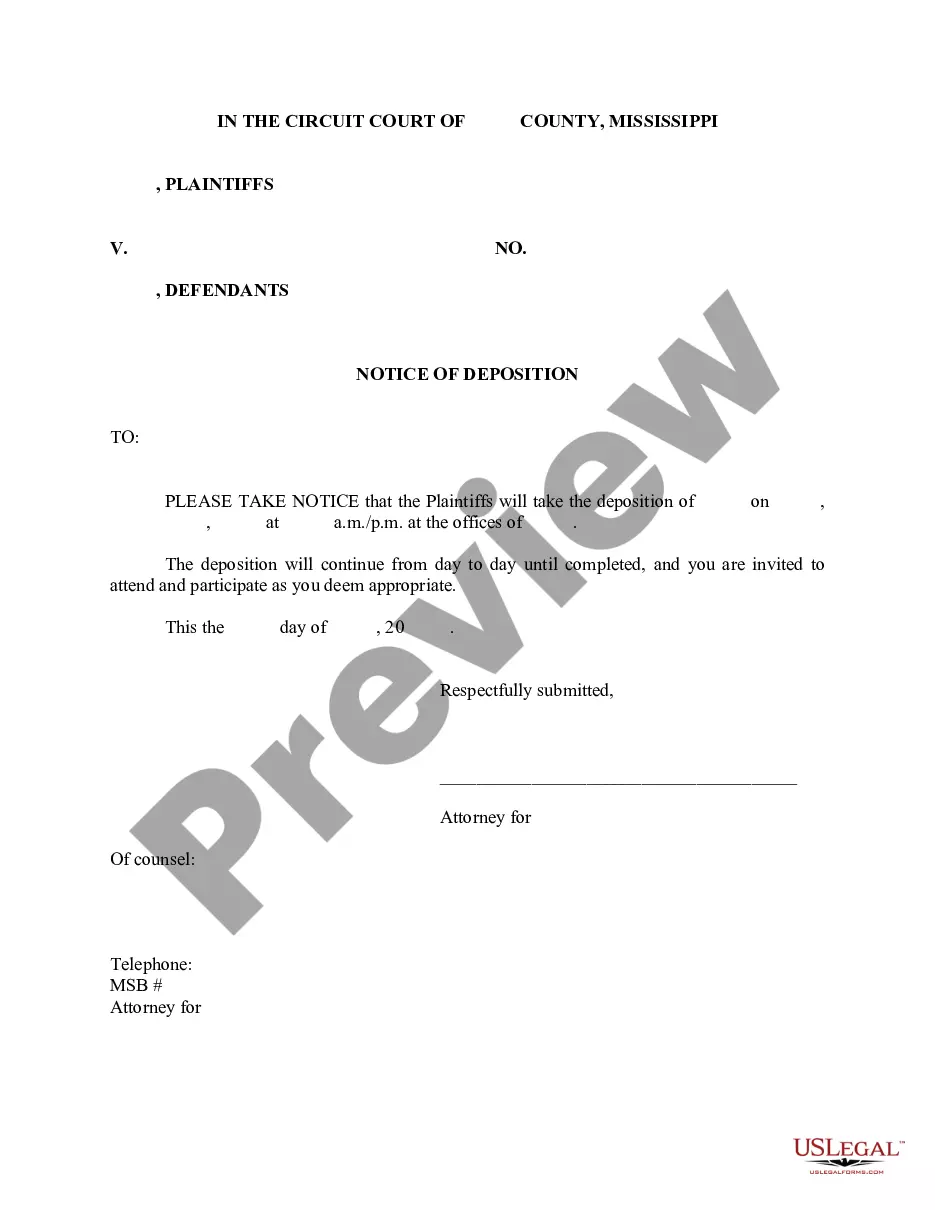
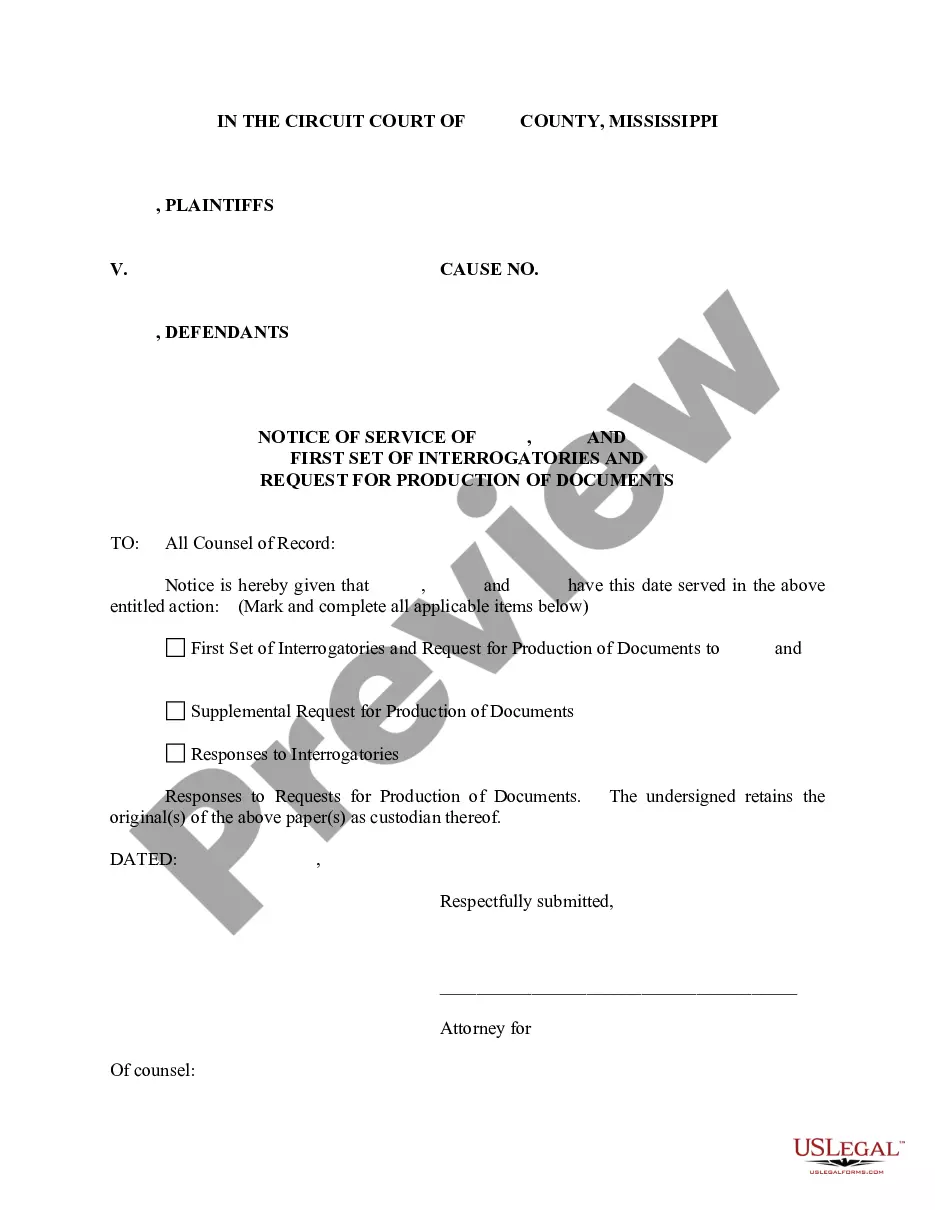
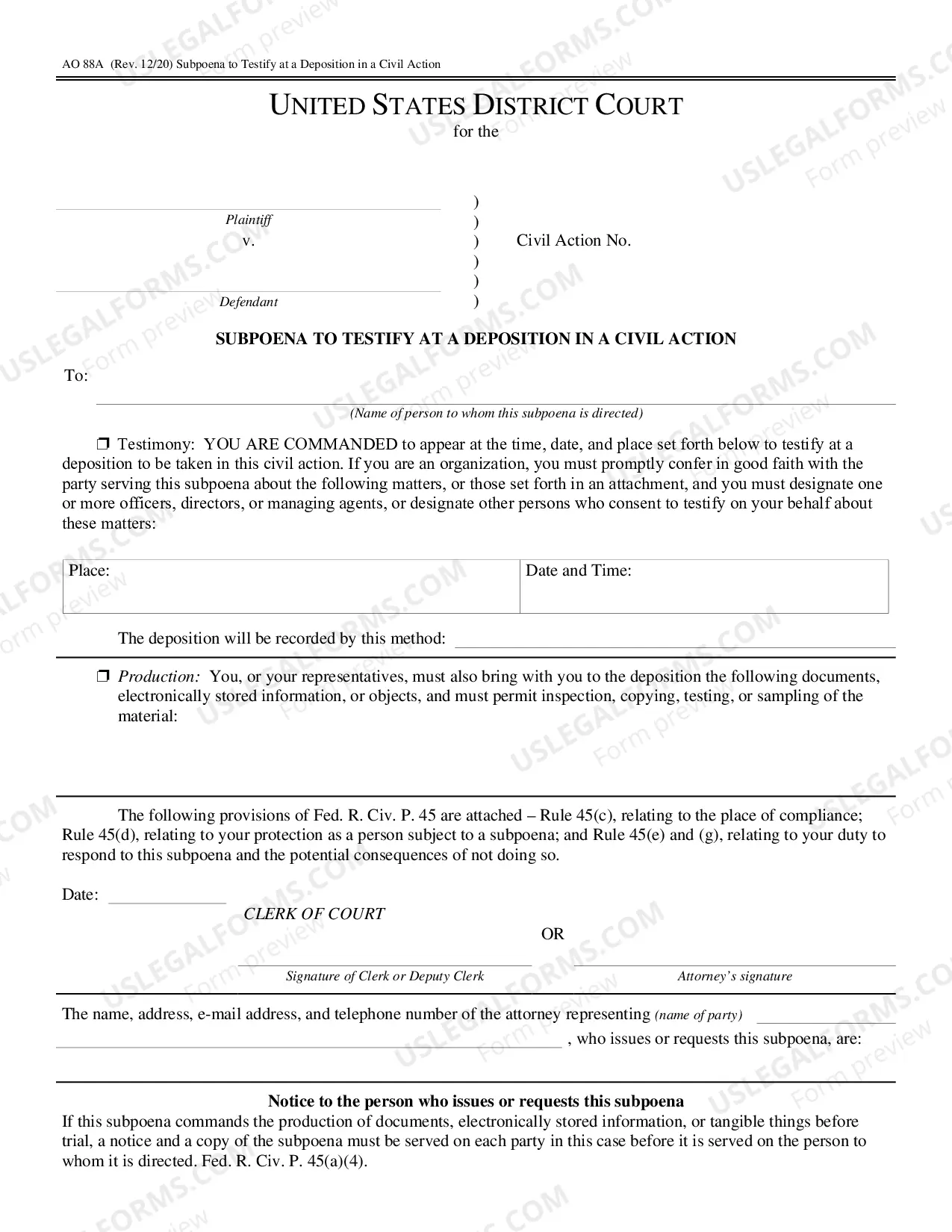
A Notice of Deposition is a legal document used to formally notify a party that they are required to provide testimony at a deposition. This form serves as essential legal notification within the discovery phase of a lawsuit, helping to minimize delays caused by lack of communication. Unlike similar notices, this specific form outlines the details surrounding the deposition, including time, date, and location, ensuring compliance with legal standards.
Main sections of this form
- Details of the deponent, including name and address.
- Date, time, and location of the deposition.
- Instructions regarding the process of the deposition.
- Information on how to object or respond to the notice.
- Signature lines for the party issuing the notice.
Common use cases
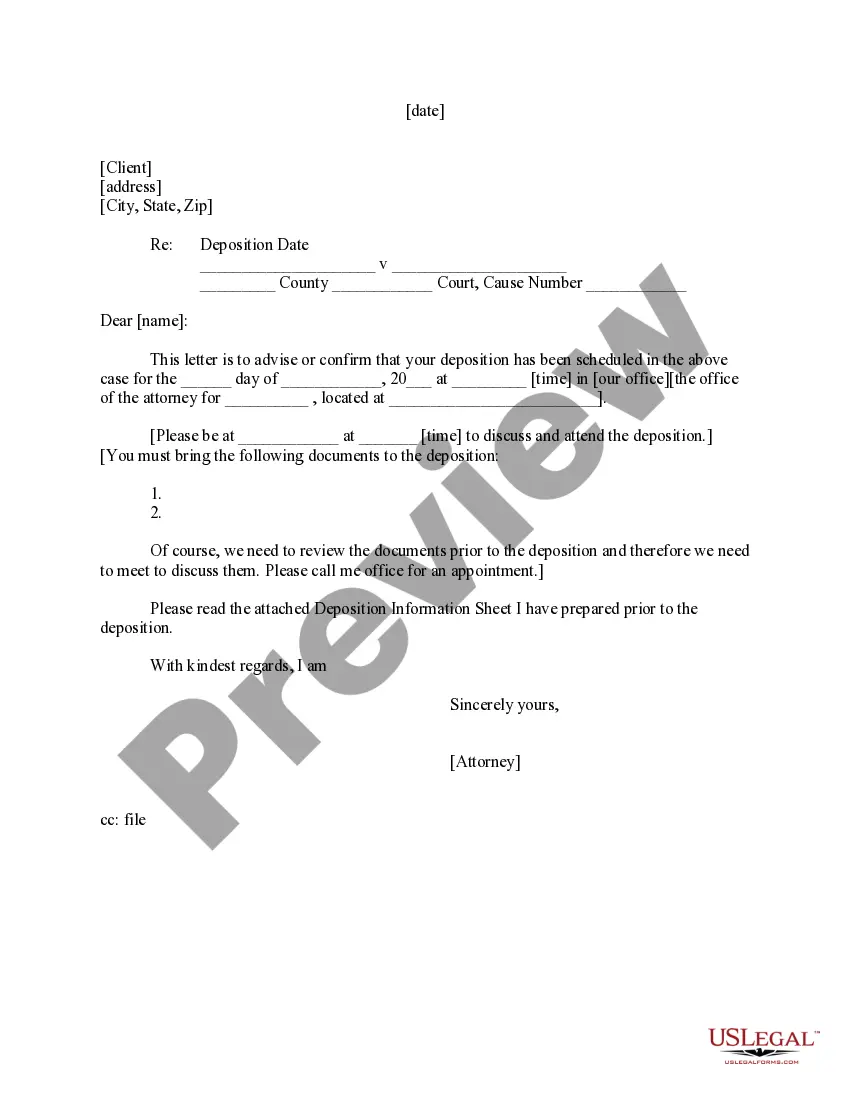
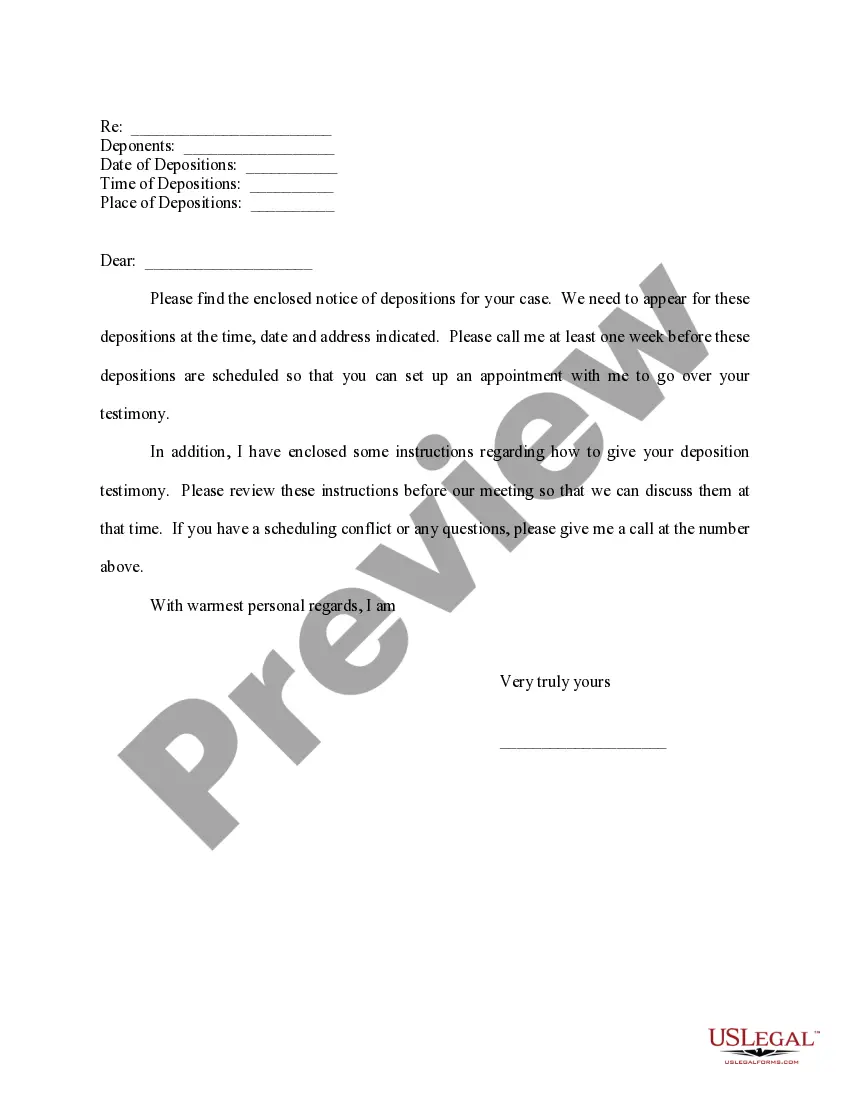
This form should be used when you need to formally notify a witness or party that they are required to appear and give testimony under oath as part of legal proceedings. Common scenarios include civil lawsuits, personal injury claims, and other litigation matters where witness testimony is critical for gathering evidence.
Who can use this document
- Attorneys who are representing a party in a lawsuit.
- Legal professionals involved in the discovery process.
- Any party requiring formal notification to a deponent participating in a deposition.
Instructions for completing this form
- Identify the deponent by entering their full name and address.
- Specify the date and time of the deposition clearly.
- Provide the location where the deposition will occur.
- Add any specific instructions regarding the deposition process.
- Include your signature and the date on the form to finalize it.
Notarization requirements for this form
This form usually doesn’t need to be notarized. However, local laws or specific transactions may require it. Our online notarization service, powered by Notarize, lets you complete it remotely through a secure video session, available 24/7.
Get your form ready online
Our built-in tools help you complete, sign, share, and store your documents in one place.
Make edits, fill in missing information, and update formatting in US Legal Forms—just like you would in MS Word.
Download a copy, print it, send it by email, or mail it via USPS—whatever works best for your next step.
Sign and collect signatures with our SignNow integration. Send to multiple recipients, set reminders, and more. Go Premium to unlock E-Sign.
If this form requires notarization, complete it online through a secure video call—no need to meet a notary in person or wait for an appointment.
We protect your documents and personal data by following strict security and privacy standards.

Make edits, fill in missing information, and update formatting in US Legal Forms—just like you would in MS Word.

Download a copy, print it, send it by email, or mail it via USPS—whatever works best for your next step.

Sign and collect signatures with our SignNow integration. Send to multiple recipients, set reminders, and more. Go Premium to unlock E-Sign.

If this form requires notarization, complete it online through a secure video call—no need to meet a notary in person or wait for an appointment.

We protect your documents and personal data by following strict security and privacy standards.
Common mistakes
- Failing to provide proper contact information for the deponent.
- Not including the correct date and time, leading to confusion.
- Leaving out important instructions about the deposition process.
- Failing to sign the notice before sending it out.
Why complete this form online
- Convenience of immediate access and download.
- Editability to tailor the form to specific legal needs.
- Reliability of using a template drafted by licensed attorneys.
Summary of main points
- A Notice of Deposition is crucial for informing parties about the scheduled deposition.
- Proper completion and delivery of this form can prevent delays in legal proceedings.
- Customizing the notice according to jurisdictional preferences is essential.
Looking for another form?
Form popularity
FAQ
When you are deposed, you will be brought into a room with attorneys from both sides, sworn in, and a court reporter will record every word you say as you are grilled by lawyers. You will be asked to recall minute details regarding an incident that might have happened months ago.
The act of questioning a deponent under oath, either a witness or a party to a lawsuit, at a deposition. Such an action is taken during the pre-trial discovery process.
RULE 30(B)(6) SHOULD REQUIRE AT LEAST 30 DAYS' NOTICE IN ORDER TO ENSURE PROPER PREPARATION, AND THE DEPOSITION SHOULD BE SCHEDULED AT A TIME AND DATE AGREEABLE TO BOTH PARTIES. A. Reasonable Notice Is at Least 30 Days Prior to Deposition.
There is no given time where all cases settle, or a guarantee that any particular case will end in a settlement. However, the majority of civil lawsuits (which includes personal injury cases) settle before trial. Many of these cases will settle at the close of the discovery phase, which includes depositions.
The deposition procedure begins with swearing in the witness. This must be done prior to taking any testimony or the information provided, even if witnessed by the court reporter, will be useless. Once the individual is under oath, it's important to ask their name and address so that information is on the record.
(b) The deposition of an organization that is a party to the action shall be taken at a place that is, at the option of the party giving notice of the deposition, either within 75 miles of the organization's principal executive or business office in California, or within the county where the action is pending and
At a deposition, a person appears at a specified time and place and gives sworn testimonyunder oath, usually with a court reporter present so that a record is made. Depositions typically occur during the discovery phase of a personal injury case (after the filing of a lawsuit, but before trial or settlement).
Speak Slowly and Clearly. Pause After Each Question. Pause briefly after each question to: Listen to Objections and Instructions. Tell the Truth. Short Answers Are Best. Remain Composed and Professional. Do Not Answer Unclear Questions. Ask for a Break if Needed.
A good (or bad) deposition has the ability to sway the case one way or another.If bad enough, a deposition can certainly expedite the settlement process. Keep in mind that depositions are taken under oath. Everything that the deponent says is being recorded by the court reporter and in some cases, by video as well.