Mississippi Sample Subordination Agreement Re Deed of Trust
Overview of this form
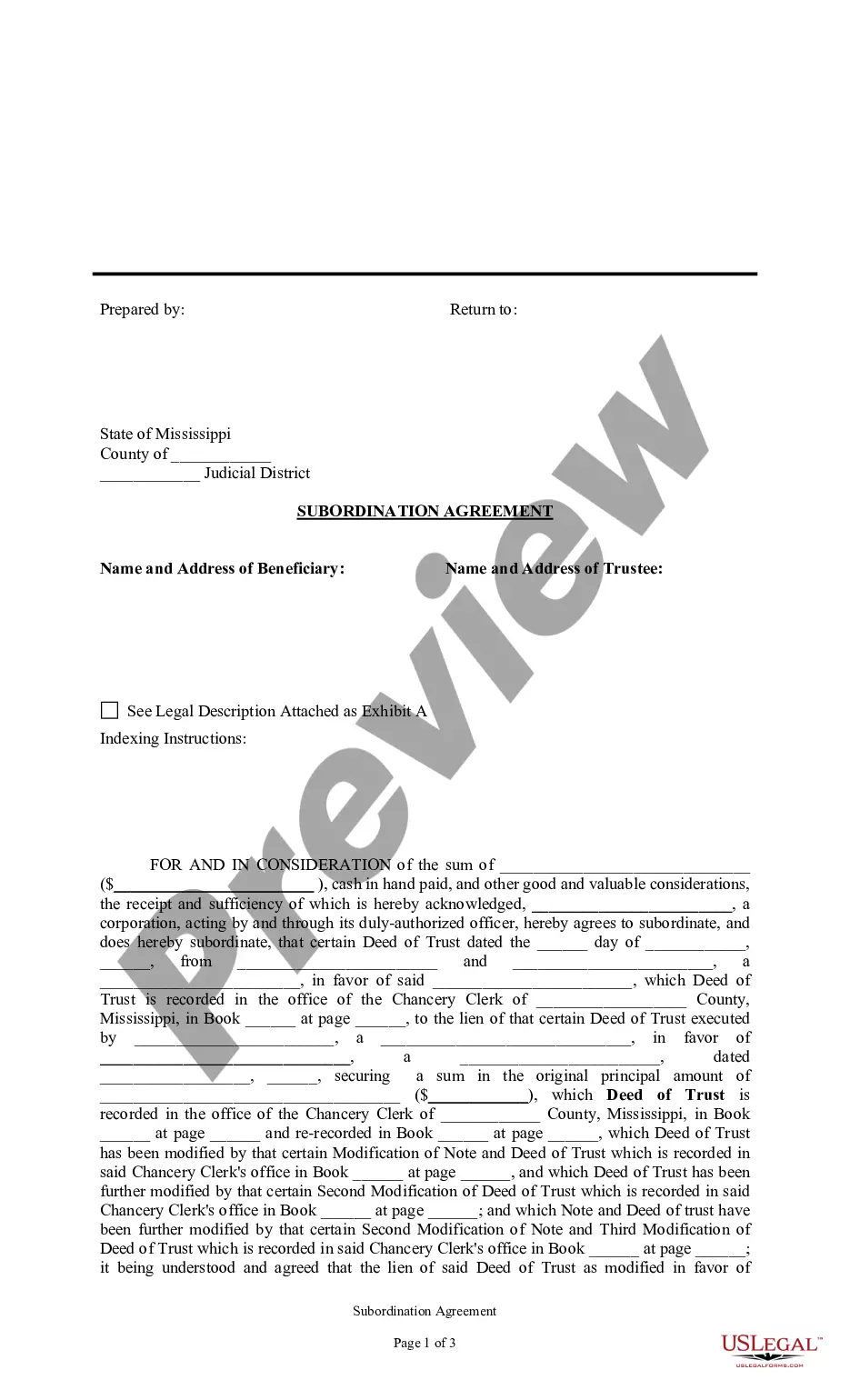
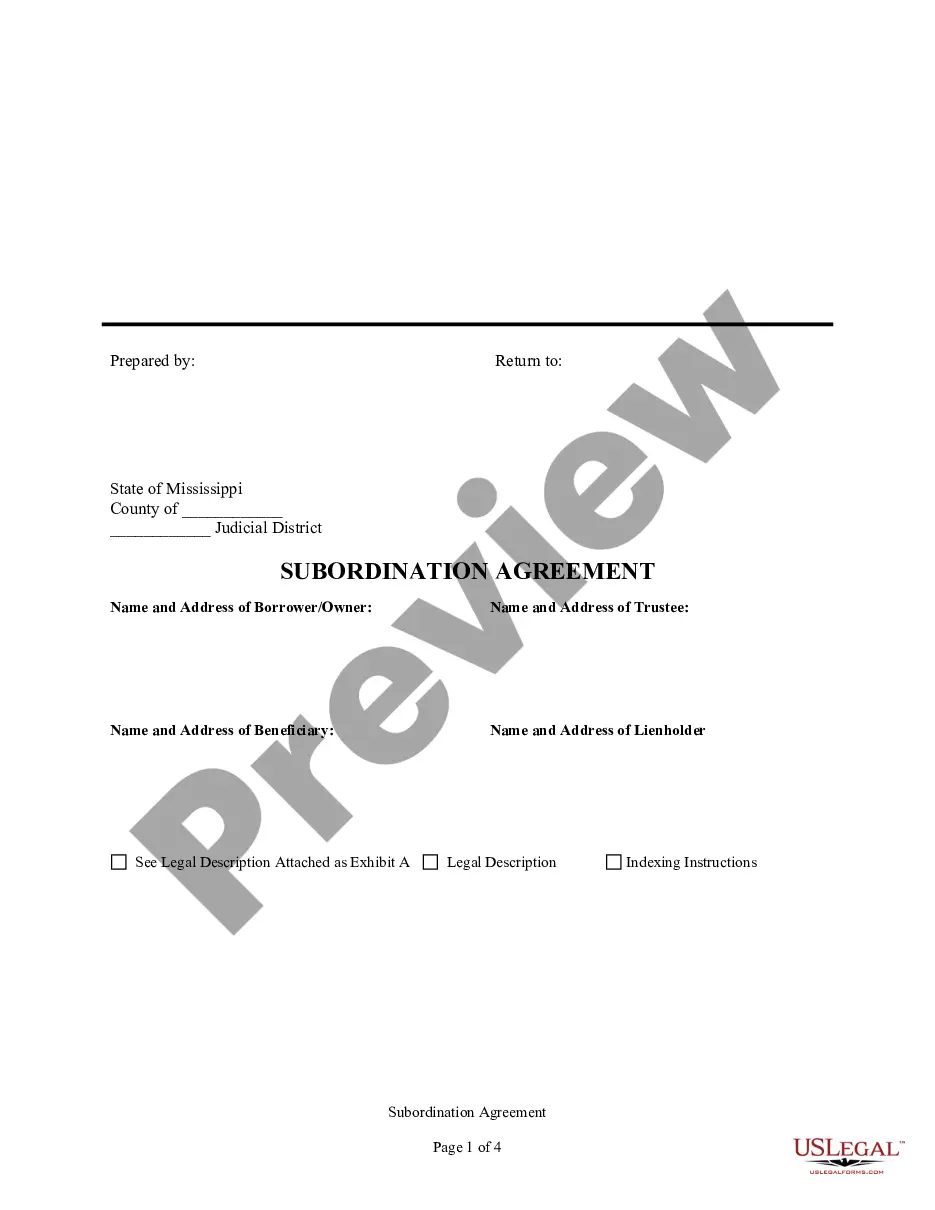
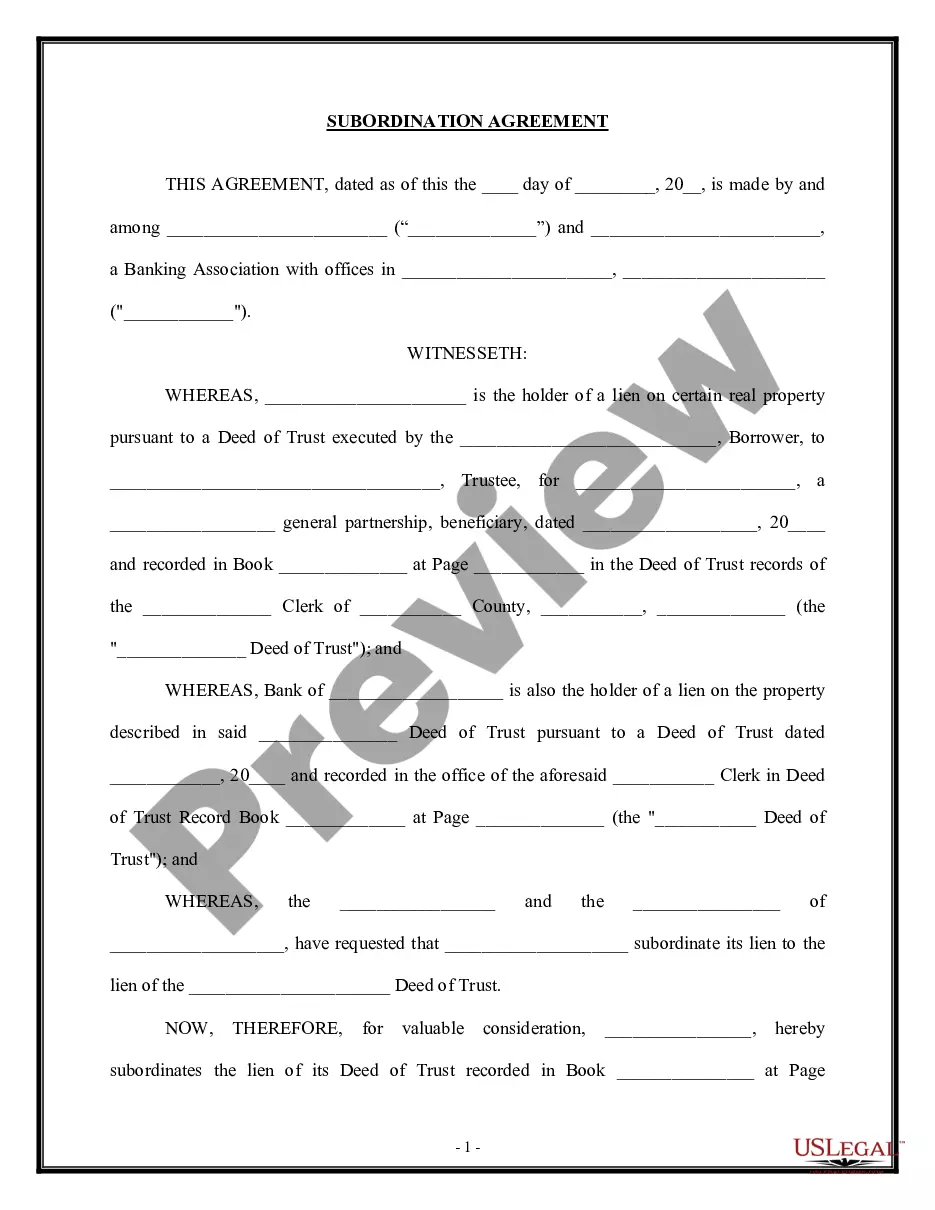
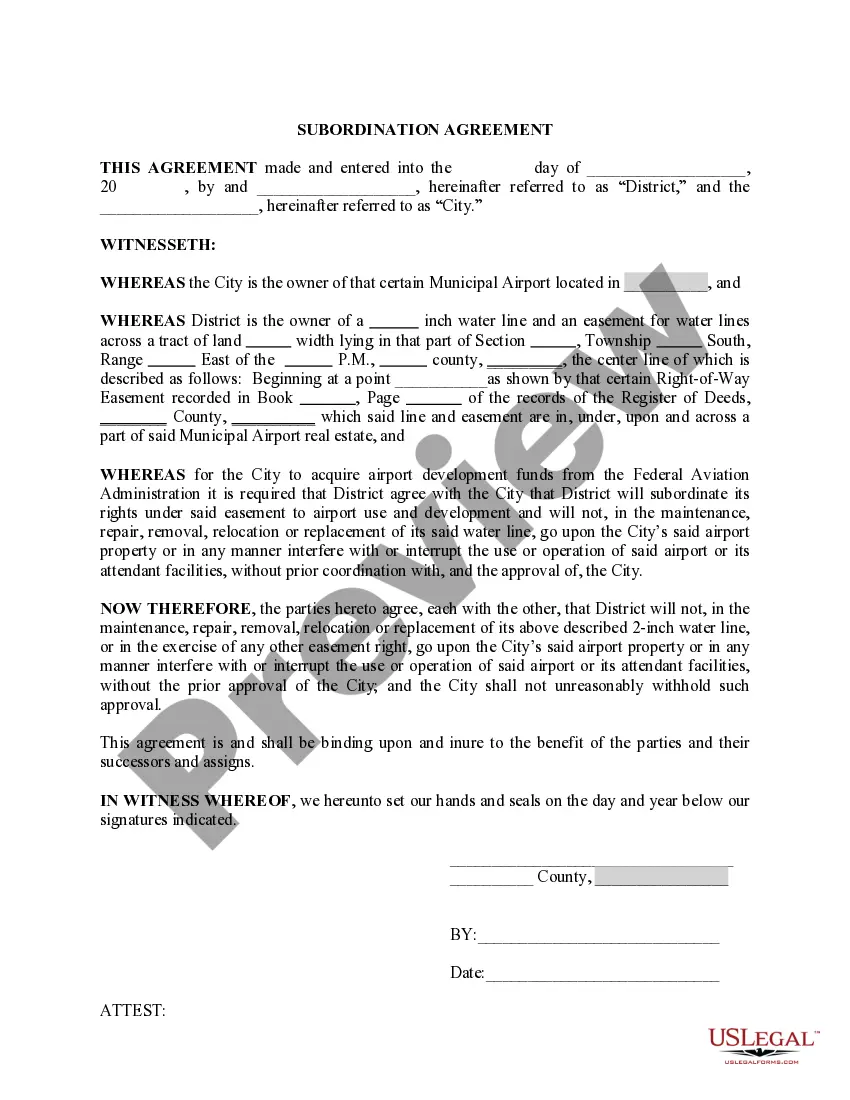
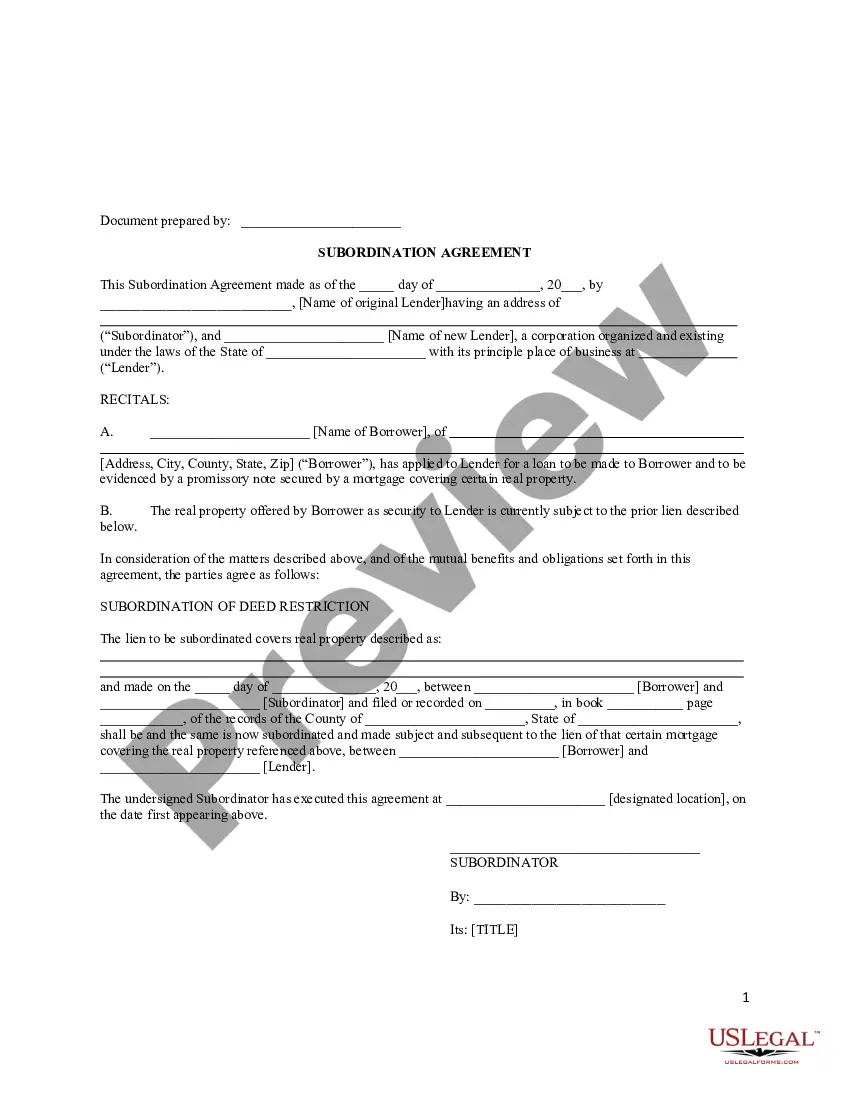
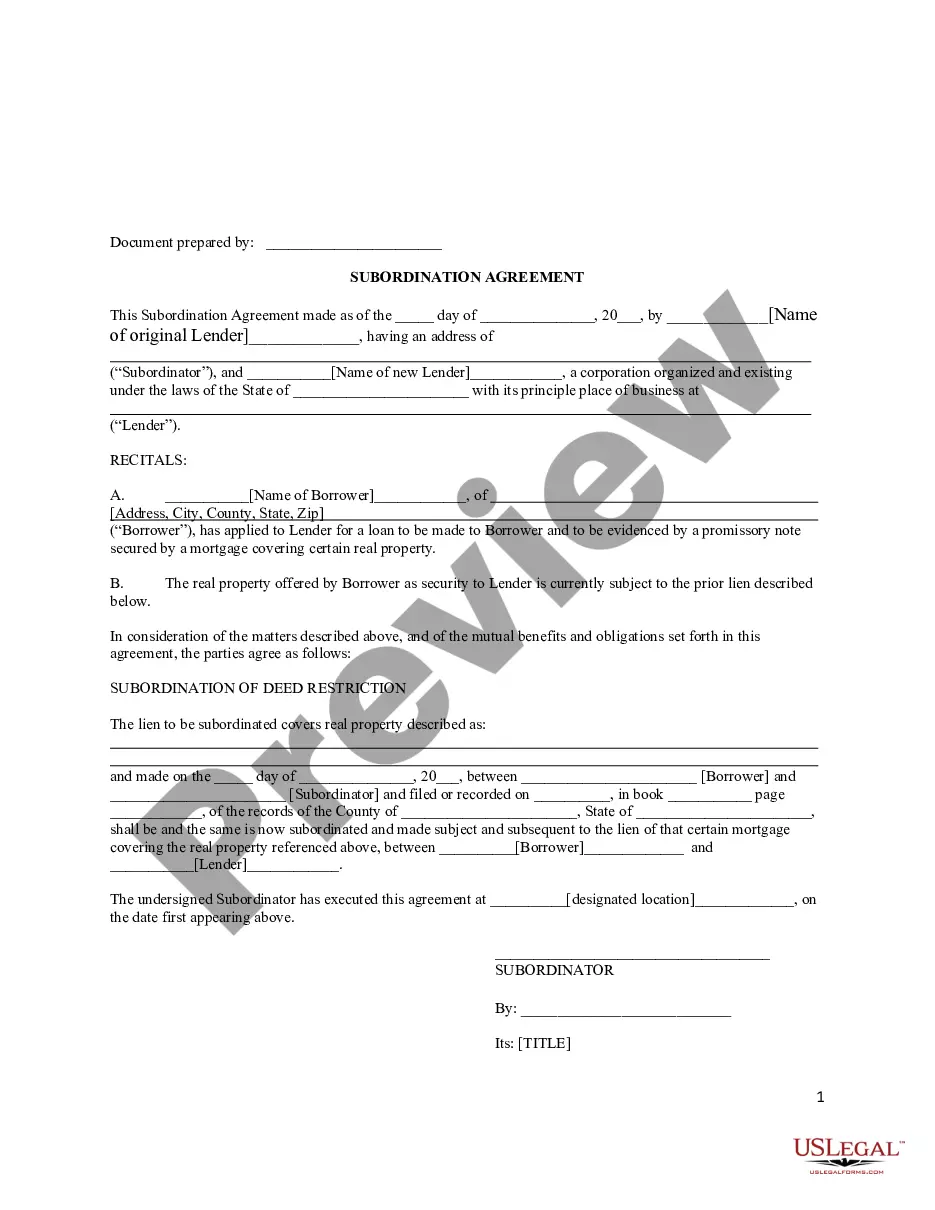
The Sample Subordination Agreement Re Deed of Trust is a legal document that sets an existing debt or claim to a lower priority behind another debt. This agreement is particularly useful for property owners seeking to secure a new loan, such as a second mortgage, for renovations or repairs. By establishing subordination, the new loan can take precedence over the original loan, which is essential for lenders to approve the new financing. This form is specifically designed to clarify priorities among debts related to a property, distinguishing it from other mortgage or debt agreement forms.
Form components explained
- Identifying parties: Names and contact information of the debtor, creditor, and involved lenders.
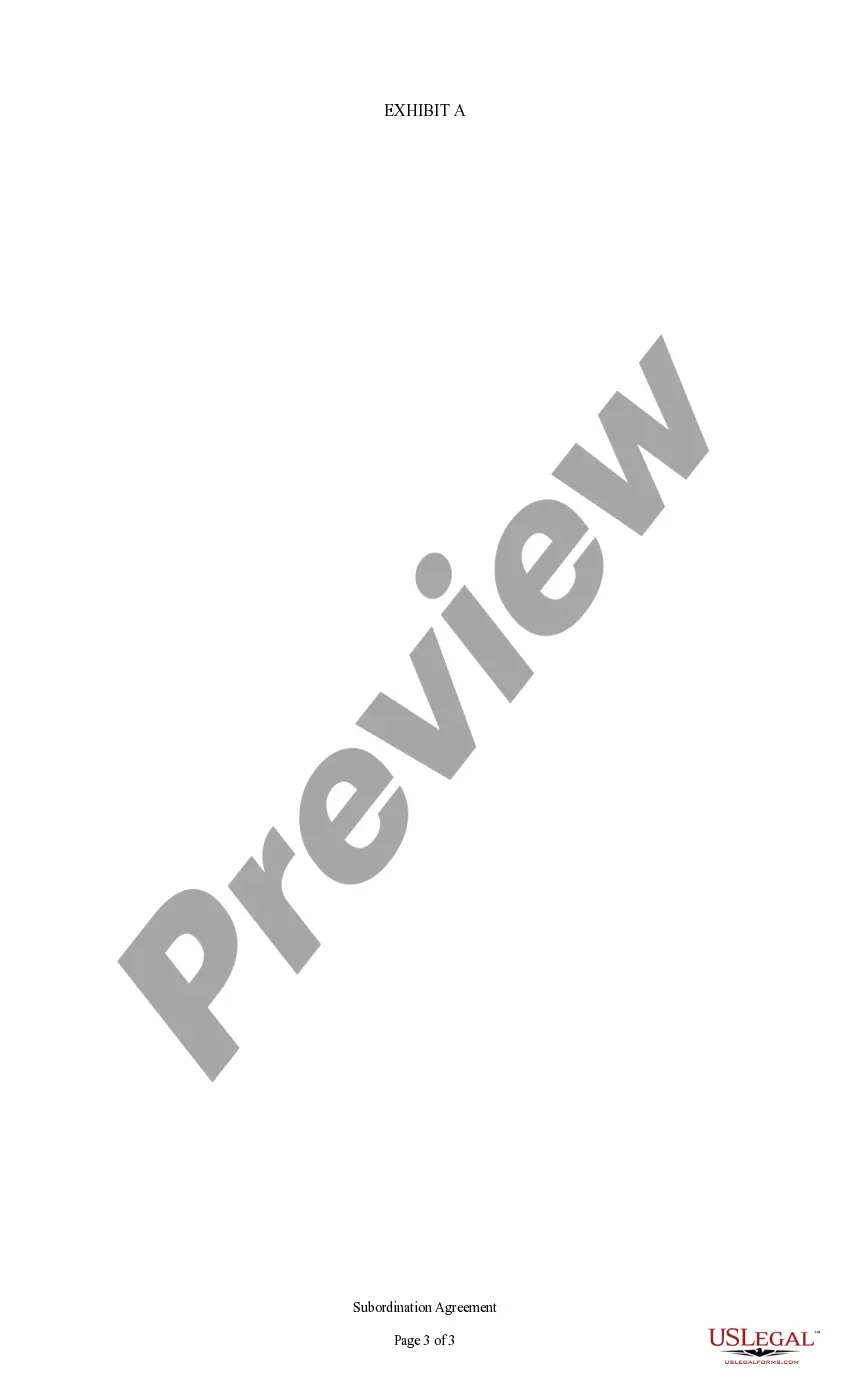
- Description of the property: Details of the property that secures the loans.
- Debt details: Information about the original loan and the new loan being secured.
- Terms of subordination: Specifics on how the existing debt will be subordinated to the new loan.
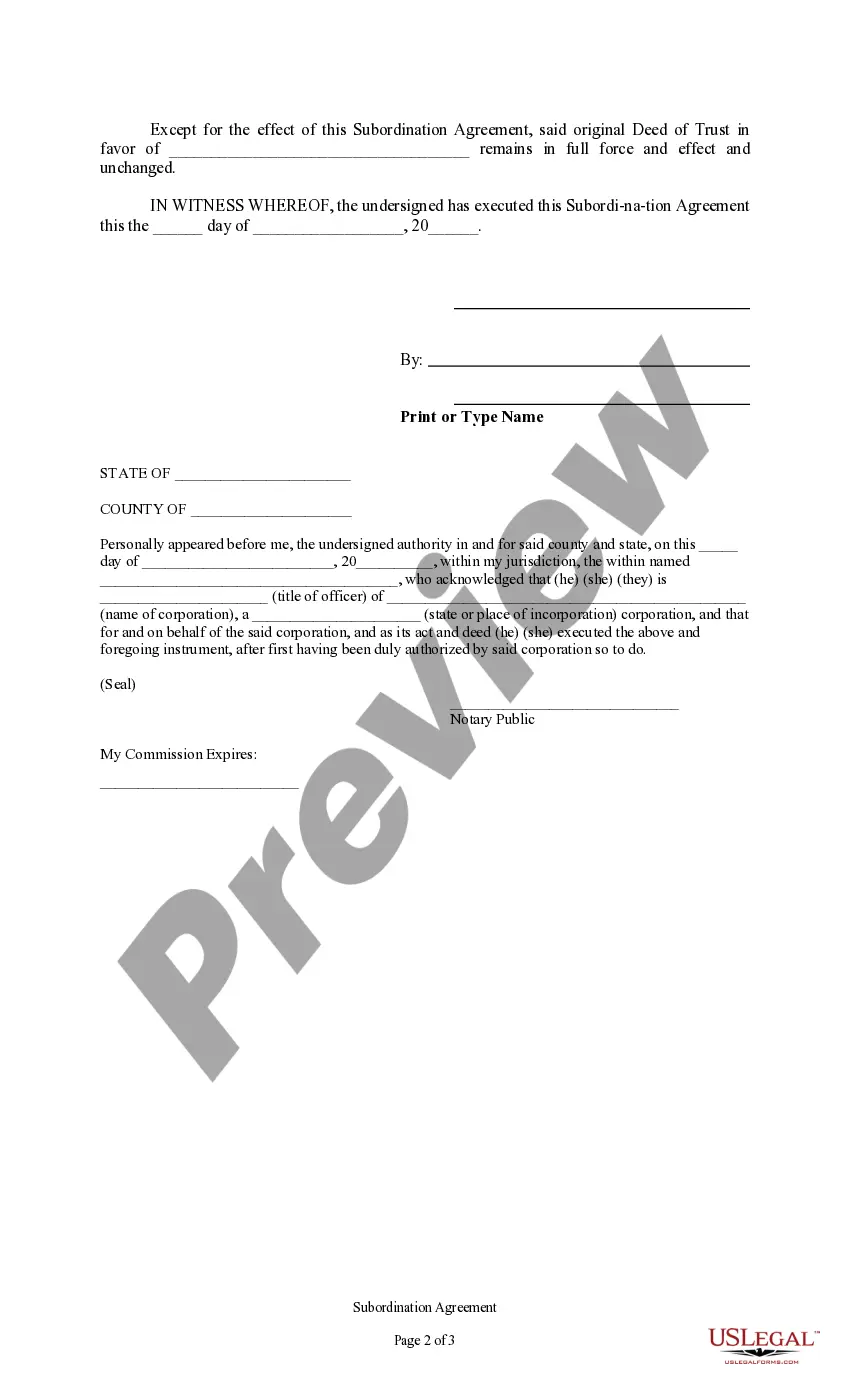
- Signatures: Required signatures of all parties to validate the agreement.
Situations where this form applies
This subordination agreement is typically needed when a property owner applies for a second mortgage to finance home improvements or repairs. Without this agreement, lenders may hesitate to provide additional financing, as they want assurance that their loan will have priority. Additionally, it may be required when a declaration of homestead must be subordinated to a loan.
Who needs this form
- Property owners seeking additional financing for home improvements.
- Lenders who need to establish loan priorities for financing.
- Title companies involved in real estate transactions requiring clarity on debt priority.
- Attorneys assisting clients with mortgage financing and property claims.
Steps to complete this form
- Identify the parties involved, including all lenders and the property owner.
- Specify the property details, including the address and type of property.
- Enter the original and new loan amounts, including terms and conditions of both loans.
- Outline the terms of subordination clearly, indicating the priority of debt.
- Ensure all parties sign and date the agreement to finalize it.
Notarization guidance
This form must be notarized to be legally valid. US Legal Forms provides secure online notarization powered by Notarize, allowing you to complete the process through a verified video call.
Get your form ready online
Our built-in tools help you complete, sign, share, and store your documents in one place.
Make edits, fill in missing information, and update formatting in US Legal Forms—just like you would in MS Word.
Download a copy, print it, send it by email, or mail it via USPS—whatever works best for your next step.
Sign and collect signatures with our SignNow integration. Send to multiple recipients, set reminders, and more. Go Premium to unlock E-Sign.
If this form requires notarization, complete it online through a secure video call—no need to meet a notary in person or wait for an appointment.
We protect your documents and personal data by following strict security and privacy standards.

Make edits, fill in missing information, and update formatting in US Legal Forms—just like you would in MS Word.

Download a copy, print it, send it by email, or mail it via USPS—whatever works best for your next step.

Sign and collect signatures with our SignNow integration. Send to multiple recipients, set reminders, and more. Go Premium to unlock E-Sign.

If this form requires notarization, complete it online through a secure video call—no need to meet a notary in person or wait for an appointment.

We protect your documents and personal data by following strict security and privacy standards.
Typical mistakes to avoid
- Failing to include all relevant parties in the agreement.
- Omitting important loan details, such as interest rates and repayment terms.
- Not signing the document or missing signatures from all parties.
- Using incorrect legal descriptions of the property.
Why use this form online
- Convenience: Download the form anytime from anywhere.
- Editability: Easily customize the form to fit your specific needs.
- Reliability: Access templates drafted by licensed attorneys to ensure legal compliance.
Legal use & context
- Establishes clear priorities among multiple debts secured by the same property.
- Provides lenders with assurance regarding the order of repayment.
- Can be enforced in court if disputes arise regarding debt priority.
Summary of main points
- A subordination agreement is vital for ensuring priority in property loans.
- It is essential for homeowners seeking additional financing.
- Completing the form accurately helps avoid legal issues in the future.
Looking for another form?
Form popularity
FAQ
Yes. The deed is a fully legally binding document which can be produced in a court of law as long as it has been signed and executed correctly.
Some owners are put off using solicitors duke to the deed of trust cost. Individuals can write out their own, and use someone else as a witness. However, this may have errors or not be a legally binding document. The investment of getting a deed of trust when buying a property is often worth it in the long term.
Name of the trust. Address of the trust. Objects of the trust (Charitable or Religious) One settlor of the trust. Two trustees of the trust (minimum)
The person who owns the property usually signs a promissory note and a deed of trust. The deed of trust does not have to be recorded to be valid.
Can I make a declaration of trust myself? Some owners are put off using solicitors duke to the deed of trust cost. Individuals can write out their own, and use someone else as a witness. However, this may have errors or not be a legally binding document.
As you stated in your question, it is recorded among the land records, and your lender keeps the original. When you pay off the loan, the lender will return the deed of trust with the promissory note. This document is rather lengthy and quite legalistic.
Whether you have a deed of trust or a mortgage, they both serve to assure that a loan is repaid, either to a lender or an individual person. A mortgage only involves two parties the borrower and the lender. A deed of trust adds an additional party, a trustee, who holds the home's title until the loan is repaid.
Yes, there are key differences between the two. With a deed, you transfer the ownership of the property to one party. In contrast, a deed of trust does not mean the holder owns the property. In an arrangement involving a deed of trust, the borrower signs a contract with the lender with details regarding the loan.
The following states use Deed of Trusts: Alaska, Arizona, California, District of Columbia, Georgia, Mississippi, Missouri, Nevada, North Carolina, and Virginia.