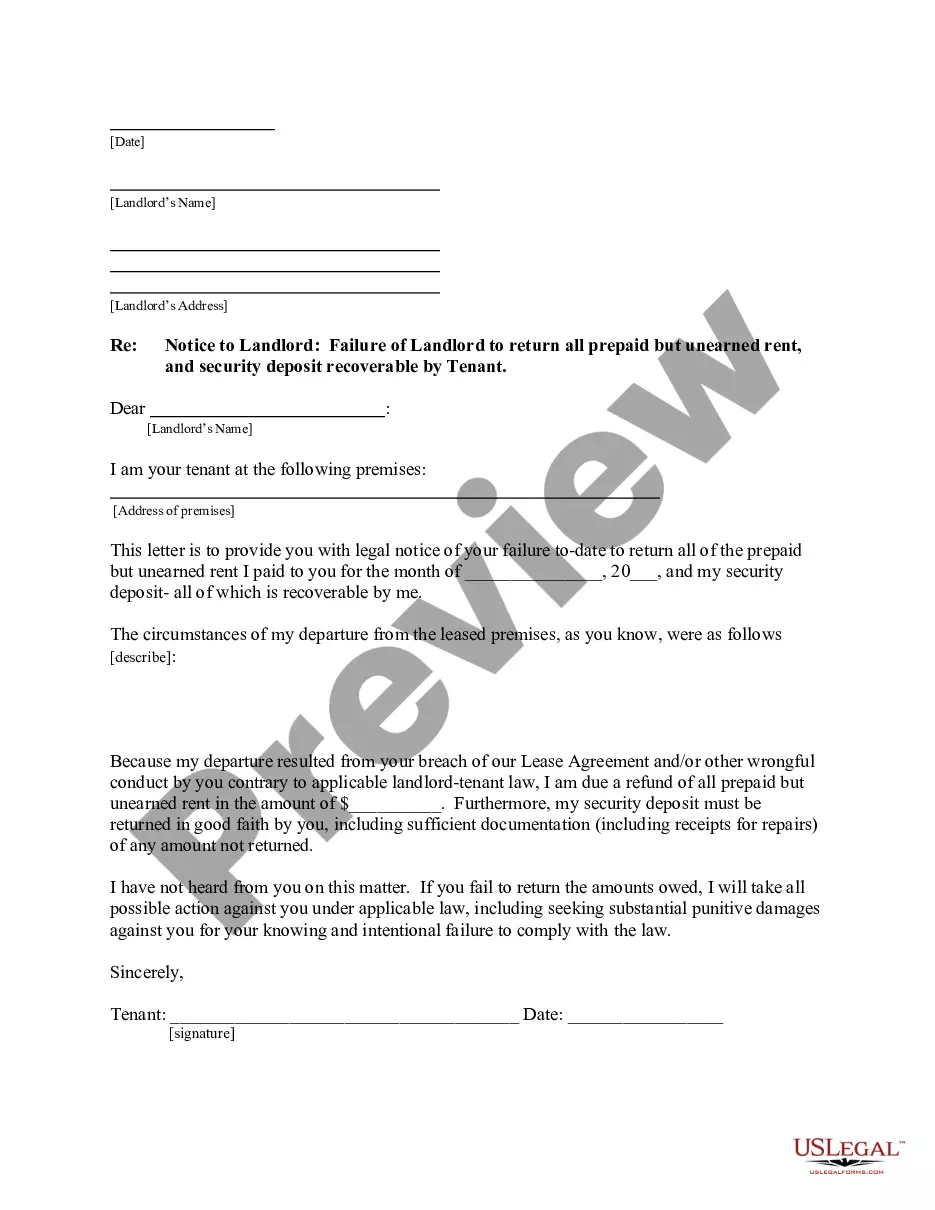
Missouri Deed in Lieu of Foreclosure
What is this form?
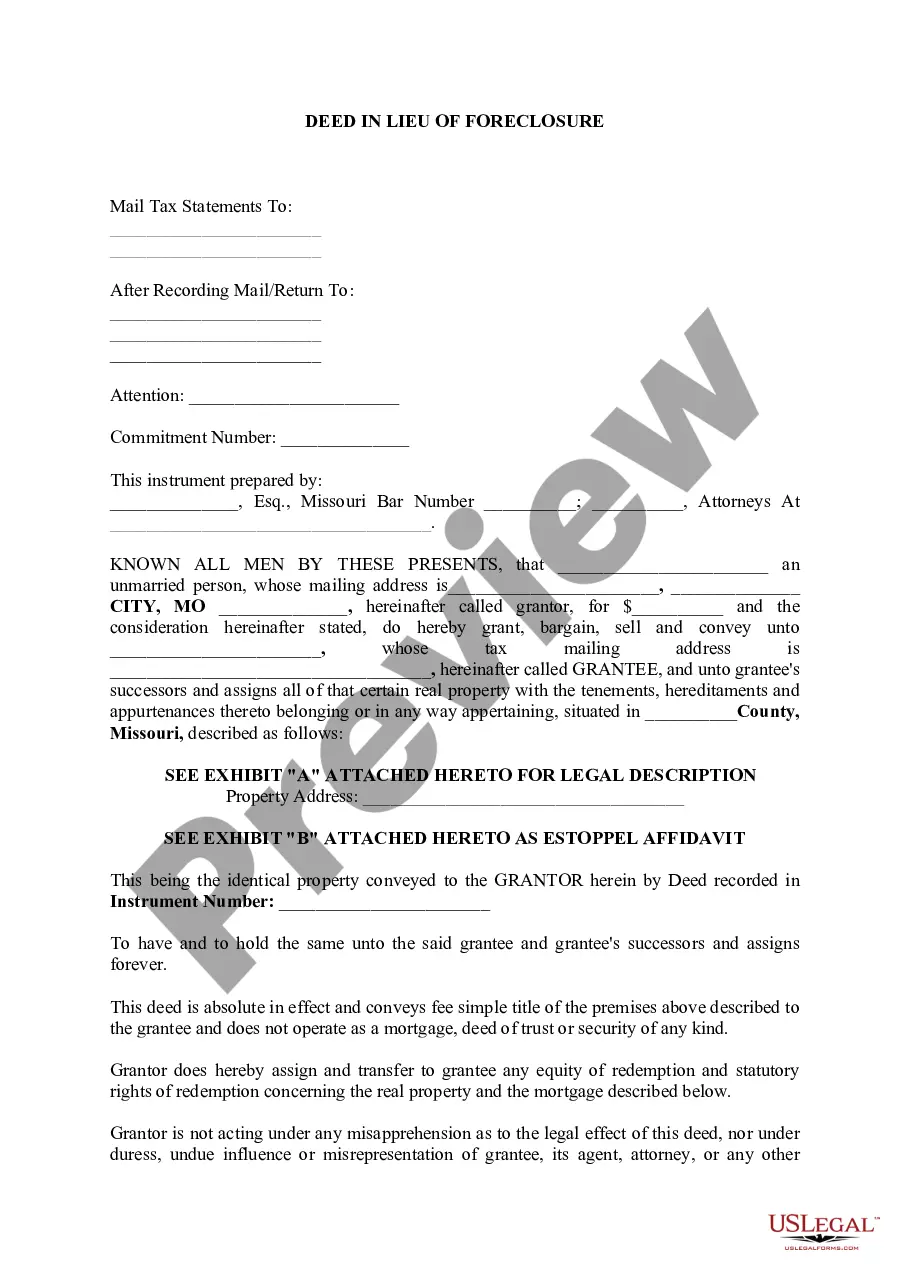
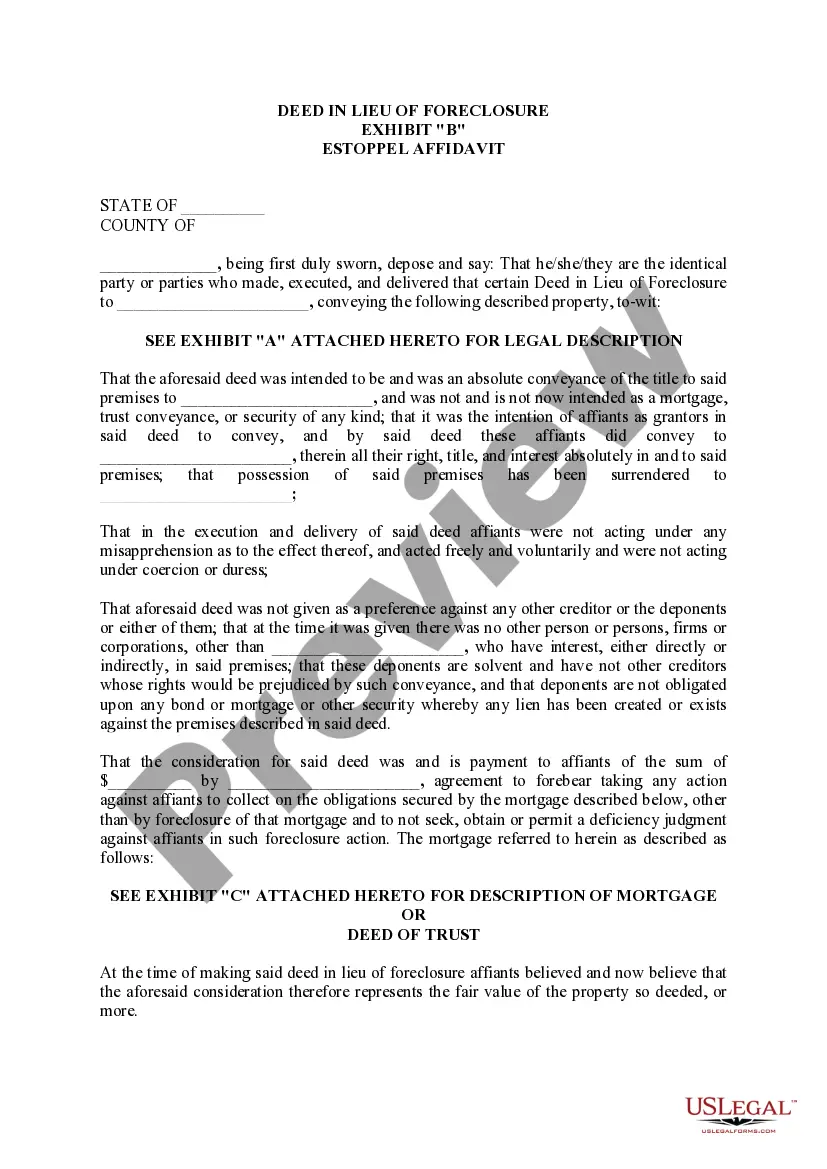
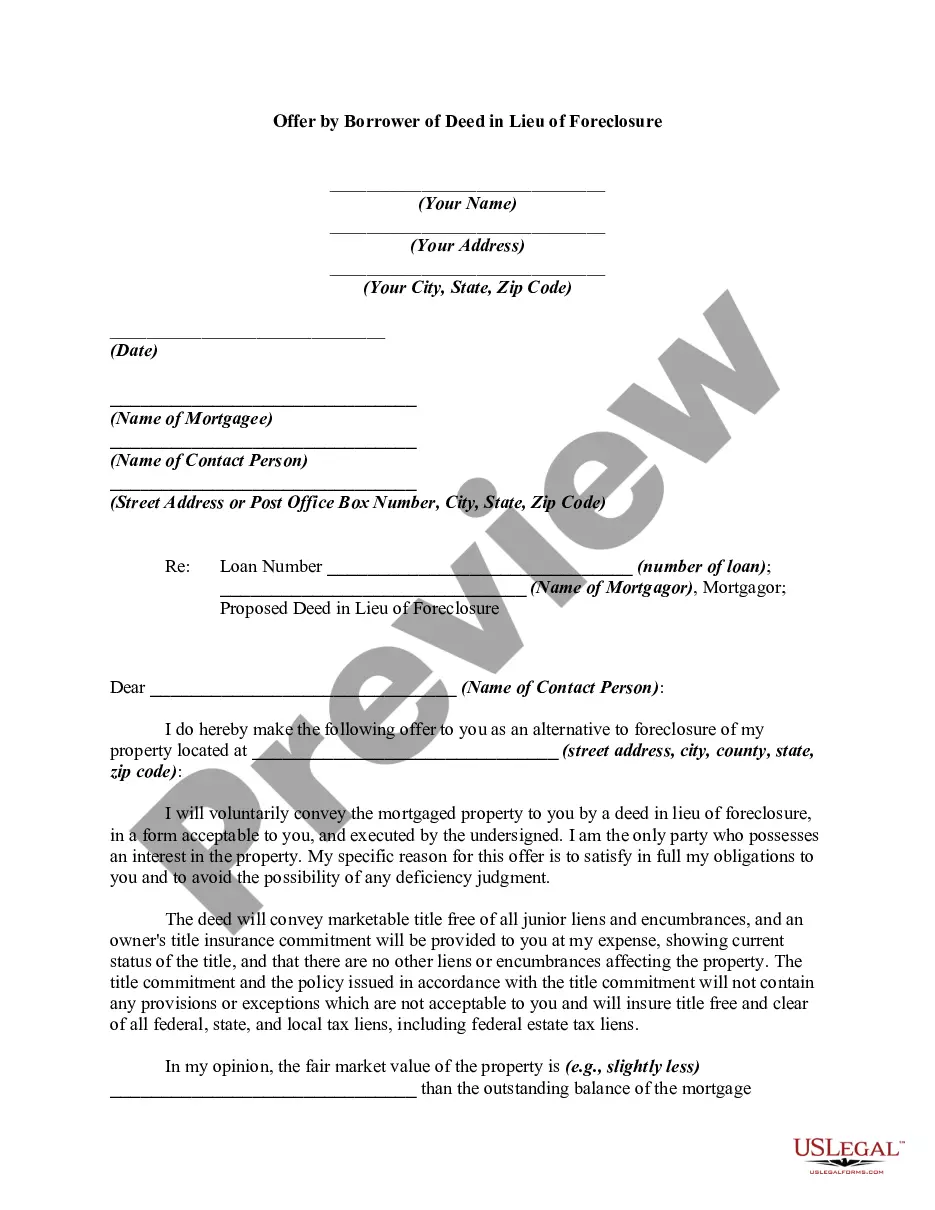
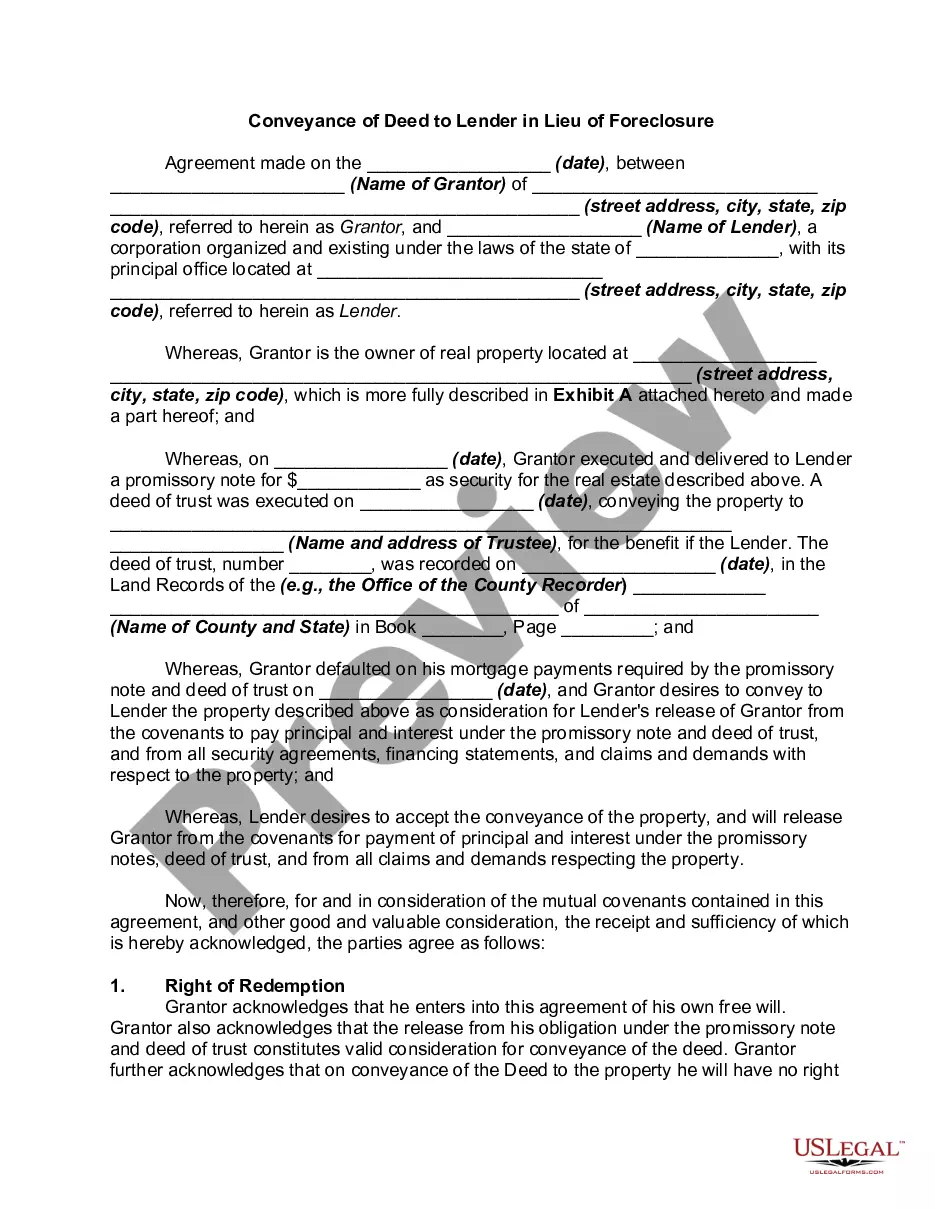
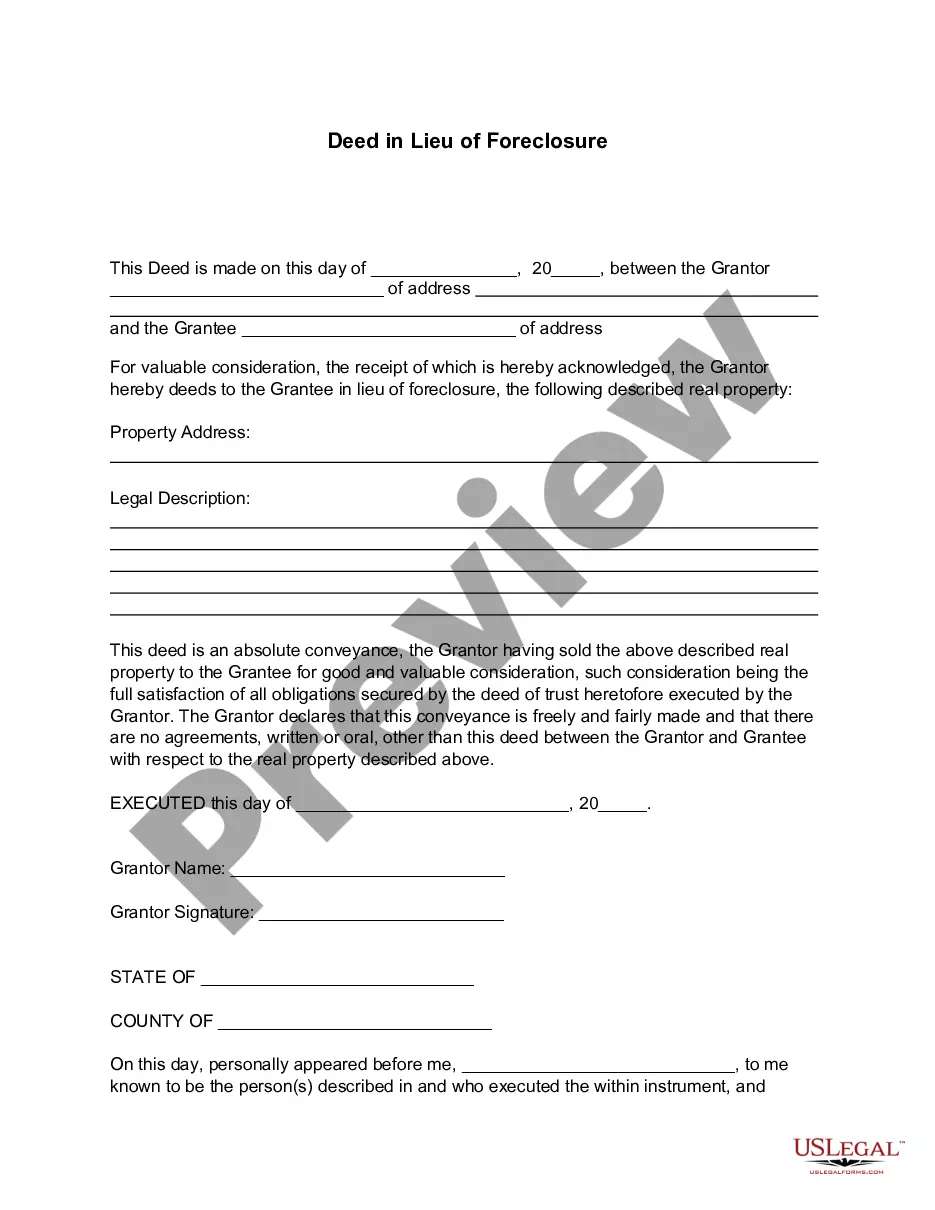
The deed in lieu of foreclosure is a legal document used to transfer ownership of a property from a borrower to a lender in order to avoid the complex and costly foreclosure process. Unlike traditional foreclosure, this method allows the lienholder to take full ownership of the property as a form of payment for the mortgage. This form serves as an alternative solution for borrowers facing financial difficulty, allowing them to relinquish their property without a lengthy court process.
Form components explained
- Parties involved: Identifies the grantor (borrower) and grantee (lender).
- Description of the property: Includes the legal description and address of the real estate being transferred.
- Consideration: Specifies any financial compensation exchanged for the property.
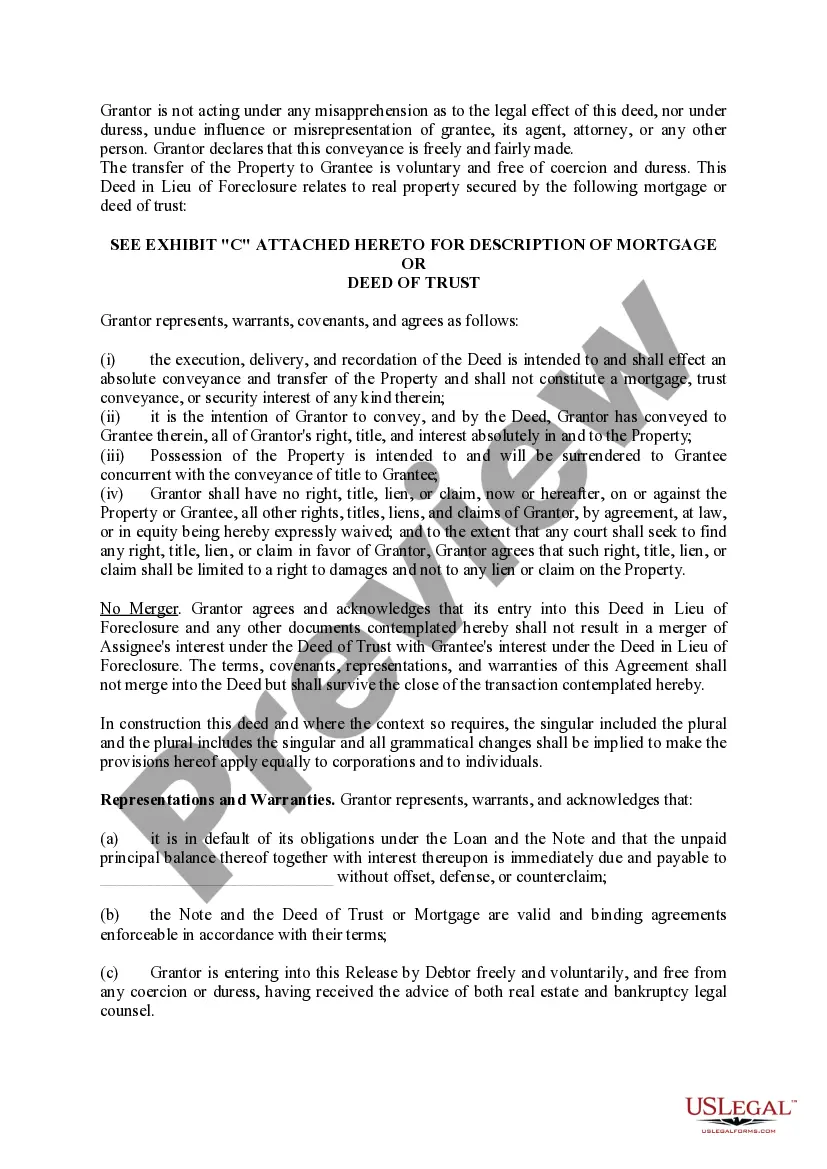
- Transfer of rights: Outlines the grantorâs rights being transferred along with the property.
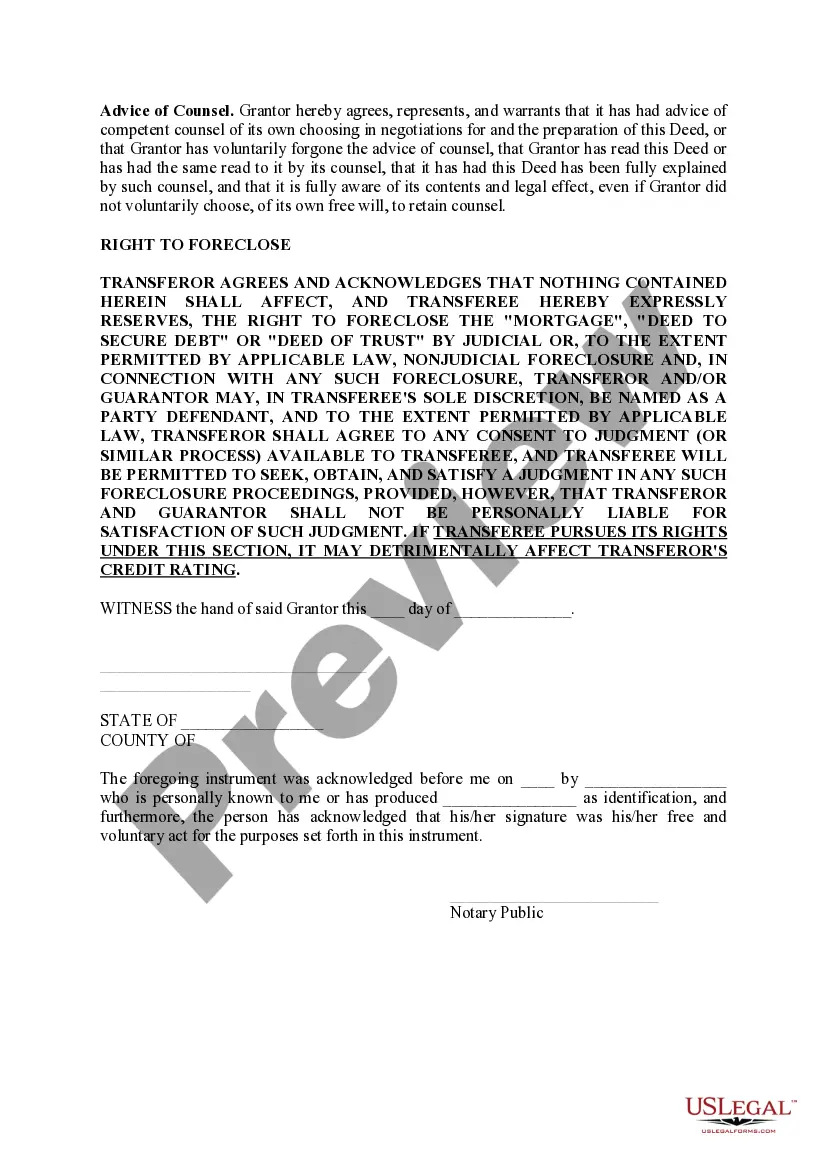
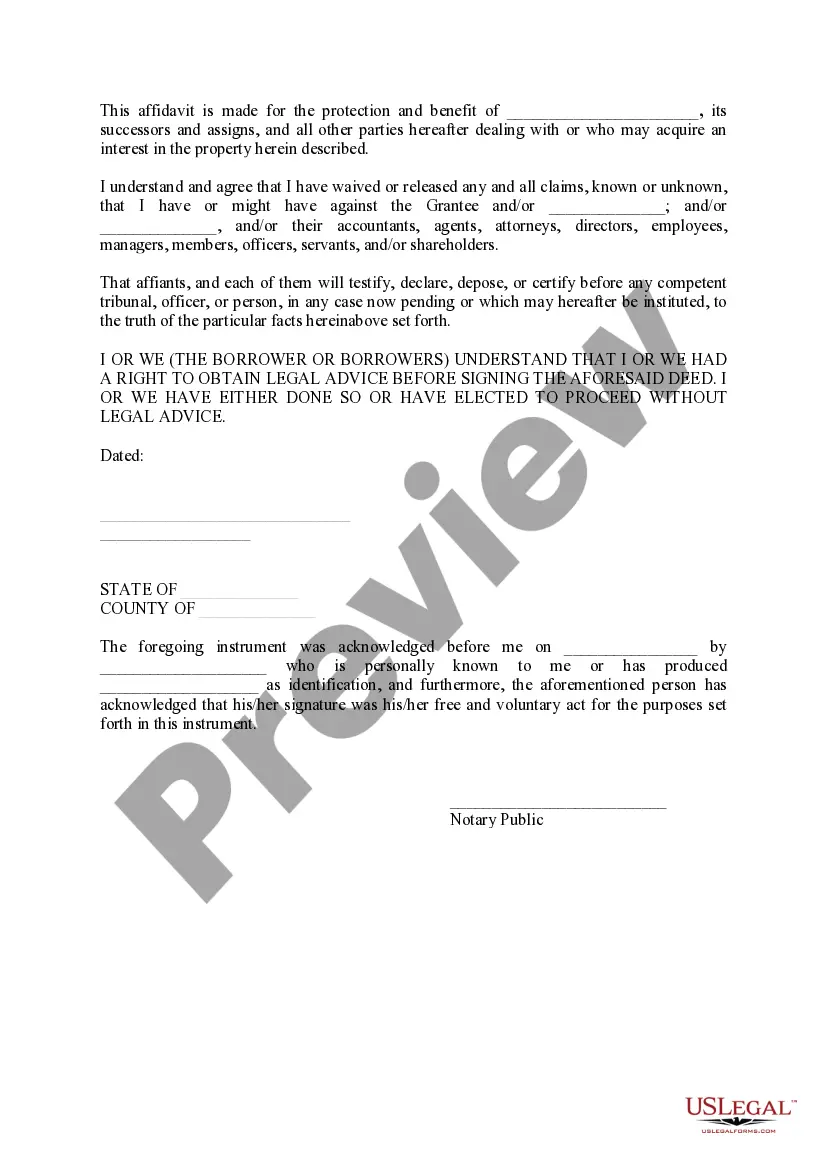
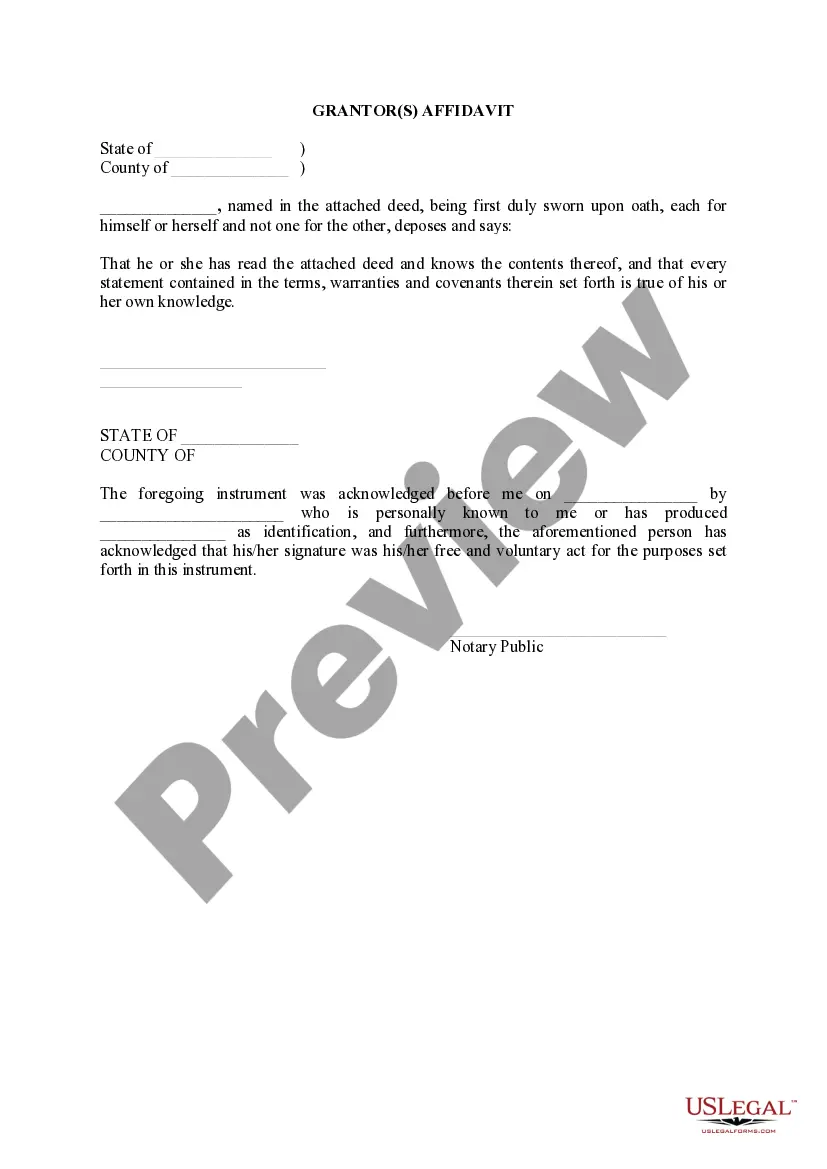
- Voluntariness: Affirms that the transaction is completed free of coercion or undue influence.
When to use this form
This form is appropriate for borrowers who are unable to continue making mortgage payments and wish to avoid foreclosure. It is typically used when the propertyâs market value is less than the outstanding mortgage debt, allowing the borrower to transfer the title to the lender instead of undergoing a formal foreclosure process. It is also useful for lenders looking to simplify the process of reclaiming a property and minimizing costs.
Who should use this form
- Borrowers facing financial difficulties who cannot keep up with mortgage payments.
- Lenders seeking a quicker resolution than traditional foreclosure allows.
- Real estate attorneys advising clients on options to handle mortgage defaults.
How to prepare this document
- Identify the parties: Fill in the names and addresses of the grantor and grantee.
- Specify the property: Provide the legal description and address of the property being transferred.
- Enter consideration: Indicate the amount or terms agreed upon for the transfer.
- Check for notarization: Ensure that the deed is signed in front of a notary public if required.
- Maintain records: Keep copies of the completed deed and any supporting documents for your records.
Notarization requirements for this form
Yes, this form must be notarized to be legally valid. It is crucial to have the signatures authenticated by a notary public to ensure enforceability. If you use US Legal Forms, you can benefit from integrated online notarization, which offers 24/7 availability via secure video call, ensuring that your document is legally recognized without the need to travel.
Get your form ready online
Our built-in tools help you complete, sign, share, and store your documents in one place.
Make edits, fill in missing information, and update formatting in US Legal Forms—just like you would in MS Word.
Download a copy, print it, send it by email, or mail it via USPS—whatever works best for your next step.
Sign and collect signatures with our SignNow integration. Send to multiple recipients, set reminders, and more. Go Premium to unlock E-Sign.
If this form requires notarization, complete it online through a secure video call—no need to meet a notary in person or wait for an appointment.
We protect your documents and personal data by following strict security and privacy standards.

Make edits, fill in missing information, and update formatting in US Legal Forms—just like you would in MS Word.

Download a copy, print it, send it by email, or mail it via USPS—whatever works best for your next step.

Sign and collect signatures with our SignNow integration. Send to multiple recipients, set reminders, and more. Go Premium to unlock E-Sign.

If this form requires notarization, complete it online through a secure video call—no need to meet a notary in person or wait for an appointment.

We protect your documents and personal data by following strict security and privacy standards.
Common mistakes to avoid
- Failing to include all necessary parties involved in the transaction.
- Not providing the accurate legal description of the property.
- Leaving out the acknowledgment of voluntary act and understanding of the implications.
Benefits of using this form online
- Convenience: Access and complete the form from the comfort of your home.
- Editability: Make necessary changes easily before finalizing.
- Reliability: Ensure the form is drafted by licensed attorneys familiar with legal standards.
Looking for another form?



Form popularity
FAQ
The process of obtaining a Missouri Deed in Lieu of Foreclosure typically takes several weeks, but it can vary based on your lender's policies and the complexity of your situation. Generally, after you submit your request, the lender must review your financial status and the property details. This review period can take anywhere from 30 to 60 days. To expedite the process, you may consider using platforms like US Legal Forms, which can guide you through the necessary documentation efficiently.
Several disadvantages come with a Missouri Deed in Lieu of Foreclosure, such as the risk of a negative impact on your credit score, which can affect future borrowing opportunities. Additionally, the homeowner may still be liable for any remaining mortgage balance if the home sells for less than the owed amount. Furthermore, this option may not be available if there are multiple liens on the property. Consulting with a trusted provider like US Legal Forms can help you explore these disadvantages and find the best path forward.
A Missouri Deed in Lieu of Foreclosure can be a good idea for homeowners seeking to avoid foreclosure. This option allows you to relinquish your property while potentially minimizing the emotional and financial stress associated with a foreclosure. However, it’s vital to weigh the pros and cons carefully and consider your overall financial situation. Engaging with resources like US Legal Forms can provide valuable insights to determine if this option is right for you.
A Missouri Deed in Lieu of Foreclosure is a legal process where a homeowner voluntarily transfers their property title to the lender to avoid foreclosure. This option can be a preferable solution when a homeowner cannot keep up with mortgage payments. By agreeing to this arrangement, the homeowner may avoid the lengthy and damaging foreclosure process. It’s essential to consult legal professionals or platforms like US Legal Forms to guide you through the process.
To file a Missouri Deed in Lieu of Foreclosure, start by contacting your lender to discuss your situation and express your intent. Next, gather necessary documents, including your mortgage agreement and a signed deed. It is crucial to have the deed prepared according to state laws, which you can do easily with the help of platforms like US Legal Forms. Finally, submit the deed to your county recorder's office to officially transfer the property title and complete the process.
The deed in lieu of foreclosure offers several advantages to both the borrower and the lender. The principal advantage to the borrower is that it immediately releases him/her from most or all of the personal indebtedness associated with the defaulted loan.
A deed in lieu can eliminate your deficiency if you owe more on your home than the home is worth. In exchange for giving the lender your deed voluntarily and keeping the home in good condition, your lender may agree to forgive your deficiency or greatly reduce it.
The impact that a deed in lieu has on your score depends primarily on your credit history.According to FICO, if you start with a score of around 780, a deed in lieu (without a deficiency balance) shaves 105 to 125 points off your score; but if you start with a score of 680, you'll lose 50 to 70 points.
If your lender agrees to a short sale or to accept a deed in lieu of foreclosure, you might owe federal income tax on any forgiven deficiency. The IRS learns of the deficiency when the lender sends it a Form 1099-C, which reports the forgiven debt as income to you.
C. The purchaser must pay off both the mortgage and junior lienholders after the sale. What is a major disadvantage to lenders of accepting a deed in lieu of foreclosure?The lender gains rights to private mortgage insurance.