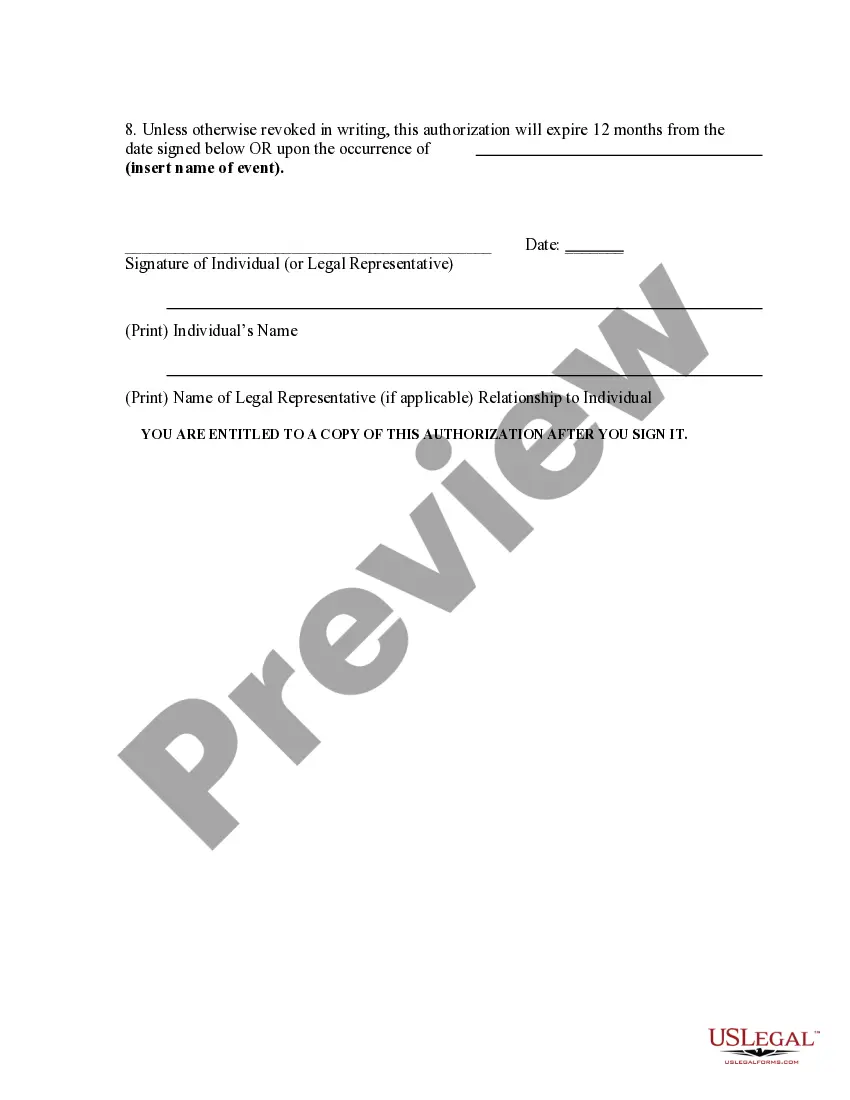
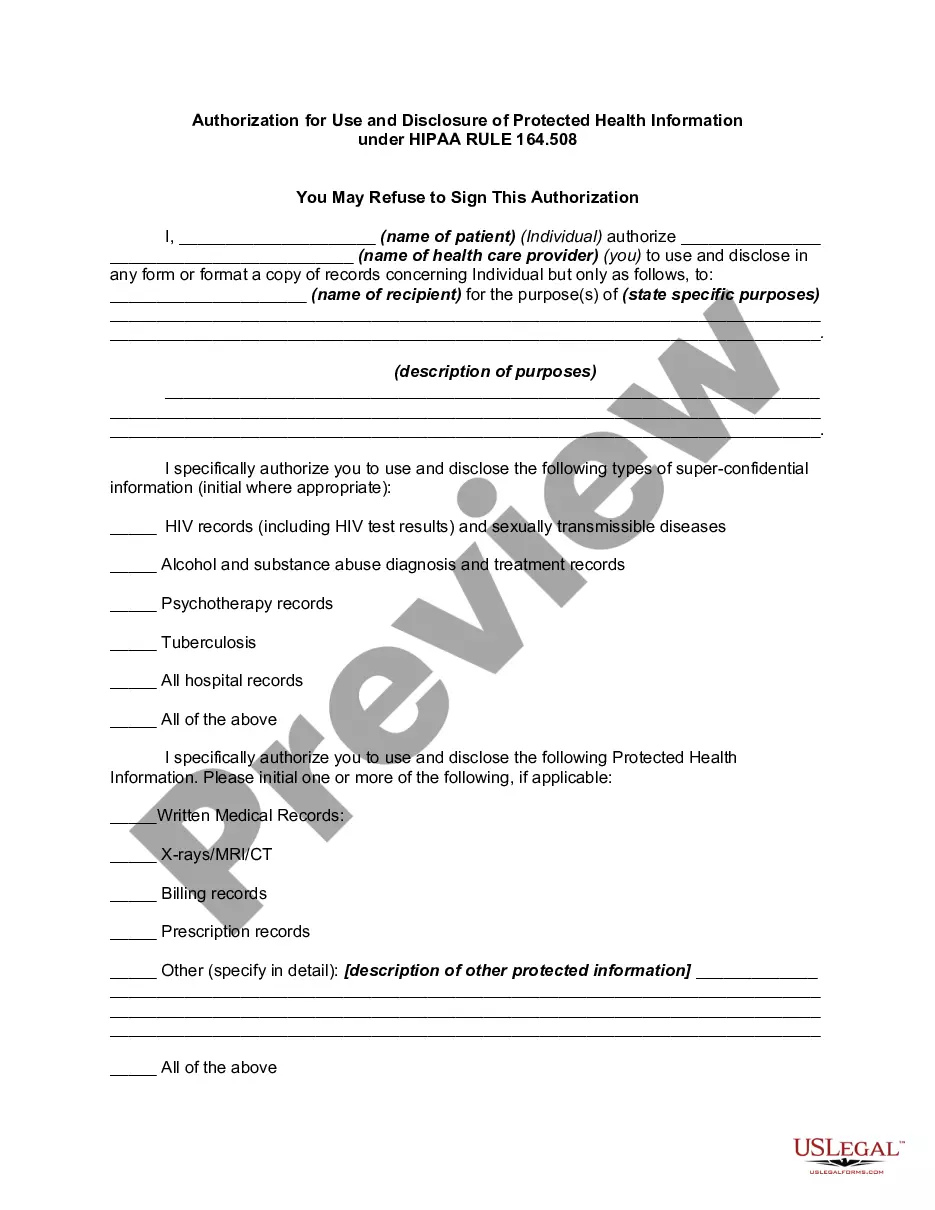
Minnesota Authorization for Use and / or Disclosure of Protected Health Information
Description
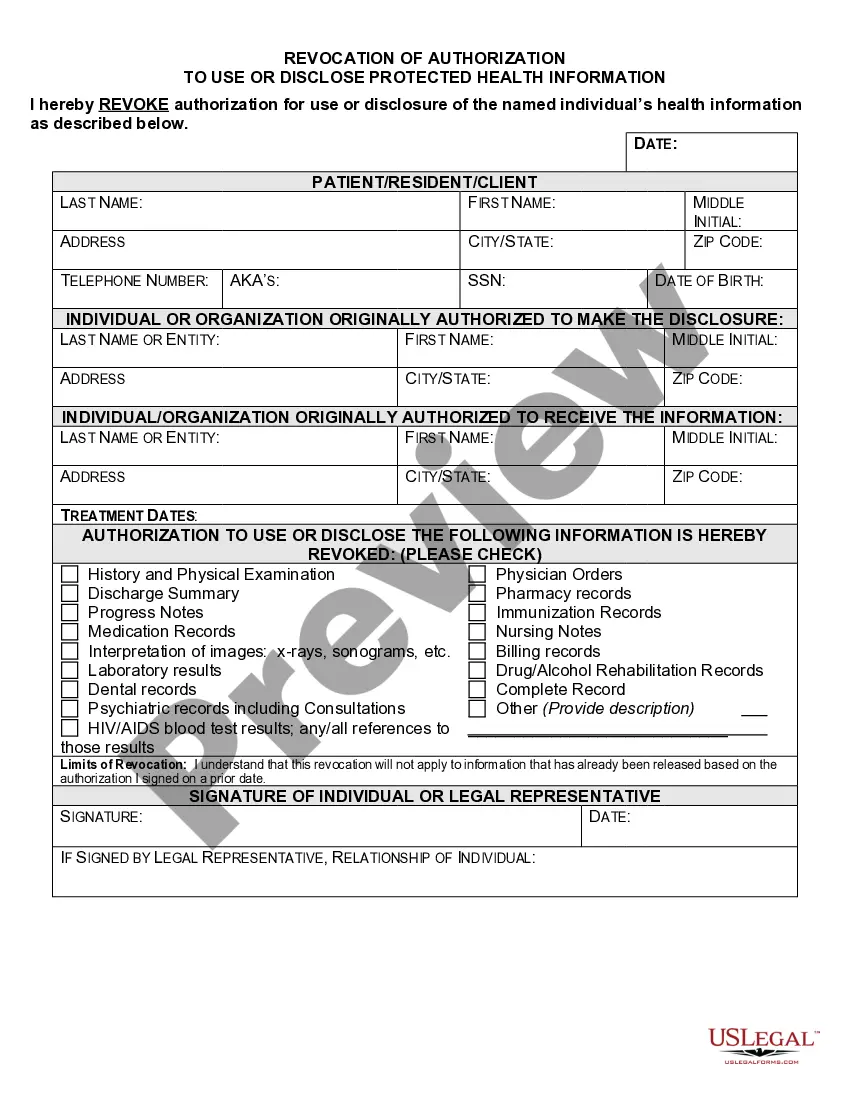
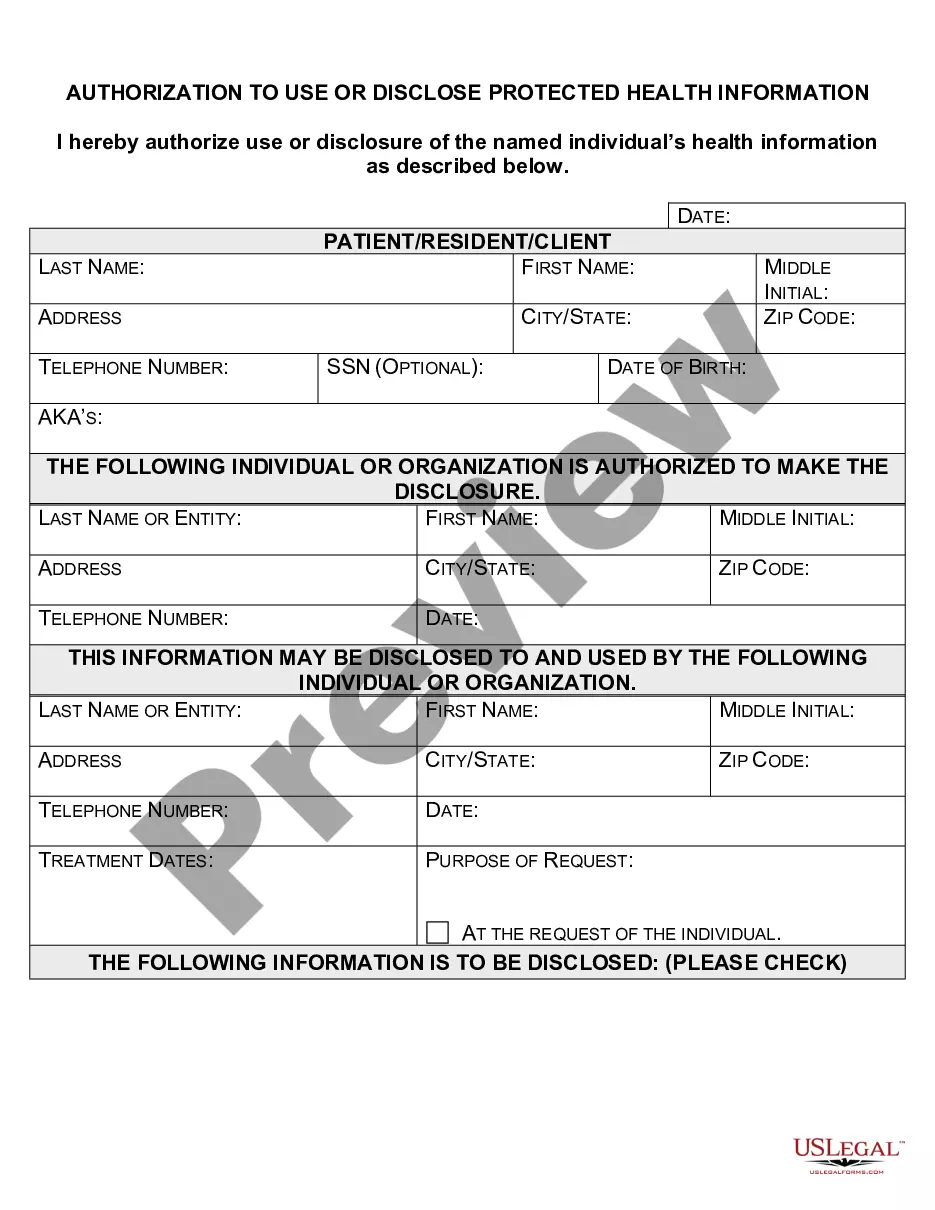
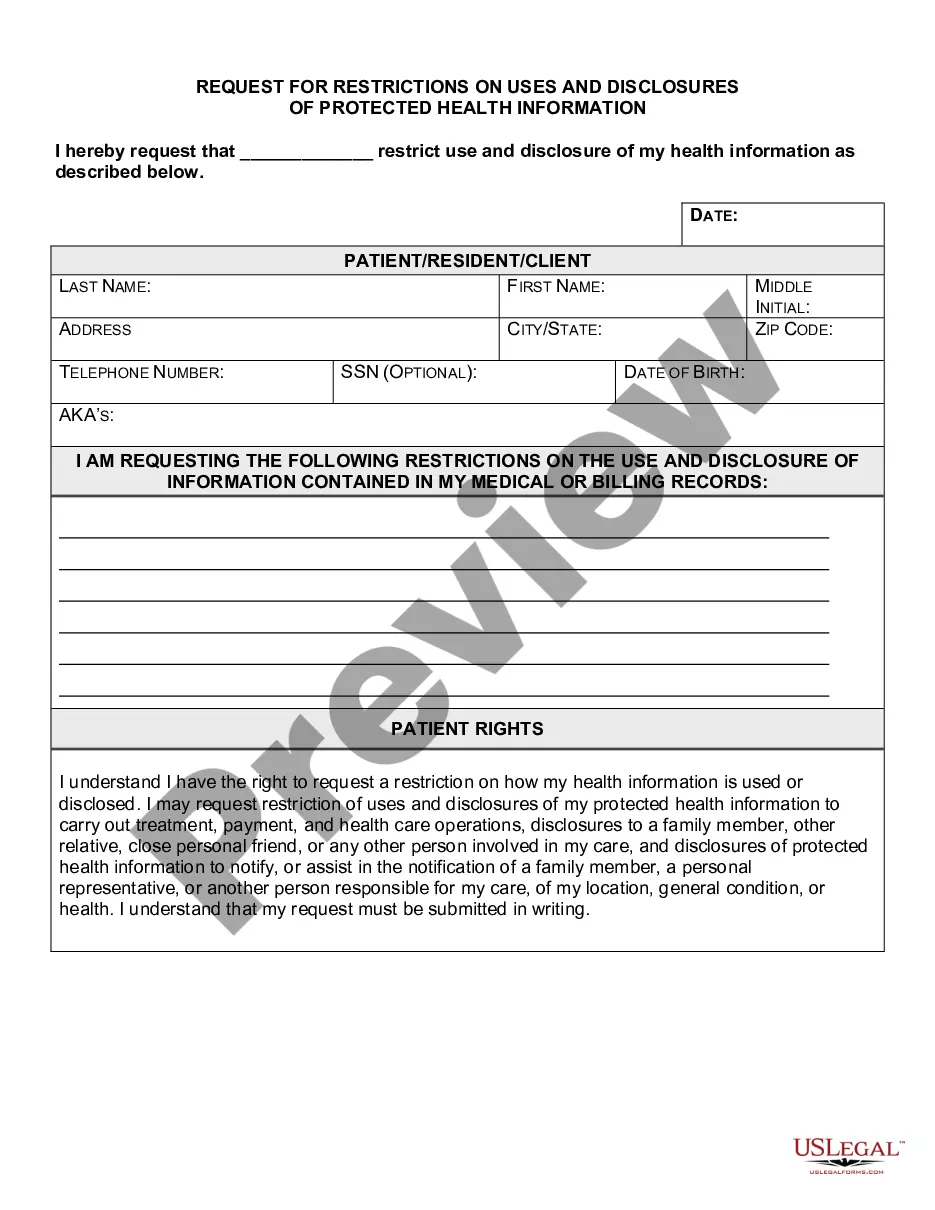
Get your form ready online
Our built-in tools help you complete, sign, share, and store your documents in one place.
Make edits, fill in missing information, and update formatting in US Legal Forms—just like you would in MS Word.
Download a copy, print it, send it by email, or mail it via USPS—whatever works best for your next step.
Sign and collect signatures with our SignNow integration. Send to multiple recipients, set reminders, and more. Go Premium to unlock E-Sign.
If this form requires notarization, complete it online through a secure video call—no need to meet a notary in person or wait for an appointment.
We protect your documents and personal data by following strict security and privacy standards.

Make edits, fill in missing information, and update formatting in US Legal Forms—just like you would in MS Word.

Download a copy, print it, send it by email, or mail it via USPS—whatever works best for your next step.

Sign and collect signatures with our SignNow integration. Send to multiple recipients, set reminders, and more. Go Premium to unlock E-Sign.

If this form requires notarization, complete it online through a secure video call—no need to meet a notary in person or wait for an appointment.

We protect your documents and personal data by following strict security and privacy standards.
Looking for another form?




How to fill out Authorization For Use And / Or Disclosure Of Protected Health Information?
You can spend hours online looking for the proper legal document template that meets the local and federal standards you require.
US Legal Forms offers thousands of legal forms that are evaluated by experts.
You can easily download or print the Minnesota Authorization for Use and/or Disclosure of Protected Health Information from the service.
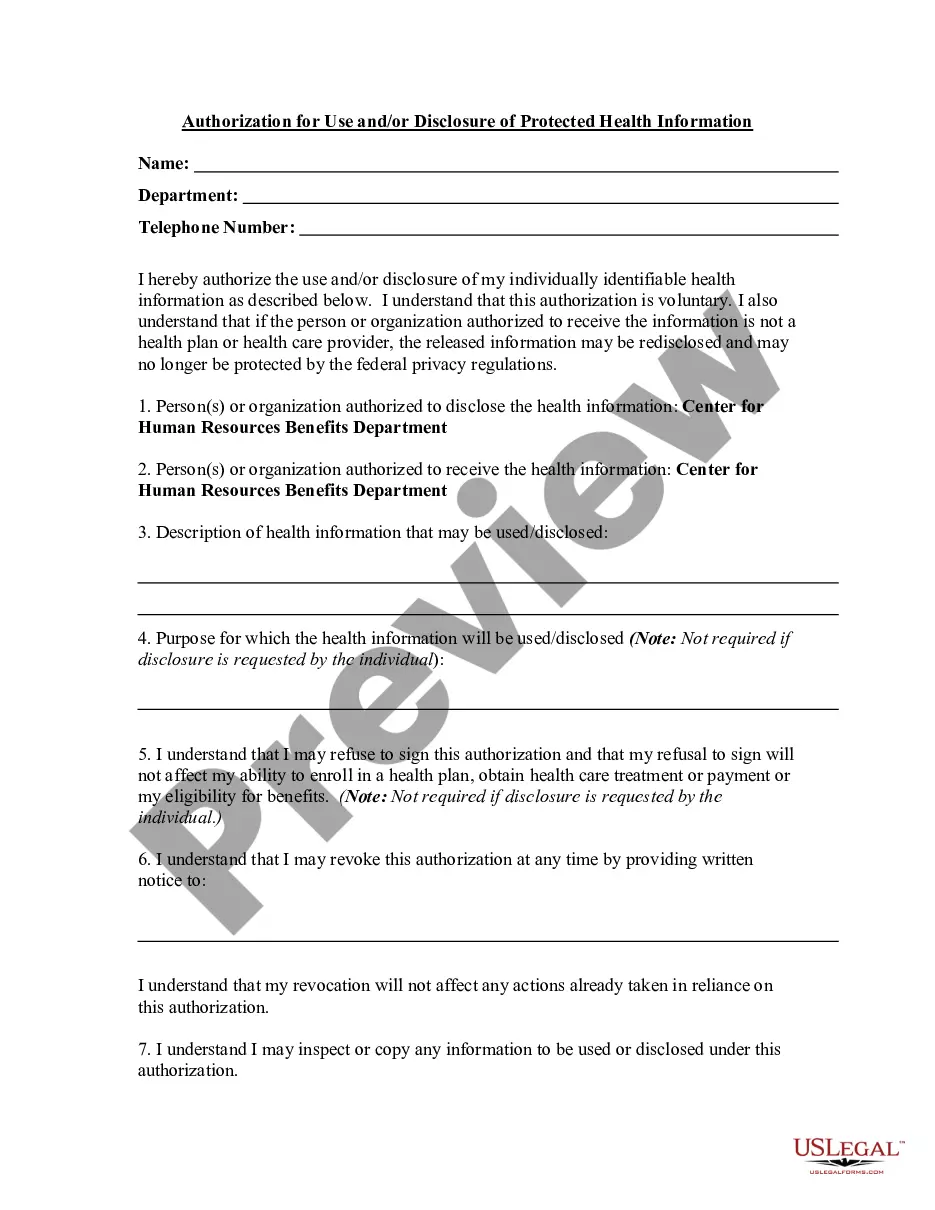
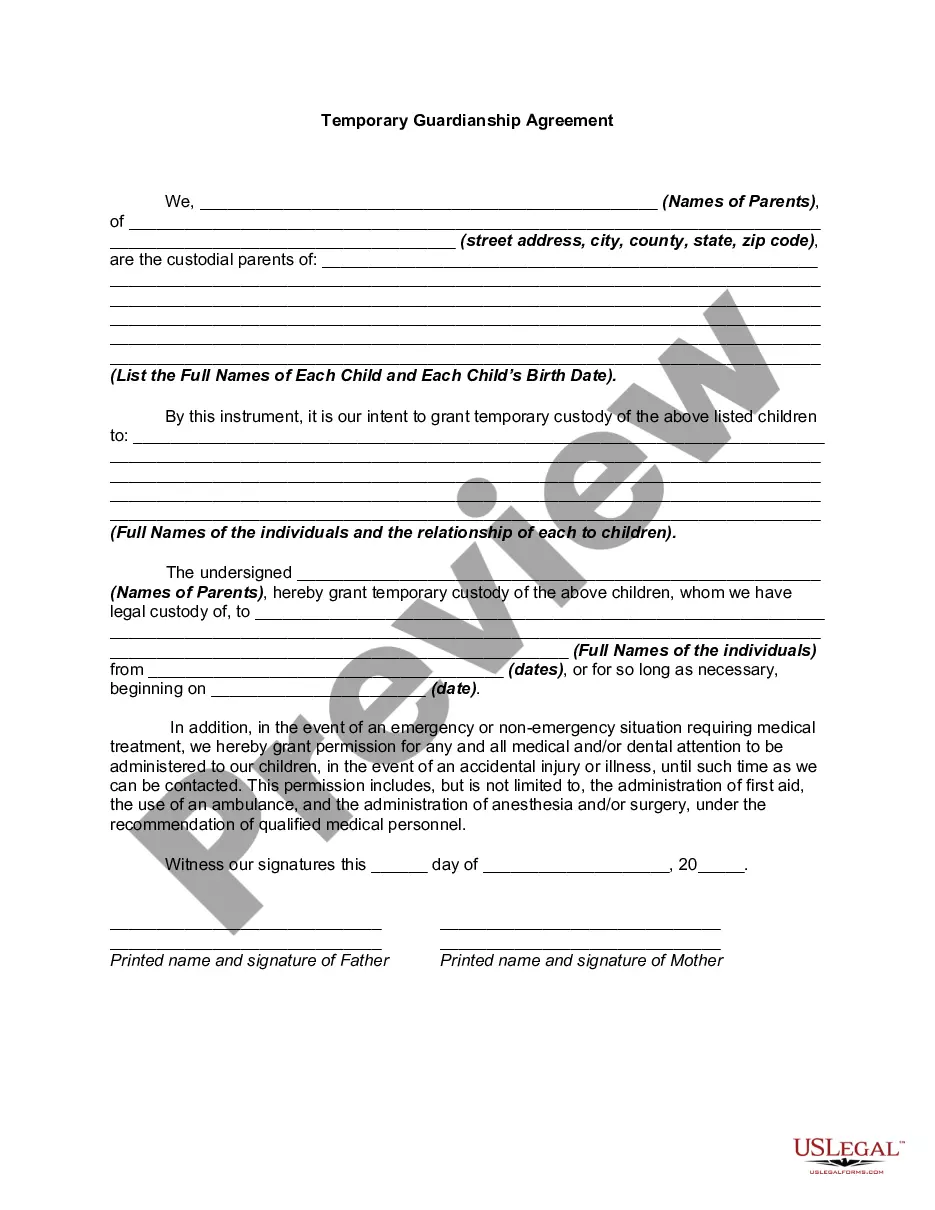
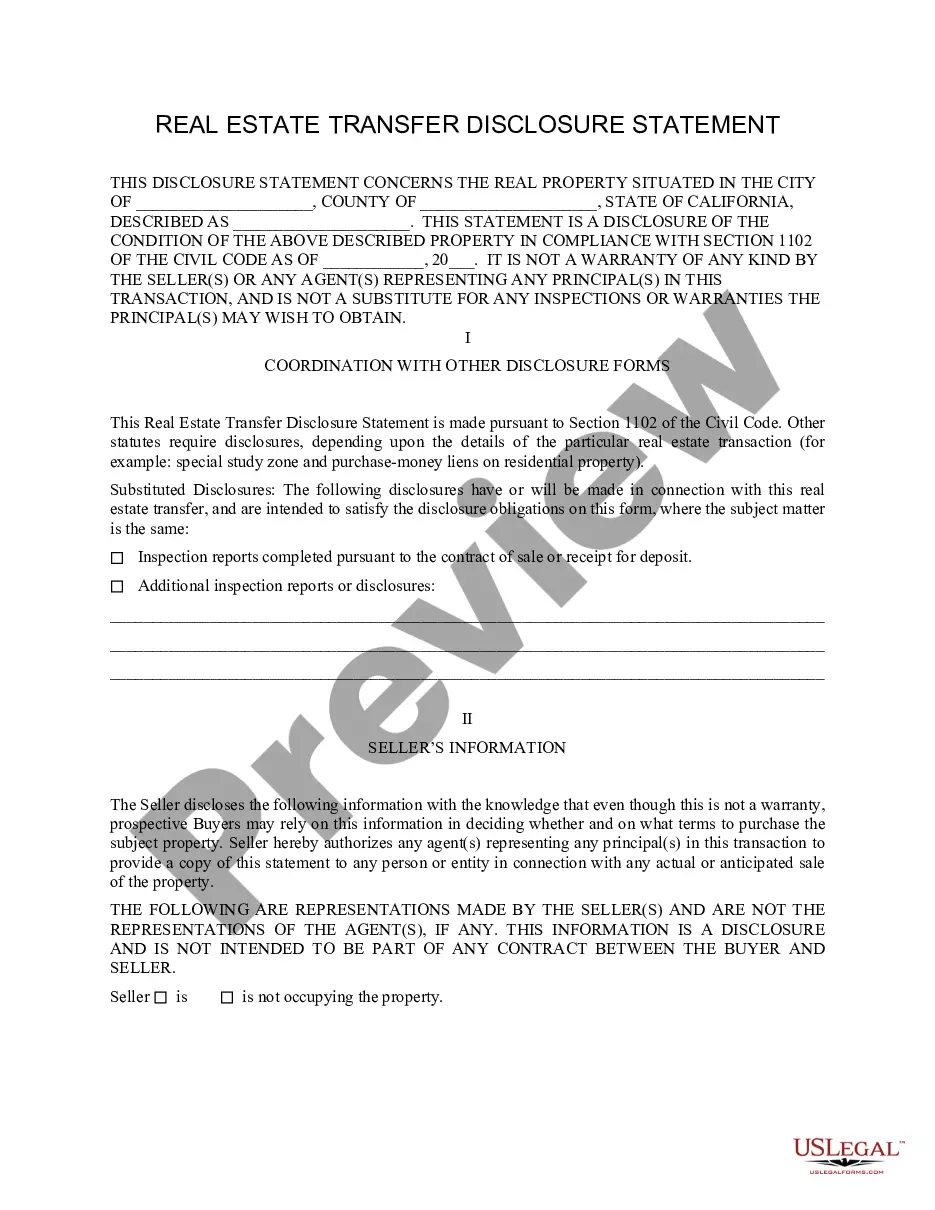
Read the form description to ensure you have selected the right one. If available, use the Preview button to view the document template as well.
- If you already have a US Legal Forms account, you can sign in and then click the Obtain button.
- After that, you can complete, edit, print, or sign the Minnesota Authorization for Use and/or Disclosure of Protected Health Information.
- Every legal document template you obtain is yours permanently.
- To get another copy of any acquired form, go to the My documents section and click the corresponding button.
- If you're using the US Legal Forms website for the first time, follow the simple instructions below.
- First, ensure that you have selected the correct document template for the area of your choice.
Form popularity
FAQ
Disclose and Disclosure means the release of, transfer of, provision of, access to, or divulging in any manner, of Protected Health Information outside of Mayo or to persons other than its workforce members.
HIPAA compliance is the process that business associates and covered entities follow to protect and secure Protected Health Information (PHI) as prescribed by the Health Insurance Portability and Accountability Act. That's legalese for keep people's healthcare data private.
The Health Insurance Portability and Accountability Act (HIPAA), is a federal law that Congress passed in 1996 to make the sharing and protecting of health data more consistent, efficient, and safe.
Covered entities may disclose protected health information that they believe is necessary to prevent or lessen a serious and imminent threat to a person or the public, when such disclosure is made to someone they believe can prevent or lessen the threat (including the target of the threat).
The HIPAA Privacy Rule establishes national standards to protect individuals' medical records and other individually identifiable health information (collectively defined as protected health information) and applies to health plans, health care clearinghouses, and those health care providers that conduct certain
An authorization is a detailed document that gives covered entities permission to use protected health information for specified purposes, which are generally other than treatment, payment, or health care operations, or to disclose protected health information to a third party specified by the individual.
This form is used to release your protected health information as required by federal and state privacy laws. Your authorization allows the Health Plan (your health insurance carrier or HMO) to release your protected health information to a person or organization that you choose.
Health information such as diagnoses, treatment information, medical test results, and prescription information are considered protected health information under HIPAA, as are national identification numbers and demographic information such as birth dates, gender, ethnicity, and contact and emergency contact
What is a HIPAA Violation? The Health Insurance Portability and Accountability, or HIPAA, violations happen when the acquisition, access, use or disclosure of Protected Health Information (PHI) is done in a way that results in a significant personal risk of the patient.
You must ensure that release of PHI is only granted with permission from the appropriate individual. Staff should be trained to ask for verification of the identity and the authority of the individual making the request.