Minnesota Pot Testamentary Trust
Description


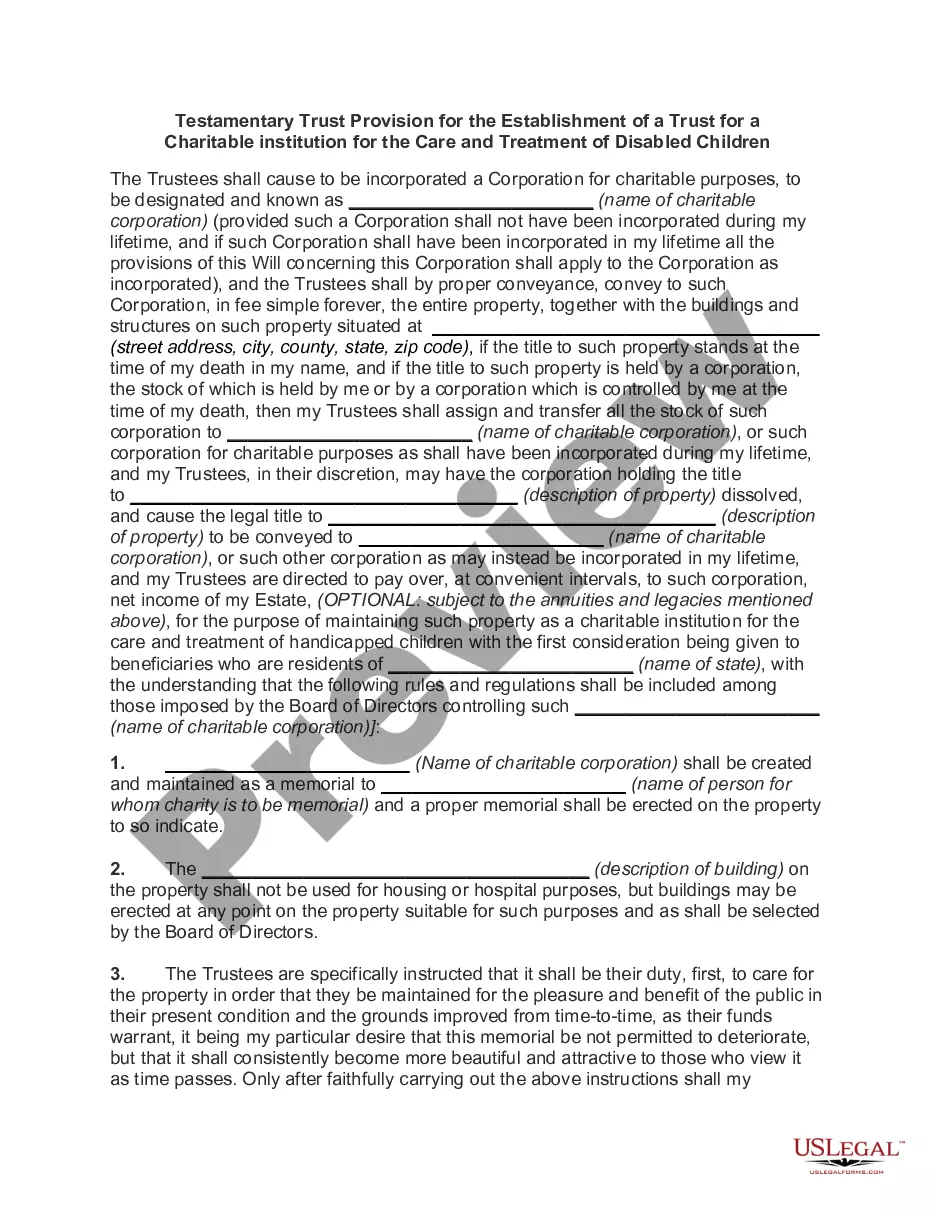
Get your form ready online
Our built-in tools help you complete, sign, share, and store your documents in one place.
Make edits, fill in missing information, and update formatting in US Legal Forms—just like you would in MS Word.
Download a copy, print it, send it by email, or mail it via USPS—whatever works best for your next step.
Sign and collect signatures with our SignNow integration. Send to multiple recipients, set reminders, and more. Go Premium to unlock E-Sign.
If this form requires notarization, complete it online through a secure video call—no need to meet a notary in person or wait for an appointment.
We protect your documents and personal data by following strict security and privacy standards.

Make edits, fill in missing information, and update formatting in US Legal Forms—just like you would in MS Word.

Download a copy, print it, send it by email, or mail it via USPS—whatever works best for your next step.

Sign and collect signatures with our SignNow integration. Send to multiple recipients, set reminders, and more. Go Premium to unlock E-Sign.

If this form requires notarization, complete it online through a secure video call—no need to meet a notary in person or wait for an appointment.

We protect your documents and personal data by following strict security and privacy standards.
Looking for another form?





How to fill out Pot Testamentary Trust?
US Legal Forms - one of the most notable collections of legal templates in the United States - offers a variety of legal document formats that you can download or print.
Through the website, you can access thousands of forms for business and personal needs, organized by categories, states, or keywords. You can find the latest versions of forms such as the Minnesota Pot Testamentary Trust in moments.
If you possess a membership, Log In and download the Minnesota Pot Testamentary Trust from the US Legal Forms library. The Download button will appear on every form you view. You can retrieve all previously downloaded forms from the My documents section of your account.
Complete the payment process. Use your credit card or PayPal account to finalize the transaction.
Choose the format and download the form to your device.
- Ensure you have chosen the correct form for your city/county.
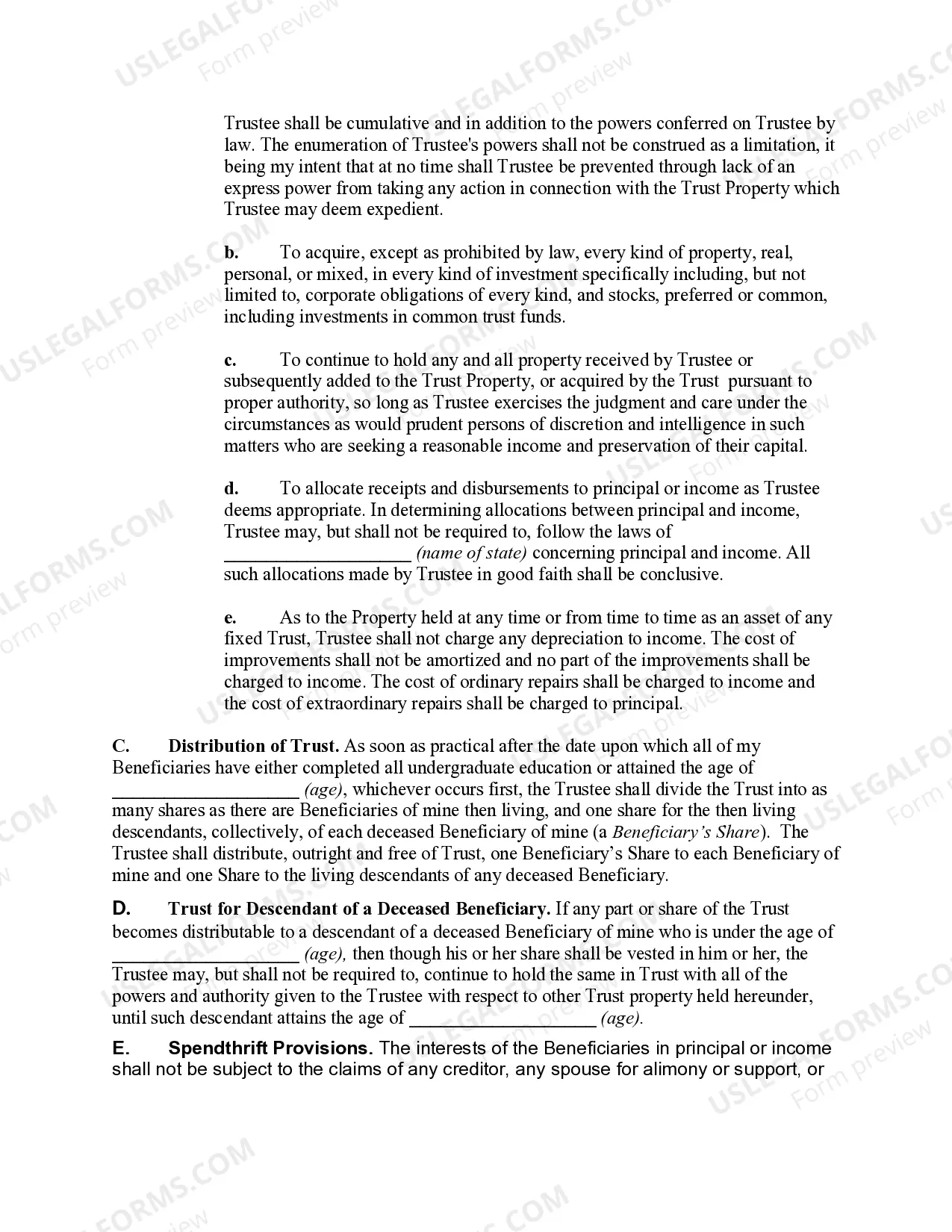
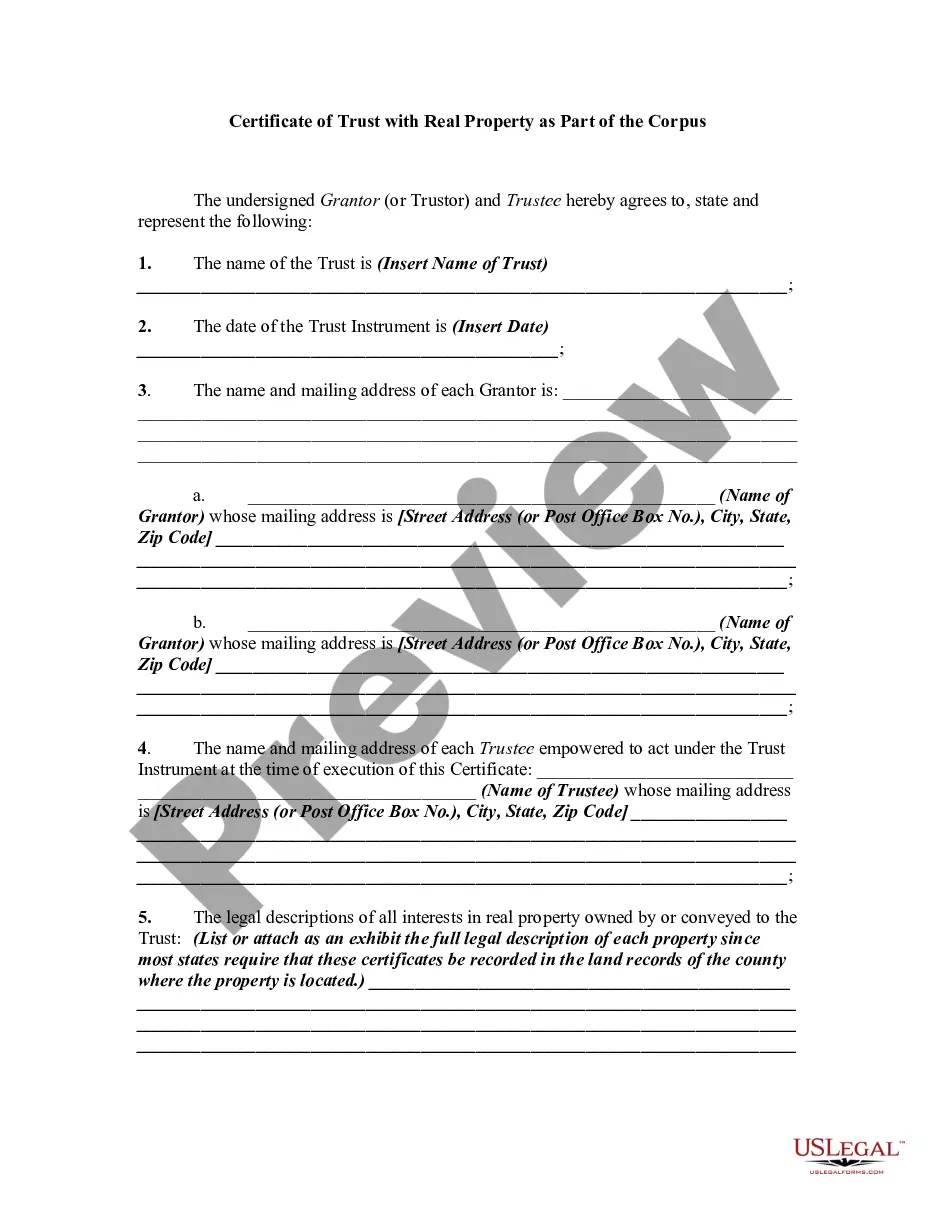
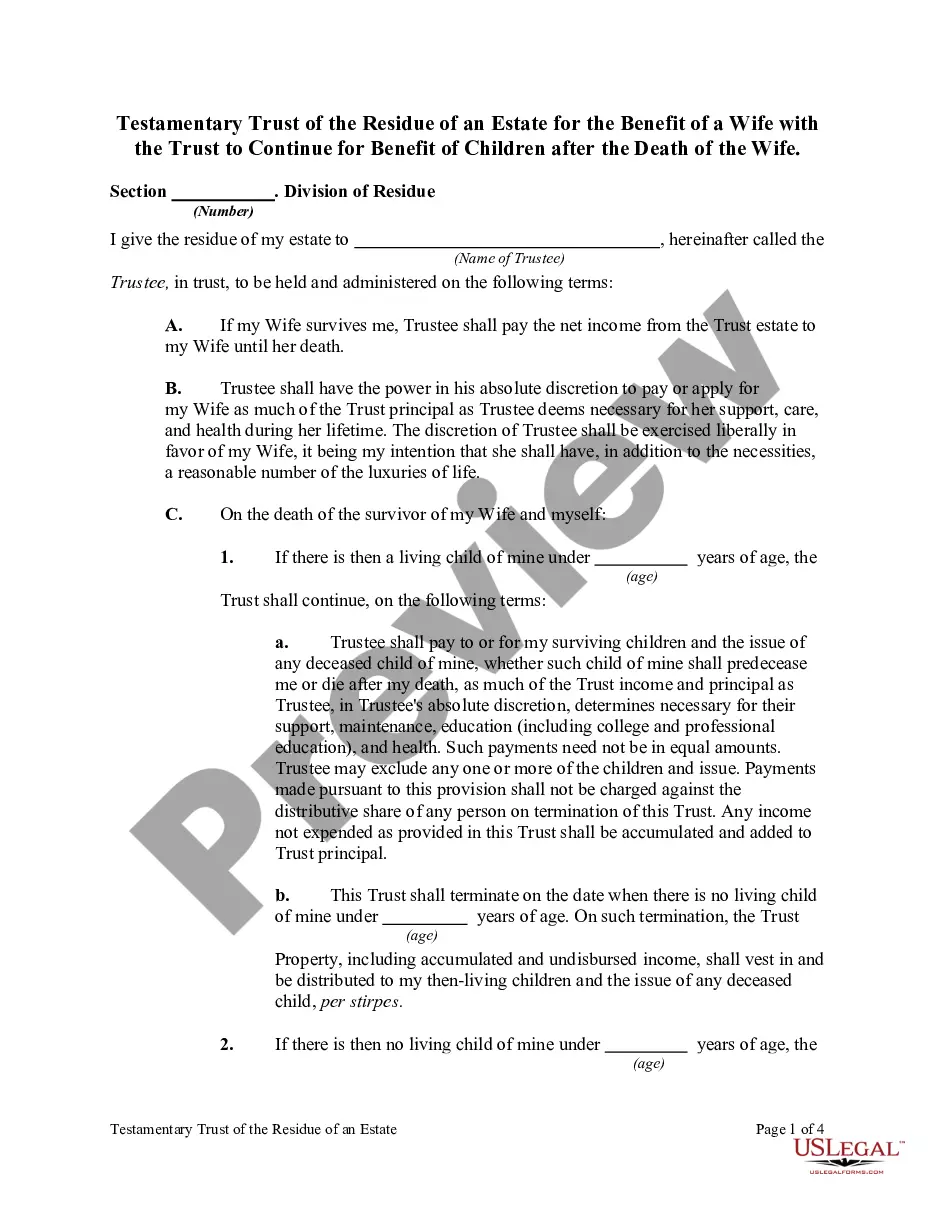
- Click the Preview button to review the content of the form.
- Check the form summary to confirm you have selected the right form.
- If the form does not meet your needs, use the Search field at the top of the screen to find an appropriate one.
- Once you are satisfied with the form, confirm your choice by clicking the Order now button.
- Select your preferred pricing plan and provide your details to register for an account.
Form popularity
FAQ
A pot trust is a type of trust that lists children as beneficiaries, with the trustee using his or her discretion as to how trust assets should be spent. If you have minor children, you might consider setting up a pot trust to meet their financial needs if something should happen to you.
The cost of creating a living trust depends on whether you do it yourself or hire an attorney to help you. You can use software to put together one yourself for usually less than a couple hundred dollars, and an attorney often costs more than $1,000.
Trusts are a crucial element to Estate Planning as they help provide more control over asset distribution after death. Among the various types available, a Testamentary Trust can be one of the best options for those thinking of their young children or grandchildren.
To create a testamentary trust, the settlor first must select the trustee and the beneficiary and specify the assets that are to be placed in trust. The settlor also has the ability to specify when and how to disburse the trust to the beneficiary. The last will and testament should detail all of this information.
Living trusts and testamentary trustsA living trust (sometimes called an inter vivos trust) is one created by the grantor during his or her lifetime, while a testamentary trust is a trust created by the grantor's will.
The other type of Testamentary Trusts are considered pot Trusts, essentially meaning all of one's assets are managed together. Family Testamentary Trusts allow parents to distribute assets based on each child's needs. These Trusts are typically used by parents who need or want to leave more funds to one child.
A testamentary trust is created to manage the assets of the deceased on behalf of the beneficiaries. It is also used to reduce estate tax liabilities and ensure professional management of the assets of the deceased.
A testamentary trust is set up in a person's will and starts upon their death. It holds and protects all, or some, of the person's assets such as property and investments. The trust looks after the assets for the beneficiaries. Beneficiaries are the people or organisations that will benefit from the trust.
The trust can also be used to reduce estate tax liabilities and ensure professional management of the assets. A disadvantage of a testamentary trust is that it does not avoid probatethe legal process of distributing assets through the court.