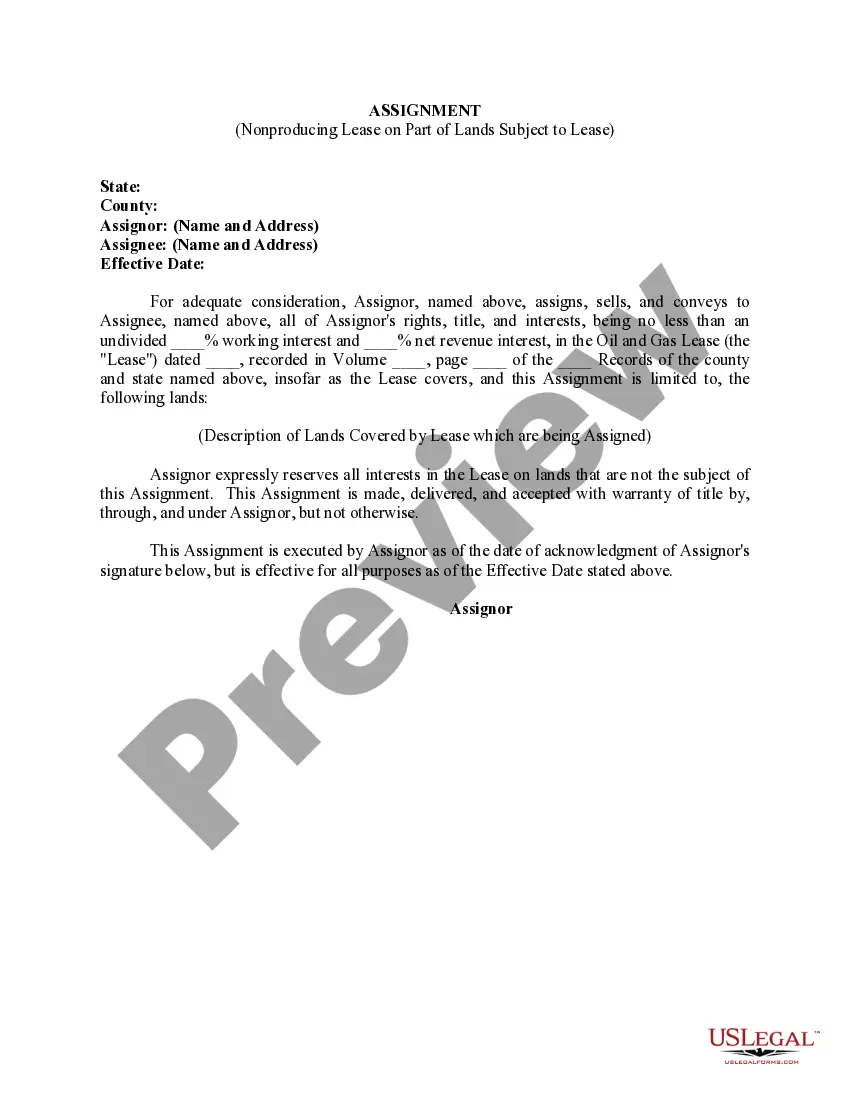
Minnesota Child in Need of Protection or Services Petition
Description
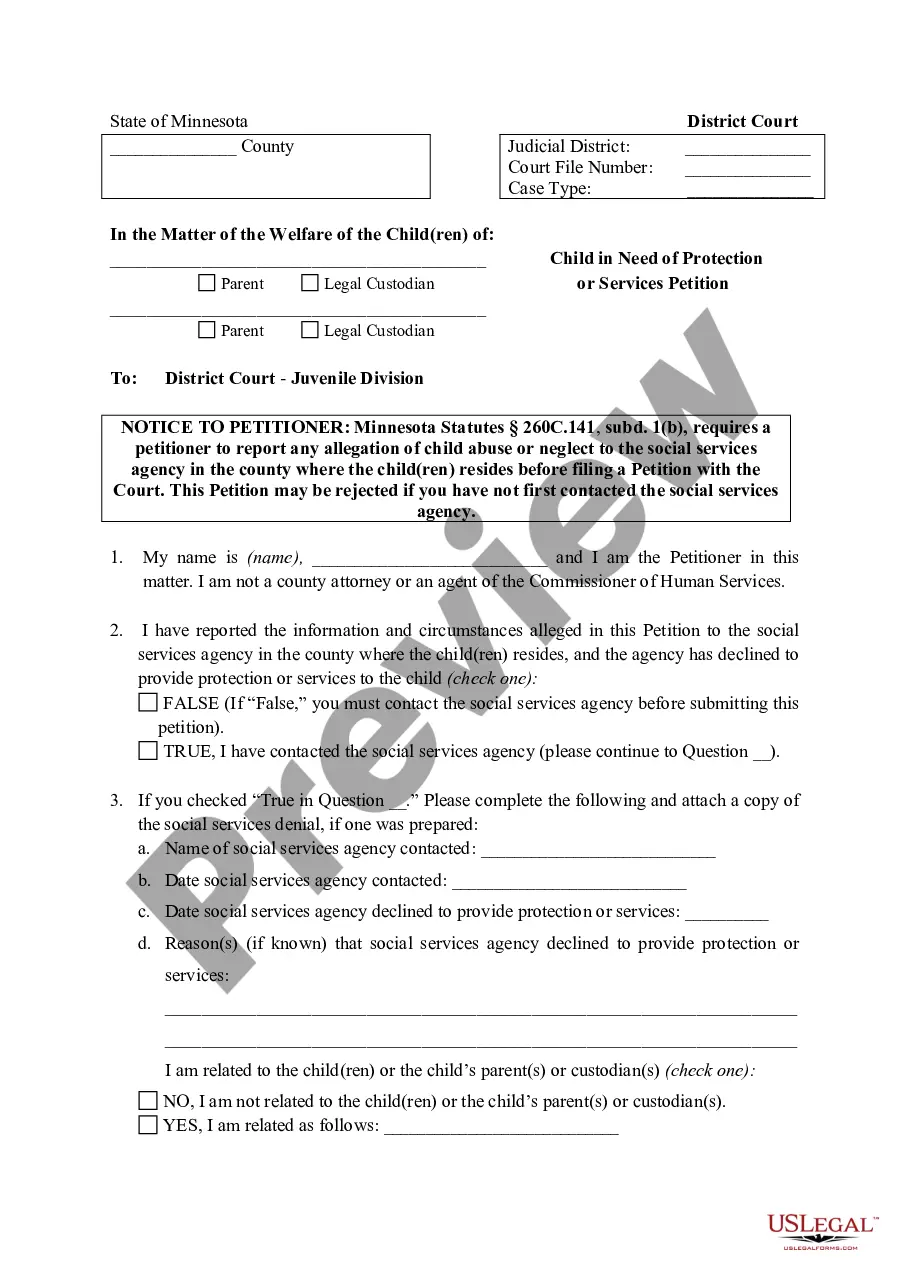


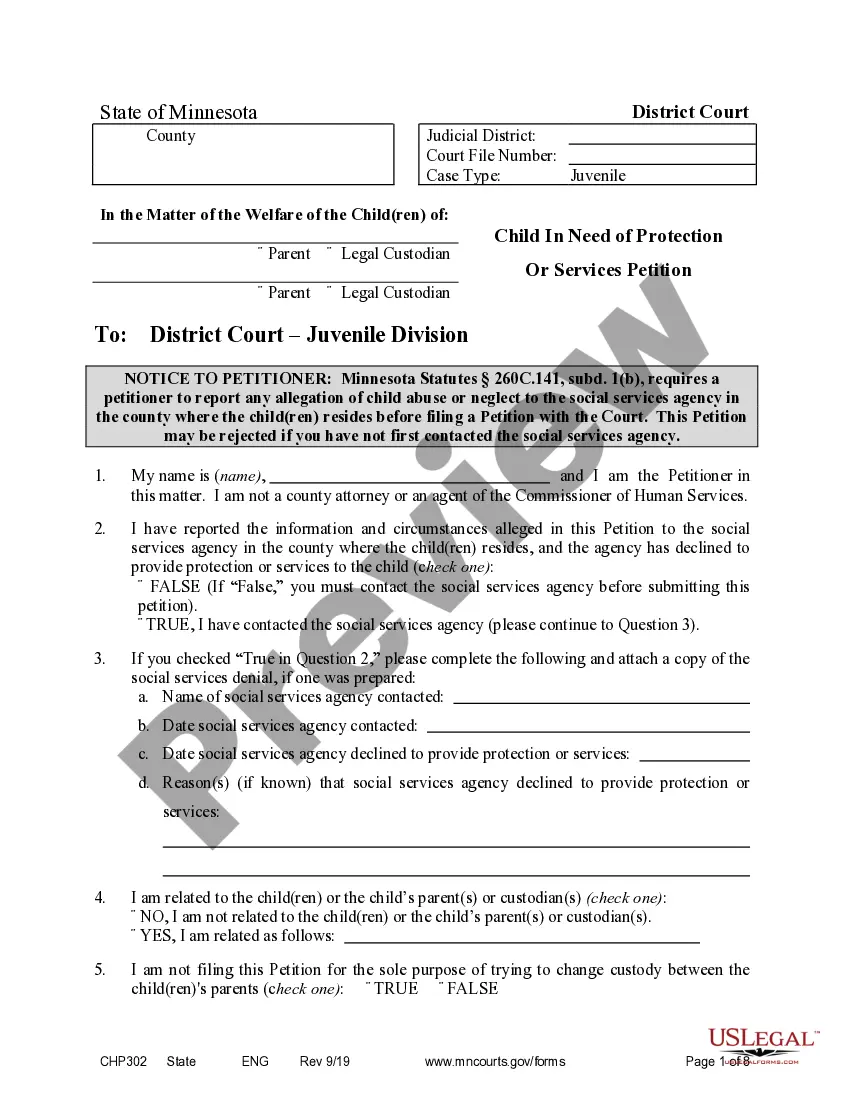
How to fill out Minnesota Child In Need Of Protection Or Services Petition?
Obtain any document from 85,000 legal files like the Minnesota Child in Need of Protection or Services Petition online with US Legal Forms. Every form is created and refreshed by state-authorized lawyers.
If you already possess a subscription, Log In. Once you arrive at the form’s page, click on the Download button and navigate to My documents to retrieve it.
If you haven't subscribed yet, follow the steps outlined below.
With US Legal Forms, you will always have immediate access to the appropriate downloadable template. The service provides access to forms and categorizes them to simplify your search. Utilize US Legal Forms to acquire your Minnesota Child in Need of Protection or Services Petition quickly and effortlessly.
- Verify the state-specific criteria for the Minnesota Child in Need of Protection or Services Petition you intend to use.
- Review the description and preview the template.
- Once you are confident the template meets your needs, click on Buy Now.
- Select a subscription plan that fits your financial situation.
- Establish a personal account.
- Complete payment through one of two suitable methods: by credit card or through PayPal.
- Select a format to download the document in; two options are available (PDF or Word).
- Download the document to the My documents section.
- After your reusable template is downloaded, print it or save it to your device.
Form popularity
FAQ
A CHIPS petition, or Children in Need of Protection or Services petition, is a legal document filed in Minnesota to seek intervention for a child who may be experiencing abuse, neglect, or other harmful situations. It initiates court proceedings aimed at ensuring the child's safety and well-being. If you find yourself needing to file such a petition, US Legal Forms can provide valuable resources and templates to assist you through this important process.
One of the biggest mistakes in a custody battle is failing to prioritize the child's best interests. Many parents become too focused on their own desires, overlooking what is truly beneficial for their child. Another common error is not documenting important interactions or developments that may impact custody decisions. To strengthen your case, consider using services like US Legal Forms to guide you in filing a Minnesota Child in Need of Protection or Services Petition effectively.
When writing a petition letter for child custody, begin with a formal introduction that includes your name and the child's details. Clearly outline your reasons for seeking custody and any pertinent facts that support your case. It’s essential to express how this arrangement serves the child's best interests. Utilizing US Legal Forms can streamline this process, providing you with templates tailored for a Minnesota Child in Need of Protection or Services Petition.
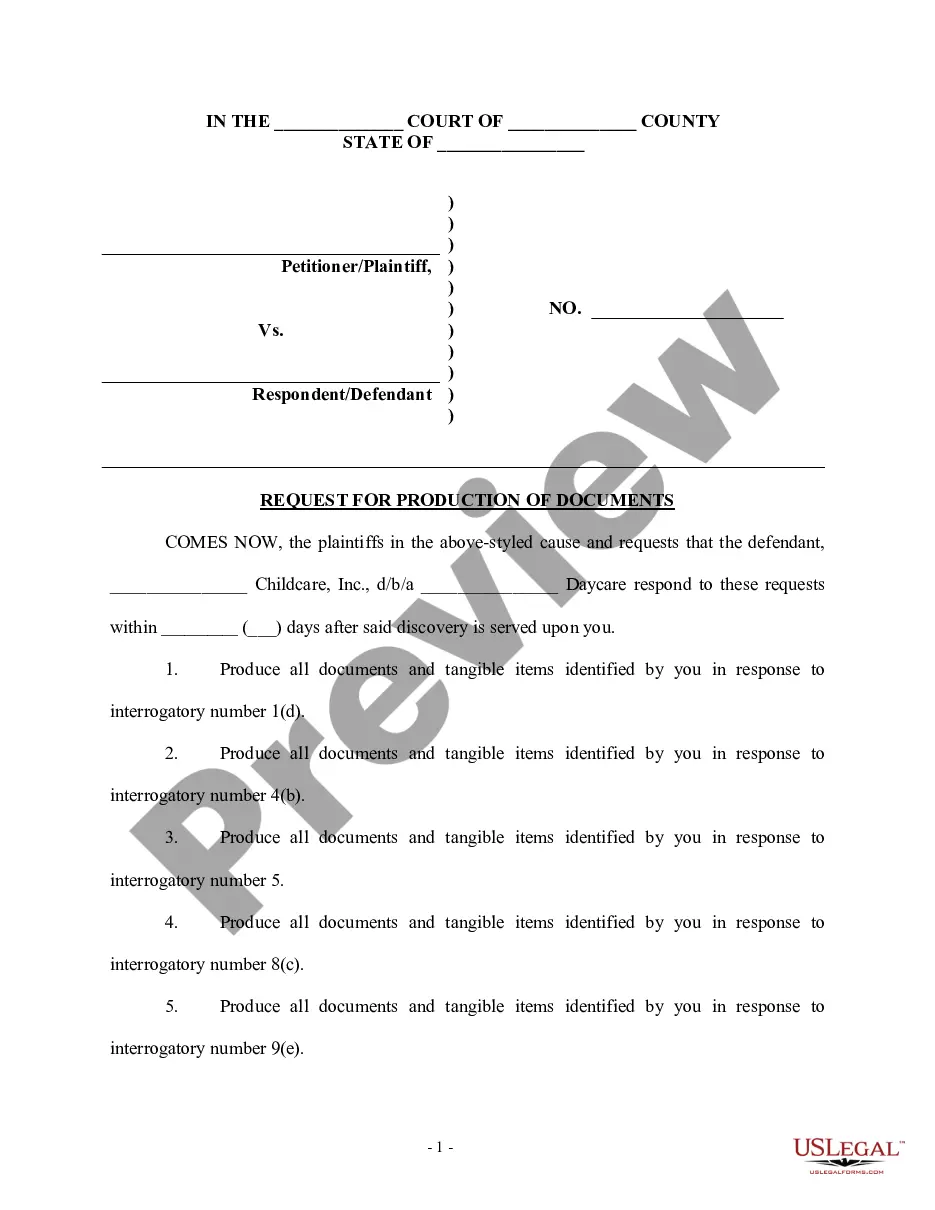
Filling out an affidavit of service in Minnesota requires you to provide specific information about the parties involved and the documents served. Start by indicating your name, the case number, and the court's name. Clearly describe how and when you delivered the documents. For assistance, you can explore US Legal Forms, which offers templates to help you accurately complete your affidavit in relation to a Minnesota Child in Need of Protection or Services Petition.
To write a letter for someone seeking custody, begin by clearly stating your relationship to the child and your intentions. Include relevant details about the child's living situation and the reasons why you believe this change is necessary. Be sure to express your commitment to the child's well-being. Additionally, consider using resources like US Legal Forms to access templates and guidance for your Minnesota Child in Need of Protection or Services Petition.
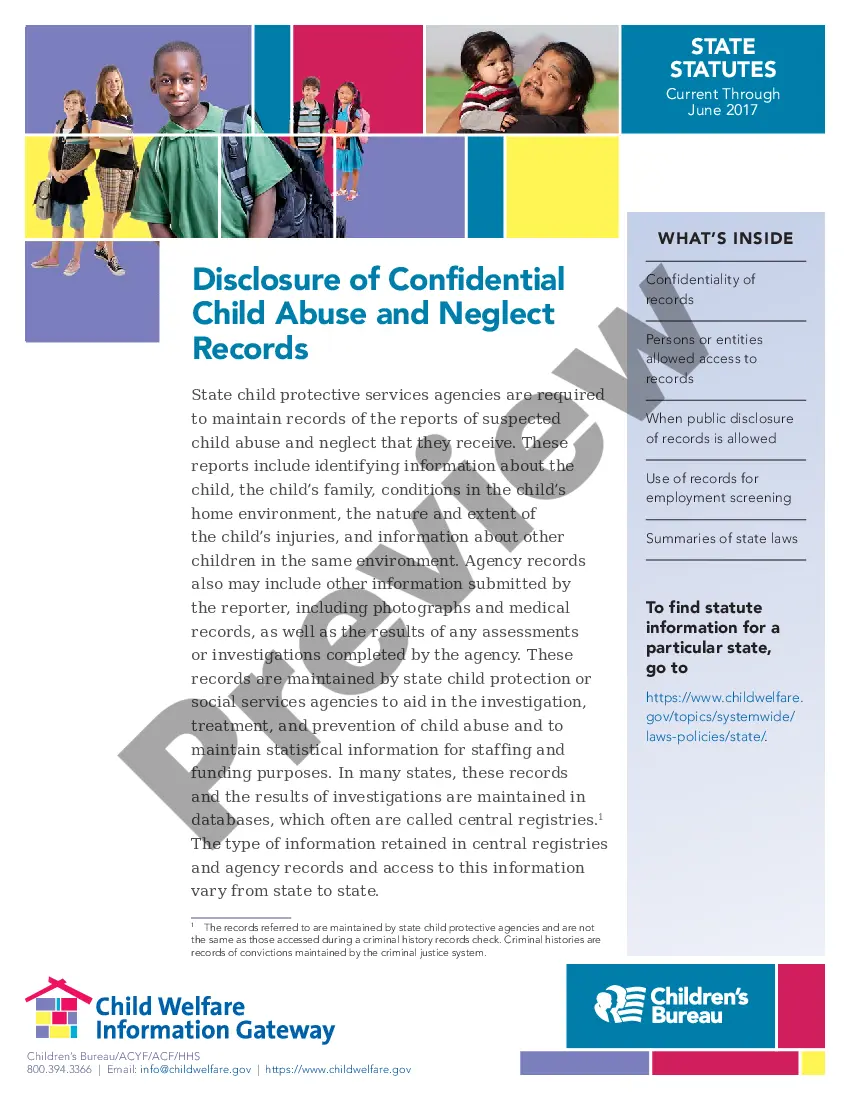
CHIPS actions are court cases that involve the health, safety and welfare of children. Children can be considered CHIPS because they are abused or neglected, truant, runaway, or otherwise need protection or services.
When someone chips in to promote a petition it helps us share it with wide audiences of action-takers in the Change.org community. Each contribution helps cover the costs of distributing the petition to hundreds, thousands, even millions more people in the Change.org community, many of whom go on to sign the petition.
The CPS worker might want to speak to your child. She might want to have a look at your child's bedroom, toys, homework and would look for sanitary procedures and whether food is available readily for your child. There are certain things which one should keep in mind to have the CPS report in your favor.
A CPS investigation can last for up to 18 months!
There's no specific age when a child is old enough to have a custodial preference, but it's somewhat rare for a court to consider the opinion of a child less than seven years old. It's not unusual for an eight-year-old child to have an opinion that impacts the custody decision.