Minnesota Special Durable Power of Attorney for Bank Account Matters
Description
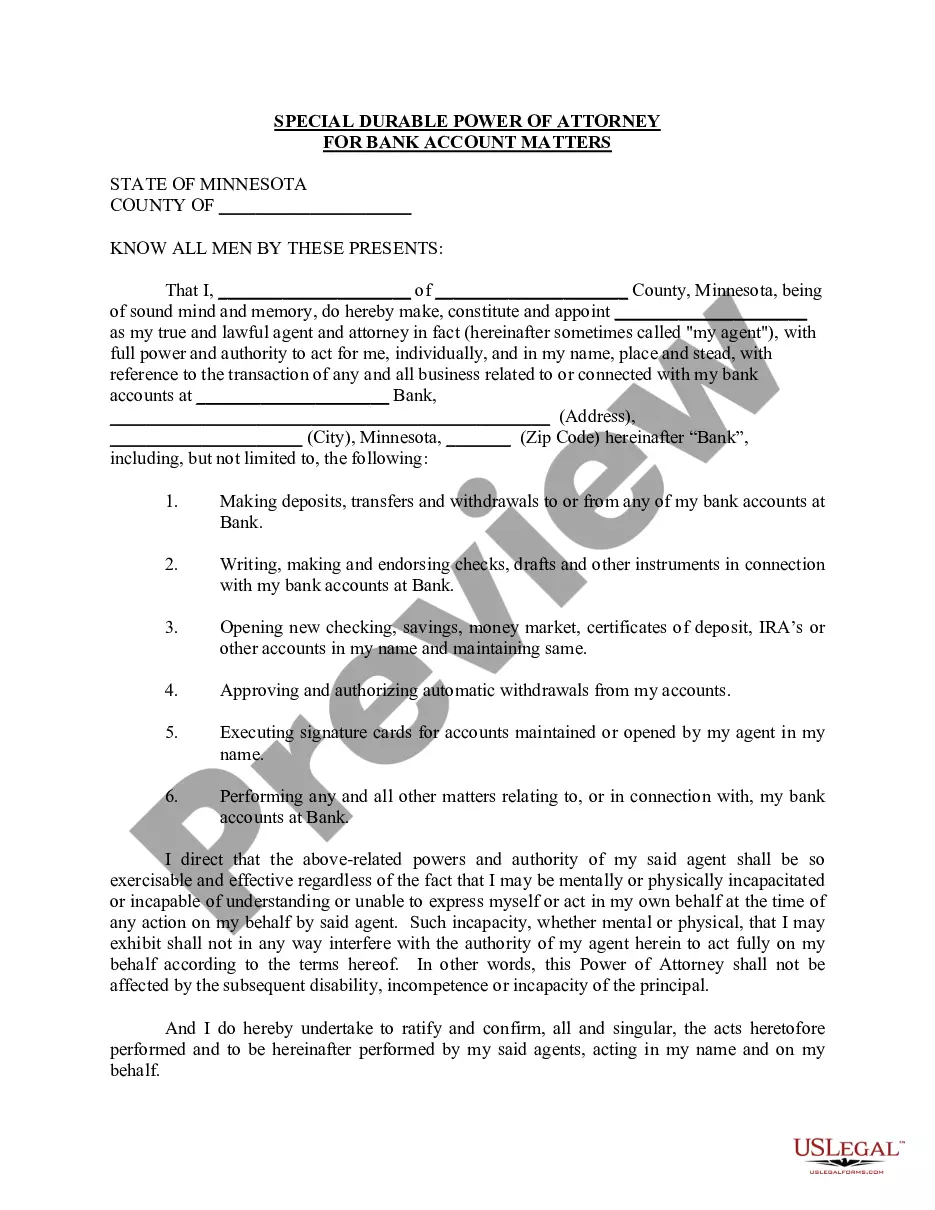
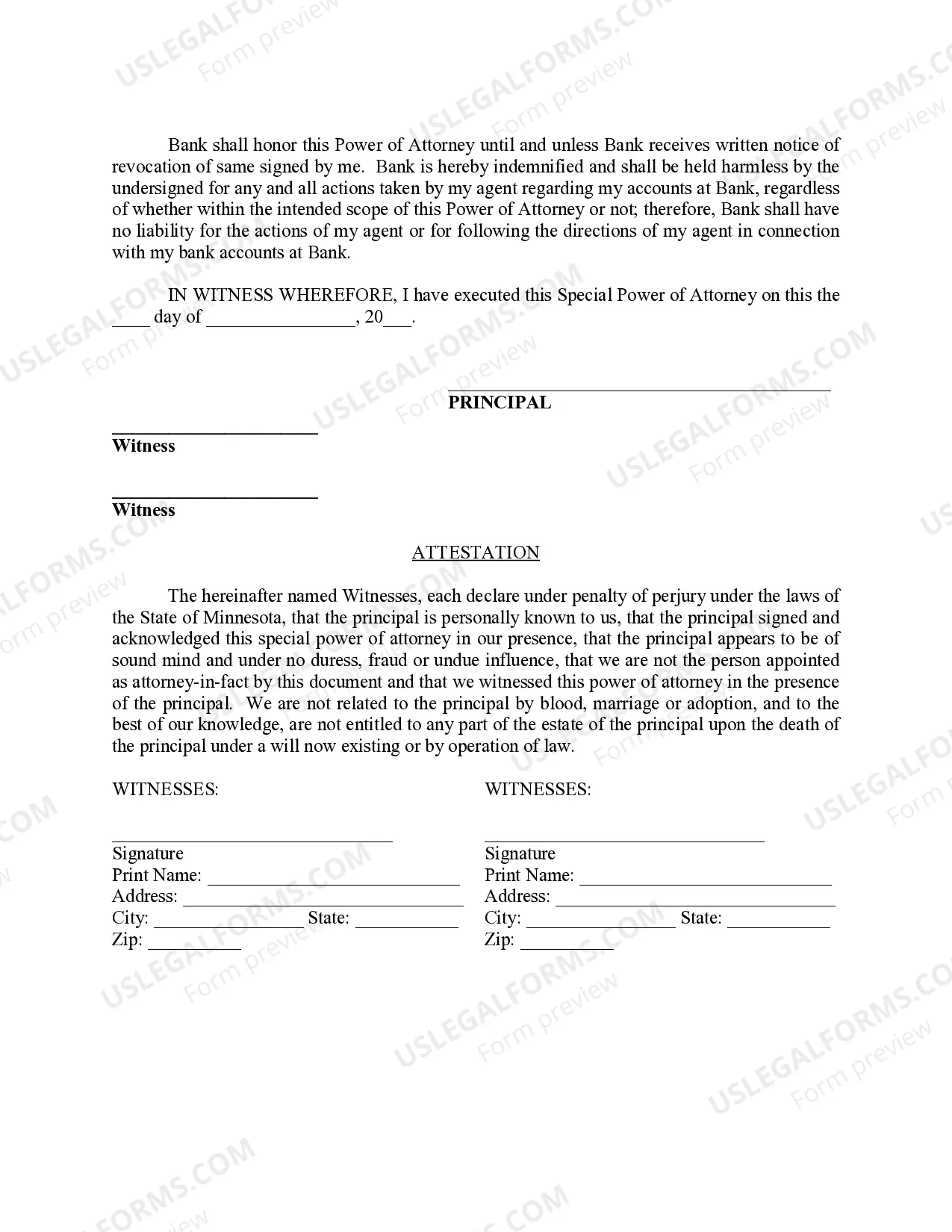
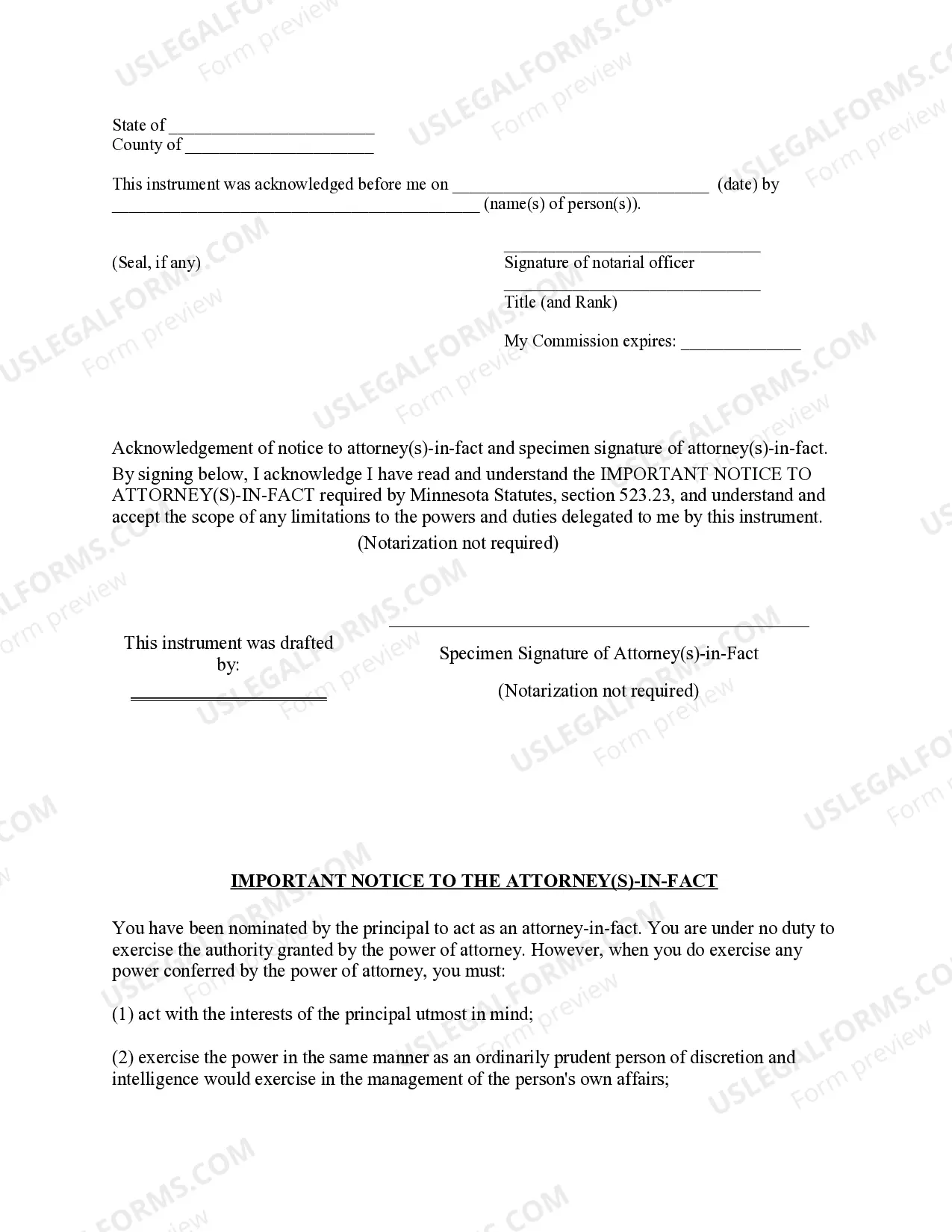
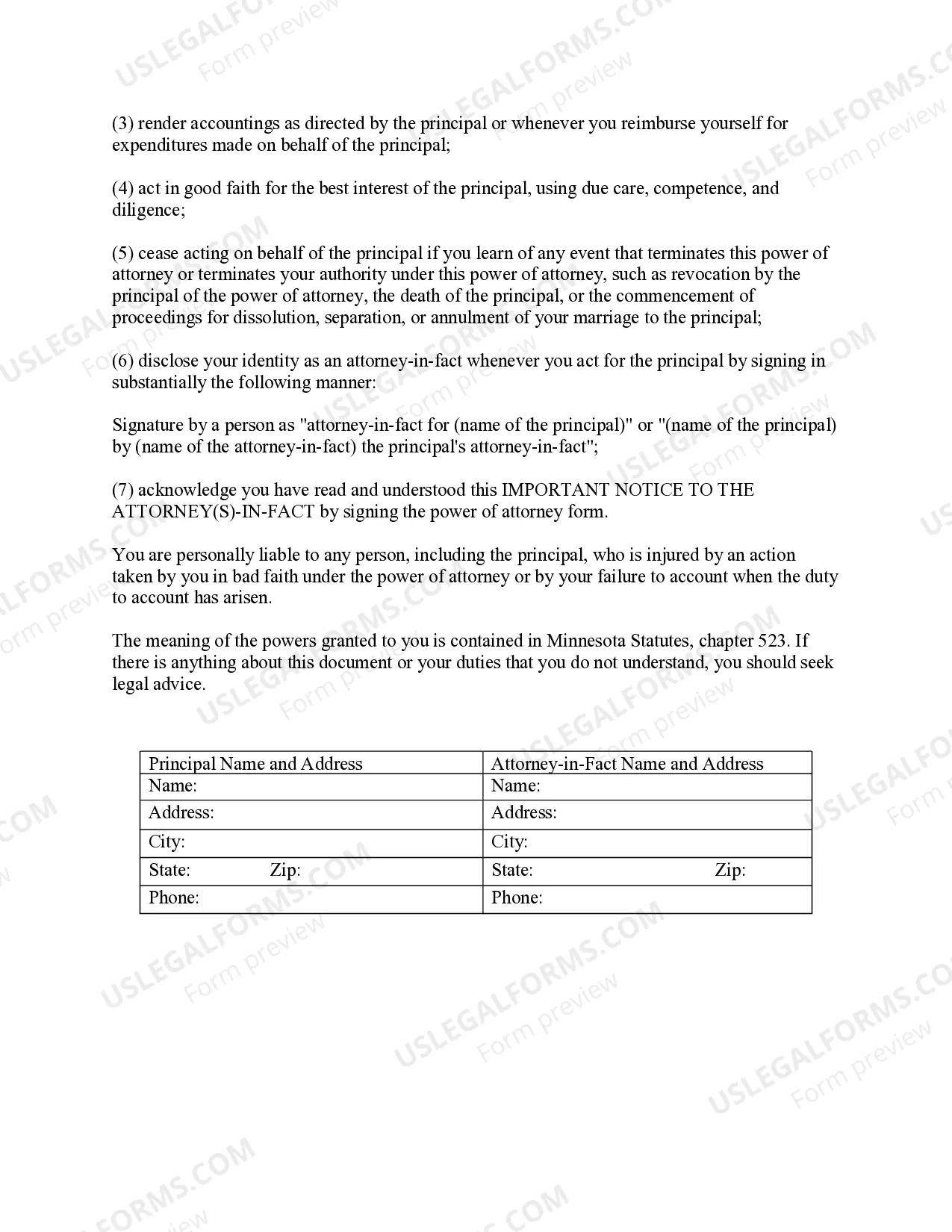
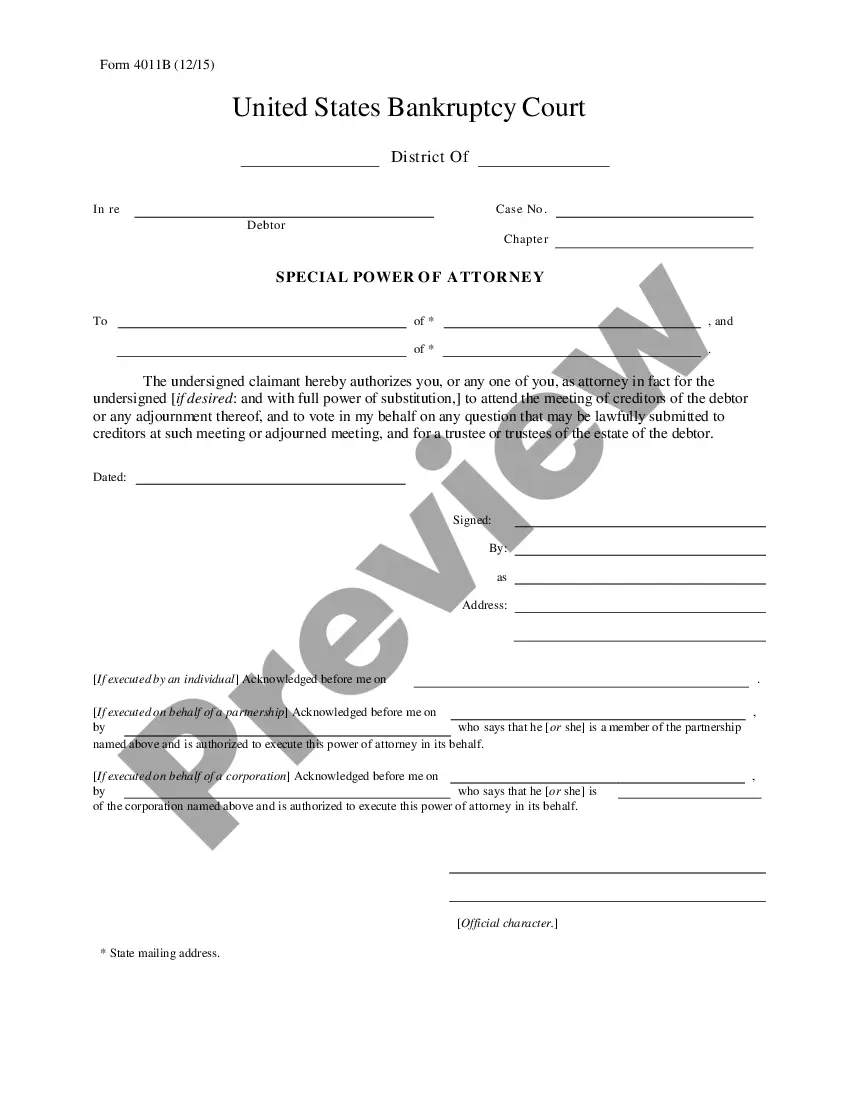
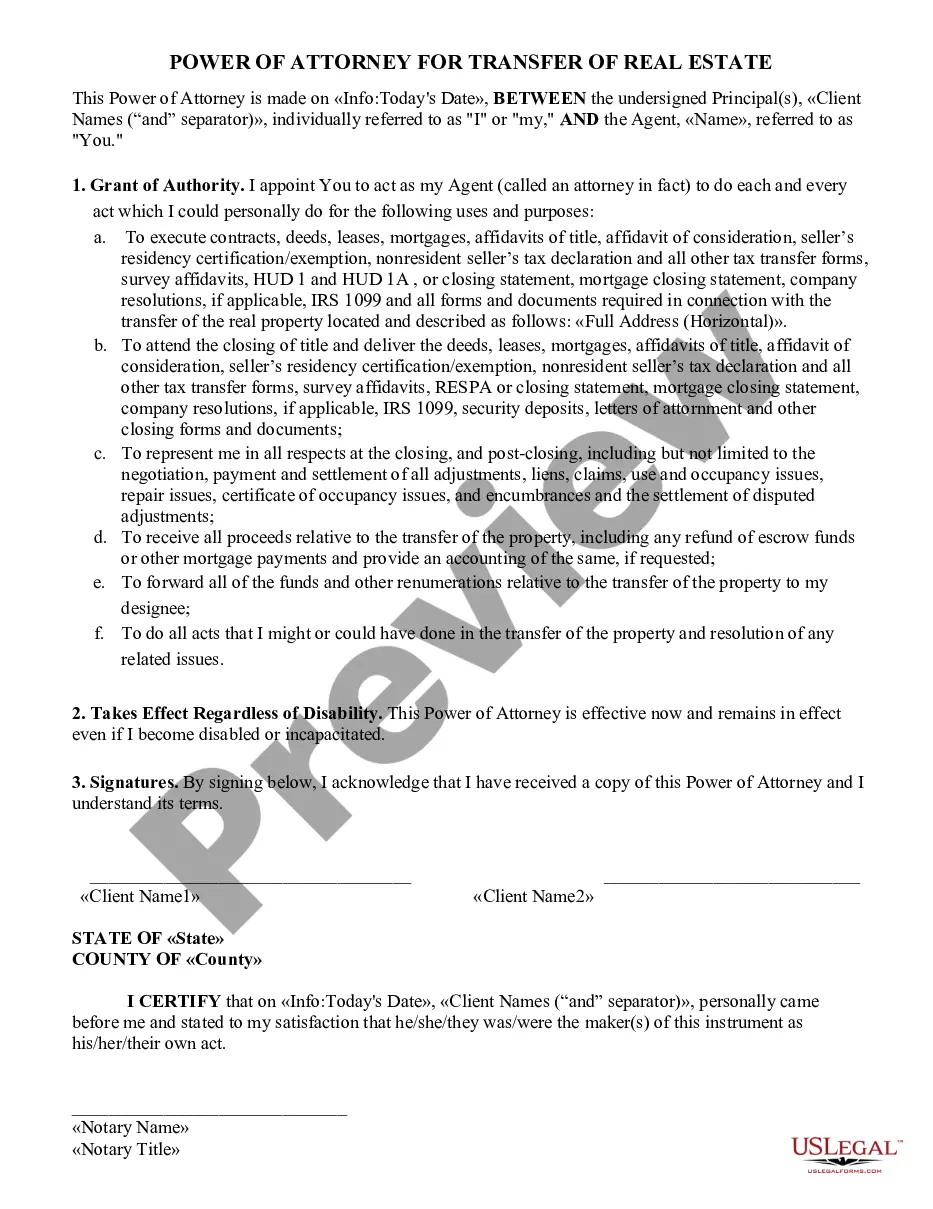
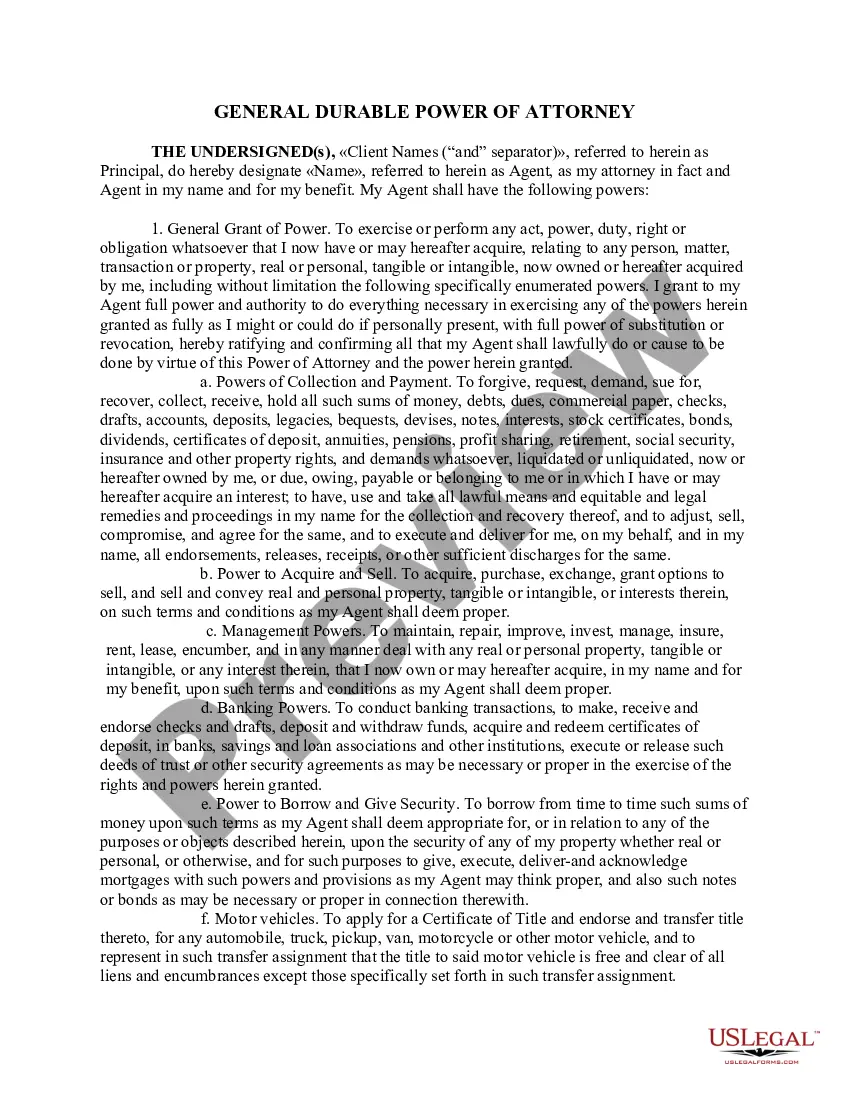
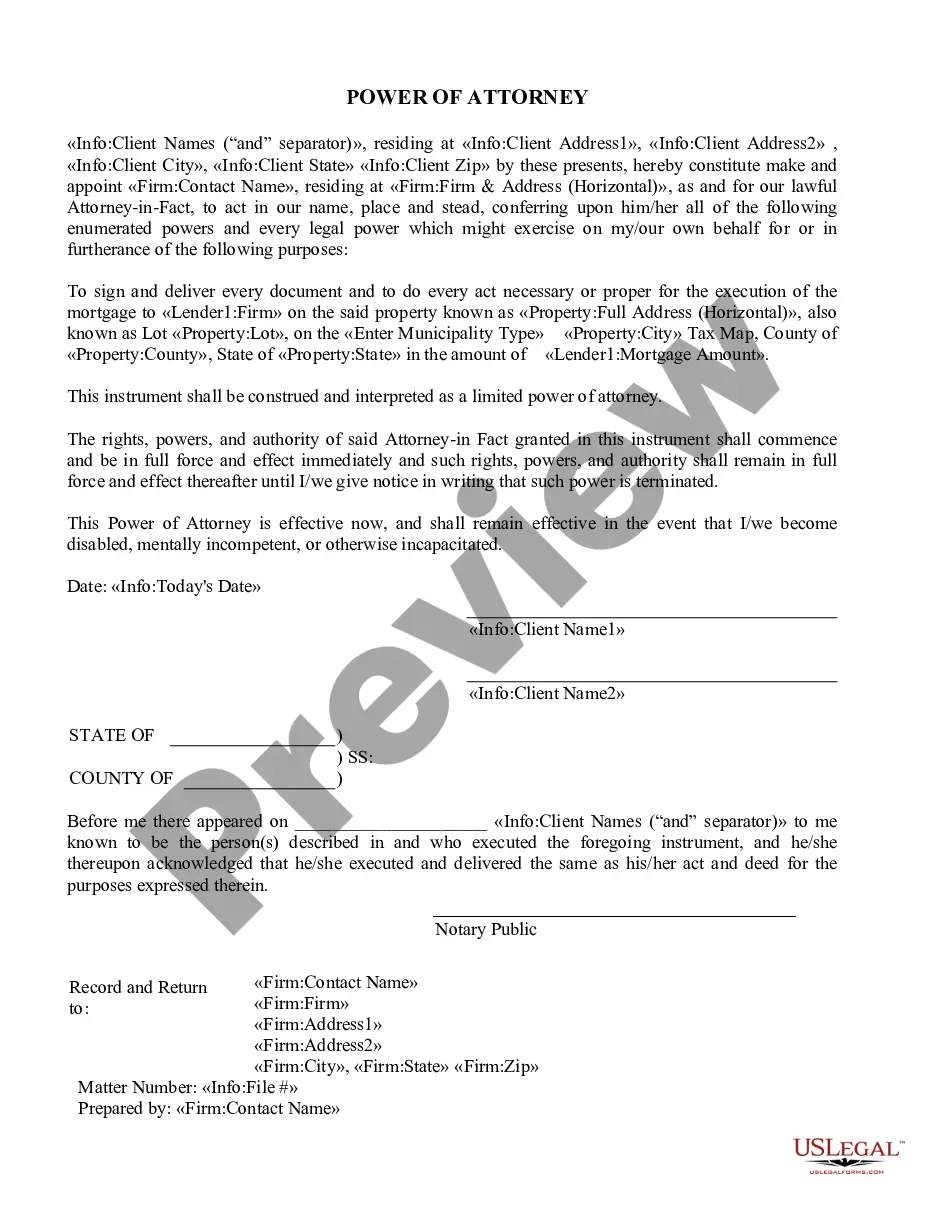
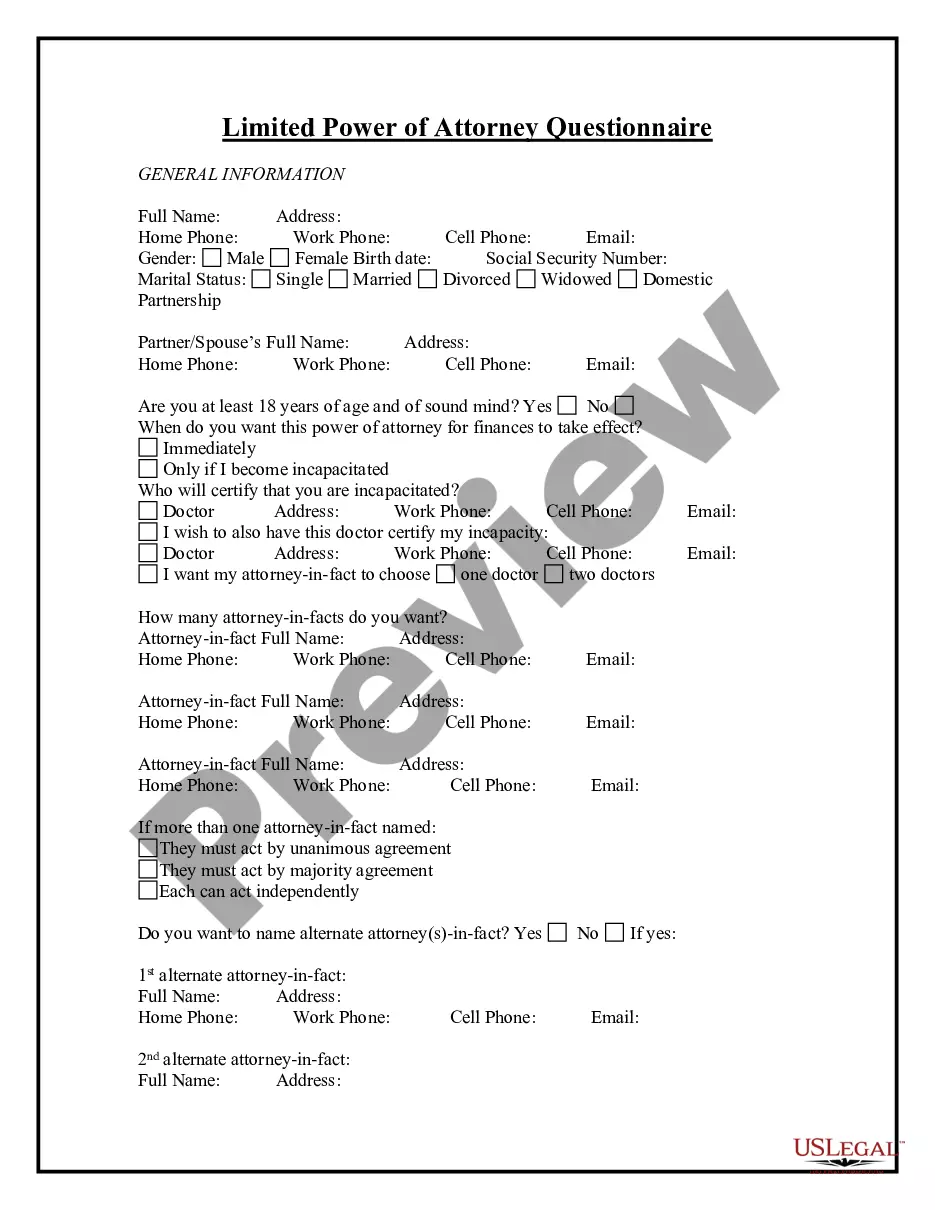
How to fill out Minnesota Special Durable Power Of Attorney For Bank Account Matters?
Obtain any template from 85,000 legal documents including the Minnesota Special Durable Power of Attorney for Bank Account Matters online with US Legal Forms. Each template is created and refreshed by state-licensed attorneys.
If you possess a subscription, Log In. Once you arrive at the form’s page, click the Download button and navigate to My documents to retrieve it.
If you have not subscribed yet, follow the instructions outlined below.
With US Legal Forms, you will consistently have immediate access to the relevant downloadable template. The platform will grant you access to forms and categorizes them to ease your search. Utilize US Legal Forms to obtain your Minnesota Special Durable Power of Attorney for Bank Account Matters quickly and effortlessly.
- Verify the state-specific criteria for the Minnesota Special Durable Power of Attorney for Bank Account Matters you wish to utilize.
- Browse through the description and preview the example.
- Once you’re confident the example meets your needs, simply click Buy Now.
- Select a subscription option that fits your financial plan.
- Establish a personal account.
- Make a payment in one of two suitable methods: by card or through PayPal.
- Choose a format to download the document in; two options are available (PDF or Word).
- Download the document to the My documents section.
- When your reusable template is ready, print it out or save it to your device.
Form popularity
FAQ
Yes, a bank can refuse to accept a power of attorney if it does not meet specific requirements or if the document appears outdated. Banks often have their own policies regarding powers of attorney, especially concerning the Minnesota Special Durable Power of Attorney for Bank Account Matters. It is essential to ensure that your power of attorney is clear, properly executed, and complies with bank requirements. To avoid complications, consider using a reliable service like uslegalforms to create a compliant document.
Yes, a durable power of attorney can access bank accounts if the document explicitly grants this authority. With a Minnesota Special Durable Power of Attorney for Bank Account Matters, your agent can manage your financial affairs, including accessing and handling bank accounts. It is crucial to ensure that the power of attorney document is correctly drafted to avoid any complications. For this purpose, consider using the US Legal Forms platform to obtain a reliable power of attorney template that meets your needs.
To set up a Minnesota Special Durable Power of Attorney for Bank Account Matters, start by selecting a trusted person to act on your behalf. You will need to complete a power of attorney form that specifies the authority you grant, particularly regarding bank account matters. After filling out the form, sign it in front of a notary public to ensure its validity. Once completed, provide copies to your bank and the appointed agent so they can act when necessary.
A Power of Attorney might be used to allow another person to sign a contract for the Principal. It can be used to give another person the authority to make health care decisions, do financial transactions, or sign legal documents that the Principal cannot do for one reason or another.
Although third parties do sometimes refuse to honor an Agent's authority under a POA agreement, in most cases that refusal is not legal.In that case, the law allows you to collect attorney's fees if the third party unreasonably refused to accept the POA.
Under the Minnesota power of attorney statutes, the principal's signature on a Minnesota Power of Attorney document need not be acknowledged before a notary public. However, third parties may require it, and a Minnesota Statutory Short Form Power of Attorney document will look incomplete without such an acknowledgment.
But because of the risk of abuse, many banks will scrutinize a POA carefully before allowing the agent to act on the principal's behalf, and often a bank will refuse to honor a POA.The agent fought back in court and won a $64,000 judgment against the bank.
A power of attorney allows an agent to access the principal's bank accounts, either as a general power or a specific power. If the document grants an agent power over that account, they must provide a copy of the document along with appropriate identification to access the bank account.
What's the difference between durable and general power of attorney? A general power of attorney ends the moment you become incapacitated.A durable power of attorney stays effective until the principle dies or until they act to revoke the power they've granted to their agent.
Through the use of a valid Power of Attorney, an Agent can sign checks for the Principal, withdraw and deposit funds from the Principal's financial accounts, change or create beneficiary designations for financial assets, and perform many other financial transactions.