Minnesota Acknowledgment for Verification upon Oath
Overview of this form
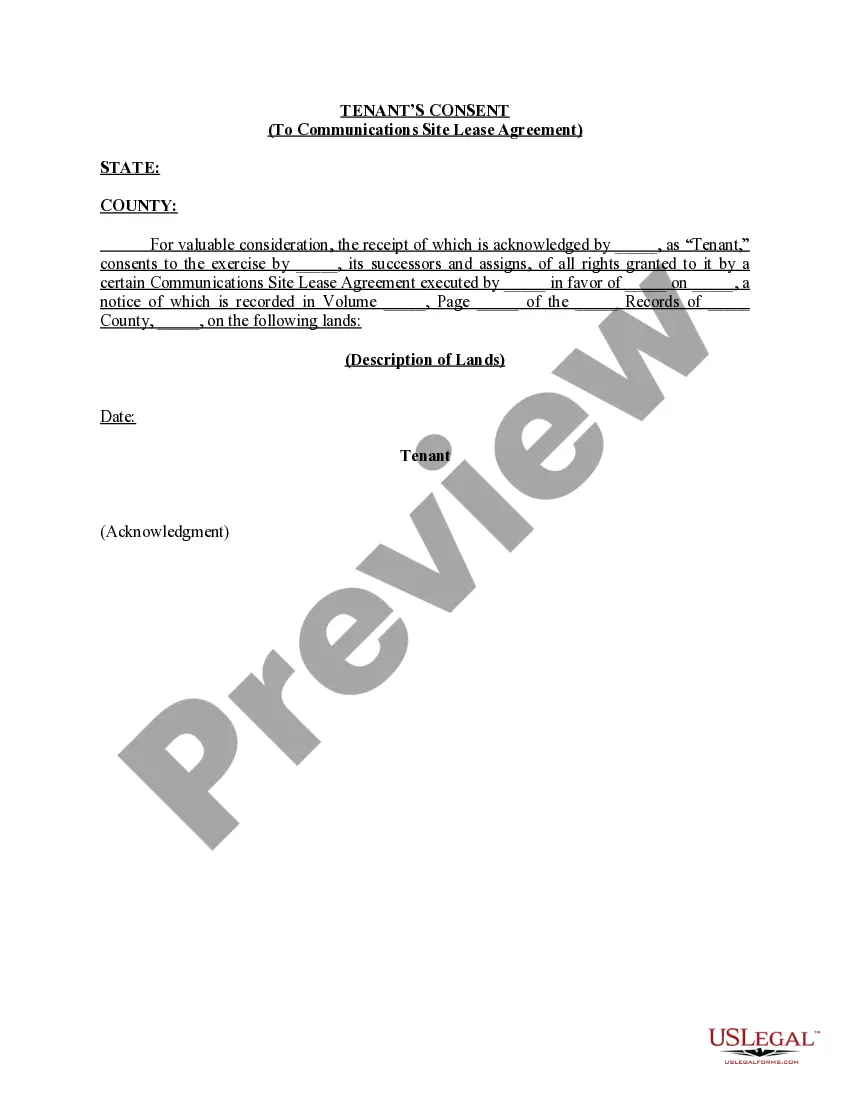
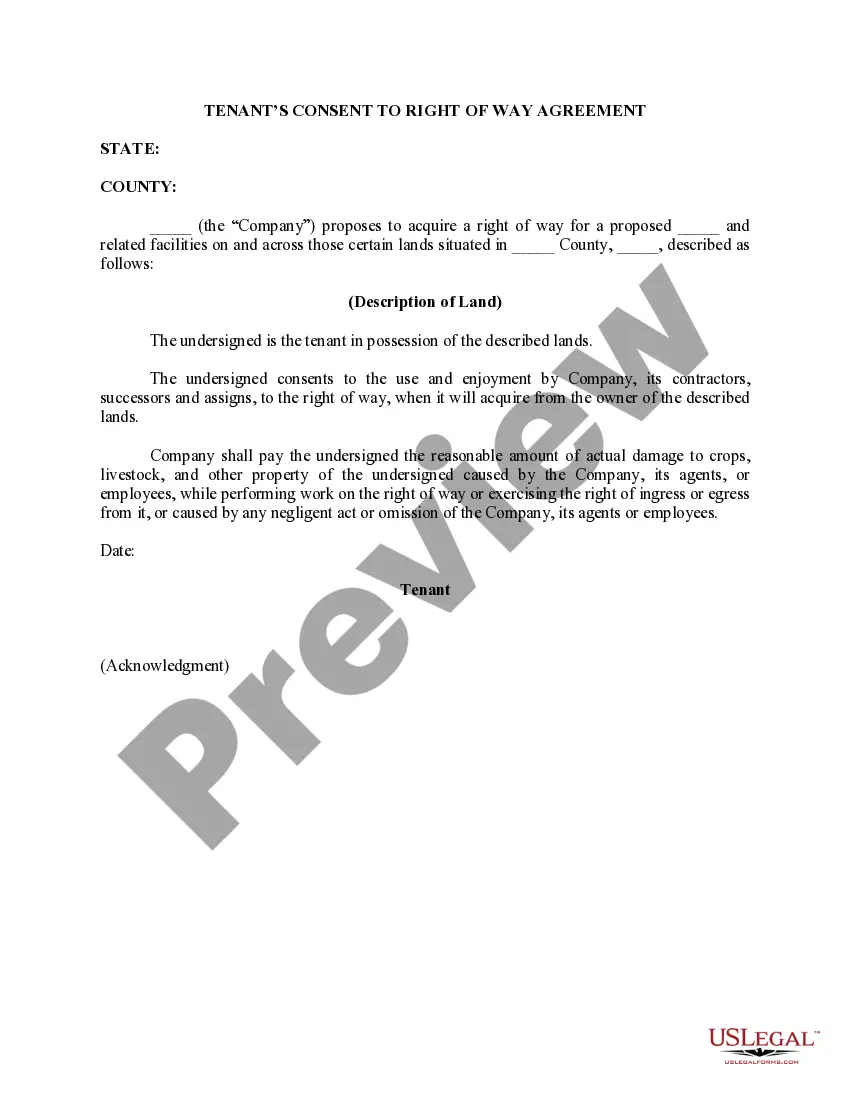
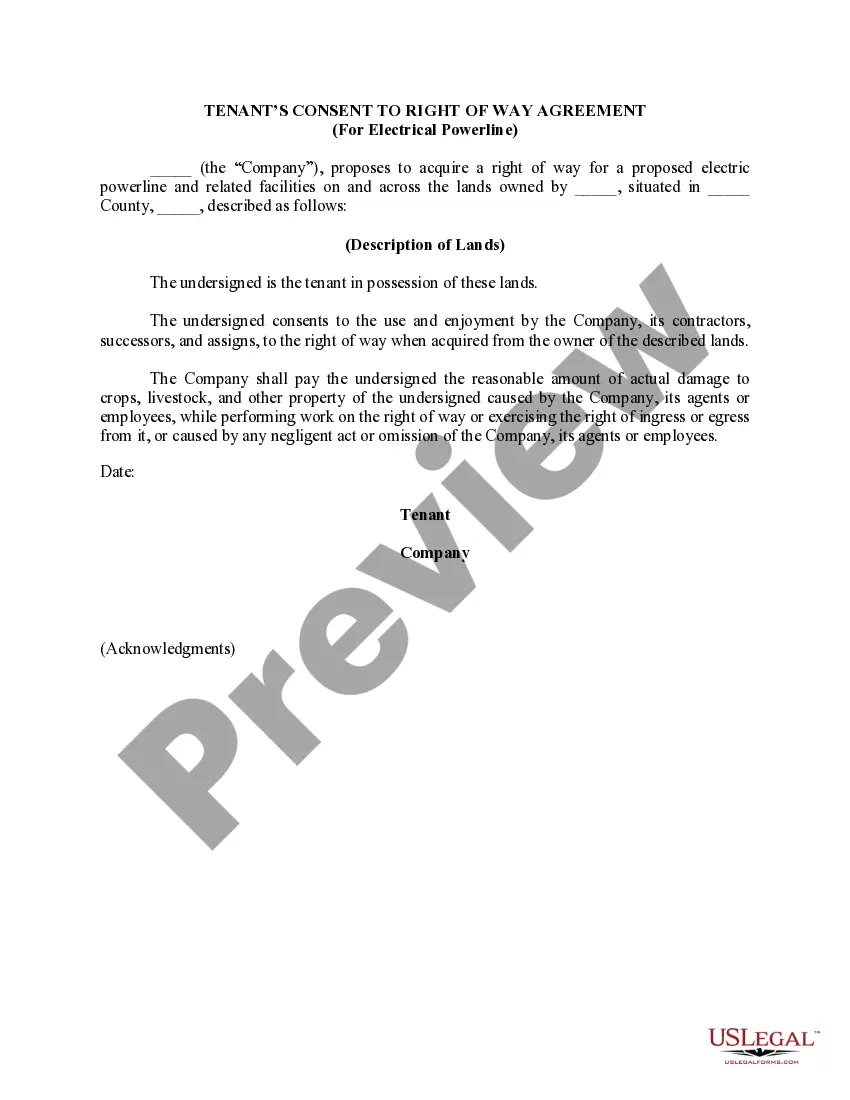
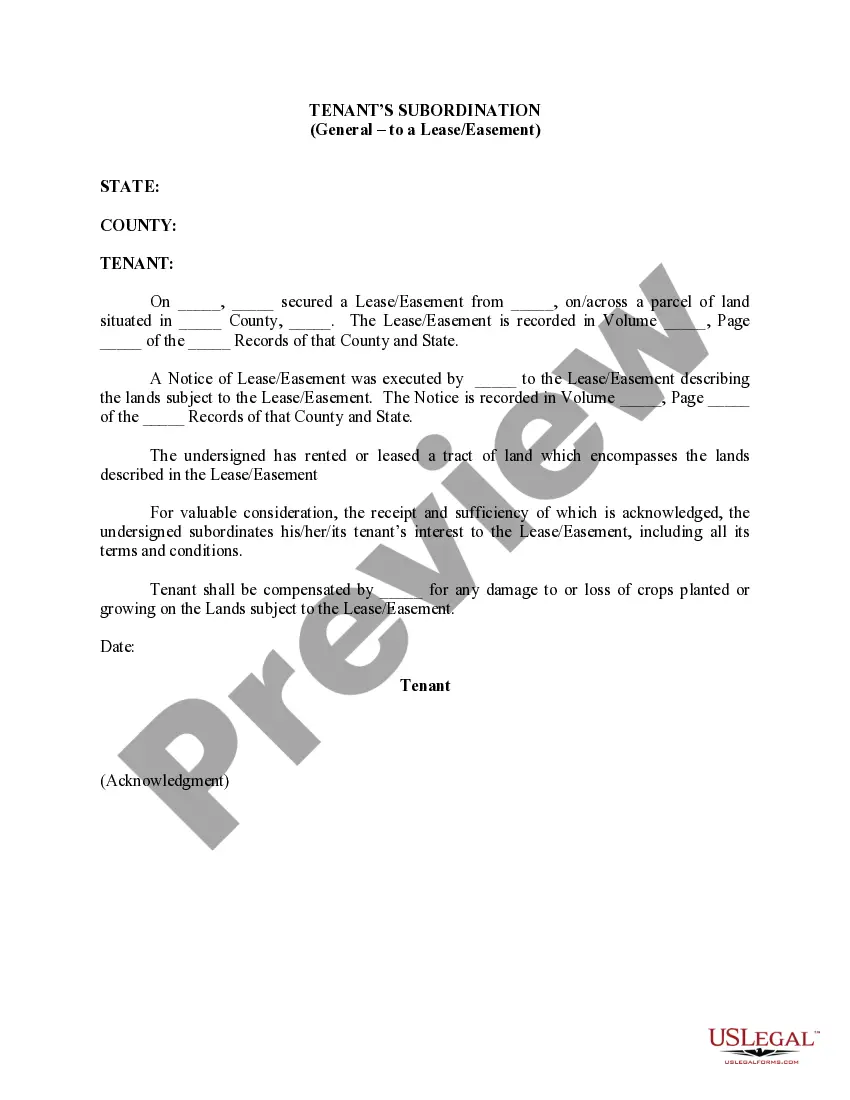
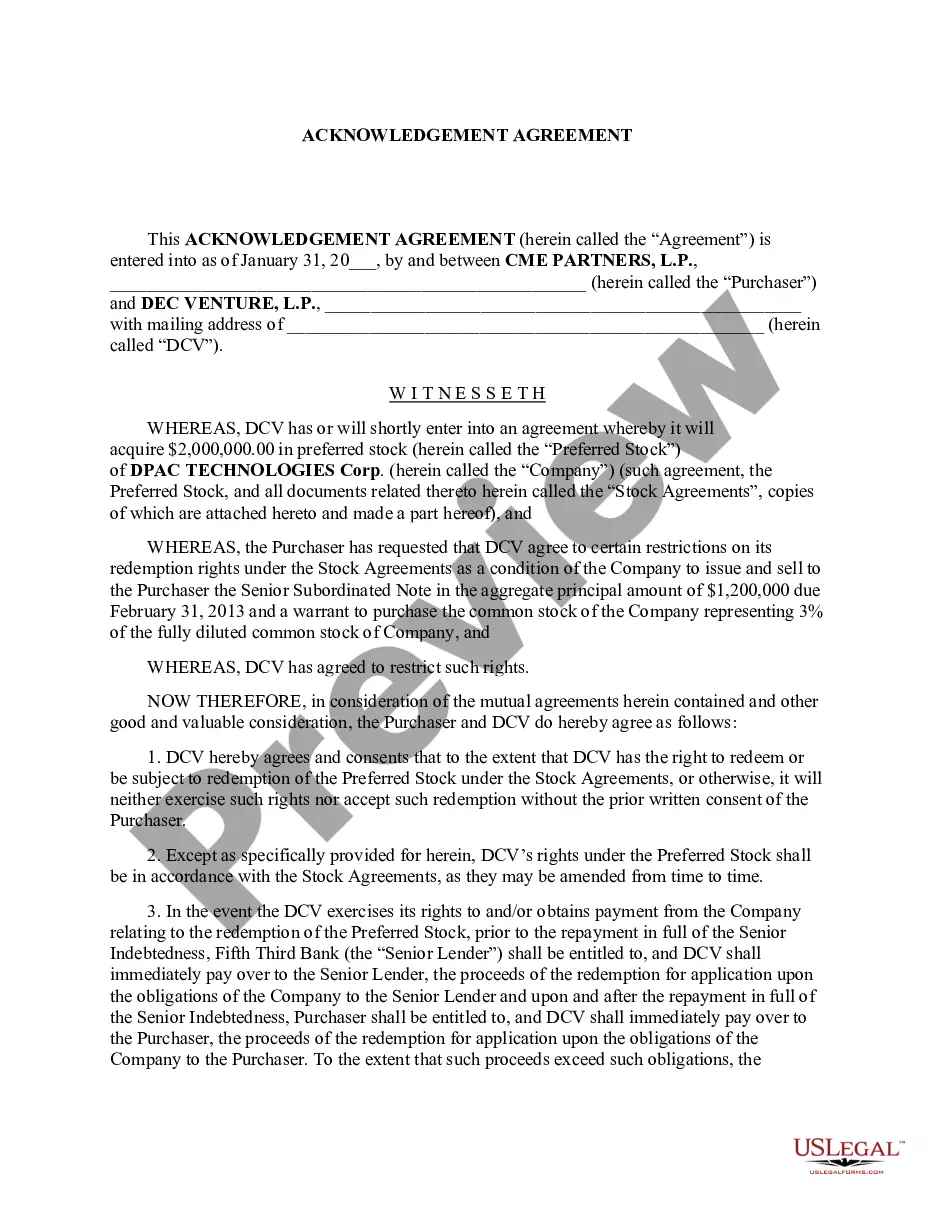
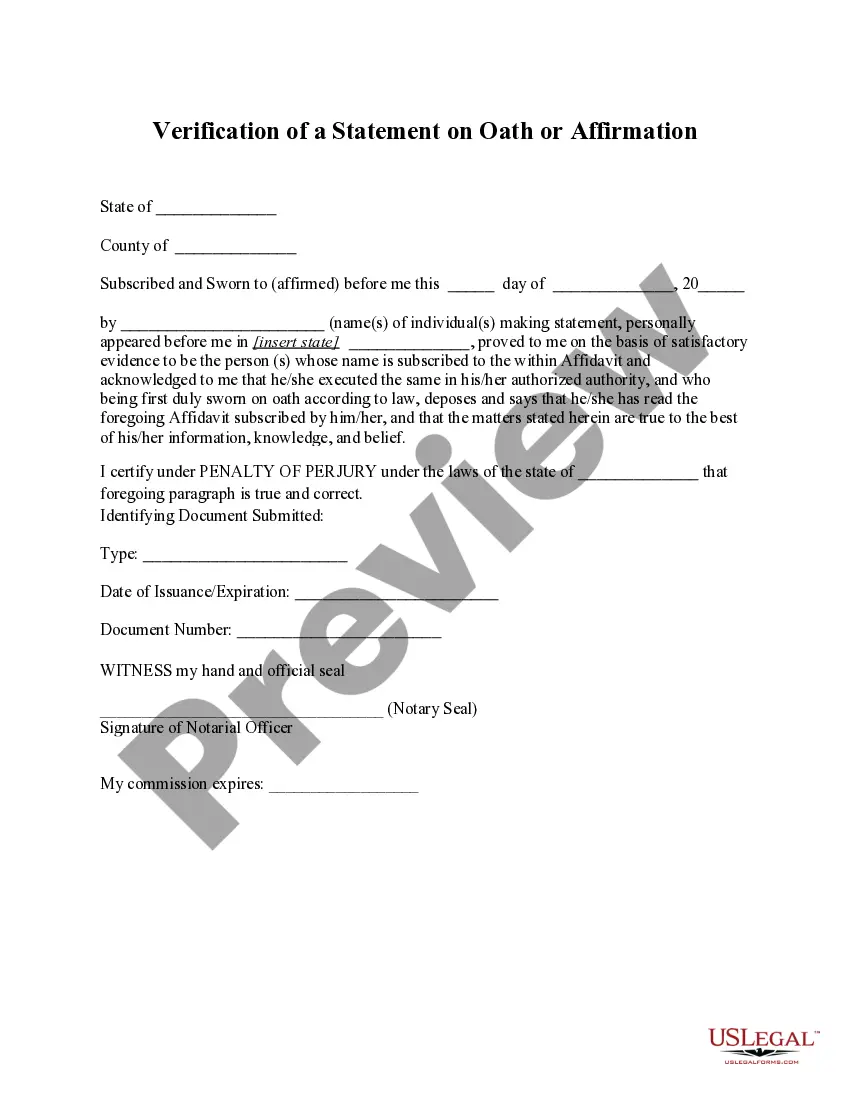
The Acknowledgment for Verification upon Oath is a legal document that certifies a person's acknowledgment of a statement or document made under oath. This form serves as a declaration that the individual has sworn to the truthfulness of their statements before a notarial officer, making it an important legal tool for verifying assertions in various legal proceedings. Unlike other forms that may simply state a fact, this document includes an oath of affirmation, ensuring its weight as evidence in a court of law.
Key parts of this document
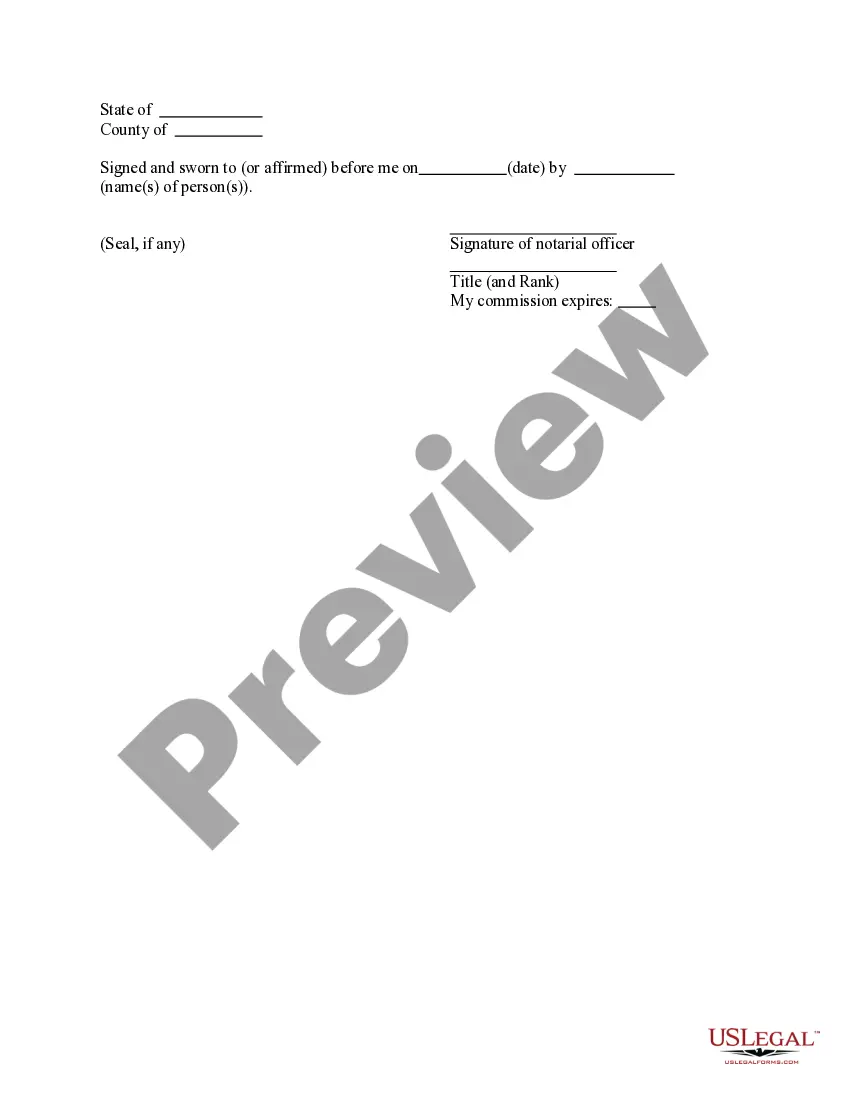
- Declaration of Acknowledgment: A statement where the individual acknowledges the truth of their assertions.
- Signature Block: Space for the notarial officer's signature to validate the document.
- Date of Acknowledgment: A field to enter the date when the acknowledgment is made.
- Name of Affiant: A section to provide the names of individuals making the sworn statement.
- Seal of Notary Public: A designated area for the notary's official seal, affirming the legitimacy of the document.

When to use this document
This form is commonly used in legal situations where a declaration must be made under oath, such as during court proceedings, notarized documents, affidavits, or other instances where verification of the truth is required. It can be vital in cases involving legal disputes, property agreements, or any situation requiring official verification of statements or claims.
Intended users of this form
This form is intended for individuals who need to provide a sworn declaration, including:
- Affiants or declarants who are making statements under oath.
- Notaries public responsible for verifying and witnessing oaths.
- Legal professionals who require formal verification of client statements.
How to complete this form
- Identify the parties involved, including the affiant's name and the notarial officer.
- Enter the date of acknowledgment in the designated field.
- Fill out the section confirming the affirmation of the statements made.
- Ensure that all necessary signatures are provided, including the affiant and notarial officer.
- Affix the notary's seal where indicated to validate the document.
Does this form need to be notarized?
Yes, this form must be notarized to be legally valid. Notarization serves to authenticate the identity of the affiant and ensures the sworn statements are formally recognized. US Legal Forms provides integrated online notarization, allowing for secure video calls with notaries available 24/7, ensuring you can complete your documentation without the need to travel.
Get your form ready online
Our built-in tools help you complete, sign, share, and store your documents in one place.
Make edits, fill in missing information, and update formatting in US Legal Forms—just like you would in MS Word.
Download a copy, print it, send it by email, or mail it via USPS—whatever works best for your next step.
Sign and collect signatures with our SignNow integration. Send to multiple recipients, set reminders, and more. Go Premium to unlock E-Sign.
If this form requires notarization, complete it online through a secure video call—no need to meet a notary in person or wait for an appointment.
We protect your documents and personal data by following strict security and privacy standards.

Make edits, fill in missing information, and update formatting in US Legal Forms—just like you would in MS Word.

Download a copy, print it, send it by email, or mail it via USPS—whatever works best for your next step.

Sign and collect signatures with our SignNow integration. Send to multiple recipients, set reminders, and more. Go Premium to unlock E-Sign.

If this form requires notarization, complete it online through a secure video call—no need to meet a notary in person or wait for an appointment.

We protect your documents and personal data by following strict security and privacy standards.
Common mistakes
- Entering incorrect names or details that do not match other related documents.
- Forgetting to include the notary's signature or seal.
- Leaving fields blank, which may invalidate the acknowledgment.
Why use this form online
- Convenience of immediate downloadable access.
- Editability to customize the form according to specific needs.
- Reliability in ensuring the form adheres to legal standards as drafted by licensed attorneys.
Legal use & context
- This form can be used in various legal settings where sworn testimony is required.
- It is essential for maintaining the integrity of legal statements in court or other official proceedings.
- Failure to use this acknowledgment when required may lead to challenges regarding the credibility of the affirmations made.
Summary of main points
- The Acknowledgment for Verification upon Oath is critical for affirming the truth of statements.
- Proper completion and notarization of this form are essential for its validity.
- Using this form can help ensure compliance with legal requirements in various contexts.
Looking for another form?
Form popularity
FAQ
To fill out an acknowledgment form, start by ensuring you have the correct form for your state, like the Minnesota Acknowledgment for Verification upon Oath. Input the required information such as the date, the name of the signer, and the type of document. Always remember to sign and seal the form properly to ensure it meets legal requirements, which can be easily managed through platforms like USLegalForms.
Filling out an acknowledgment requires careful attention to detail. Begin by entering the date, the signer's name, and a description of the document for the Minnesota Acknowledgment for Verification upon Oath. After that, as the notary, you must sign in the designated area and apply your official seal to complete the process and affirm the authenticity of the acknowledgment.
To fill out a notarization form, start by gathering all necessary information, including the date, signer's details, and the type of acknowledgment needed. For the Minnesota Acknowledgment for Verification upon Oath, ensure that you provide a clear description of the document being notarized. Additionally, make sure to sign and affix your notary seal in the appropriate sections to validate the notarization.
The most common mistake made by a notary is failing to correctly identify the signer. This crucial step is vital in the Minnesota Acknowledgment for Verification upon Oath process. Notaries should always verify the identity of a signer through an acceptable form of identification to avoid any legal issues that may arise from improper notarization.
Good acknowledgment examples include clear statements that identify the signer and the document being acknowledged. For a Minnesota Acknowledgment for Verification upon Oath, ensure that it includes the date, the signer's name, and the notary's signature along with their seal. This clarity helps in maintaining the integrity of the notarization process, ensuring that all parties understand the document's significance.
An oath is a solemn promise often invoking a higher power, while an affirmation is a similar commitment made without such invocation. An acknowledgment, on the other hand, merely confirms that a person has signed a document willingly. Together, these elements can enhance the validity of legal documents, particularly when using a Minnesota Acknowledgment for Verification upon Oath, which combines the assurance of acknowledgment with the truthfulness of an oath.
An acknowledgment is a declaration confirming that a person has signed a document, while an affirmation is a commitment to tell the truth without invoking a higher power. In legal contexts, both serve important roles, but they address different aspects of the signing process. When dealing with a Minnesota Acknowledgment for Verification upon Oath, understanding these differences helps ensure that you meet all legal requirements.
Generally, an acknowledgment does not require an oath or affirmation. An acknowledgment simply verifies that a signer has willingly signed a document, while an oath or affirmation is a separate commitment to truthfulness. However, if you are seeking a Minnesota Acknowledgment for Verification upon Oath, both elements may be included to enhance the document's legal standing.
An example of an Acknowledgment for a notary might include a document where a signer states, 'I acknowledge that I signed this document voluntarily and for the purposes stated within.' This acknowledgment is often accompanied by the notary's signature and seal, confirming the identity of the signer. Utilizing a Minnesota Acknowledgment for Verification upon Oath ensures that your documents are recognized and valid.
A verification on oath or affirmation certificate is a document that confirms the truth of statements made by an individual under oath. It serves as a legal assurance that the information provided is accurate and dependable. This certificate plays a crucial role in legal proceedings or official documents, particularly when utilizing a Minnesota Acknowledgment for Verification upon Oath.