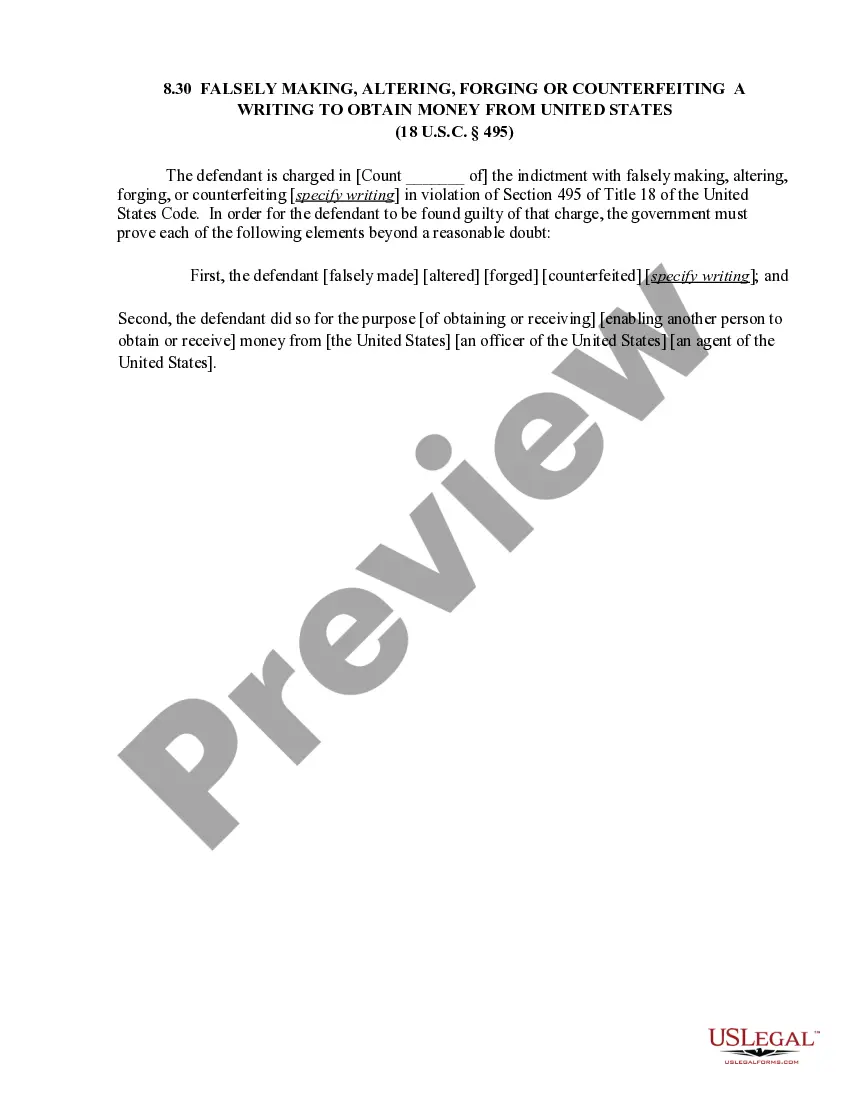
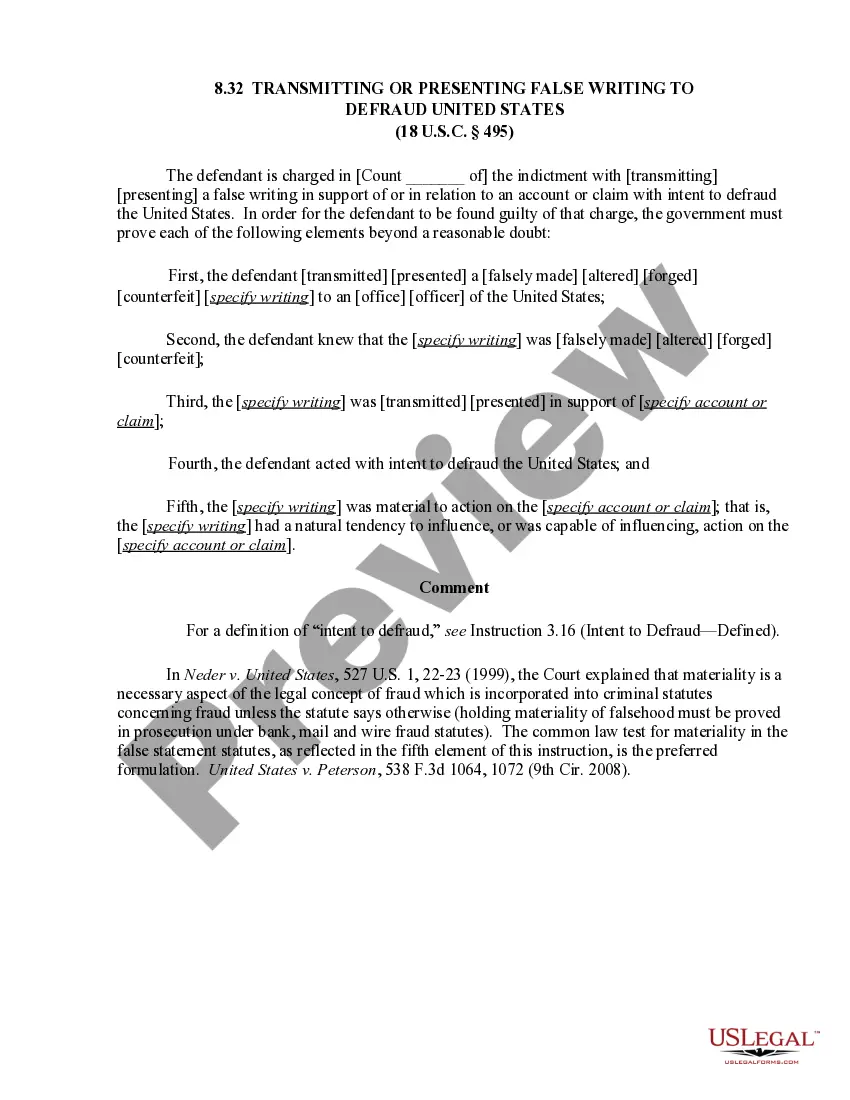
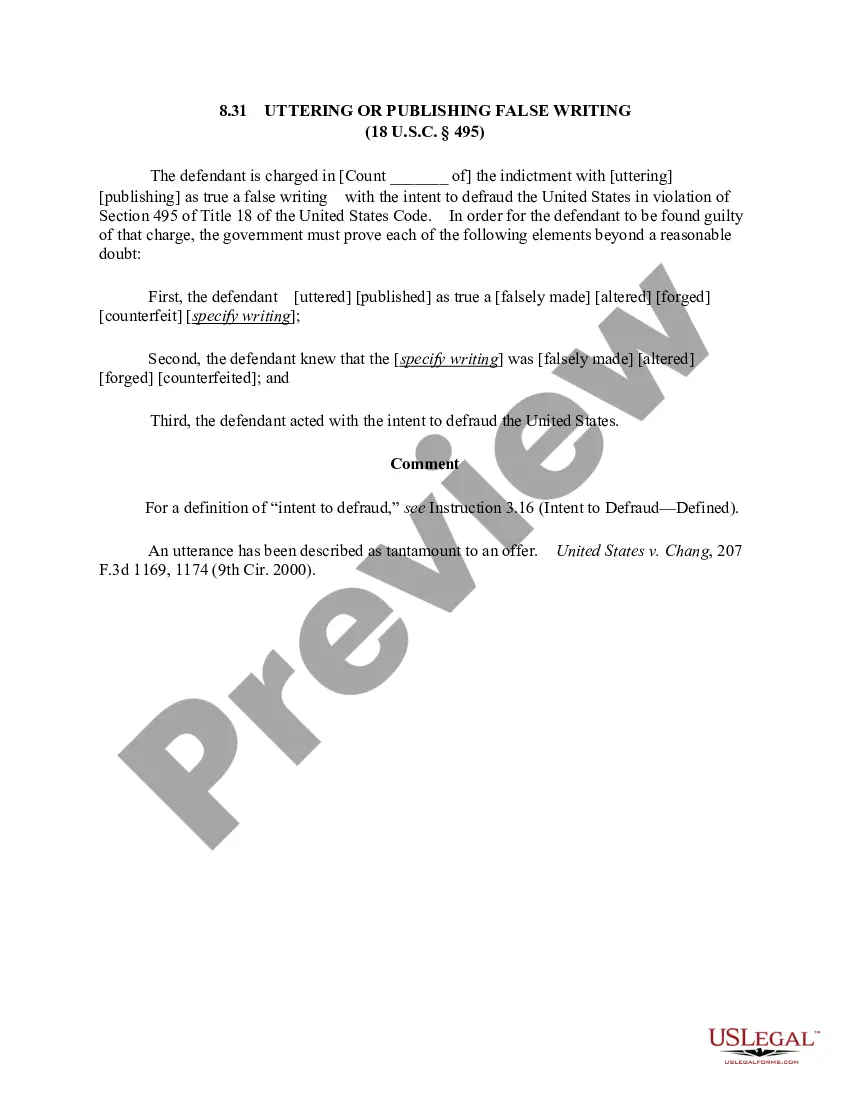
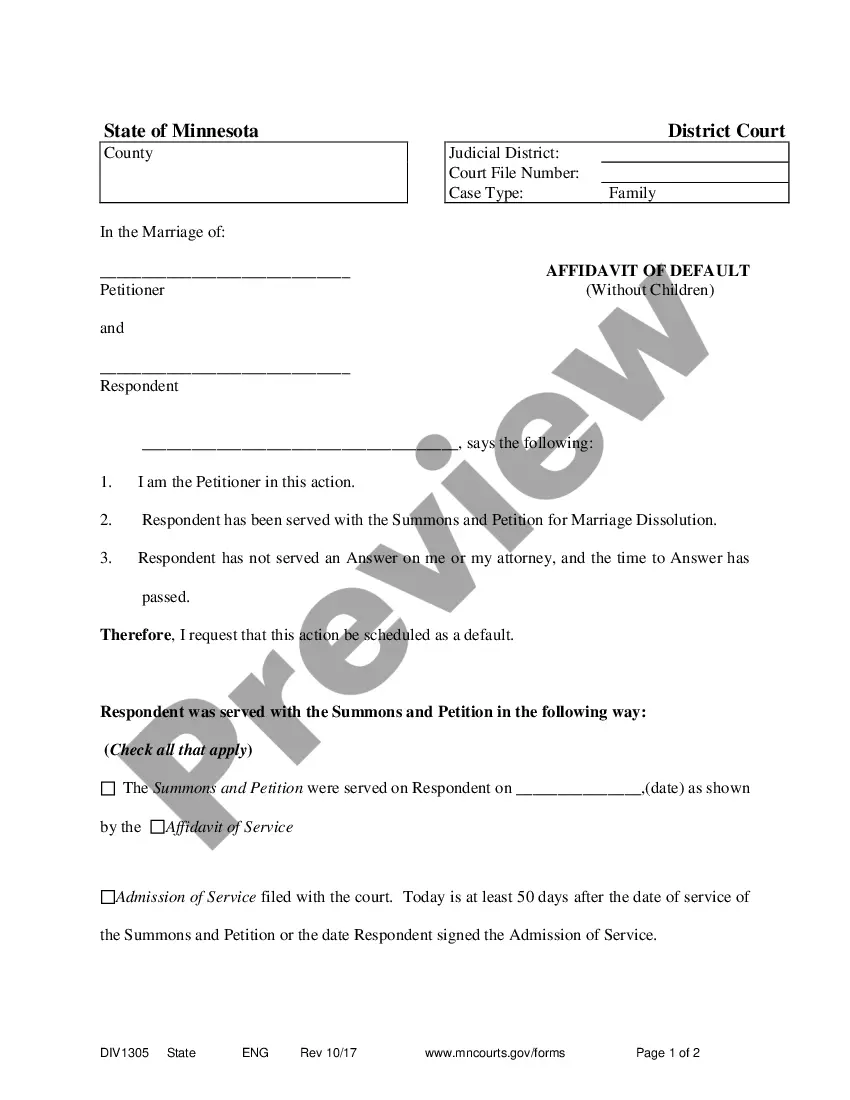
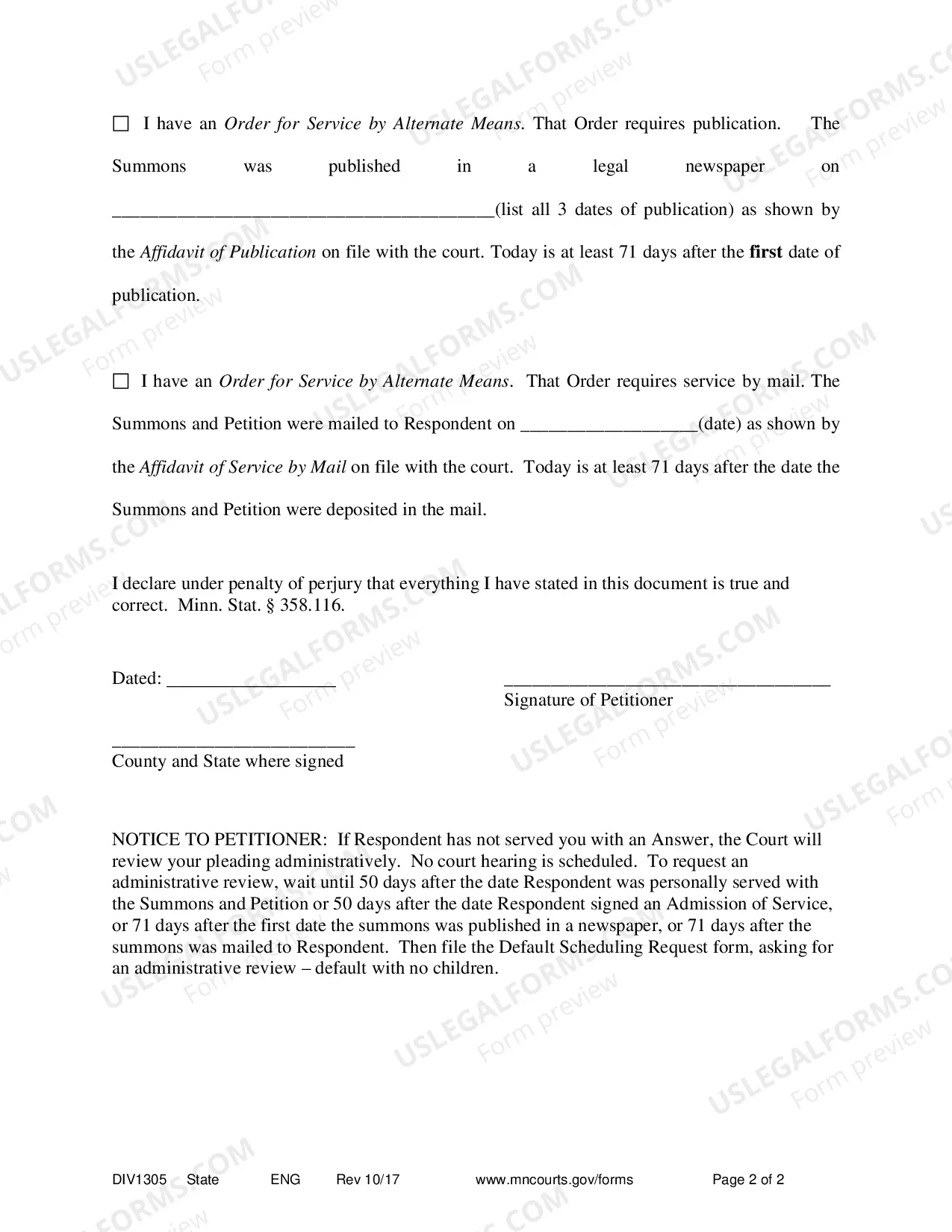
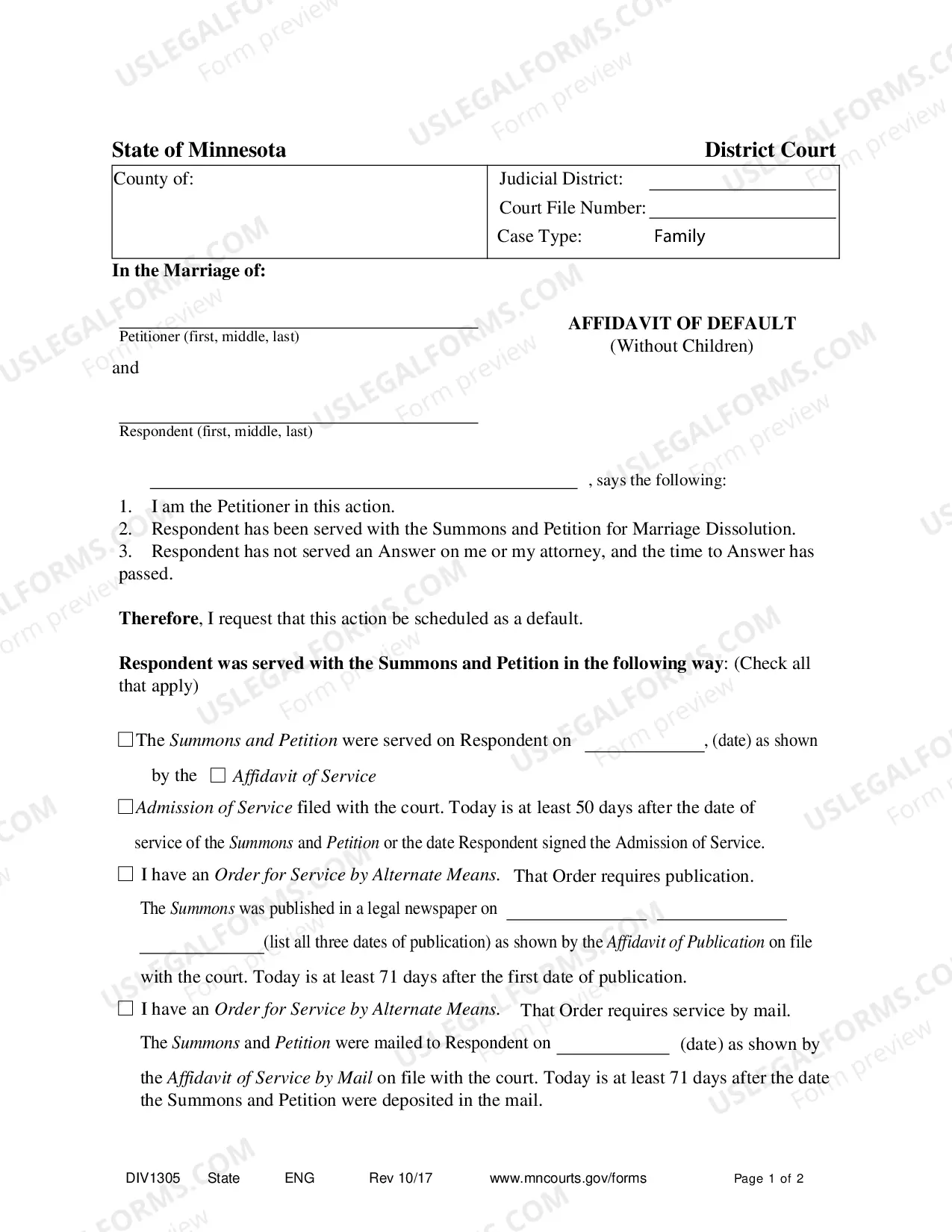
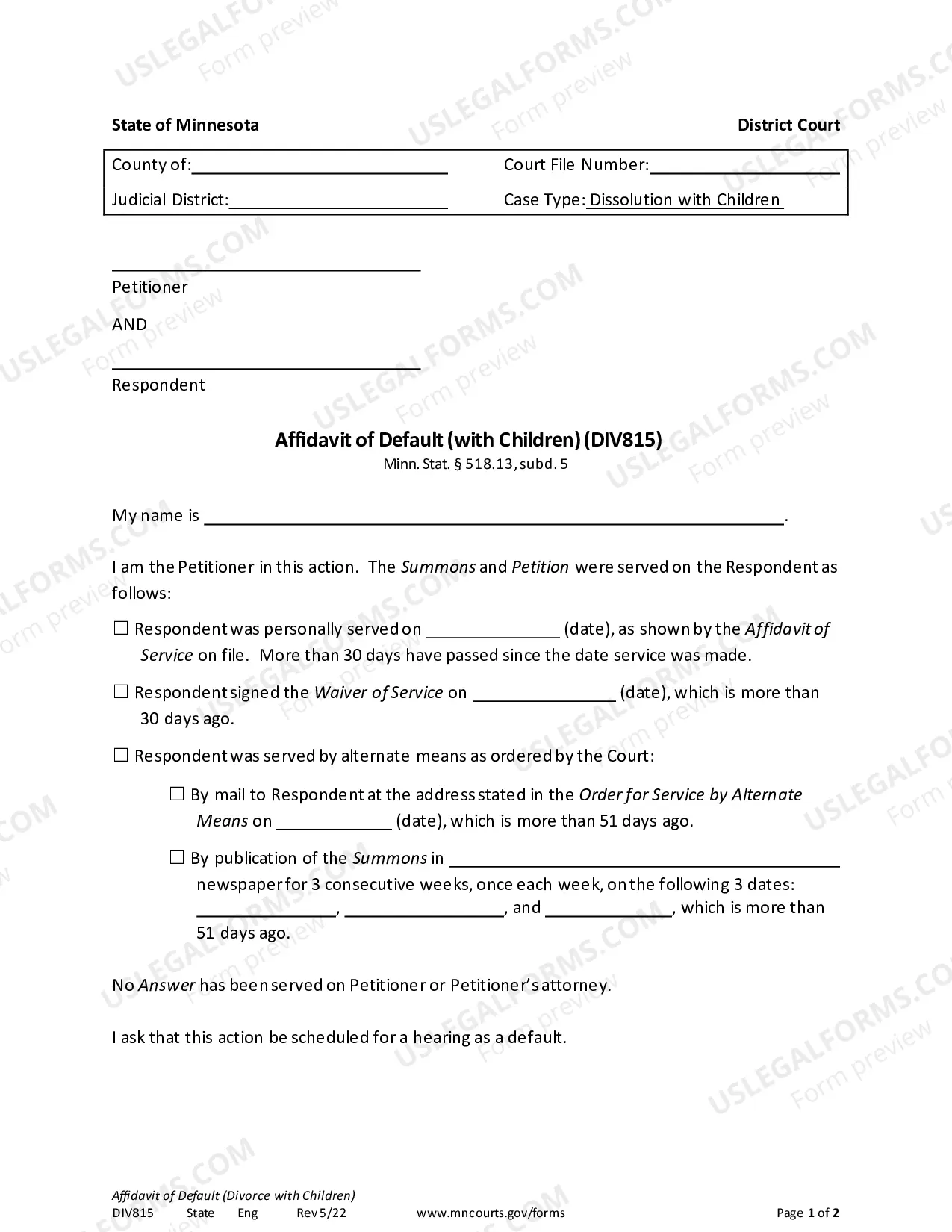
This is an official Minnesota court form for use in a divorce case, an Affidavit of Default. USLF amends and updates these forms as is required by Minnesota Statutes and Law.
Minnesota Affidavit of Default
Instant download
This website is not affiliated with any governmental entity
Public form
Description
Free preview
Get your form ready online
Our built-in tools help you complete, sign, share, and store your documents in one place.
Built-in online Word editor
Make edits, fill in missing information, and update formatting in US Legal Forms—just like you would in MS Word.
Export easily
Download a copy, print it, send it by email, or mail it via USPS—whatever works best for your next step.
E-sign your document
Sign and collect signatures with our SignNow integration. Send to multiple recipients, set reminders, and more. Go Premium to unlock E-Sign.
Notarize online 24/7
If this form requires notarization, complete it online through a secure video call—no need to meet a notary in person or wait for an appointment.
Store your document securely
We protect your documents and personal data by following strict security and privacy standards.

Make edits, fill in missing information, and update formatting in US Legal Forms—just like you would in MS Word.

Download a copy, print it, send it by email, or mail it via USPS—whatever works best for your next step.

Sign and collect signatures with our SignNow integration. Send to multiple recipients, set reminders, and more. Go Premium to unlock E-Sign.

If this form requires notarization, complete it online through a secure video call—no need to meet a notary in person or wait for an appointment.

We protect your documents and personal data by following strict security and privacy standards.
Looking for another form?



How to fill out Minnesota Affidavit Of Default?
Obtain any version from 85,000 legitimate documents such as the Minnesota Affidavit of Default online with US Legal Forms. Each template is crafted and refreshed by state-certified attorneys.
If you already hold a subscription, sign in. Once you are on the form’s page, press the Download button and navigate to My documents to access it.
If you have not yet subscribed, adhere to the instructions outlined below.
With US Legal Forms, you will consistently have instant access to the relevant downloadable document. The service provides access to forms and categorizes them to streamline your search. Utilize US Legal Forms to obtain your Minnesota Affidavit of Default quickly and effortlessly.
- Review the state-specific criteria for the Minnesota Affidavit of Default you wish to utilize.
- Browse the description and examine the sample.
- Once you are assured the sample meets your needs, simply click Buy Now.
- Select a subscription option that aligns with your financial plan.
- Establish a personal account.
- Make a payment using one of two convenient methods: by credit card or through PayPal.
- Select a format to download the document in; two options are available (PDF or Word).
- Download the document to the My documents section.
- Once your reusable template is ready, print it or save it to your device.
Form popularity
FAQ
The 48 hour rule in Minnesota refers to the requirement that a Minnesota Affidavit of Default must be served to the tenant before a landlord can proceed with the eviction process. This rule helps ensure that tenants have adequate notice of their default status. By understanding this rule, landlords can avoid legal complications and ensure compliance with state regulations. Utilizing services like US Legal Forms can simplify the process of creating and serving a Minnesota Affidavit of Default.
Filing a motion for default in Minnesota involves several steps. Start by filling out the necessary forms, including the Minnesota Affidavit of Default, which confirms that the other party failed to respond. Next, submit your completed forms to the court where your case is filed. You may also want to consult with uslegalforms, as they provide resources and templates that simplify the filing process, making it easier for you to navigate the legal system.
To file a motion for default judgment in Minnesota, you need to prepare a few essential documents. Firstly, you must complete a Minnesota Affidavit of Default, which serves as proof that the opposing party did not respond to your lawsuit. Additionally, you should gather any supporting evidence, like copies of the complaint and proof of service. Ensuring all documents are accurate and complete will streamline the process and help you achieve a favorable outcome.
To obtain the affidavit form, consider visiting online legal resources, government websites, or local legal offices. The Minnesota Affidavit of Default form is readily available on platforms like US Legal Forms, where you can find the specific template you need. This makes the process straightforward, allowing you to focus on completing your affidavit accurately.
You can get a Minnesota Affidavit of Default form from several reputable sources. Online legal platforms like US Legal Forms provide easy access to a variety of affidavit forms tailored for your state. These platforms often include step-by-step instructions, ensuring you fill out the form correctly.
You can obtain a Minnesota Affidavit of Default from various sources, including legal offices, online legal services, and official state websites. Many individuals find it convenient to use platforms like US Legal Forms, which offer ready-to-use templates designed for Minnesota. This ensures that you have the correct format and legal language needed for your affidavit.
A motion for default in Minnesota is a request made to the court when a defendant fails to respond to a complaint within the specified time frame. This motion seeks to have the court issue a default judgment in favor of the plaintiff, allowing them to proceed with their case without further input from the defendant. Filing a Minnesota Affidavit of Default often accompanies this motion, providing necessary proof of the defendant's non-response. For assistance, consider using USLegalForms to navigate this legal process effectively.
Yes, in Minnesota, an affidavit typically must be notarized to be considered valid. This requirement helps verify the authenticity of the signatures and the statements made within the affidavit. When preparing a Minnesota Affidavit of Default, ensure that you have it notarized to avoid any complications in the court process. You can use platforms like USLegalForms to access templates and guidance for creating notarized affidavits.
The 55.01 rule in Minnesota pertains to the entry of default judgments and outlines the procedures for when a party fails to respond to a complaint. This rule ensures that a plaintiff can seek relief when the defendant does not engage with the legal process. Understanding this rule is crucial for effectively navigating legal proceedings. A Minnesota Affidavit of Default may play a key role in demonstrating that a default has occurred under this rule.
To fill out an entry of default in Minnesota, start by obtaining the correct form, often available through the court or online resources. Clearly provide the necessary details, including the case number, parties involved, and the basis for the default. After completing the form, ensure it is filed with the court, as this initiates the legal process. Utilizing a Minnesota Affidavit of Default can streamline this process and ensure proper compliance with local rules.