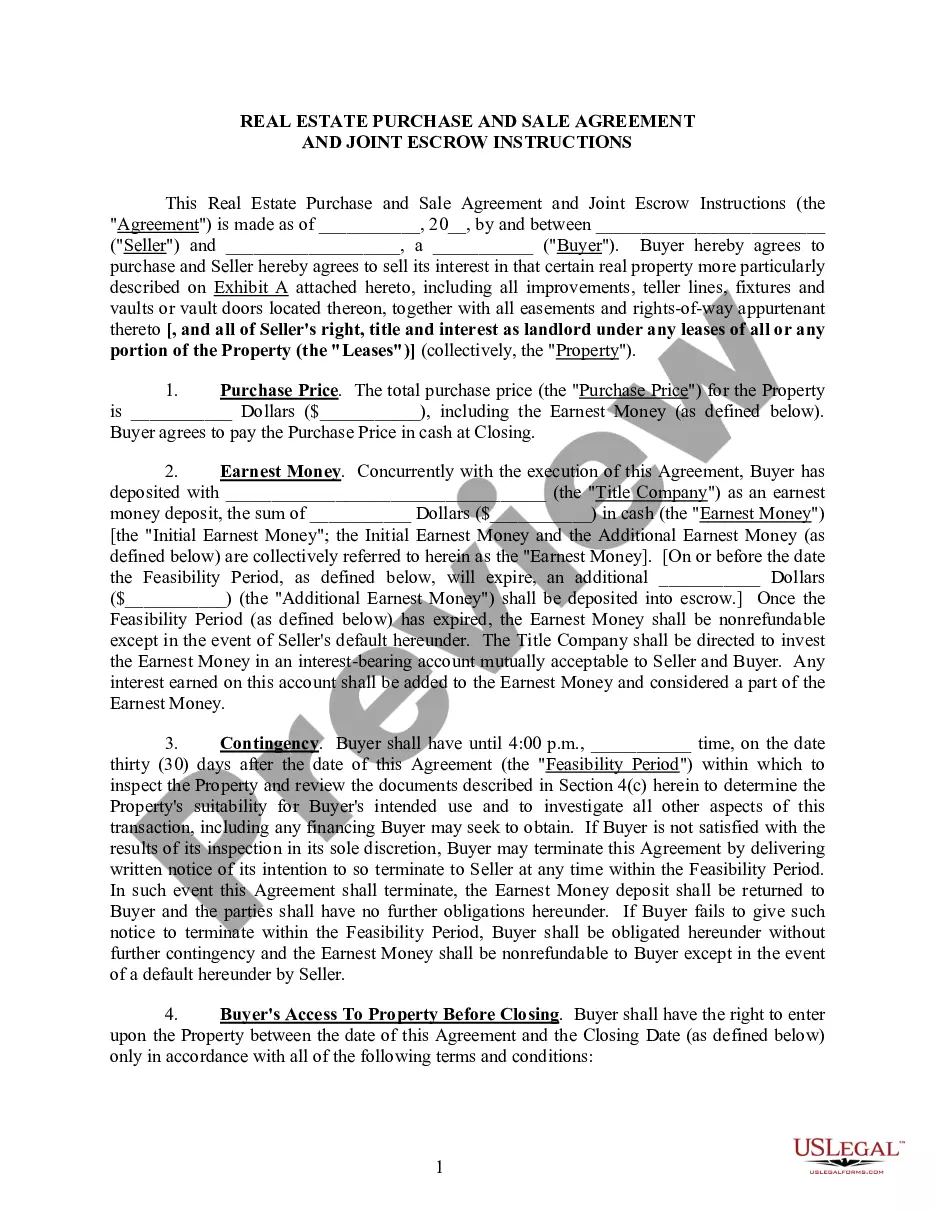
Equipment Purchase Agreement
Understanding this form
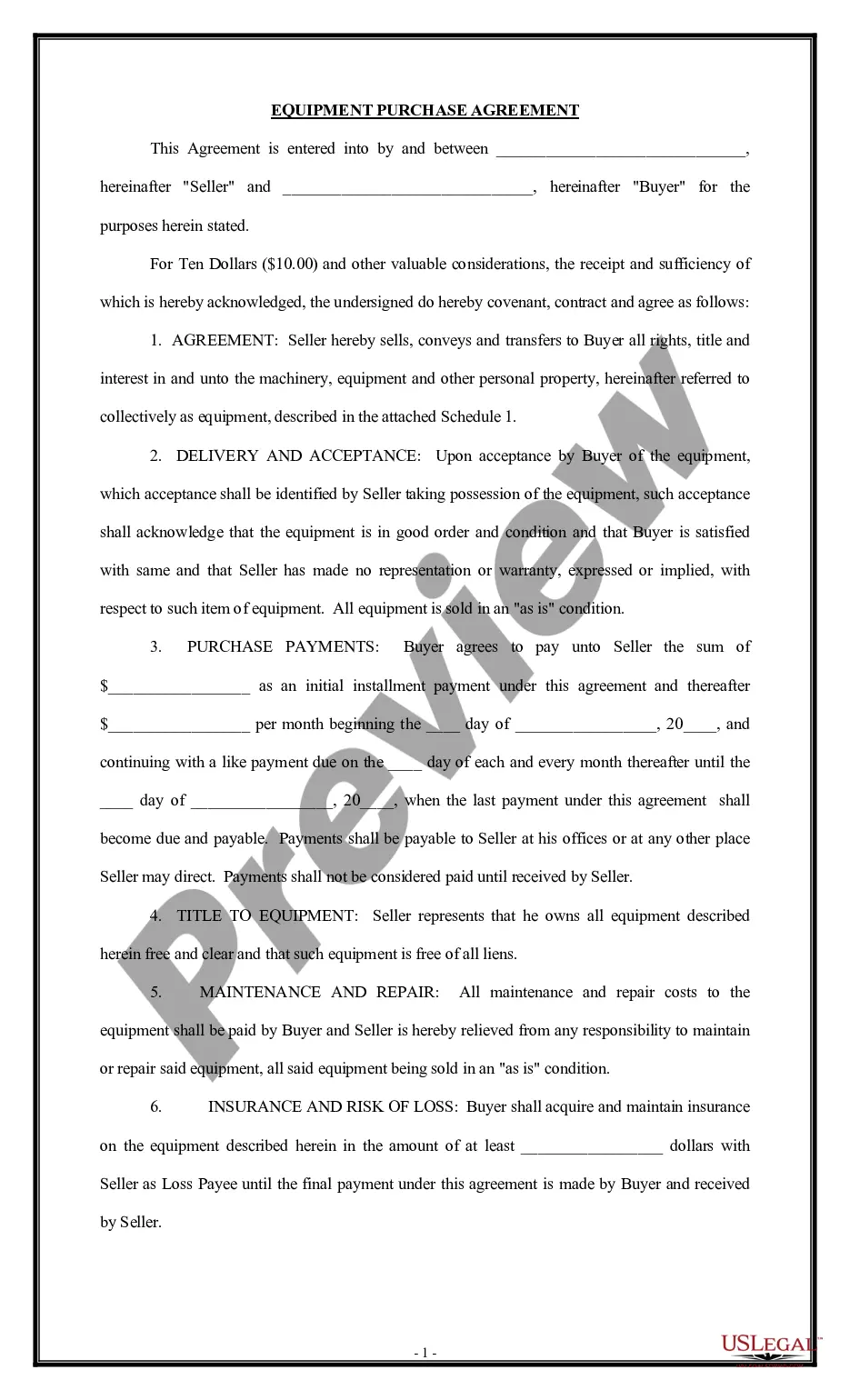
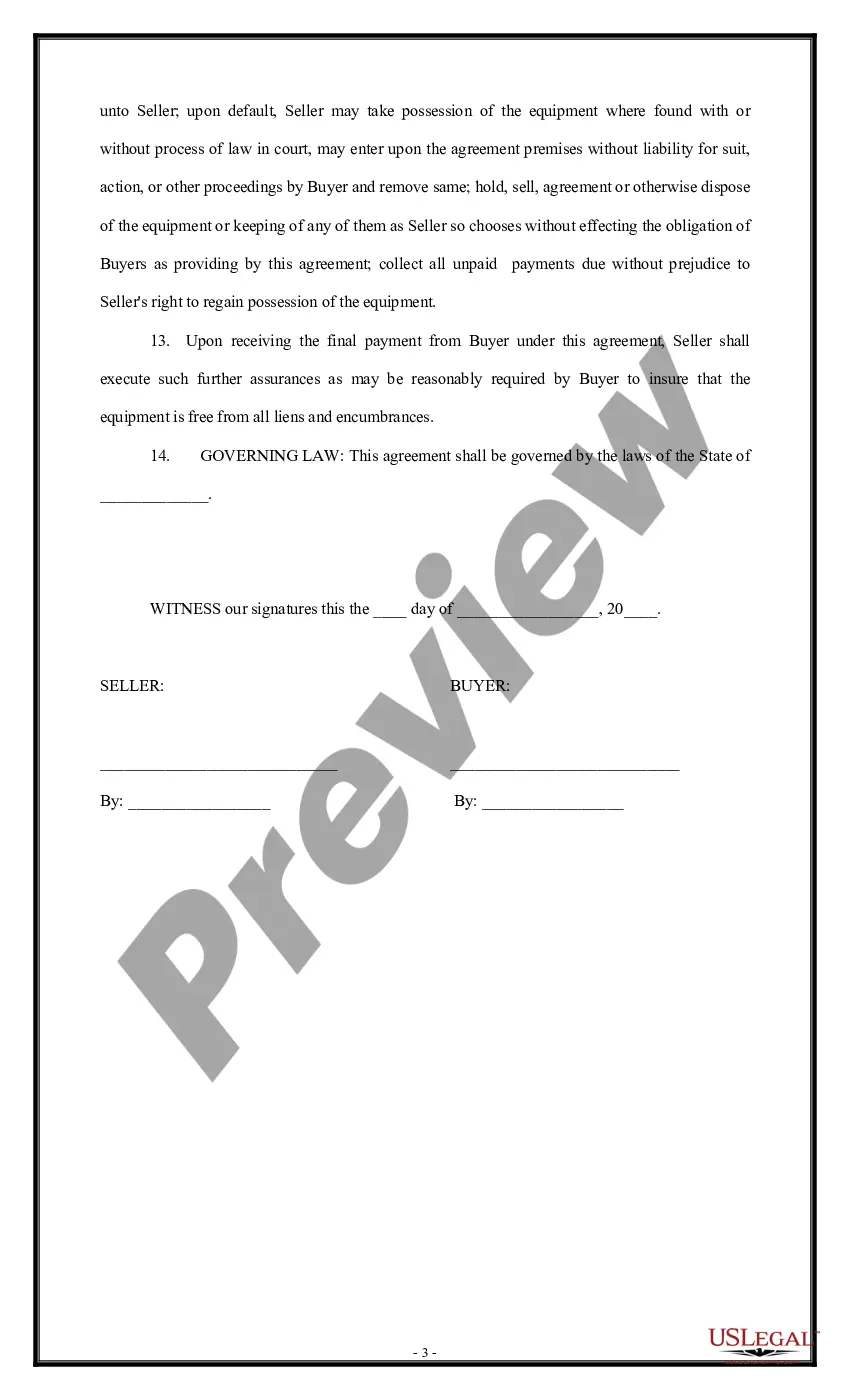
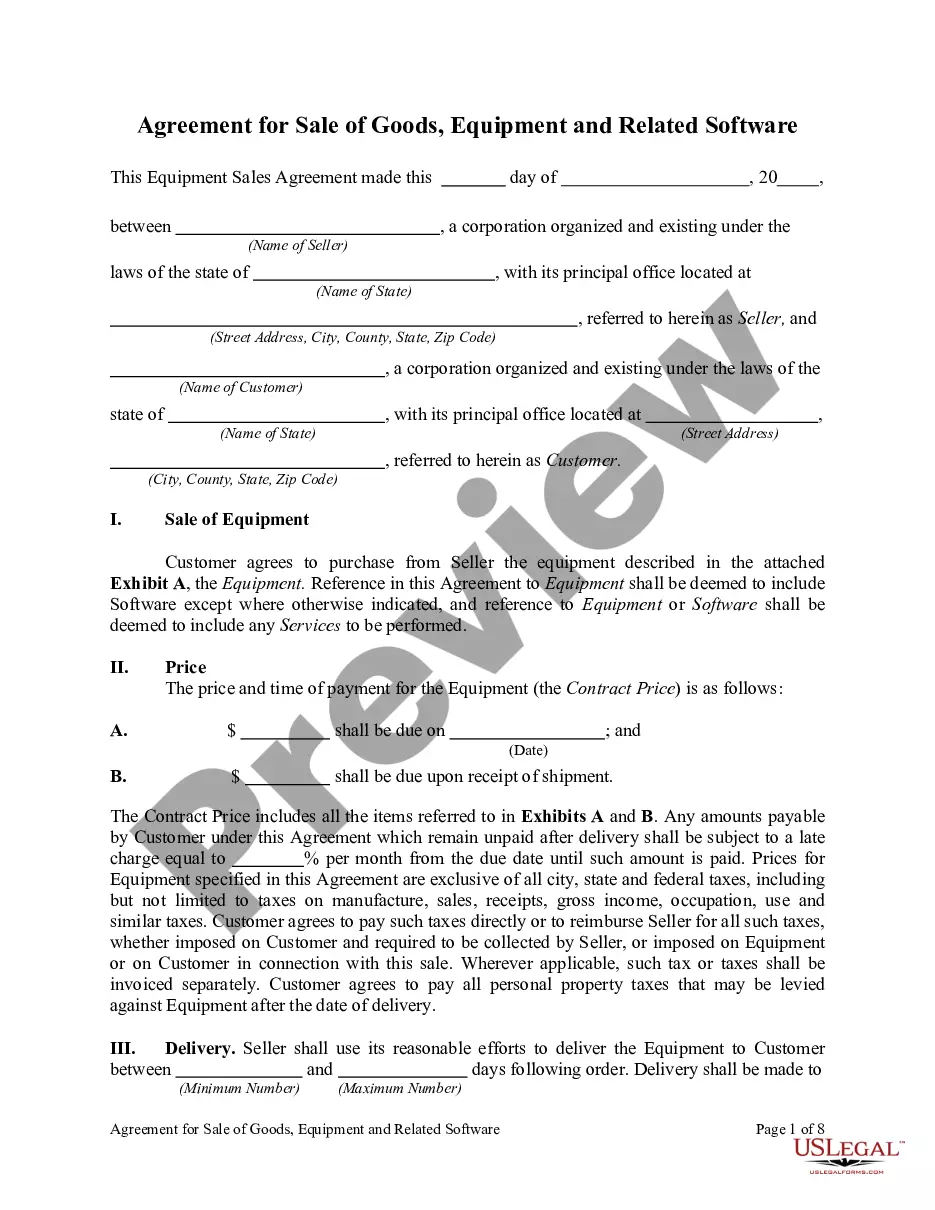
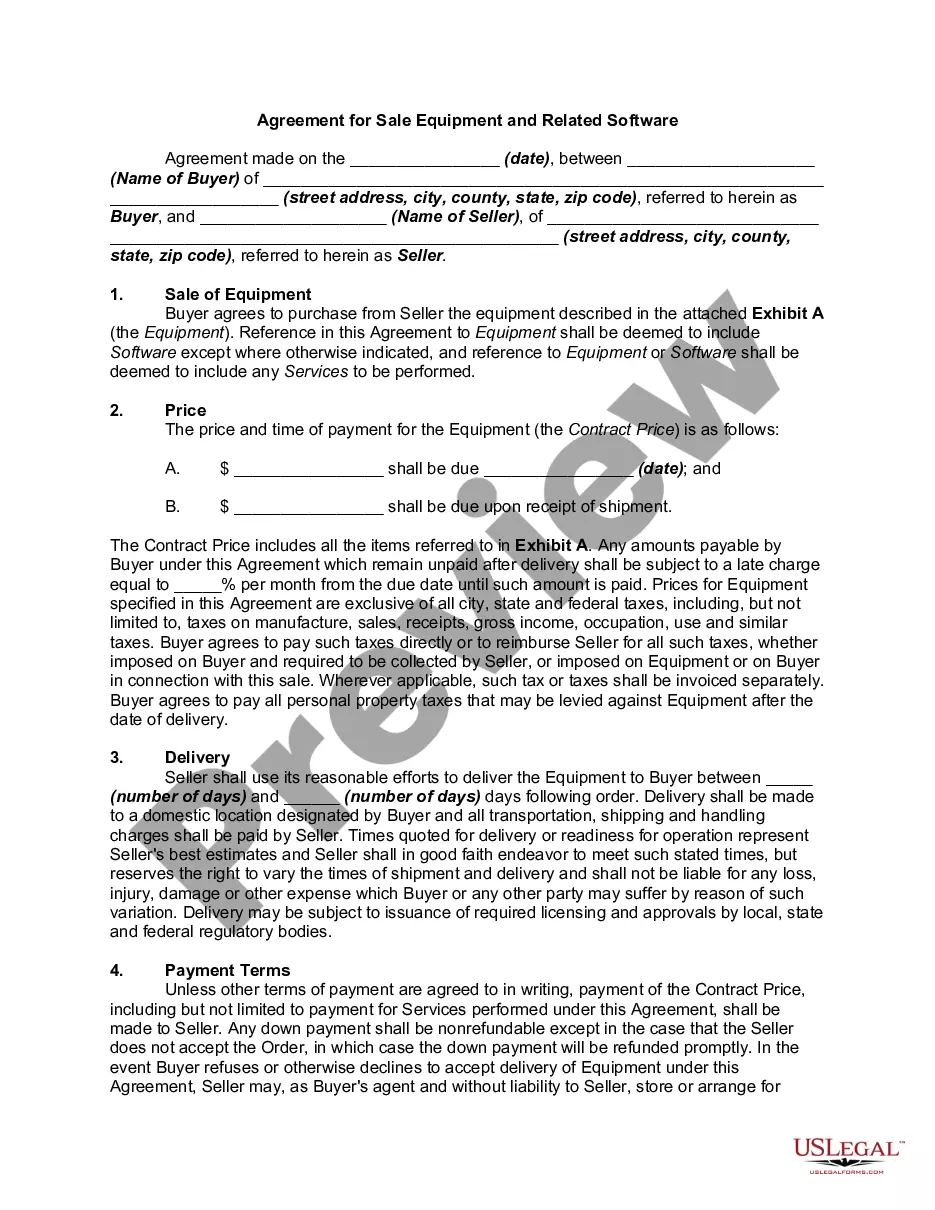
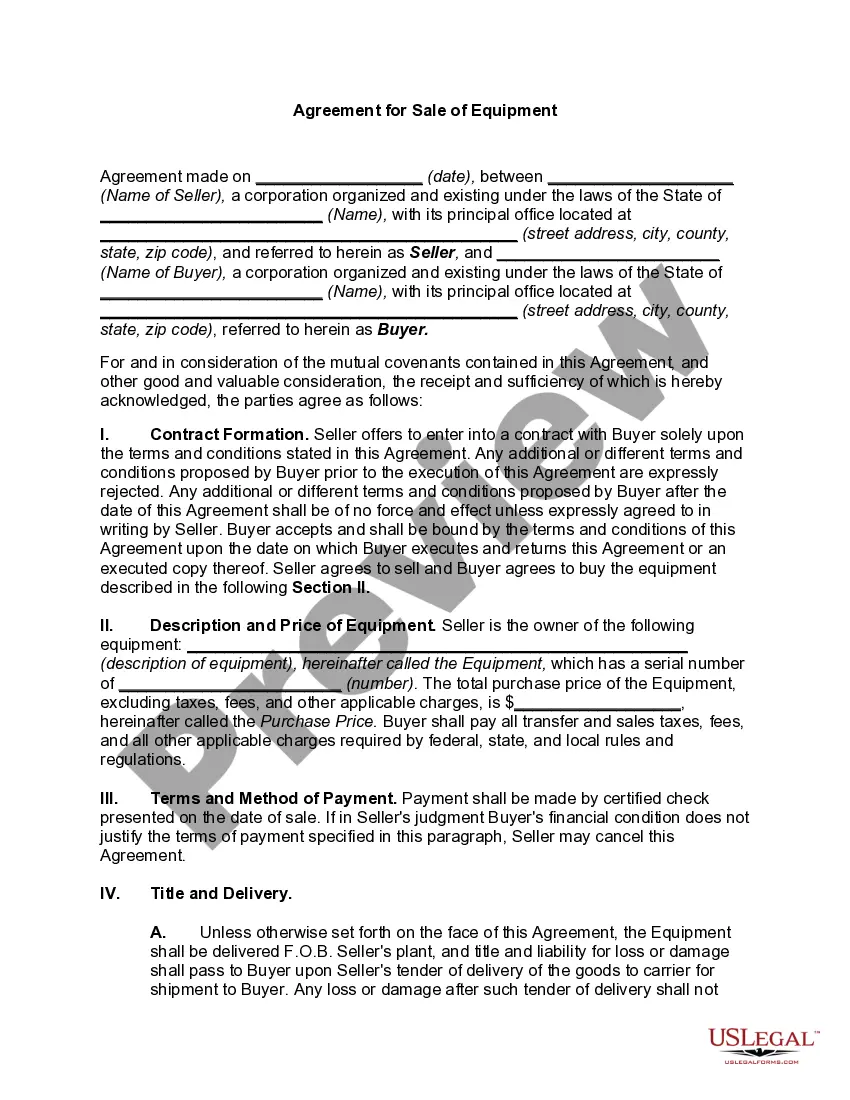
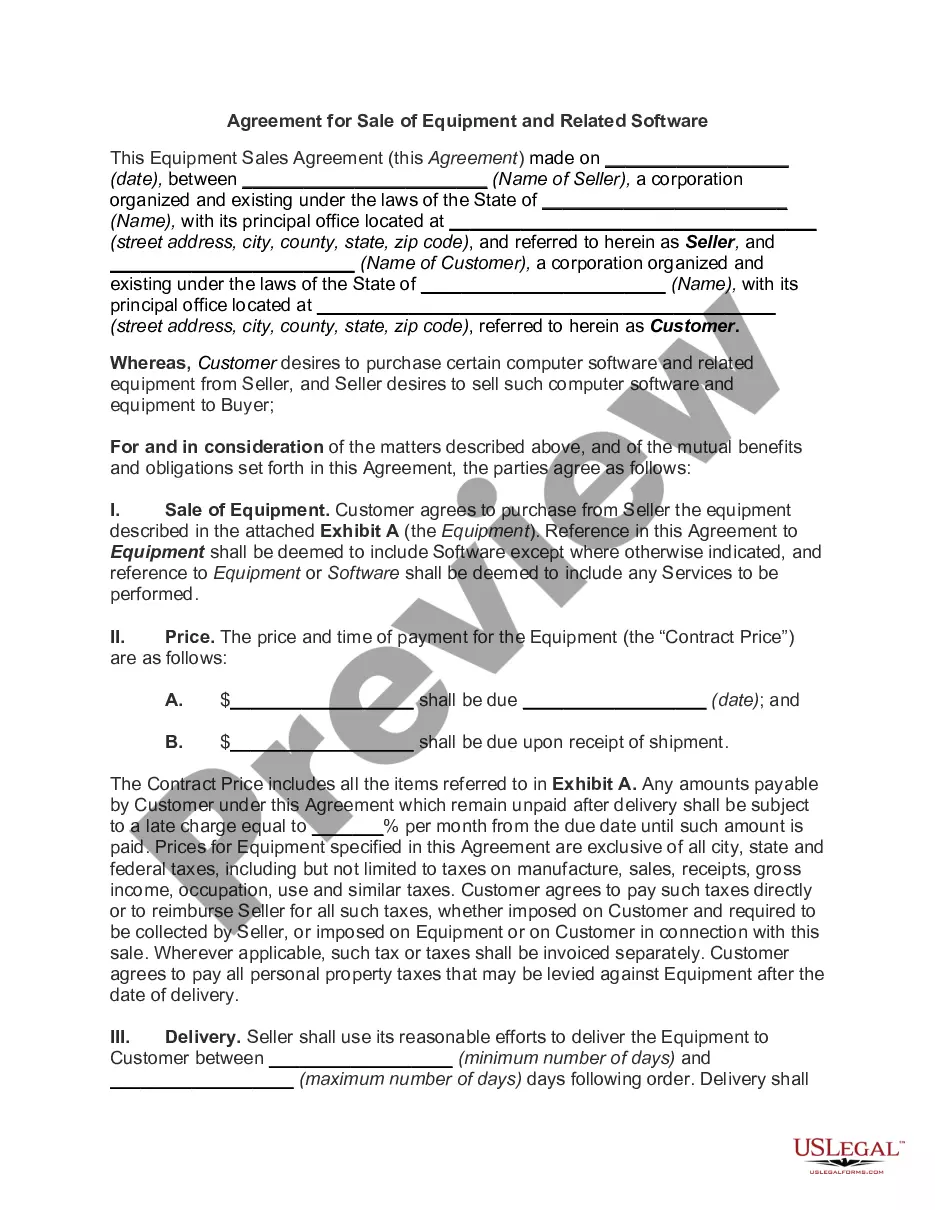
The Equipment Purchase Agreement is a legally binding document that outlines the terms under which a seller transfers ownership of equipment to a buyer. This agreement details the rights, responsibilities, and financial obligations of both parties involved in the transaction. Unlike other sales agreements, this form specifically addresses the purchase of machinery and equipment, making it particularly useful for businesses and individuals engaging in equipment transactions.
Main sections of this form
- Parties involved: Identifies the seller and buyer of the equipment.
- Agreement terms: Specifies the rights and interests being conveyed.
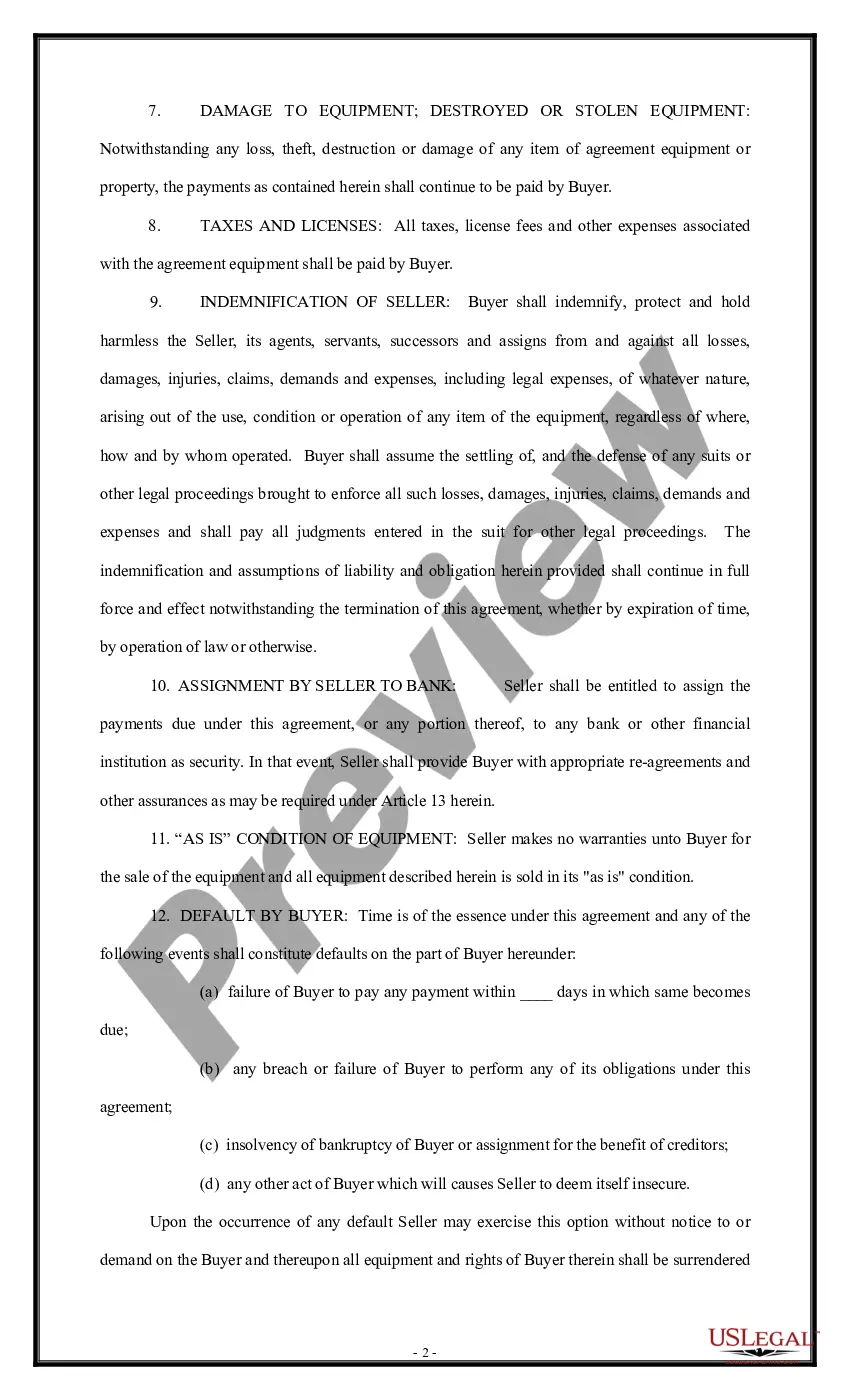
- Payment details: Outlines the payment structure, including any installments.
- As-is condition: States that the equipment is sold without warranties.
- Indemnification clause: Protects the seller from liabilities arising from the equipment's use.
- Governing law: Indicates which state's laws govern the agreement.
When to use this form
This Equipment Purchase Agreement is necessary when you are buying or selling equipment, such as machinery, tools, or vehicles. It should be used when both parties agree to the sale and wish to have a clear, written record of the transaction terms. Utilize this agreement to formalize the transfer and protect both parties' interests, especially in a business context or when significant financial investments are involved.
Who needs this form
- Businesses purchasing or selling equipment for operational needs.
- Individuals buying equipment for personal use or business purposes.
- Sellers looking to clarify the terms of sale and minimize liability.
- Buyers who want written confirmation of the sale terms and conditions.
How to complete this form
- Identify the parties: Fill in the names of the seller and buyer at the beginning of the document.
- Specify the equipment: Clearly describe the equipment being sold, referencing the attached schedule.
- Enter payment information: Indicate the total price and payment schedule, including installment amounts and due dates.
- Review terms: Ensure you understand clauses regarding the as-is condition and maintenance responsibilities.
- Sign and date: Both parties should sign and date the agreement to validate the contract.
Is notarization required?
Notarization is required for this form to take effect. Our online notarization service, powered by Notarize, lets you verify and sign documents remotely through an encrypted video session, available 24/7.
Get your form ready online
Our built-in tools help you complete, sign, share, and store your documents in one place.
Make edits, fill in missing information, and update formatting in US Legal Forms—just like you would in MS Word.
Download a copy, print it, send it by email, or mail it via USPS—whatever works best for your next step.
Sign and collect signatures with our SignNow integration. Send to multiple recipients, set reminders, and more. Go Premium to unlock E-Sign.
If this form requires notarization, complete it online through a secure video call—no need to meet a notary in person or wait for an appointment.
We protect your documents and personal data by following strict security and privacy standards.

Make edits, fill in missing information, and update formatting in US Legal Forms—just like you would in MS Word.

Download a copy, print it, send it by email, or mail it via USPS—whatever works best for your next step.

Sign and collect signatures with our SignNow integration. Send to multiple recipients, set reminders, and more. Go Premium to unlock E-Sign.

If this form requires notarization, complete it online through a secure video call—no need to meet a notary in person or wait for an appointment.

We protect your documents and personal data by following strict security and privacy standards.
Common mistakes
- Failing to describe the equipment accurately, leading to ambiguity.
- Not including all payment terms, which can cause future disputes.
- Overlooking the as-is clause, resulting in misunderstandings about warranties.
- Forgetting to sign the agreement, rendering it unenforceable.
Advantages of online completion
- Convenience of downloading and completing the form from any location.
- Editable fields allow you to tailor the agreement to your specific transaction.
- Access to attorney-drafted templates ensures legal accuracy.
Looking for another form?

Form popularity
FAQ
The Equipment Purchase Agreement is a legally binding contract that governs the transfer of ownership of equipment from seller to buyer. It outlines the rights, responsibilities, and financial obligations of both parties for this equipment transaction. It is used to formalize terms with a written record, especially in business equipment purchases.
Purchase orders are commonly binding, but the Equipment Purchase Agreement provides a more complete, equipment-specific contract. It lays out payment details, as‑is condition, indemnification, and governing law, along with the parties identified and the exact terms of ownership transfer. This form offers the fuller written framework needed for equipment transactions.
The six main sections are: Parties involved, Agreement terms, Payment details, As‑is condition, Indemnification, and Governing law. Together, these sections identify who is selling and buying, what rights are conveyed, how payment is structured, that the item is sold as‑is, protections against liability, and which state's law governs the contract.
Common mistakes include failing to clearly state the 'as‑is' condition, omitting the indemnification clause, or leaving payment terms and governing law vague. Ensuring these provisions are explicit helps prevent disputes over ownership transfer, liability, or enforcement if issues arise with the equipment after sale.
This Equipment Purchase Agreement helps justify the transaction by documenting who buys and sells, the equipment being transferred, the payment structure, and that the item is sold as‑is. By providing a written record of terms and liability protections, it supports internal approval processes and reduces ambiguity during the sale.
It is tailored specifically for the transfer of ownership of machinery and equipment, not general goods. The form includes an as‑is condition, indemnification, and a governing law clause, plus dedicated sections for parties, terms, and payment, creating a focused framework for equipment transactions.