Minnesota Appellant's Reply Brief and Appendix - template
Understanding this form
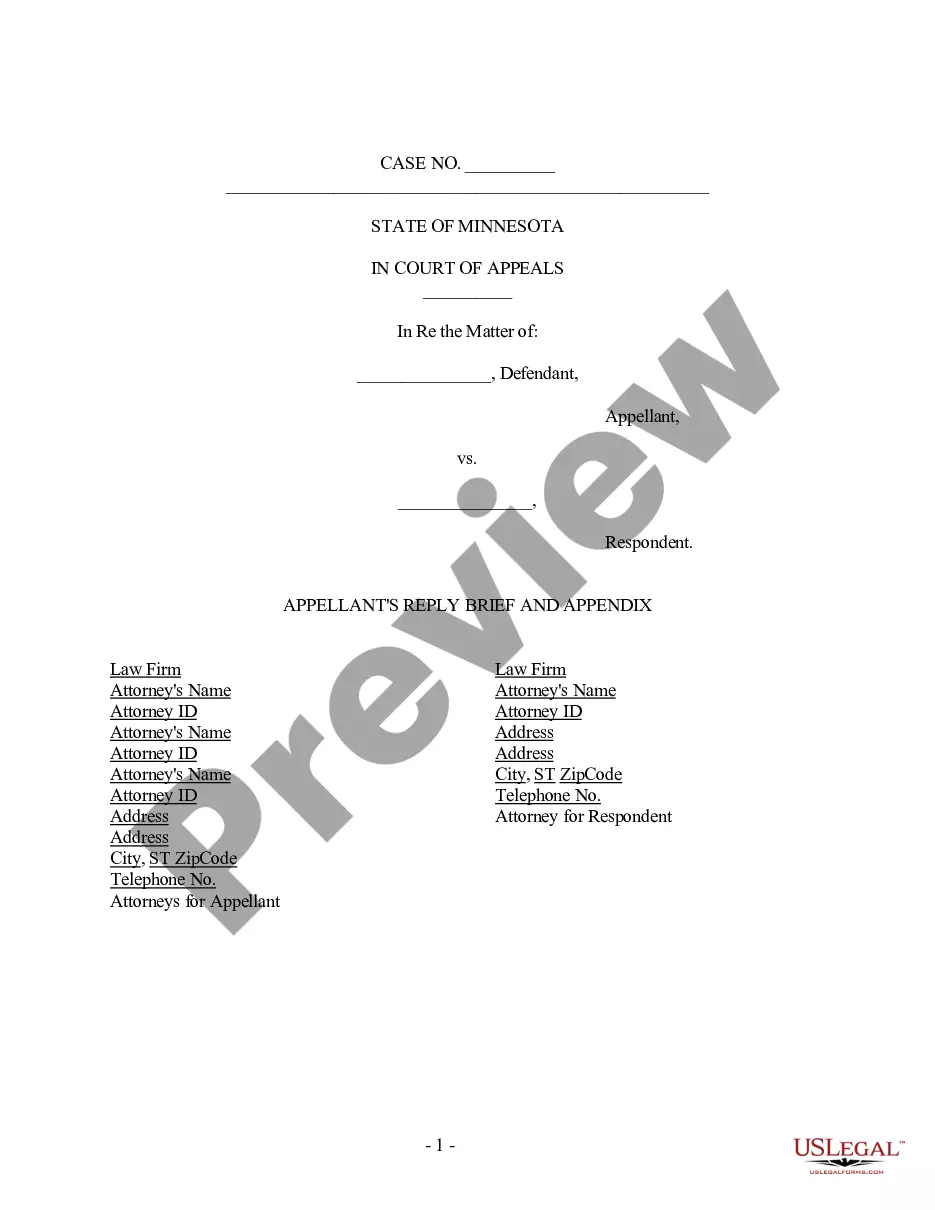
The Appellant's Reply Brief and Appendix is a legal document used in the appeals process. This form allows the appellant to respond to the arguments presented by the respondent in a case. It includes various sections, such as legal issues, an introduction, and arguments, along with an appendix for supporting documentation. This template simplifies the process by providing a structured format that can be filled out as needed.
Form components explained
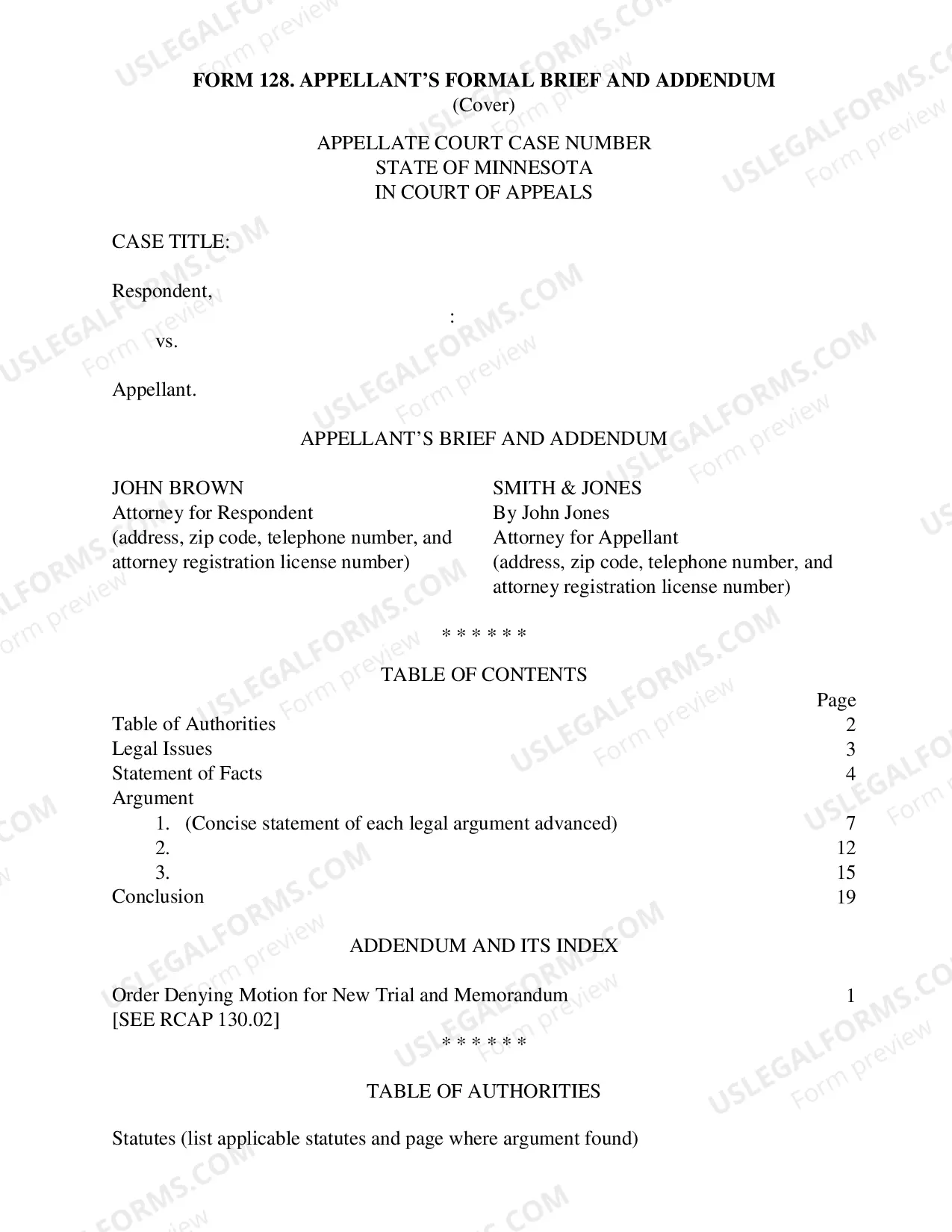
- Case number: Captures the unique identifier for the case.
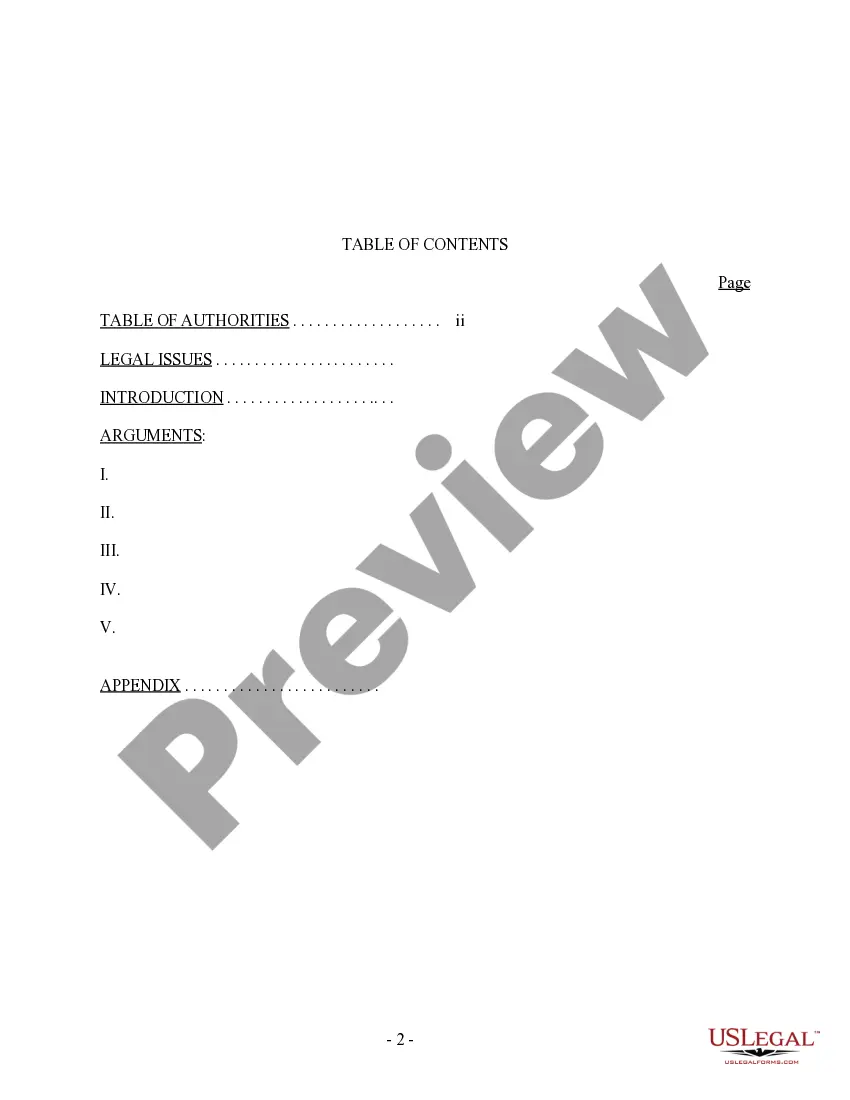
- Table of contents: Outlines the sections included in the brief.
- Legal issues: Identifies the key legal questions being appealed.
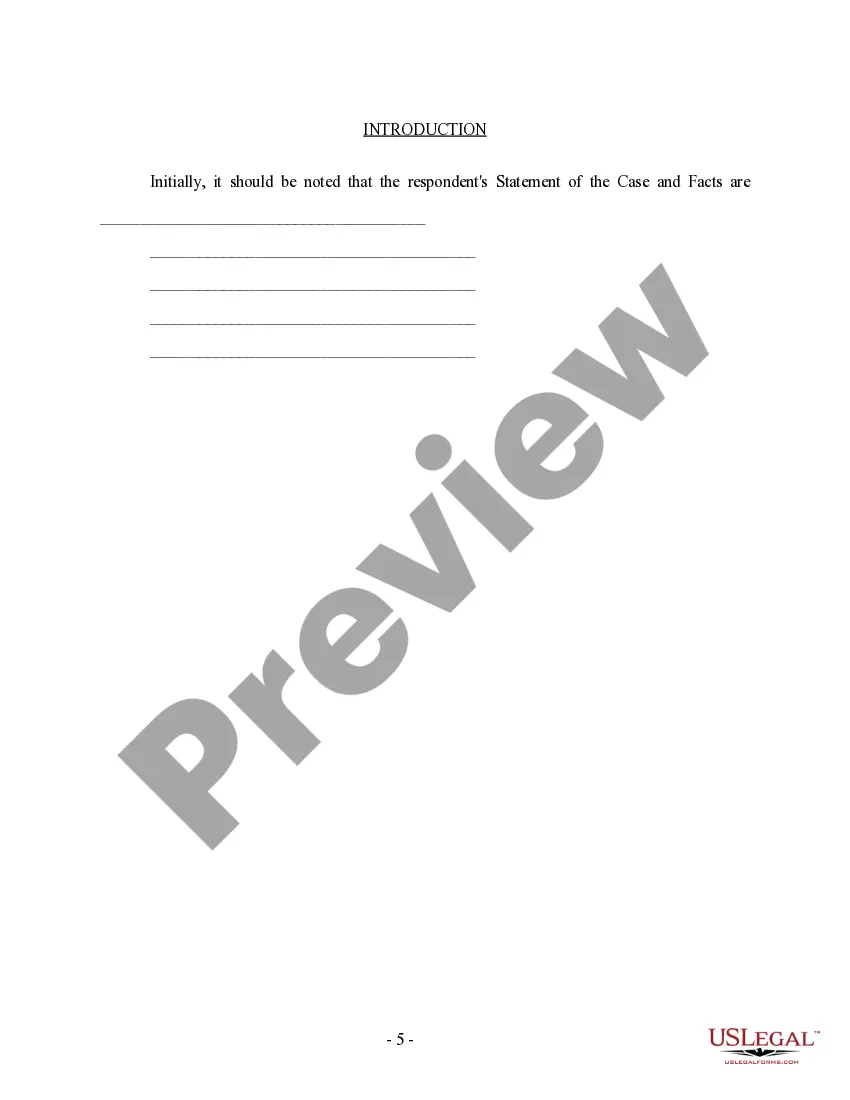
- Introduction: Provides context and sets the stage for the arguments.
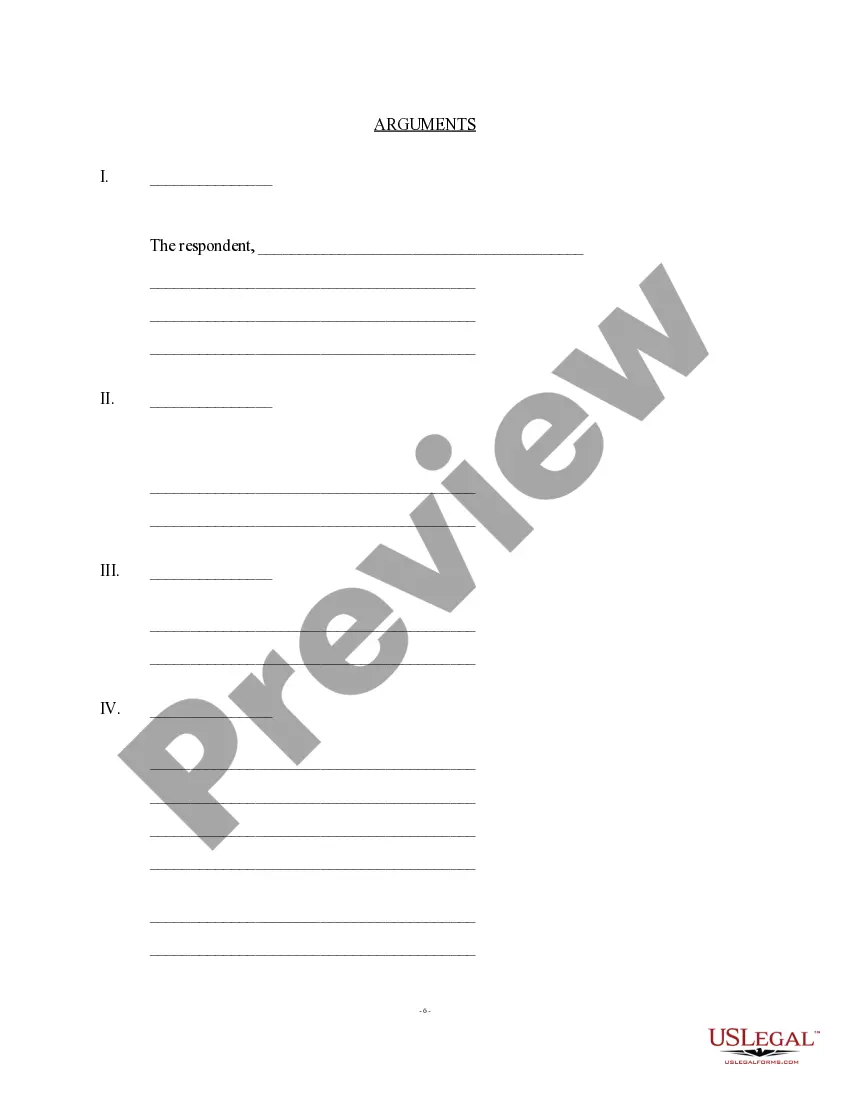
- Arguments: Detailed sections where the appellant can present counterarguments to the respondent's claims.
- Appendix: Area to include supplementary documents or evidence backing the appeal.

When to use this form
This form is used when an appellant needs to reply to a brief submitted by the respondent during the appeal process. It is essential in situations where the appellant seeks to clarify points, introduce new arguments, or rebut claims made by the other party. The Appellant's Reply Brief and Appendix is typically submitted in preparation for hearings or further court proceedings after the initial brief has been filed.
Who needs this form
- Individuals or entities appealing a lower court's decision.
- Legal representatives acting on behalf of an appellant in an appeal.
- Appellate attorneys needing a structured reply template to present arguments effectively.
Steps to complete this form
- Identify the case number and title at the top of the form.
- Fill in the table of contents with the relevant sections of your brief.
- Detail the legal issues that will be addressed in your arguments.
- Compose the introduction, summarizing your position and main points.
- Draft the arguments section, clearly outlining your responses to the respondent's claims.
- Attach any necessary documents in the appendix to support your appeal.
Notarization requirements for this form
This form does not typically require notarization unless specified by local law. It is advisable to check local court rules to confirm.
Get your form ready online
Our built-in tools help you complete, sign, share, and store your documents in one place.
Make edits, fill in missing information, and update formatting in US Legal Forms—just like you would in MS Word.
Download a copy, print it, send it by email, or mail it via USPS—whatever works best for your next step.
Sign and collect signatures with our SignNow integration. Send to multiple recipients, set reminders, and more. Go Premium to unlock E-Sign.
If this form requires notarization, complete it online through a secure video call—no need to meet a notary in person or wait for an appointment.
We protect your documents and personal data by following strict security and privacy standards.

Make edits, fill in missing information, and update formatting in US Legal Forms—just like you would in MS Word.

Download a copy, print it, send it by email, or mail it via USPS—whatever works best for your next step.

Sign and collect signatures with our SignNow integration. Send to multiple recipients, set reminders, and more. Go Premium to unlock E-Sign.

If this form requires notarization, complete it online through a secure video call—no need to meet a notary in person or wait for an appointment.

We protect your documents and personal data by following strict security and privacy standards.
Mistakes to watch out for
- Failing to include all required sections in the brief.
- Overlooking deadlines for submitting the reply brief.
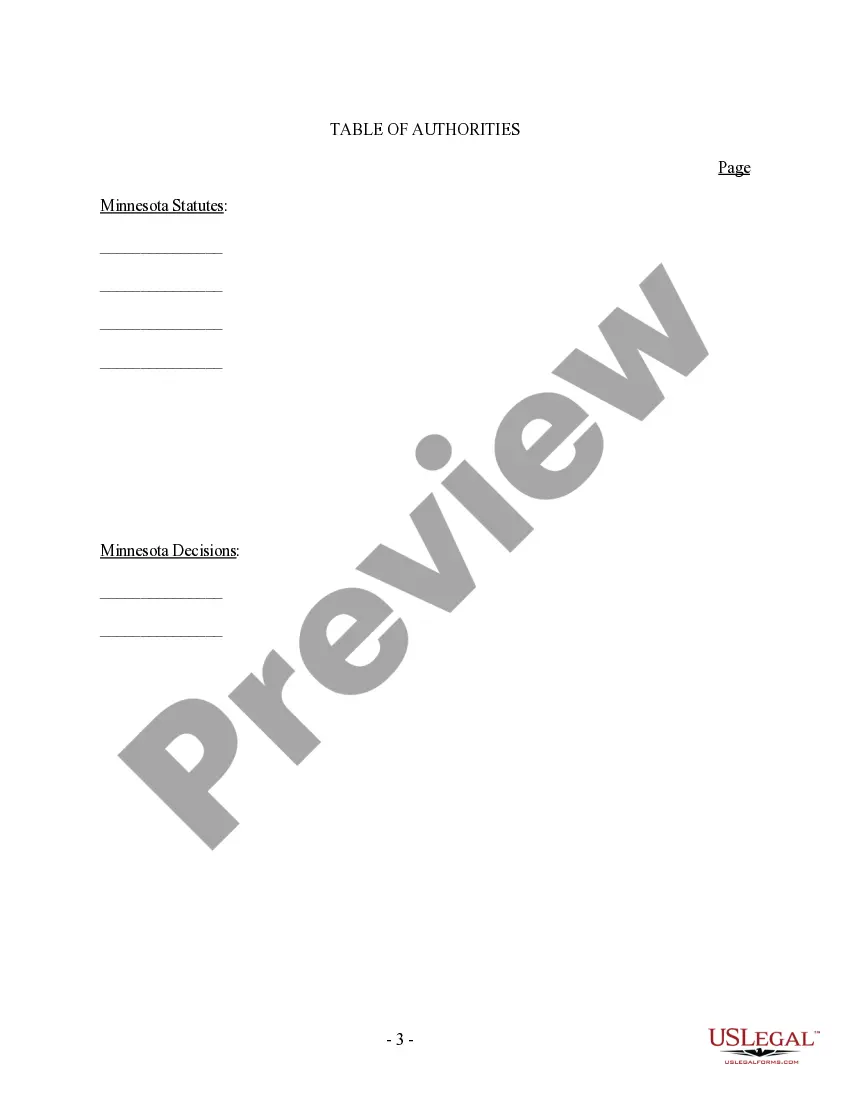
- Not properly citing case law or legal precedents.
Why use this form online
- Convenience of accessing and filling out the form from anywhere.
- Ease of editing and customizing the template to fit specific needs.
- Reliable legal formatting that complies with court standards.
Looking for another form?
Form popularity
FAQ
FILE A REPLY BRIEF UNLESS THERE. FOCUS ON RESPONDING TO OPPOS- LEAVE OUT WEAK ARGUMENTS. Your reply brief should highlight the strength. of your case. MAINTAIN CREDIBILITY. Having the. EMBRACE A THEME. Although this. DO NOT BE AFRAID TO GIVE YOUR. MAKE THE REPLY BRIEF A STAND- WRITE A REPLY BRIEF THAT IS NO.
(1) If produced on a computer, an opening or answering brief on the merits must not exceed 14,000 words, including footnotes, and a reply brief on the merits must not exceed 8,400 words, including footnotes.
Frame the issue to maximize the persuasiveness of your argument. Simplify the issue and argument. Have an outstanding introduction. Tell a story. Don't argue the facts (unless absolutely necessary) Know the standard of review. Be honest and acknowledge unfavorable law and facts. Only present strong legal arguments.
The brief is a party's written argument filed with the Court of Appeals.The appellant must file a brief in support of the appellant's argument. The appellee, the party that won in the trial court, may file a brief, but is not required to do so.
Reply brief. n. the written legal argument of the respondent (trial court winner) in answer to the "opening brief" of an appellant (a trial court loser who has appealed). See also: respondent appeal appellee.
FILE A REPLY BRIEF UNLESS THERE. FOCUS ON RESPONDING TO OPPOS- LEAVE OUT WEAK ARGUMENTS. Your reply brief should highlight the strength. of your case. MAINTAIN CREDIBILITY. Having the. EMBRACE A THEME. Although this. DO NOT BE AFRAID TO GIVE YOUR. MAKE THE REPLY BRIEF A STAND- WRITE A REPLY BRIEF THAT IS NO.
The first written brief is the opening brief. It is the case for appeal prepared by the appellant. The opening brief argues why the trial court made a legal mistake, how the mistake impacted the decision, what could be corrected or reversed in the judgment, and why the judgment should be reversed.
What is the reply brief? The reply brief is the third brief in the series and is filed by the appellant. The reply brief addresses issues that were raised previously in either the appellant's opening brief or the appellee's brief, but should not raise any new issues.
Main definition. Answering Brief. This is the paper filed by the individual opposing the appeal , (the Appellee ), in response to the Opening Brief filed by the litigant filing the appeal, (the Appellant ).