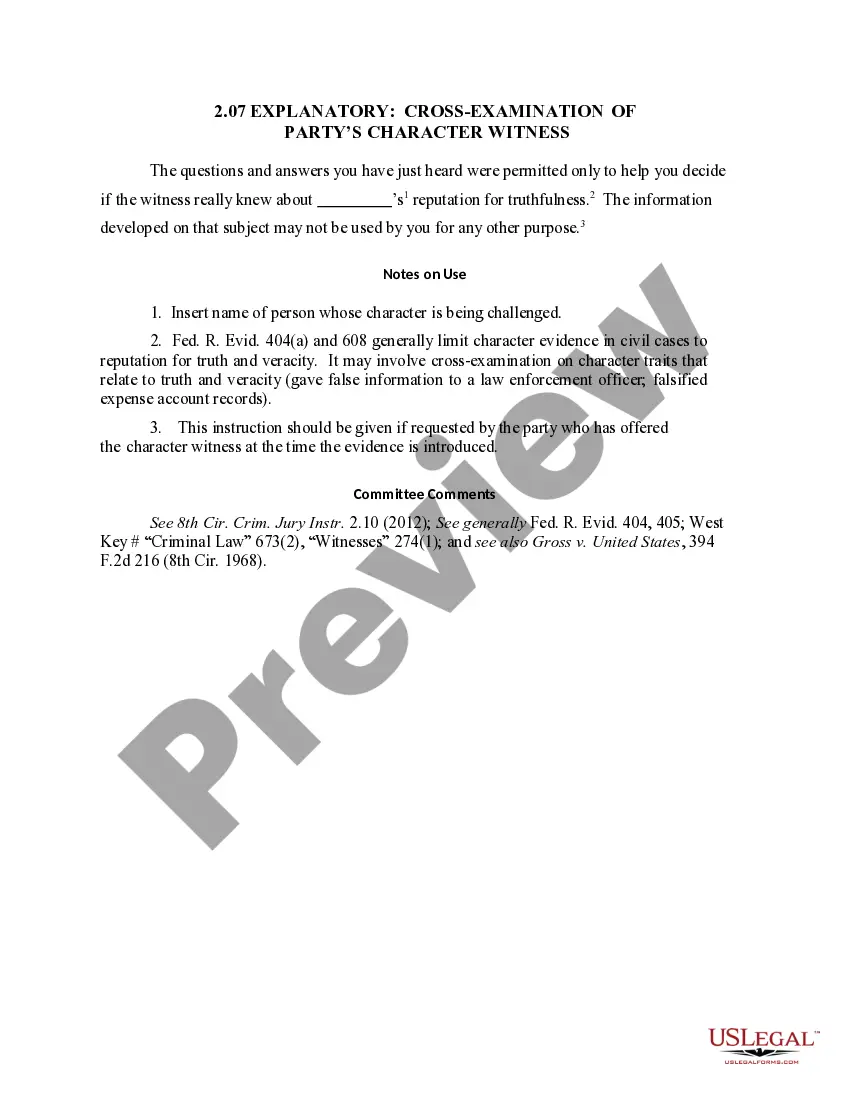
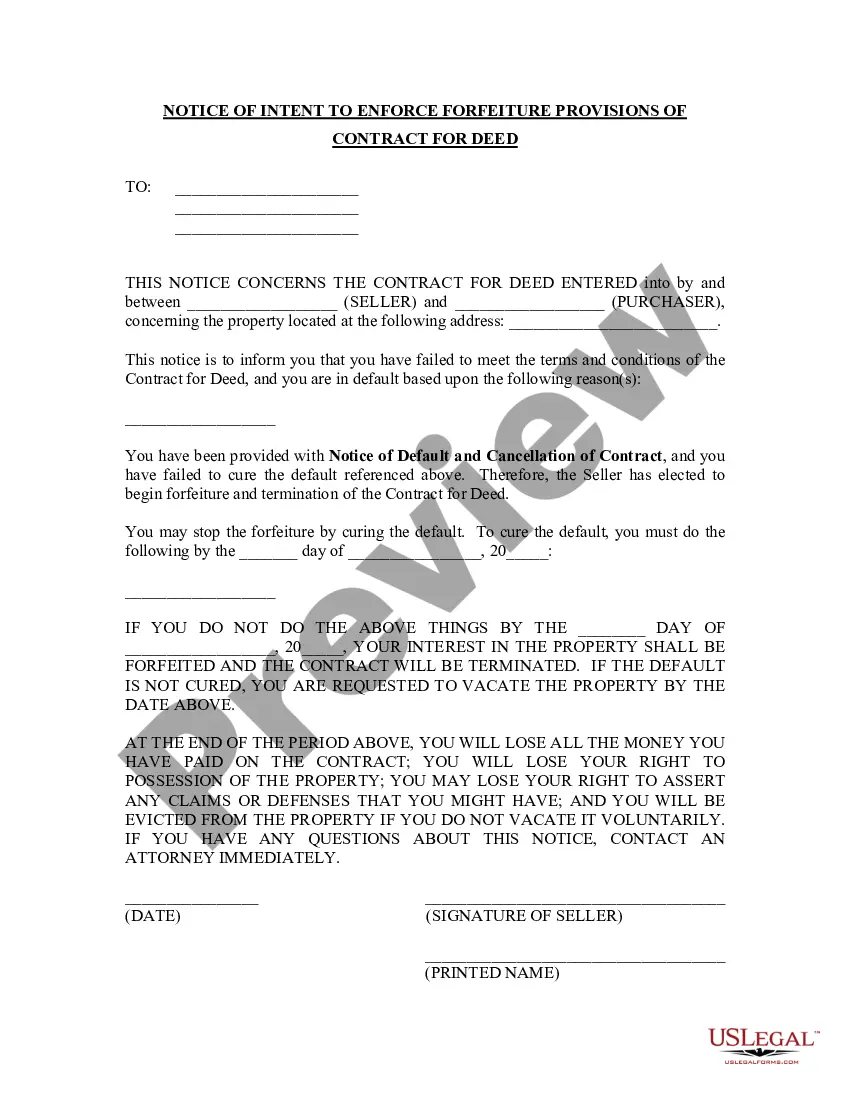
Minnesota Notice of Intent to Enforce Forfeiture Provisions of Contact for Deed
Description
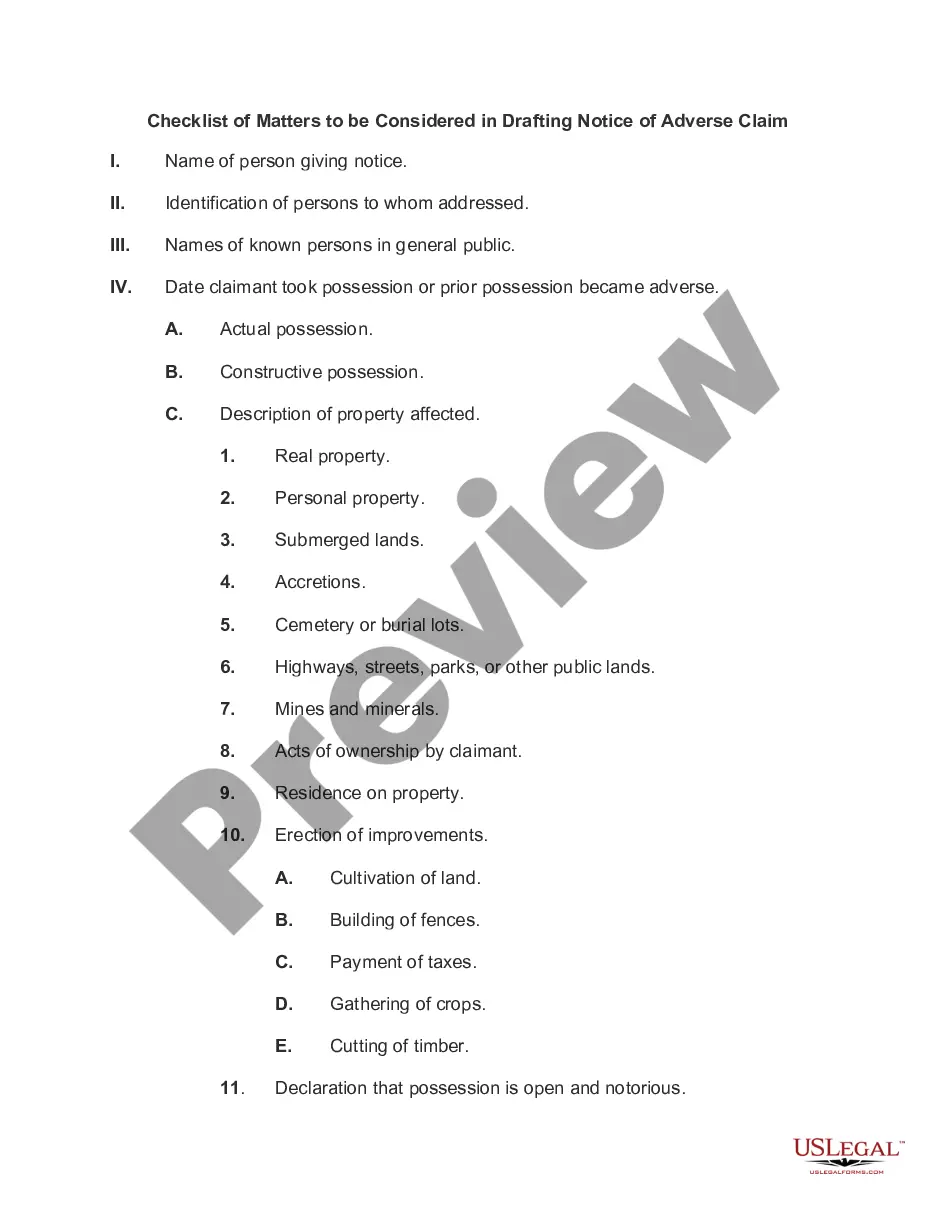
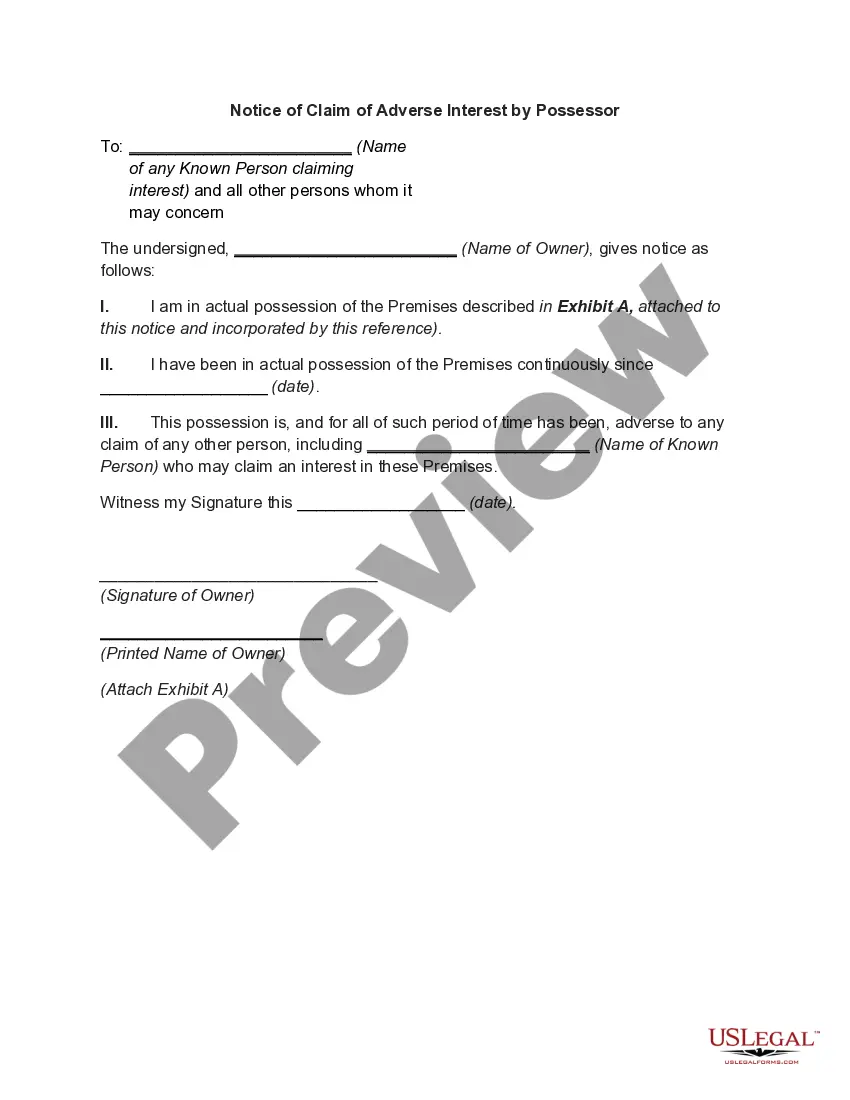
How to fill out Minnesota Notice Of Intent To Enforce Forfeiture Provisions Of Contact For Deed?
Utilize US Legal Forms to obtain a printable Minnesota Notice of Intent to Enforce Forfeiture Provisions of Contact for Deed. Our court-acceptable forms are crafted and frequently refreshed by experienced attorneys.
Ours is the most extensive Forms library available online and offers economical and precise templates for individuals, legal experts, and small to medium-sized businesses. The documents are organized into state-specific categories, and many can be viewed before downloading.
To acquire templates, users need to have a subscription and to Log In to their account. Click Download next to any form you desire and locate it in My documents.
US Legal Forms provides thousands of legal and tax templates and packages for business and personal use, including the Minnesota Notice of Intent to Enforce Forfeiture Provisions of Contact for Deed. Over three million users have successfully utilized our service. Choose your subscription plan and acquire high-quality documents in just a few clicks.
- Ensure you select the correct template relevant to the state it’s required in.
- Examine the form by reading the description and utilizing the Preview feature.
- Click Buy Now if it’s the document you wish to obtain.
- Set up your account and make payment through PayPal or by credit card.
- Download the form to your device and feel free to reuse it multiple times.
- Use the Search field if you need to locate another document template.
Form popularity
FAQ
The forfeiture clause on a land contract allows a seller to reclaim the property if the buyer fails to meet the terms of the agreement. This clause is crucial for protecting the seller's interests and ensuring compliance. In Minnesota, the Notice of Intent to Enforce Forfeiture Provisions of Contract for Deed is a legal requirement that the seller must follow before proceeding with forfeiture. Understanding this process can help both buyers and sellers navigate their rights and obligations effectively.
If someone defaults on a contract for deed, the seller has specific rights under Minnesota law. This may include the right to enforce forfeiture provisions, as outlined in the Minnesota Notice of Intent to Enforce Forfeiture Provisions of Contract for Deed. It is crucial to understand these implications to protect your interests, and resources like US Legal Forms can provide valuable guidance.
The new contract for deed law in Minnesota includes several provisions aimed at protecting buyers and sellers. Key changes emphasize transparency and the requirements for notices, including the Minnesota Notice of Intent to Enforce Forfeiture Provisions of Contract for Deed. Staying informed about these laws can help you navigate your real estate transactions more effectively.
The tax forfeiture process in Minnesota occurs when property taxes go unpaid for a specified period. The county may seize the property, and the owners receive a notice that includes the Minnesota Notice of Intent to Enforce Forfeiture Provisions of Contract for Deed. Understanding this process is essential for property owners to avoid losing their investment.
Filling out a contract for a deed involves detailing the buyer and seller's information, property details, and financial terms. Ensure that all sections are completed accurately, and consider referencing the Minnesota Notice of Intent to Enforce Forfeiture Provisions of Contract for Deed for clarity on enforcement. Utilizing templates from US Legal Forms can simplify this process.
To write a contract for a deed, begin with the identification of the parties and the property description. Clearly outline the payment terms, duration, and any contingencies. Furthermore, it is wise to include the Minnesota Notice of Intent to Enforce Forfeiture Provisions of Contract for Deed to protect your interests. You can find helpful resources on the US Legal Forms site.
While it is not strictly necessary to hire a lawyer for a contract for deed, it is highly recommended. A legal professional can ensure that your contract adheres to Minnesota laws, including the Minnesota Notice of Intent to Enforce Forfeiture Provisions of Contract for Deed. Their expertise can help you avoid pitfalls and misunderstandings.
To write a simple legally binding contract, include clear terms, the parties involved, and the purpose of the agreement. It should also state the conditions for enforcement and consider incorporating the Minnesota Notice of Intent to Enforce Forfeiture Provisions of Contract for Deed if applicable. You can find useful templates on the US Legal Forms platform to help guide you.
Yes, you can write your own land contract. However, it is important to ensure that the contract complies with Minnesota law, especially regarding the Minnesota Notice of Intent to Enforce Forfeiture Provisions of Contract for Deed. Using a template or seeking help from a legal professional can provide clarity and structure to your document.
The property tax forfeiture process in Minnesota occurs when property taxes remain unpaid for a specific period. The county can take ownership of the property, selling it to recover unpaid taxes. If you are involved in a contract for deed, knowing about the Minnesota Notice of Intent to Enforce Forfeiture Provisions of Contact for Deed is crucial, as it can affect your rights regarding the property.