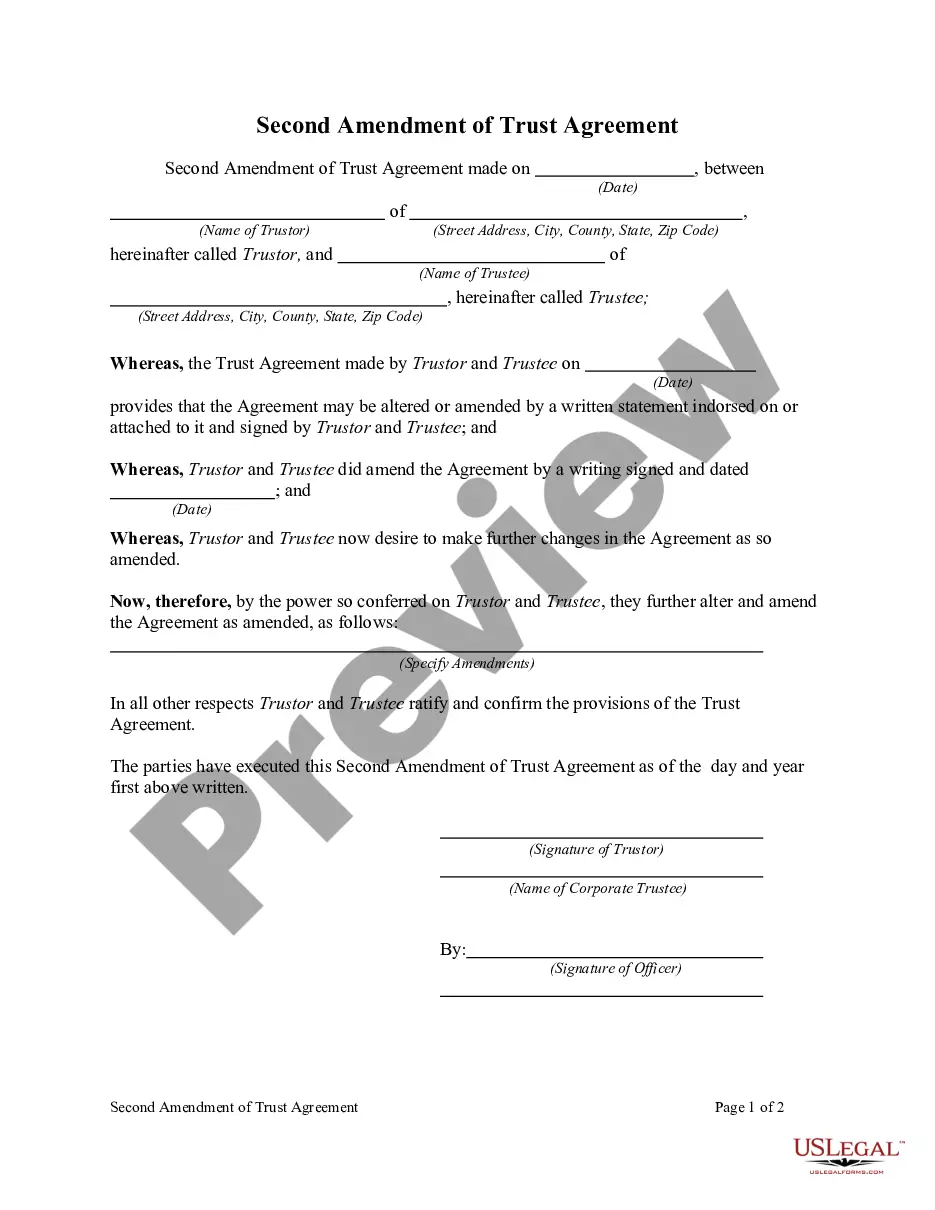
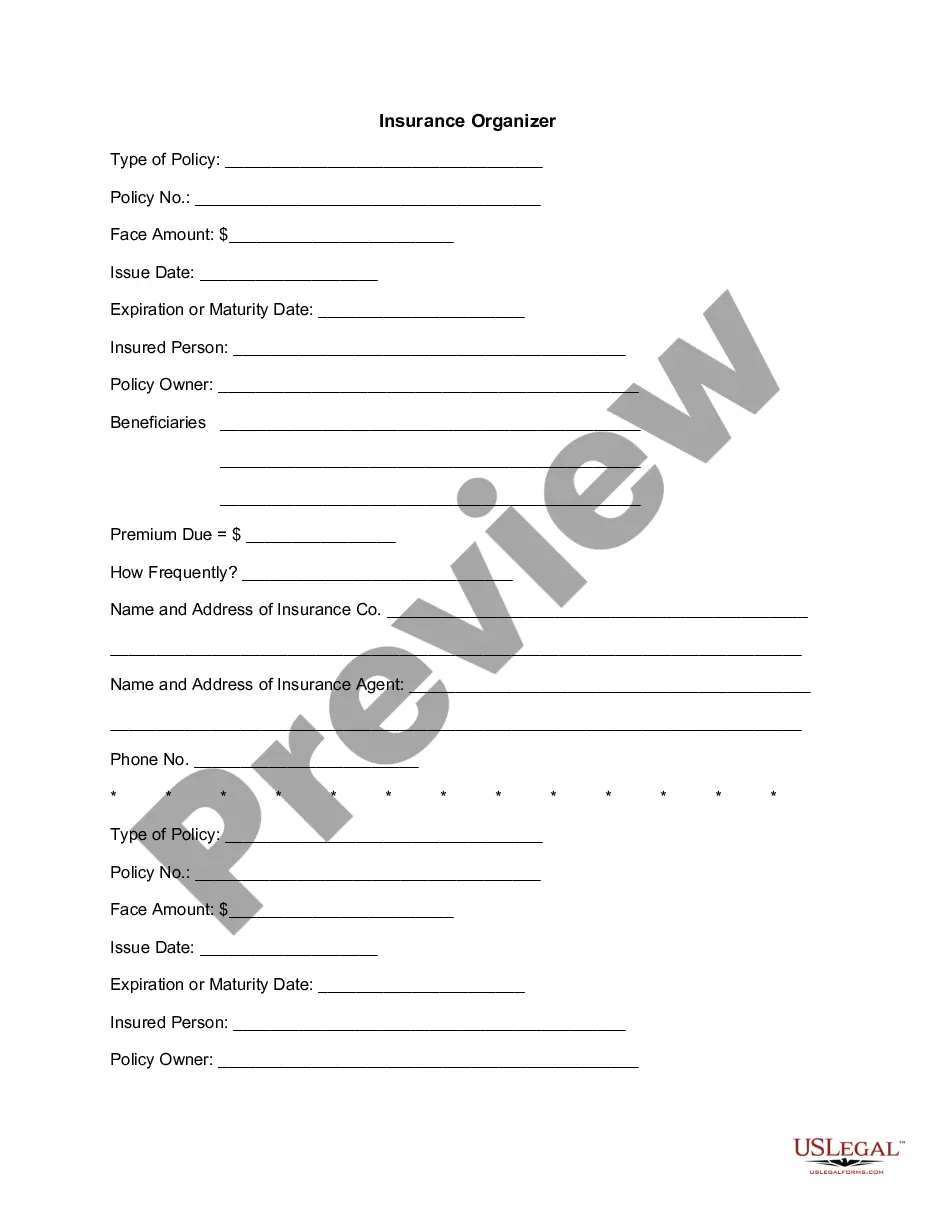
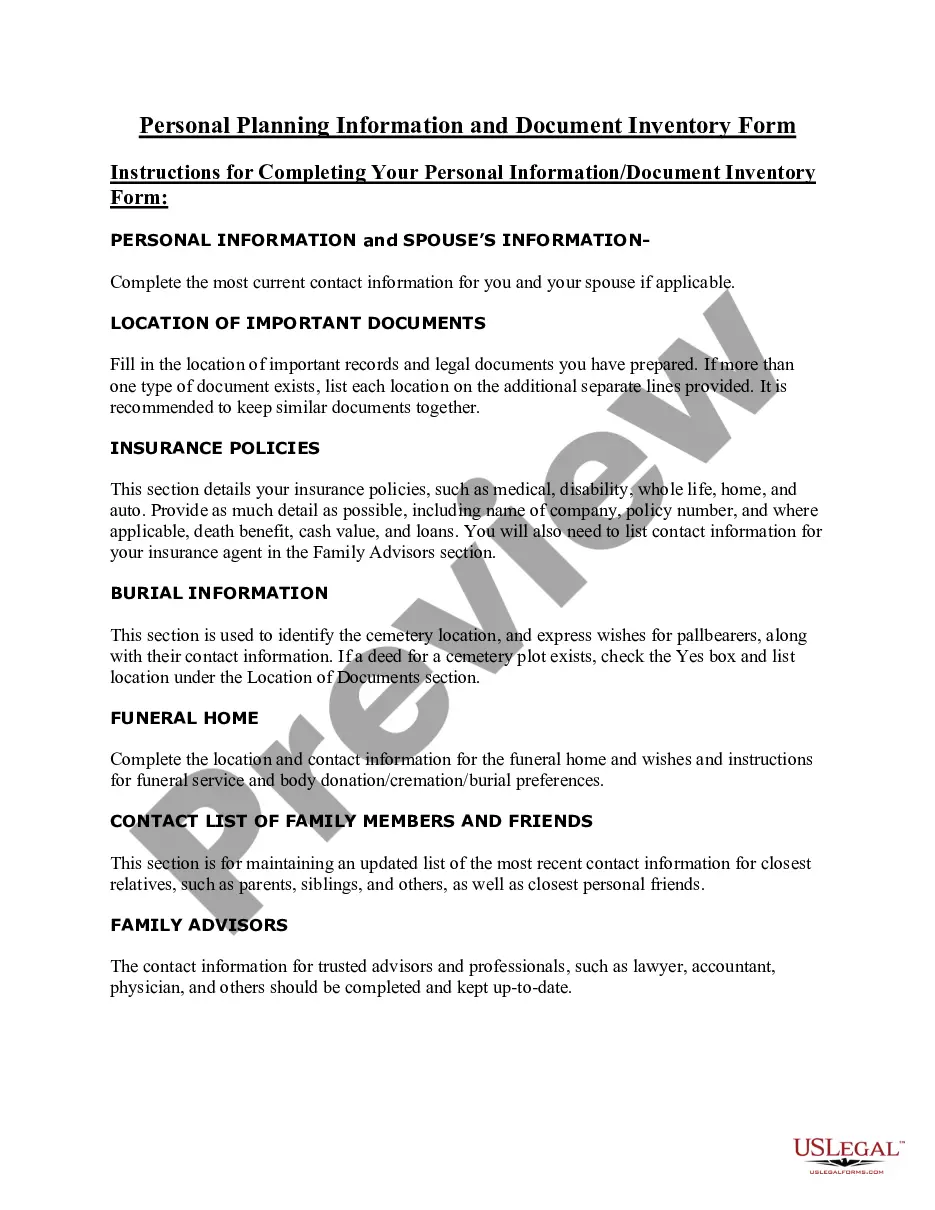
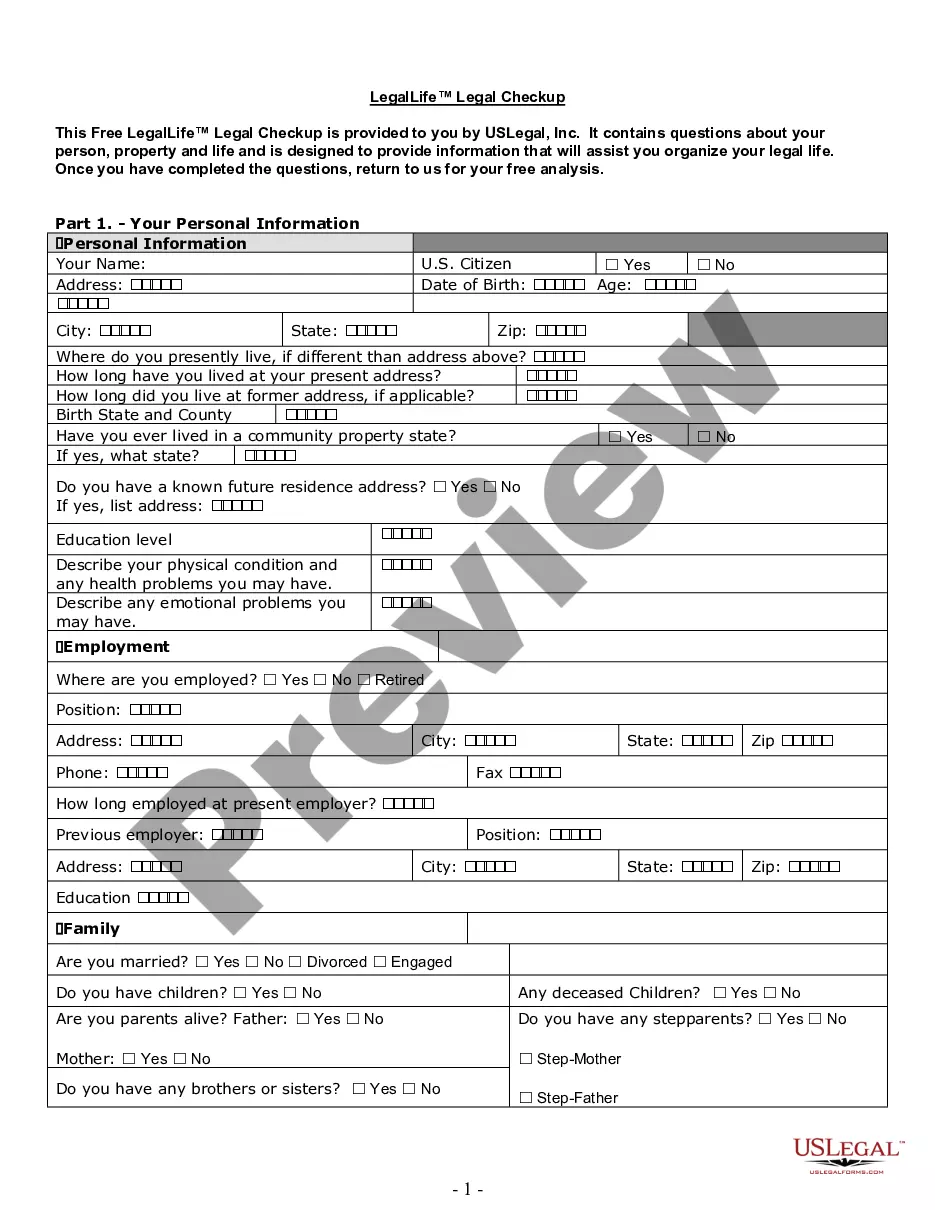
Michigan Insurance Organizer
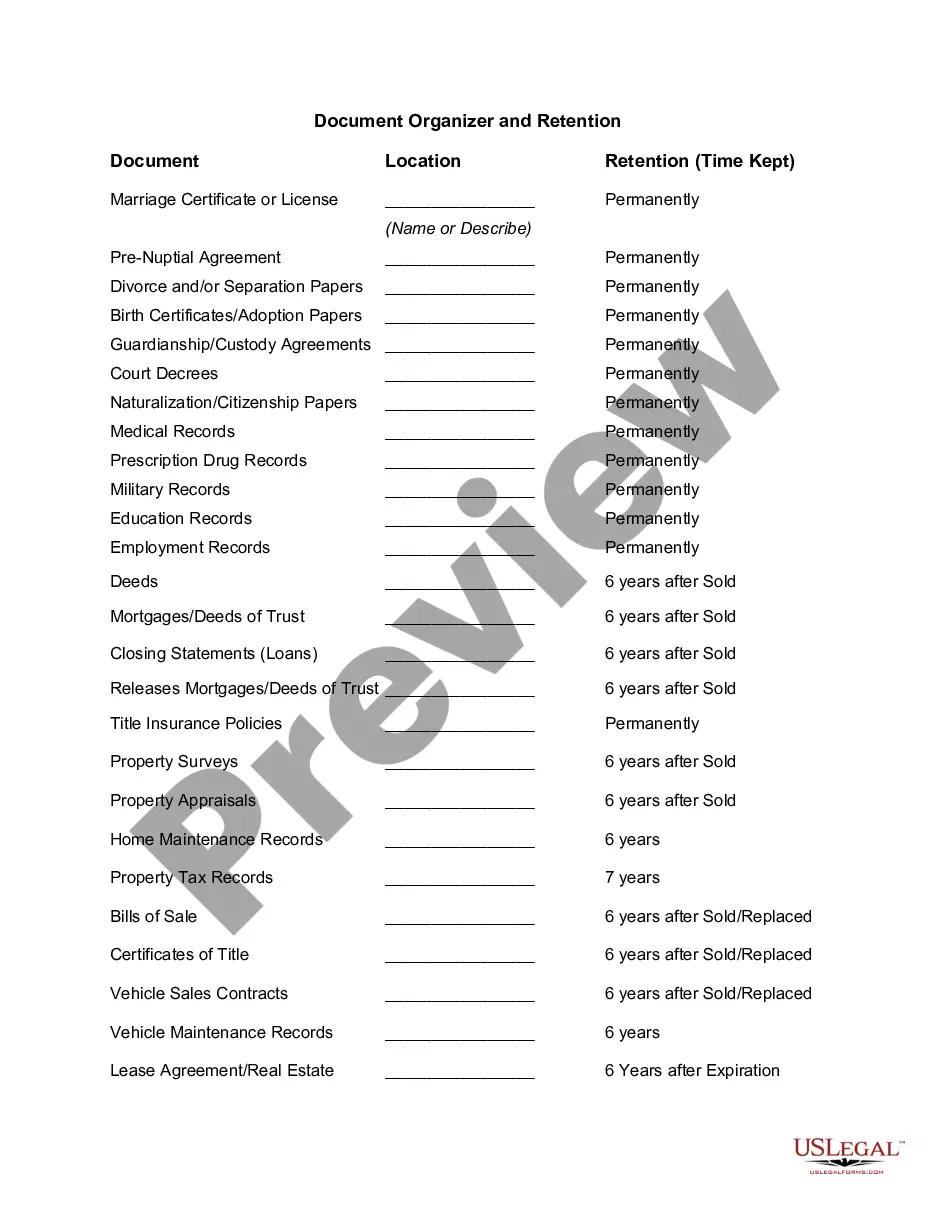
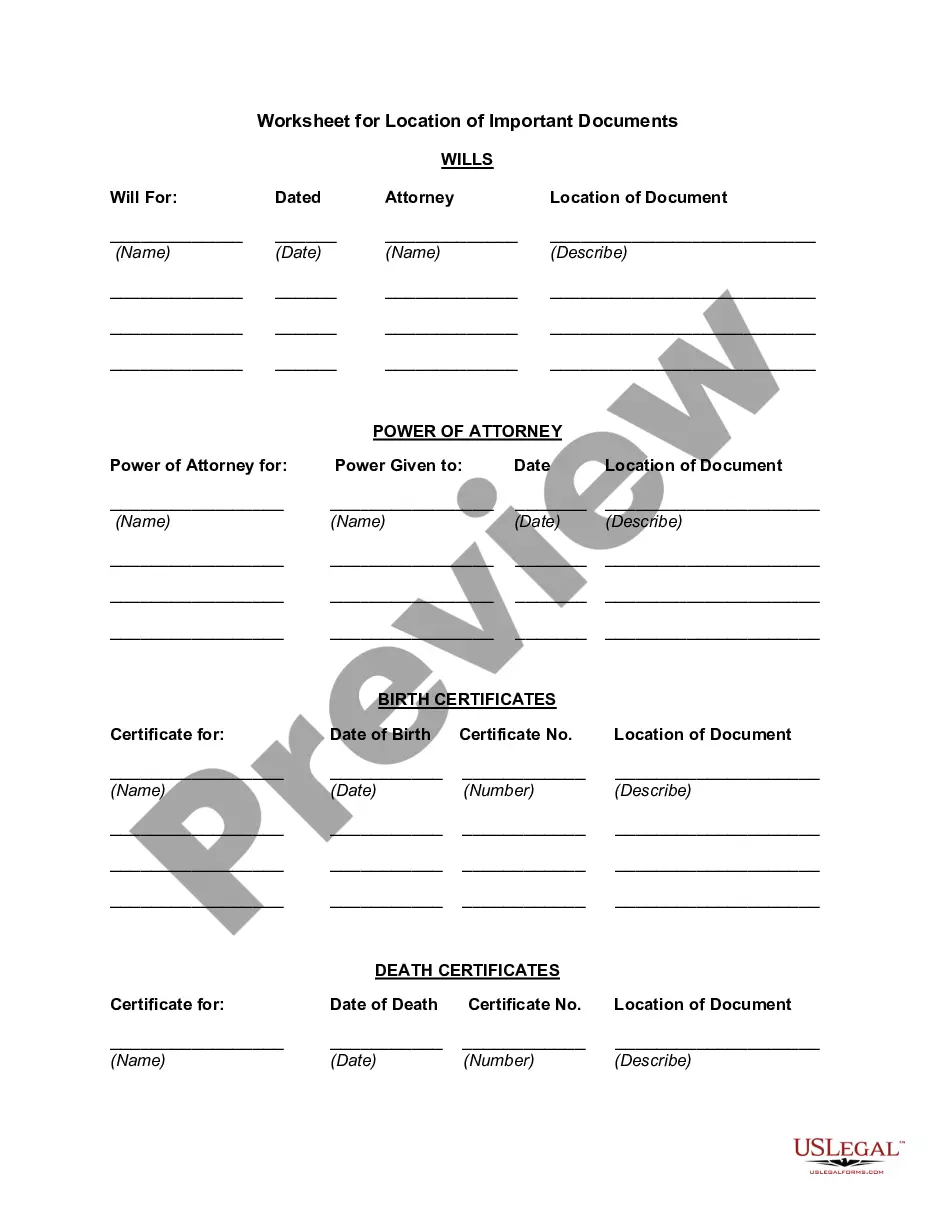
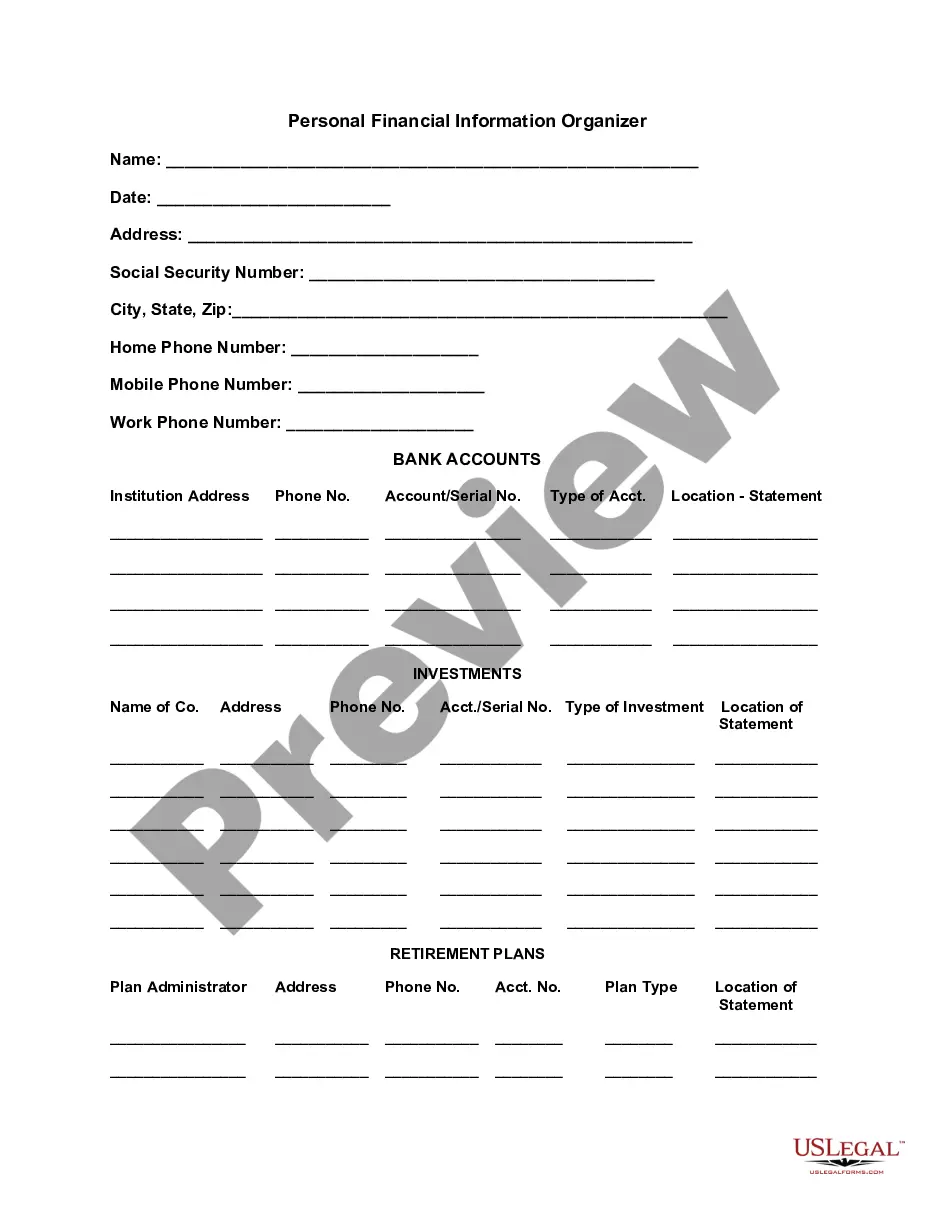
Description


Get your form ready online
Our built-in tools help you complete, sign, share, and store your documents in one place.
Make edits, fill in missing information, and update formatting in US Legal Forms—just like you would in MS Word.
Download a copy, print it, send it by email, or mail it via USPS—whatever works best for your next step.
Sign and collect signatures with our SignNow integration. Send to multiple recipients, set reminders, and more. Go Premium to unlock E-Sign.
If this form requires notarization, complete it online through a secure video call—no need to meet a notary in person or wait for an appointment.
We protect your documents and personal data by following strict security and privacy standards.

Make edits, fill in missing information, and update formatting in US Legal Forms—just like you would in MS Word.

Download a copy, print it, send it by email, or mail it via USPS—whatever works best for your next step.

Sign and collect signatures with our SignNow integration. Send to multiple recipients, set reminders, and more. Go Premium to unlock E-Sign.

If this form requires notarization, complete it online through a secure video call—no need to meet a notary in person or wait for an appointment.

We protect your documents and personal data by following strict security and privacy standards.
Looking for another form?
How to fill out Insurance Organizer?
Are you presently in a situation where you frequently need documents for potential business or personal purposes.
There are numerous legal document templates available online, yet locating reliable versions can be challenging.
US Legal Forms provides thousands of form templates, such as the Michigan Insurance Organizer, that are designed to comply with federal and state regulations.
Once you find the appropriate form, click on Purchase now.
Choose the pricing plan you desire, complete the necessary information to create your account, and pay for your order using your PayPal or credit card.
- If you are already familiar with the US Legal Forms website and have an account, simply sign in.
- After that, you can download the Michigan Insurance Organizer template.
- If you do not have an account and want to start using US Legal Forms, follow these steps.
- Obtain the form you need and confirm it's for your appropriate area/region.
- Use the Preview button to review the form.
- Read the description to ensure you've selected the correct form.
- If the form isn't what you're looking for, utilize the Search field to find the form that suits your needs and requirements.
Form popularity
FAQ
Yes! Your insurance contract is very specific in its definition of a Named Insured! As agents, our role is to review your coverage, review the covered risk and assess the people or entities covered by the policy.
How to make a claimStep 1: File a police report.Step 2: Document any damage.Step 3: Review your coverage.Step 4: Contact your insurance company.Step 5: Prepare for the insurance adjuster.Step 6: Review the settlement offer.Step 7: Receive the claim payment and repair the damage.
Does a registered keeper have to be a policy holder? Technically, the registered keeper of a car doesn't need to be the insurance policy holder for that car. But some insurers won't let you be the policy holder unless you're the registered keeper.
Primarily, claims processing involves three important steps:Claims Adjudication.Explanation of Benefits (EOBs)Claims Settlement.
Can the insurance and vehicle ownership be in different names? No, the insurance must be in the name of the registered owner of the vehicle. As your mother is the registered owner of the car, the insurance must be purchased in her name to ensure that there is insurable interest.
Most U.S. states allow their residents to register and insure their vehicles under different names. However, using separate names for the registration and insurance of a car may confuse the insurer and affect payment of settlements to insured drivers.
No matter how small the damage, you want to make a claim that's why you pay for insurance....Here are four steps you should take to make a claim.Involve the police.Call your insurance company.Speak with the Claims Specialist.Claiming your payment.
Can I get insurance for anyone to drive my car? An 'any driver' insurance policy allows anyone to drive your car at any time. There's no limit to how many people can drive the car, so any friends or family, who have your permission, are legally insured to drive it.
Can you insure a car that is not in your name in Michigan? You can insure a car that is not in your own name in Michigan. Michigan's auto No-Fault law requires that a vehicle's owner maintain No-Fault auto insurance on the vehicle.
Insurance companies are generally organized in five broad departments: claims, finance, legal, marketing and underwriting. Marketing and underwriting are the yes departments, while claims and finance are the no departments. The legal department is often the referee between these competing interests.