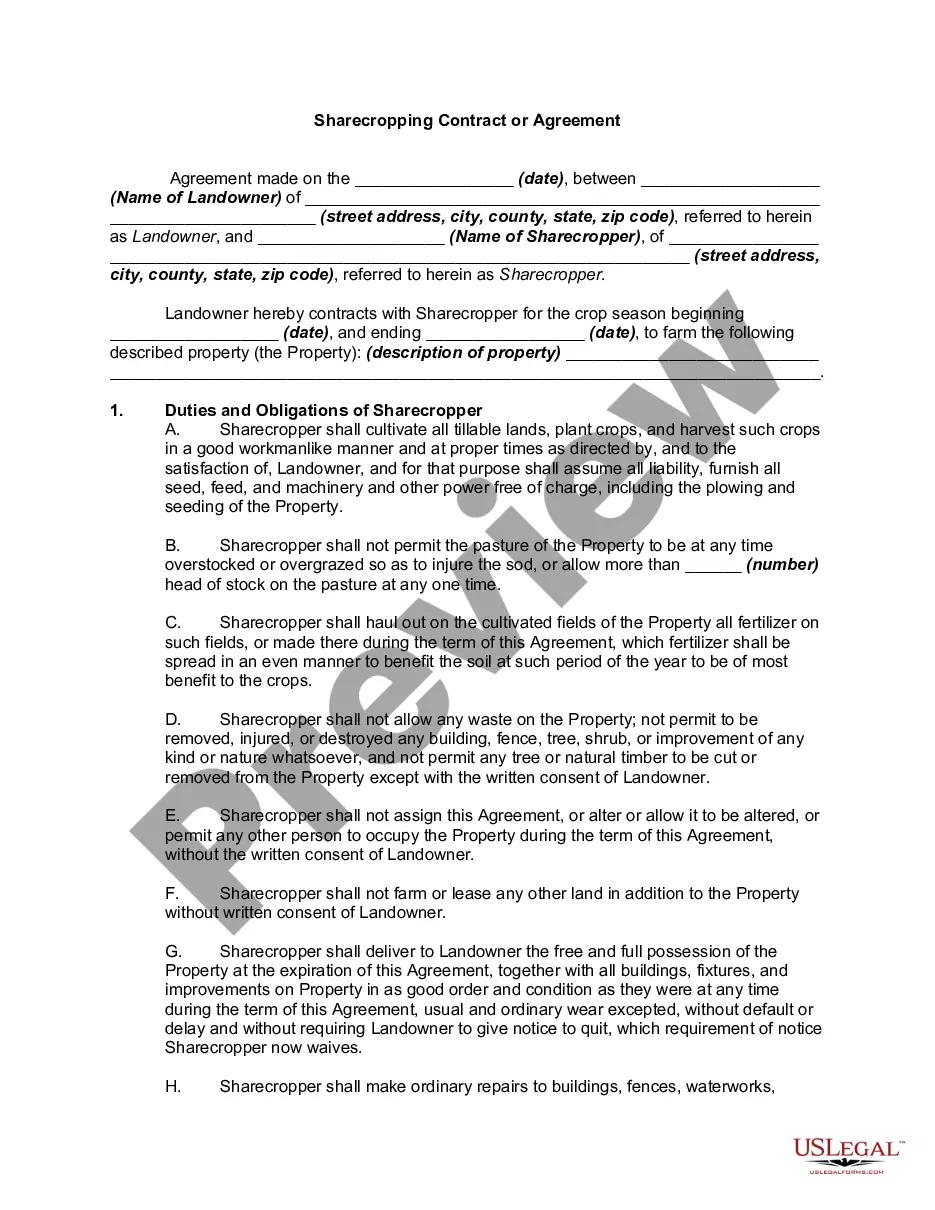
Sharecropping Contract or Agreement
What is this form?
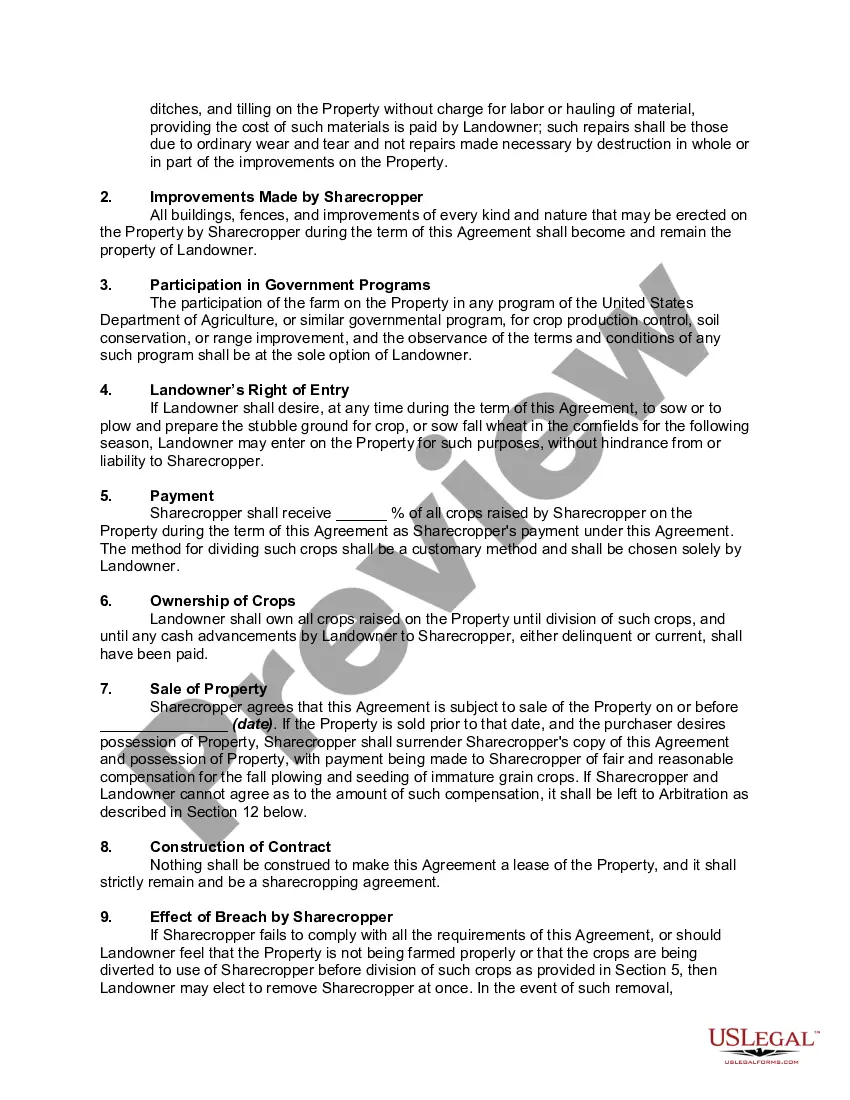
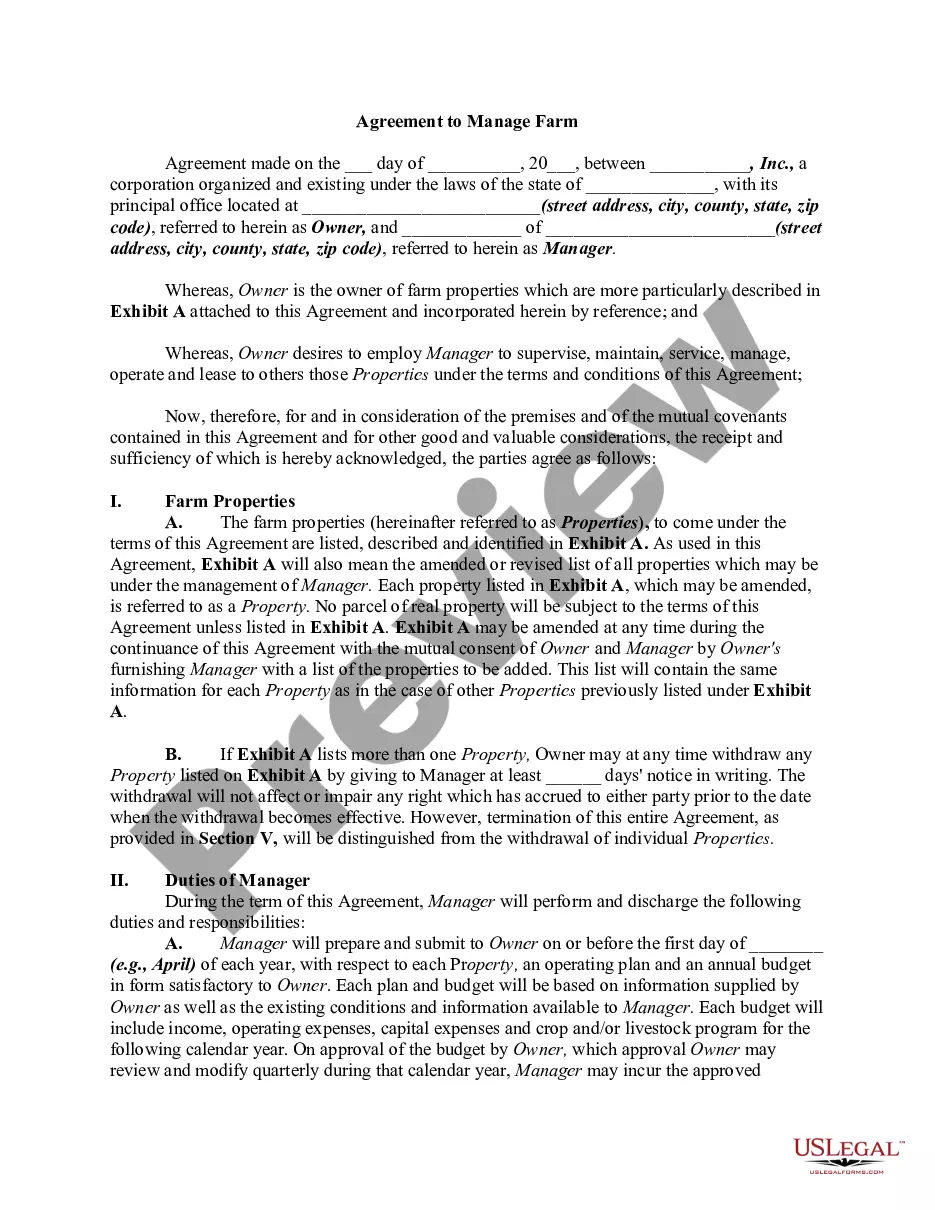
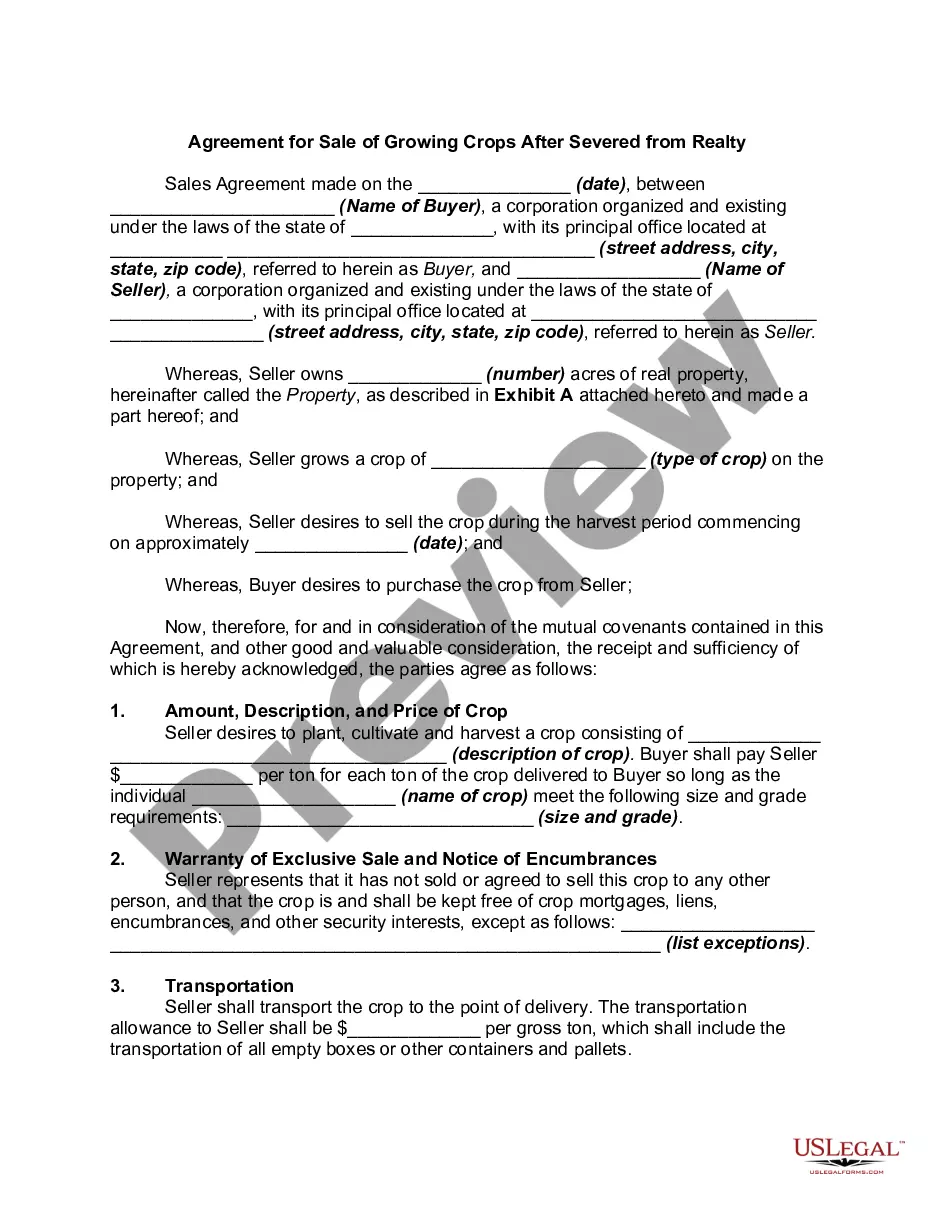
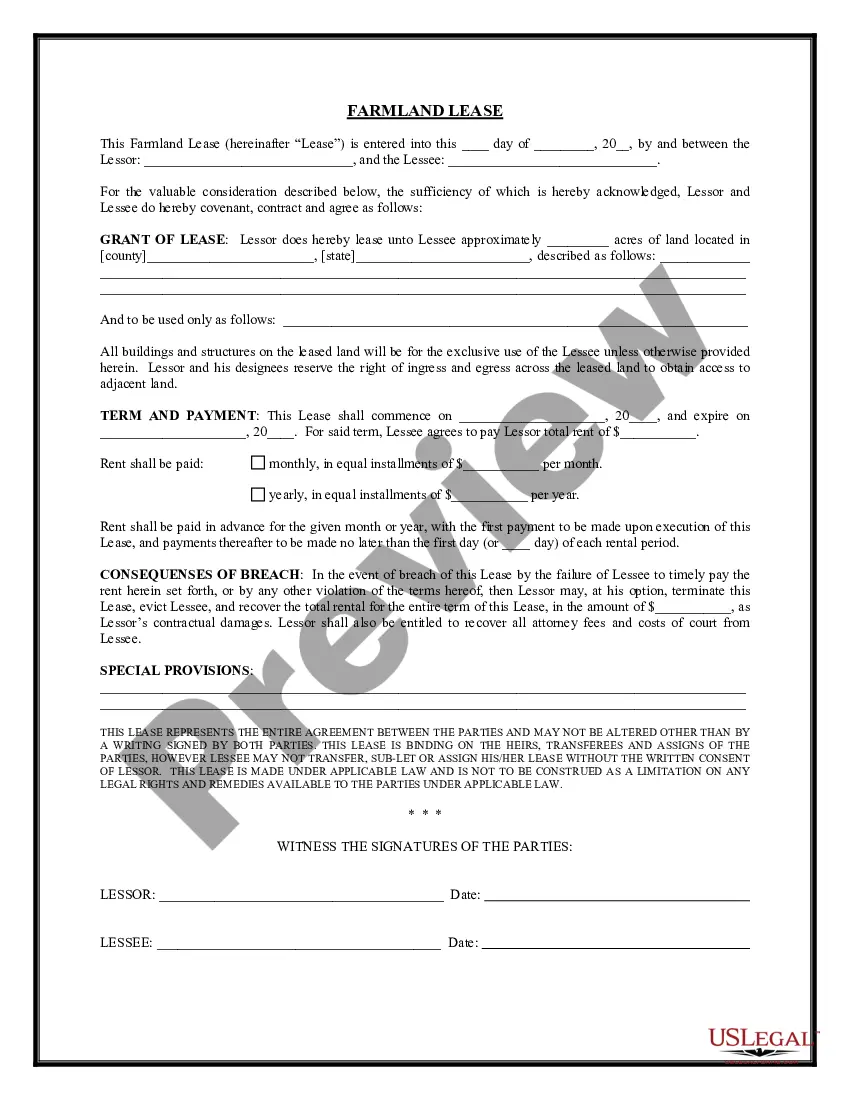
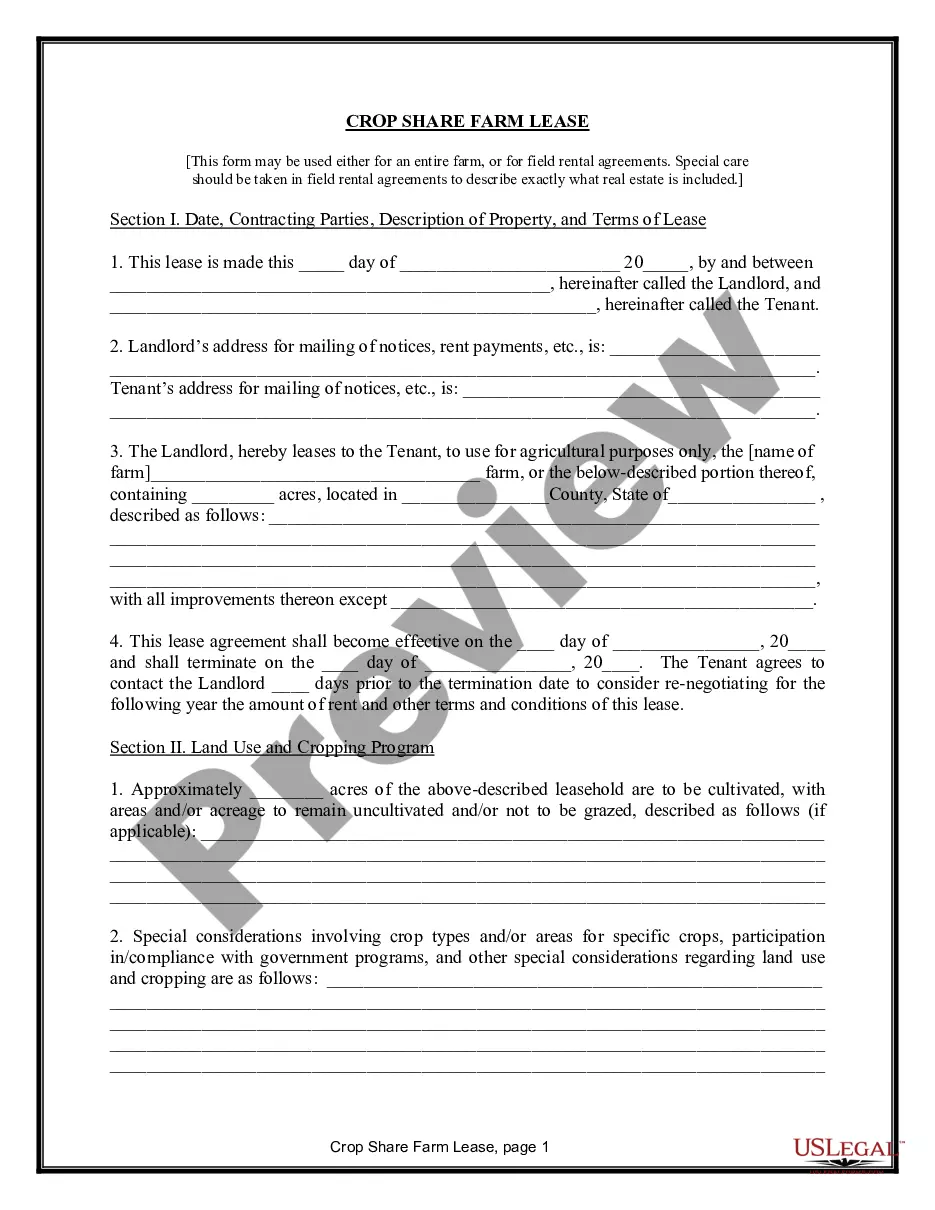
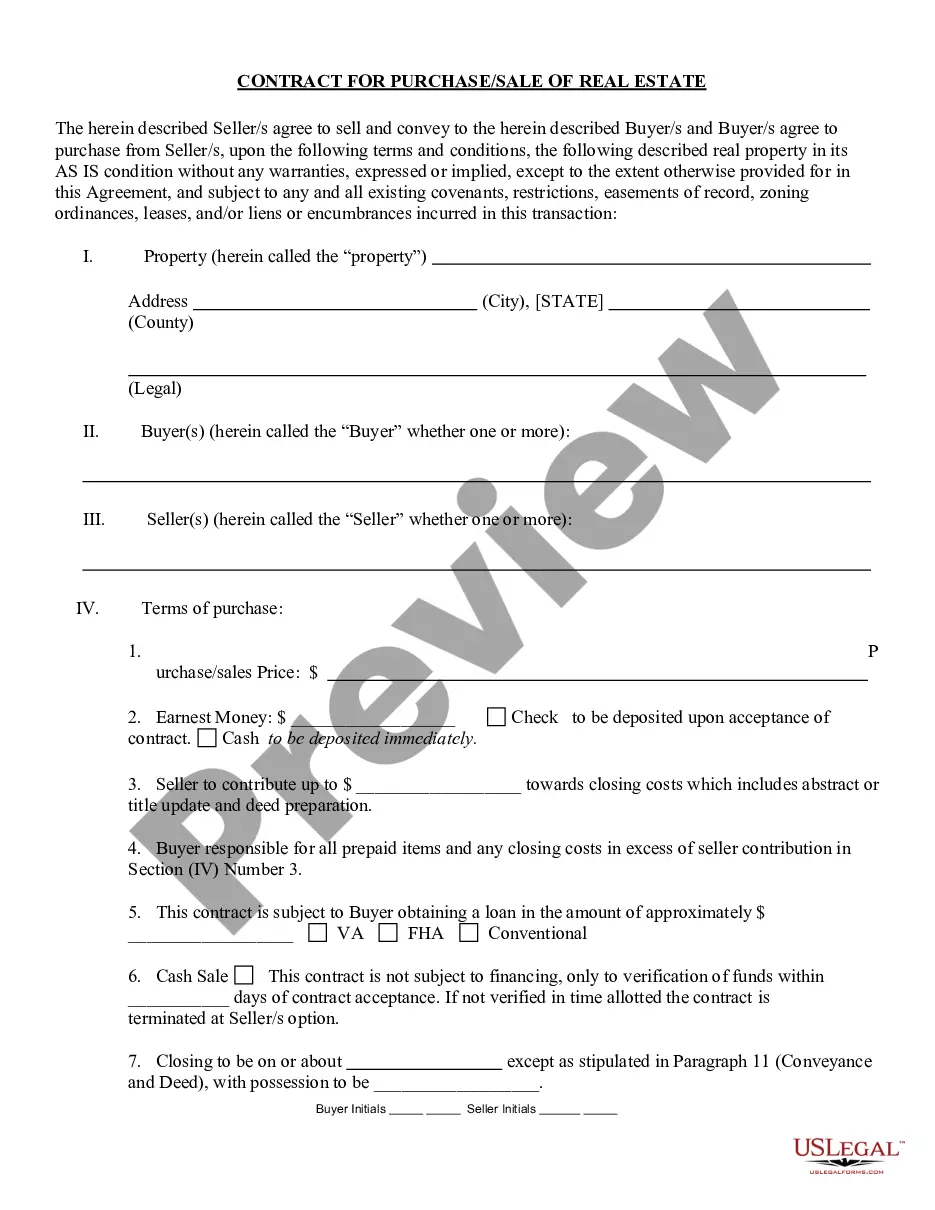
A sharecropping contract or agreement is a legal document that defines the relationship between a landowner and a sharecropper. This form outlines the rights, responsibilities, and agreements regarding the cultivation of land and the sharing of crops. It differs from a standard lease, as it establishes a revenue-sharing model instead of a fixed rent agreement. This contract helps ensure both parties understand their obligations and rights throughout the farming season.
Key components of this form
- Identifying information for both the landowner and sharecropper, including addresses.
- Specific dates defining the crop season.
- Duties and obligations of the sharecropper regarding land cultivation and crop maintenance.
- Terms regarding the disposition of improvements made by the sharecropper.
- Payment structure detailing how crops will be shared between parties.
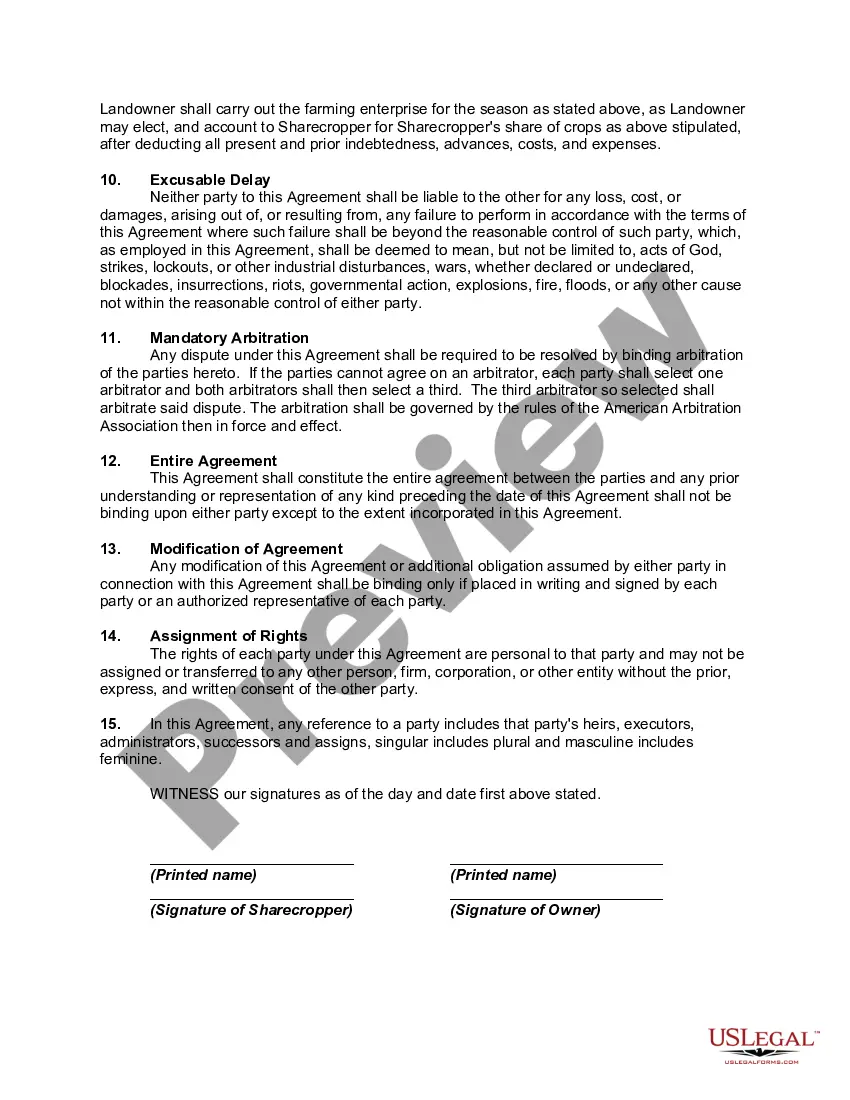
- Conditions under which the contract may be terminated or amended.
When to use this document
This sharecropping contract should be used when a landowner wishes to engage a sharecropper for agricultural purposes. It is ideal for situations where the landowner is not available or lacks the resources to farm the land themselves. This agreement is suitable for any agricultural crop season, helping both parties to clarify expectations and prevent disputes during the farming process.
Intended users of this form
- Landowners looking to lease their land for farming without a fixed rental agreement.
- Sharecroppers wanting to secure a formal agreement with landowners regarding crop sharing.
- Agricultural professionals who need a structured way to define farming responsibilities and revenue sharing.
Steps to complete this form
- Identify and enter the names and addresses of both the landowner and the sharecropper.
- Specify the start and end dates of the crop season to outline the agreement period.
- Provide a detailed description of the property to be farmed.
- Fill out the payment section to indicate the sharecroppers' payment percentage or method.
- Have both parties sign and date the agreement to make it legally binding.
Does this document require notarization?
This form does not typically require notarization unless specified by local law. However, notarization may provide additional legal assurance and protection for both parties.
Get your form ready online
Our built-in tools help you complete, sign, share, and store your documents in one place.
Make edits, fill in missing information, and update formatting in US Legal Forms—just like you would in MS Word.
Download a copy, print it, send it by email, or mail it via USPS—whatever works best for your next step.
Sign and collect signatures with our SignNow integration. Send to multiple recipients, set reminders, and more. Go Premium to unlock E-Sign.
If this form requires notarization, complete it online through a secure video call—no need to meet a notary in person or wait for an appointment.
We protect your documents and personal data by following strict security and privacy standards.

Make edits, fill in missing information, and update formatting in US Legal Forms—just like you would in MS Word.

Download a copy, print it, send it by email, or mail it via USPS—whatever works best for your next step.

Sign and collect signatures with our SignNow integration. Send to multiple recipients, set reminders, and more. Go Premium to unlock E-Sign.

If this form requires notarization, complete it online through a secure video call—no need to meet a notary in person or wait for an appointment.

We protect your documents and personal data by following strict security and privacy standards.
Mistakes to watch out for
- Failing to clearly define the property description, leading to potential disputes.
- Omitting important dates or payment details, causing confusion later.
- Not including provisions for property improvements made during the contract period.
Why complete this form online
- Convenience of downloading and editing the form at any time from any location.
- Access to professionally drafted templates by licensed attorneys ensuring legal compliance.
- Secure storage and easy retrieval of important legal documents.
Looking for another form?


Form popularity
FAQ
They had to sign the sharecroppers contracts. 3.What parts of this contract do you think caused the sharecroppers to be in debt to plantation owners? Nothing can be sold from their (sharecroppers') crops until my rent is all paid, and all amounts they owe me are paid in full.
They did not have slaves or money to pay a free labor force, so sharecropping developed as a system that could benefit plantation owners and former slaves. Landowners would have access to a large labor force, and the newly freed slaves were looking for work.
Sharecropping was bad because it increased the amount of debt that poor people owed the plantation owners. Sharecropping was similar to slavery because after a while, the sharecroppers owed so much money to the plantation owners they had to give them all of the money they made from cotton.
The correct answer is: The landowner would force the sharecropper to sign.Many former slaves were forced to sign unfair sharecropping contracts.
Sharecropping is a legal arrangement with regard to agricultural land in which a landowner allows a tenant to use the land in return for a share of the crops produced on that land.
Many sharecroppers were former slaves. When they became free, they didn't have the resources to buy all the things they needed in order to farm the land. As a result, they rented land from the landowners.When the sharecropper harvested his crops, he often didn't make enough money to repay the debt to the creditor.
The absence of cash or an independent credit system led to the creation of sharecropping. High interest rates, unpredictable harvests, and unscrupulous landlords and merchants often kept tenant farm families severely indebted, requiring the debt to be carried over until the next year or the next.
During Reconstruction, former slaves--and many small white farmers--became trapped in a new system of economic exploitation known as sharecropping. Lacking capital and land of their own, former slaves were forced to work for large landowners.Ultimately, sharecropping emerged as a sort of compromise.
Sharecropping, form of tenant farming in which the landowner furnished all the capital and most other inputs and the tenants contributed their labour. Depending on the arrangement, the landowner may have provided the food, clothing, and medical expenses of the tenants and may have also supervised the work.