Michigan Quitclaim Deed from two Individuals to One Individual
Overview of this form
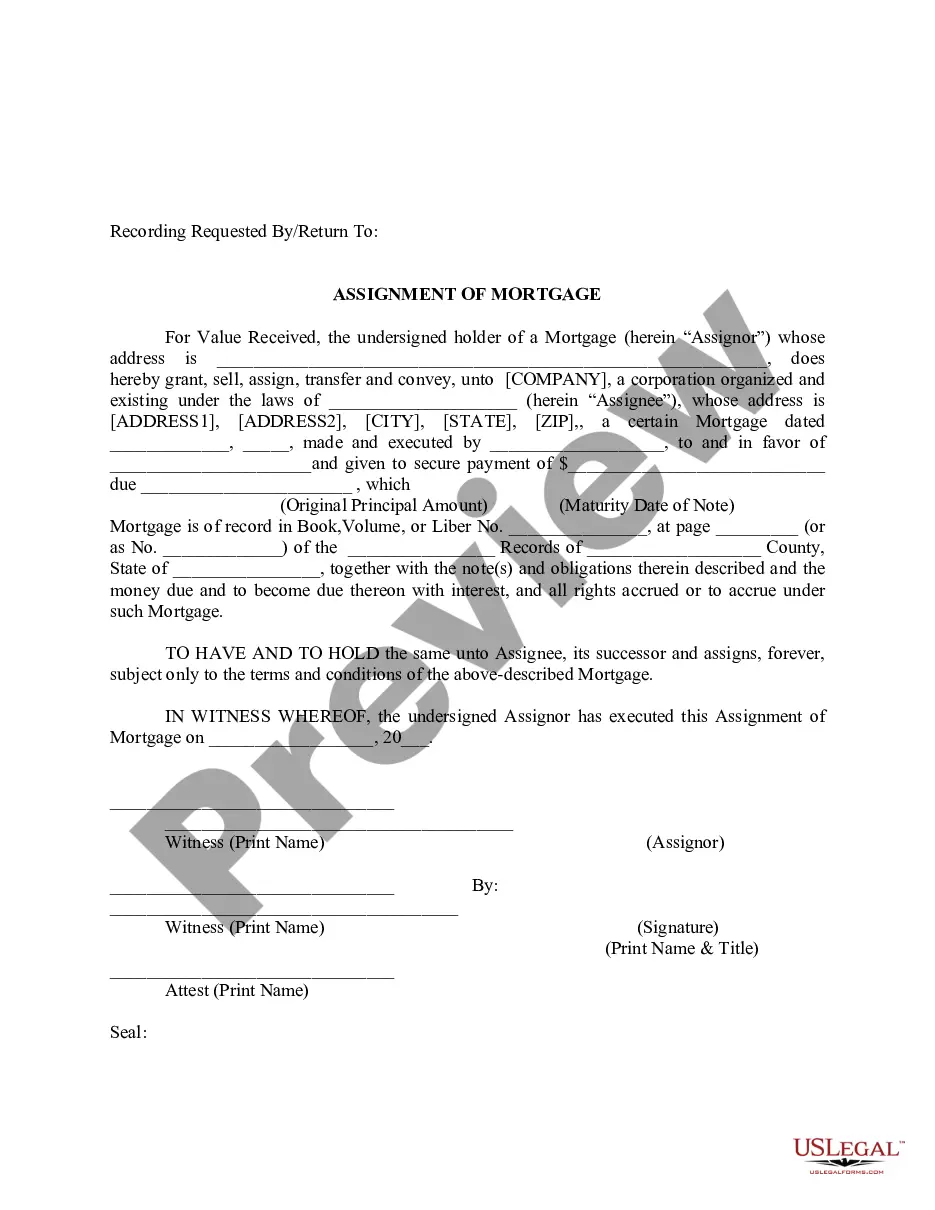
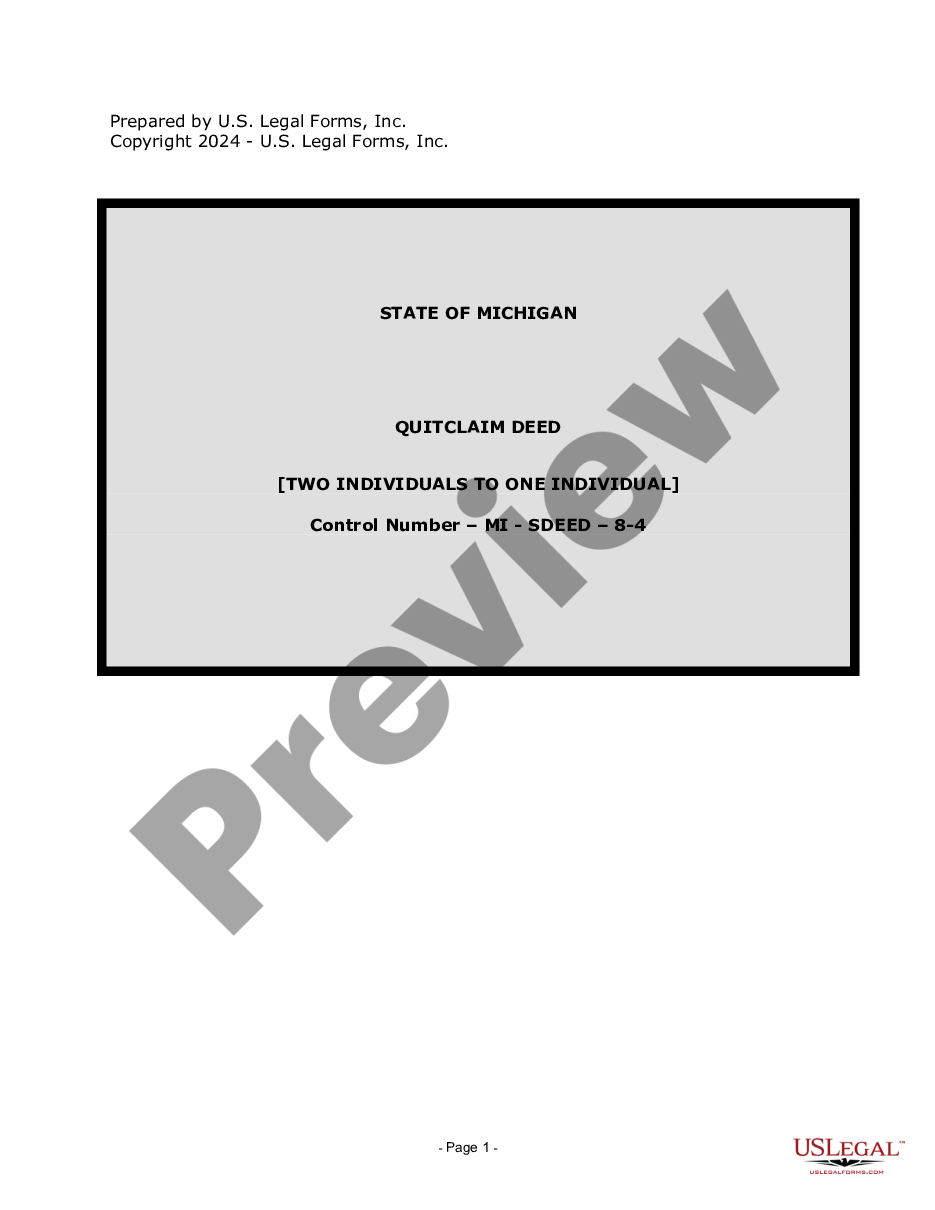
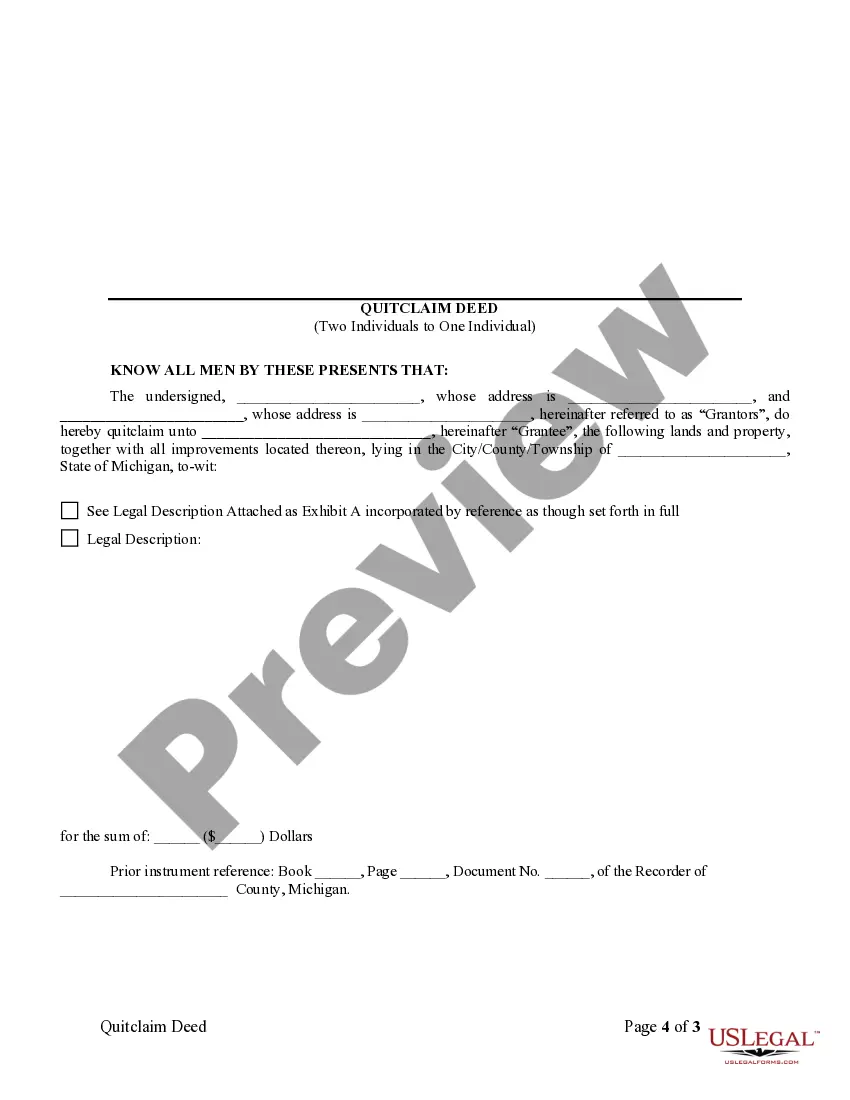
This Quitclaim Deed is a legal document used to transfer property ownership from two individuals (the grantors) to one individual (the grantee). Unlike a warranty deed, a quitclaim deed does not guarantee that the grantors hold valid title to the property, making it crucial to understand the implications of its use. This form is especially useful in situations such as family transfers, divorces, or settling an estate, where the parties may know each other well and trust that the transfer will be accepted without disputes regarding title issues.
What’s included in this form
- Names and addresses of the granting individuals.
- Name and address of the receiving individual.
- Description of the property being transferred, including the city, county, and property details.
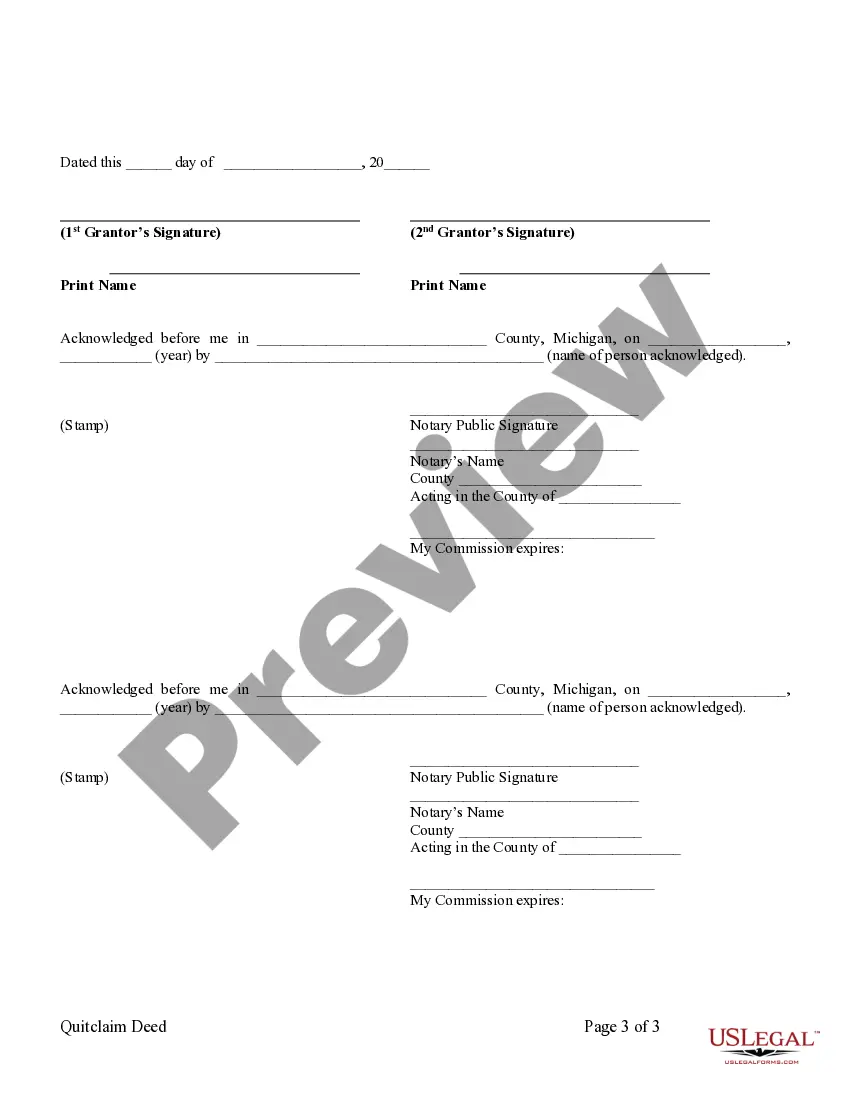
- Signature lines for both grantors and a notary public acknowledgment.
- Date of the transaction for record-keeping.






Common use cases
This form should be used when two individuals wish to transfer their interest in a property to a single individual. Common scenarios include transferring property between family members, in situations involving divorce settlements, or when one owner is gifting their share of the property to another. Using this form helps clarify the ownership transition and legally documents the transfer.
Who needs this form
This Quitclaim Deed is intended for:
- Individuals involved in a property transfer where no title guarantee is needed.
- Families wanting to consolidate property ownership.
- Individuals settling inheritance or divorce matters involving real estate.
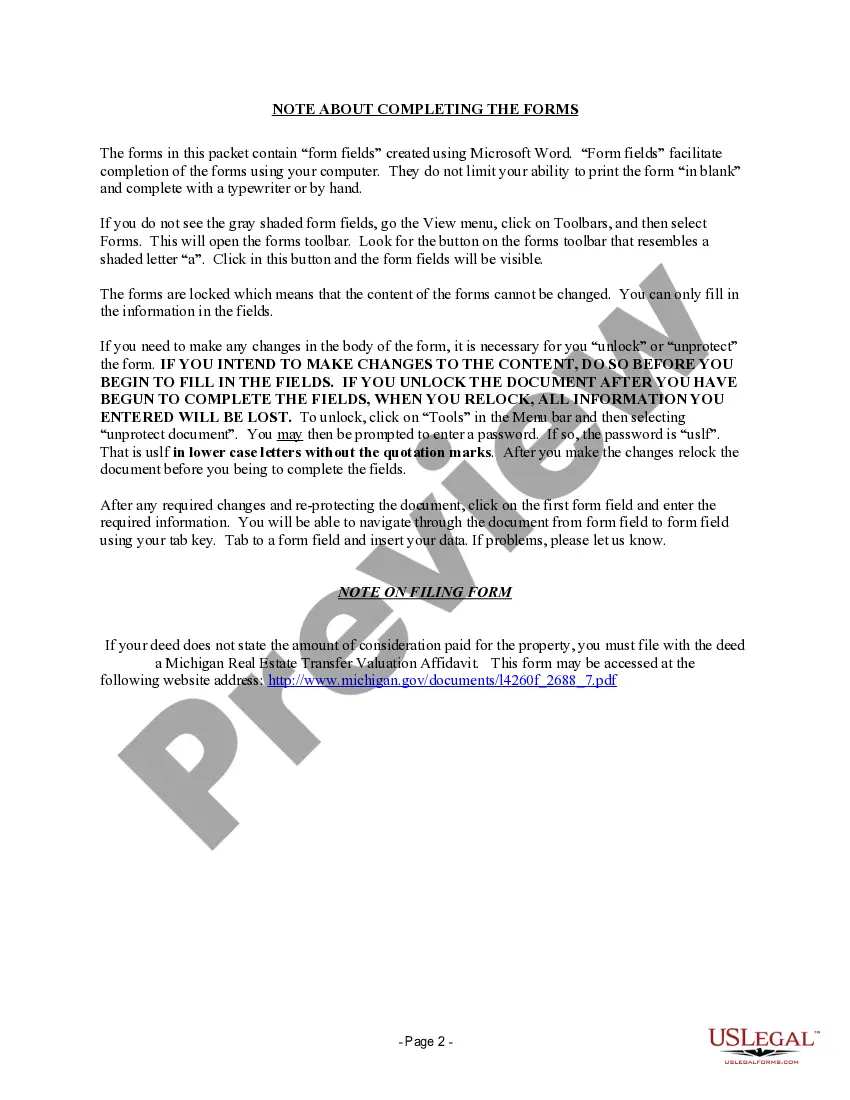
How to complete this form
- Identify the full names and addresses of both grantors and the grantee.
- Specify the details of the property being transferred, including any relevant descriptors.
- Enter the date of the transaction.
- Have both grantors sign the document in the presence of a notary public.
- Ensure the notary public signs and dates the document, completing the notarization process.
Notarization guidance
To make this form legally binding, it must be notarized. Our online notarization service, powered by Notarize, lets you verify and sign documents remotely through an encrypted video session.
Get your form ready online
Our built-in tools help you complete, sign, share, and store your documents in one place.
Make edits, fill in missing information, and update formatting in US Legal Forms—just like you would in MS Word.
Download a copy, print it, send it by email, or mail it via USPS—whatever works best for your next step.
Sign and collect signatures with our SignNow integration. Send to multiple recipients, set reminders, and more. Go Premium to unlock E-Sign.
If this form requires notarization, complete it online through a secure video call—no need to meet a notary in person or wait for an appointment.
We protect your documents and personal data by following strict security and privacy standards.

Make edits, fill in missing information, and update formatting in US Legal Forms—just like you would in MS Word.

Download a copy, print it, send it by email, or mail it via USPS—whatever works best for your next step.

Sign and collect signatures with our SignNow integration. Send to multiple recipients, set reminders, and more. Go Premium to unlock E-Sign.

If this form requires notarization, complete it online through a secure video call—no need to meet a notary in person or wait for an appointment.

We protect your documents and personal data by following strict security and privacy standards.
Common mistakes to avoid
- Failing to provide a complete property description.
- Not obtaining the required notarization.
- Leaving out the date of the transaction.
- Not including the full legal names of all parties involved.
Benefits of using this form online
- Convenient access to legal forms from anywhere, allowing for timely property transactions.
- Editability ensures that users can customize the form to fit their specific needs.
- Reliability, as forms are drafted by licensed attorneys, ensuring compliance with Michigan laws.
Summary of main points
- This quitclaim deed enables the transfer of property from two individuals to one individual without warranties on the title.
- Proper identification of parties and notarization is crucial for legal validity.
- It is typically used in informal property transfers, such as those among family members.
Looking for another form?

Form popularity
FAQ
A quitclaim deed may be deemed invalid if it lacks essential elements such as proper signatures, adequate property description, or if it violates state laws. In the case of a Michigan Quitclaim Deed from two Individuals to One Individual, any errors in the names or the legal description of the property can lead to complications. To avoid issues, ensure that the deed is correctly executed and recorded. You can rely on USLegalForms to guide you in creating a valid document.
Yes, you can put multiple people on a deed, whether as grantors or grantees. This is common in transactions involving a Michigan Quitclaim Deed from two Individuals to One Individual, where two owners transfer their ownership to one recipient. It is crucial to clearly identify each party's role and ensure that all signatures are present. Utilizing a trusted service like USLegalForms can help you navigate this process smoothly.
Yes, you can prepare your own quitclaim deed in Michigan. However, it's important to ensure the document meets all legal requirements to be valid. A Michigan Quitclaim Deed from two Individuals to One Individual must include specific language and details about the property and parties involved. To simplify the process and ensure accuracy, you might want to consider using USLegalForms.
A quitclaim deed can include multiple individuals as grantors or grantees. In the case of a Michigan Quitclaim Deed from two Individuals to One Individual, two people can transfer their interest in a property to a single person. It's essential to clearly list all parties involved on the deed to avoid any confusion later. For precise preparation, consider using a reliable platform like USLegalForms.
To properly fill out a quitclaim deed, you need to gather essential information about all parties involved and the property. Begin by listing the current owners' names, the new owner's name, and the property's legal description. Use clear language and ensure all details are accurate to avoid future disputes. For a smooth process, consider using UsLegalForms, which provides easy-to-follow templates for a Michigan Quitclaim Deed from two Individuals to One Individual.
To fill out a Michigan Quitclaim Deed from two Individuals to One Individual, start by obtaining the correct form, which is typically available online or through local government offices. Next, clearly state the names of the two individuals transferring the property, along with the name of the individual receiving it. Ensure you include the property's legal description, as this is crucial for proper identification. Finally, both parties must sign the deed in the presence of a notary public to validate the document.
You can certainly create your own quitclaim deed in Michigan. The process involves drafting the deed, ensuring it contains all required information, and having it signed before a notary public. A Michigan Quitclaim Deed from two Individuals to One Individual can be straightforward if you follow the guidelines. Additionally, resources like US Legal Forms offer templates and step-by-step instructions to assist you in completing the deed accurately.
Yes, you can file a quitclaim deed without an attorney. Many individuals choose to handle the process themselves, especially when dealing with a Michigan Quitclaim Deed from two Individuals to One Individual. However, it is crucial to ensure that all paperwork is filled out correctly and complies with local laws. Using a service like US Legal Forms can simplify the process by providing the necessary templates and guidance.
Transferring a deed from one person to another involves executing a new deed, such as a Michigan Quitclaim Deed from two Individuals to One Individual. You will need to fill out the deed form accurately, including all necessary details about the property and the parties involved. Once completed, you must sign the deed in front of a notary public. Finally, file the deed with the appropriate county office to ensure the transfer is legally recognized.
To create a Michigan Quitclaim Deed from two Individuals to One Individual, you need specific information and documents. First, prepare the deed by including the names of both individuals transferring the property and the name of the individual receiving it. You also need a legal description of the property, which can typically be found on the property's tax records. Additionally, ensure that the deed is signed and notarized to make it valid; this step is crucial in Michigan to finalize the transfer.