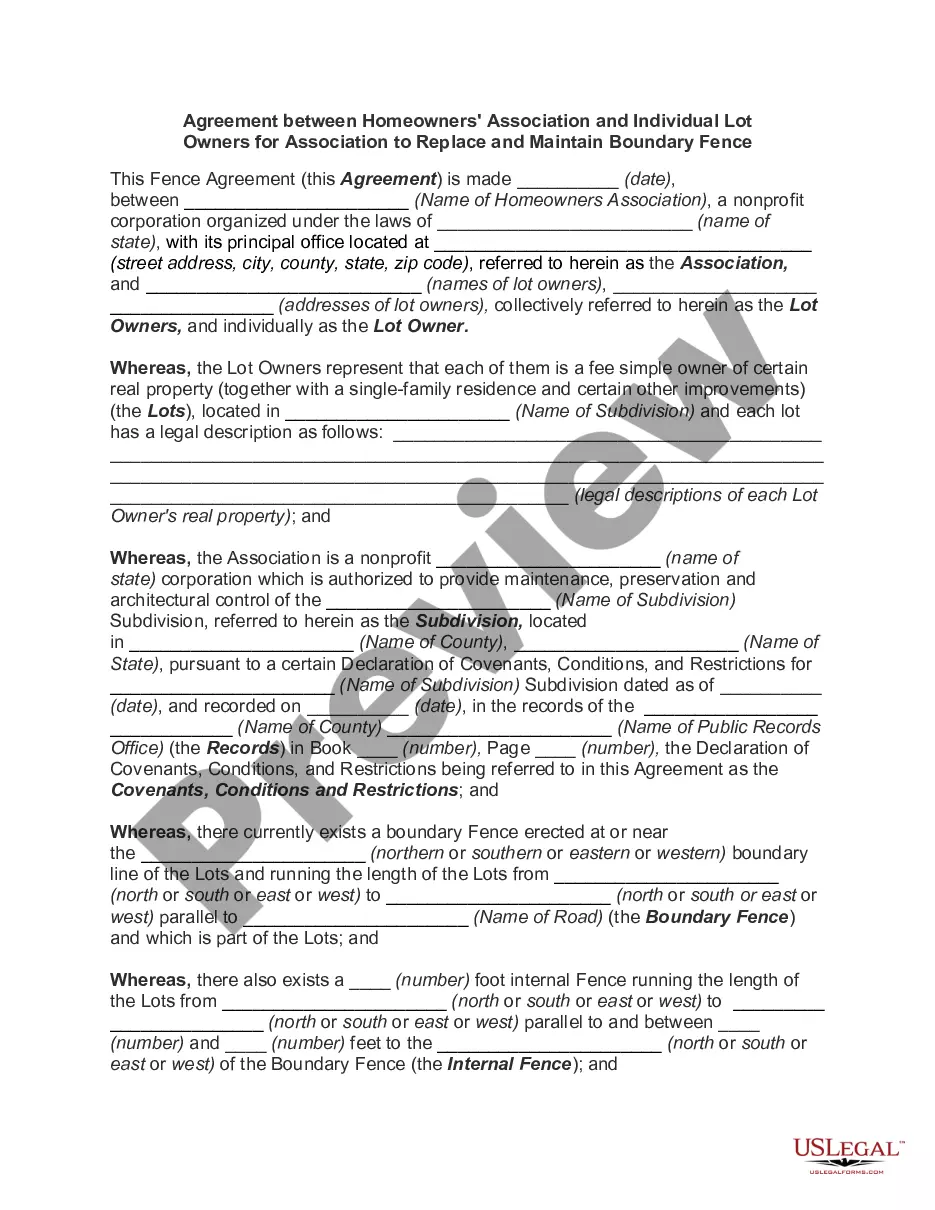
Michigan Notice of Option for Recording
Overview of this form
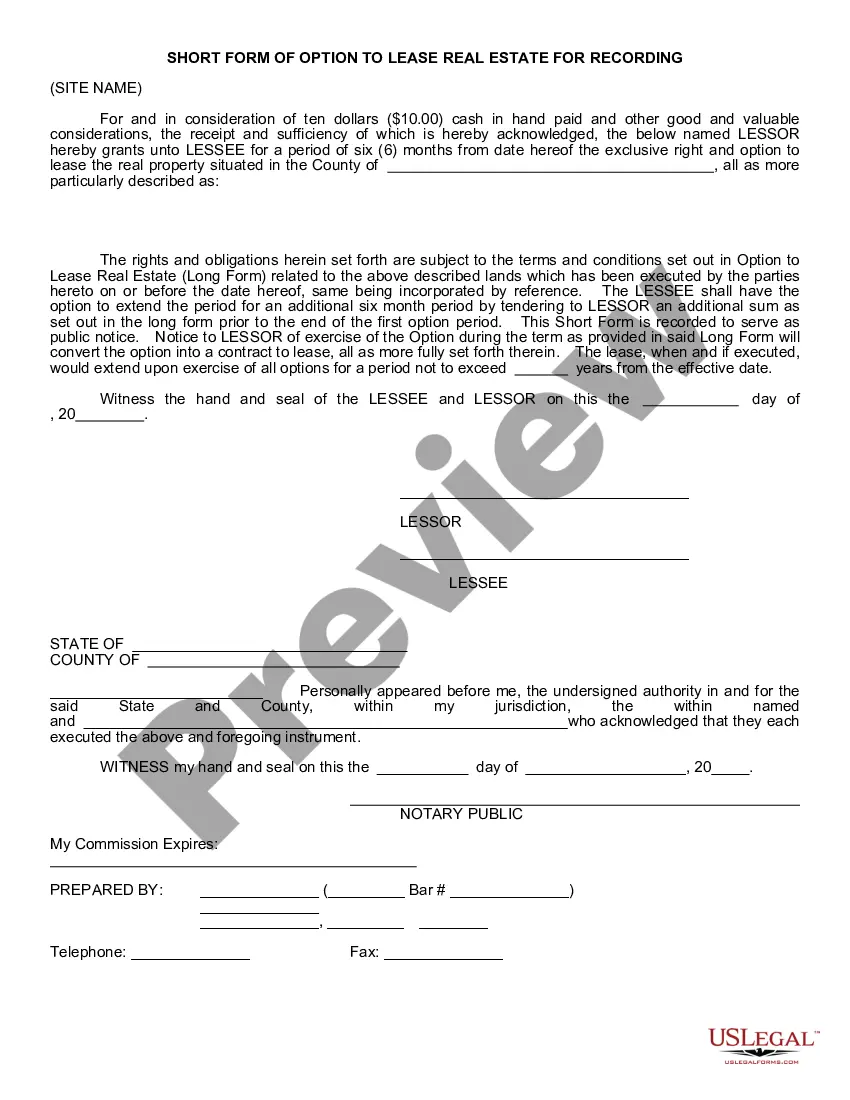
The Notice of Option for Recording is a legal document that provides public notification of an existing option to purchase a specific parcel of real estate. This form allows parties to record only the notice instead of the entire Option Agreement, ensuring that the existence of the option is officially recognized without disclosing the full terms of the agreement.
What’s included in this form
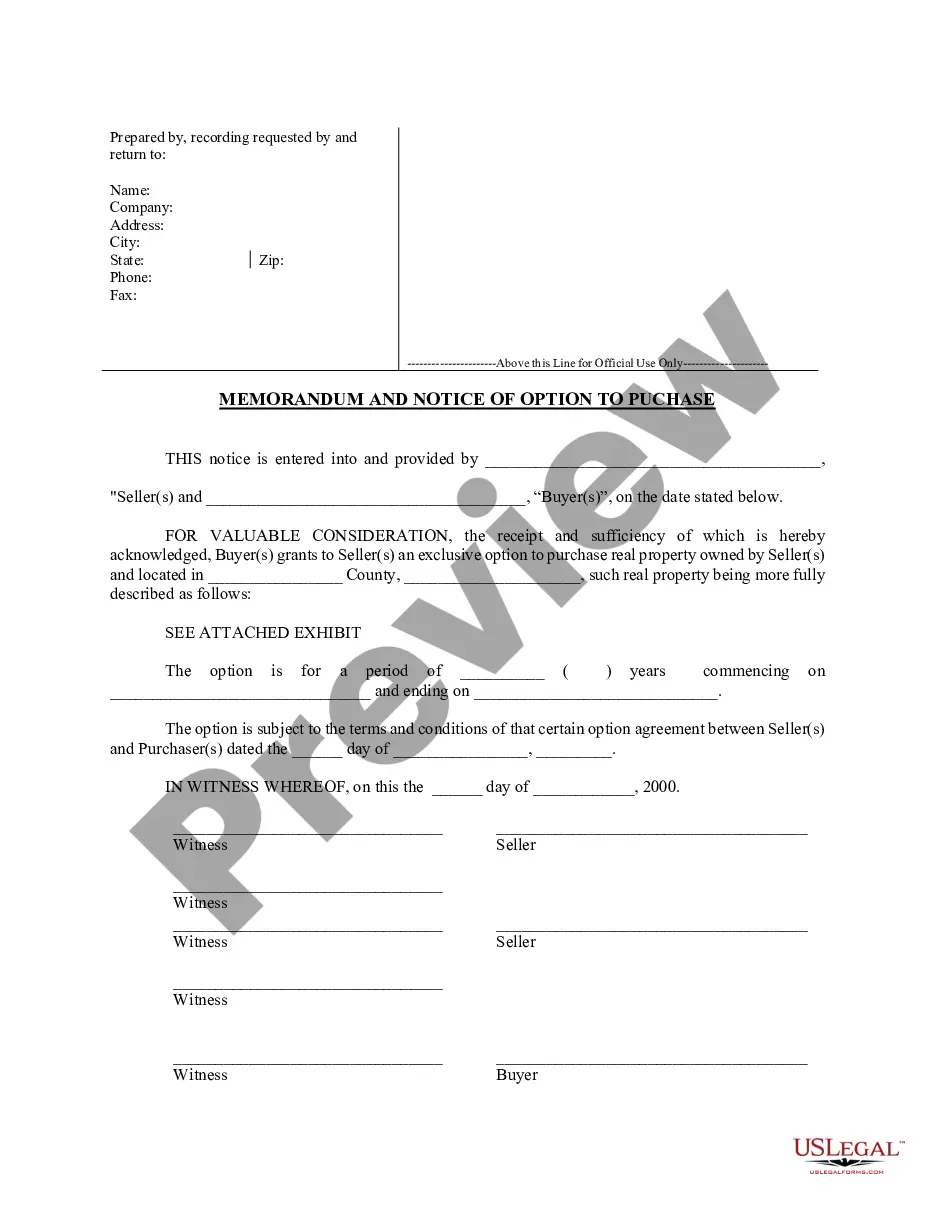
- Prepared by and return information for official use.
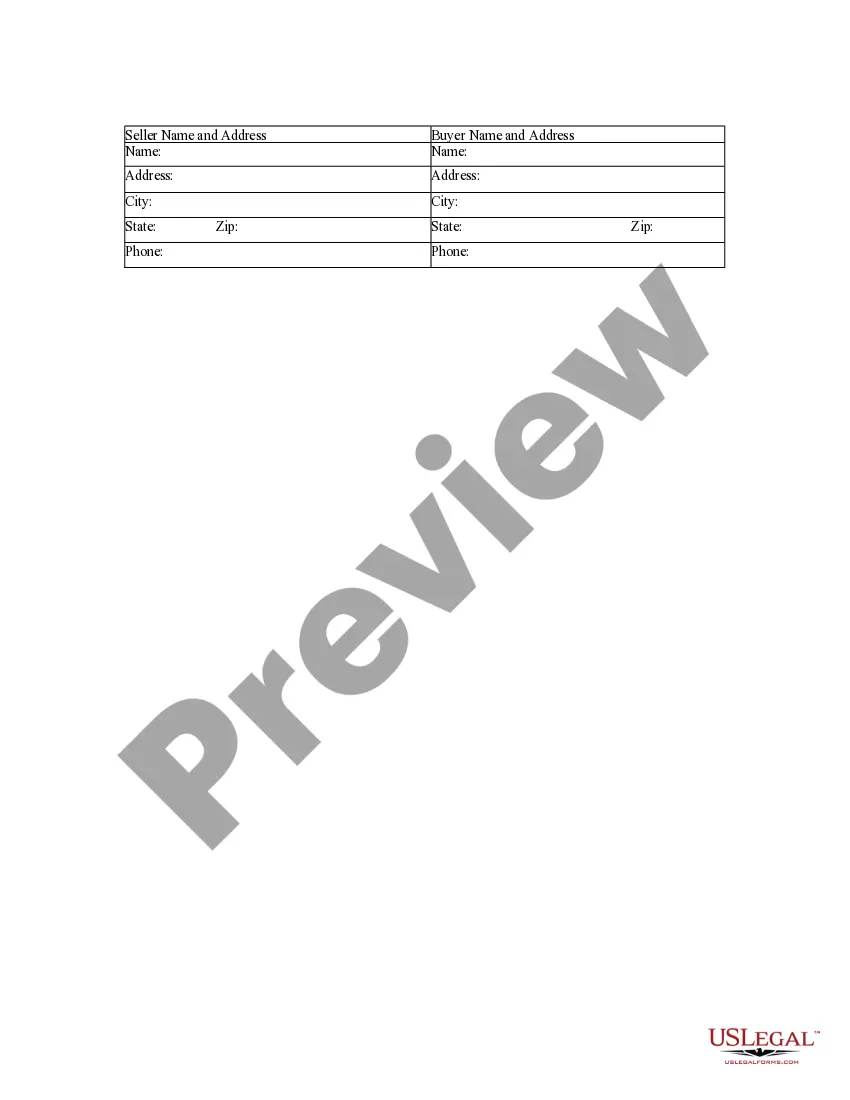
- Seller(s) and Buyer(s) names and details.
- Description of the property, including county and specifics.
- Time frame for which the option is valid, including start and end dates.
- Reference to the original option agreement.
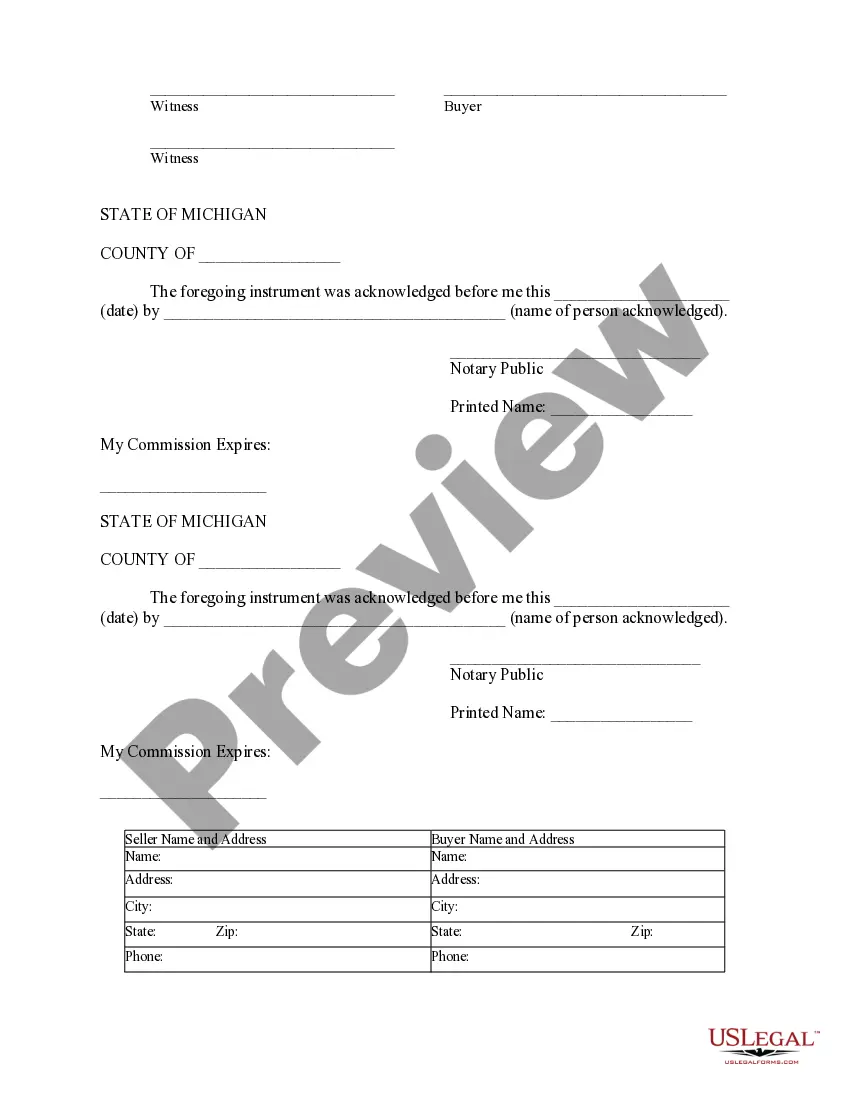
- Signature lines for Seller(s) and Buyer(s), along with witnesses.
- Acknowledgment section for notarization.
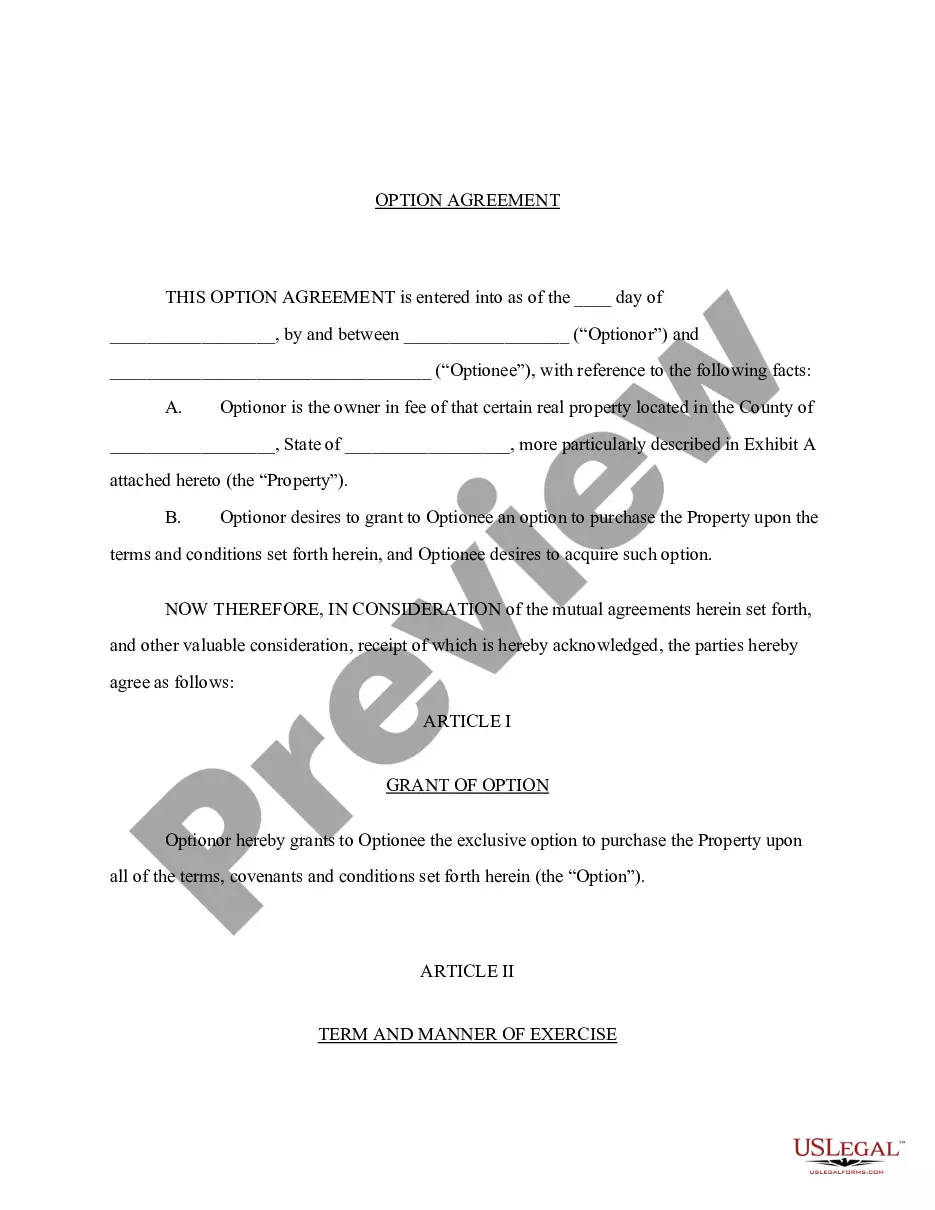
When to use this form
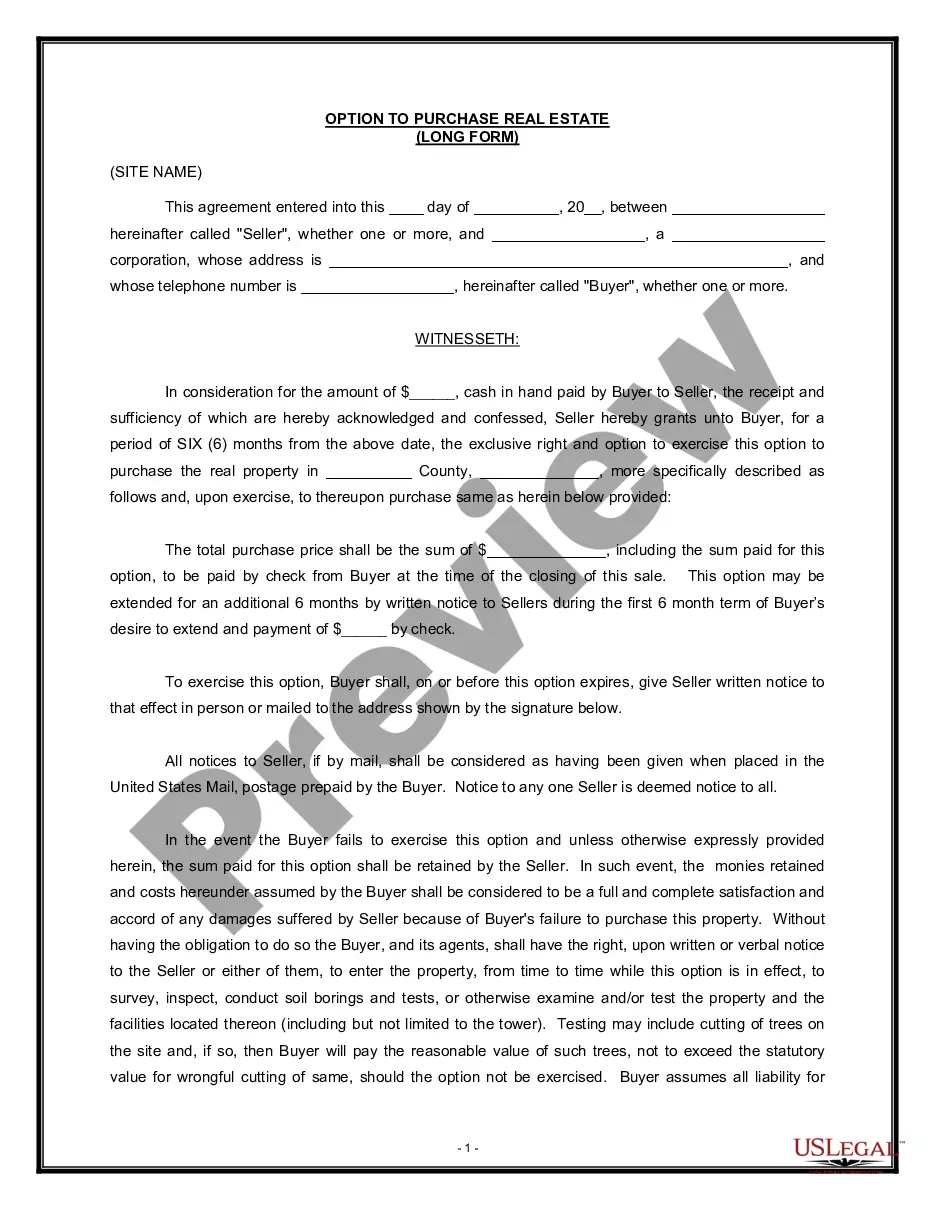
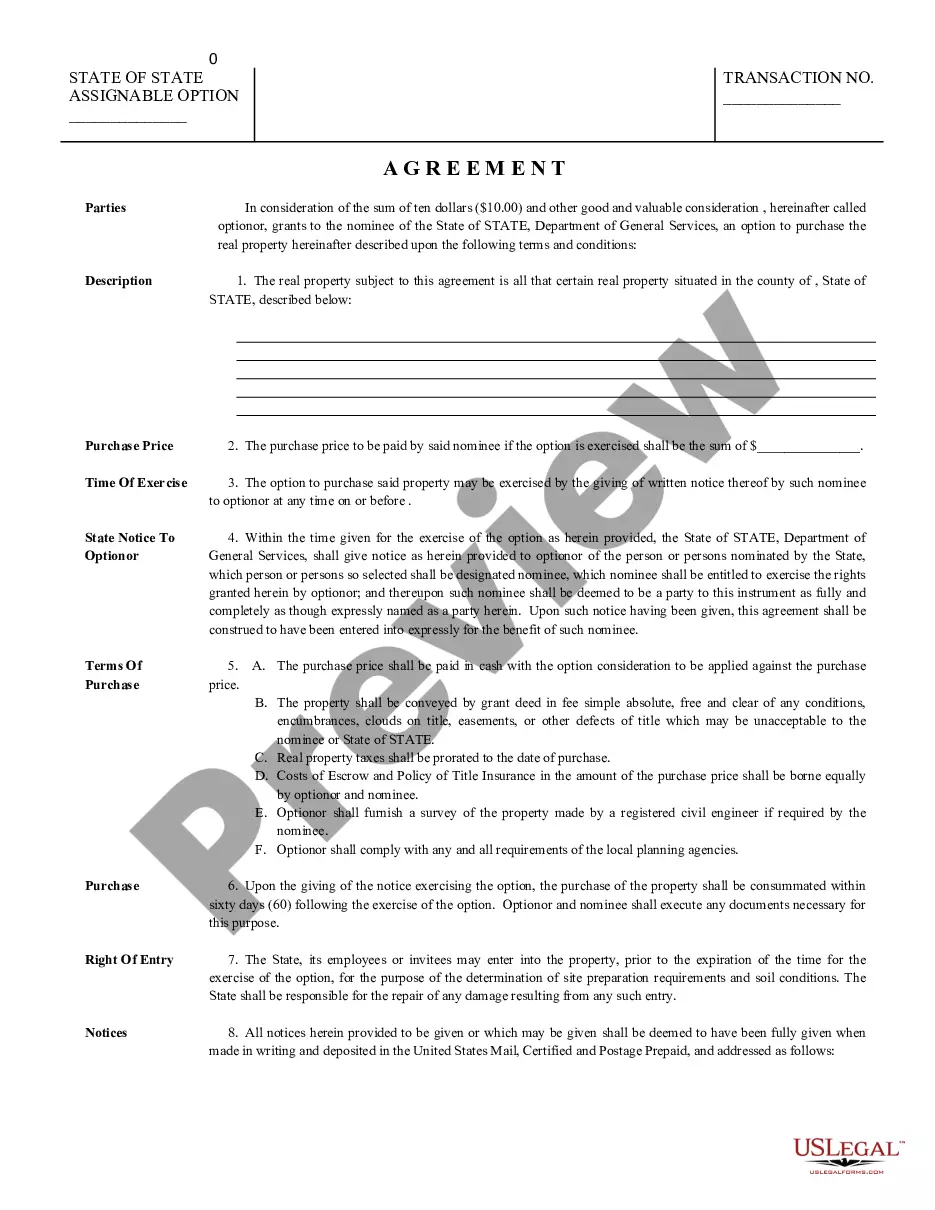
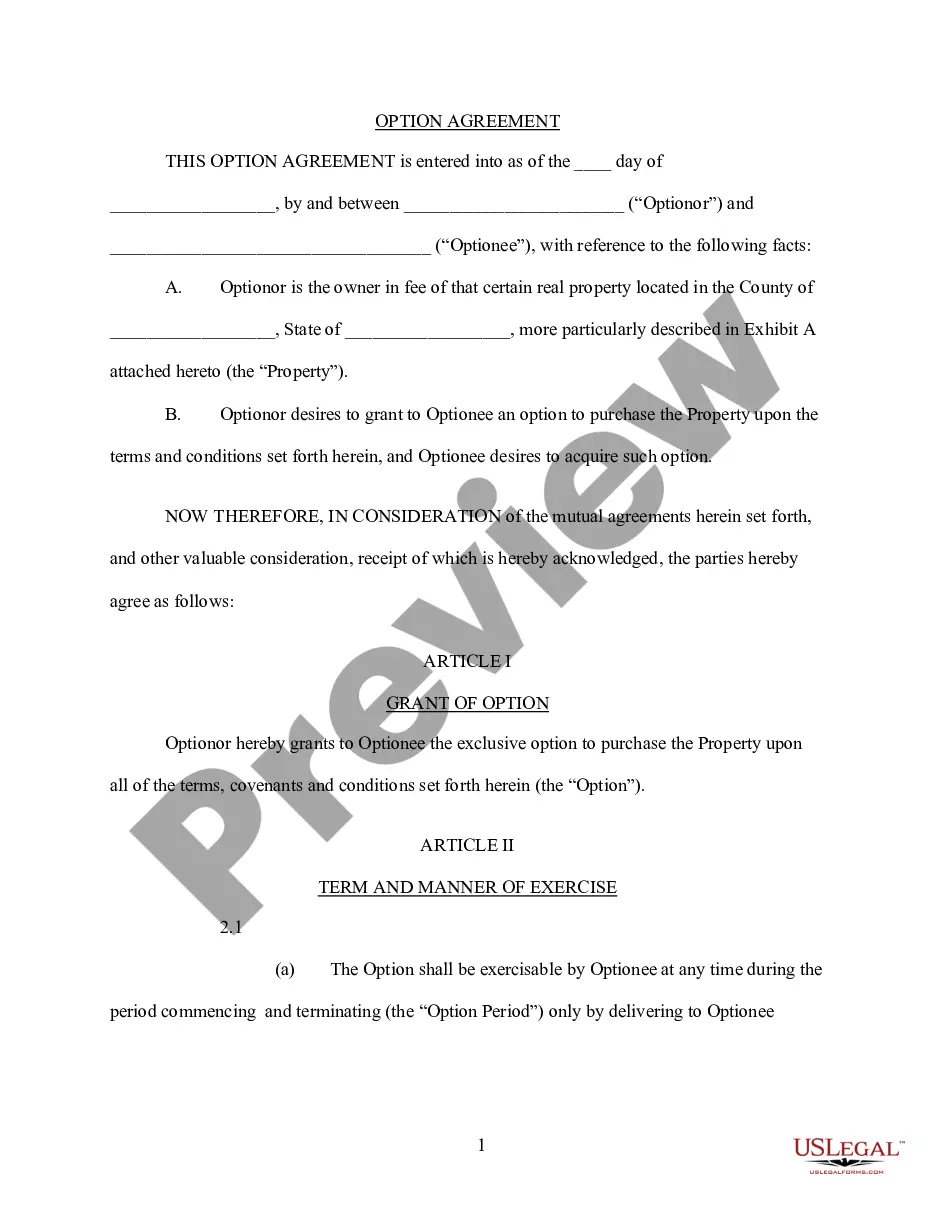
This form is used when a seller grants a buyer an exclusive option to purchase real estate, and there is a need to publicly record the existence of this option. It is particularly useful when the complete Option Agreement contains sensitive details that parties prefer not to disclose in public records.
Intended users of this form
- Property sellers wishing to formalize an option agreement.
- Real estate buyers interested in securing a purchase option.
- Attorneys assisting clients with real estate transactions.
- Anyone involved in negotiations for property purchase agreements.
Completing this form step by step
- Identify the parties involved, including the Seller(s) and Buyer(s).
- Provide the legal description of the property involved.
- Specify the duration of the option in years, including start and end dates.
- Reference the original Option Agreement by including the date.
- Gather signatures from all parties involved alongside witnesses.
- Ensure the document is notarized where required.
Notarization requirements for this form
This document requires notarization to meet legal standards. US Legal Forms provides secure online notarization powered by Notarize, allowing you to complete the process through a verified video call, available 24/7.
Get your form ready online
Our built-in tools help you complete, sign, share, and store your documents in one place.
Make edits, fill in missing information, and update formatting in US Legal Forms—just like you would in MS Word.
Download a copy, print it, send it by email, or mail it via USPS—whatever works best for your next step.
Sign and collect signatures with our SignNow integration. Send to multiple recipients, set reminders, and more. Go Premium to unlock E-Sign.
If this form requires notarization, complete it online through a secure video call—no need to meet a notary in person or wait for an appointment.
We protect your documents and personal data by following strict security and privacy standards.

Make edits, fill in missing information, and update formatting in US Legal Forms—just like you would in MS Word.

Download a copy, print it, send it by email, or mail it via USPS—whatever works best for your next step.

Sign and collect signatures with our SignNow integration. Send to multiple recipients, set reminders, and more. Go Premium to unlock E-Sign.

If this form requires notarization, complete it online through a secure video call—no need to meet a notary in person or wait for an appointment.

We protect your documents and personal data by following strict security and privacy standards.
Mistakes to watch out for
- Not including a complete legal description of the property.
- Failing to specify the correct time frame for the option.
- Omitting any required signatures or witness sections.
- Neglecting to have the form notarized if needed.
Benefits of completing this form online
- Convenient access to a legally sound template prepared by licensed attorneys.
- Editable digital format allows for quick adjustments and filling out.
- Secure access ensures privacy and reliability.
Looking for another form?
Form popularity
FAQ
Filling out a Michigan quit claim deed requires specific information about the grantor, grantee, and the property being transferred. Begin by entering the names and addresses of both parties, followed by a clear description of the property. It is essential to ensure the document complies with Michigan law, where the Michigan Notice of Option for Recording will be beneficial. For quick access to accurate templates and guidance, check out USLegalForms to ensure you're completing the deed correctly.
In Michigan, it is generally illegal to video record someone without their consent in a situation where they have a reasonable expectation of privacy. However, the rules can vary based on the context and location of the recording. If you are unsure about the legality surrounding recording, especially in situations involving the Michigan Notice of Option for Recording, it is wise to consult a legal expert. Being informed can help you navigate these sensitive circumstances properly.
Recording a legal document, such as the Michigan Notice of Option for Recording, means that the document is officially filed with the county clerk's office. This process provides public notice of the document, establishing its validity and priority over other claims. By recording, you help protect your rights and interests in the property. This step is crucial for ensuring that future buyers and lenders are aware of any legal encumbrances.
Yes, you can record a court hearing in Michigan, but you must obtain permission from the court beforehand. The Michigan Notice of Option for Recording outlines the necessary steps to request this authorization. Be sure to clarify the rules and any restrictions that may apply. For assistance through the process, consider legal services that specialize in court procedures.
In Michigan, a 7 day notice is a written eviction notice given to tenants. It informs them of a violation, such as non-payment of rent, and states they have seven days to resolve the issue. The Michigan Notice of Option for Recording can help document the notice process and protect the landlord’s legal rights. Understanding this notice can guide both landlords and tenants in resolving disputes effectively.
Yes, you can use a voice recording as evidence in Family Court in Michigan, provided that it complies with state laws. The Michigan Notice of Option for Recording indicates that recordings made with consent from at least one party may be permissible. However, ensure the recording is relevant to the case at hand. For clarity on this process, consider consulting with legal professionals who understand the nuances of family law.
Real options may be classified into different groups. The most common types are: option to expand, option to abandon, option to wait, option to switch, and option to contract.
The real options approach is an extension of financial options theory to options on real/non-financial assets. Options are contingent decisions that provide the opportunity to make a decision after uncertainty unfolds.Whenever possible, real options valuations are aligned with financial market valuations.
For example, financial option values may never be negative, whereas some real options may have negative underlying asset values.Another significant difference is that information on financial option valuation parameters is often easily available for everyone in the markets.
The author surveys Fortune 1,000 companies to see if they have picked up on the use of real options to complement traditional analysis. Out of 279 respondents, 40 were currently using real options (14.3%). While the percentage is small, the number is higher than in previous studies.