Minnesota Notice of Discovery Conference
Understanding this form
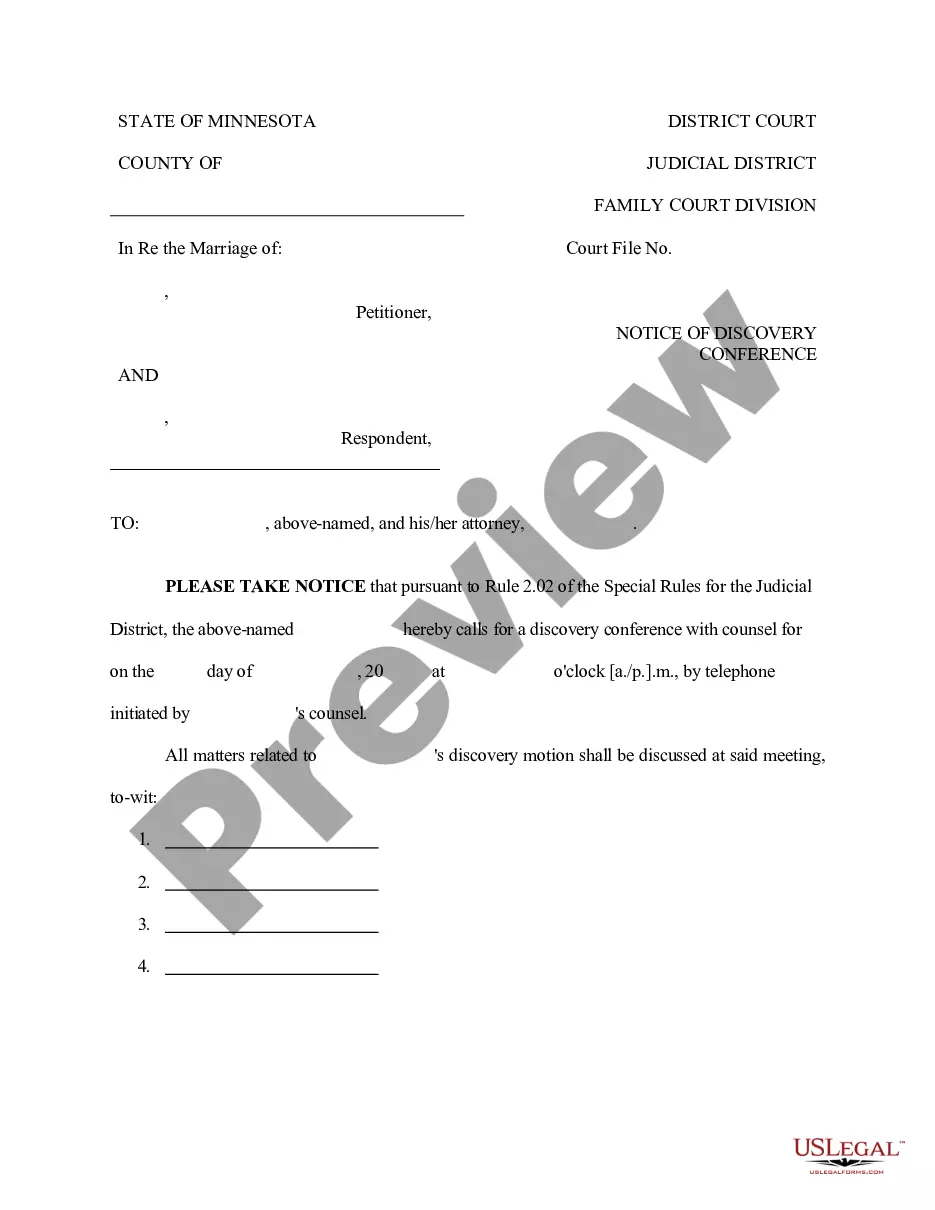
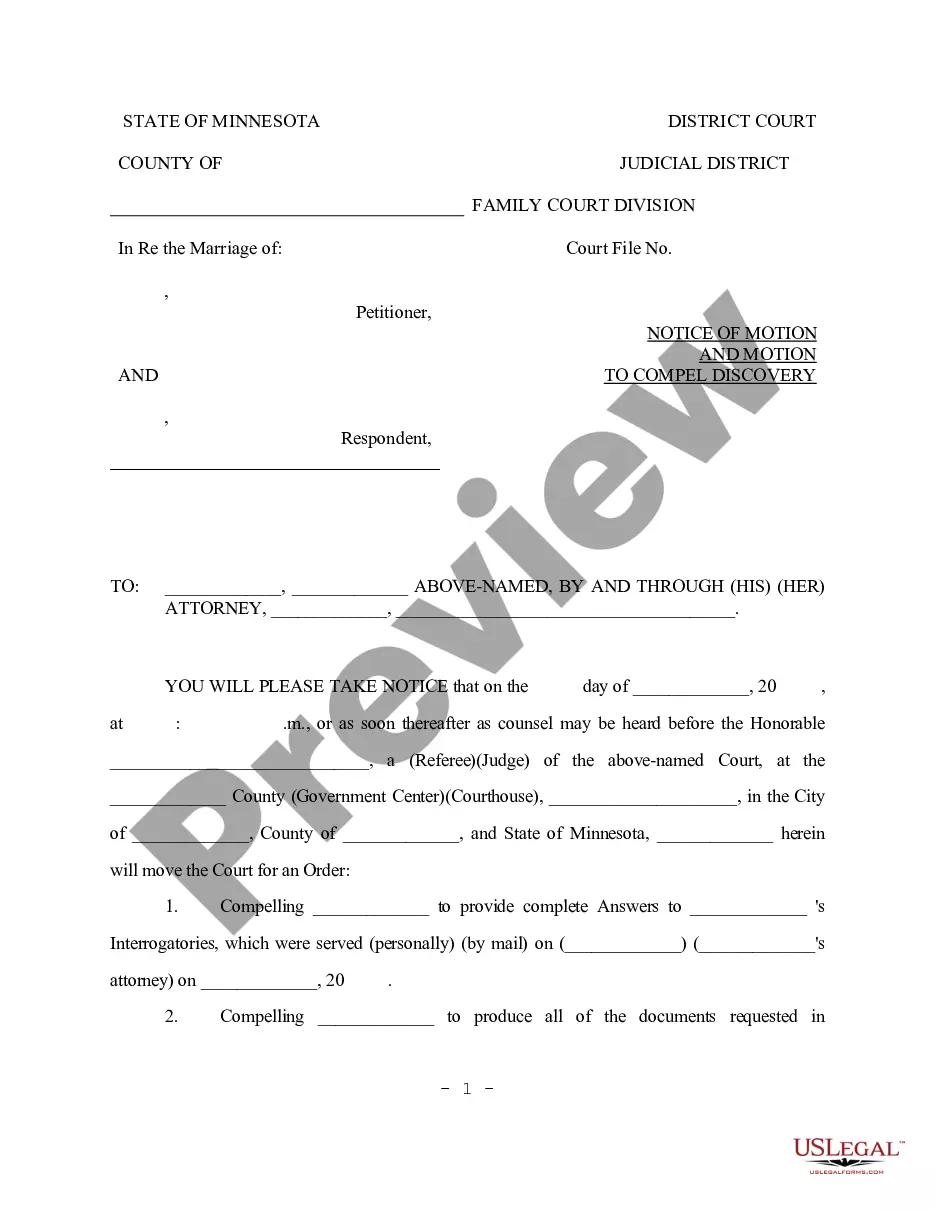
The Notice of Discovery Conference is a legal document used to inform parties about an upcoming conference where important matters related to discovery will be discussed. This form ensures that all relevant issues are highlighted, which differentiates it from other notices as it specifically focuses on discovery discussions required during litigation.
What’s included in this form
- Date of the conference
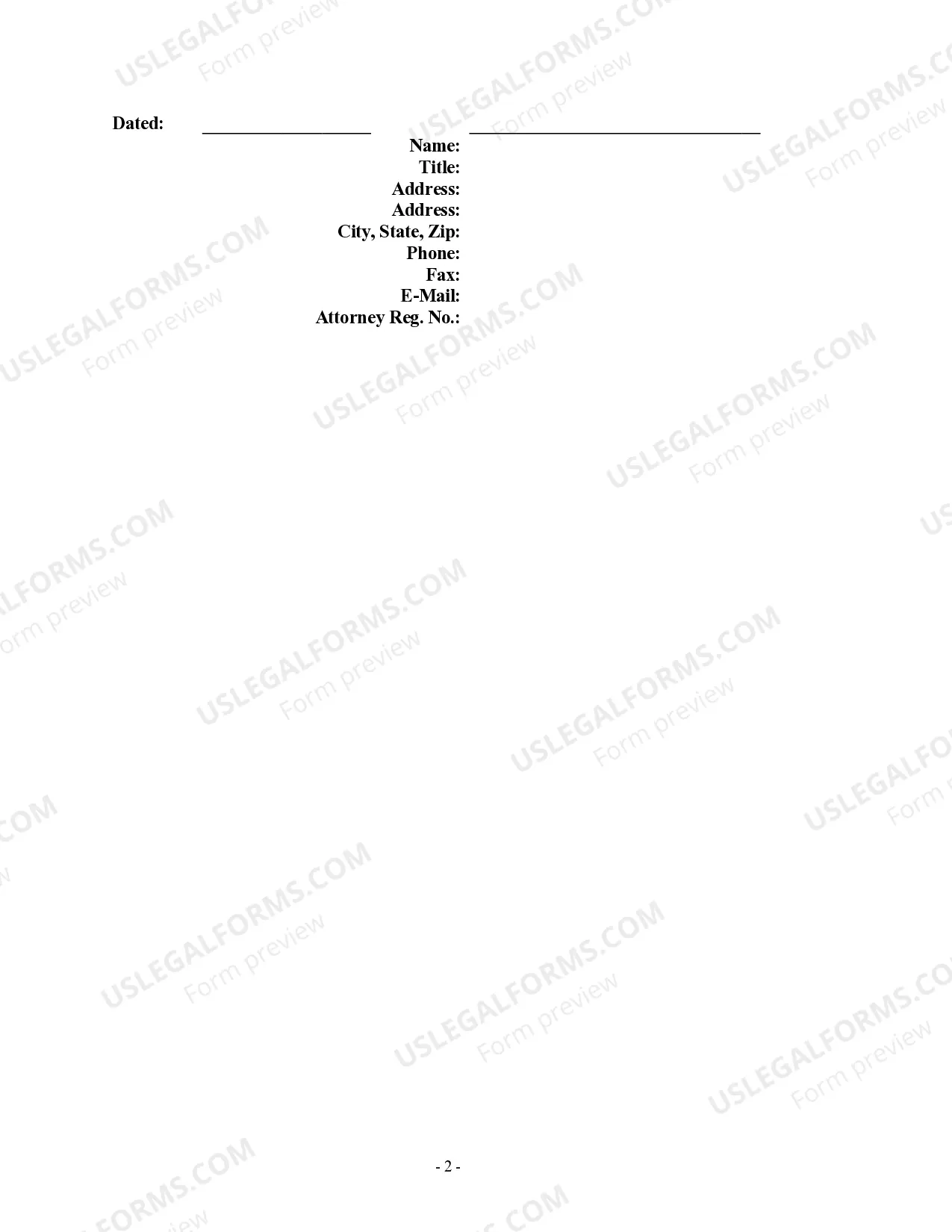
- Name and contact information of the parties involved
- Title of the person sending the notice
- Details regarding the matters to be discussed at the conference
- Optional sections for additional notes
When this form is needed
This form should be used before a scheduled discovery conference in a legal case. It is essential to provide notice to all involved parties, ensuring they are aware of what will be discussed and can prepare accordingly. It is used in both civil and criminal cases where discovery procedures are applicable.
Who needs this form
- Attorneys representing clients in a legal dispute
- Litigants who are self-represented and need to communicate about discovery issues
- Parties in civil or criminal litigation requiring formal notice of discovery conferences
How to complete this form
- Start by entering the date of the conference.
- Fill in the name and contact details of all parties involved.
- Specify the title of the individual sending the notice.
- List all matters related to discovery that will be discussed in the conference.
- Review the form for accuracy before sending it to the involved parties.
Notarization guidance
This form does not typically require notarization to be legally valid. However, some jurisdictions or document types may still require it. US Legal Forms provides secure online notarization powered by Notarize, available 24/7 for added convenience.
Get your form ready online
Our built-in tools help you complete, sign, share, and store your documents in one place.
Make edits, fill in missing information, and update formatting in US Legal Forms—just like you would in MS Word.
Download a copy, print it, send it by email, or mail it via USPS—whatever works best for your next step.
Sign and collect signatures with our SignNow integration. Send to multiple recipients, set reminders, and more. Go Premium to unlock E-Sign.
If this form requires notarization, complete it online through a secure video call—no need to meet a notary in person or wait for an appointment.
We protect your documents and personal data by following strict security and privacy standards.

Make edits, fill in missing information, and update formatting in US Legal Forms—just like you would in MS Word.

Download a copy, print it, send it by email, or mail it via USPS—whatever works best for your next step.

Sign and collect signatures with our SignNow integration. Send to multiple recipients, set reminders, and more. Go Premium to unlock E-Sign.

If this form requires notarization, complete it online through a secure video call—no need to meet a notary in person or wait for an appointment.

We protect your documents and personal data by following strict security and privacy standards.
Typical mistakes to avoid
- Failing to include all parties involved in the case.
- Not specifying the conference date clearly.
- Overlooking the listing of discovery matters to be discussed.
Benefits of completing this form online
- Easy access and immediate download for quick use.
- Editable templates allow customization for specific needs.
- Reliable formatting that meets legal standards.
Looking for another form?
Form popularity
FAQ
The rule of civil procedure 69 in Minnesota focuses on the execution of judgments and the means by which a judgment creditor can enforce their rights. This rule outlines various methods available for collecting debts owed after a court decision. Understanding this rule during the Minnesota Notice of Discovery Conference can empower parties to negotiate effectively and consider potential enforcement scenarios.
Rule 609 in Minnesota addresses the use of prior convictions to impeach a witness's credibility. This rule specifies the circumstances under which such evidence is admissible in court. Being aware of Rule 609 can significantly impact discussions during the Minnesota Notice of Discovery Conference, as it shapes strategies around witness credibility and evidence presentation.
Rule 69 law in Minnesota deals with the enforcement of judgments and outlines the procedures for executing a judgment. This rule is crucial for parties seeking to collect their dues after a trial or settlement. During the Minnesota Notice of Discovery Conference, understanding Rule 69 can help both parties navigate potential outcomes and make informed decisions regarding enforcement.
Rule 63.03 in Minnesota's civil procedure outlines the role of a judge in a case when the original judge becomes unable to continue. This rule ensures that cases can proceed even if there are changes in the judicial assignment. Familiarity with this rule can be beneficial during the Minnesota Notice of Discovery Conference, providing clarity on the proceedings and maintaining the momentum of the case.
Rule 69 execution in Minnesota pertains to the enforcement of a judgment. This rule provides the process for a party to follow in order to collect what is owed after a court has ruled in their favor. Understanding this rule is essential during the Minnesota Notice of Discovery Conference, as it influences how parties may negotiate settlements or prepare for enforcement actions.
Rule 68 in Minnesota allows a party to make a settlement offer to the opposing party before a trial. If the opposing party does not accept the offer and fails to obtain a better outcome at trial, they may be responsible for the costs incurred after the offer. This rule serves as a strategic tool in the Minnesota Notice of Discovery Conference, encouraging parties to resolve disputes efficiently and avoid lengthy litigation.
To obtain a discovery request in Minnesota, you need to follow the guidelines set forth in the Minnesota Notice of Discovery Conference rules. Start by preparing your discovery documents, which may include requests for documents, interrogatories, or admissions. Next, you should file these documents with the court and serve them to the opposing party. Utilizing platforms like US Legal Forms can streamline this process, ensuring you have the proper forms and guidance to effectively navigate your Minnesota Notice of Discovery Conference.
Rule 69 in Minnesota pertains to the discovery process in civil litigation, requiring parties to exchange relevant information before trial. This rule promotes transparency and fairness, allowing both sides to prepare adequately. If you are involved in a legal case, understanding Rule 69 is crucial for your strategy. The Minnesota Notice of Discovery Conference can guide you through the complexities of this rule and help you prepare effectively.