Maine Sworn Closing Statement by Representative - Small Estates
Overview of this form
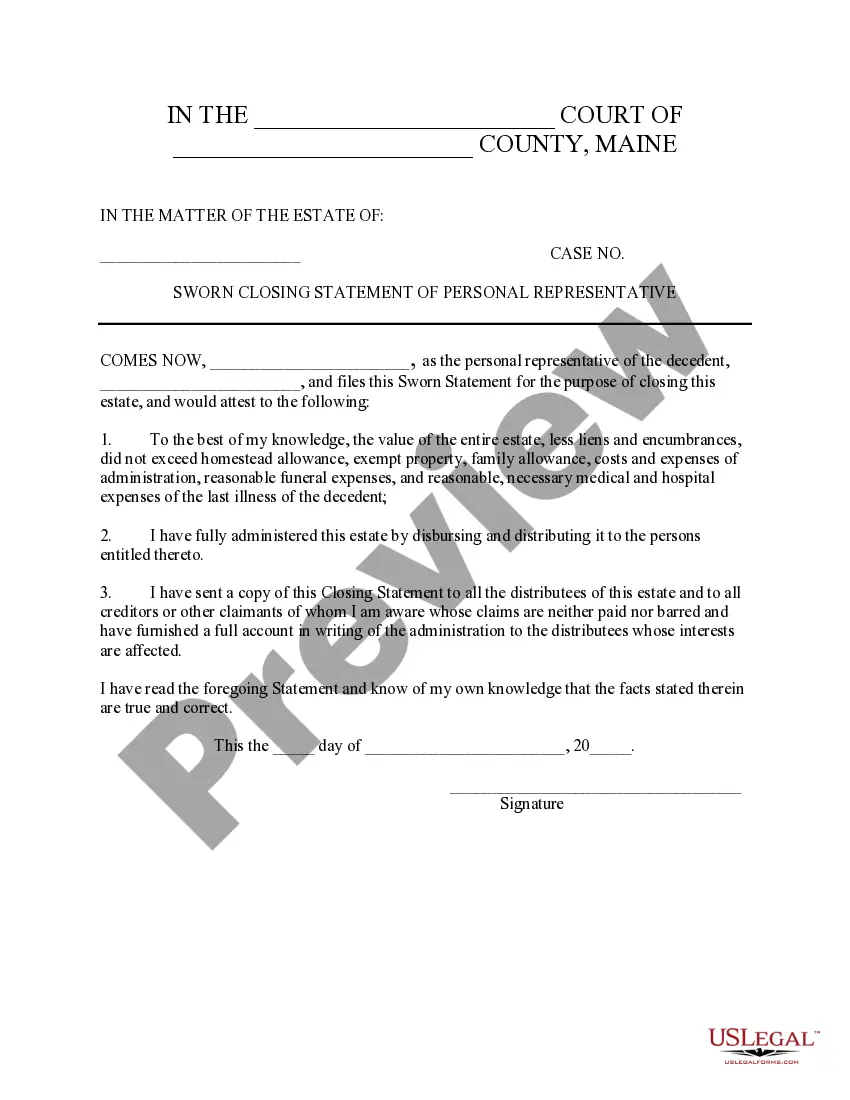
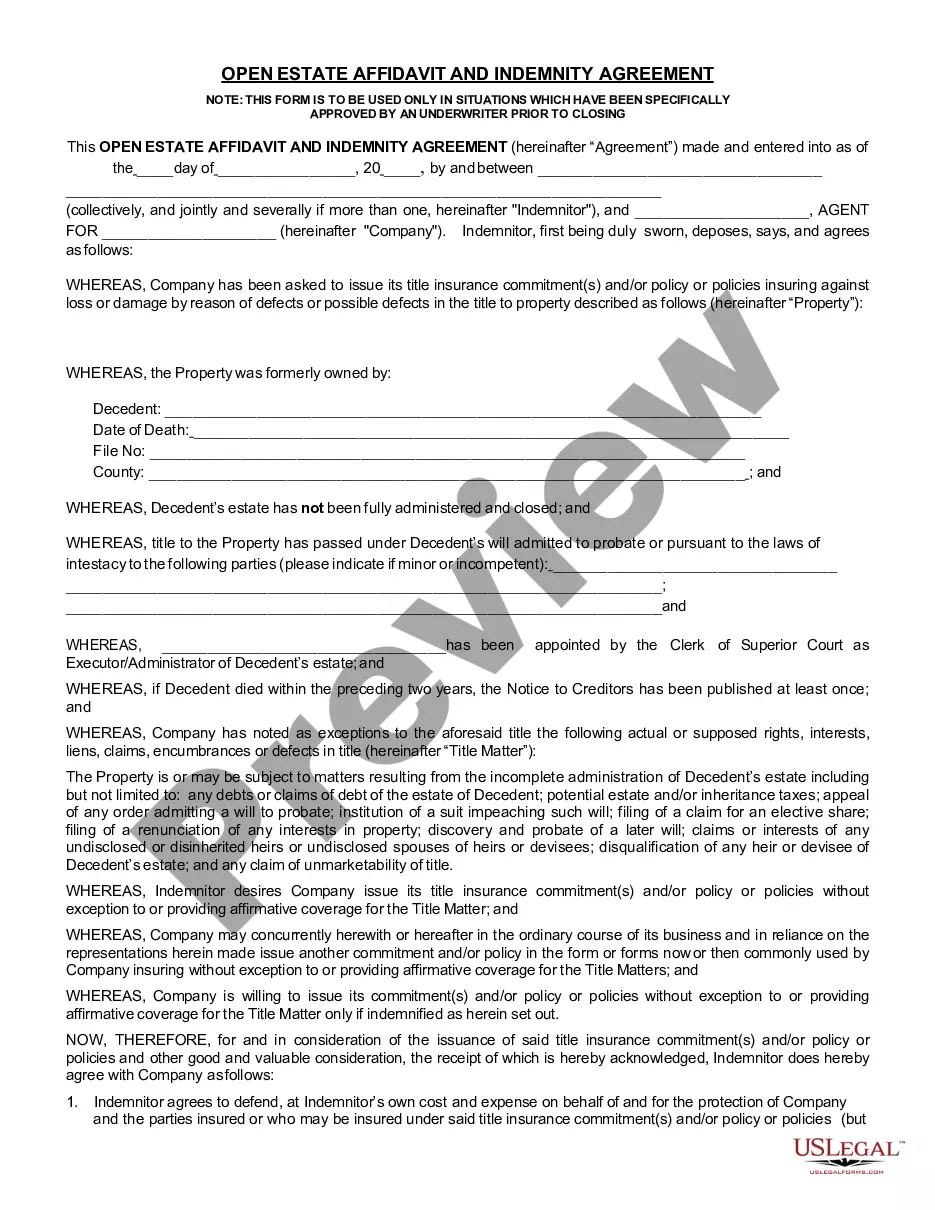
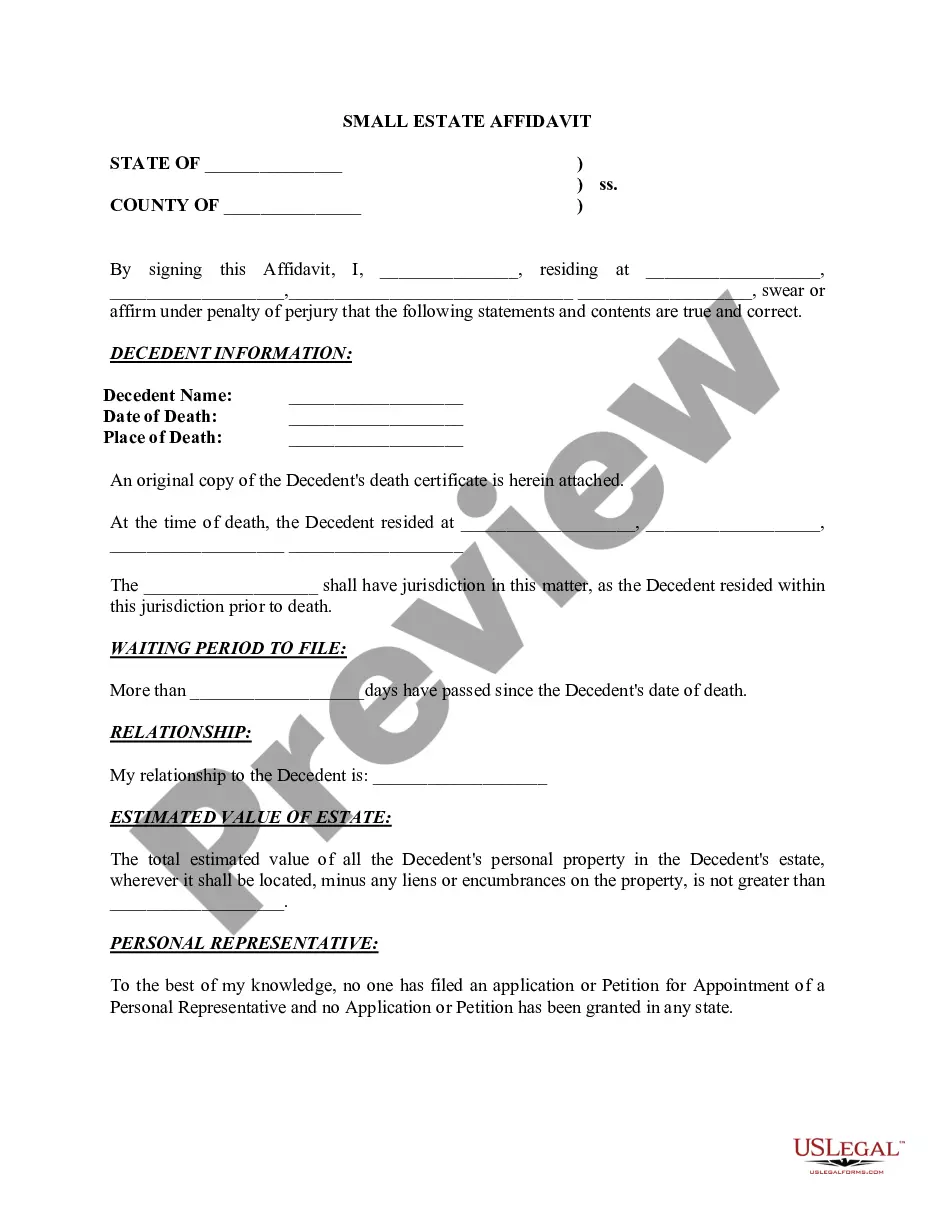
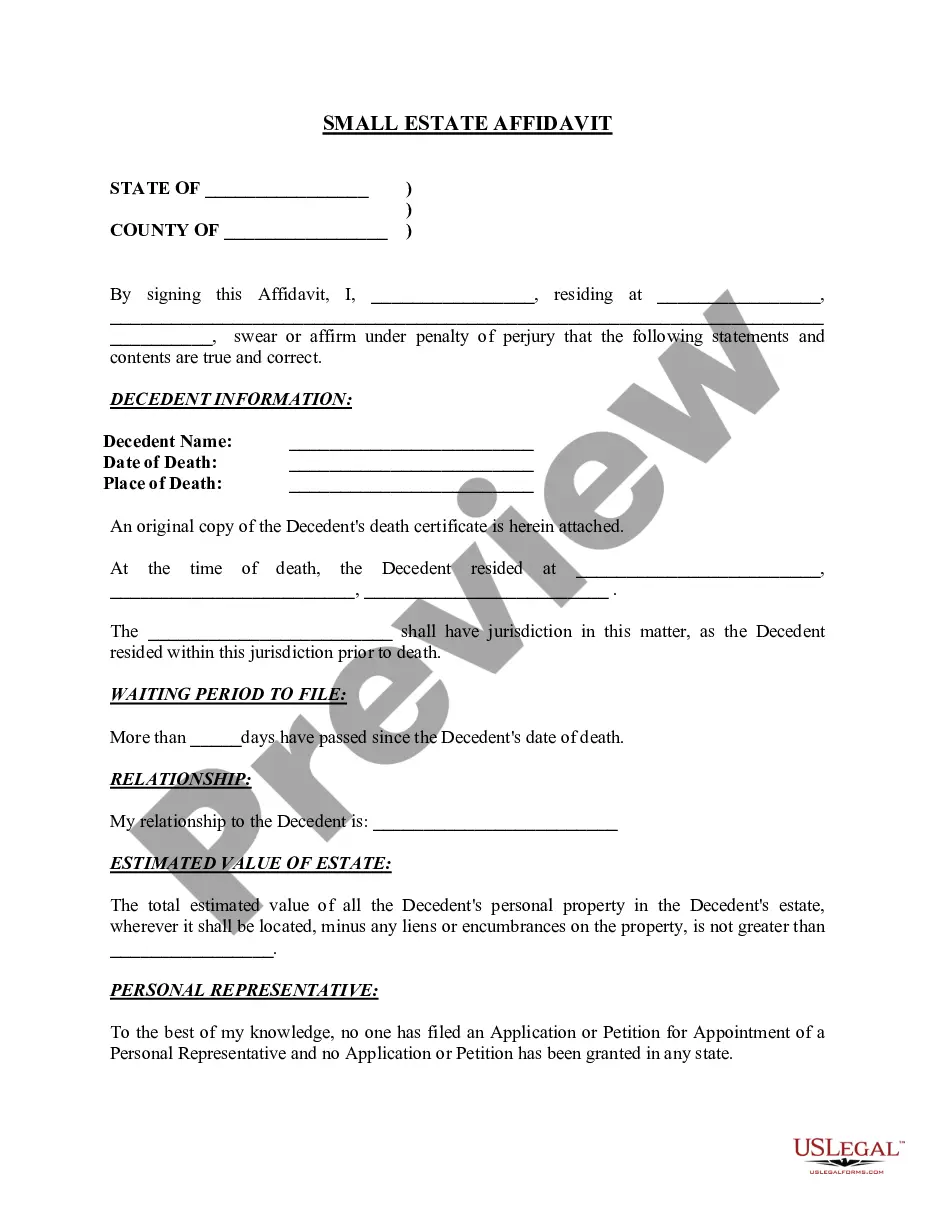
The Sworn Closing Statement by Representative - Small Estates is a legal form used in Maine to close a decedent's estate without the need for court approval under specific conditions. This form is particularly beneficial for estates that fall below a certain value threshold, allowing personal representatives to distribute assets immediately after settling debts and obligations. It serves a distinct purpose compared to other estate closing forms by enabling streamlined processes for small estates, thus simplifying the administration for personal representatives and heirs.
Key components of this form
- Identification of the decedent and estate case number.
- Declaration of the estate's value, excluding certain allowances and expenses.
- Confirmation of the asset distribution to rightful heirs.
- Notification to all interested parties, including distributees and creditors.
- Personal representative's signature and date of the statement.
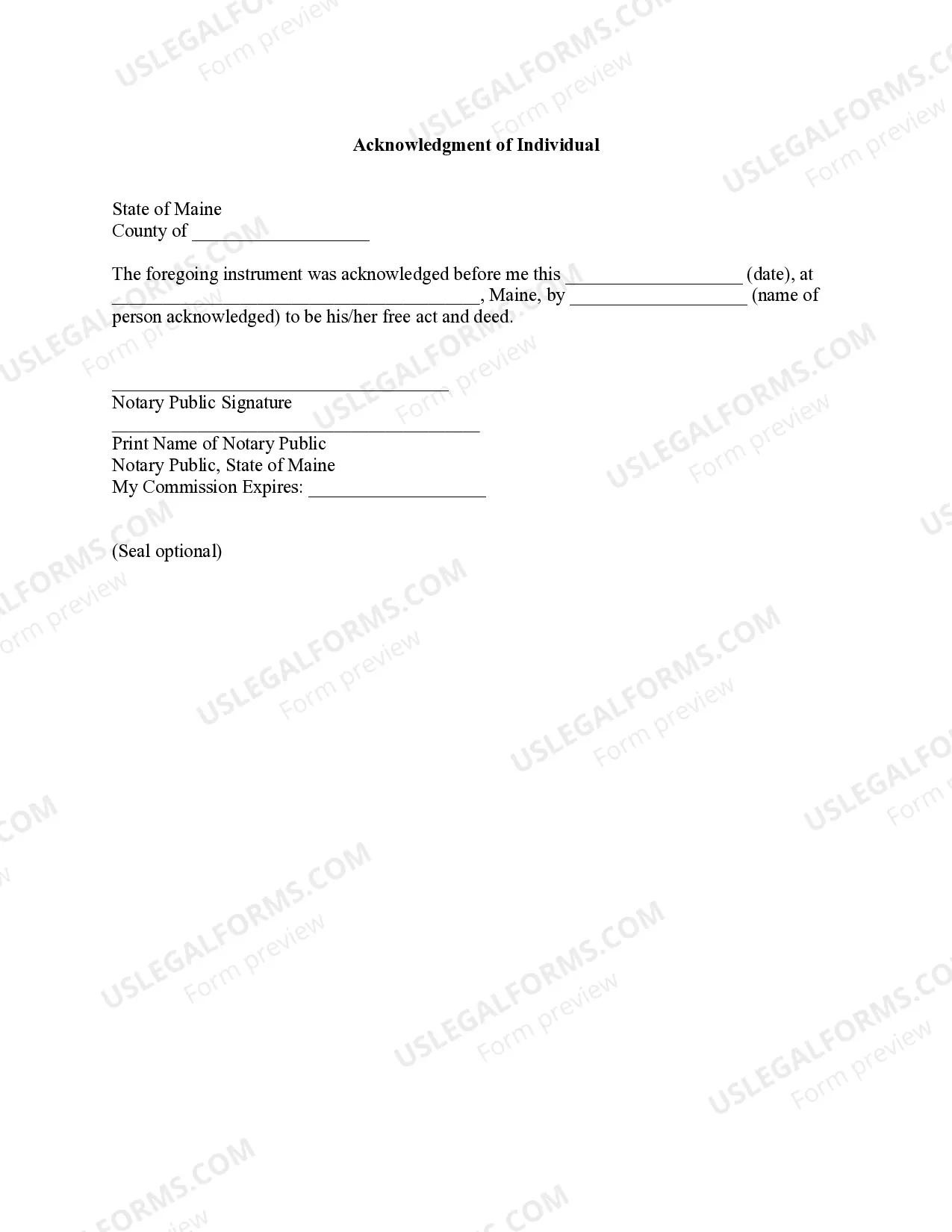
- Acknowledgment section for notarization by a public notary.

When to use this document
This form is used when a personal representative of a decedent wishes to close the estate after distributing its assets, provided that the estate's total value does not exceed the legally defined exemptions and allowances in Maine. Situations may include small estates where debts are settled, and the representative has notified all claimants and distributees, allowing for an expedited closing process without additional court involvement.
Who needs this form
- Personal representatives or executors of a decedent's estate in Maine.
- Individuals managing small estates where the total value allows for distribution without court approval.
- Heirs or beneficiaries who have received their share of the estate from the personal representative.
How to prepare this document
- Fill in the decedent's name and case number at the top of the form.
- Declare the total value of the estate and confirm that it meets Maine's small estate criteria.
- Distribute the estate's assets and note that all entitled individuals have received their shares.
- Provide notification to all interested parties and maintain records of these communications.
- Sign and date the form as the personal representative, then have it notarized by a public notary.
Does this document require notarization?
Notarization is required for this form to take effect. Our online notarization service, powered by Notarize, lets you verify and sign documents remotely through an encrypted video session, available 24/7.
Get your form ready online
Our built-in tools help you complete, sign, share, and store your documents in one place.
Make edits, fill in missing information, and update formatting in US Legal Forms—just like you would in MS Word.
Download a copy, print it, send it by email, or mail it via USPS—whatever works best for your next step.
Sign and collect signatures with our SignNow integration. Send to multiple recipients, set reminders, and more. Go Premium to unlock E-Sign.
If this form requires notarization, complete it online through a secure video call—no need to meet a notary in person or wait for an appointment.
We protect your documents and personal data by following strict security and privacy standards.

Make edits, fill in missing information, and update formatting in US Legal Forms—just like you would in MS Word.

Download a copy, print it, send it by email, or mail it via USPS—whatever works best for your next step.

Sign and collect signatures with our SignNow integration. Send to multiple recipients, set reminders, and more. Go Premium to unlock E-Sign.

If this form requires notarization, complete it online through a secure video call—no need to meet a notary in person or wait for an appointment.

We protect your documents and personal data by following strict security and privacy standards.
Mistakes to watch out for
- Not including all required signatures, particularly the personal representative's.
- Failing to notify all distributees or creditors, leading to potential disputes.
- Incorrectly stating the total value of the estate, which could invalidate the form.
- Neglecting to have the form notarized, which may be necessary for its validity.
Advantages of online completion
- Immediate access to a reliable, attorney-drafted legal form, ensuring compliance with state laws.
- Convenient downloading option allows for quick completion and filing.
- Editability enables personal representatives to fill in the form accurately and tailor it to specific cases.
- The online platform offers a secure environment for storing and accessing legal documents.
Legal use & context
- This form legally validates the closure of a decedent's estate under applicable Maine law.
- Ensures all parties involved are informed and that assets are handled appropriately.
- Facilitates a smooth transition for heirs and prevents potential legal disputes.
Main things to remember
- The Sworn Closing Statement allows for the expedited closure of small estates in Maine.
- Proper completion and notarization of the form are crucial for its legal effectiveness.
- Notification of affected parties is an essential step in the process.
- The form helps ensure compliance with state law, simplifying the administrative burden on personal representatives.
Looking for another form?
Form popularity
FAQ
To fill out a Maine small estate affidavit, begin by gathering the necessary information about the deceased, including their assets and liabilities. Use the Maine Sworn Closing Statement by Representative - Small Estates form, which is designed to simplify this process. Make sure to provide all required details accurately, as this ensures smooth processing. If you feel uncertain, US Legal Forms offers templates and guidance to help you complete the affidavit with confidence.
Is Probate Required in Maine? Much of the time, probate will be necessary for estates in Maine. The court is required to ensure the assets of the estate are handled as directed by the will or by state law. Some assets may be exempt from probate with automatic transfer to the heirs.
However, being an executor can be a time-consuming job that can take weeks or even months. That's why most executors are entitled to receive some sort of payment for their services, either through the terms of the will or by state law.
The fee varies depending on the size of the estate from $20.00 for an estate of $10,000 or less to $950.00 for an estate of $2,000,000 plus $100.00 for each additional $500,000.
In Maine, each county has its own probate court. If there is a Will, it needs to be submitted to the probate court.If the decedent did not have a Will, the estate is distributed according to Maine's intestacy law. The probate court will supervise the Personal Representative during the probate process.
A personal representative in California is entitled to compensation for ordinary services provided to the estate. California Probate Code § 10800. These fees are also called statutory fees, because they are provided by statute.
A personal representative is appointed by a judge to oversee the administration of a probate estate.When a personal representative is nominated to the position in a will, he's commonly called the executor of the estate.
The executor is entitled to 5% of the first $200,000 of corpus; 3.5% of the excess over $200,000 up to $1,000,000; and 2% of the excess of the corpus over $1,000,000. From a practical standpoint, using my example of a $400,000 estate, my hypothetical executor would be entitled to a commission of $17,000.
Notify all creditors. File tax returns and pay final taxes. File the final accounting with the probate court. Distribute remaining assets to beneficiaries. File a closing statement with the court.
In Maine, you can make a living trust to avoid probate for virtually any asset you ownreal estate, bank accounts, vehicles, and so on. You need to create a trust document (it's similar to a will), naming someone to take over as trustee after your death (called a successor trustee).