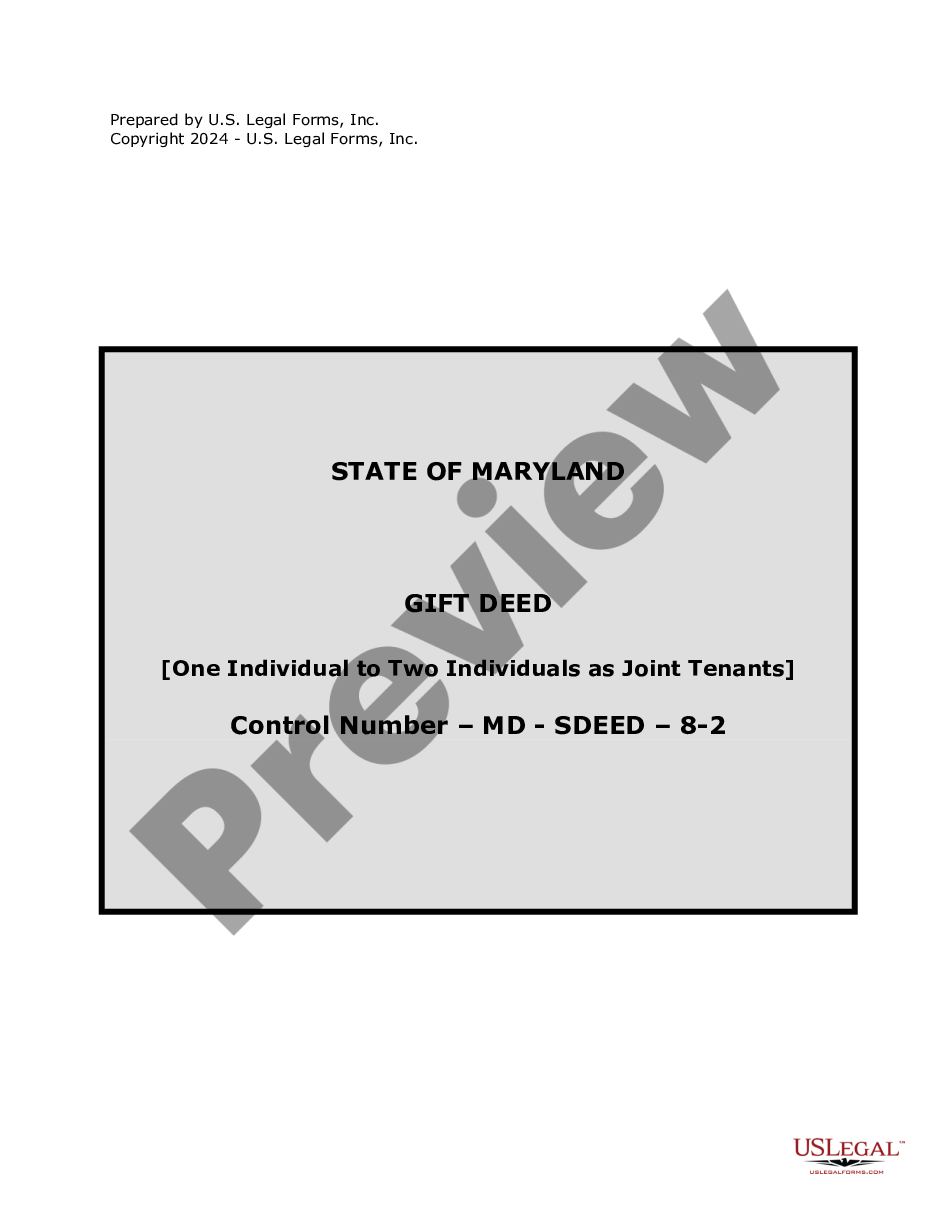
Maryland Gift Deed - One Individual to Two Individuals as Joint Tenants
Overview of this form
The Gift Deed - One Individual to Two Individuals as Joint Tenants is a legal document used to transfer ownership of property from a single grantor to two grantees who will hold the title as joint tenants. This form is distinct in that it allows for the right of survivorship, meaning if one tenant passes away, the ownership automatically shifts to the surviving tenant without the need for probate. This makes it a useful estate planning tool for individuals wishing to make a gift of property to multiple parties while ensuring a smooth transition of ownership in the event of death.
What’s included in this form
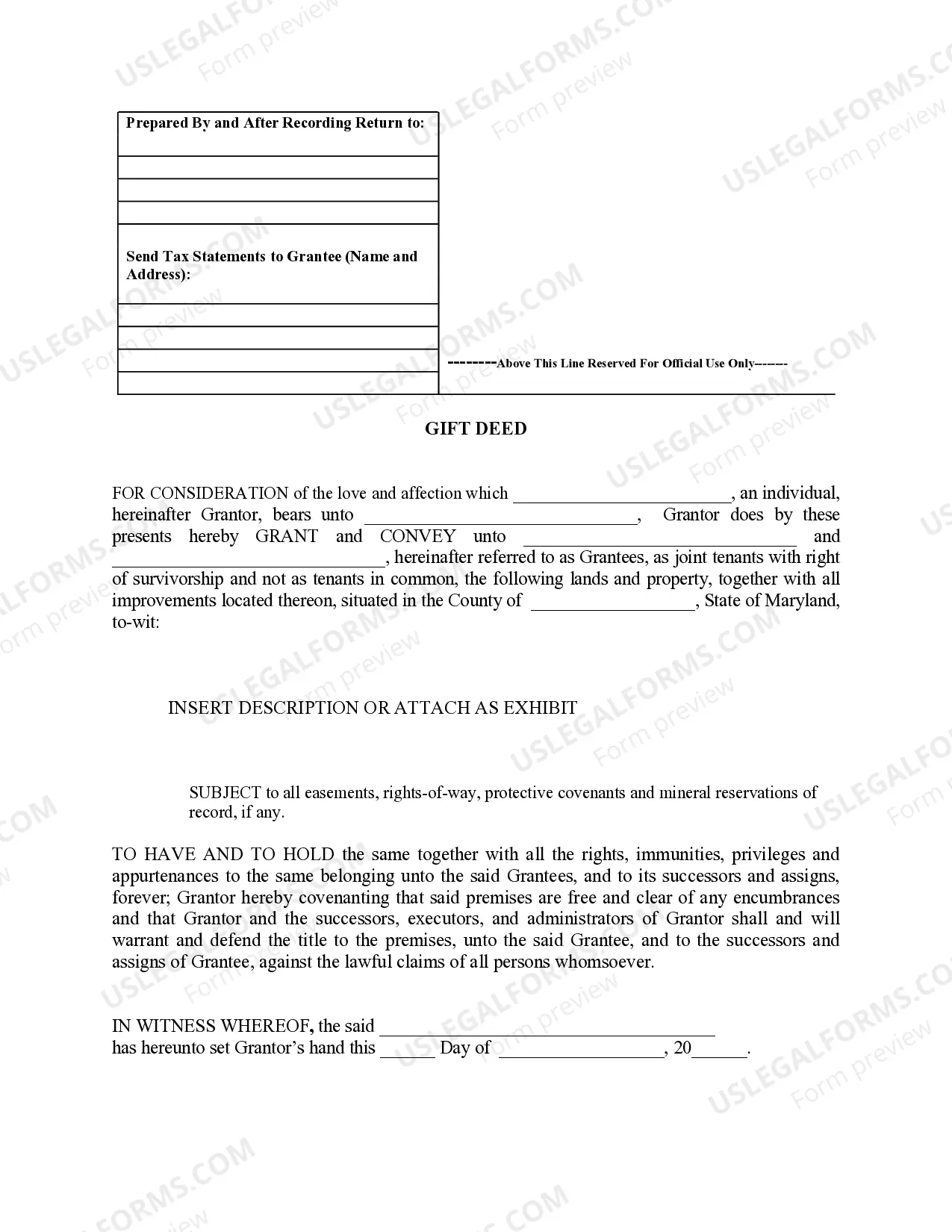
- Grantor and Grantee information: Includes details about the individual giving the gift and the two individuals receiving it.
- Property description: Specifies the exact property being transferred, which may be detailed in a legal description.
- Covenant clause: Assures that the property is free from encumbrances and that the grantor will defend the title.
- Right of survivorship: Explicitly states that the grantees hold title as joint tenants with rights of survivorship.
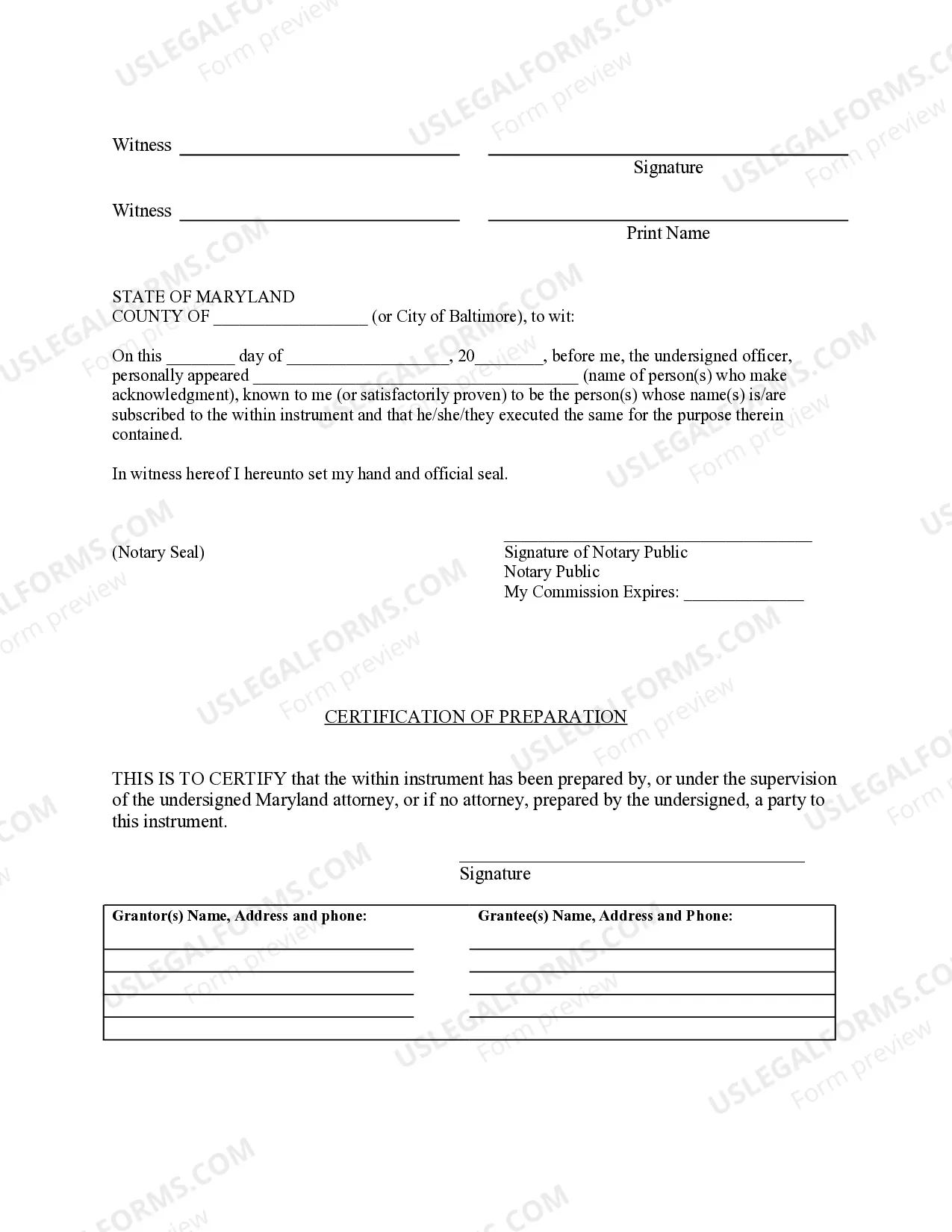
- Notarization section: Requires acknowledgment by a notary public to validate the signing of the deed.




Situations where this form applies
This form should be used when an individual wishes to transfer ownership of real estate or property as a gift to two people, allowing them to hold the property together as joint tenants. It's particularly relevant during estate planning or gifting scenarios, especially when the grantor wants to maintain family harmony and avoid potential disputes over property division in the future.
Who needs this form
- Individuals looking to gift property to two other individuals.
- Property owners wanting to establish joint ownership with rights of survivorship.
- Those involved in estate planning who want to simplify the transfer of ownership upon death.
Instructions for completing this form
- Identify the grantor: Fill in the name of the individual transferring the property.
- List the grantees: Enter the names of the two individuals receiving the property.
- Describe the property: Provide a detailed description or attach an exhibit with property details.
- Indicate the date: Enter the date on which the transfer is taking place.
- Sign in front of a notary: Ensure both the grantor and witnesses sign the form before a notary public.
Is notarization required?
Yes, this form must be notarized to be legally valid. U.S. Legal Forms offers integrated online notarization services, allowing users to complete this process securely via video call at any time without needing to travel.
Get your form ready online
Our built-in tools help you complete, sign, share, and store your documents in one place.
Make edits, fill in missing information, and update formatting in US Legal Forms—just like you would in MS Word.
Download a copy, print it, send it by email, or mail it via USPS—whatever works best for your next step.
Sign and collect signatures with our SignNow integration. Send to multiple recipients, set reminders, and more. Go Premium to unlock E-Sign.
If this form requires notarization, complete it online through a secure video call—no need to meet a notary in person or wait for an appointment.
We protect your documents and personal data by following strict security and privacy standards.

Make edits, fill in missing information, and update formatting in US Legal Forms—just like you would in MS Word.

Download a copy, print it, send it by email, or mail it via USPS—whatever works best for your next step.

Sign and collect signatures with our SignNow integration. Send to multiple recipients, set reminders, and more. Go Premium to unlock E-Sign.

If this form requires notarization, complete it online through a secure video call—no need to meet a notary in person or wait for an appointment.

We protect your documents and personal data by following strict security and privacy standards.
Avoid these common issues
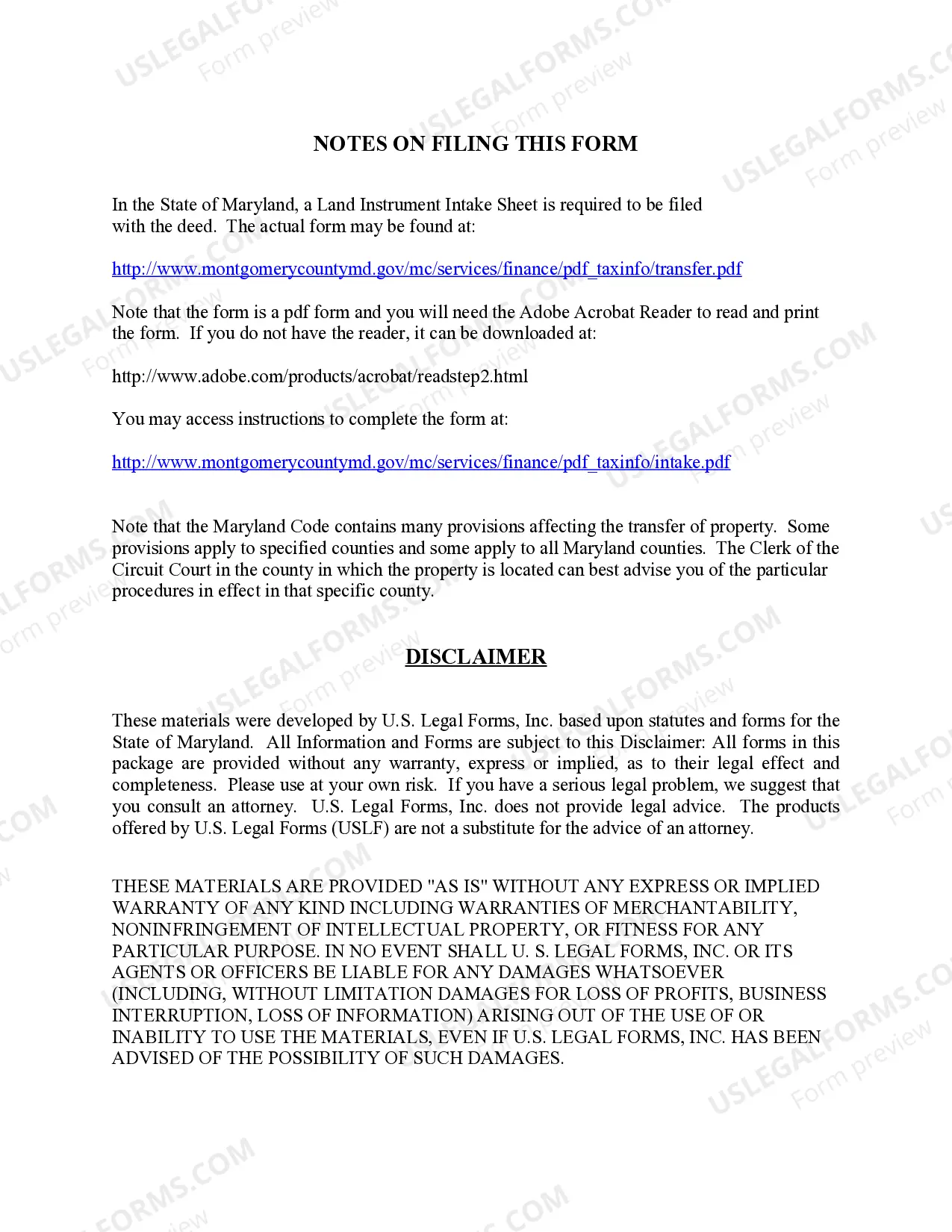
- Failing to properly describe the property can lead to voided transfers.
- Not having the deed notarized, which is essential for legal validation in Maryland.
- Missing signatures or witness requirements can delay processing.
Benefits of completing this form online
- Convenient access: Download the form at any time from any location.
- Editable fields: Complete the form digitally to avoid handwritten errors.
- Instant availability: Forms are immediately available upon purchase.
Looking for another form?

Form popularity
FAQ
Tenancy by the entirety is the third option for joint ownership of real property in Maryland. Unlike joint tenancy and tenancy in common, tenancy by the entirety is only available to a married couple.Maryland has a presumption that property held by a married couple is held as tenants by the entireties.
A consenting individual may be removed from a deed by filing a quitclaim deed. Under Maryland law each county has a separate procedure and requirements for filing a quitclaim deed.
In Maryland, each owner, called a joint tenant, must own an equal share. Tenancy by the entirety. This form of joint ownership is like joint tenancy, but it is allowed only for married couples in Maryland.
To change the names on a real estate deed, you will need to file a new deed with the Division of Land Records in the Circuit Court for the county where the property is located. The clerk will record the new deed.
Yes you can. This is called a transfer of equity but you will need the permission of your lender. If you are not married or in a civil partnership you may wish to consider creating a deed of trust and a living together agreement which we can explain to you.
It will depend what state the property is in. For example, the minimum fee payable when changing the title to have someone removed from a property title in NSW is $133.48. This fee must be paid to the NSW Government Land & Property Information Department.
A quitclaim deed will remove the out-spouse (or departing spouse) from the title to the property, effectively relinquishing their equity or ownership in the home. The execution of a quitclaim deed is typically a requirement of a divorce settlement in order to complete the division of assets.
Discuss property ownership interests. Access a copy of your title deed. Complete, review and sign the quitclaim or warranty form. Submit the quitclaim or warranty form. Request a certified copy of your quitclaim or warranty deed.
The only way to forcibly change the ownership status is through a legal action and the resultant court order. However, if an owner chooses to be removed from the deed, it is simply a matter of preparing a new deed transferring that owner's interest in the property.