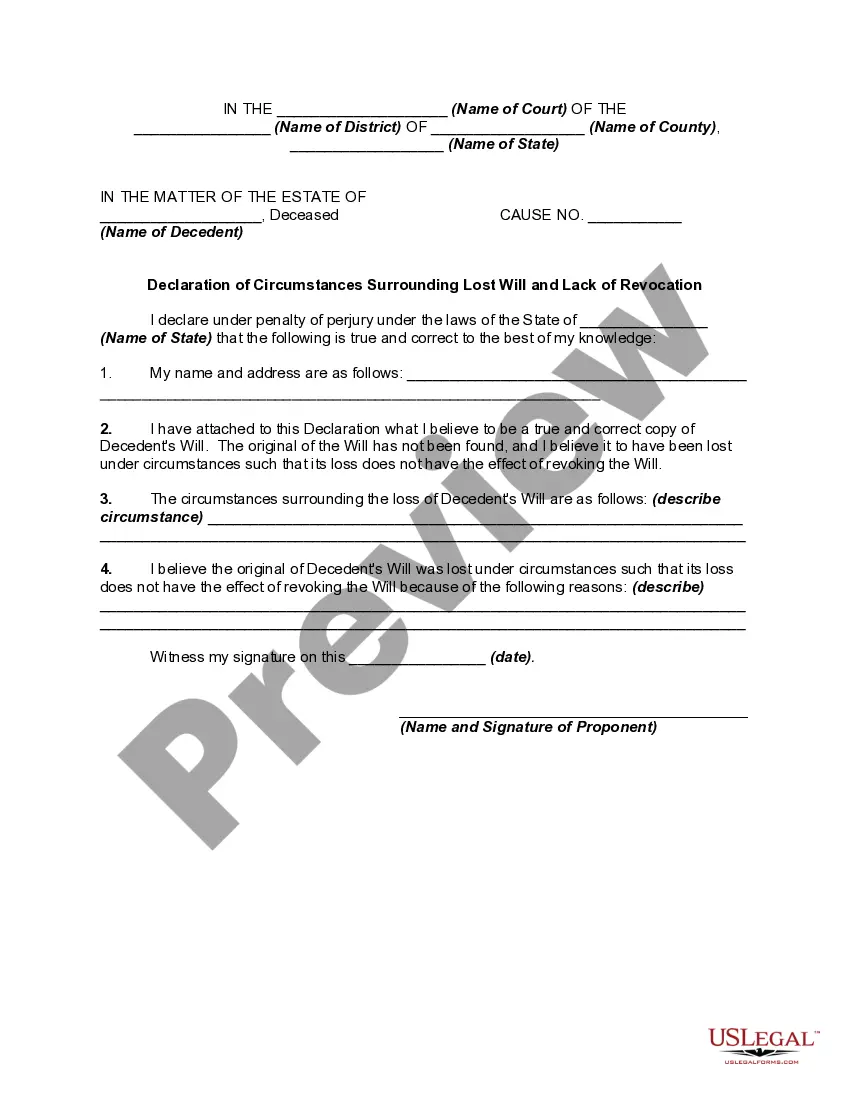
Declaration of Circumstances Surrounding Lost Will and Lack of Revocation
What this document covers
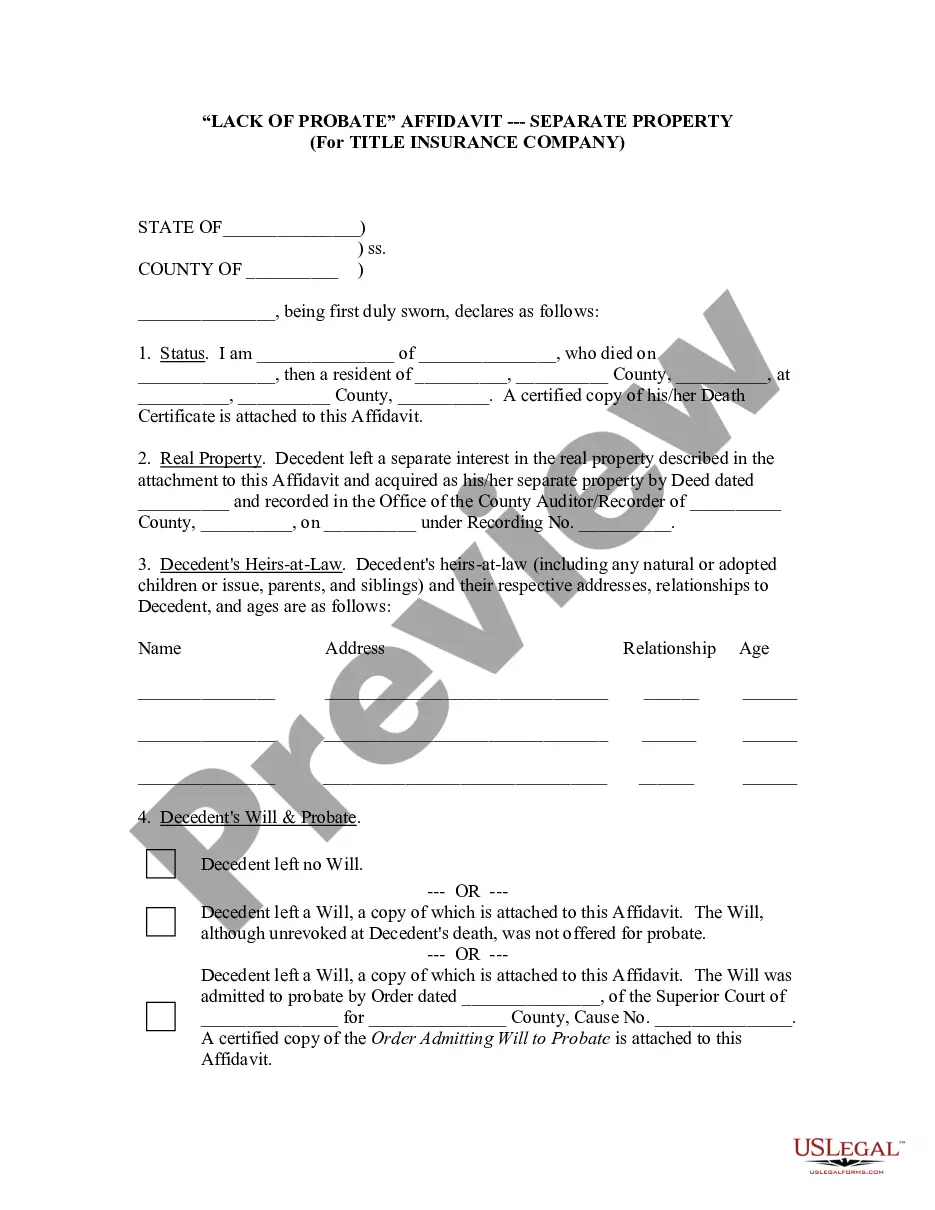
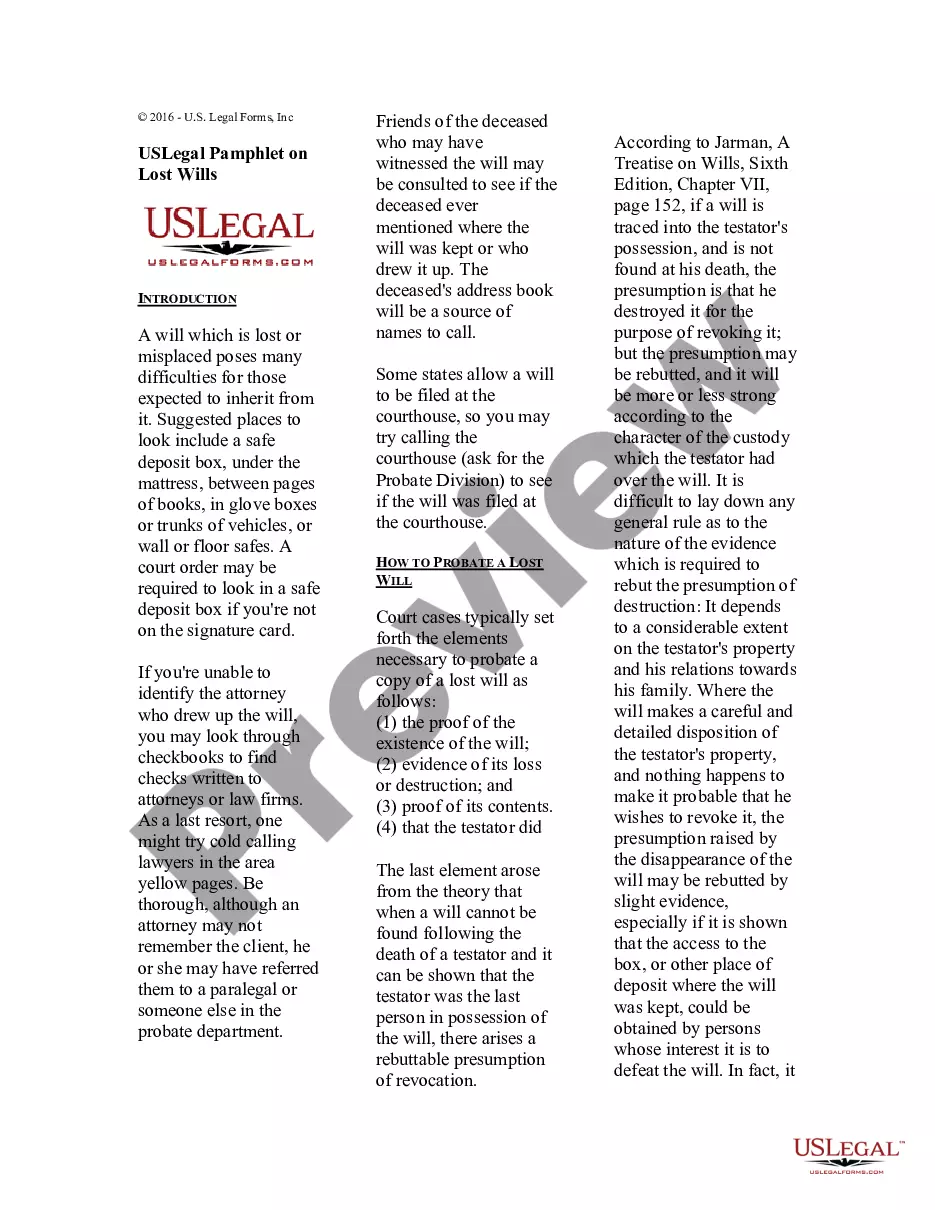
The Declaration of Circumstances Surrounding Lost Will and Lack of Revocation is a legal form used to declare the circumstances under which a will has been lost. This form serves the purpose of asserting that although the original will cannot be located, it has not been revoked, and provides evidence of its contents based on copies or testimonies. Unlike other estate planning documents, this declaration specifically addresses situations involving a lost will, helping to clarify the deceasedâs intentions to the court.
What’s included in this form
- Name and address of the person making the declaration.
- Attachment of a true and correct copy of the decedent's will.
- Description of the circumstances surrounding the loss of the will.
- Explanation of why the loss does not constitute a revocation of the will.
- Signature of the proponent and the date of the declaration.
When to use this document
This form is necessary when an individual is unable to locate the original will of a deceased person, and it is important to affirm that the will has not been revoked. Common scenarios for its use include situations where the will may have been lost during relocation, natural disasters, or circumstances leading to destruction, while still needing to validate the intent expressed in the will to the probate court.
Who needs this form
This form is intended for:
- Beneficiaries or heirs seeking to establish the contents of a lost will.
- Executors or personal representatives handling the estate of a deceased person.
- Individuals involved in probate proceedings related to lost or destroyed wills.
How to complete this form
- Enter the district, county, and state details.
- Write your name and address as the person making the declaration.
- Attach a copy of the decedent's will.
- Clearly describe how the will was lost.
- Explain why the loss does not revoke the will.
- Sign and date the form as the proponent.
Notarization requirements for this form
This form does not typically require notarization unless specified by local law. Always check to ensure compliance with your jurisdiction's requirements.
Get your form ready online
Our built-in tools help you complete, sign, share, and store your documents in one place.
Make edits, fill in missing information, and update formatting in US Legal Forms—just like you would in MS Word.
Download a copy, print it, send it by email, or mail it via USPS—whatever works best for your next step.
Sign and collect signatures with our SignNow integration. Send to multiple recipients, set reminders, and more. Go Premium to unlock E-Sign.
If this form requires notarization, complete it online through a secure video call—no need to meet a notary in person or wait for an appointment.
We protect your documents and personal data by following strict security and privacy standards.

Make edits, fill in missing information, and update formatting in US Legal Forms—just like you would in MS Word.

Download a copy, print it, send it by email, or mail it via USPS—whatever works best for your next step.

Sign and collect signatures with our SignNow integration. Send to multiple recipients, set reminders, and more. Go Premium to unlock E-Sign.

If this form requires notarization, complete it online through a secure video call—no need to meet a notary in person or wait for an appointment.

We protect your documents and personal data by following strict security and privacy standards.
Common mistakes
- Failing to attach a copy of the will.
- Not providing enough detail about the loss circumstances.
- Neglecting to sign and date the form properly.
Benefits of using this form online
- Convenience of accessing and downloading the form anytime.
- Editability allows for customization to fit your specific situation.
- Reliable templates drafted by licensed attorneys ensure legal compliance.
Legal use & context
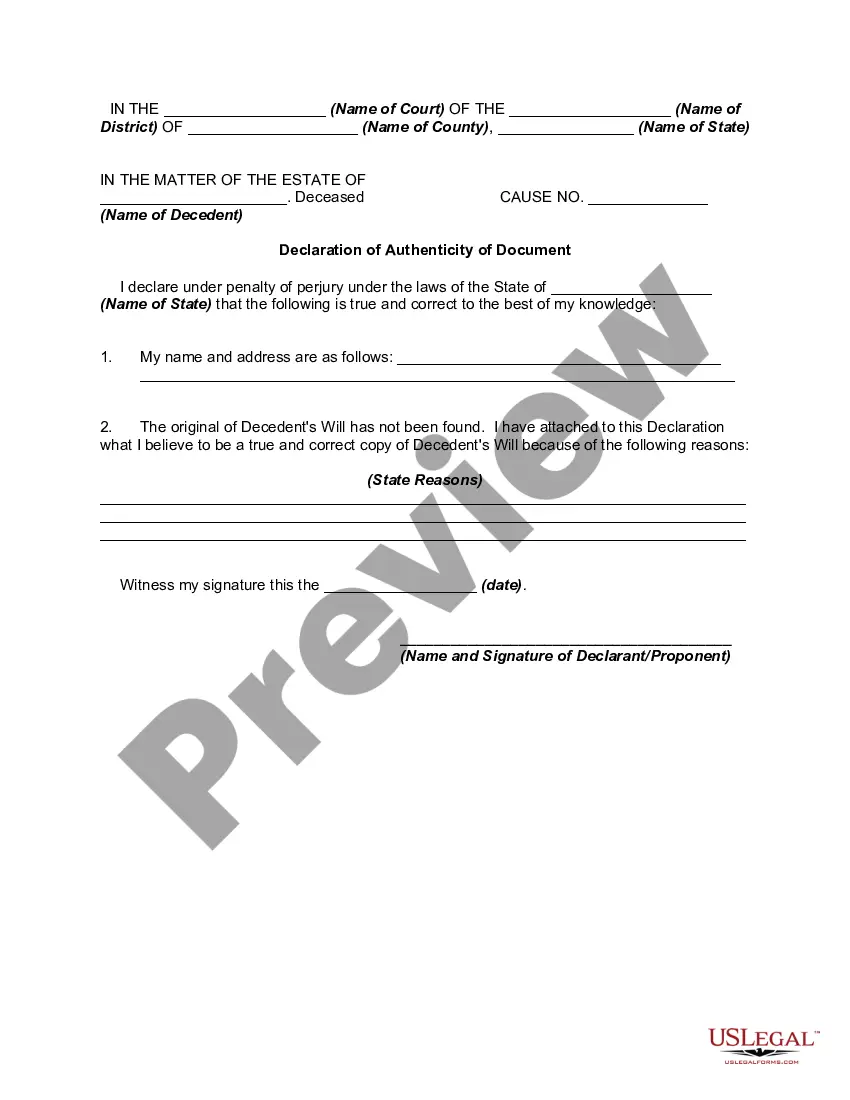
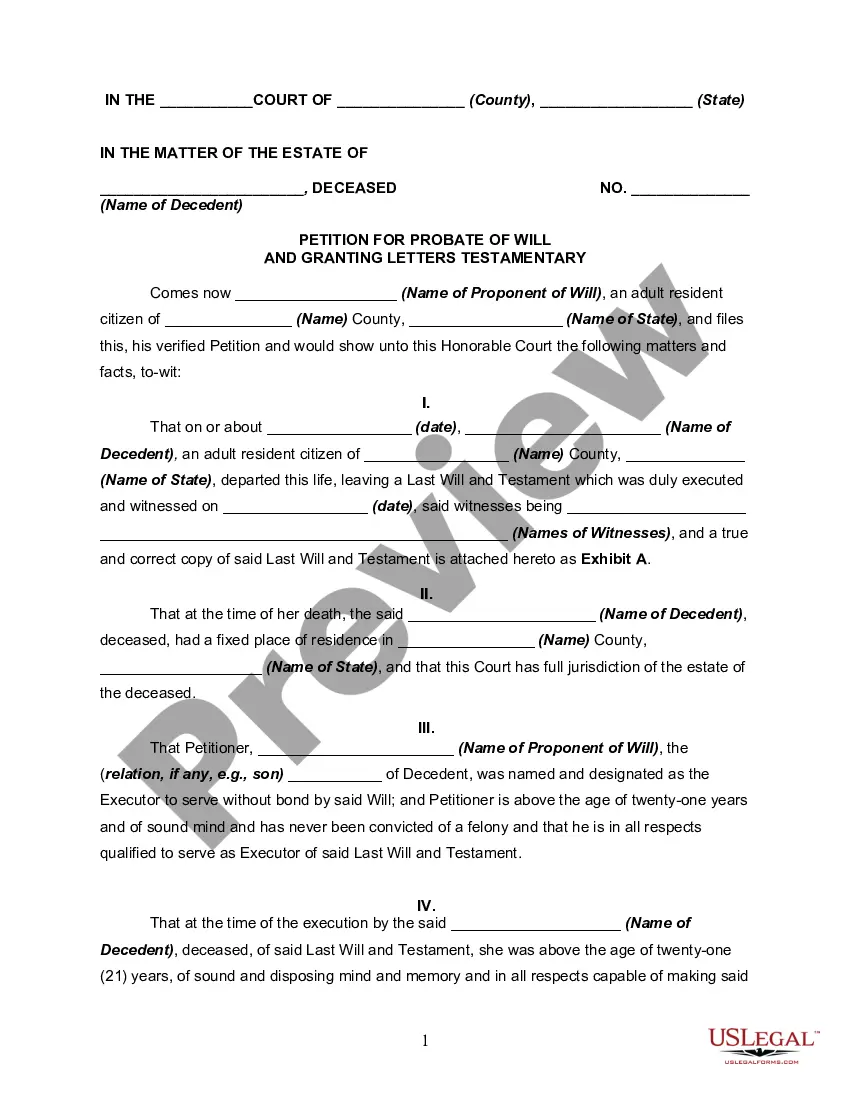
- This declaration helps to establish the legal validity of a copy of a lost will.
- It provides essential evidence in court regarding the deceased's intentions.
- Submitting this form may assist in expediting probate proceedings.
Key takeaways
- The Declaration of Circumstances Surrounding Lost Will is essential for asserting a will's validity when the original cannot be found.
- Providing detailed information about the circumstances of the will's loss is crucial.
- Ensure compliance with state-specific laws regarding lost wills for effective probate processing.
Looking for another form?


Form popularity
FAQ
Show evidence the testator didn't revoke or intend to destroy the will; Prove the contents of the will; Prove the testator created and executed a will that is valid and met state law requirements; and/or. Prove the will can't be found after a thorough search.
There are strict legal requirements under the Wills Act for a will to be valid.A will must be properly witnessed to be valid. All signatures in the will must be witnessed by at least two (2) other people. Your signature as testator (one who makes the will) of the will must be made in the presence of the two witnesses.
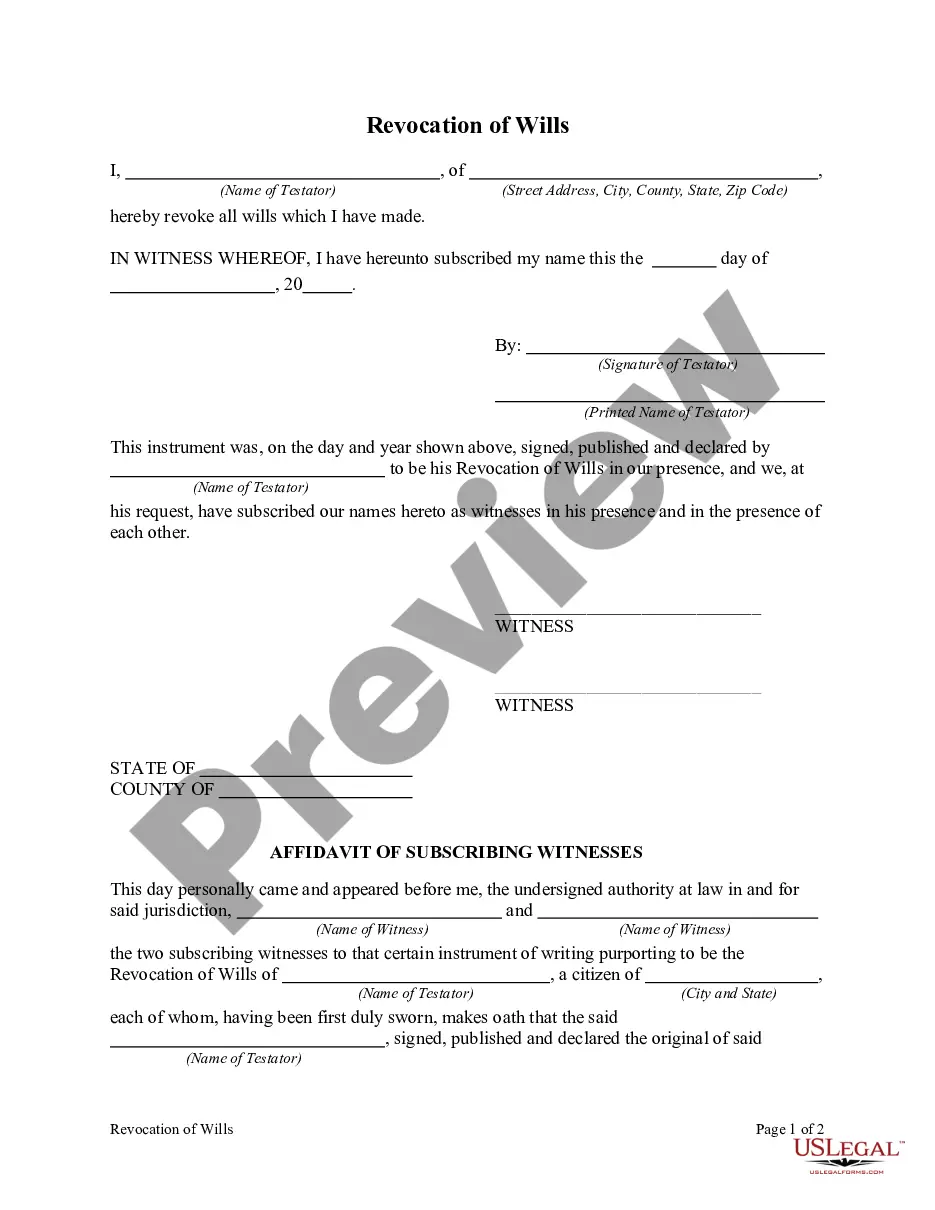
Alberta Wills can be changed at any time simply by visiting your lawyer.In some situations, wills are automatically revoked, such as when you get married. Consider making an entirely new will when you need to make major changes and using a codicil for small changes.
Which of the following acts occurring subsequent to a will's execution does NOT revoke the will by operation of law? Marriage; the new spouse is protected by the elective share statute.
It must be in writing. Generally, of course, wills are composed on a computer and printed out. The person who made it must have signed and dated it. A will must be signed and dated by the person who made it. Two adult witnesses must have signed it. Witnesses are crucial.
Generally, you can revoke a will by (1) destroying the old will, (2) creating a new will or (3) making changes to an existing will. In some circumstances, simply giving away all or your property and assets before you die can have the effect of revoking a will (subject to estate tax penalties).
Can You Revoke a Will After the Death of the Testator? A will can only be canceled by the testator. A power of attorney does not grant the right to revoke a will. Therefore, no one else can cancel a will after the death of the testator.
A will can also be declared invalid if someone proves in court that it was procured by undue influence. This usually involves some evil-doer who occupies a position of trust -- for example, a caregiver or adult child -- manipulating a vulnerable person to leave all, or most, of his property to the manipulator instead
The following are the key requirements of a valid Will: It must be in writing; It must be signed by the testator; It must be attested to by witnesses.