Arizona Notice of Intent Not to Renew at End of Specified Term from Landlord to Tenant for Residential Property
What is this form?
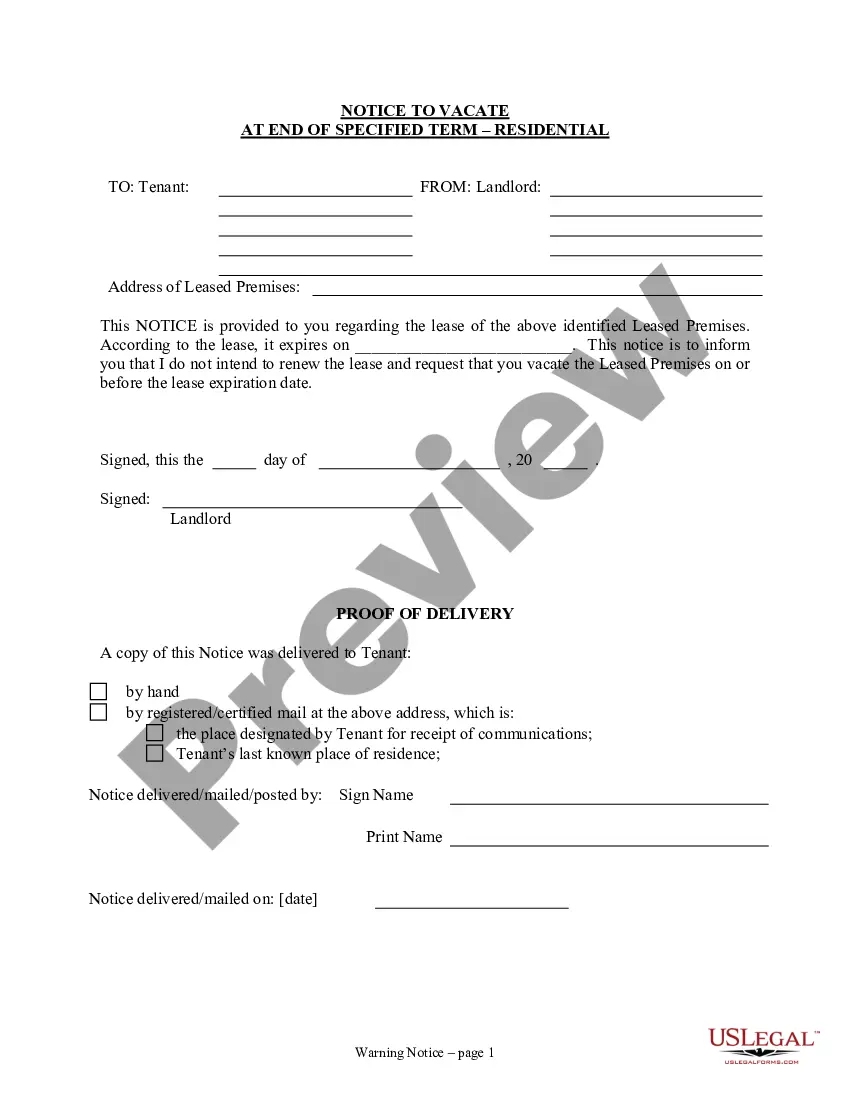
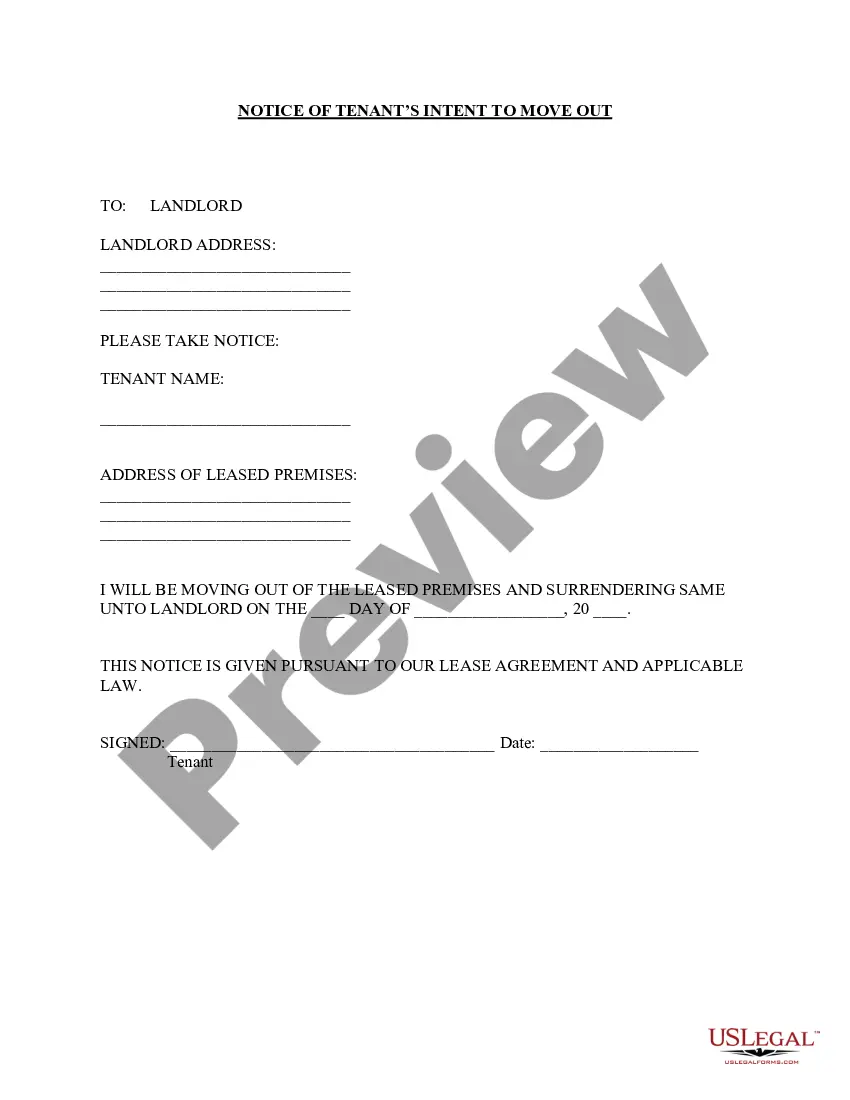
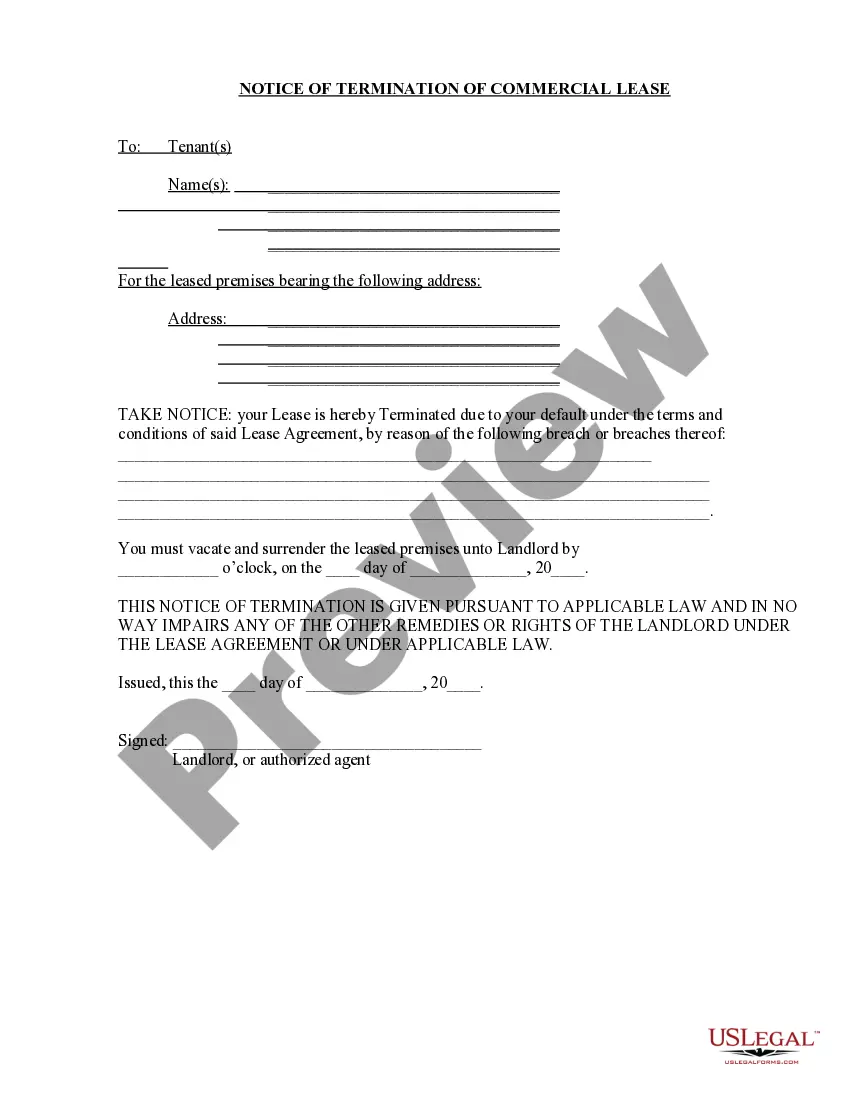
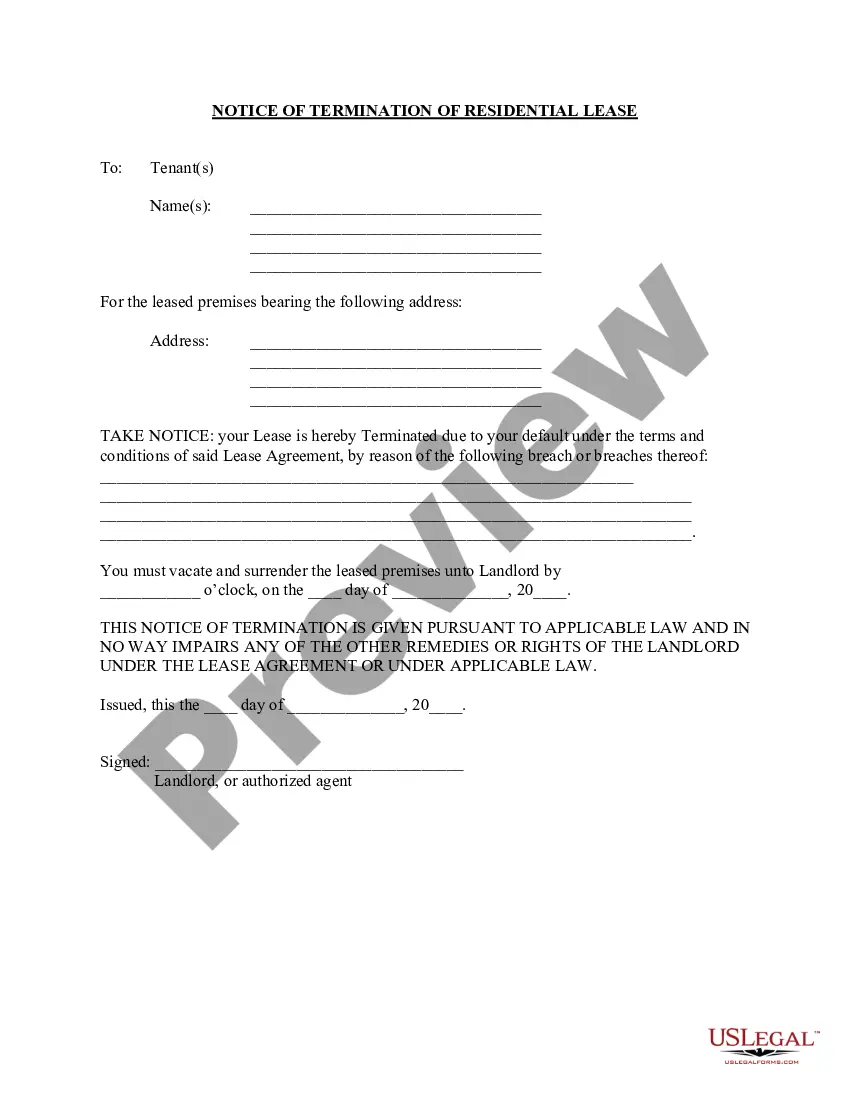
The Notice of Intent Not to Renew at End of Specified Term from Landlord to Tenant for Residential Property is a legal document that allows landlords to officially inform tenants that their lease will not be renewed once it expires. Unlike a typical lease termination notice, this form is specifically for situations where no further notice is required as the lease has a defined end date. Its primary purpose is to ensure tenants are aware that they must vacate the premises at the lease's conclusion.
Key parts of this document
- Identifying information about the landlord and tenant.
- Address of the leased premises.
- Lease expiration date.
- Notice of non-renewal request.
- Signature of the landlord.
- Proof of delivery details.
Situations where this form applies
This form is necessary when a landlord wishes to indicate their intent not to renew a residential lease at its specified end date. It is particularly useful in situations where the lease has a fixed term and ensures clarity for both parties regarding the end of tenancy. Use this form to avoid misunderstandings about lease continuation and to formally communicate the need for tenants to prepare for relocation.
Who should use this form
- Landlords who have tenants on fixed-term leases.
- Landlords planning to end a lease without offering renewal.
- Property managers handling lease agreements.
How to complete this form
- Identify the parties involved (landlord and tenant).
- Specify the address of the leased property.
- Enter the lease expiration date in the provided field.
- Include the landlord's signature and date of notice.
- Document how the notice was delivered to the tenant.
Is notarization required?
This form does not typically require notarization to be legally valid. However, some jurisdictions or document types may still require it. US Legal Forms provides secure online notarization powered by Notarize, available 24/7 for added convenience.
Get your form ready online
Our built-in tools help you complete, sign, share, and store your documents in one place.
Make edits, fill in missing information, and update formatting in US Legal Forms—just like you would in MS Word.
Download a copy, print it, send it by email, or mail it via USPS—whatever works best for your next step.
Sign and collect signatures with our SignNow integration. Send to multiple recipients, set reminders, and more. Go Premium to unlock E-Sign.
If this form requires notarization, complete it online through a secure video call—no need to meet a notary in person or wait for an appointment.
We protect your documents and personal data by following strict security and privacy standards.

Make edits, fill in missing information, and update formatting in US Legal Forms—just like you would in MS Word.

Download a copy, print it, send it by email, or mail it via USPS—whatever works best for your next step.

Sign and collect signatures with our SignNow integration. Send to multiple recipients, set reminders, and more. Go Premium to unlock E-Sign.

If this form requires notarization, complete it online through a secure video call—no need to meet a notary in person or wait for an appointment.

We protect your documents and personal data by following strict security and privacy standards.
Mistakes to watch out for
- Failing to deliver the notice within the required time frame.
- Omitting important details such as the expiration date or tenant's address.
- Not signing the notice before delivery.
Advantages of online completion
- Convenience of downloading and accessing the form at any time.
- Editable template allows customization to fit specific circumstances.
- Crafted by licensed attorneys to ensure compliance with legal standards.
Legal use & context
- This notice is legally binding once delivered to the tenant.
- Tenants must be given appropriate time to vacate as per the terms outlined in the lease.
- Landlords should retain a copy of the notice for their records.
Key takeaways
- The Notice of Intent is essential for formal lease termination.
- Clear communication protects the rights of both landlords and tenants.
- Using a reliable template ensures legal compliance and accuracy.
Looking for another form?
Form popularity
FAQ
Writing a letter to your landlord to express your intent not to renew your lease is straightforward. Clearly state your name, address, and the date, followed by a concise announcement of your decision to not renew. Be professional and respectful, and if applicable, mention any relevant Arizona Notice of Intent Not to Renew at End of Specified Term from Landlord to Tenant for Residential Property you have received. For templates and guidance, consider visiting uslegalforms, where you can find useful resources.
Yes, a landlord can refuse to renew a lease in Arizona without needing to provide a reason, as long as they follow proper notification procedures. Typically, this is communicated through an Arizona Notice of Intent Not to Renew at End of Specified Term from Landlord to Tenant for Residential Property. It’s important for tenants to be aware of their rights and responsibilities, especially in relation to lease renewals. Consulting legal resources can clarify any uncertainties.
In Arizona, a landlord must provide a minimum of 30 days written notice for a tenant to vacate a property after the lease ends. This notice often comes in the form of an Arizona Notice of Intent Not to Renew at End of Specified Term from Landlord to Tenant for Residential Property. Understanding this timeline can help tenants prepare for their next steps and avoid unwanted surprises. Hence, it’s wise to start planning early.
In Arizona, once your lease expires, you typically do not have the right to stay without the landlord's approval. If the landlord has sent an Arizona Notice of Intent Not to Renew at End of Specified Term from Landlord to Tenant for Residential Property, you must vacate the premises. However, it’s crucial to check your lease agreement for any specific terms regarding post-expiration occupancy. Always communicate with your landlord to avoid misunderstandings.
In Washington state, a landlord must give a minimum of 20 days' notice prior to the lease’s expiration. This notice requirement ensures that tenants are informed in a timely manner. While this question pertains to Washington, if you're dealing with Arizona leases, it's essential to reference the Arizona Notice of Intent Not to Renew at End of Specified Term from Landlord to Tenant for Residential Property for proper guidelines.
To write a letter about not renewing a lease, format it professionally and include both parties' names and addresses. State your clear decision not to renew, the lease’s termination date, and express any gratitude for their tenancy. This approach helps maintain a positive relationship, especially when following the guidelines of the Arizona Notice of Intent Not to Renew at End of Specified Term from Landlord to Tenant for Residential Property.
In Arizona, landlords are generally required to provide at least 30 days' notice before the lease ends. This helps tenants prepare for their next steps in finding new housing. Adhering to this timeline is crucial to uphold the standards outlined in the Arizona Notice of Intent Not to Renew at End of Specified Term from Landlord to Tenant for Residential Property.
When composing a notice of not renewing a lease, begin with your address and the date. Clearly state that you will not be renewing the lease and mention the lease's end date. This ensures clarity for the tenant and fulfills the requirements of the Arizona Notice of Intent Not to Renew at End of Specified Term from Landlord to Tenant for Residential Property.
To write a letter of not renewing a contract, start by clearly stating your intention to not renew. Include the date the contract will end and any relevant details about the agreement. It's also good practice to thank the other party for their time and cooperation. This formal communication aligns with the Arizona Notice of Intent Not to Renew at End of Specified Term from Landlord to Tenant for Residential Property.
In Arizona, landlords are not required to give 60 days' notice unless specified in the lease agreement. Instead, the standard is a minimum of 30 days. Ensuring you follow this guideline can make the transition smoother for both the landlord and tenant involved in the Arizona Notice of Intent Not to Renew at End of Specified Term from Landlord to Tenant for Residential Property.