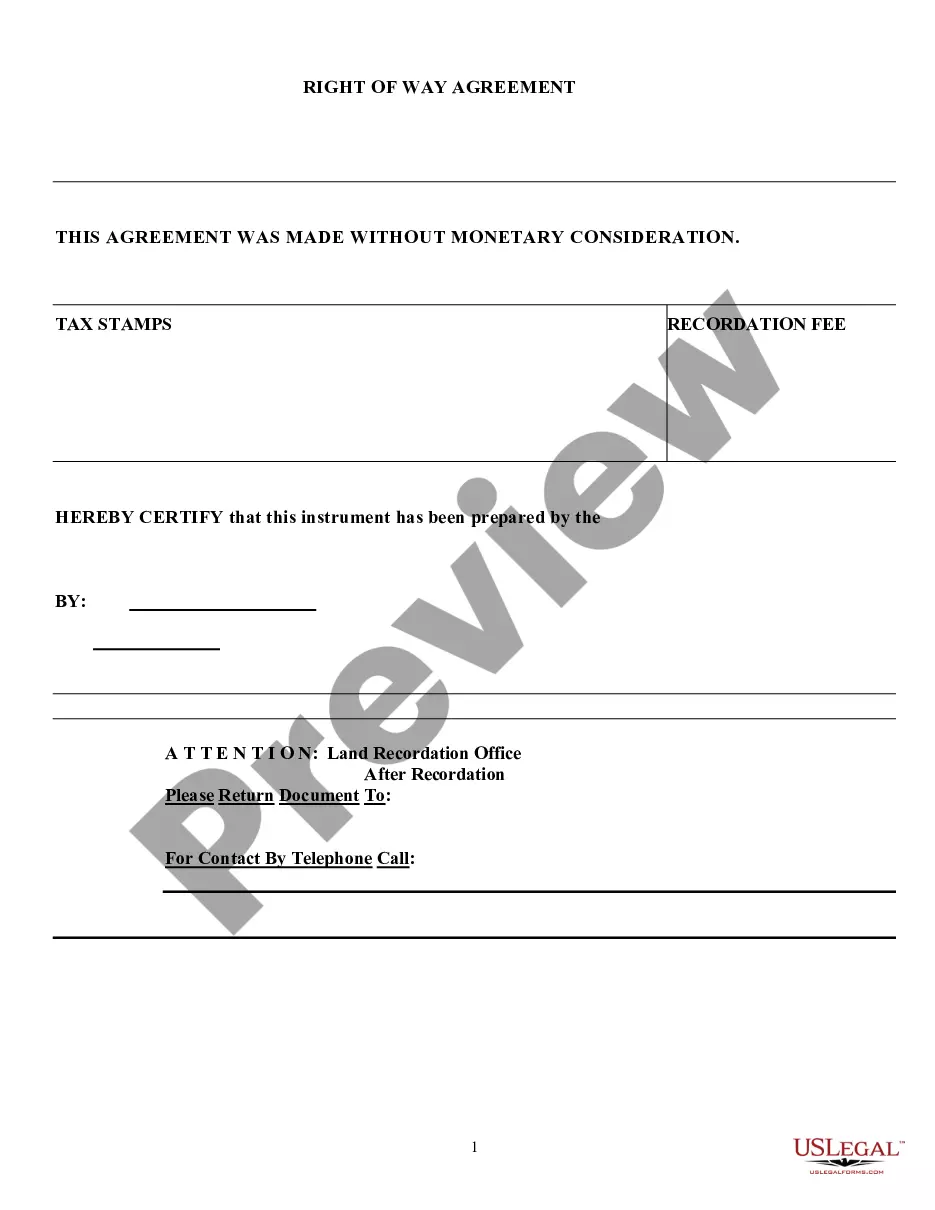
Maryland Right of Way Agreement
Overview of this form
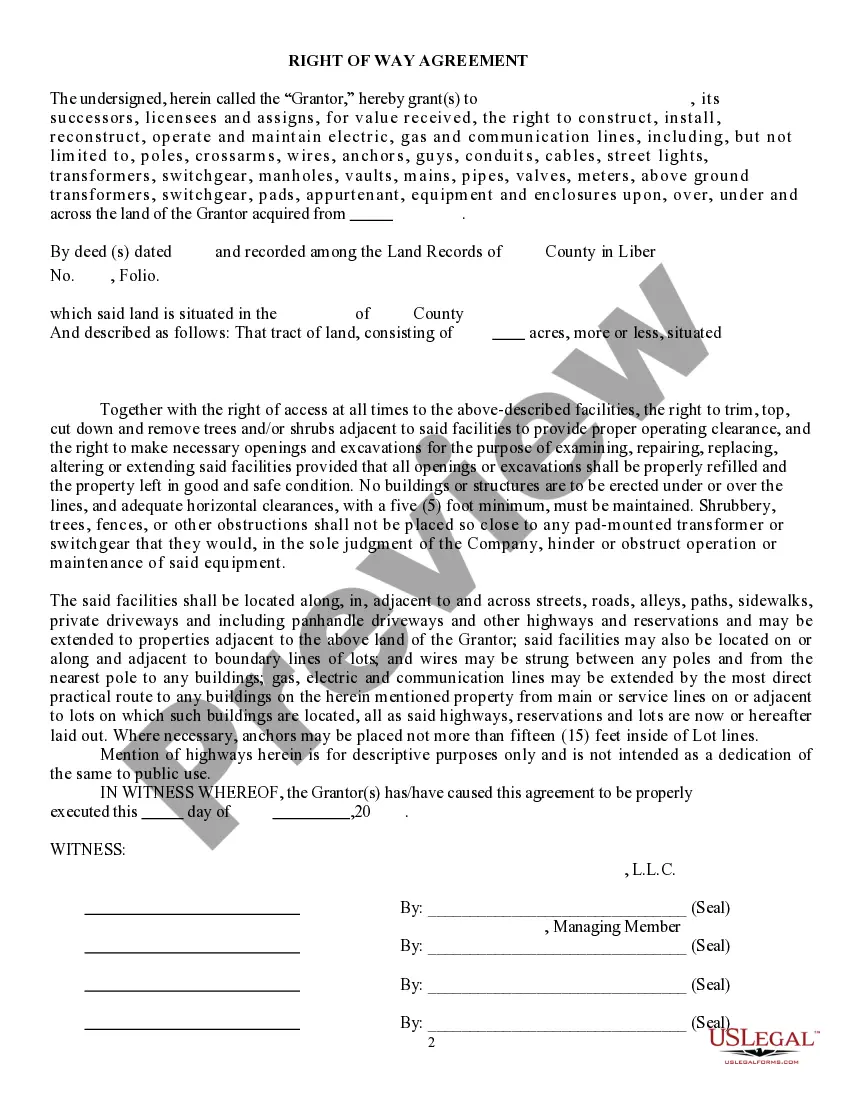
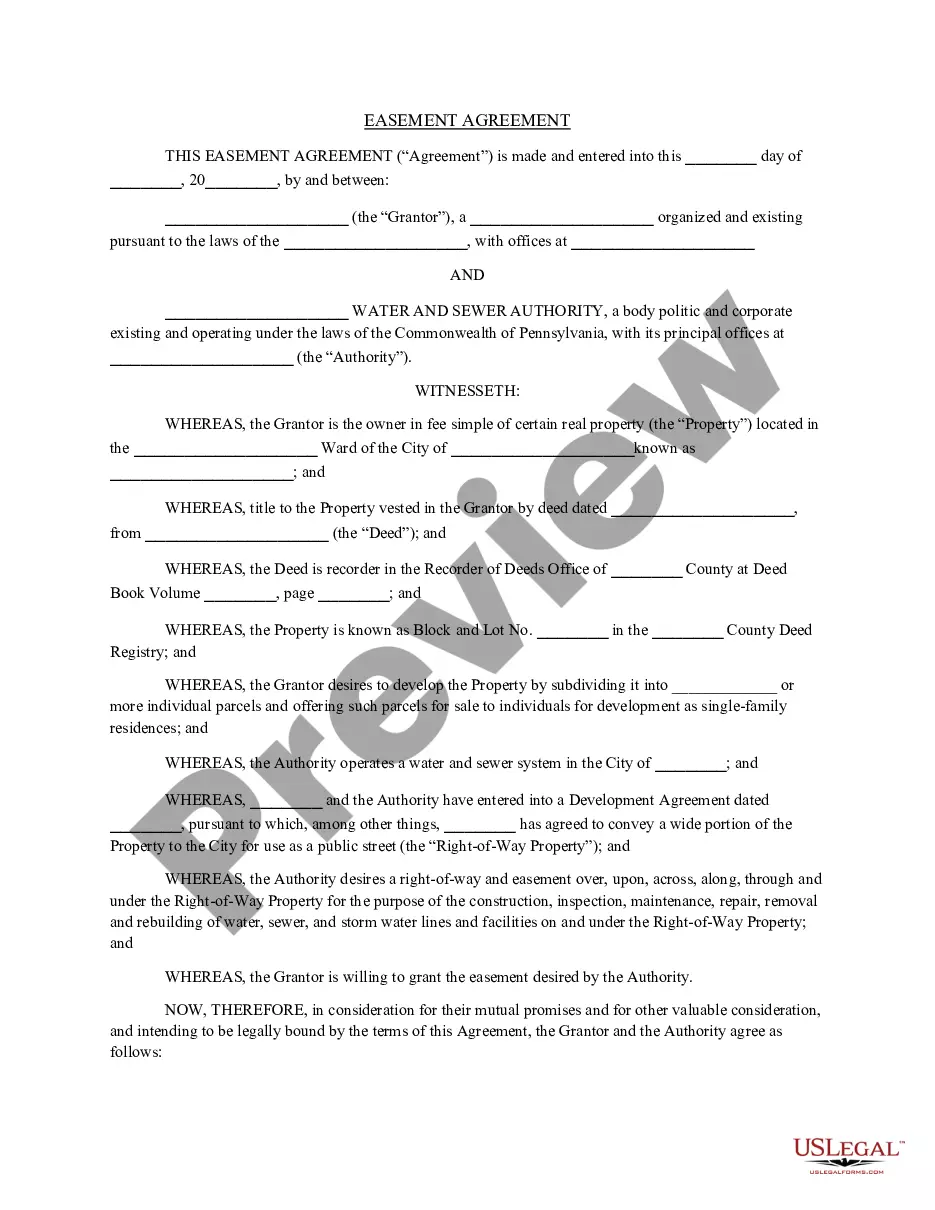
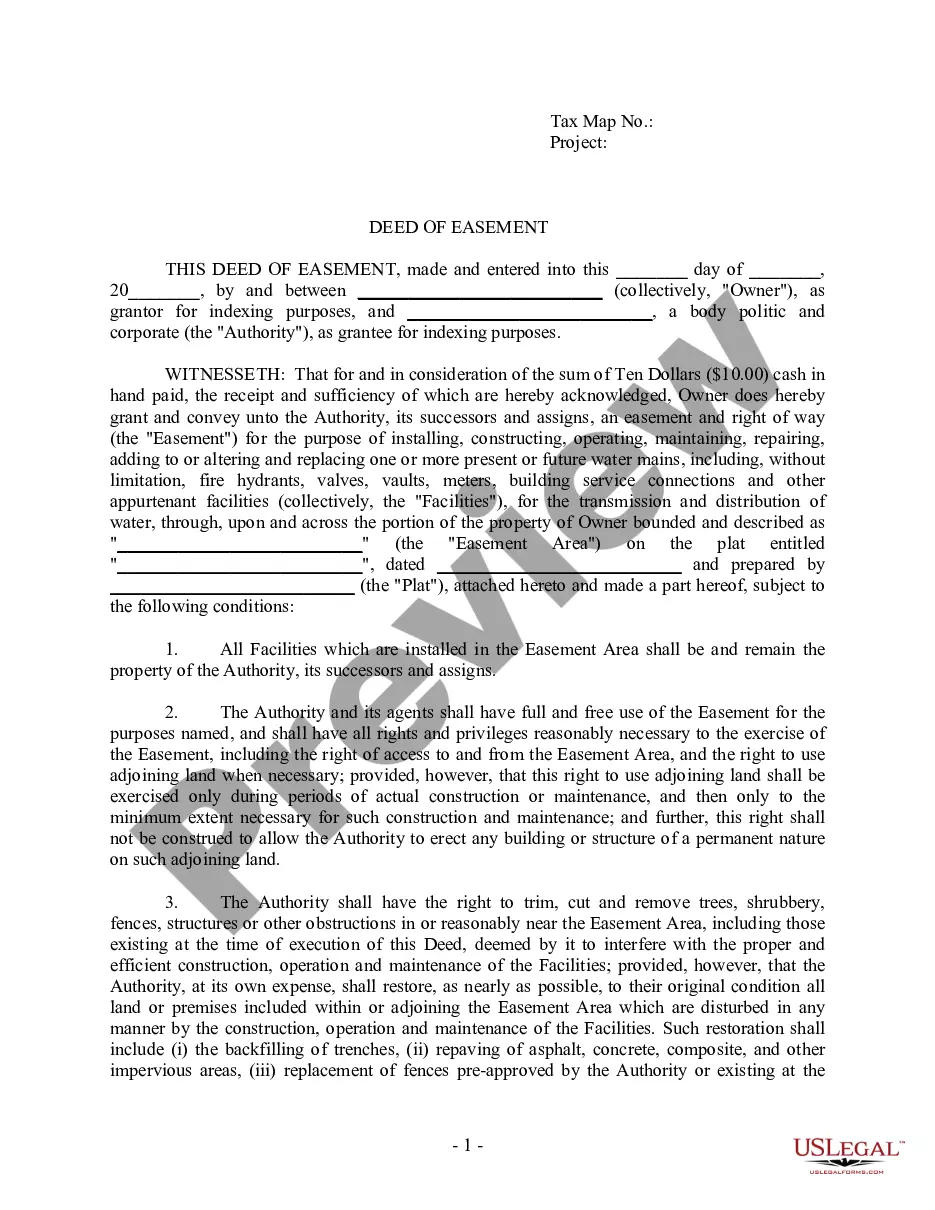
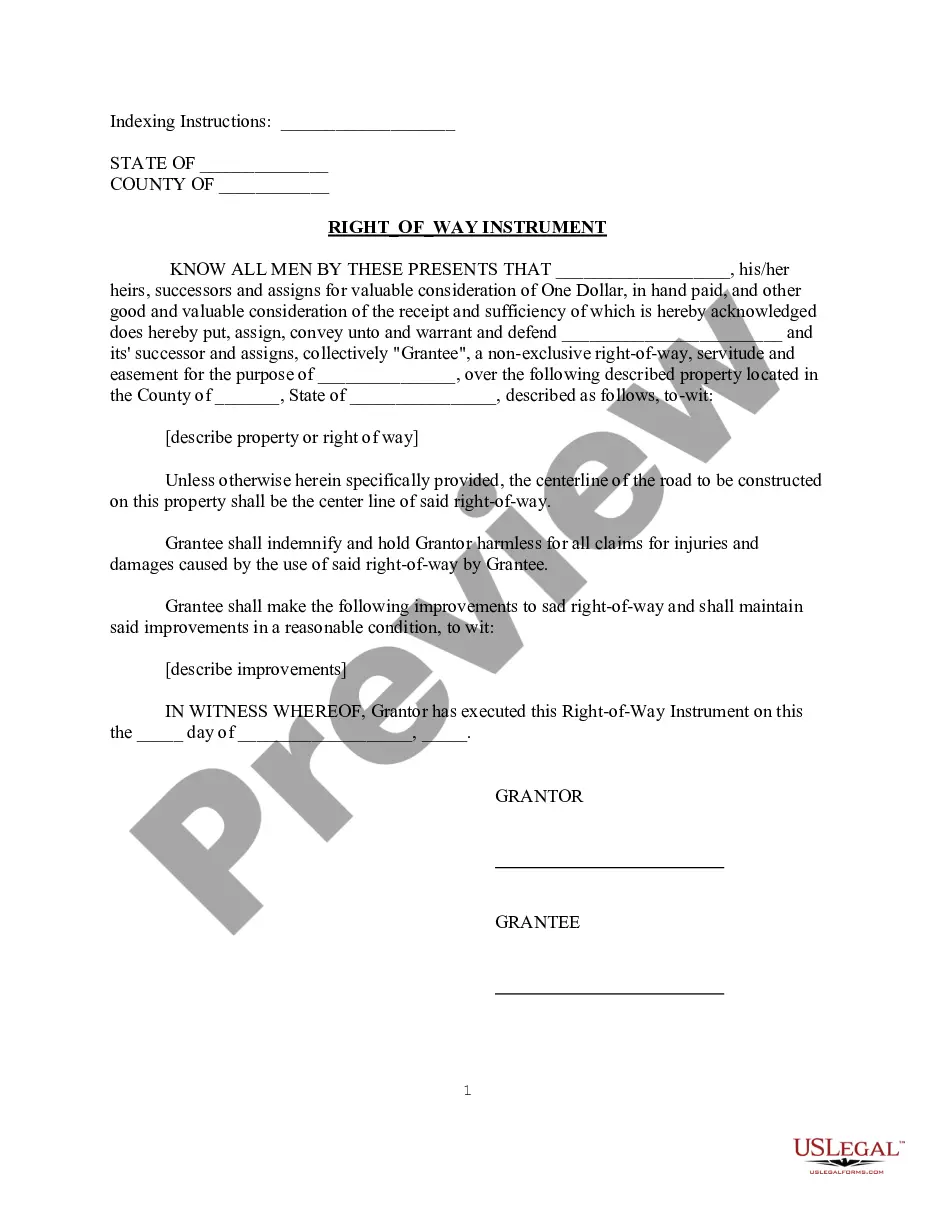
The Right of Way Agreement is a legal document that grants a party the right to construct, install, and maintain utility lines across another party's property. This form is essential for establishing easements, which allow utilities and other entities to access and use parts of private property for their operations without transferring ownership. Unlike a lease or a license, an easement provides long-term rights to the property in question, making this agreement critical for utility providers and landowners alike.
What’s included in this form
- Identification of the Grantor and Grantee involved in the agreement.
- Description of the property affected by the easement.
- Specifications of the utility lines or facilities to be installed or maintained.
- Terms regarding access to the property for installation and repairs.
- Provisions regarding any necessary anchors or support structures.

When to use this form
This form is necessary when a utility company or other entity needs to access private property to install or maintain lines for gas, electricity, communications, or other utilities. It is also applicable in scenarios where a landowner wishes to grant permanent access rights for various purposes, such as maintenance of infrastructure or transmission of resources.
Who needs this form
- Utility companies seeking to establish rights of way for installation or maintenance of service lines.
- Property owners granting easements for utility access.
- Developers needing to outline easement terms as part of land use agreements.
- Real estate professionals managing property interests that require access for utilities.
Completing this form step by step
- Identify and list the names of both the Grantor (property owner) and Grantee (utility company or entity) involved in the agreement.
- Clearly describe the property location where the easement will be established, including any relevant boundaries.
- Specify the types of utility lines or facilities to be installed or maintained, ensuring clarity on what activities are permitted.
- Outline the terms regarding access for construction, maintenance, or repairs, noting any conditions or limitations.
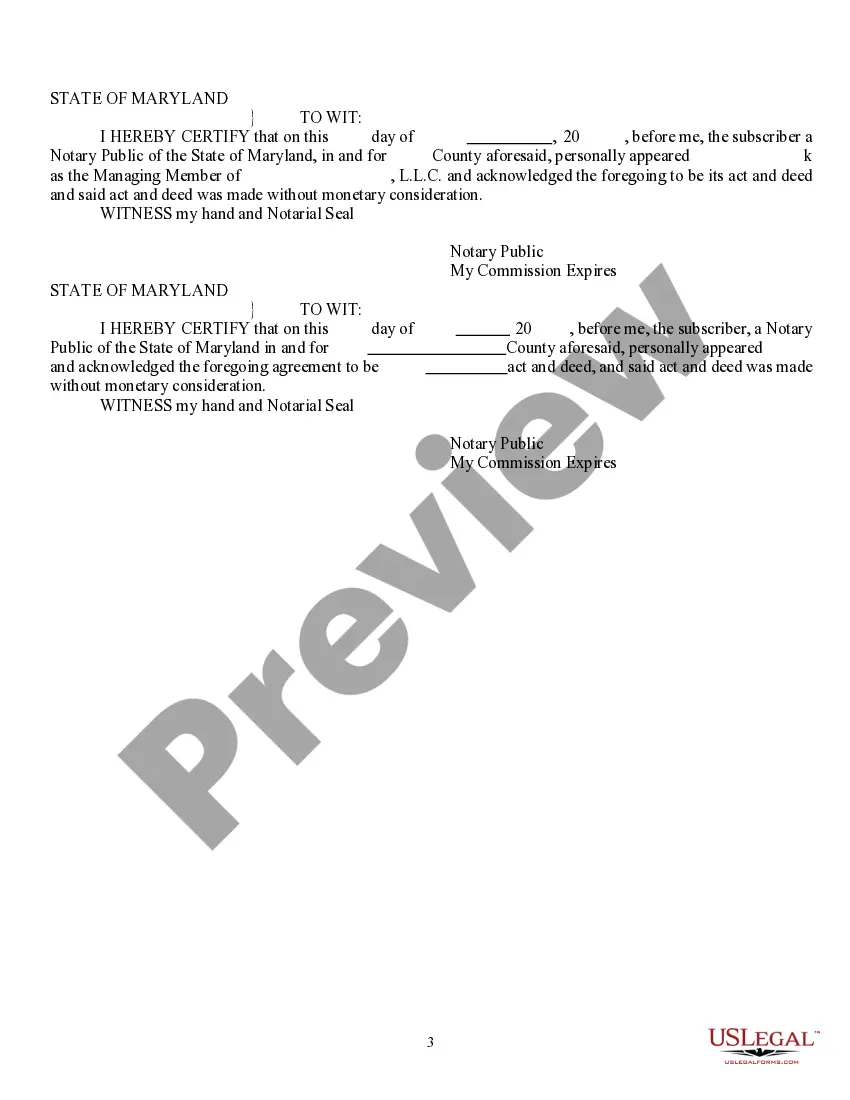
- Finalize the agreement by having both parties sign and date the document, which may also require notarization.
Does this document require notarization?
This form does not typically require notarization unless specified by local law. However, having the agreement notarized can provide an additional layer of legal validity and help prevent future disputes regarding the authenticity of the signatures.
Get your form ready online
Our built-in tools help you complete, sign, share, and store your documents in one place.
Make edits, fill in missing information, and update formatting in US Legal Forms—just like you would in MS Word.
Download a copy, print it, send it by email, or mail it via USPS—whatever works best for your next step.
Sign and collect signatures with our SignNow integration. Send to multiple recipients, set reminders, and more. Go Premium to unlock E-Sign.
If this form requires notarization, complete it online through a secure video call—no need to meet a notary in person or wait for an appointment.
We protect your documents and personal data by following strict security and privacy standards.

Make edits, fill in missing information, and update formatting in US Legal Forms—just like you would in MS Word.

Download a copy, print it, send it by email, or mail it via USPS—whatever works best for your next step.

Sign and collect signatures with our SignNow integration. Send to multiple recipients, set reminders, and more. Go Premium to unlock E-Sign.

If this form requires notarization, complete it online through a secure video call—no need to meet a notary in person or wait for an appointment.

We protect your documents and personal data by following strict security and privacy standards.
Common mistakes to avoid
- Failing to clearly describe the property, leading to confusion about the easement boundaries.
- Not specifying the type and extent of utility lines, which can cause legal disputes later.
- Neglecting to include terms for maintenance access, potentially hindering future repairs.
- Forgetting to have the document signed by both parties, rendering it unenforceable.
Advantages of online completion
- Immediate access to a professionally drafted legal document tailored to your needs.
- Easily editable to accommodate specific property and utility line requirements.
- Convenient downloading and storage options for future reference.
- Cost-effective alternative to hiring an attorney for straightforward easement agreements.
Looking for another form?
Form popularity
FAQ
You may pass and repass along a right of way as long as you do not stop and linger on the right of way; if the right of way is obstructed then you may divert along another route provided that the diversion remains on land belonging to the servient tenement (otherwise you would be trespassing on a third party's land);
It is well established that for a gate to be an obstruction to a private right of way it must substantially interfere with the right of way.However, as in this case, three gates within less than 100 meteres of each other did amount to a substantial interference with the private right of way.
A private Right of Way typically gives one land owner the right to use another's property, usually a road of some kind, to get to and from her land. This right is usually given in the form of a deed, much like a deed to property.The deed granting a Right of Way is often vague, and doesn't help clarify things.
An EASEMENT, a privilege to pass over the land of another, whereby the holder of the easement acquires only a reasonable and usual enjoyment of the property, and the owner of the land retains the benefits and privileges of ownership consistent with the easement.
What is Right-of-Way? A right-of-way allows another individual to travel through your property. This benefits another person or another parcel of land you do not own. This grants access to anyone who may need to travel through your land.
What are Easements and Rights-of-Way? Easements are nonpossessory interests in real property. More simply, an easement is the right to use another's property for a specific purpose. Rights-of-way are easements that specifically grant the holder the right to travel over another's property.
A Right of Way Easement is a form of Easement annexed to land which grants a right to travel over a part of the landowner's property. This right of way is usually granted to neighbouring landowners. The legal rights of the attached landowners to use and maintain the right of way may not always be clear.
A right of way is an easement that allows someone to travel through your property to get to another location.If property ownership is transferred through sale or other legal methods, a new easement agreement must be made. Appurtenant easements are attached to the property, not the individual.