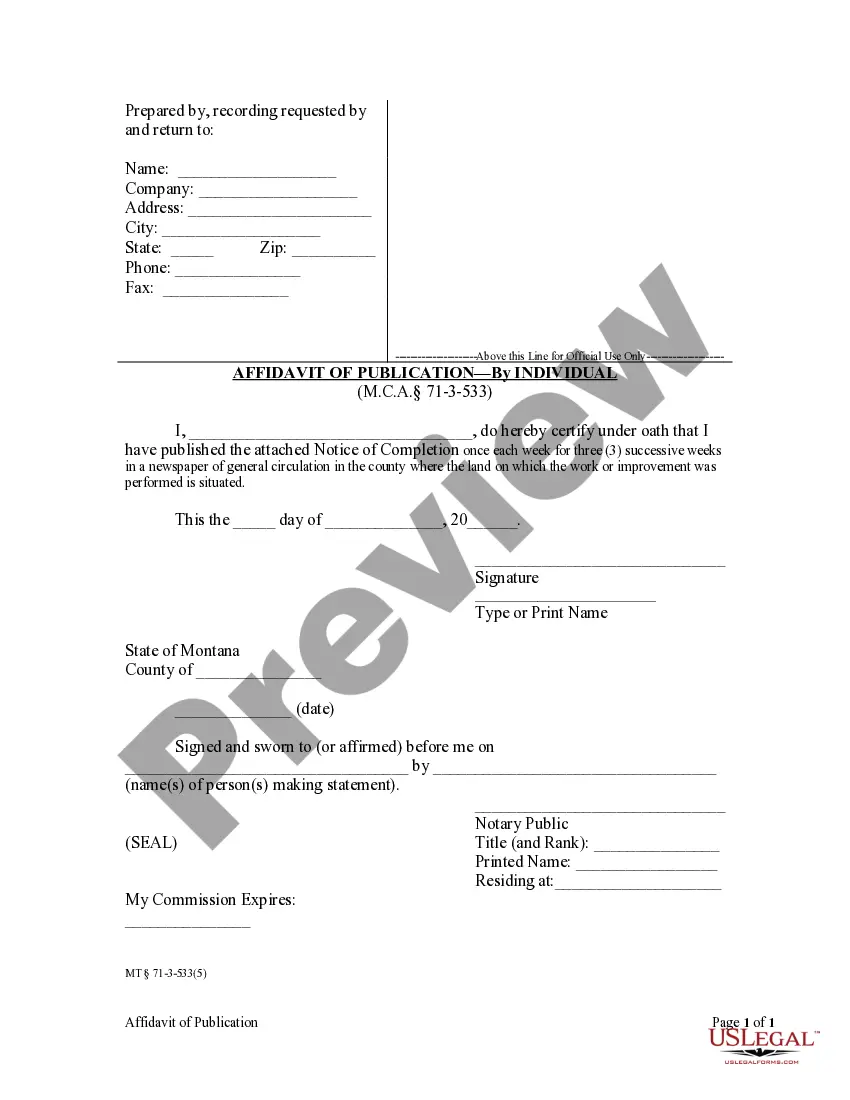
Louisiana Stipulated Judgment
Understanding this form
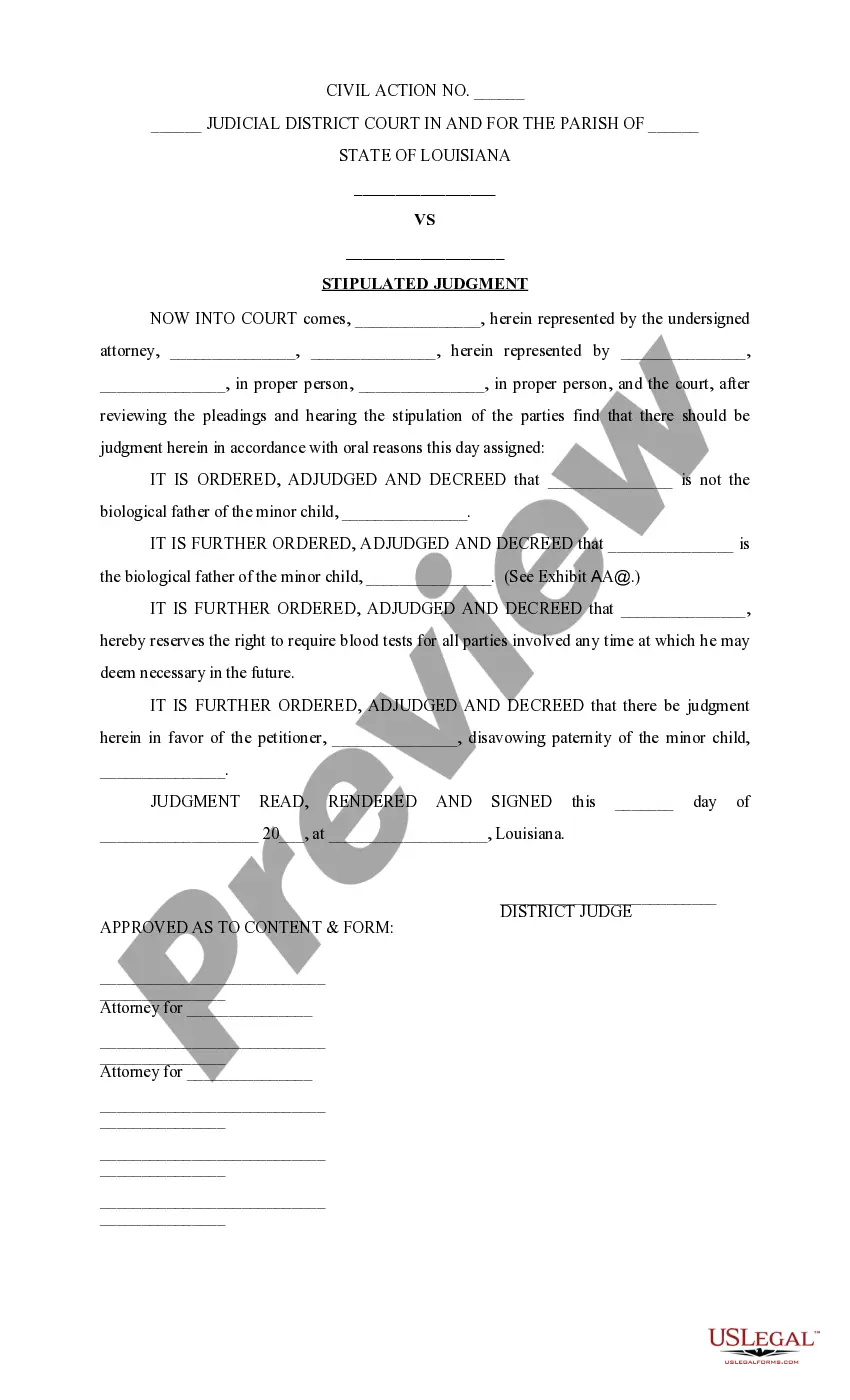
The stipulated judgment is a legal document that outlines an agreement between parties in a court case involving the dismissal of a petition for protective order for an elderly person. This form specifically allows for home health assistance and ongoing consultation with a treating physician, making it distinct from other types of judgments. Its purpose is to formalize the decision reached without prejudice, providing a framework for necessary care while alleviating the need for further legal proceedings.
What’s included in this form
- Title of the court and jurisdiction, indicating it is filed in Louisiana
- Identification of the petition being dismissed without prejudice
- Provisions for caregiver consultation with the elderly person's primary physician
- Authorization for a home health care agency access for support
- Signature of the judge and date of the ruling
When to use this form
This form is used when a caregiver and relevant parties want to dismiss a protective order petition while ensuring the elder receives the necessary support services. It is applicable in situations where concerns for the elder's well-being have been addressed, and both parties have reached an agreement on future care without needing to continue with litigation.
Who needs this form
- Caregivers seeking legal protection while ensuring appropriate care for an elderly individual
- Family members involved in the care of the elderly person
- Attorneys representing any of the parties involved in the case
- Court officials managing cases pertaining to protective orders
How to prepare this document
- Identify the parties involved in the judgment, including names and roles (e.g., caregiver, elderly person).
- Consult and enter information regarding the primary physician of the elderly person.
- Specify the terms allowing home health care services contingent on Medicare coverage.
- Provide the date and location where the judgment is rendered.
- Ensure the judge's signature is secured at the end of the document.
Notarization requirements for this form
Notarization is generally not required for this form. However, certain states or situations might demand it. You can complete notarization online through US Legal Forms, powered by Notarize, using a verified video call available anytime.
Get your form ready online
Our built-in tools help you complete, sign, share, and store your documents in one place.
Make edits, fill in missing information, and update formatting in US Legal Forms—just like you would in MS Word.
Download a copy, print it, send it by email, or mail it via USPS—whatever works best for your next step.
Sign and collect signatures with our SignNow integration. Send to multiple recipients, set reminders, and more. Go Premium to unlock E-Sign.
If this form requires notarization, complete it online through a secure video call—no need to meet a notary in person or wait for an appointment.
We protect your documents and personal data by following strict security and privacy standards.

Make edits, fill in missing information, and update formatting in US Legal Forms—just like you would in MS Word.

Download a copy, print it, send it by email, or mail it via USPS—whatever works best for your next step.

Sign and collect signatures with our SignNow integration. Send to multiple recipients, set reminders, and more. Go Premium to unlock E-Sign.

If this form requires notarization, complete it online through a secure video call—no need to meet a notary in person or wait for an appointment.

We protect your documents and personal data by following strict security and privacy standards.
Avoid these common issues
- Failing to properly identify all parties involved in the case.
- Not consulting the primary physician before entering the agreement.
- Leaving required fields blank that are necessary for the judgment.
- Neglecting to secure the judge's signature on the document.
Benefits of completing this form online
- Convenient access to the form at any time and from any location.
- Editability allows users to customize details as needed easily.
- Reliable draft created by licensed attorneys, ensuring legal compliance.
Looking for another form?
Form popularity
FAQ
When a judgment is filed against you in Louisiana, it can impact your credit and finances. A Louisiana Stipulated Judgment can lead to wage garnishment or the seizure of your assets if you do not satisfy the judgment. It's crucial to act quickly and explore your options, such as negotiating a payment plan or seeking legal counsel. Remember, you can use platforms like USLegalForms to access resources and templates for managing your legal documents effectively.
In Louisiana, the statute of limitations on a judgment is typically ten years. This means that once a judgment is entered, it remains enforceable for up to ten years. After this period, you may not be able to enforce the Louisiana Stipulated Judgment in court. You should keep track of your judgment status to ensure you take any necessary actions within this timeframe.
The default judgment rule in Louisiana allows a plaintiff to win a case automatically if the defendant fails to respond to a complaint. This rule is particularly relevant when evaluating the implications of a Louisiana stipulated judgment. Understanding this rule ensures you are prepared if you face a default situation.
A judgment in Louisiana remains valid for a period of 10 years from the date it is rendered. However, you can renew a Louisiana stipulated judgment before it expires. This renewal process helps maintain the judgment's enforceability, making it crucial if you intend to collect on the amount owed.
A final and executory judgment in Louisiana is a court decision that concludes a case and is no longer subject to appeal. Such judgments can enforce legal rights, including those specified in a Louisiana Stipulated Judgment. After this ruling is in place, it becomes executable, meaning it can be enforced by the creditor.
In Louisiana, you generally have 60 days from the date of the judgment to file an appeal. This time frame is crucial if you wish to challenge a ruling regarding a Louisiana Stipulated Judgment or any other court decision. Ensure to meet this deadline to preserve your right to seek a review of the case.
First of all, it's highly advisable that you refrain from signing any such document without first having it reviewed by your own attorney. Secondly, based on the limited information you have provided in your post, the stipulation will actually get filed with the court once it is signed by all necessary parties.
A stipulation is an agreement between two parties that is submitted to the judge for approval. It eliminates the need to go to court and have a judge decide an issue. A written Stipulation and Order includes the parties' agreement, both of their notarized signatures, and the judge's signature.
A stipulated judgment which is sometimes also called a consent judgment is a voluntary agreement between the parties involved in a legal dispute that operates to settle the case.Once the judge has approved the agreement, it becomes an official judgment of the court, which means that the parties must obey it.
Stipulated judgments always will affect your credit if you've been sued by a creditor. Public records such as judgments go on your credit report, but if you pay the judgment in a timely fashion the payment should be noted as well.