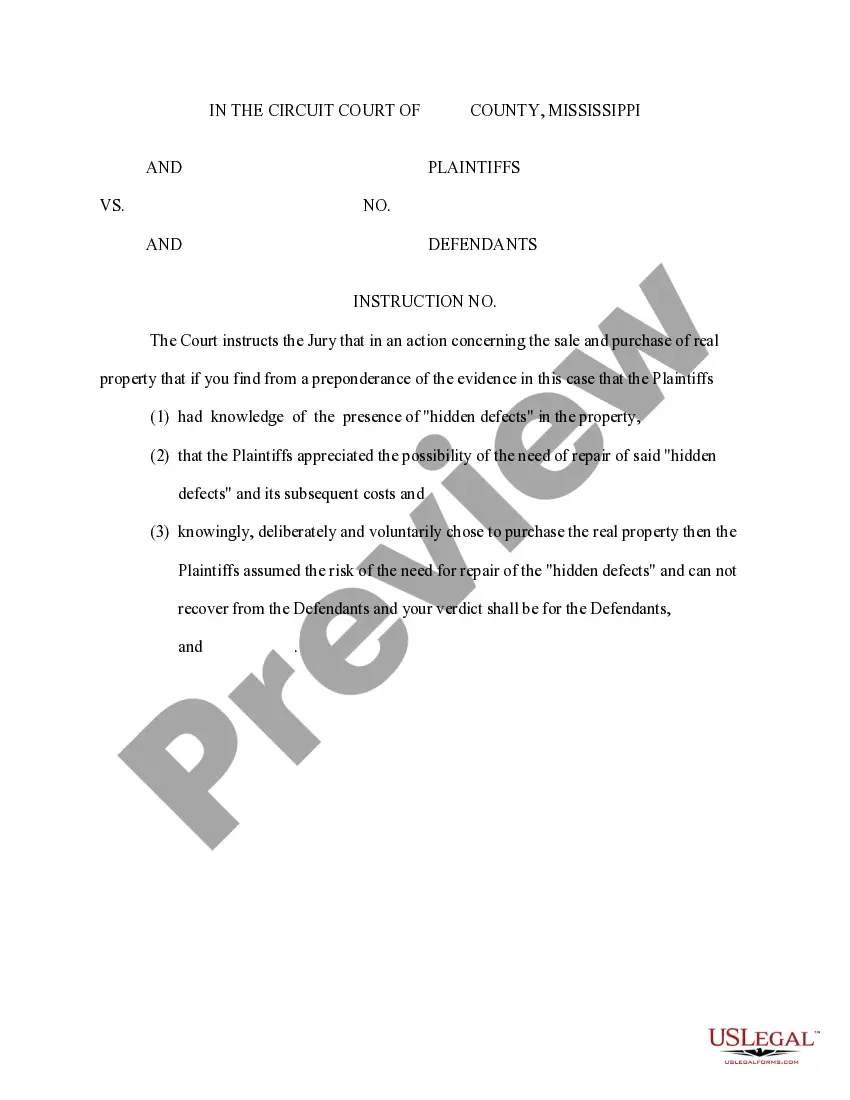
Louisiana Endorsement and Assignment of Mortgage Note
Understanding this form
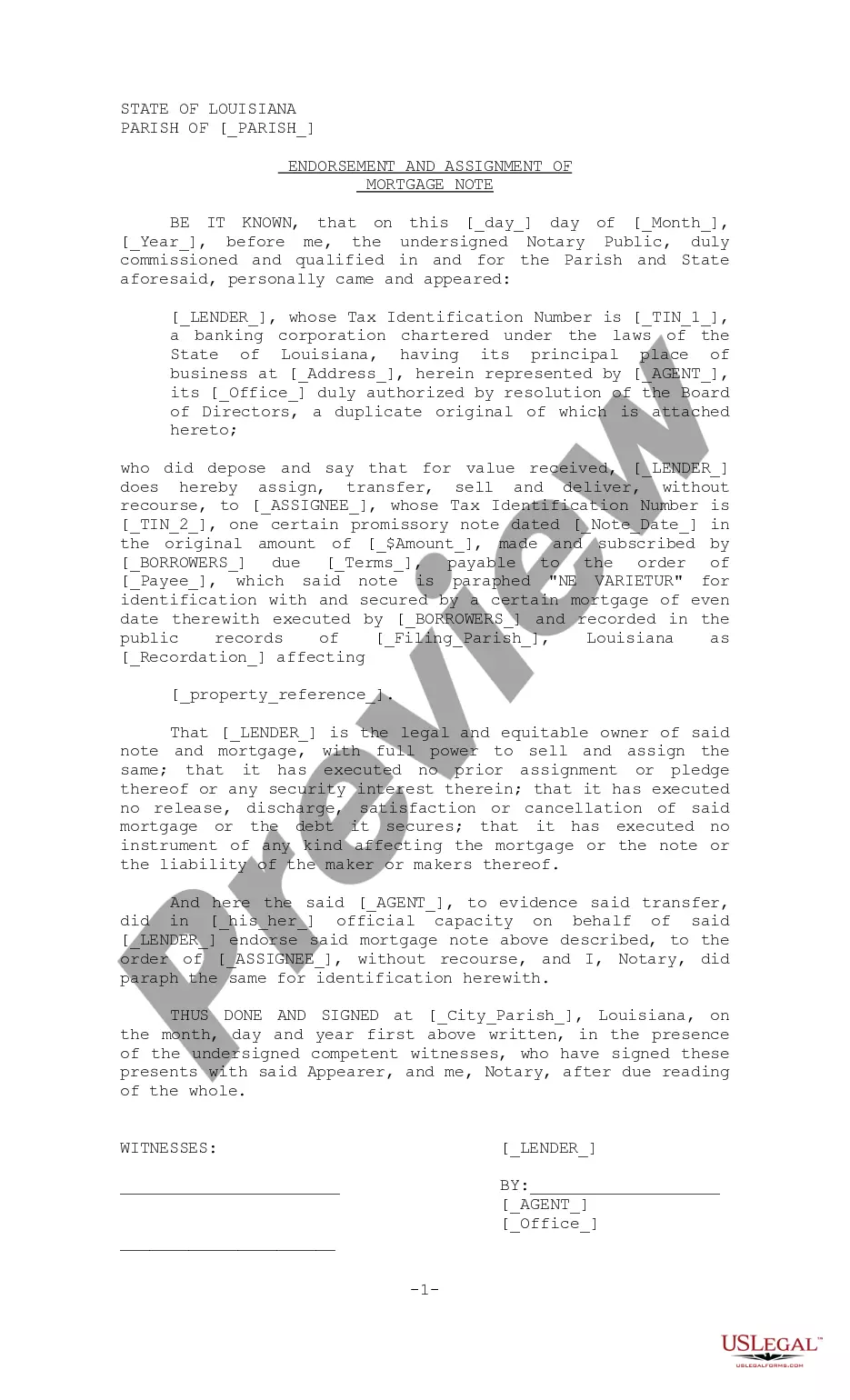
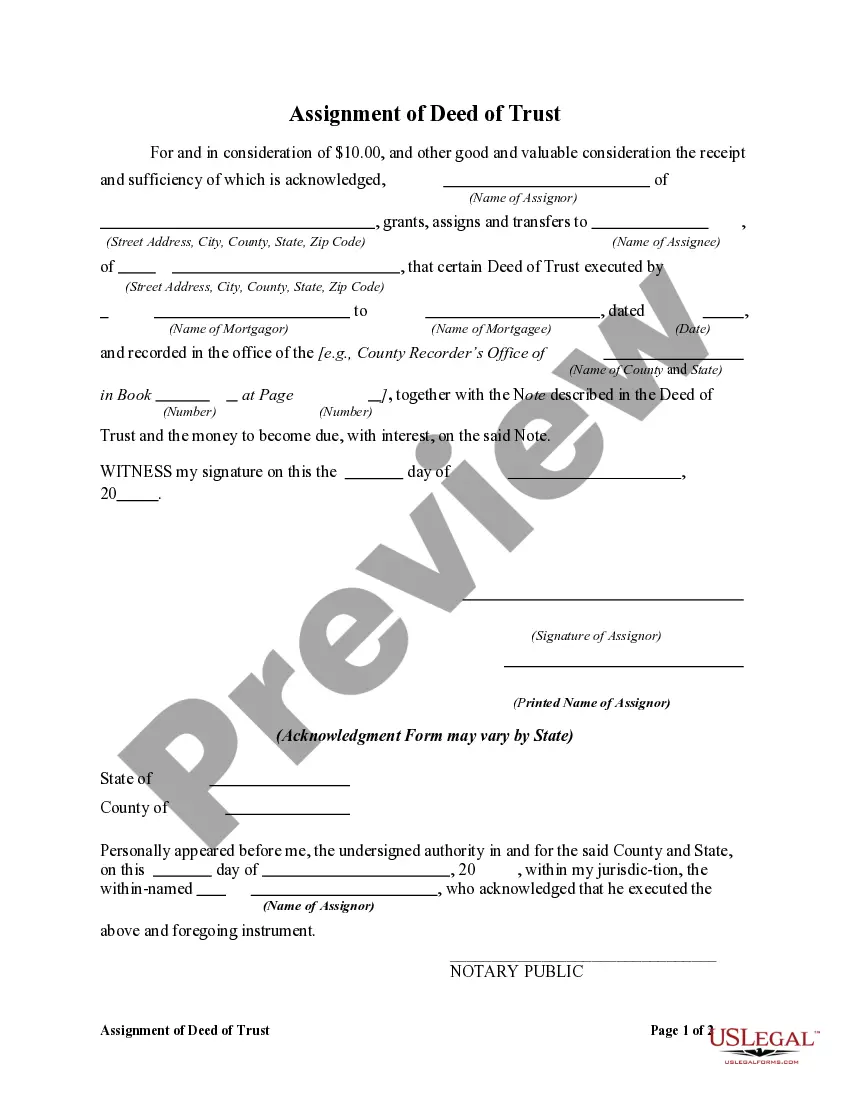
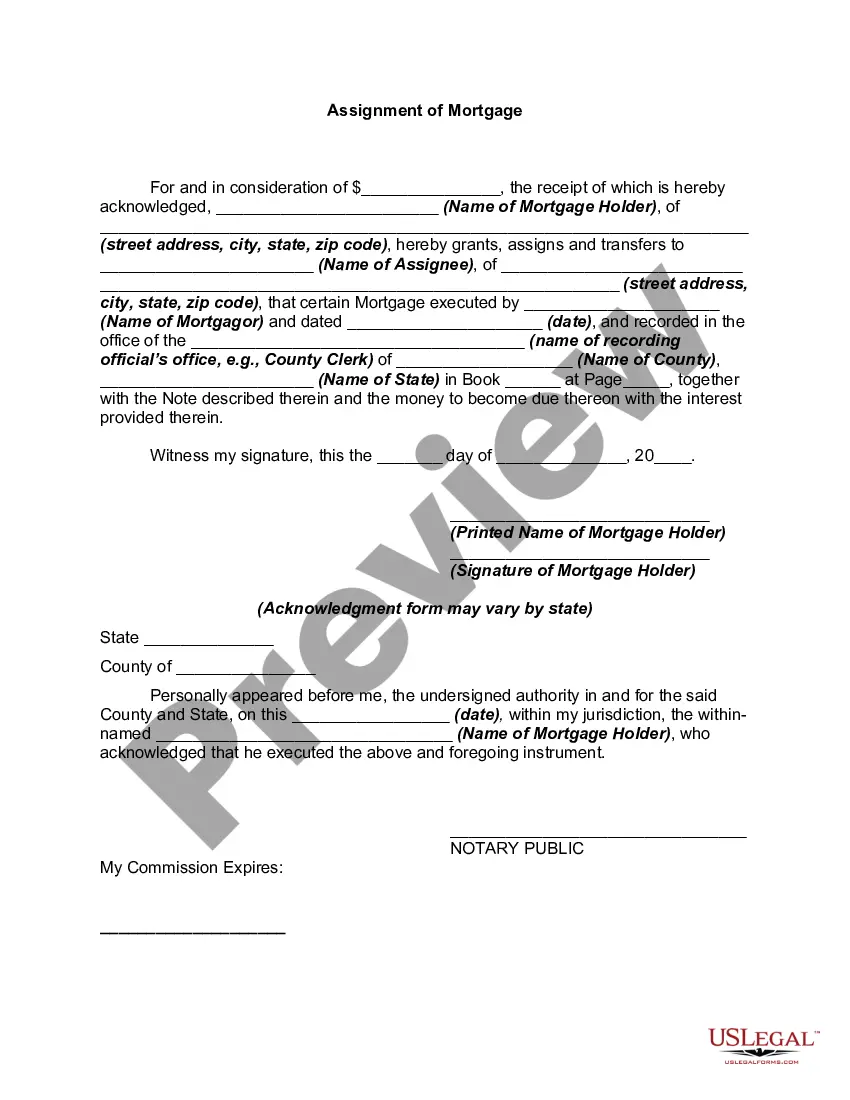
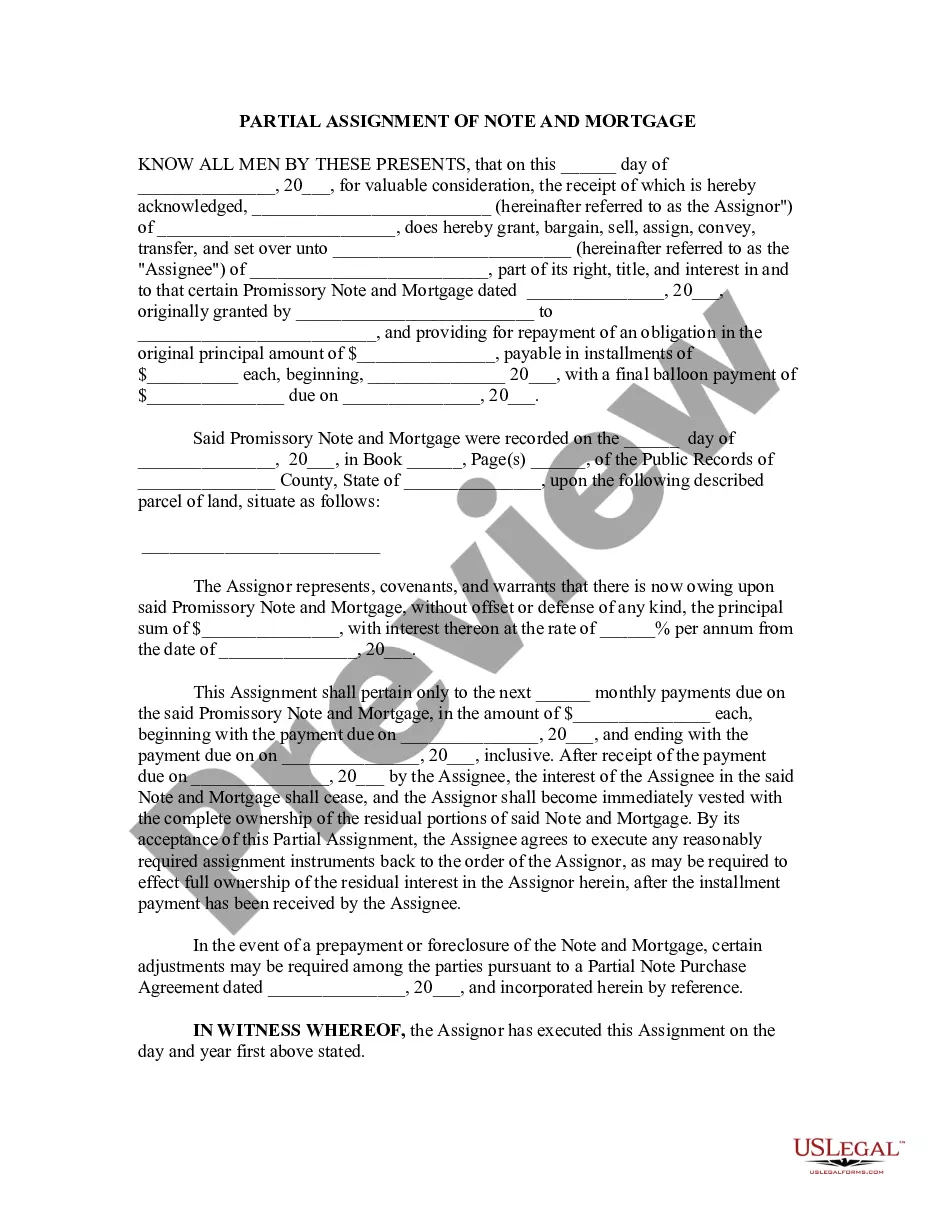
The Endorsement and Assignment of Mortgage Note is a legal document that facilitates the transfer of a mortgage note and the associated mortgage from one lender to another. This ensures that the new lender steps into the role of the original lender, allowing the assignment to be legally recognized. Unlike standard assignments, this form specifically represents a qualified endorsement, indicating that the assignment is made without recourse, protecting the original lender from liability after the transfer.
Form components explained
- Parties involved: Identification of the lender (assignor) and the assignee receiving the mortgage note.
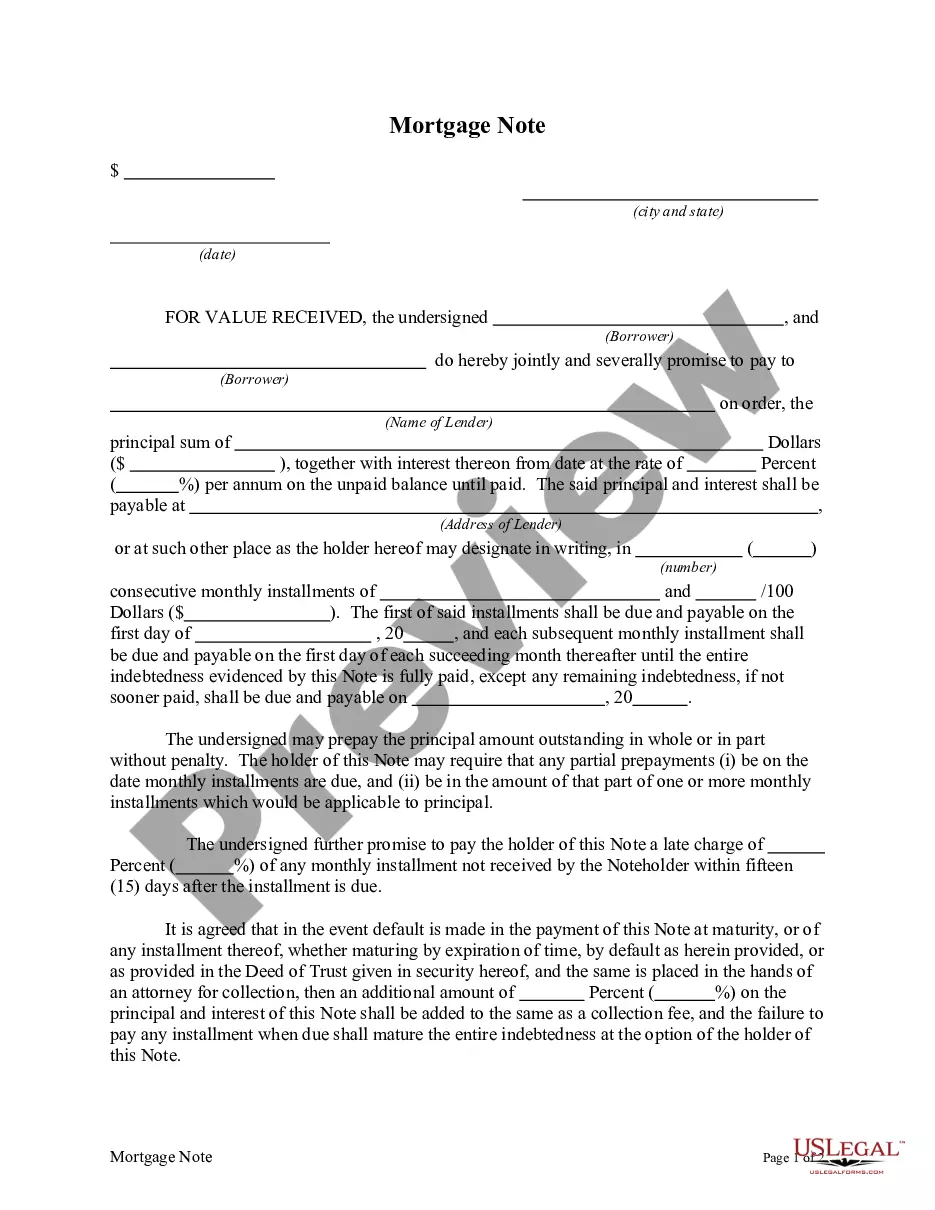
- Details of the note: Information about the promissory note, including its date, amount, and repayment terms.
- MFA (mortgage for identification): A declaration that the note is secured by a specific mortgage.
- Tax Identification Numbers: Essential for both the lender and assignee for tax purposes.
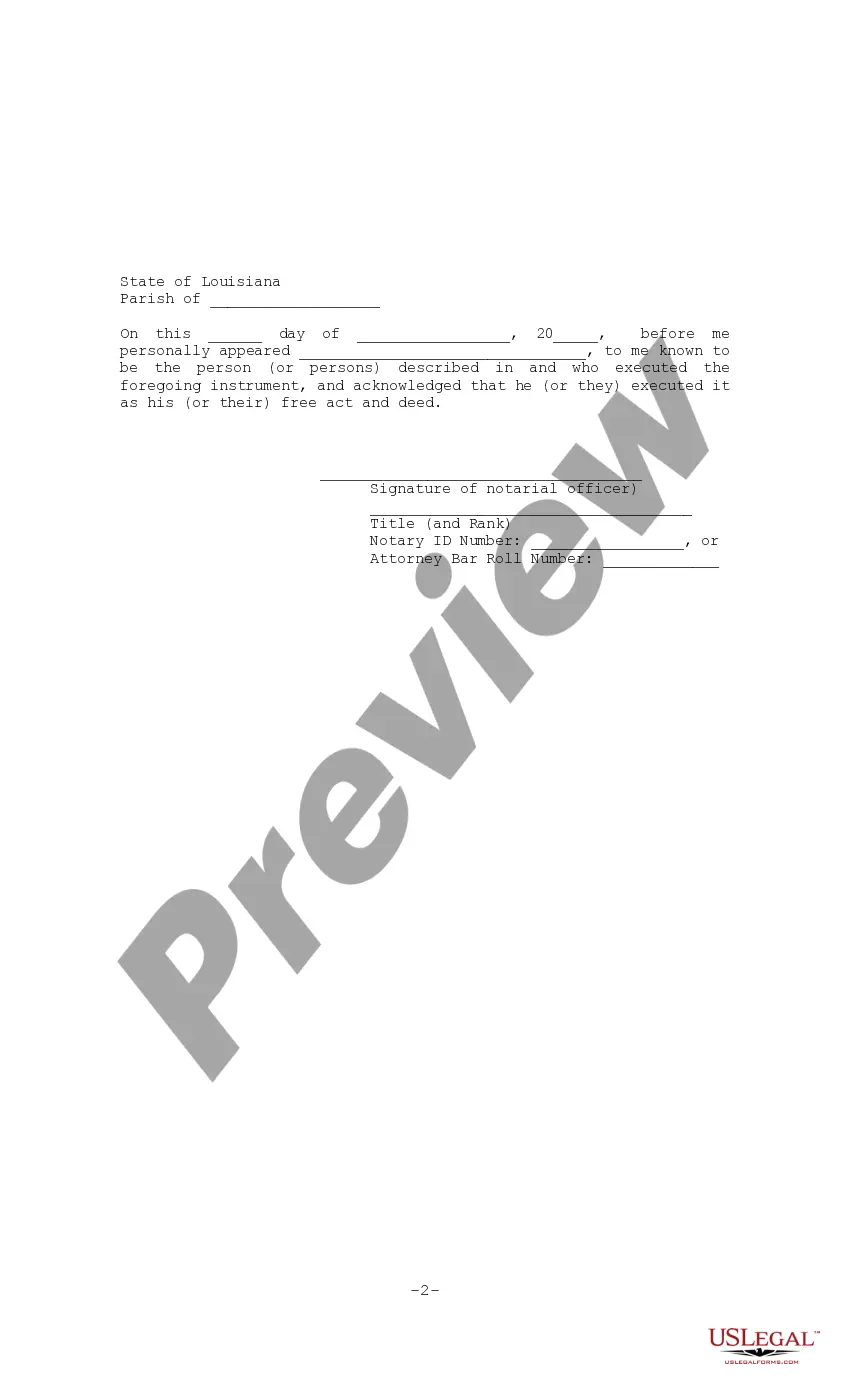
- Notary acknowledgment: A section for notarization validates the endorsement and assignment.

Common use cases
This form should be used when a lender transfers a mortgage note and the corresponding mortgage to another party. Typical scenarios include situations where a lending institution sells its mortgage portfolio to another bank, or when a real estate investment company assigns its mortgage to another creditor. This form ensures that the transaction is legally binding and properly recorded, preventing future disputes regarding the ownership of the mortgage note.
Who should use this form
This form is intended for:
- Financial institutions involved in lending, such as banks and credit unions.
- Real estate investors looking to reassign their mortgage notes.
- Individuals or entities acting as lenders in a mortgage transaction.
- Attorneys assisting clients with the transfer of mortgage-related documents.
Instructions for completing this form
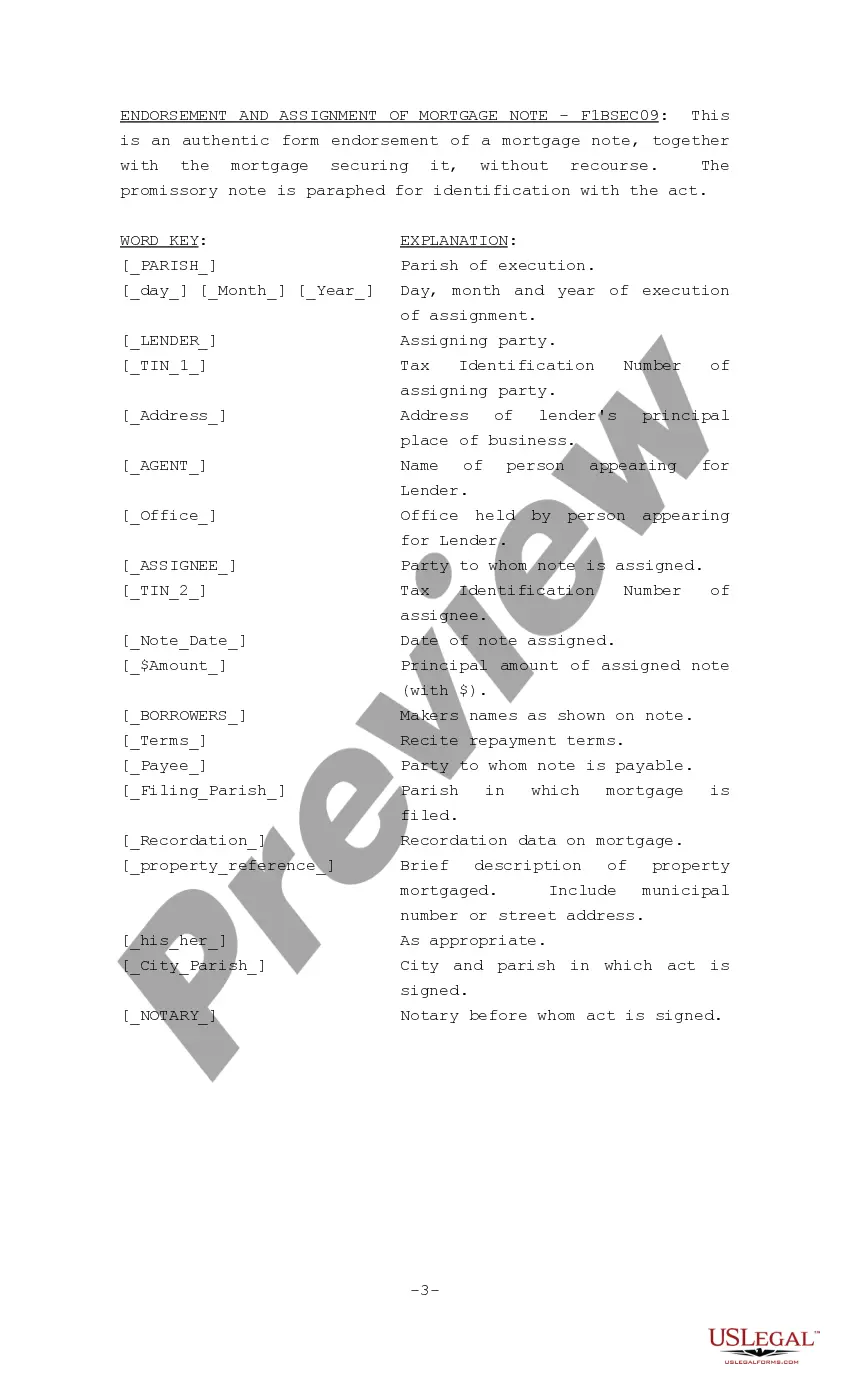
- Identify all parties involved: Lender (assignor) and Assignee (new creditor).
- Fill out the date of execution, including day, month, and year.
- Enter the details of the promissory note being assigned, including its date, amount, and repayment terms.
- Provide the Tax Identification Numbers for both the lender and assignee.
- Complete the acknowledgment section for notarization to confirm the assignment.
Does this document require notarization?
To make this form legally binding, it must be notarized. Our online notarization service, powered by Notarize, lets you verify and sign documents remotely through an encrypted video session.
Get your form ready online
Our built-in tools help you complete, sign, share, and store your documents in one place.
Make edits, fill in missing information, and update formatting in US Legal Forms—just like you would in MS Word.
Download a copy, print it, send it by email, or mail it via USPS—whatever works best for your next step.
Sign and collect signatures with our SignNow integration. Send to multiple recipients, set reminders, and more. Go Premium to unlock E-Sign.
If this form requires notarization, complete it online through a secure video call—no need to meet a notary in person or wait for an appointment.
We protect your documents and personal data by following strict security and privacy standards.

Make edits, fill in missing information, and update formatting in US Legal Forms—just like you would in MS Word.

Download a copy, print it, send it by email, or mail it via USPS—whatever works best for your next step.

Sign and collect signatures with our SignNow integration. Send to multiple recipients, set reminders, and more. Go Premium to unlock E-Sign.

If this form requires notarization, complete it online through a secure video call—no need to meet a notary in person or wait for an appointment.

We protect your documents and personal data by following strict security and privacy standards.
Common mistakes
- Failing to include or correctly fill out the Tax Identification Numbers of the parties involved.
- Not completing the notarization section, which is essential for the assignment to be legally binding.
- Omitting details about the original mortgage or promissory note, leading to confusion about the assignment.
Why use this form online
- Easy access to legally compliant templates that can be completed and downloaded quickly.
- Editability allows users to tailor the form to their specific needs without the need for legal assistance.
- Reliable formats developed by licensed attorneys ensure accuracy and legality.
Quick recap
- The Endorsement and Assignment of Mortgage Note is essential for transferring mortgage interests.
- Proper completion and notarization are critical for the form's legal enforceability.
- This document enables the assignee to act in place of the original lender with regard to the mortgage.
Looking for another form?
Form popularity
FAQ
Endorsements. When an investor purchases a loan, the previous owner will sign or endorse the note, formally indicating that the note is being transferred to a new owner. This process is called endorsement. Just as with a check, one party can transfer ownership of a note by signing it over to another party.
An assignment transfers all of the original mortgagee's interest under the mortgage or deed of trust to the new bank. Generally, the mortgage or deed of trust is recorded shortly after the mortgagors sign it and, if the mortgage is subsequently transferred, each assignment is to be recorded in the county land records.
An allonge is a sheet of paper that is attached to a negotiable instrument, such as a bill of exchange. Its purpose is to provide space for additional endorsements when there is no longer sufficient space on the original instrument. The word allonge derives from the French word allonger, which means to lengthen."
You will need to sign a promissory note and a mortgage or trust deed.The document should be signed and dated by the borrower, and you will need to file or record the document at the local recorder of deeds office or other office responsible for the filing of real estate documents.
1If a loan is "assumable," you're in luck: That means you can transfer the mortgage to somebody else.2In most cases, the new borrower needs to qualify for the loan.3To complete a transfer of an assumable loan, request the change with your lender.How to Transfer a Mortgage to Another Borrower - The Balance\nwww.thebalance.com > can-you-transfer-a-mortgage-315698
If the borrower on a recorded mortgage defaults, the lender can foreclose and either be paid in full or receive the property. However, if a mortgage or deed of trust was not recorded, the lender cannot foreclose against the property, just against the defaulting borrower personally.
Banks often sell and buy mortgages from each other as a way to liquidate assets and improve their credit ratings. When the original lender sells the debt to another bank or an investor, a mortgage assignment is created and recorded in the public record and the promissory note is endorsed.
To assign the note and mortgage is to transfer ownership of the note and mortgage. Once the note is assigned, the person to whom it is assigned, the assignee, can collect payment under the note.
Once the note is assigned, the person to whom it is assigned, the assignee, can collect payment under the note. Assignment of the mortgage agreement occurs when the mortgagee (the bank or lender) transfers its rights under the agreement to another party.