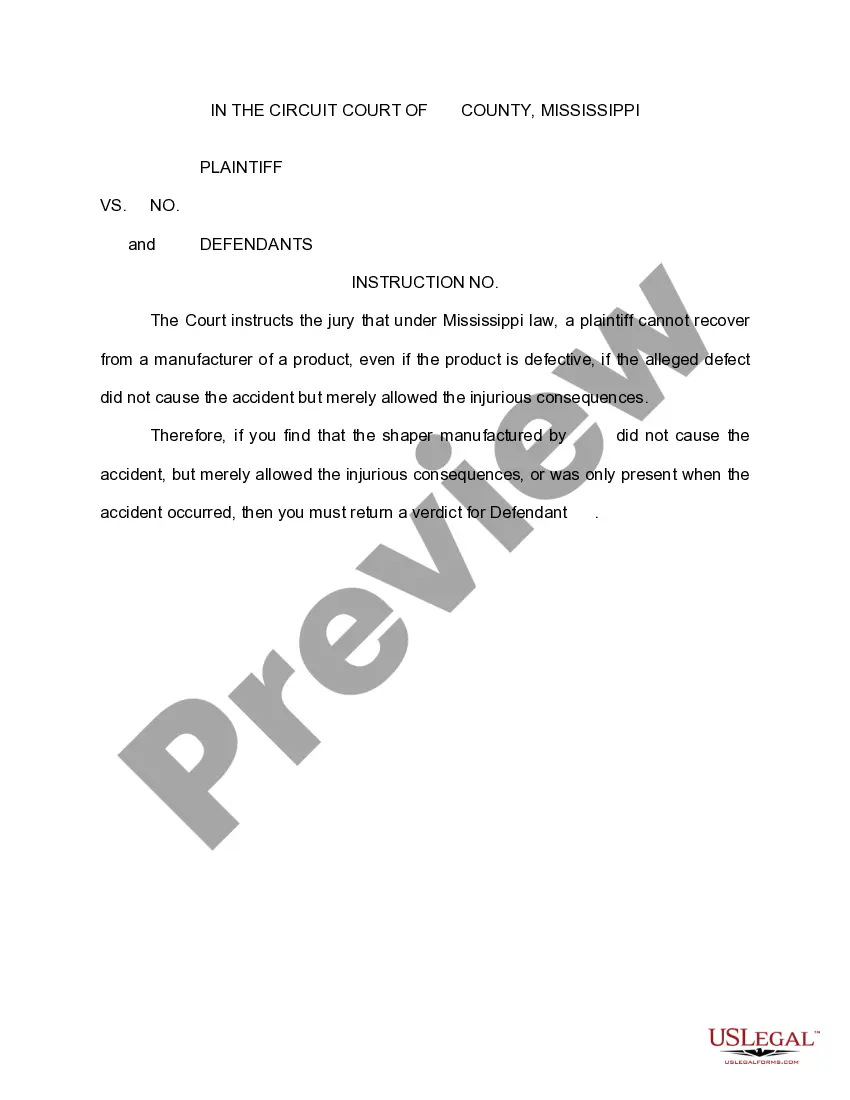
Louisiana Affidavit of Correction - Scriveners
What this document covers
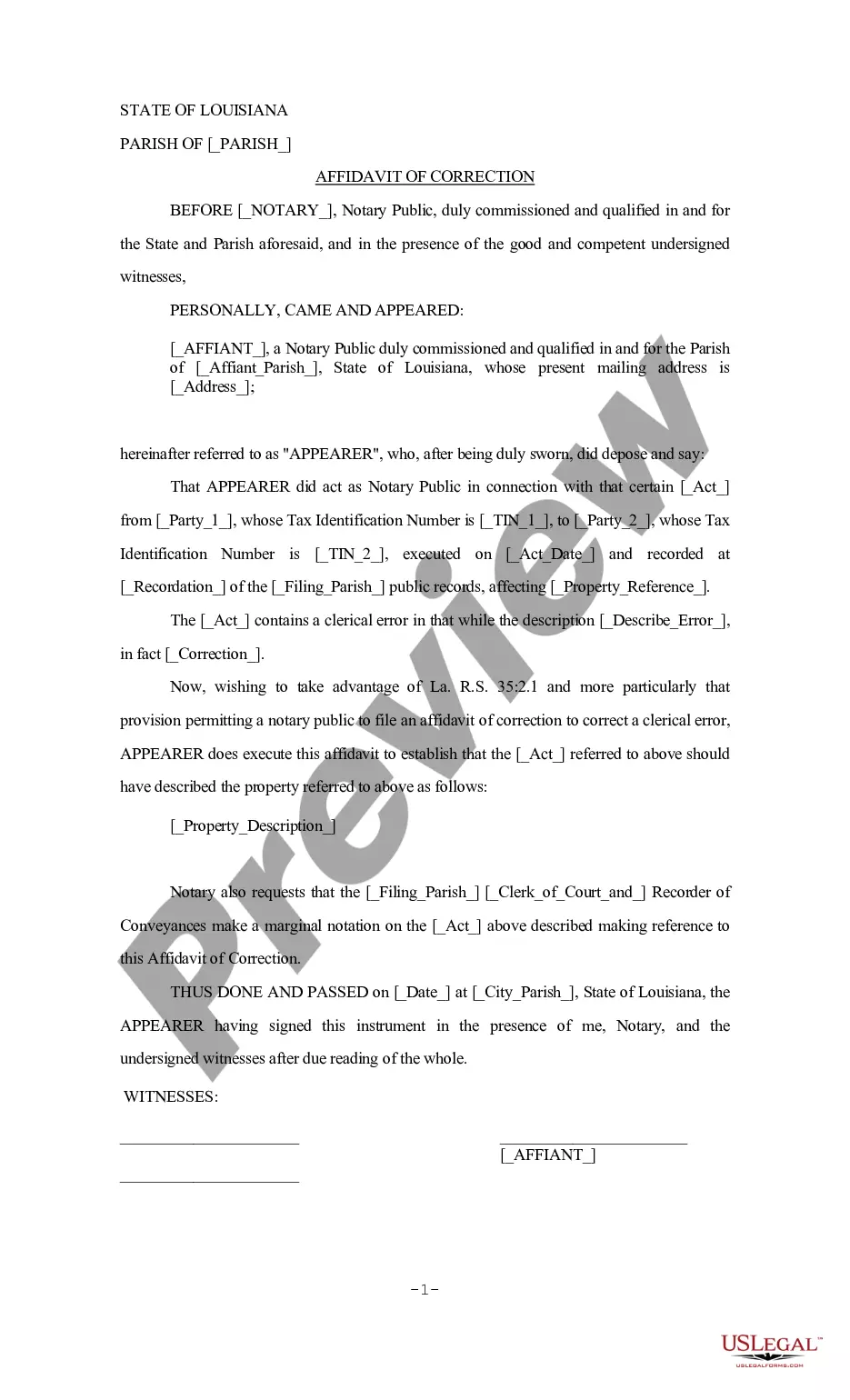
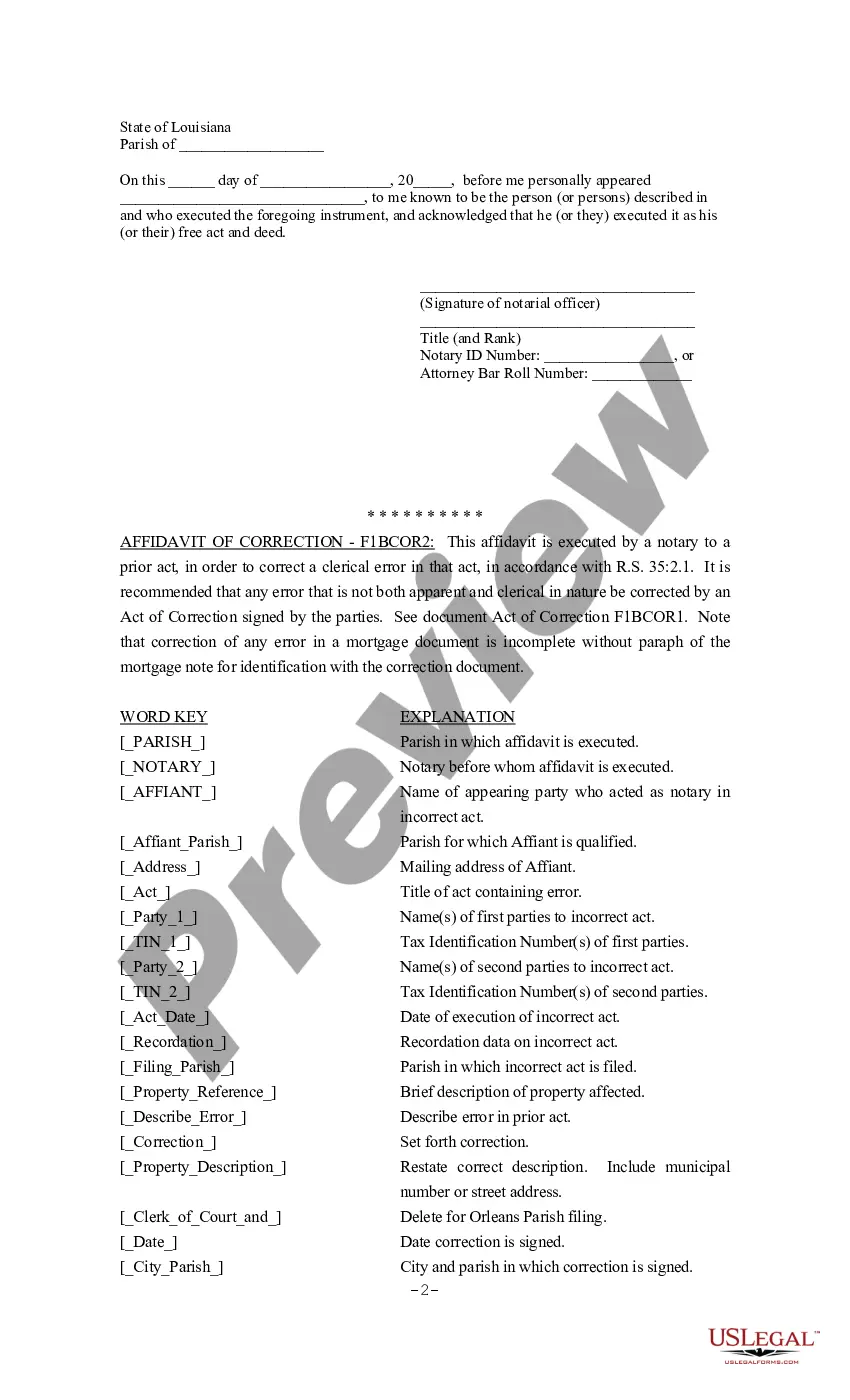
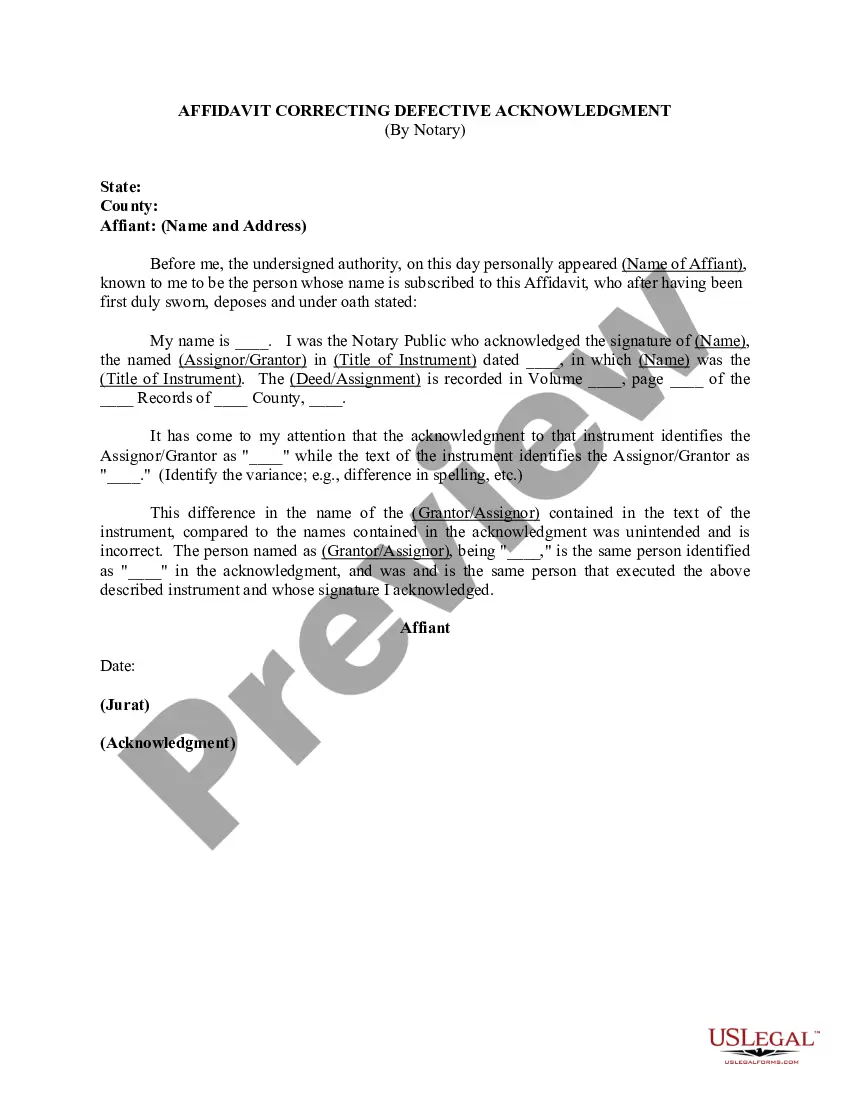
The Affidavit of Correction - Scriveners is a legal document used to rectify clerical errors in a previously executed act or document, specifically as permitted under La. R.S. 35:2.1. This form is executed by a notary public and serves to affirm that a mistake was made in the original act. Unlike an Act of Correction signed by the parties involved, this affidavit is used solely for clerical errors that are apparent and does not address other types of errors. It's essential to ensure that any adjustments to mortgage documents are identifiable by paraph of the mortgage note in conjunction with this correction document.
Key components of this form
- Parish: The parish where the affidavit is being executed.
- Notary: The notary public who witnesses the affidavit.
- Affiant: The individual acting as a notary in the original act.
- Act: Title of the act containing the error.
- Parties: Names and Tax Identification Numbers of the parties involved.
- Error Description: A clear explanation of the clerical error in the act.
- Correct Description: The accurate description of the property as it should have appeared.
When this form is needed
You should use the Affidavit of Correction when you discover a clerical error in a legal document that has already been executed and recorded. Common scenarios include typographical mistakes in property descriptions or incorrect party names that do not change the substance of the agreement. This form is particularly relevant in Louisiana law when addressing mistakes that are both obvious and clerical in nature.
Who can use this document
This affidavit is suitable for:
- Notaries public involved in the original act.
- Individuals or attorneys representing parties affected by the clerical error.
- Anyone needing to rectify specific errors in recorded legal documents to ensure accuracy.
How to complete this form
- Identify the parties involved and their Tax Identification Numbers.
- State the title and date of the original act where the error occurred.
- Clearly describe the clerical error that needs correction.
- Provide the accurate property description that should have been included in the original document.
- Have the notary public and witnesses sign the affidavit, noting the date and parish of execution.
Does this form need to be notarized?
This form needs to be notarized to ensure legal validity. US Legal Forms provides secure online notarization powered by Notarize, allowing you to complete the process through a verified video call, available anytime.
Get your form ready online
Our built-in tools help you complete, sign, share, and store your documents in one place.
Make edits, fill in missing information, and update formatting in US Legal Forms—just like you would in MS Word.
Download a copy, print it, send it by email, or mail it via USPS—whatever works best for your next step.
Sign and collect signatures with our SignNow integration. Send to multiple recipients, set reminders, and more. Go Premium to unlock E-Sign.
If this form requires notarization, complete it online through a secure video call—no need to meet a notary in person or wait for an appointment.
We protect your documents and personal data by following strict security and privacy standards.

Make edits, fill in missing information, and update formatting in US Legal Forms—just like you would in MS Word.

Download a copy, print it, send it by email, or mail it via USPS—whatever works best for your next step.

Sign and collect signatures with our SignNow integration. Send to multiple recipients, set reminders, and more. Go Premium to unlock E-Sign.

If this form requires notarization, complete it online through a secure video call—no need to meet a notary in person or wait for an appointment.

We protect your documents and personal data by following strict security and privacy standards.
Mistakes to watch out for
- Failing to accurately describe the clerical error, which may lead to further confusion.
- Neglecting to gather all required signatures from witnesses and the notary.
- Submitting the affidavit without ensuring that all information aligns with the original act.
Benefits of completing this form online
- Convenience of downloading and filling out the form at your own pace.
- Editability allows you to make precise changes to your details as needed.
- Access to reliable forms drafted by licensed attorneys, ensuring legal compliance.
Key takeaways
- The Affidavit of Correction is designed to rectify clerical errors in legal documents.
- It must be notarized to ensure its legal validity.
- This form is specific to Louisiana, reflecting its regulations for corrections in legal documents.
Looking for another form?
Form popularity
FAQ
Re-recording of the original document. With corrections made in the body of the original document. A cover sheet detailing the changes. Must be re-signed and re-acknowledged. Correction Deed. A new deed reflecting the corrections/changes. Must meet all recording requirements of a deed.
Correction Deed - Correcting A Recorded Deed.A correction deed confirms the covenants and warranties of the prior deed. It needs to refer to that instrument by indicating its execution and recording date, the place of recording, and the number under which the document is filed.
Once a deed has been recorded, it is part of the public record and cannot be changed. It is possible, however, to amend that record by adding a newly executed deed, usually called correction or corrective deed, deed of correction or, in some states, deed of confirmation.
Draw line through entry (thin pen line). Make sure that the inaccurate information is still legible. Initial and date the entry. State the reason for the error (i.e. in the margin or above the note if room). Document the correct information.
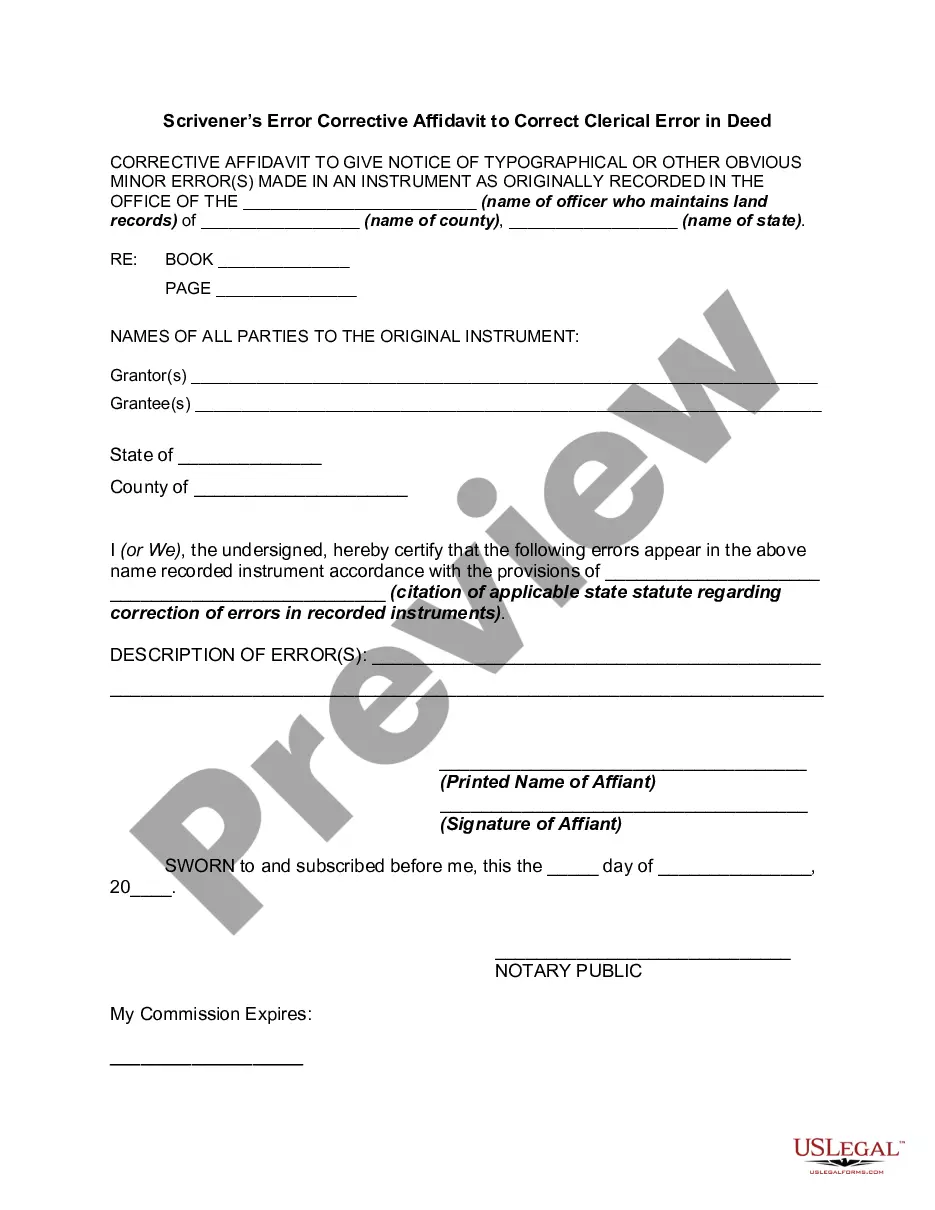
A corrective affidavit is a statutory device under Cal.Gov. Code 27201, used to correct a minor error in a document that has been recorded at an earlier date. Minor errors are those that, when corrected, cause no actual change in the substance of the document.
Correcting a Mortgage Record Error If your mortgage record is filed, you cannot unfile it, correct it, and then resubmit it. However, you can amend the record with a corrective or newly executed deed or mortgage.
A corrective deed is an instrument filed in the public record in addition to the incorrect deed. It's known as a confirmatory instrument since it perfects an existing title by removing any defects, but it doesn't pass title on its own.
A correction deed is a new deed signed and acknowledged by the grantor. A correction affidavit can be signed by either party but is used in limited situations. This press release was authorized by Mark W. Bidwell, an attorney licensed in California.