Kentucky Statutory Advance Directive for Mental Health Care
Understanding this form
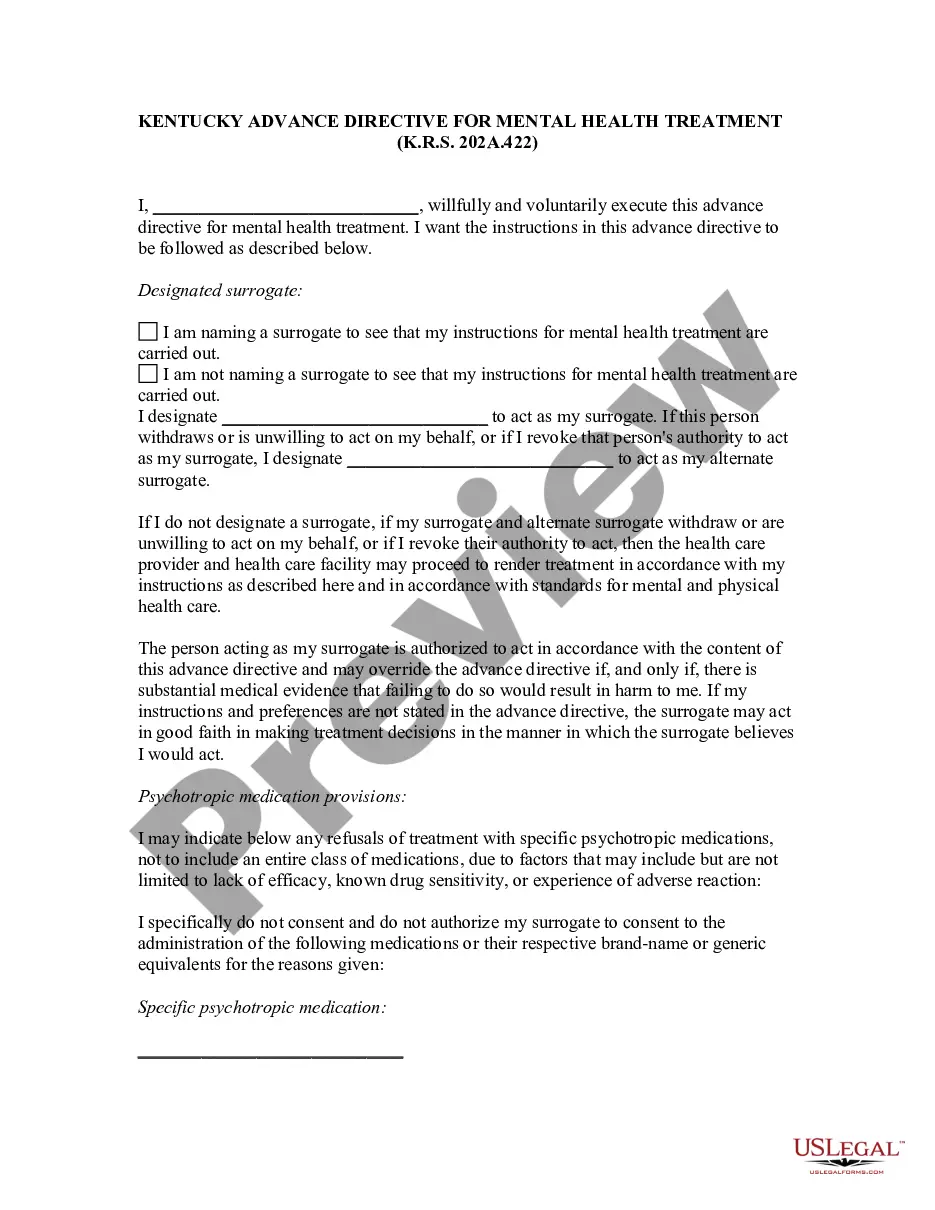
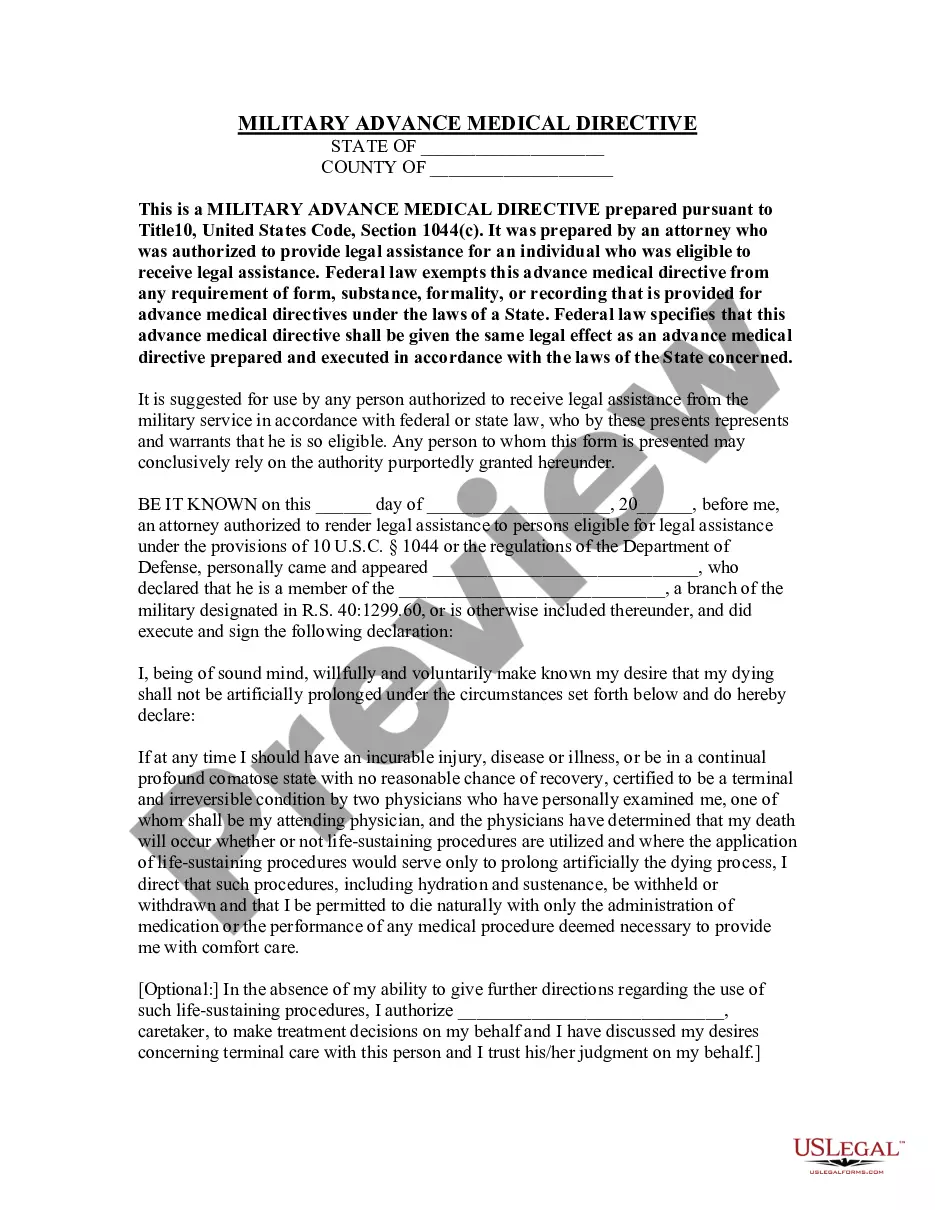
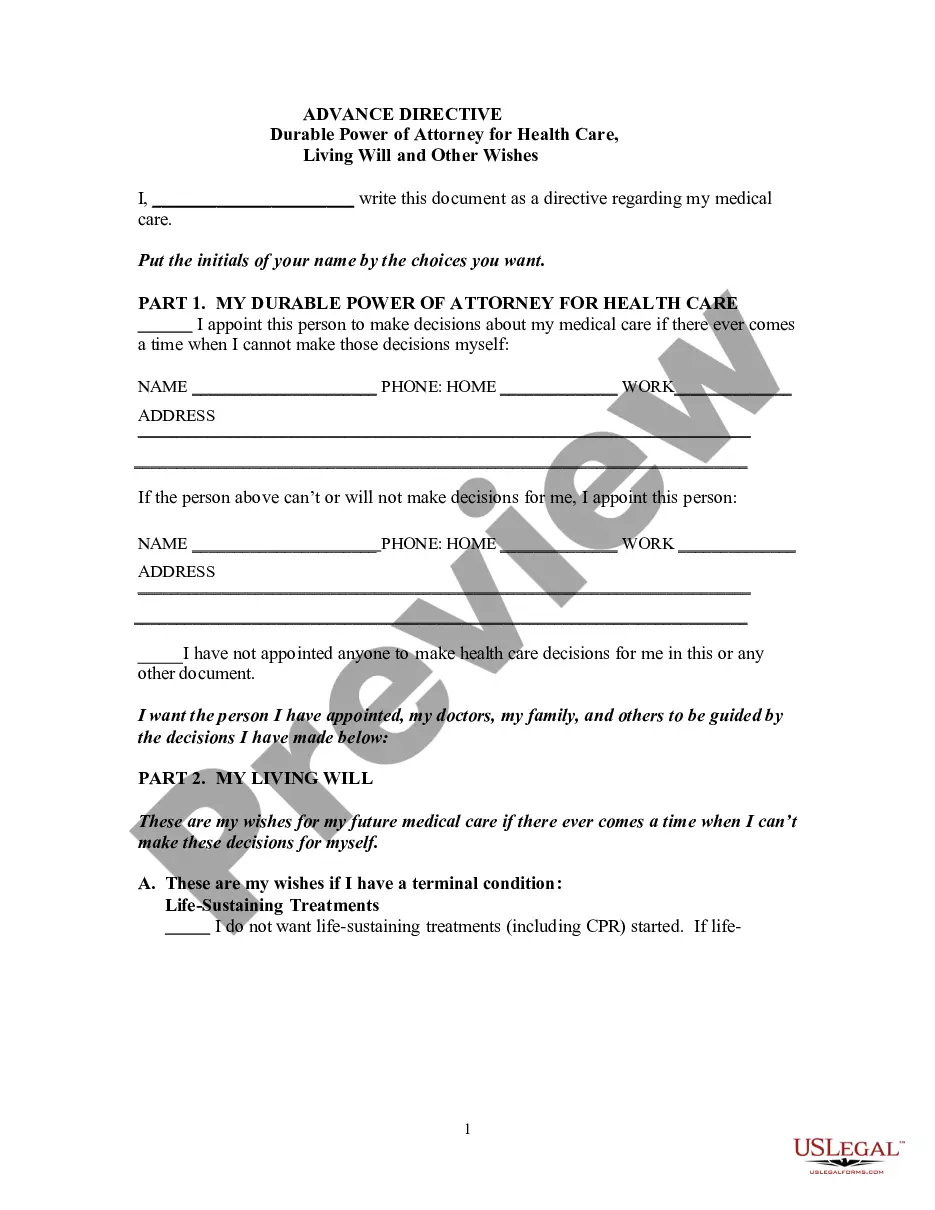
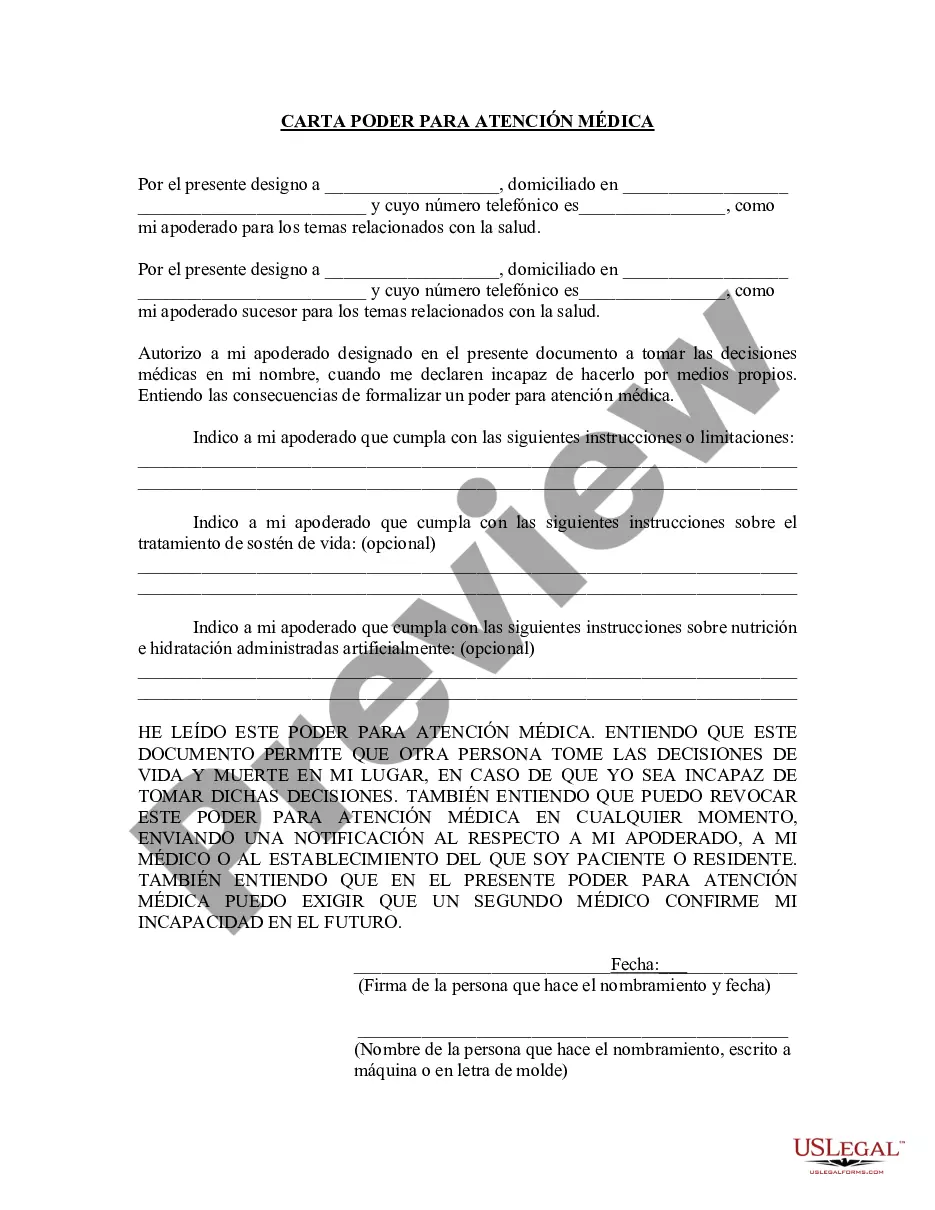
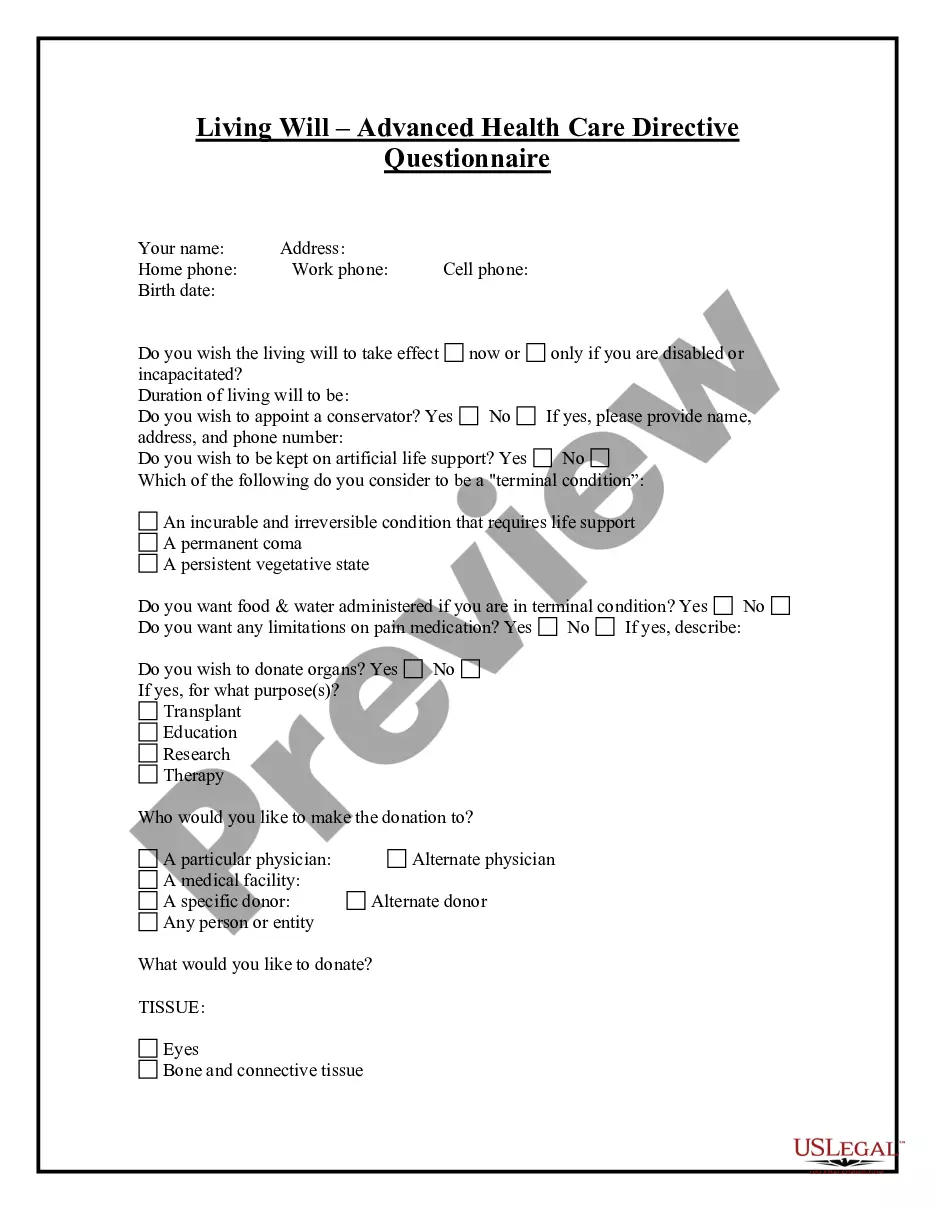
The Kentucky Statutory Advance Directive for Mental Health Care is a legal document that allows you to appoint a person to make decisions regarding your mental health treatment if you become unable to give informed consent. It includes options for specifying your preferences for medications, electroconvulsive therapy, and emergency interventions, making it a crucial tool for ensuring your mental health care aligns with your wishes.
Key parts of this document
- Designation of a surrogate to oversee your mental health treatment decisions.
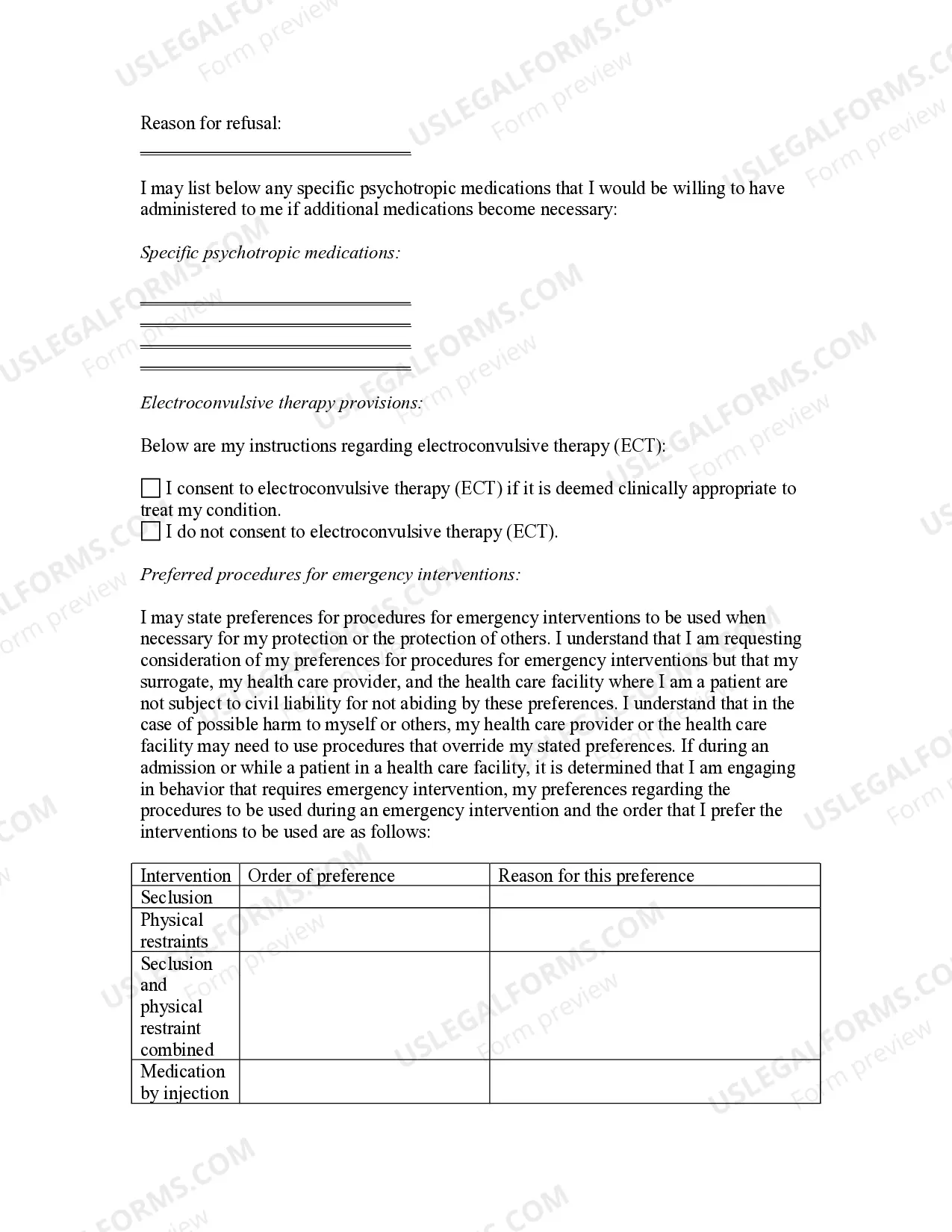
- Provisions for indicating preferences regarding psychotropic medications.
- Instructions for or against electroconvulsive therapy.
- Guidance for emergency intervention procedures.
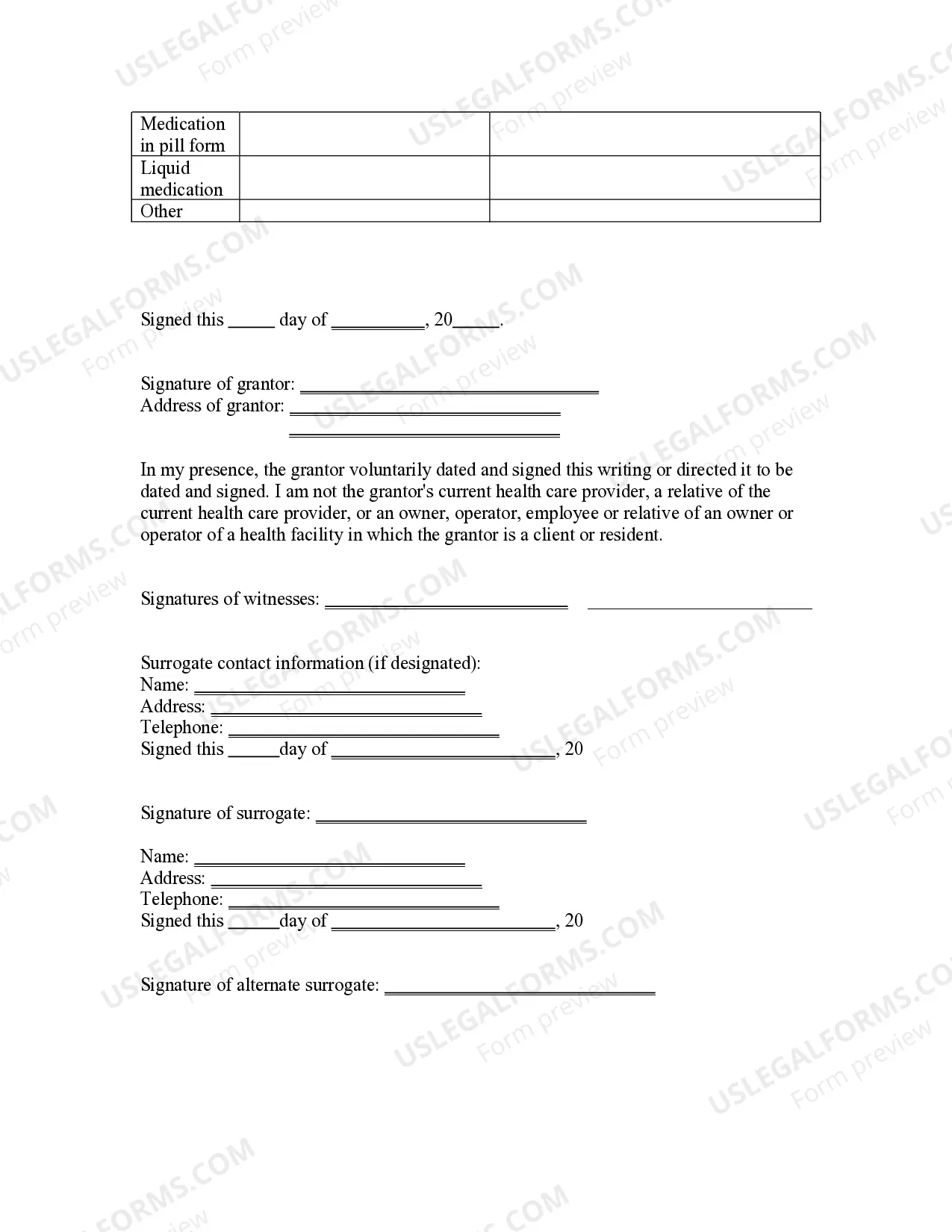
- Witnessing requirements to ensure the directive is valid.
Situations where this form applies
This form is useful when an individual anticipates a time when they may be unable to make informed decisions about their mental health care. It is especially pertinent for those with a history of mental health issues or conditions that may impair judgment, such as severe depression or psychosis.
Intended users of this form
- Adults in Kentucky who want to ensure their mental health treatment preferences are honored.
- Individuals with mental health conditions that could impair their ability to make decisions.
- Caregivers or family members concerned about future mental health crises.
- Anyone who wishes to communicate their treatment preferences clearly and legally.
How to prepare this document
- Identify yourself as the grantor at the beginning of the document.
- Designate a surrogate to act on your behalf regarding mental health treatment decisions.
- Specify any medications you refuse or consent to, along with reasons for your preferences.
- Indicate your consent or refusal of electroconvulsive therapy as applicable.
- Provide preferences for emergency interventions, if any.
- Sign the form in the presence of witnesses who are not related or connected to your current health care provider.
Does this document require notarization?
This form does not typically require notarization to be legally valid. However, some jurisdictions or document types may still require it. US Legal Forms provides secure online notarization powered by Notarize, available 24/7 for added convenience.
Get your form ready online
Our built-in tools help you complete, sign, share, and store your documents in one place.
Make edits, fill in missing information, and update formatting in US Legal Forms—just like you would in MS Word.
Download a copy, print it, send it by email, or mail it via USPS—whatever works best for your next step.
Sign and collect signatures with our SignNow integration. Send to multiple recipients, set reminders, and more. Go Premium to unlock E-Sign.
If this form requires notarization, complete it online through a secure video call—no need to meet a notary in person or wait for an appointment.
We protect your documents and personal data by following strict security and privacy standards.

Make edits, fill in missing information, and update formatting in US Legal Forms—just like you would in MS Word.

Download a copy, print it, send it by email, or mail it via USPS—whatever works best for your next step.

Sign and collect signatures with our SignNow integration. Send to multiple recipients, set reminders, and more. Go Premium to unlock E-Sign.

If this form requires notarization, complete it online through a secure video call—no need to meet a notary in person or wait for an appointment.

We protect your documents and personal data by following strict security and privacy standards.
Common mistakes to avoid
- Failing to clearly name a surrogate, which may leave decisions unaddressed.
- Not specifying treatment preferences, leading to confusion during critical times.
- Overlooking witness signatures, which can invalidate the directive.
- Using vague language that can be open to interpretation.
Advantages of online completion
- Easy access to the form, allowing for timely completion.
- Editable fields to personalize the document according to your specific needs.
- Created and reviewed by legal experts, ensuring reliability and compliance with state laws.
Quick recap
- The form allows you to specify mental health treatment preferences.
- Designating a surrogate is a critical component of this advance directive.
- Preferences for medications and interventions should be clearly stated to guide your care.
- This document helps ensure your wishes are honored during challenging times.
Looking for another form?
Form popularity
FAQ
You can get the forms in a doctor's office, hospital, law office, state or local office for the aging, senior center, nursing home, or online. When you write your advance directive, think about the kinds of treatments that you do or don't want to receive if you get seriously hurt or ill.
The name and contact information of your healthcare agent/proxy. Answers to specific questions about your preferences for care if you become unable to speak for yourself. Names and signatures of individuals who witness your signing your advance directive, if required.
Step 1: Decide your wishes. The first step is to think through and write down how you want to be treated when you have a mental health crisis or are hospitalized. Step 2: Find your health care agent. Step 3: Write your advance directive. Step 4: Give out copies of your psychiatric advance directive.
As long as you can still make your own decisions, your advance directive won't be used. You can change or cancel it at any time. Your health care agent will only make choices for you if you can't or don't want to decide for yourself.
How long does an advance directive for health care last? The advance directive will remain valid during your lifetime unless you revoke it or you sign a new advance directive unless or there is a specific time limit written in the advance directive. The health care representative's authority ends when you die.
The living will. Durable power of attorney for health care/Medical power of attorney. POLST (Physician Orders for Life-Sustaining Treatment) Do not resuscitate (DNR) orders. Organ and tissue donation.
An advance directive, alone, may not be sufficient to stop all forms of life-saving treatment. You may also need specific do not resuscitate, or DNR orders.You retain the right to override the decisions or your representative, change the terms of your living will or POA, or completely revoke an advance directive.
Step 1: Decide your wishes. The first step is to think through and write down how you want to be treated when you have a mental health crisis or are hospitalized. Step 2: Find your health care agent. Step 3: Write your advance directive. Step 4: Give out copies of your psychiatric advance directive.