Kansas Apartment Rules and Regulations
What is this form?
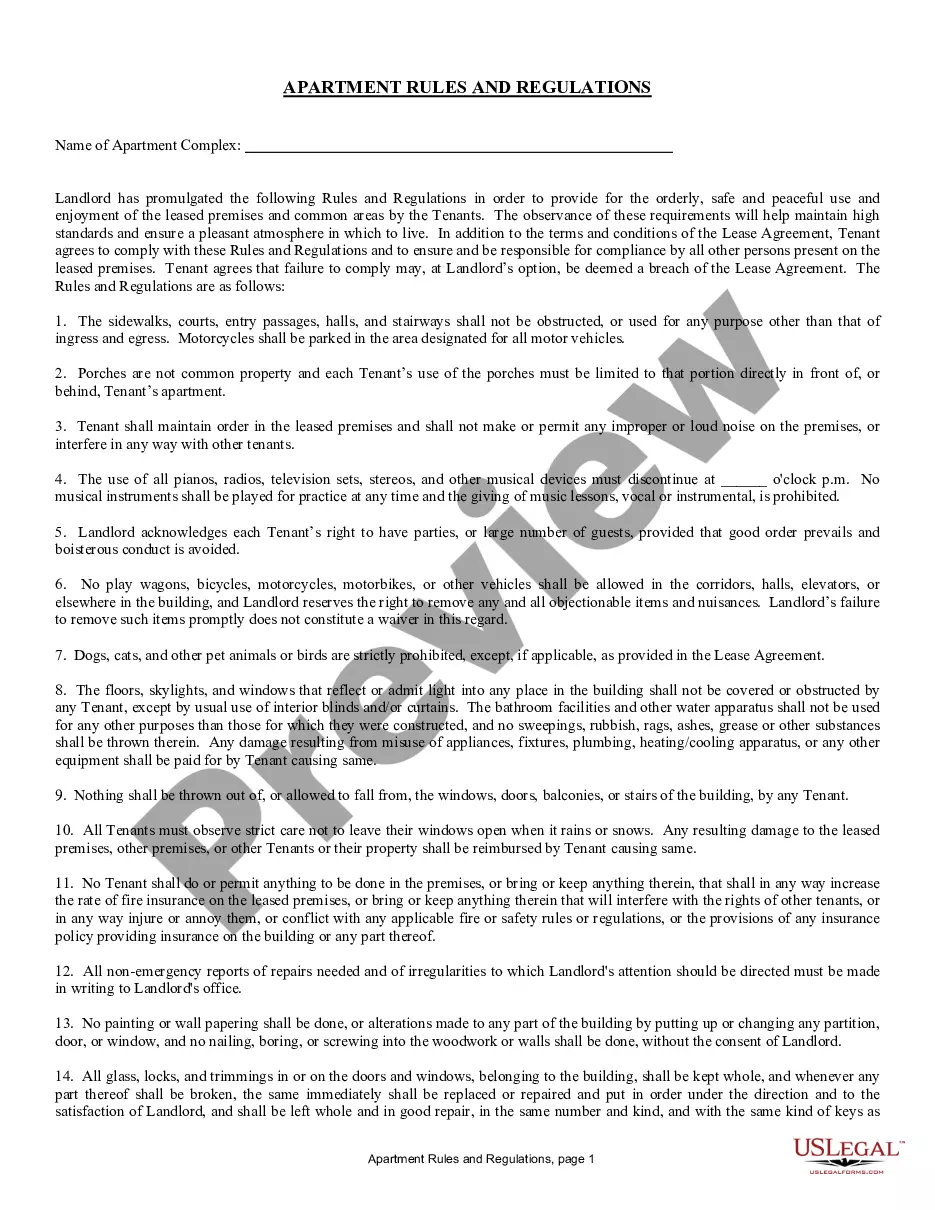
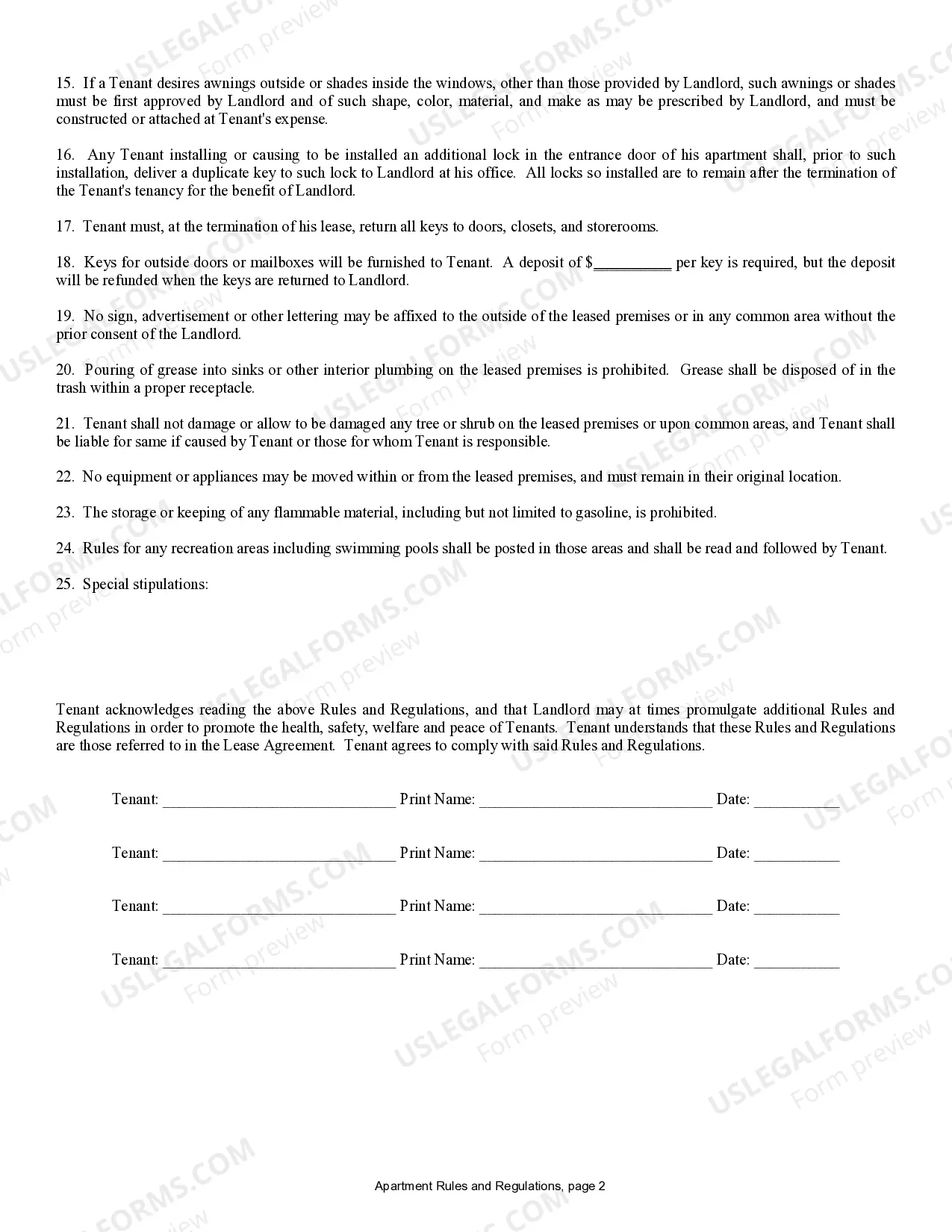
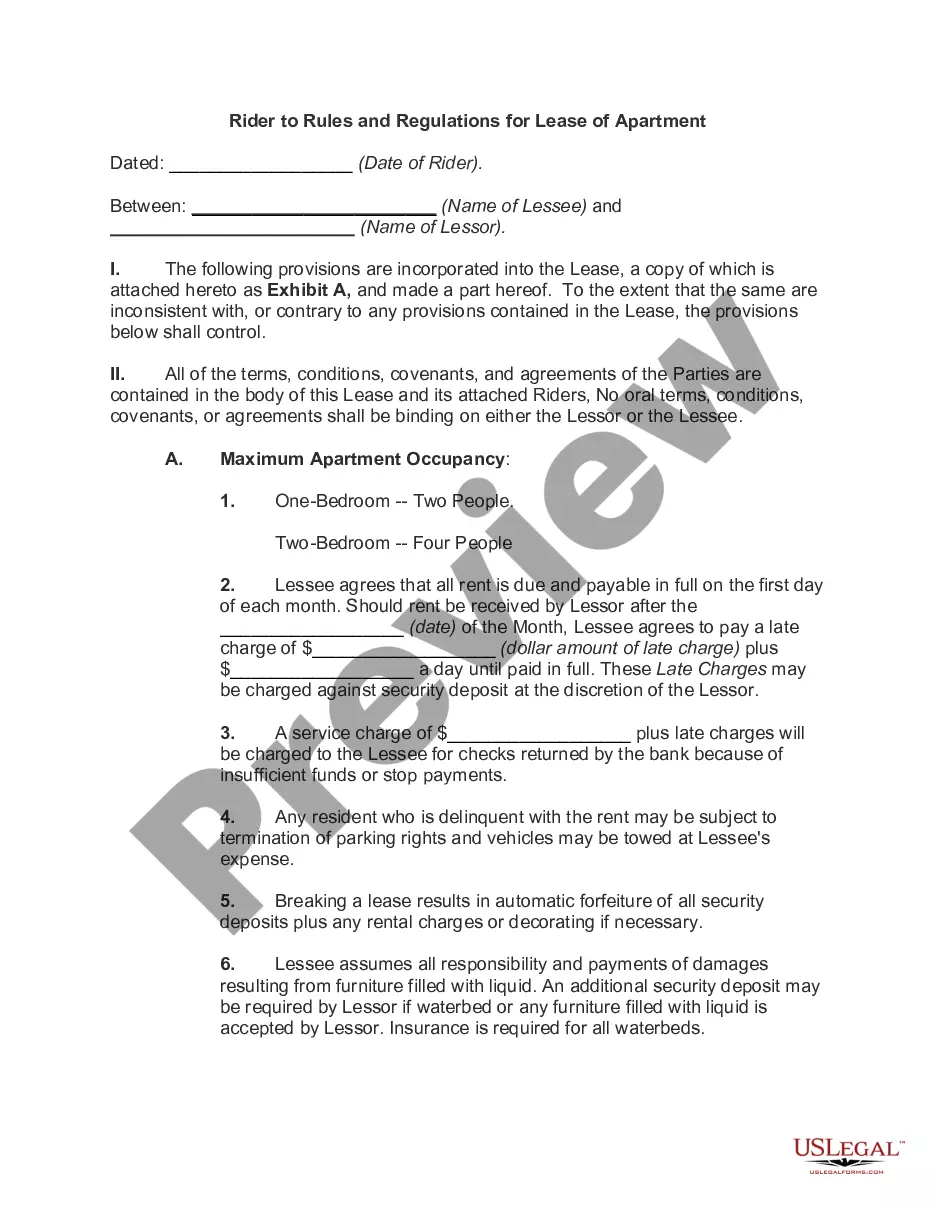
The Apartment Rules and Regulations form outlines essential guidelines and expectations for tenants living in an apartment complex. This standard form helps maintain a peaceful and orderly living environment, detailing specific rules that are not typically covered in the Apartment Lease Agreement. By using this form, landlords can ensure that all tenants are aware of their responsibilities and the consequences of non-compliance, making it a crucial document for both tenants and landlords in a rental situation.
Key parts of this document
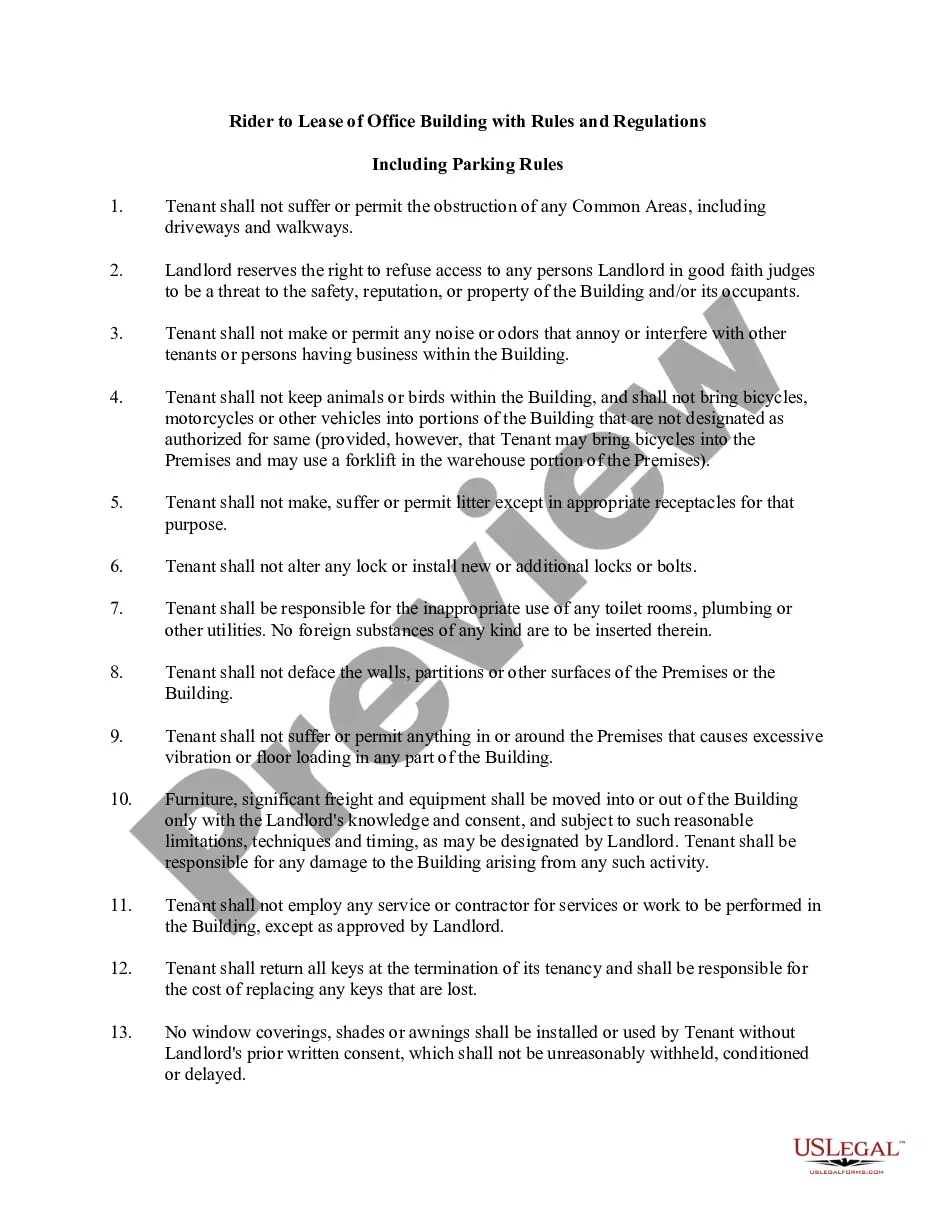
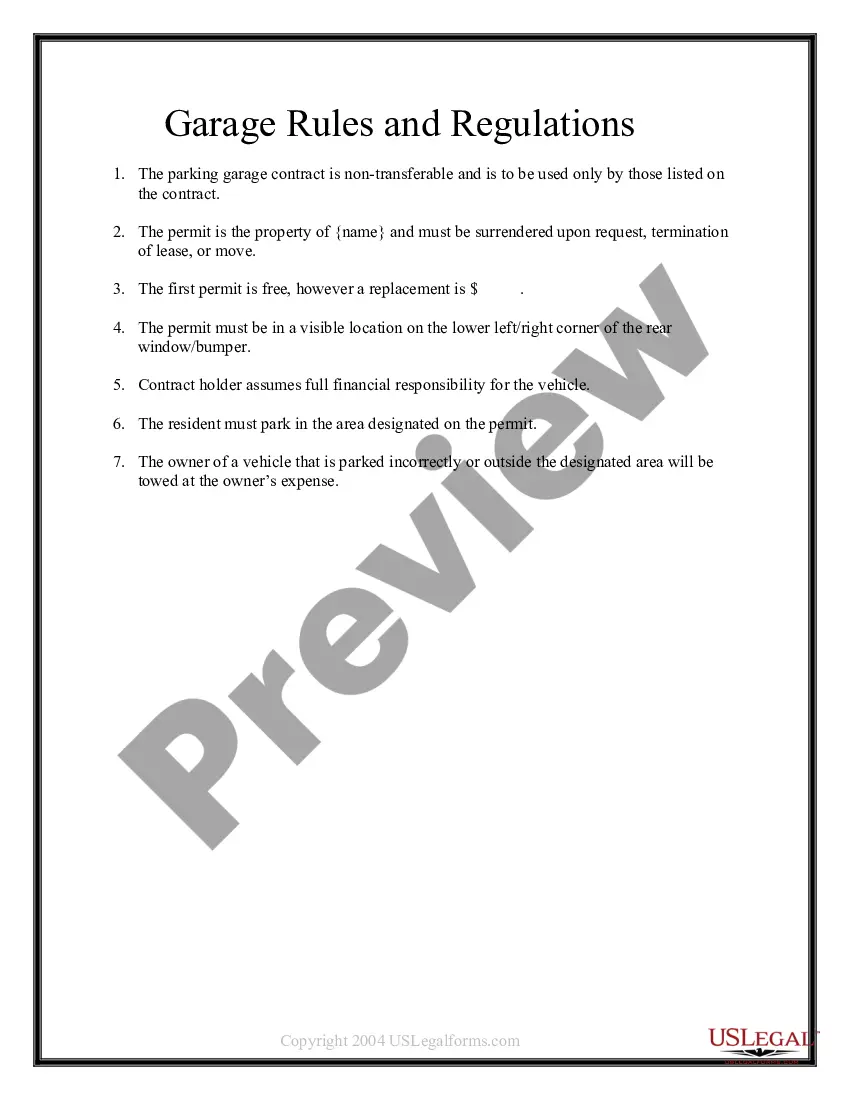
- Definition of common areas and regulations regarding their use.
- Noise control measures and restrictions on parties or gatherings.
- Guidelines for maintaining cleanliness and avoiding damages.
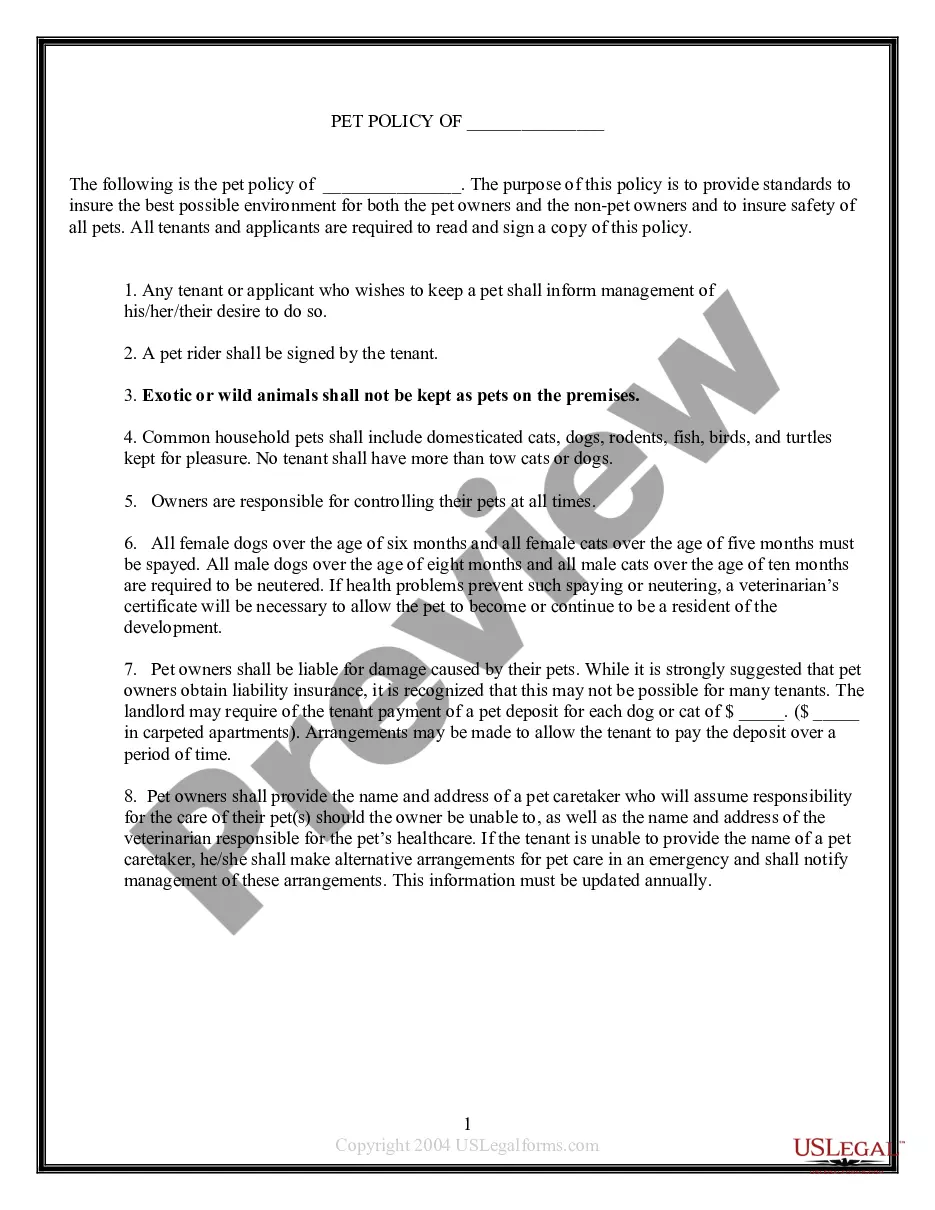
- Pet policies and restrictions on certain activities within the premises.
- Procedures for reporting maintenance issues to the landlord.
- Conditions on making alterations to the apartment.
When to use this form
This form should be used when establishing a lease agreement for an apartment, ensuring that tenants are aware of and agree to the rules governing their living environment. It is particularly useful when new residents are moving in or when existing tenants need to reinforce guidelines for maintaining a harmonious living space. Landlords can also use this form to address and rectify tenant behavior issues by referencing specific regulations.
Who can use this document
The following individuals should use the Apartment Rules and Regulations form:
- Landlords or property managers wishing to outline expectations for tenants.
- Tenants who are moving into an apartment and want to understand the rules they must follow.
- Real estate professionals managing rental properties.
- Property owners looking to maintain order in their apartment complexes.
Steps to complete this form
- Begin by filling in the name of the apartment complex at the top of the document.
- List all key rules and regulations that tenants must follow, ensuring clarity and specificity.
- Designate timings for limitations, such as quiet hours or regulations on music.
- Have all tenants sign and date the form, acknowledging their understanding and agreement to the rules.
- Keep a copy of the signed document for both the landlord and each tenant for future reference.
Notarization requirements for this form
In most cases, this form does not require notarization. However, some jurisdictions or signing circumstances might. US Legal Forms offers online notarization powered by Notarize, accessible 24/7 for a quick, remote process.
Get your form ready online
Our built-in tools help you complete, sign, share, and store your documents in one place.
Make edits, fill in missing information, and update formatting in US Legal Forms—just like you would in MS Word.
Download a copy, print it, send it by email, or mail it via USPS—whatever works best for your next step.
Sign and collect signatures with our SignNow integration. Send to multiple recipients, set reminders, and more. Go Premium to unlock E-Sign.
If this form requires notarization, complete it online through a secure video call—no need to meet a notary in person or wait for an appointment.
We protect your documents and personal data by following strict security and privacy standards.

Make edits, fill in missing information, and update formatting in US Legal Forms—just like you would in MS Word.

Download a copy, print it, send it by email, or mail it via USPS—whatever works best for your next step.

Sign and collect signatures with our SignNow integration. Send to multiple recipients, set reminders, and more. Go Premium to unlock E-Sign.

If this form requires notarization, complete it online through a secure video call—no need to meet a notary in person or wait for an appointment.

We protect your documents and personal data by following strict security and privacy standards.
Common mistakes to avoid
- Failing to ensure all tenants sign and date the form.
- Not clearly explaining each rule, leading to misunderstandings.
- Overlooking state-specific regulations that may add additional requirements.
- Neglecting to provide a copy of the signed rules to each tenant.
Advantages of online completion
- Convenience: Easily downloadable and printable format saves time.
- Editability: Allows landlords to customize rules specific to their property.
- Reliability: Provided by licensed attorneys to ensure legal compliance.
Legal use & context
- This form establishes clear expectations between landlords and tenants.
- Adhering to these rules can protect landlords from liabilities related to tenant disputes.
- Regulations outlined in the form contribute to the legal enforceability of lease agreements.
What to keep in mind
- The Apartment Rules and Regulations form is essential for maintaining order in shared living environments.
- Both landlords and tenants benefit from clearly defined rules and expectations.
- This form helps to prevent disputes by ensuring tenants are informed of their responsibilities.
Looking for another form?


Form popularity
FAQ
In general, tenants do not have the right to withhold rent if the landlord does not carry out repairs. Doing so could jeopardise the tenant's right to remain in the accommodation. In certain circumstances, however, a tenant can pay for repairs and deduct the cost from future rent.
You are a lodger if you live with your landlord and share a kitchen, bathroom or other living accommodation with them. Lodgers are 'excluded occupiers'. This means that your landlord can evict you without going to court.
Fails to pay the rent on time; Breaks the lease or rental agreement and will not fix the problem (like keeping your cat when pets are not allowed); Damages the property bringing down the value (commits "waste");
Yes, a landlord can evict you if there is no lease.However, a landlord generally must provide notice of terminating your tenancy. (Evicting you means starting eviction proceedings if you fail to comply with the notice. A landlord cannot legally evict you without a court order, whether or not you have a lease.)
State law requires landlords to return deposits within 30 days with an itemized list of charges taken out.Kansas, I would say, is fairly landlord-friendly. Tenant Activism. Some residents of Lawrence, Manhattan and Kansas City where renting is more common than in the rest of the state are trying to change that.
When a landlord fails to make necessary repairs or maintenance you can not simply withhold paying rent until the landlord makes the repairs. Your duty to pay rent and the landlord's duty to make repairs are totally separate and if you do not pay rent the landlord can evict you and not make the repairs.
This includes keeping the property clean, safe and habitable. The landlord must adhere to all building codes, perform necessary repairs, maintain common areas, keep all vital services, such as plumbing, electricity, and heat, in good working order, must provide proper trash receptacles and must supply running water.
If you do not move by the day in the termination order, the landlord or agent can get a warrant for possession from the Tribunal. With this warrant, a sheriff's officer can remove you from the premises with police help if needed.
Your landlord has to do anything your tenancy agreement says they have to do. Your landlord is also generally responsible for keeping in repair: the structure and exterior of your home, for example, the walls, roof, foundations, drains, guttering and external pipes, windows and external doors.