Kansas Plumbing Contract for Contractor
Understanding this form
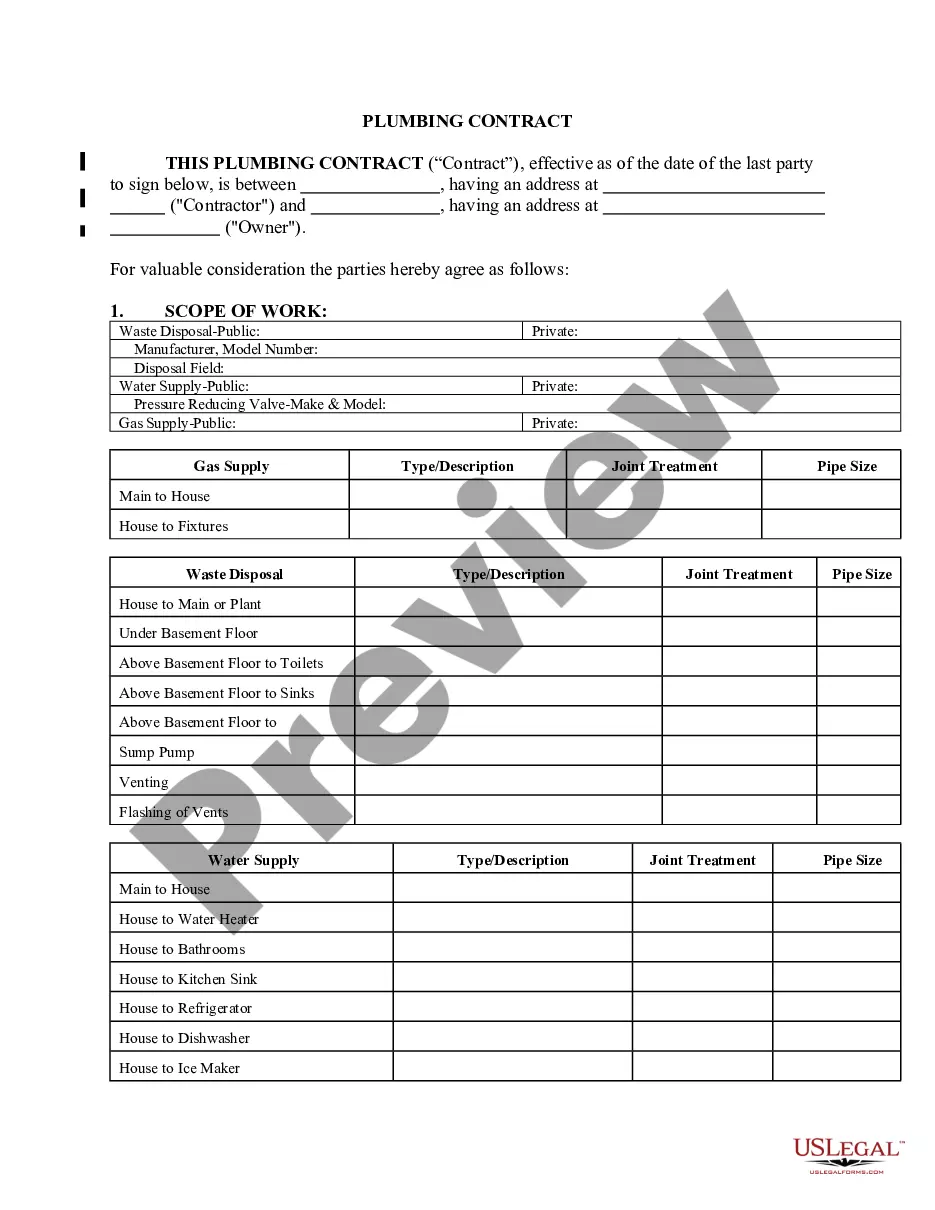
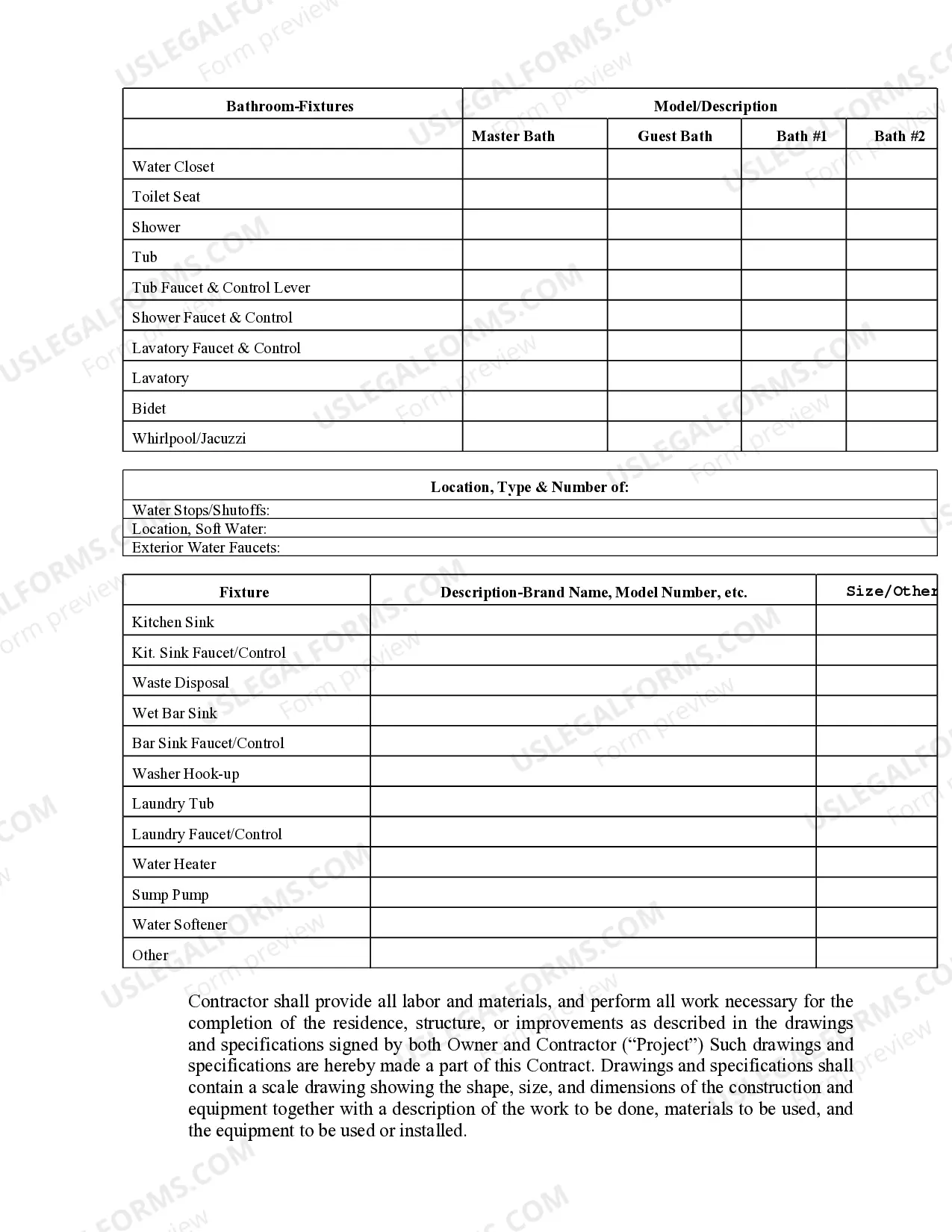
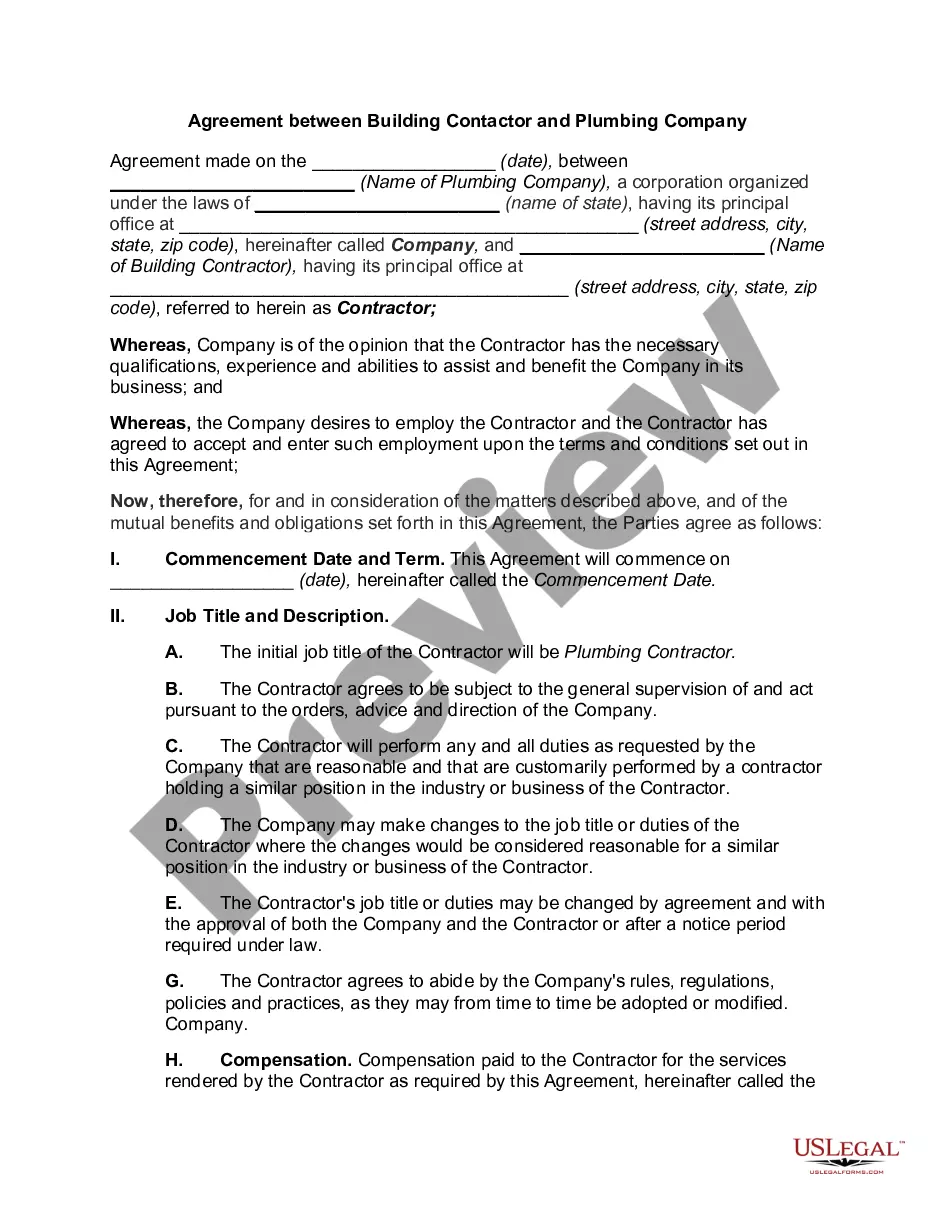
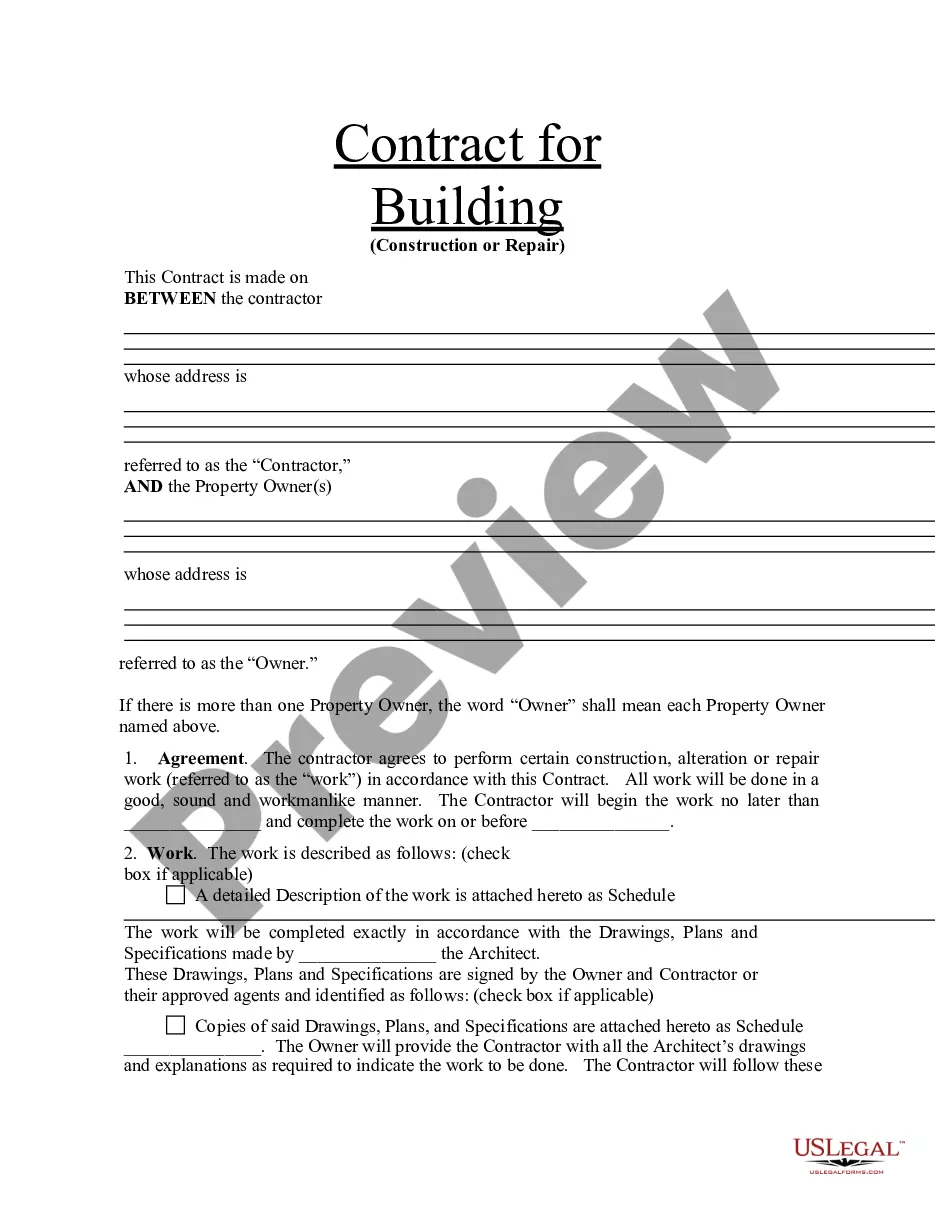
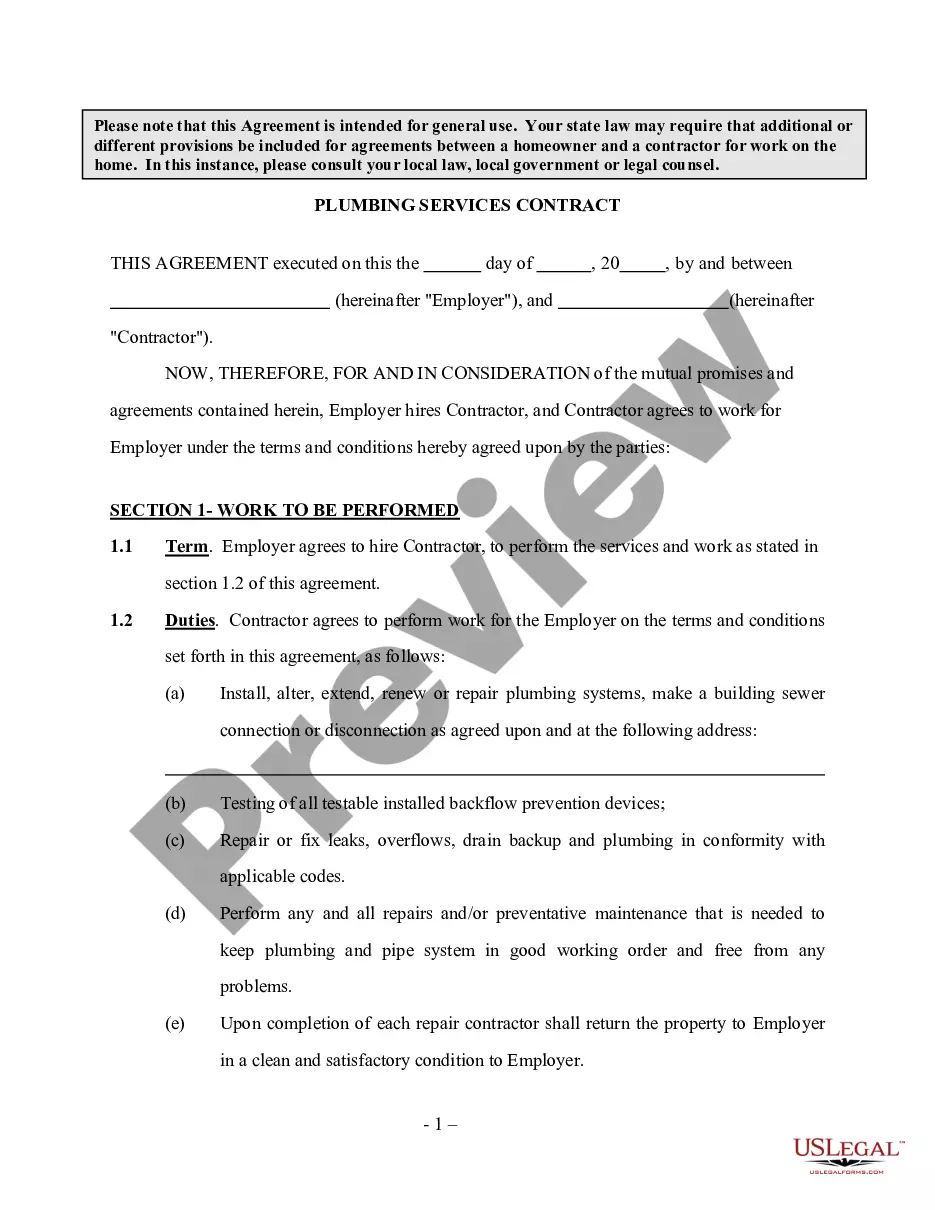
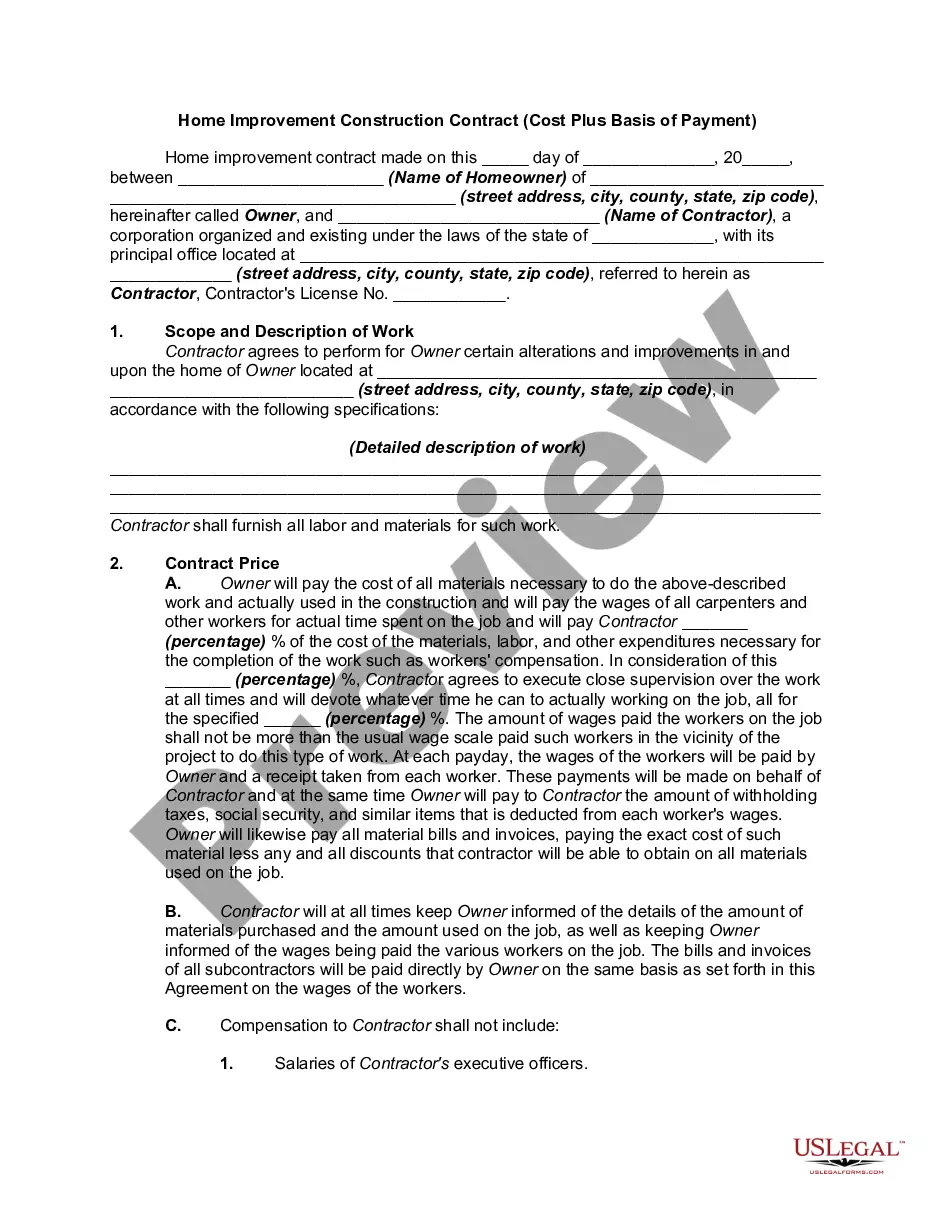
The Plumbing Contract for Contractor is a legal document designed specifically for agreements between plumbing contractors and property owners. This contract outlines the terms of the work agreement, including payment arrangements such as cost-plus or fixed fees. It also addresses critical aspects of the project, such as change orders, work site information, warranty, and insurance, and is tailored to comply with Kansas state laws, making it distinct from similar forms used in other jurisdictions.
Form components explained
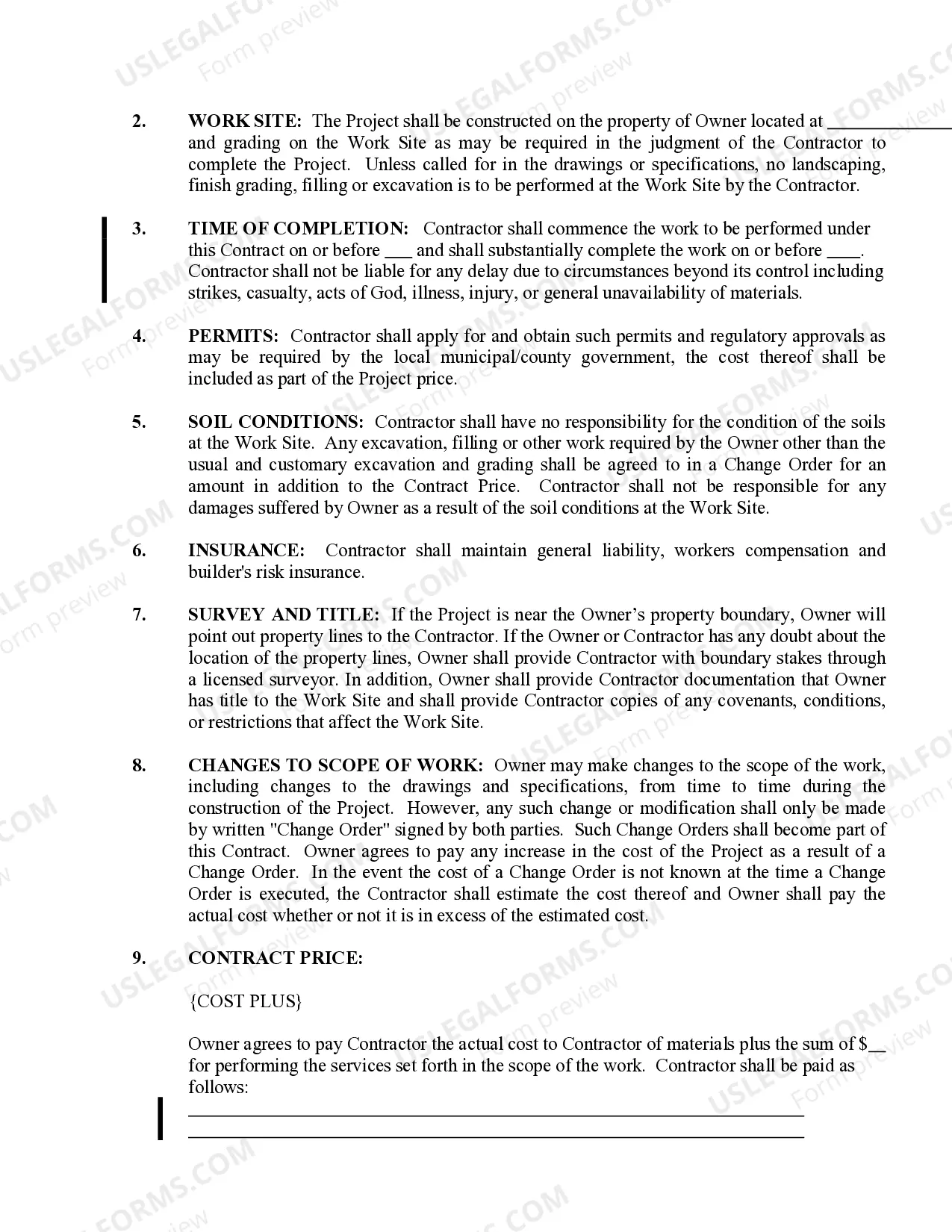
- Permits: Responsibilities for obtaining necessary permits and approvals from local authorities.
- Soil Conditions: Clarifies that the contractor is not responsible for unforeseen soil conditions at the work site.
- Insurance: Details required insurance types, including general liability and workers' compensation.
- Survey and Title: Specifies the need for property boundary confirmation and verification of ownership by the owner.
- Changes to Scope of Work: Outlines the procedures for making changes to the contract, requiring written change orders.

Situations where this form applies
This form is useful when a property owner intends to hire a plumbing contractor for projects such as installation, repair, or renovation of plumbing systems. It is necessary in scenarios involving new constructions, major plumbing upgrades, or when modifications to an existing plumbing installation are planned. The contract ensures both parties clearly understand their obligations and rights throughout the project's duration.
Who this form is for
- Property owners looking to secure plumbing services for residential or commercial projects.
- Plumbing contractors who need a structured agreement that clarifies terms and conditions with clients.
- Any individual or business involved in plumbing work that requires a formal agreement to protect their interests.
Instructions for completing this form
- Identify the parties involved: Fill in the names and contact details of both the property owner and the contractor.
- Specify the property: Clearly outline the work site location and any relevant property details.
- Outline the scope of work: Describe the plumbing services to be performed, referencing any blueprints or plans.
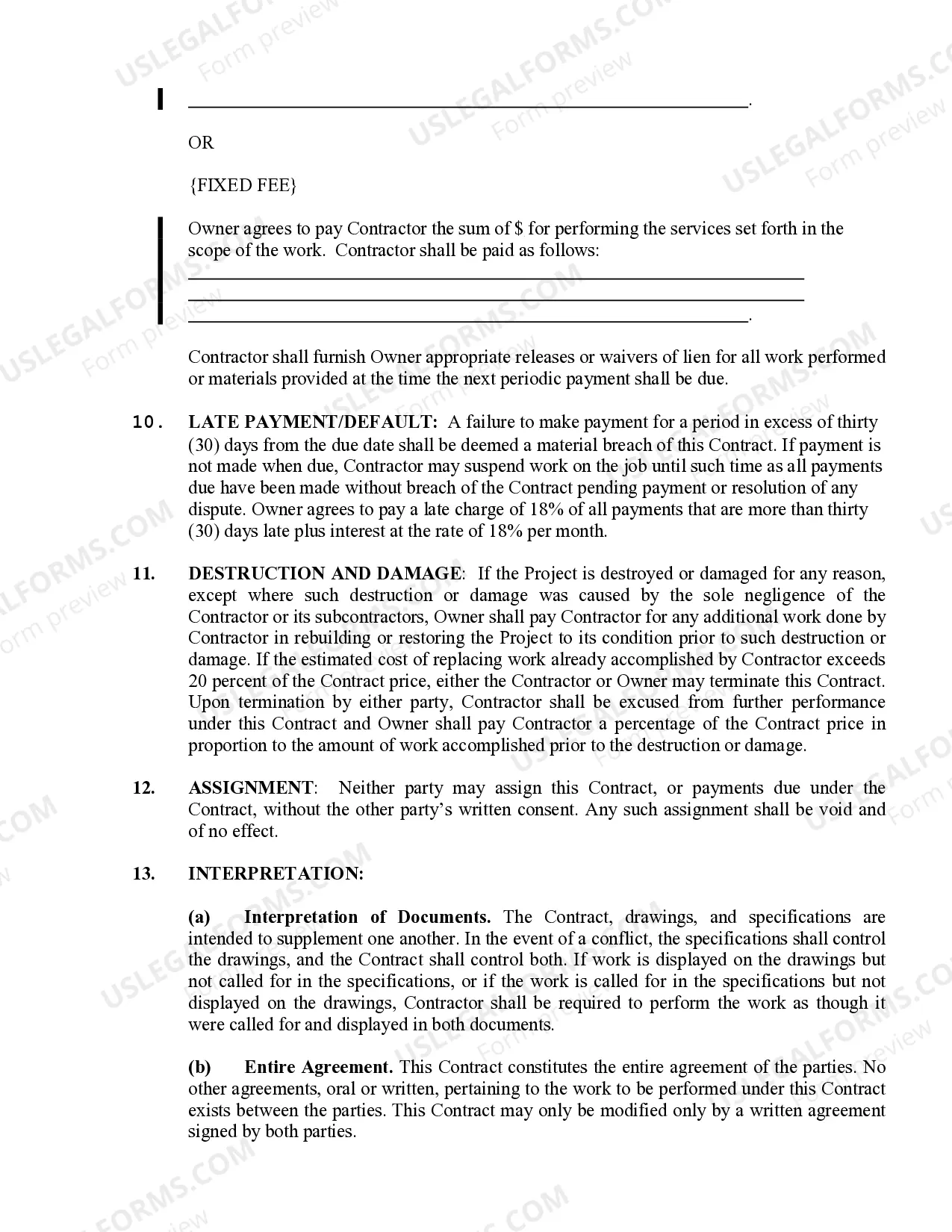
- Agree on payment terms: Choose between a fixed fee or cost-plus arrangement and state the total contract price.
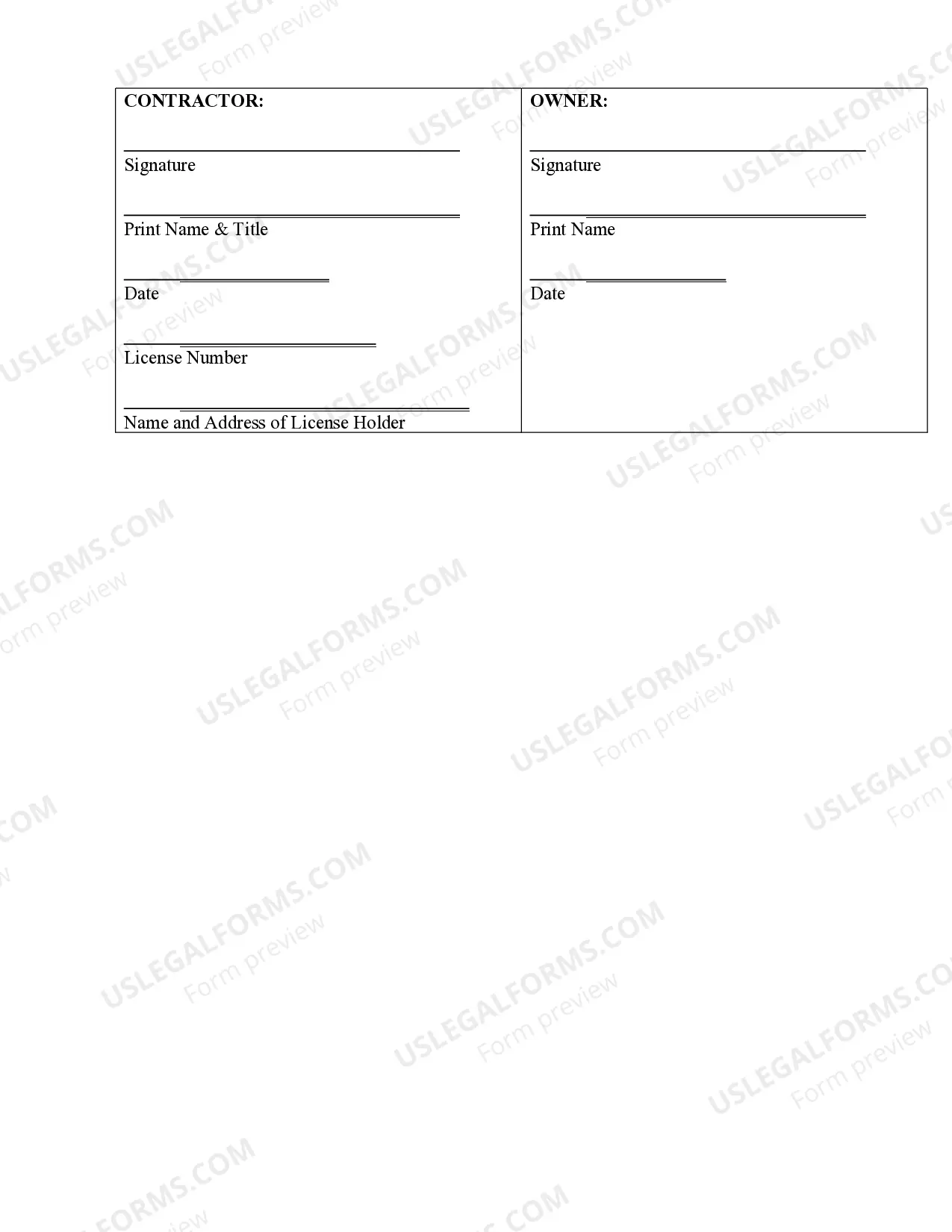
- Sign and date the contract: Ensure both parties sign the document to make it legally binding.
Does this form need to be notarized?
In most cases, this form does not require notarization. However, some jurisdictions or signing circumstances might. US Legal Forms offers online notarization powered by Notarize, accessible 24/7 for a quick, remote process.
Get your form ready online
Our built-in tools help you complete, sign, share, and store your documents in one place.
Make edits, fill in missing information, and update formatting in US Legal Forms—just like you would in MS Word.
Download a copy, print it, send it by email, or mail it via USPS—whatever works best for your next step.
Sign and collect signatures with our SignNow integration. Send to multiple recipients, set reminders, and more. Go Premium to unlock E-Sign.
If this form requires notarization, complete it online through a secure video call—no need to meet a notary in person or wait for an appointment.
We protect your documents and personal data by following strict security and privacy standards.
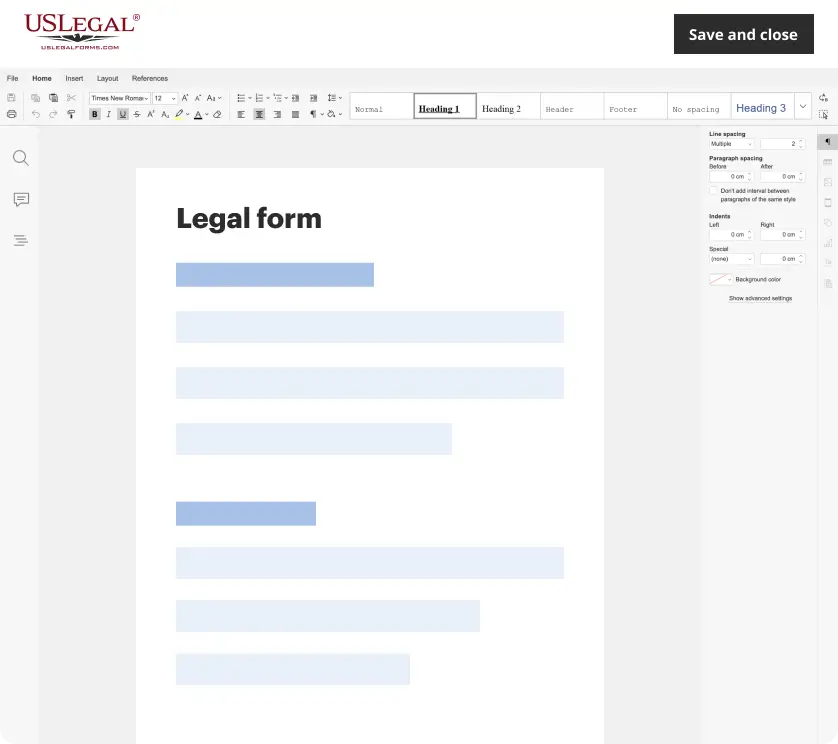
Make edits, fill in missing information, and update formatting in US Legal Forms—just like you would in MS Word.
Download a copy, print it, send it by email, or mail it via USPS—whatever works best for your next step.
Sign and collect signatures with our SignNow integration. Send to multiple recipients, set reminders, and more. Go Premium to unlock E-Sign.

If this form requires notarization, complete it online through a secure video call—no need to meet a notary in person or wait for an appointment.
We protect your documents and personal data by following strict security and privacy standards.
Mistakes to watch out for
- Failing to specify the scope of work, leading to misunderstandings about the services provided.
- Not defining payment terms clearly, which may result in disputes later on.
- Neglecting to obtain necessary permits, which could delay the project.
- Overlooking the need for change orders in case of modification requests.
- Not verifying the contractor's insurance coverage and credentials before signing the contract.
Benefits of completing this form online
- Convenient access to legal forms designed by licensed attorneys.
- Easily downloadable and editable to suit specific project needs.
- Ensures compliance with state laws, providing peace of mind for users.
- Fast turnaround, allowing users to complete necessary agreements without delays.
Legal use & context
- This Plumbing Contract for Contractor is legally binding when properly executed by both parties.
- The contract protects the interests of both the property owner and the contractor by outlining responsibilities.
- Understanding and following the provisions can help avoid potential legal disputes in the future.
- State laws may dictate specific requirements that must be adhered to ensure enforceability.
Key takeaways:
- The Plumbing Contract for Contractor provides a clear framework for plumbing services between contractors and property owners.
- It covers essential areas like permits, insurance, and change orders to protect both parties.
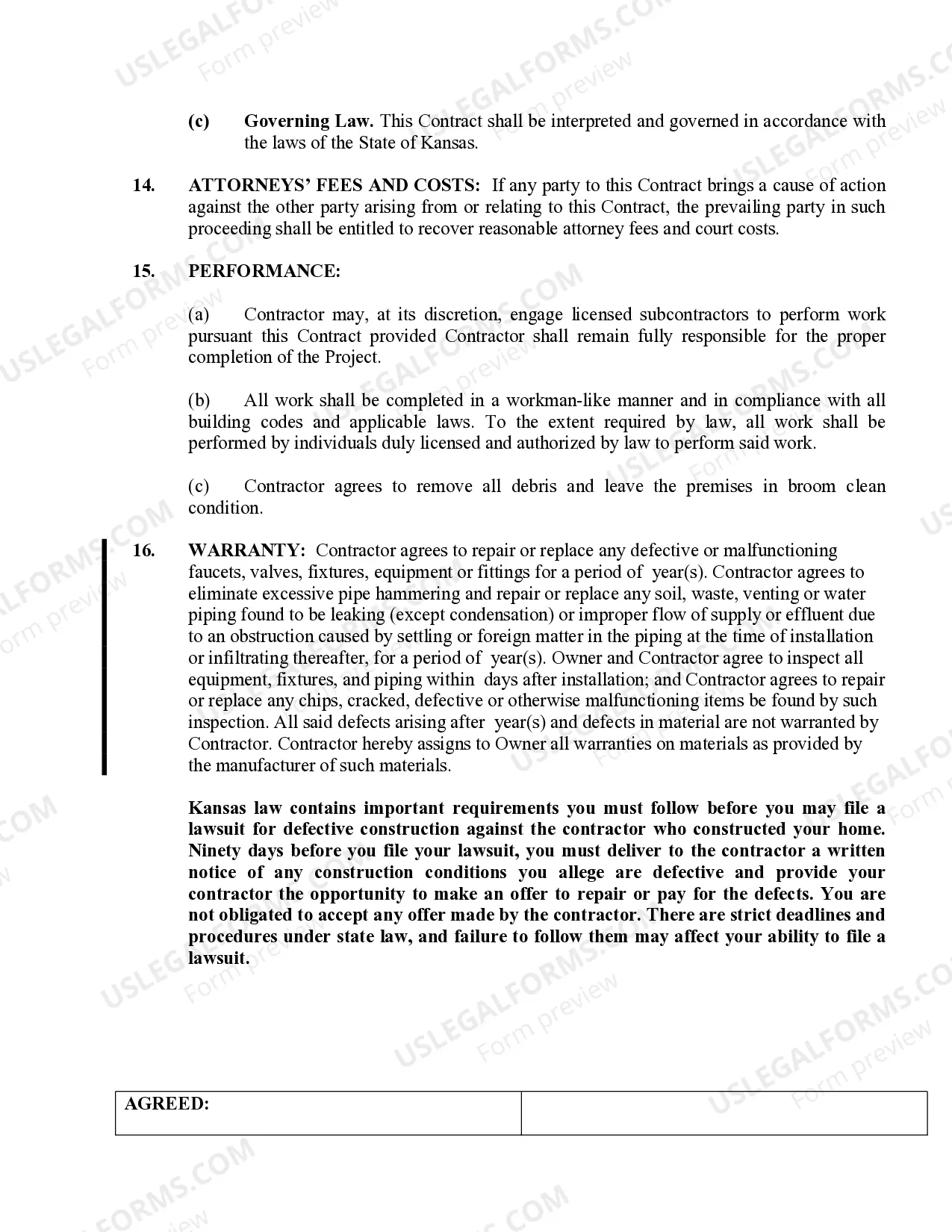
- This form is tailored to meet the legal requirements specific to Kansas, making it a reliable option for residents of that state.
Looking for another form?

Form popularity
FAQ
If you think a week or more is needed, consider hiring a general contractor. With his or her knowledge of the time any subcontractors will need, the contractor can keep things moving smoothly.
In California, anyone who contracts to perform work on a project that is valued at $500 or more for combined labor and materials costs must hold a current, valid license from CSLB.The quality of their work usually doesn't compare to that of a licensed contractor. Don't take the chance in order to save a few dollars.
Residential contractors build and renovate homes or manage such projects from start to finish. The residential contractor typically secures permits, supervises labor and enlists specialized subcontractors such as plumbers and electricians.
A general contractor provides a strong background in framing and carpentry along with many other skills. Because remodeling jobs typically involve several specialty areas, the general contractor serves as a project manager who coordinates the entire job.
Generally speaking, a general contractor is someone who manages a team of subcontractors to help do various types of construction projects in your home. A custom home builder, however, is specialized in building custom homes and is able to complete this specific type of project start to finish on their own.
Business registration. Passing an exam. General liability insurance. Financial solvency/bond. Worker's compensation and unemployment insurance. You'll need a trade certificate. There are general and trade licenses. There are ten types of licenses.
To become licensed in the state of Kansas, you must acquire certification at the local level through your city, county, or jurisdiction. Kansas does not require licenses for general contractors at a state level (except for asbestos abatement & water well drilling).
Florida, Louisiana, Colorado, Connecticut, Kansas, Indiana, Kansas, Missouri, New Hampshire, New York, Ohio, Pennsylvania and Wyoming don't require a specific state license for contractors. Before starting a project, though, check local ordinances to see what licenses you need from your city or county.
A certified contractor passed the state licensing examination. Certified contractors can work anywhere within the state in which they are licensed. A registered contractor is registered by a local county or municipality and receives a certificate of competency from the Electrical Contractors' Licensing Board.