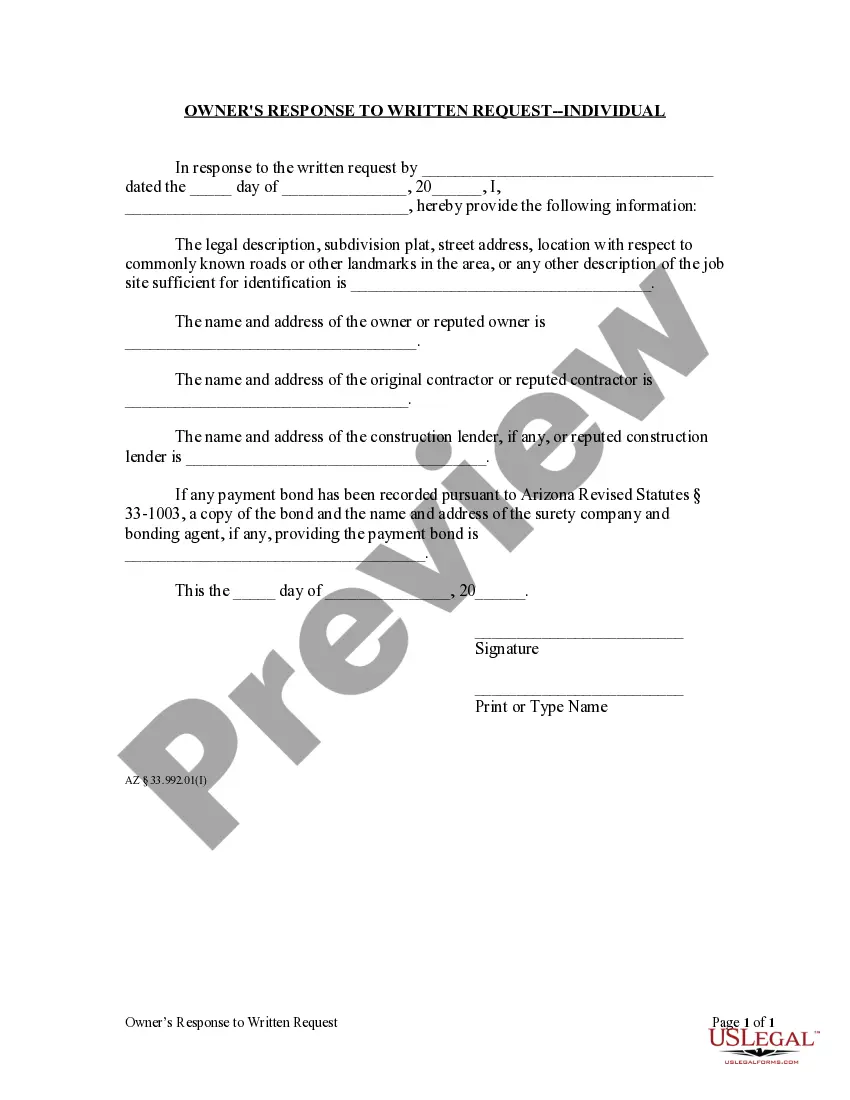
Home Improvement or Remodeling Construction Contract - Cost Plus Basis of Payment
What this document covers
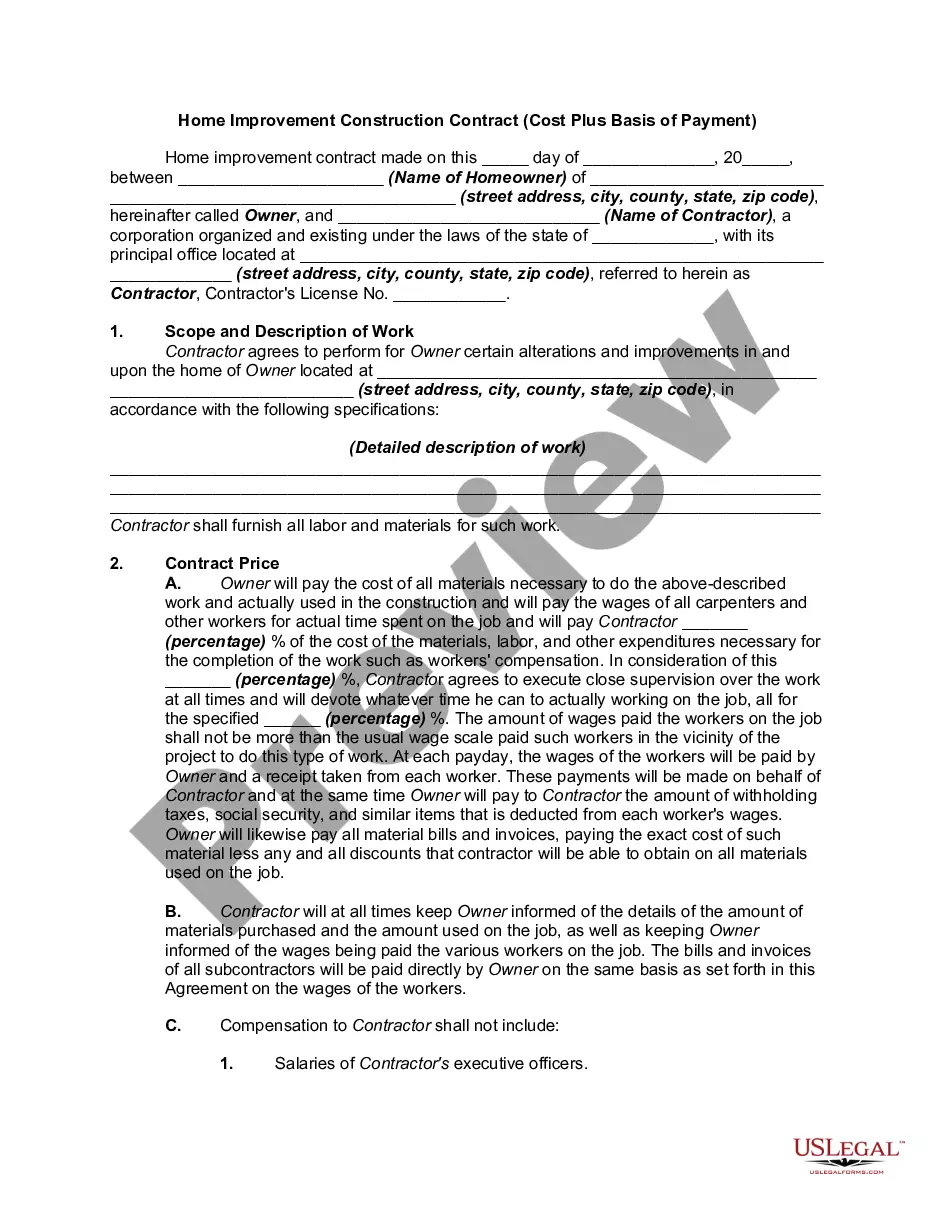
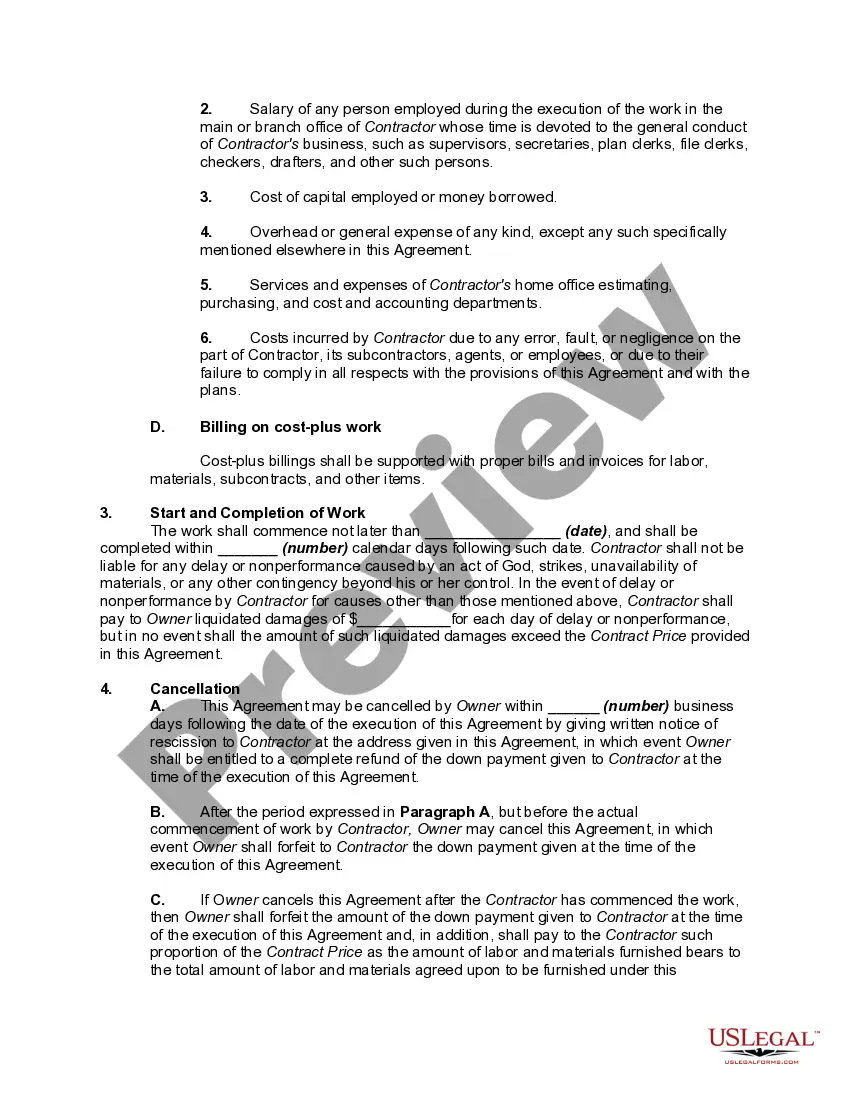
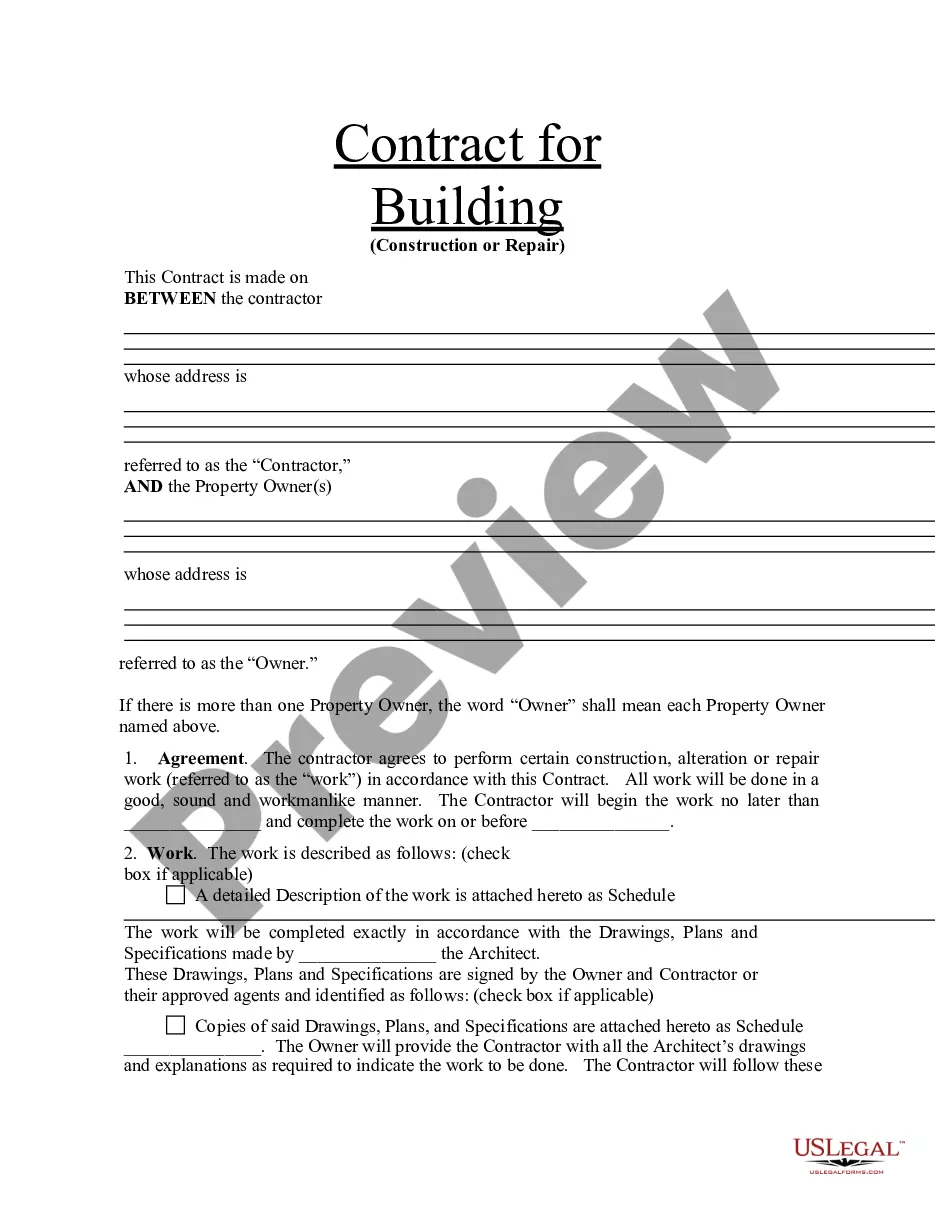
The Home Improvement or Remodeling Construction Contract - Cost Plus Basis of Payment is a legal document used to outline the agreement between a homeowner and a contractor. This type of contract ensures that the homeowner pays the actual costs of labor and materials, plus an additional percentage for the contractor's overhead and profit. It is particularly useful when the scope of work is difficult to define or uncertain, allowing for flexibility in handling unexpected expenses that may arise during the construction or remodeling process. Unlike fixed-price contracts, cost-plus contracts provide a more adaptable approach to project budgeting and execution.
Key components of this form
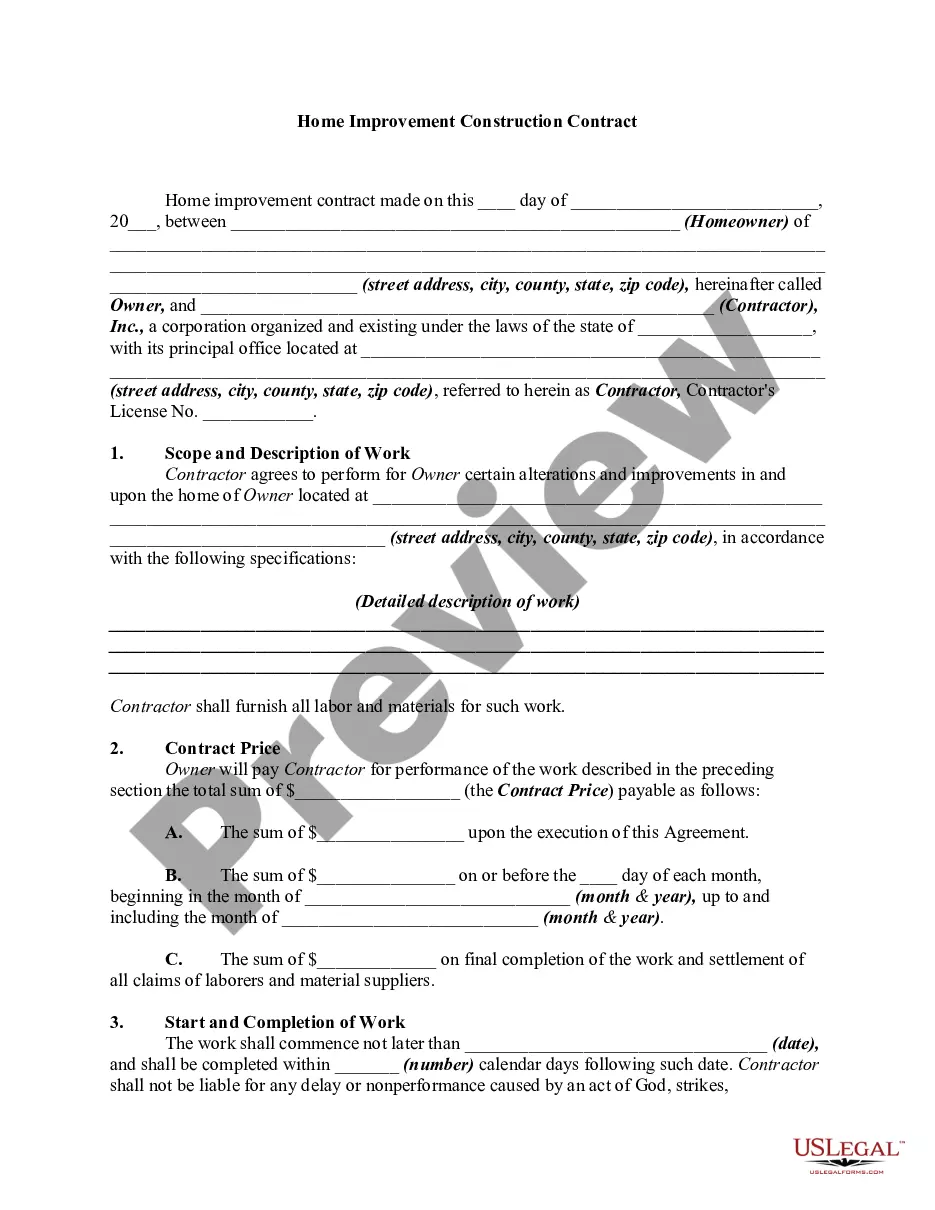
- Identification of the Homeowner and Contractor, including contact information.
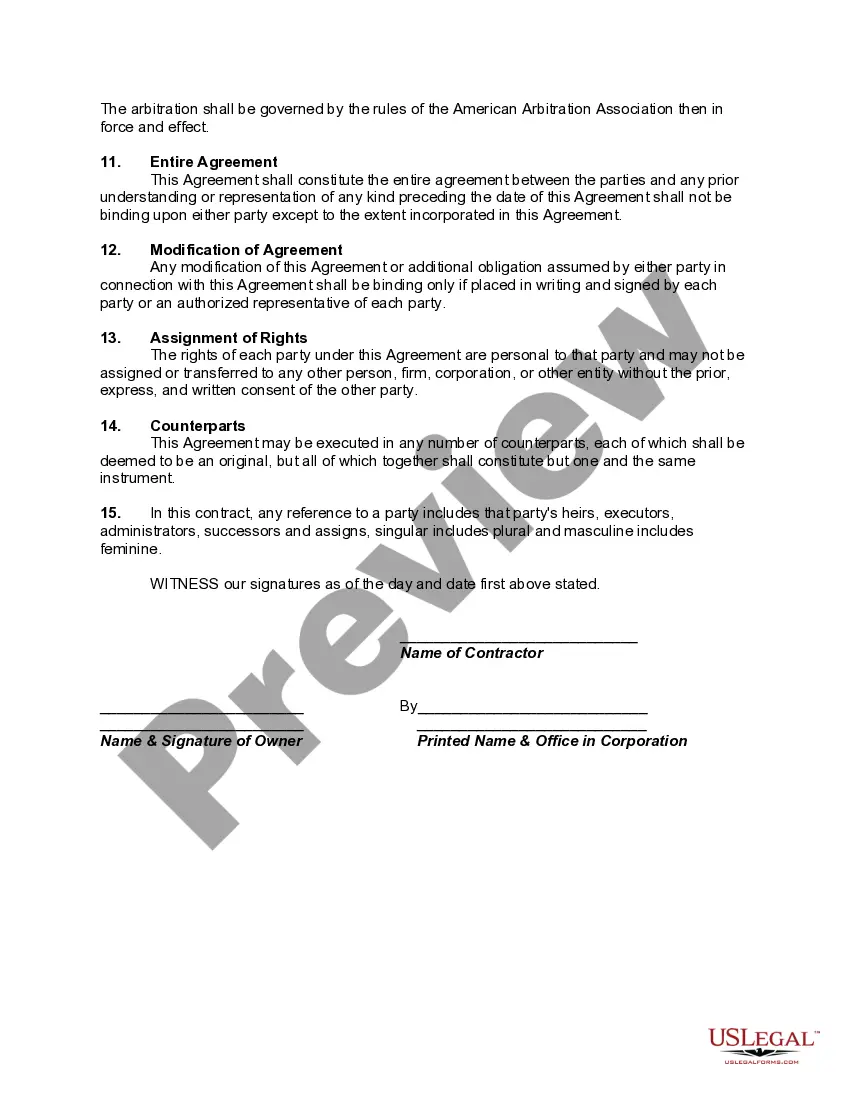
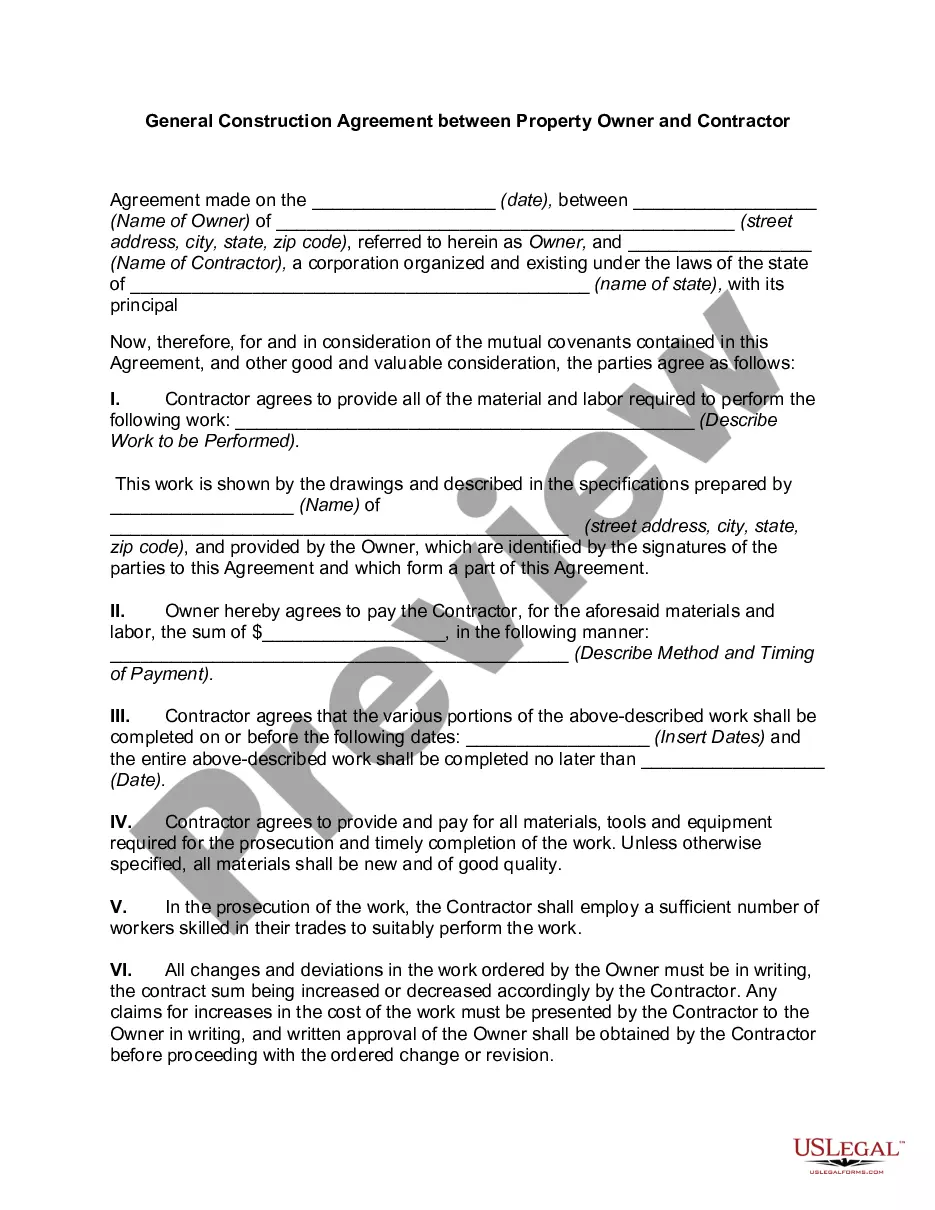
- Scope and description of work to be performed by the contractor.
- Details of the contract price, including materials, labor costs, and contractor compensation.
- Timeline for the start and completion of the work.
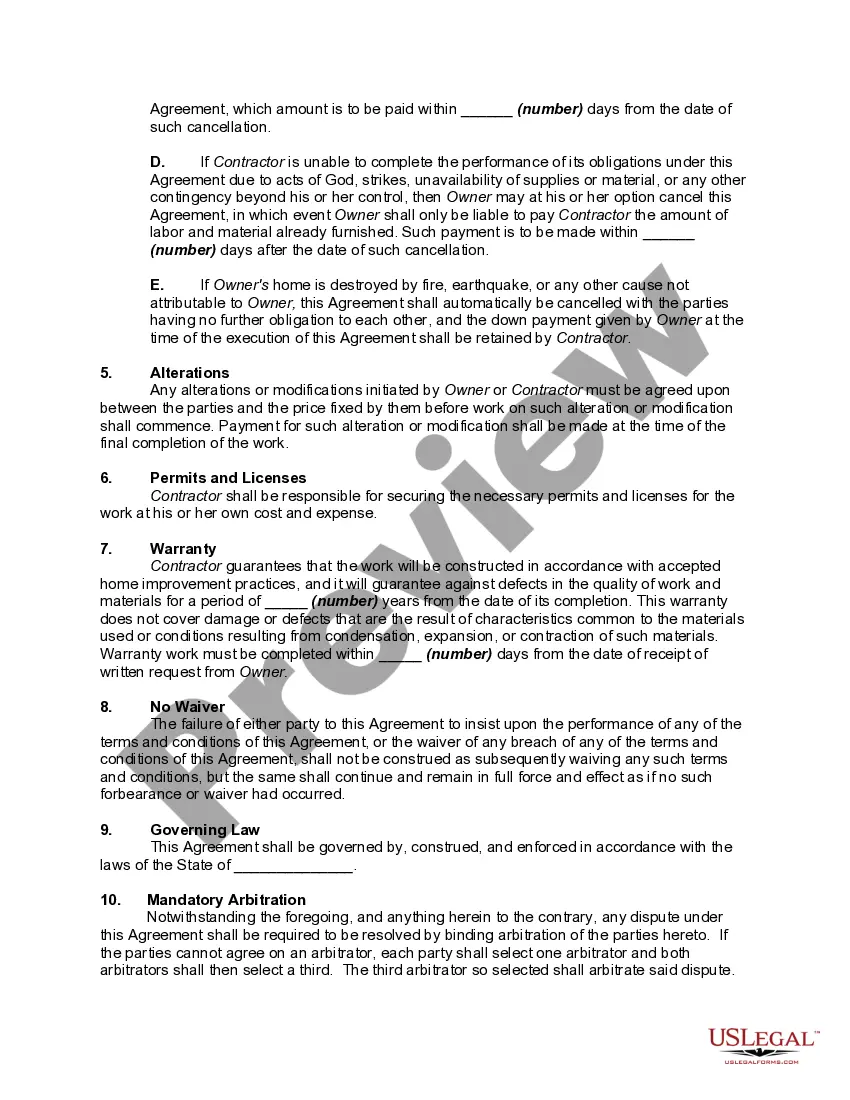
- Cancellation terms outlining the homeowner's rights to terminate the agreement.
- Warranty provisions ensuring quality of work and materials.

When to use this form
You should use this Home Improvement or Remodeling Construction Contract when planning renovations or remodeling projects where costs may fluctuate. It is ideal for homeowners who want to retain flexibility in their budget, especially when the exact scope of work is uncertain or when unexpected expenses may occur. This form can facilitate a clear understanding between you and your contractor about how costs will be handled throughout the project.
Who can use this document
This form is intended for:
- Homeowners seeking to hire contractors for home renovation or remodeling projects.
- Contractors who need a structured agreement outlining payment methods and responsibilities.
- Individuals looking for a flexible contract option to manage variable project costs.
How to complete this form
- Identify the parties by entering the names and addresses of the homeowner and contractor.
- Specify the scope of work, including detailed descriptions of the renovation or construction tasks.
- Enter the contract price, including the percentage to be paid to the contractor for overhead and profit.
- Provide the start and expected completion dates for the project.
- Review and include terms regarding cancellation, warranties, and permits.
- Obtain signatures from both the homeowner and contractor to finalize the agreement.
Notarization guidance
This form does not typically require notarization unless specified by local law. However, having it notarized can add an extra layer of authenticity to the agreement.
Get your form ready online
Our built-in tools help you complete, sign, share, and store your documents in one place.
Make edits, fill in missing information, and update formatting in US Legal Forms—just like you would in MS Word.
Download a copy, print it, send it by email, or mail it via USPS—whatever works best for your next step.
Sign and collect signatures with our SignNow integration. Send to multiple recipients, set reminders, and more. Go Premium to unlock E-Sign.
If this form requires notarization, complete it online through a secure video call—no need to meet a notary in person or wait for an appointment.
We protect your documents and personal data by following strict security and privacy standards.

Make edits, fill in missing information, and update formatting in US Legal Forms—just like you would in MS Word.

Download a copy, print it, send it by email, or mail it via USPS—whatever works best for your next step.

Sign and collect signatures with our SignNow integration. Send to multiple recipients, set reminders, and more. Go Premium to unlock E-Sign.

If this form requires notarization, complete it online through a secure video call—no need to meet a notary in person or wait for an appointment.

We protect your documents and personal data by following strict security and privacy standards.
Typical mistakes to avoid
- Failing to detail the scope of work, leading to misunderstandings.
- Not specifying the percentage to be paid for contractor profit, resulting in disputes later.
- Ignoring local laws related to construction contracts which could invalidate the agreement.
Why complete this form online
- Convenience: Access and download the form anytime, making it easy to initiate your home improvement project.
- Editability: Tailor the form to meet your specific needs and circumstances before finalizing it.
- Reliability: Forms are drafted by licensed attorneys, ensuring they meet legal standards and best practices.
Legal use & context
- This contract is legally binding once signed by both parties, creating enforceable rights and obligations.
- It is important for both parties to maintain accurate records of all transactions related to the project as specified in the contract.
- Understanding local regulations can be crucial in ensuring the contractâs enforceability and compliance with state laws.
Summary of main points
- The Home Improvement or Remodeling Construction Contract is suitable for projects with uncertain scopes and costs.
- Detailed documentation and communication are essential for avoiding disputes during the project.
- Consult legal guidelines in your state to ensure compliance and accuracy in filling out the form.
Looking for another form?
Form popularity
FAQ
In the cost plus a percentage arrangement, the contractor bills the client for his direct costs for labor, materials, and subs, plus a percentage to cover his overhead and profit. Markups might range anywhere from 10% to 25%.
The cost-plus pricing formula is calculated by adding material, labor, and overhead costs and multiplying it by (1 + the markup amount). Overhead costs are costs that can't directly be traced back to material or labor costs, and they're often operational costs involved with creating a product.
A cost-plus contract is an agreement to reimburse a company for expenses incurred plus a specific amount of profit, usually stated as a percentage of the contract's full price.
Cost Plus Contract Disadvantages For the buyer, the major disadvantage of this type of contract is the risk for paying much more than expected on materials. The contractor also has less incentive to be efficient since they will profit either way.
WHY USE A COST-PLUS CONTRACT? A cost-plus contract is an attractive option for a contractor for these two reasons: The contractor cannot produce a proposal for the work because of incomplete information about the project, and therefore transfers the risk of the cost of the project to the owner.
To begin with, let's look at some famous examples of companies using cost-based pricing. Firms such as Ryanair and Walmart work to become the low-cost producers in their industries. By constantly reducing costs wherever possible, these companies are able to set lower prices.
A cost-plus contract, also known as a cost-reimbursement contract, is a form of contract wherein the contractor is paid for all of their construction-related expenses. Plus, the contractor is paid a specific agreed-upon amount for profit.
Adjective ADJ n A cost-plus basis for a contract for work to be done is one in which the buyer agrees to pay the seller or contractor all the cost plus a profit. All vessels were to be built on a cost-plus basis.