Illinois Hazardous Substance Certificate and
What this document covers
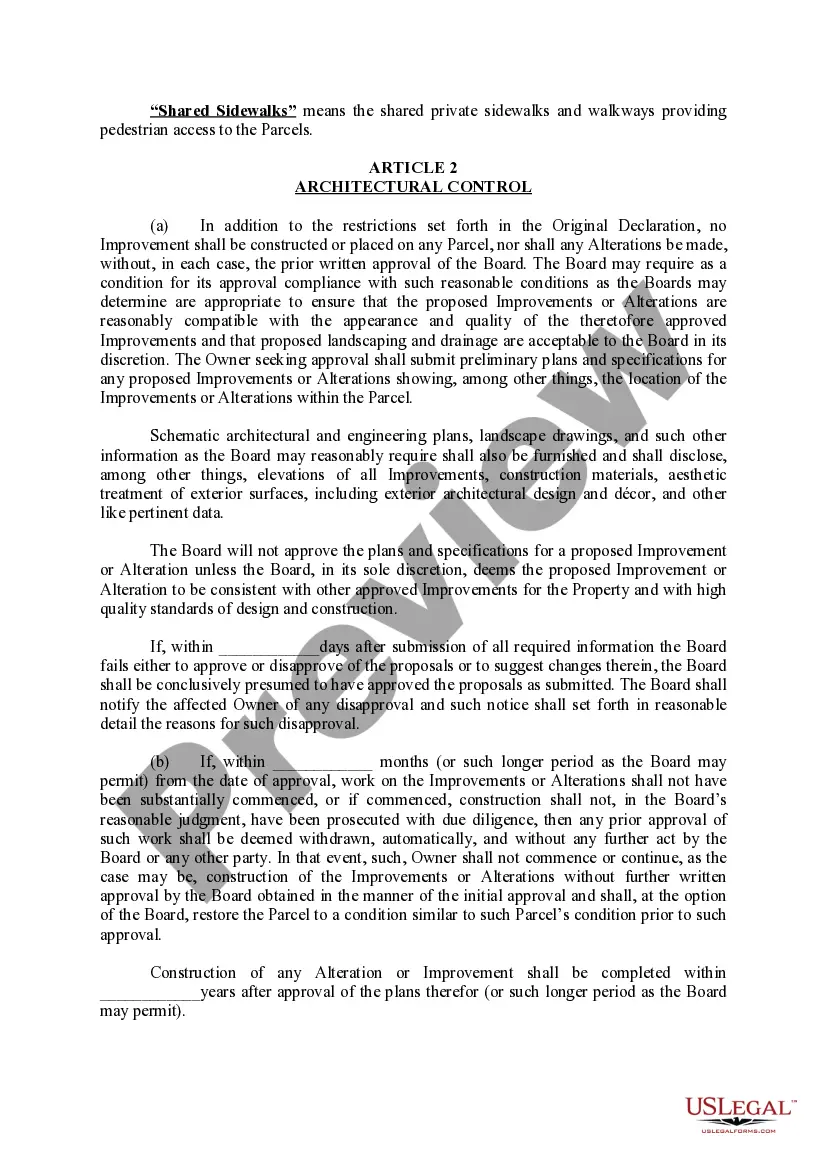
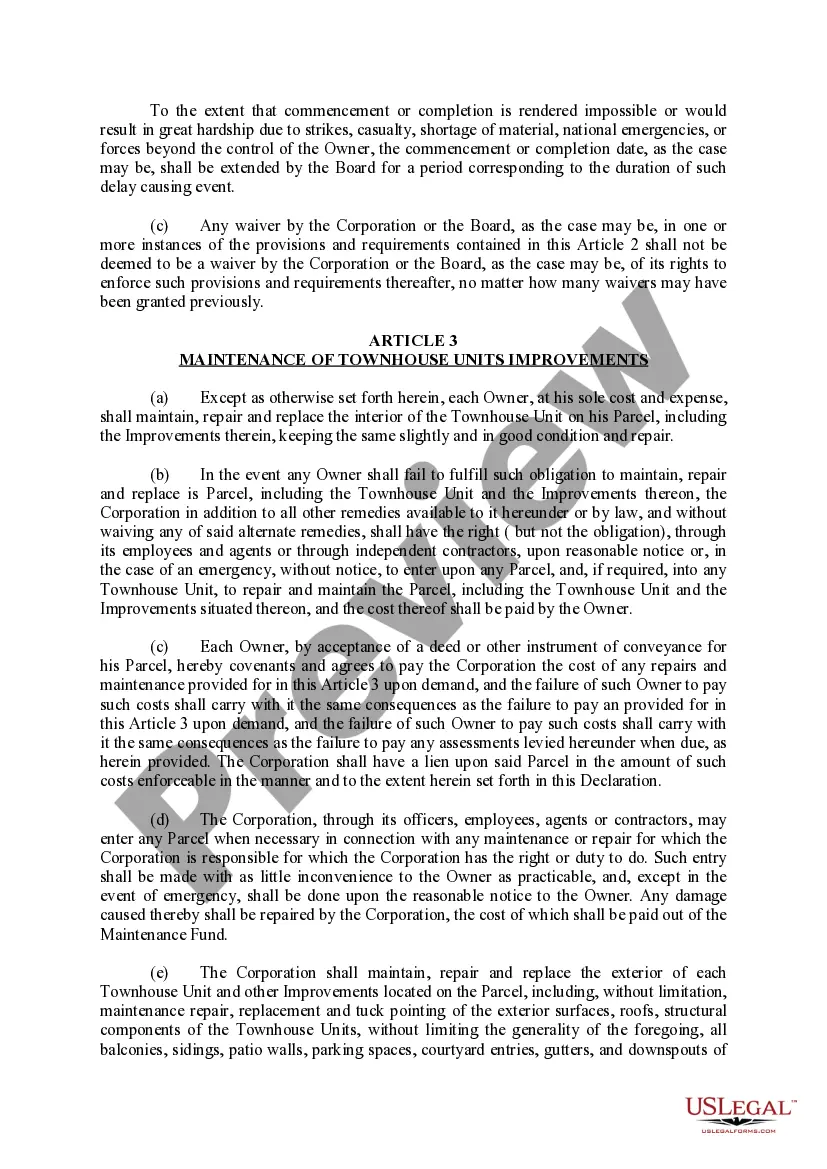
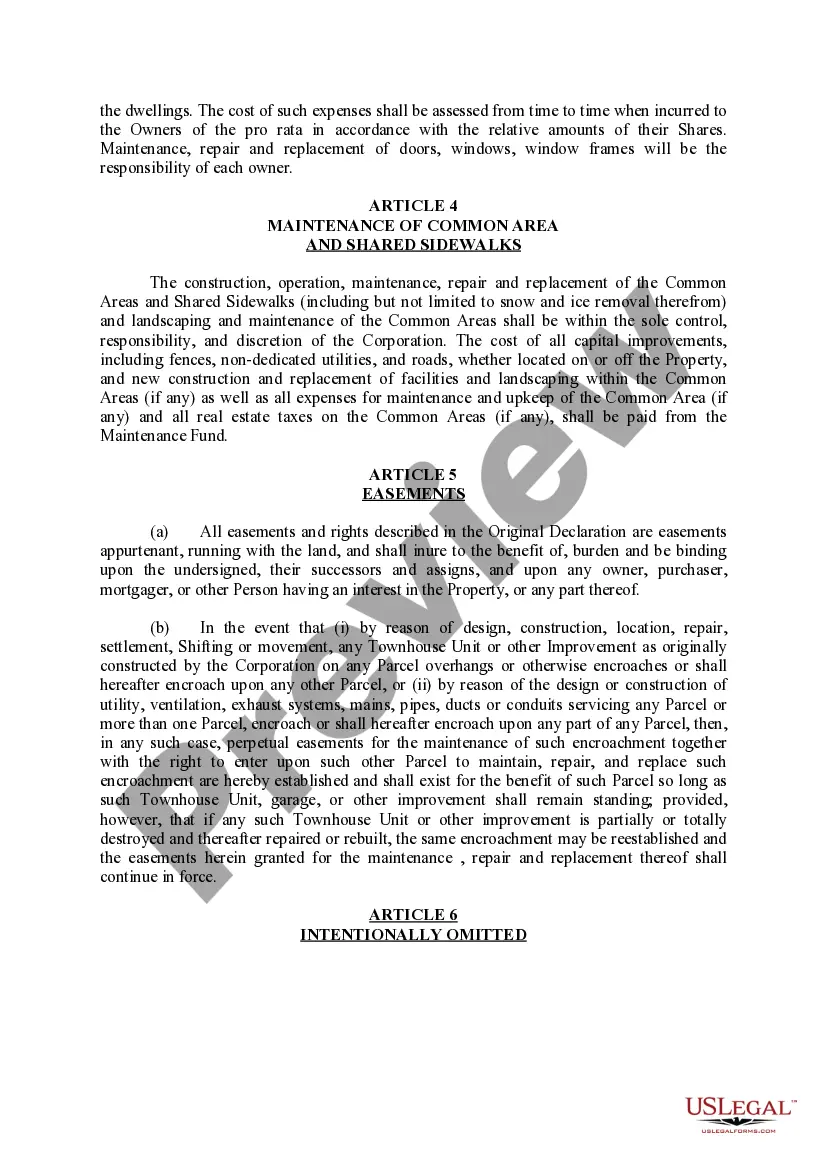
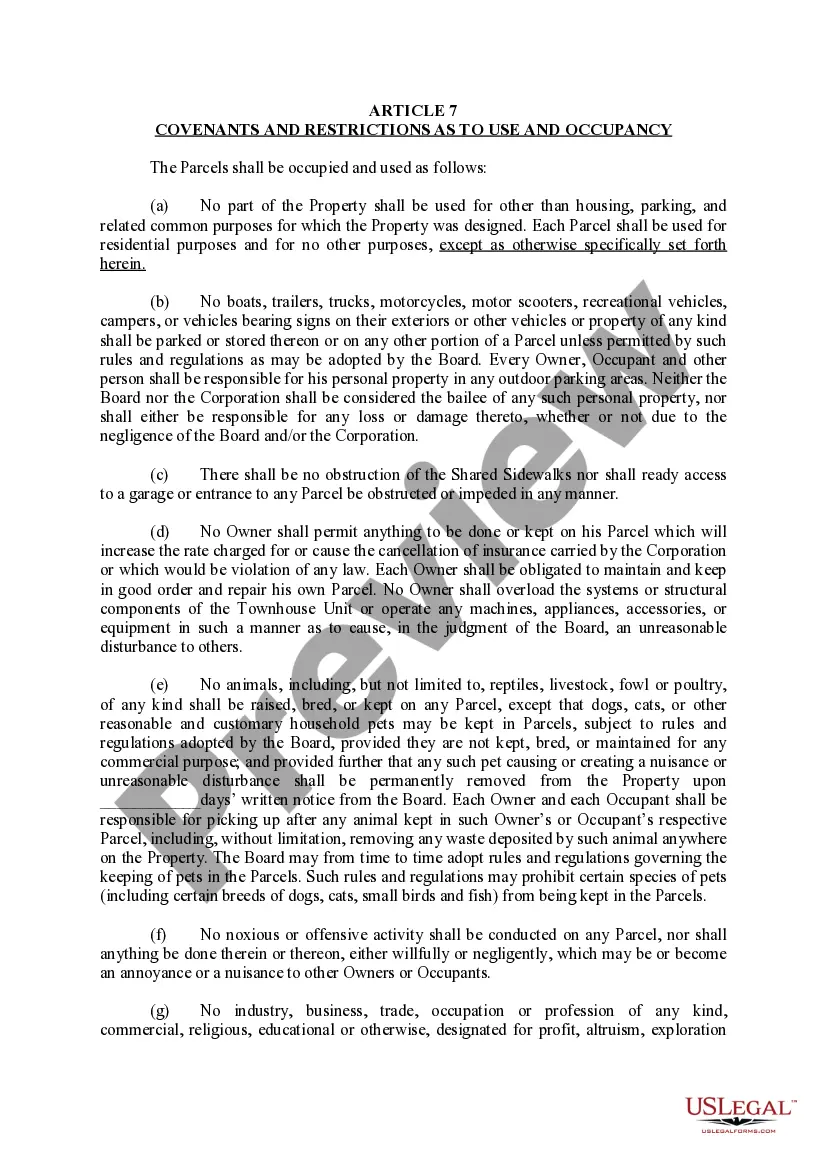
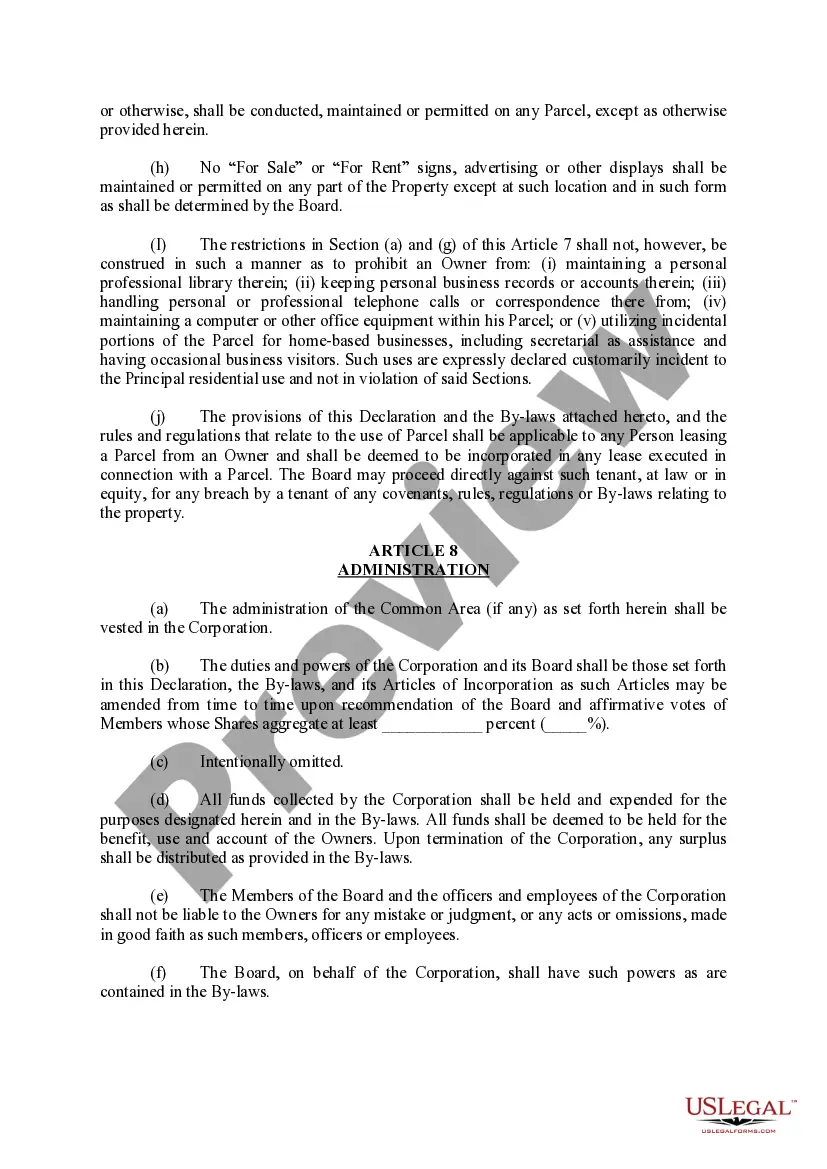
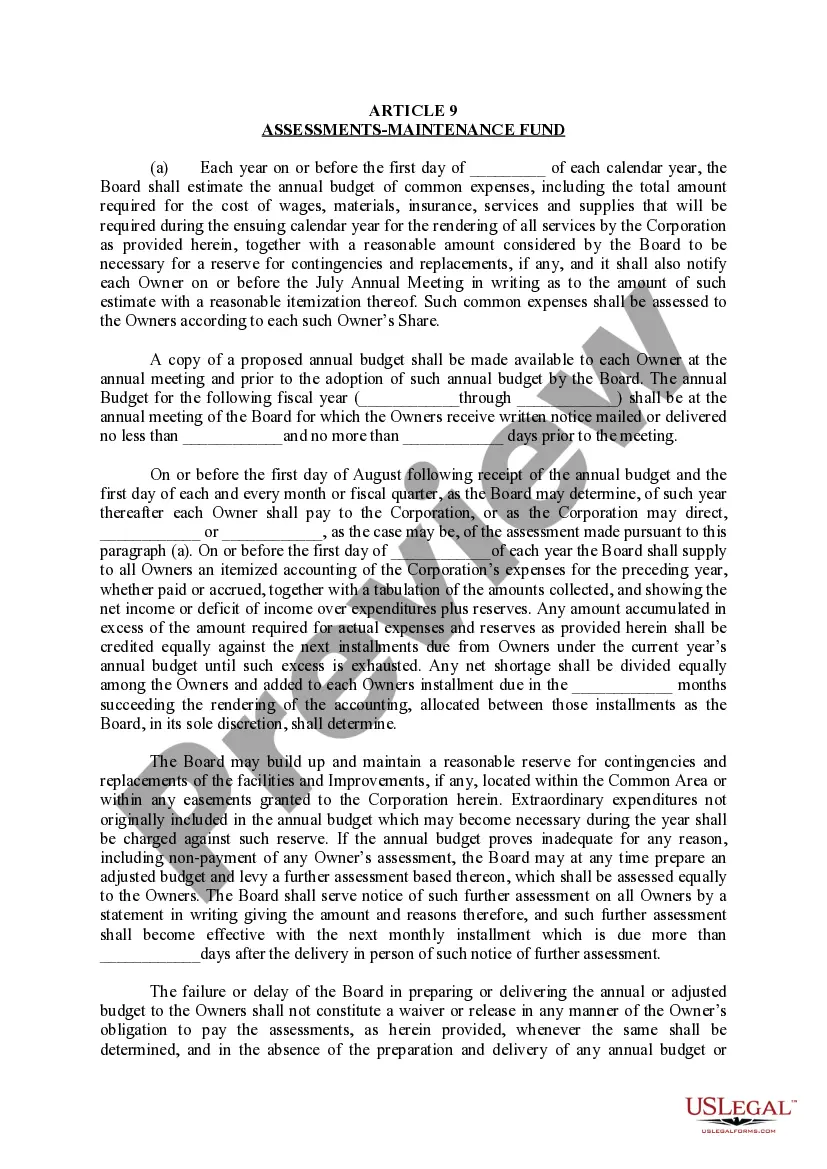
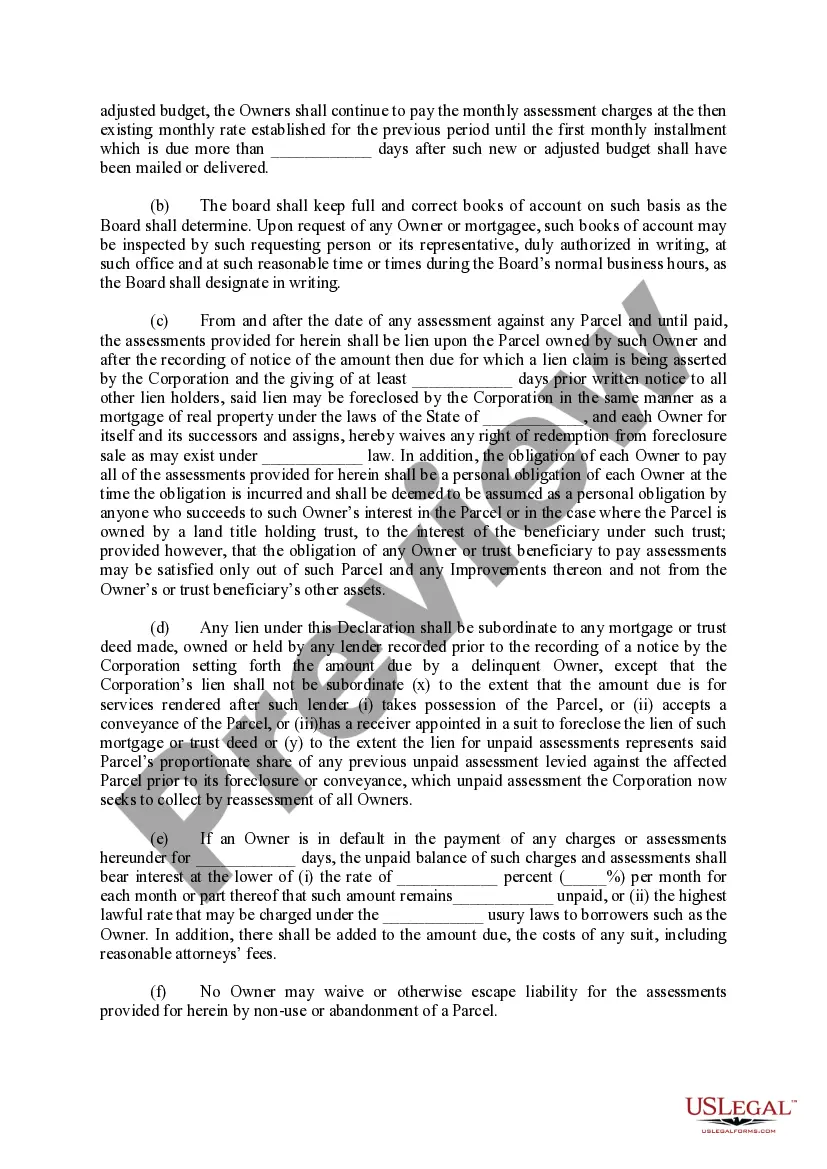
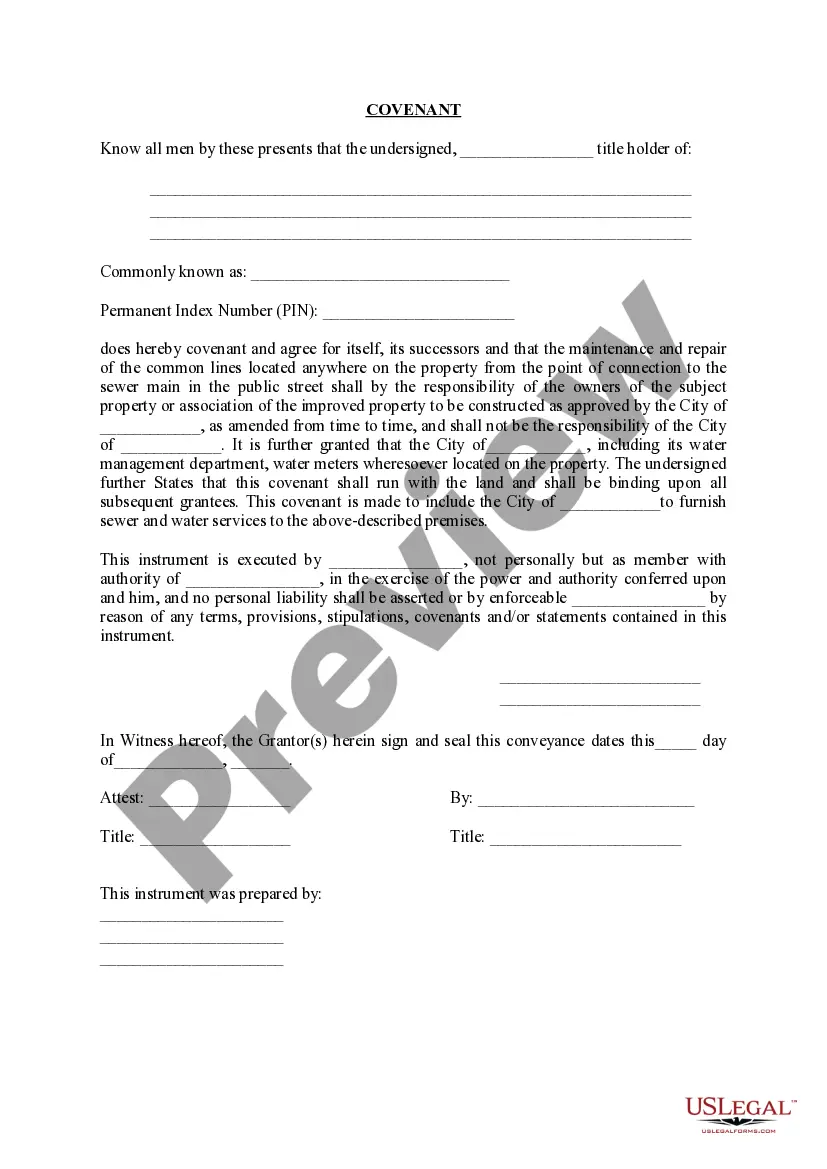
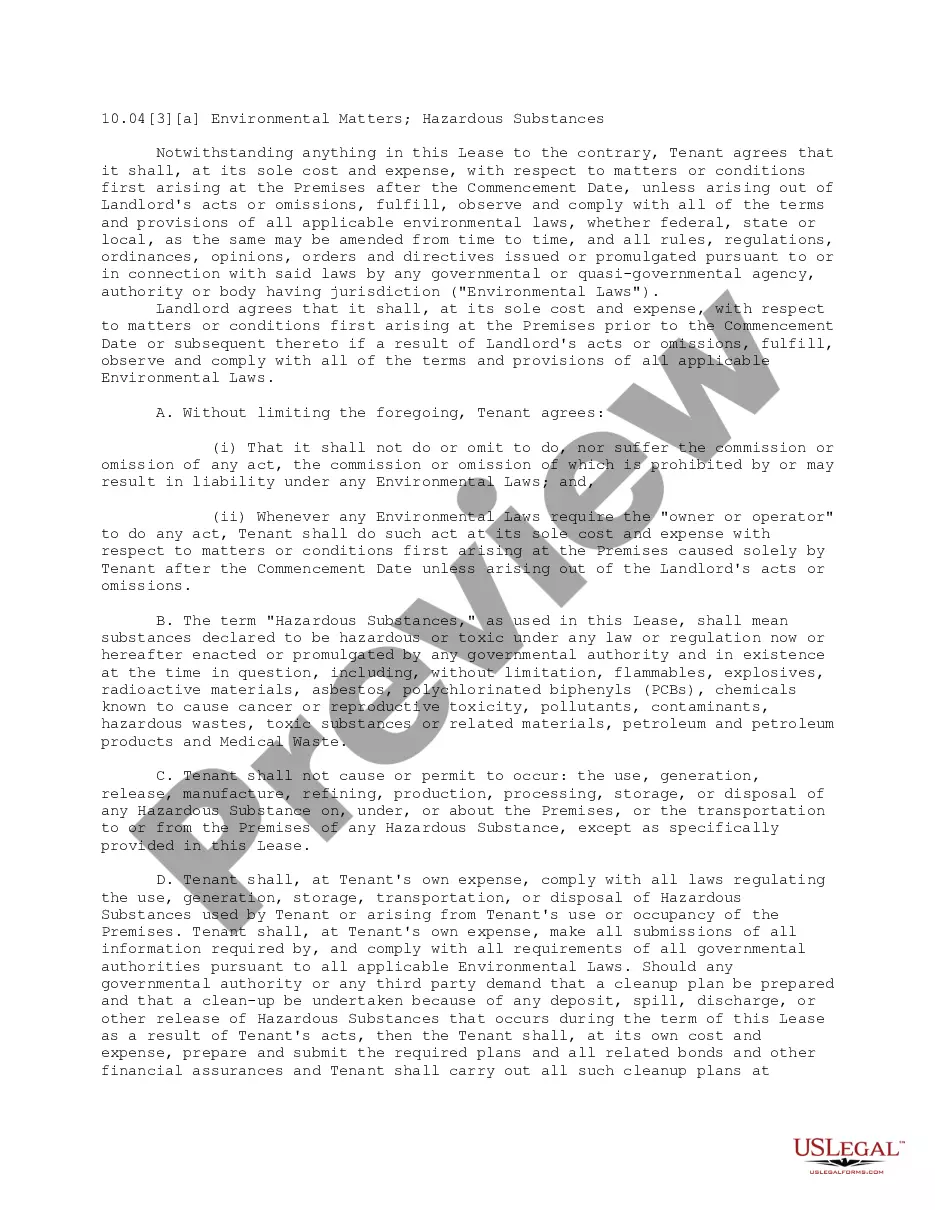
The Hazardous Substance Certificate is a legal document that serves as a declaration regarding hazardous substances found on a property. This certificate ensures compliance with environmental regulations and informs potential buyers or tenants about any risks associated with exposure to hazardous materials. Unlike standard property disclosures, this form specifically addresses the presence and management of hazardous substances, ensuring the safety and awareness of all interested parties involved with the property.
Key components of this form
- Declaration of hazardous substances present on the property
- Certification that the property complies with relevant environmental regulations
- Identification of responsible parties for managing hazardous substances
- Section for signatures of relevant stakeholders, such as property owners and management
- Notarization section if required for legal validation

Common use cases
This form should be used when a property owner must disclose the presence of hazardous substances to potential buyers or tenants. It is especially relevant during property transactions, leasing agreements, or when property renovations are planned that may expose hazardous materials. Additionally, this certificate may be required for compliance with local or federal environmental laws.
Who needs this form
- Property owners intending to sell or lease their property
- Real estate agents involved in property transactions
- Landlords renting out properties
- Environmental consultants and legal professionals ensuring compliance
Completing this form step by step
- Identify the property for which the certificate is being issued.
- Document the specific hazardous substances present on the property.
- Provide details regarding the management and mitigation plans for the hazardous substances.
- Gather signatures from the property owner and any other relevant parties acknowledging the contents of the certificate.
- If required, arrange for notarization of the document for legal validity.
Notarization requirements for this form
This form must be notarized to be legally valid. US Legal Forms offers integrated online notarization services available 24/7 via a secure video call, ensuring compliance with local laws without the need for travel.
Get your form ready online
Our built-in tools help you complete, sign, share, and store your documents in one place.
Make edits, fill in missing information, and update formatting in US Legal Forms—just like you would in MS Word.
Download a copy, print it, send it by email, or mail it via USPS—whatever works best for your next step.
Sign and collect signatures with our SignNow integration. Send to multiple recipients, set reminders, and more. Go Premium to unlock E-Sign.
If this form requires notarization, complete it online through a secure video call—no need to meet a notary in person or wait for an appointment.
We protect your documents and personal data by following strict security and privacy standards.

Make edits, fill in missing information, and update formatting in US Legal Forms—just like you would in MS Word.

Download a copy, print it, send it by email, or mail it via USPS—whatever works best for your next step.

Sign and collect signatures with our SignNow integration. Send to multiple recipients, set reminders, and more. Go Premium to unlock E-Sign.

If this form requires notarization, complete it online through a secure video call—no need to meet a notary in person or wait for an appointment.

We protect your documents and personal data by following strict security and privacy standards.
Common mistakes
- Failing to include all hazardous substances present on the property.
- Not obtaining the necessary signatures from all parties involved.
- Neglecting to comply with state-specific regulations related to hazardous substances.
- Incorrectly identifying the responsible parties for mitigation and management of the substances.
Why use this form online
- Convenience of completing the form at any time from any location.
- Editability allows for easy updates and changes to be made before finalizing.
- Access to templates created by licensed attorneys, ensuring legal reliability.
Looking for another form?
Form popularity
FAQ
In other words, you may be able to remove your restrictive covenant- but there are no guarantees.If you can agree to have the covenant removed, a 'Deed of Release of Restrictive Covenant' should be drawn up and signed by the dominant and servient owners.
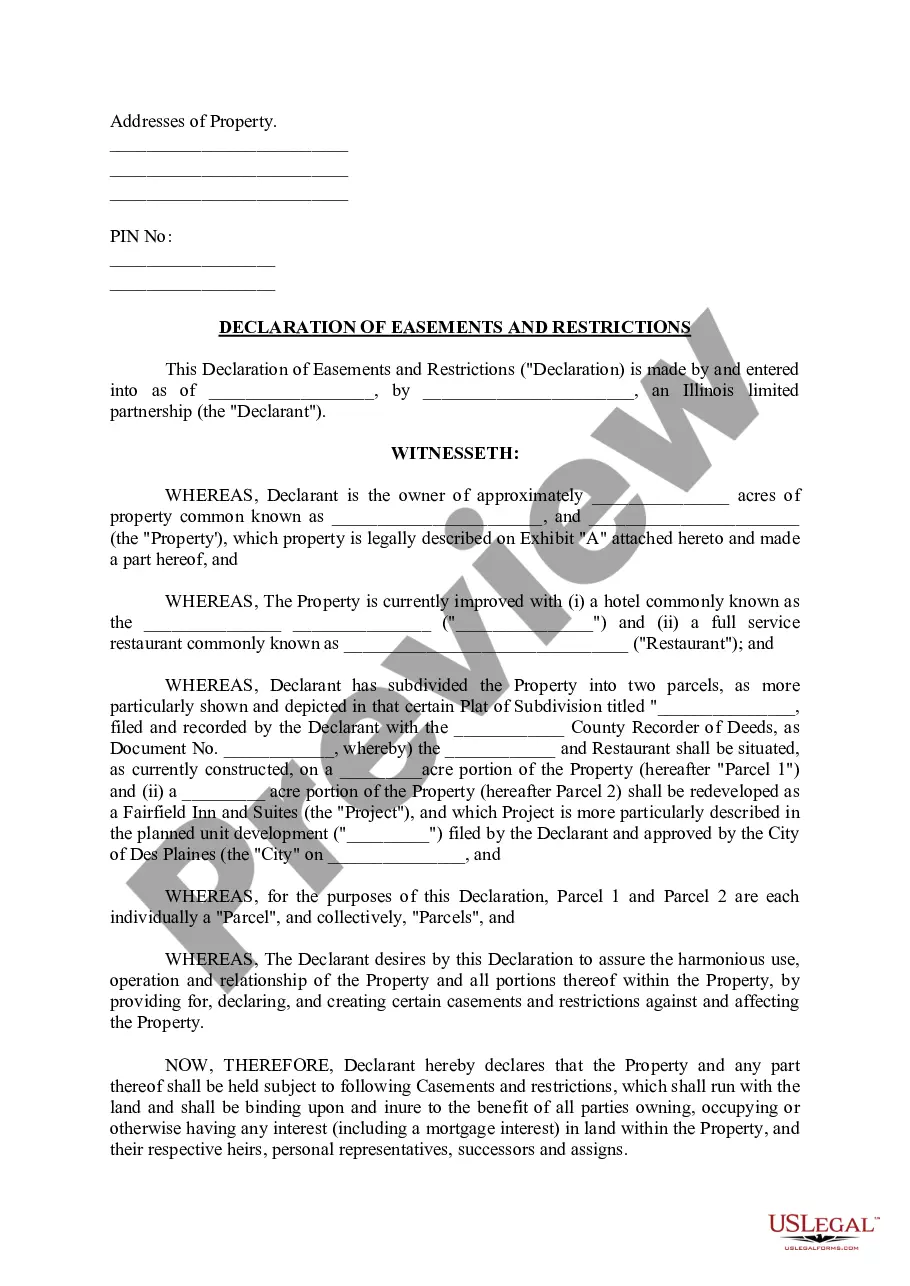
A restriction is a limitation on how a parcel of land can be used.These are typically called general plan restrictions, and are set forth on the plat to the subdivision, in the developer's deed to the buyer of the lot, or in a declaration.
The Declaration of Covenants, Conditions, and Restrictions, commonly known as the CC&Rs, is a legal document that is filed with the county recorder's office and made a part of the official real estate records that run with the land that is part of the community.
If you're considering a house with a deed restriction, you may be able to get the restriction removed before making your purchase. Here's what the process looks like: Get a copy of the covenant detailing the deed restriction. You'll need to go to the courthouse or your county clerk's office for this.
A document filed in the real estate records of the county where property is located, and incorporated by reference into the deeds of every property located within the described area,setting out the rules and regulations pertaining to those properties.It is commonly used to spell out restrictive covenants in
A restriction is an entry made on the Proprietorship register of the title to a freehold property which restricts what dispositions (sales, gifts, mortgages etc) can be registered against that title.
Deed restrictions are conditions written into the deed of a property. They are legally binding to those who acquire title to that property.
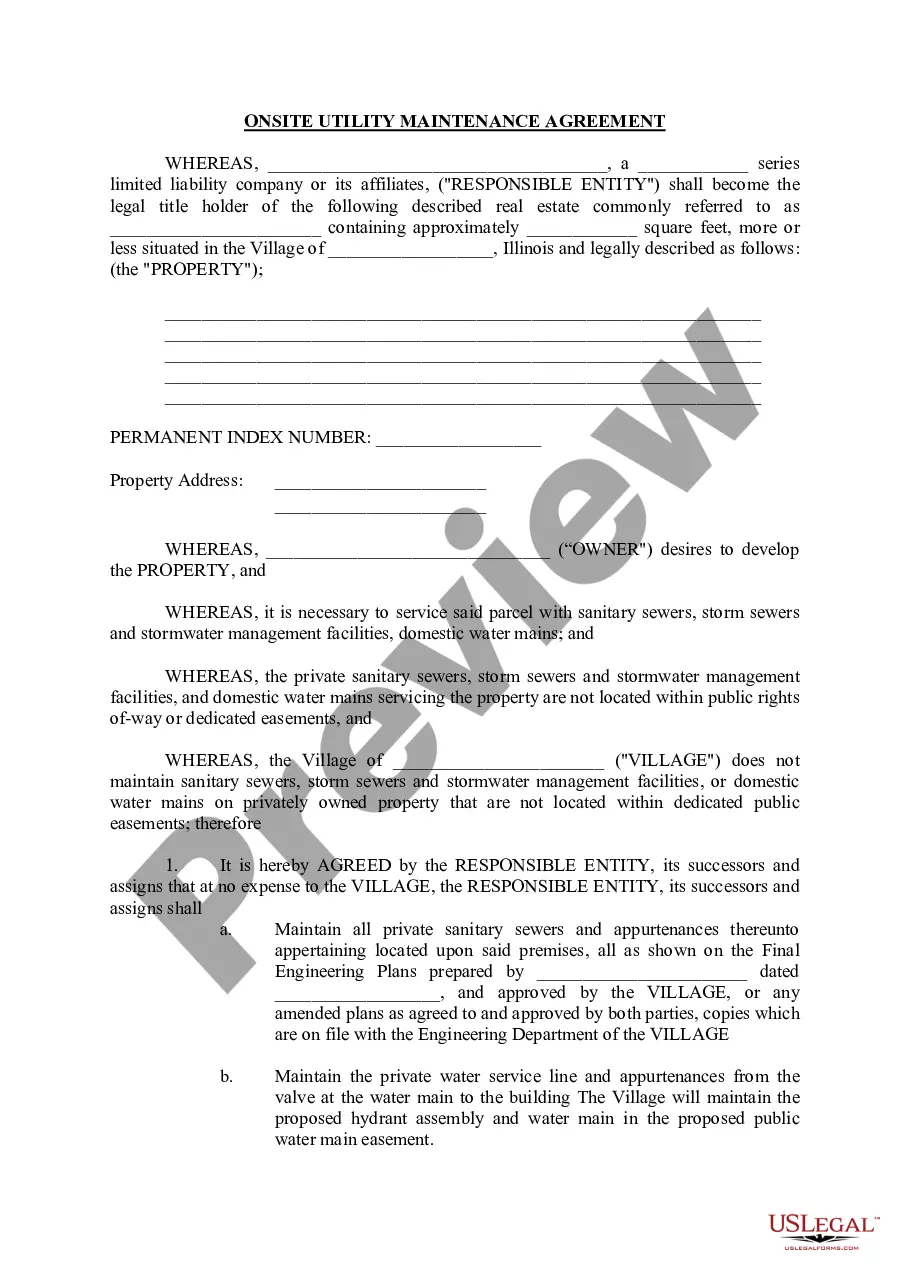
While an easement provides a right to use someone else's land, a restrictive covenant places limits on how an owner can use his or her own property.
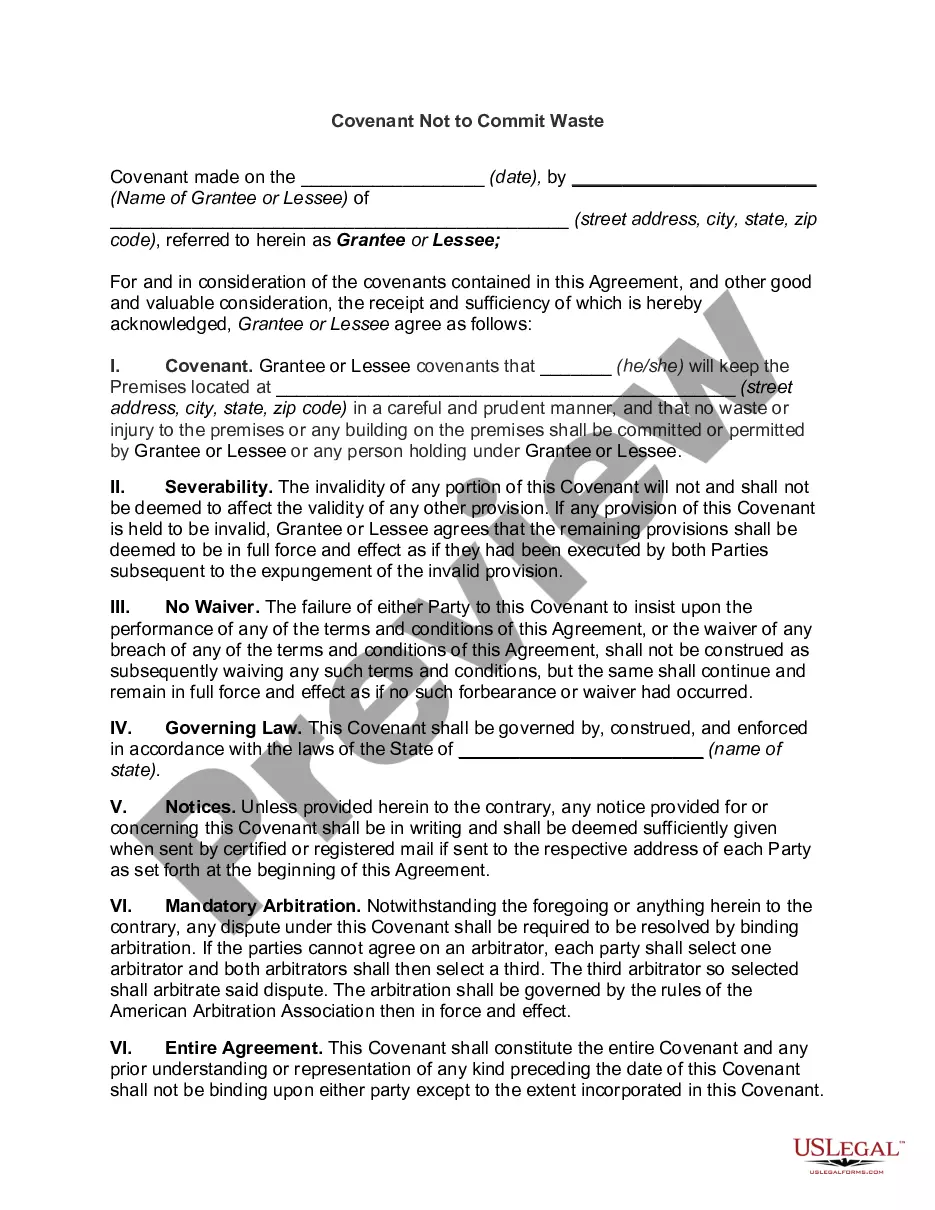
Covenants are either personal, restricting only the party who signs the agreement, or they "run with the land," passing the burden along to subsequent property owners. A restriction is simply a limitation on the use of the land.