Illinois Quitclaim Deed - Trust to Husband and Wife

What this document covers
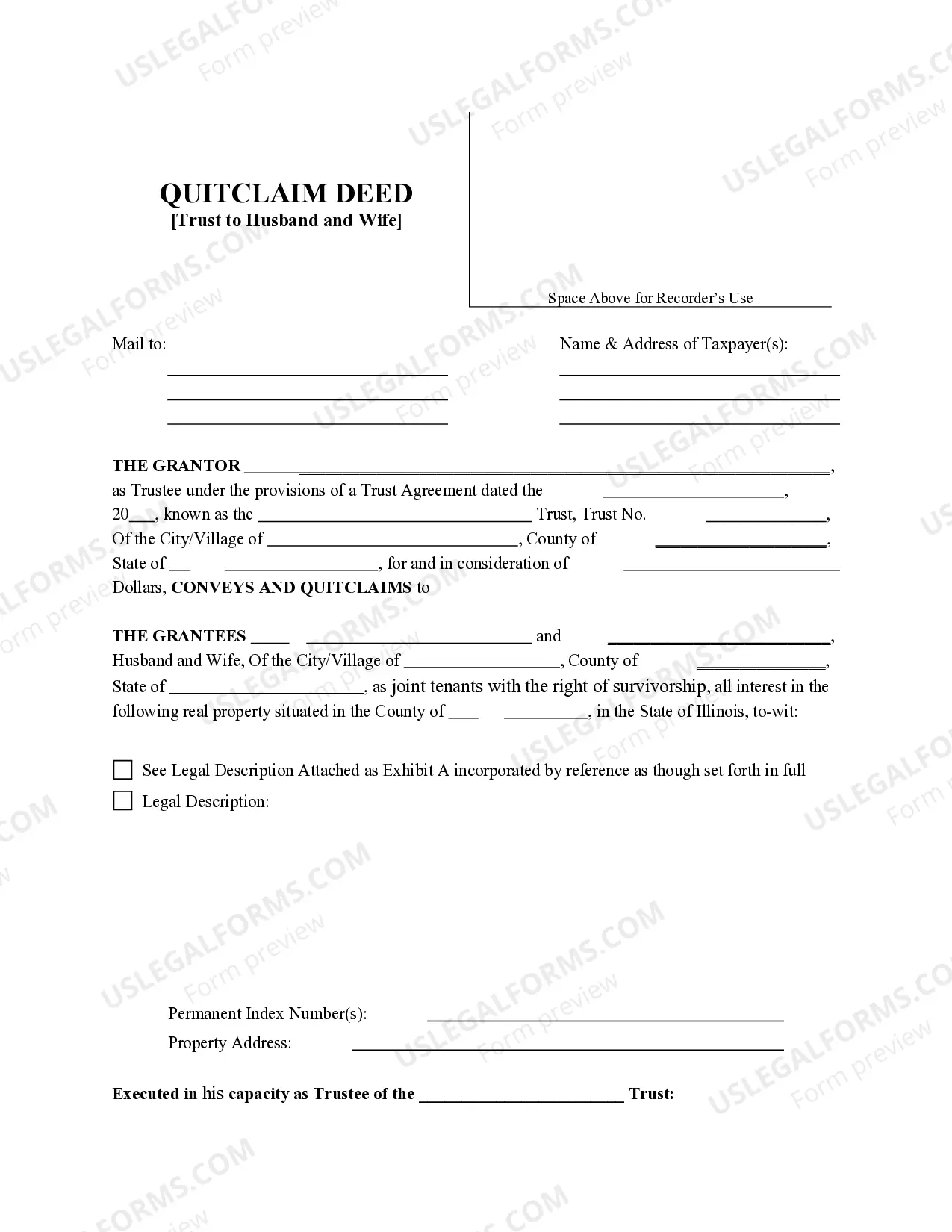
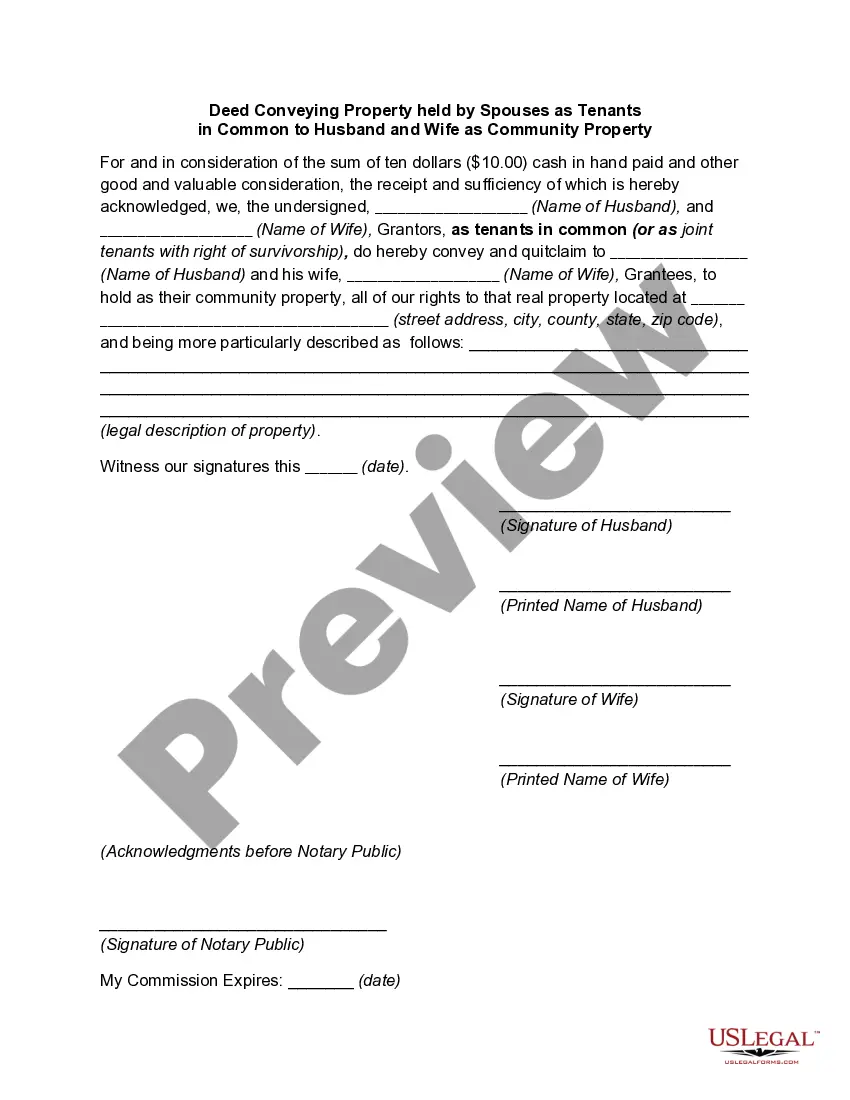
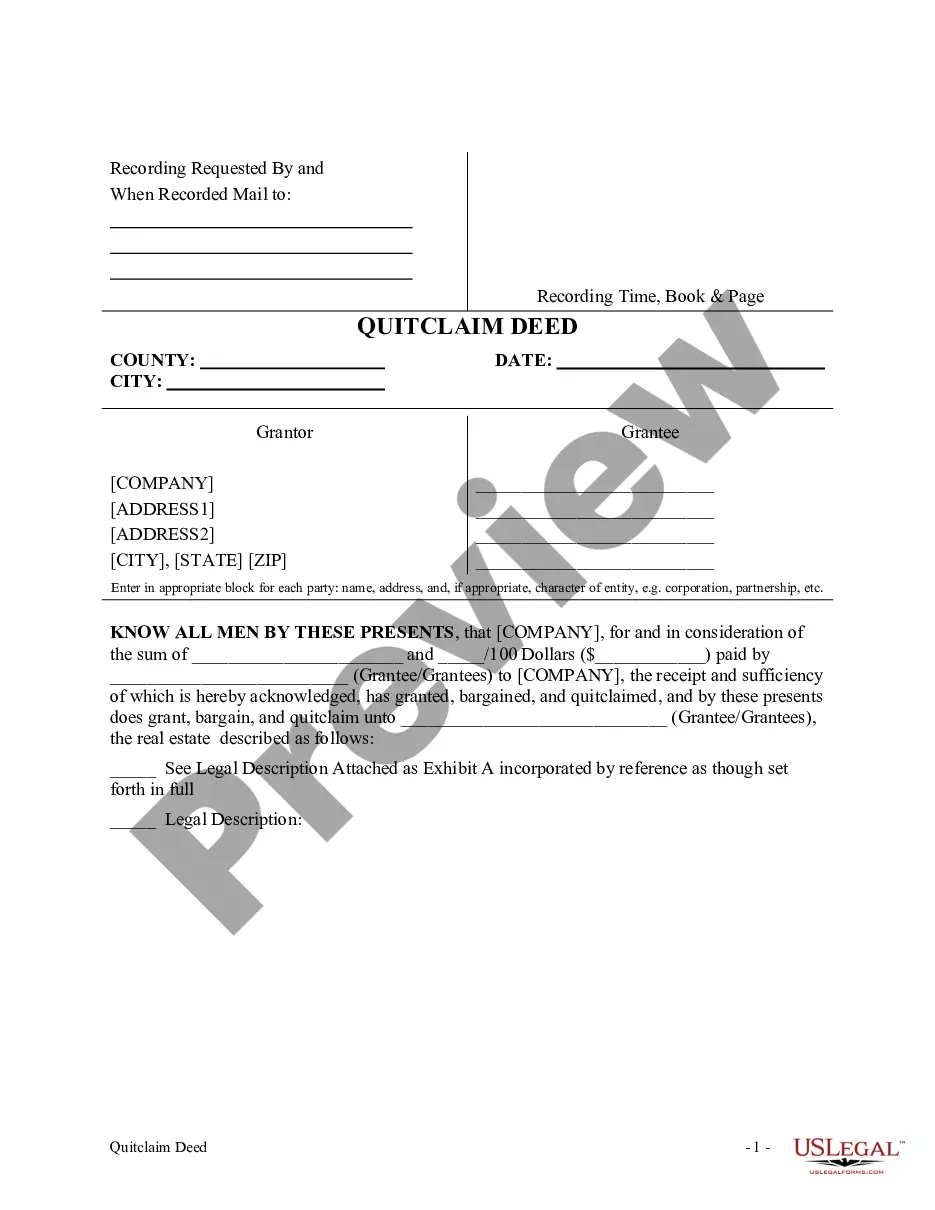
The Quitclaim Deed - Trust to Husband and Wife is a legal document allowing a trust to transfer property ownership to a married couple. This form is distinct from other deeds as it specifically involves a trust as the grantor, which means that the property title is conveyed without any guarantees about the quality of the title. The couple can receive the property as joint tenants with the right of survivorship or as tenants in common, enhancing their estate planning options.
Form components explained
- Identification of the grantor (the trust) and grantees (husband and wife).
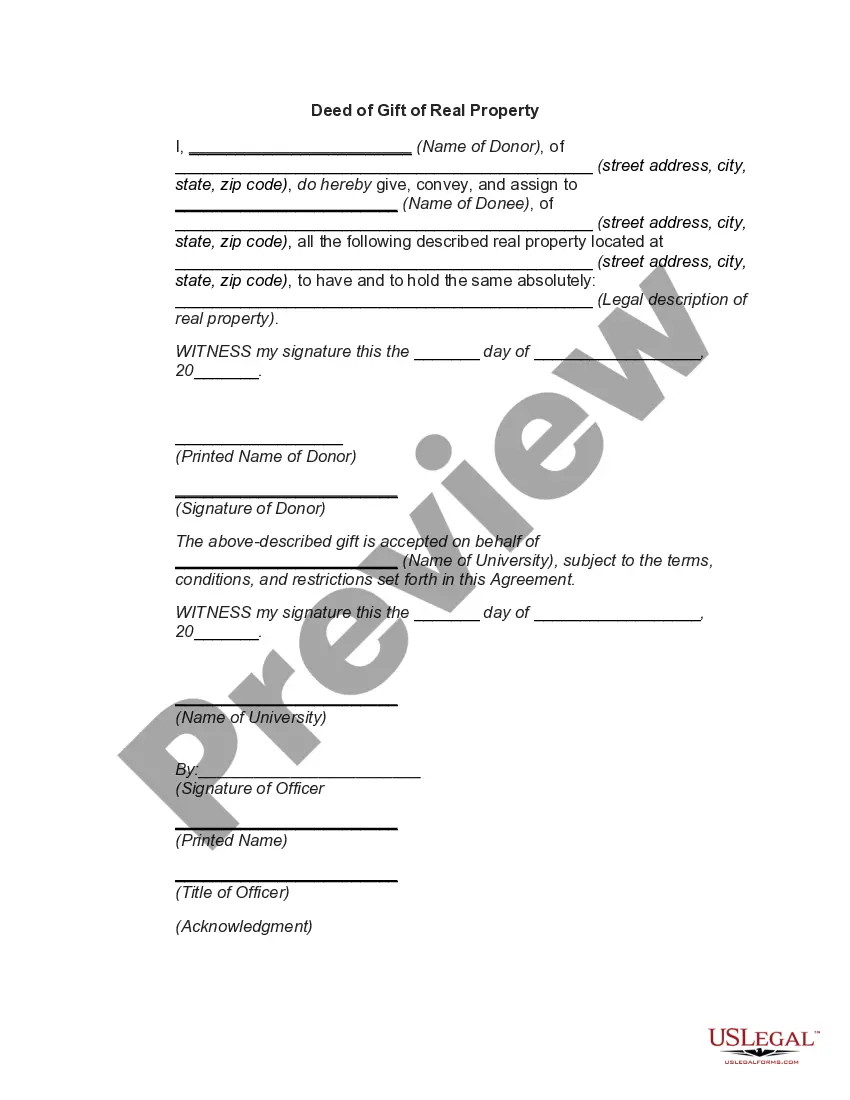
- Description of the property being transferred.
- Choice between joint tenancy or tenancy in common.
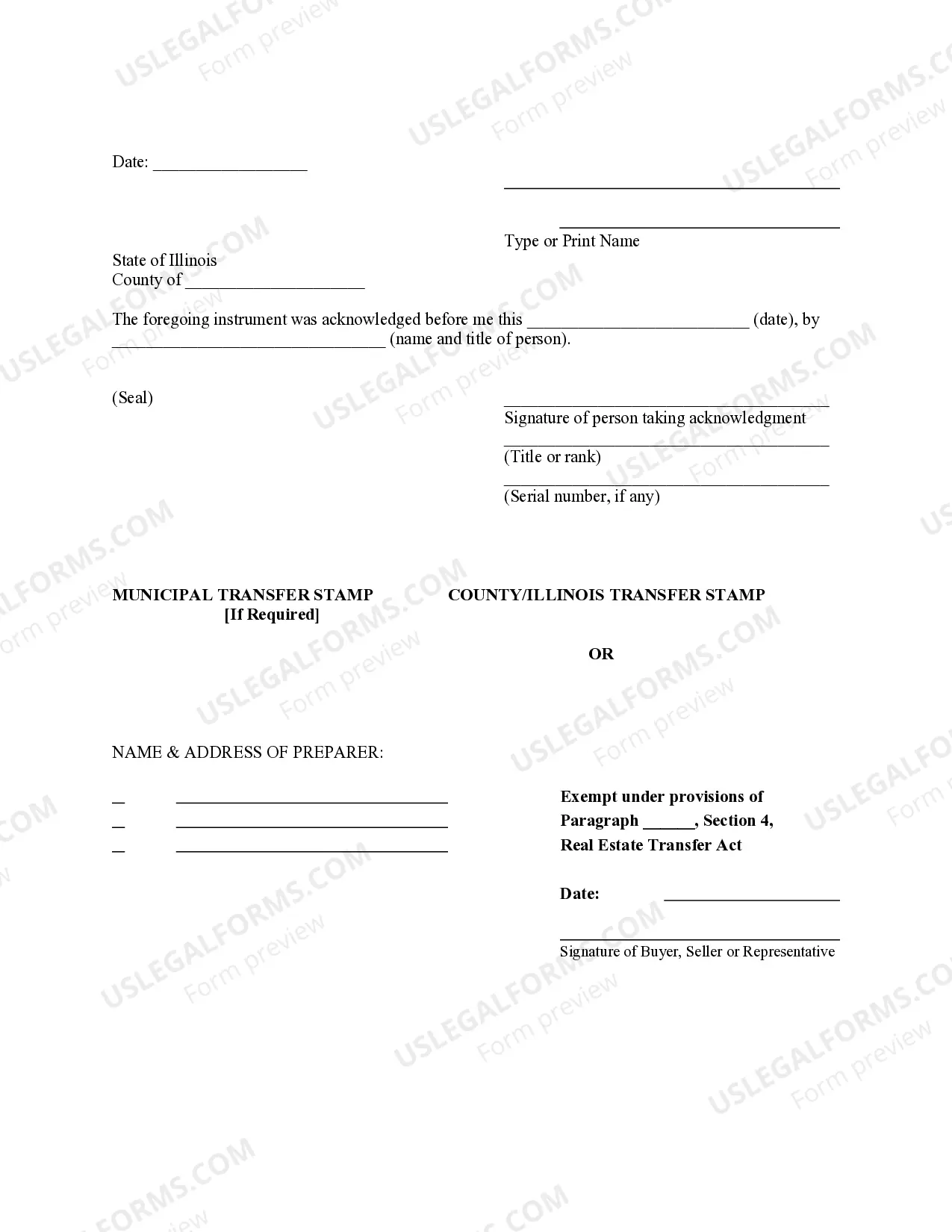
- Signature fields for the grantor and notary, if applicable.
- Compliance with state laws regarding real estate transfer.


When to use this form
This form is useful when a trust intends to transfer real property ownership directly to a married couple. Common scenarios include transferring property as part of estate planning, during divorce settlements, or when consolidating property ownership for tax purposes. It simplifies the transfer process and clarifies ownership rights.
Who needs this form
This form is intended for:
- Trustees looking to transfer property to a married couple.
- Married couples receiving property from a trust.
- Individuals involved in estate planning or asset distribution.
- Anyone needing a straightforward method for property transfer without warranty implications.
Completing this form step by step
- Identify the parties: Enter the name of the trust as the grantor and the names of the husband and wife as the grantees.
- Specify the property: Clearly describe the real estate being transferred, including address and parcel identification number.
- Select the ownership type: Choose whether the couple will take title as joint tenants with rights of survivorship or as tenants in common.
- Sign the deed: The authorized trust representative must sign the document in the appropriate section.
- Notarize if required: Verify if notarization is needed in your state and complete as necessary.
Does this form need to be notarized?
This form must be notarized to be legally valid in most cases, especially if required by local law. Online notarization options are available, allowing you to have the form notarized through secured video calls at any time, eliminating the need to travel.
Get your form ready online
Our built-in tools help you complete, sign, share, and store your documents in one place.
Make edits, fill in missing information, and update formatting in US Legal Forms—just like you would in MS Word.
Download a copy, print it, send it by email, or mail it via USPS—whatever works best for your next step.
Sign and collect signatures with our SignNow integration. Send to multiple recipients, set reminders, and more. Go Premium to unlock E-Sign.
If this form requires notarization, complete it online through a secure video call—no need to meet a notary in person or wait for an appointment.
We protect your documents and personal data by following strict security and privacy standards.

Make edits, fill in missing information, and update formatting in US Legal Forms—just like you would in MS Word.

Download a copy, print it, send it by email, or mail it via USPS—whatever works best for your next step.

Sign and collect signatures with our SignNow integration. Send to multiple recipients, set reminders, and more. Go Premium to unlock E-Sign.

If this form requires notarization, complete it online through a secure video call—no need to meet a notary in person or wait for an appointment.

We protect your documents and personal data by following strict security and privacy standards.
Typical mistakes to avoid
- Not verifying the trust's authority to transfer property.
- Failing to include accurate property descriptions.
- Choosing the wrong type of ownership for the couple.
- Omitting signature and notarization requirements.
- Not checking local laws for additional requirements.
Why use this form online
- Convenient access to legal forms anytime without needing to visit a lawyer.
- Editable format allows for accurate completion before printing.
- Easy compliance with state laws, as forms are tailored to meet legal requirements.
- Instant download option saves time compared to traditional document preparation.
Looking for another form?
Form popularity
FAQ
But you might be wondering if an owner can transfer a deed to another person without a real estate lawyer. The answer is yes. Parties to a transaction are always free to prepare their own deeds.A quitclaim deed, for example, is far simpler than a warranty deed.
It's usually a very straightforward transaction, but it's possible for a quitclaim deed to be challenged. If a quitclaim deed is challenged in court, the issue becomes whether the property was legally transferred and if the grantor had the legal right to transfer the property.
The Quit Claim Deed form uses the terms of Grantor (Seller or Owner of said property) and Grantee (Buyer of said property) for the two parties involved. First, the parties must fill in the date. Then, write in the name of the county and state in which the property is located.
The easiest way to grant your spouse title to your home is via a quitclaim deed (Californians generally use an interspousal grant deed). With a quitclaim deed, you can name your spouse as the property's joint owner. The quitclaim deed must include the property's description, including its boundary lines.
One of the most common ways property owners add spouses to real estate titles is by using quitclaim deeds. Once completed and filed, quitclaim deed forms effectually transfer a share of ownership from the owners, or grantors, to their spouses, or the grantees.
Step 1: Download the IL quitclaim deed form. Step 2: Add the return address. Step 3: Under the title, Illinois Quitclaim Deed, list the county where the deed is being prepared and the property is located.
To use a Quitclaim Deed to add someone to a property deed or title, you would need to create a Quitclaim Deed and list all of the current owners in the grantor section. In the grantee section, you would list all of the current owners as well as the person you would like to add.
One of the most common ways property owners add spouses to real estate titles is by using quitclaim deeds. Once completed and filed, quitclaim deed forms effectually transfer a share of ownership from the owners, or grantors, to their spouses, or the grantees.