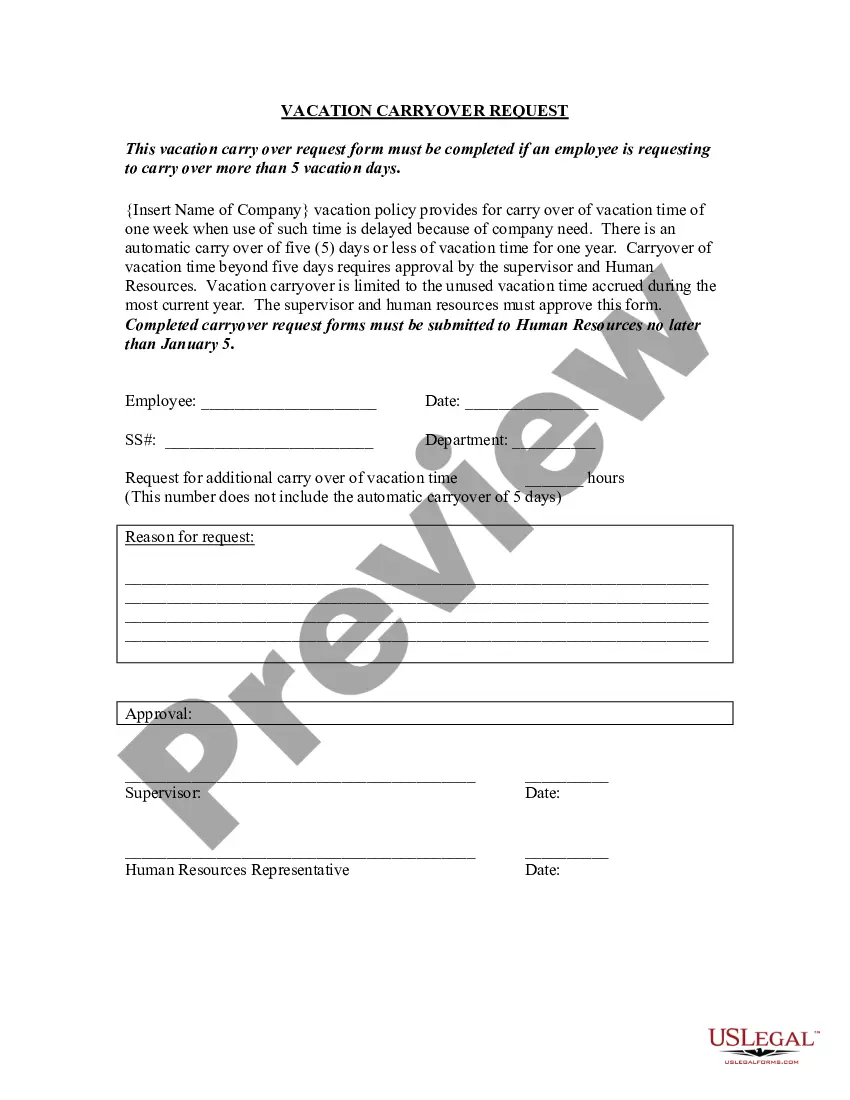
Iowa Vacation Carryover Request
Description

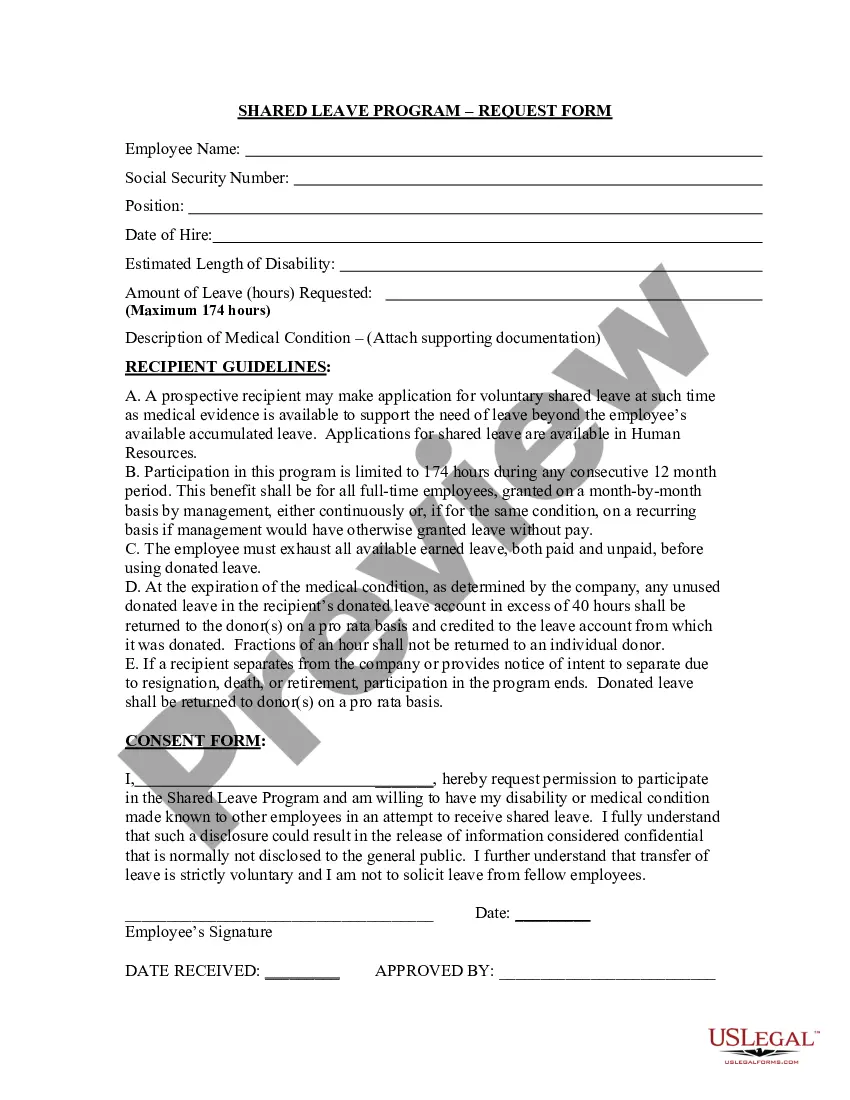
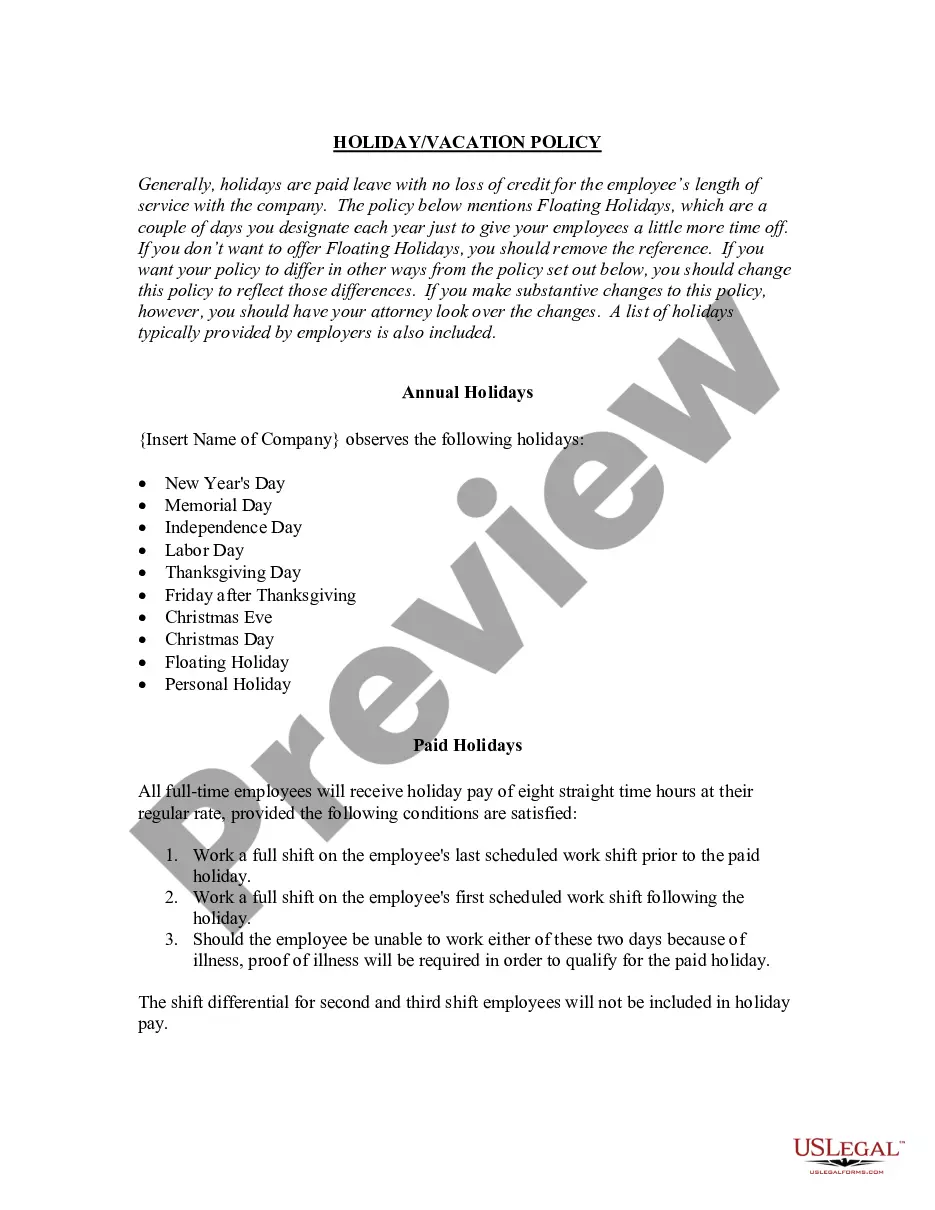
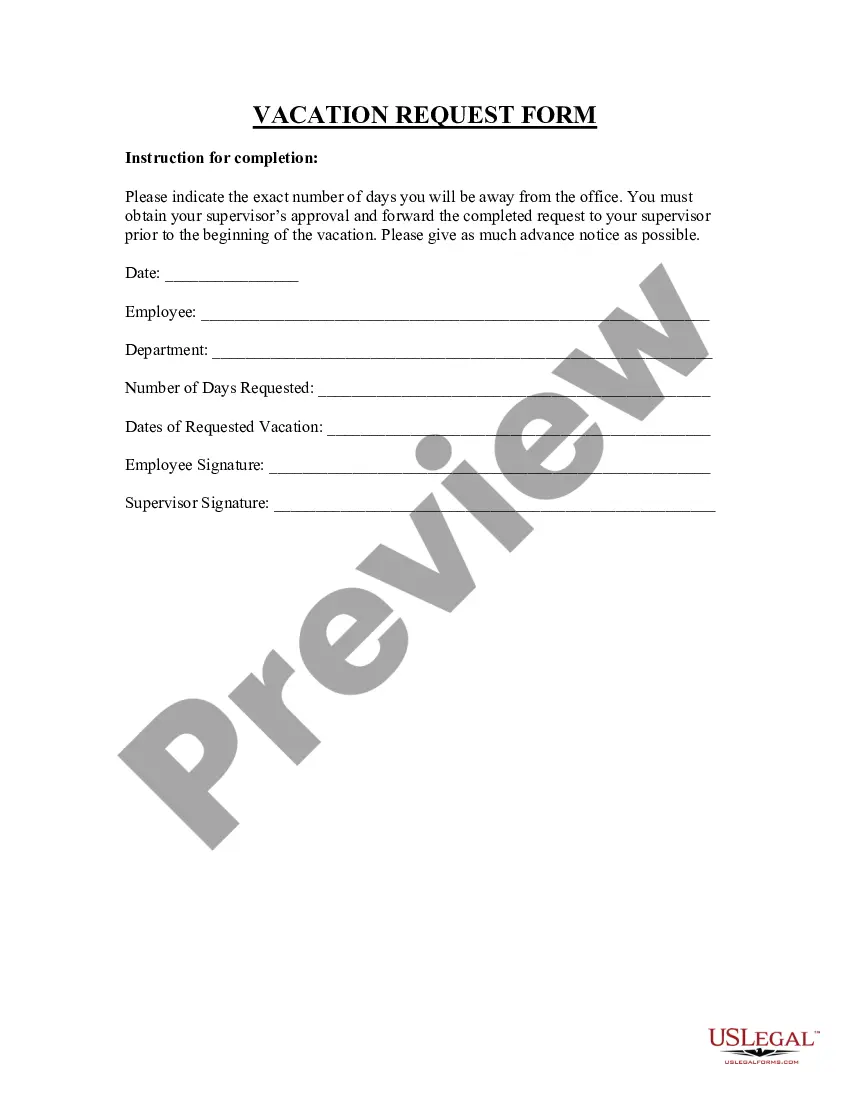
Get your form ready online
Our built-in tools help you complete, sign, share, and store your documents in one place.
Make edits, fill in missing information, and update formatting in US Legal Forms—just like you would in MS Word.
Download a copy, print it, send it by email, or mail it via USPS—whatever works best for your next step.
Sign and collect signatures with our SignNow integration. Send to multiple recipients, set reminders, and more. Go Premium to unlock E-Sign.
If this form requires notarization, complete it online through a secure video call—no need to meet a notary in person or wait for an appointment.
We protect your documents and personal data by following strict security and privacy standards.

Make edits, fill in missing information, and update formatting in US Legal Forms—just like you would in MS Word.

Download a copy, print it, send it by email, or mail it via USPS—whatever works best for your next step.

Sign and collect signatures with our SignNow integration. Send to multiple recipients, set reminders, and more. Go Premium to unlock E-Sign.

If this form requires notarization, complete it online through a secure video call—no need to meet a notary in person or wait for an appointment.

We protect your documents and personal data by following strict security and privacy standards.
Looking for another form?
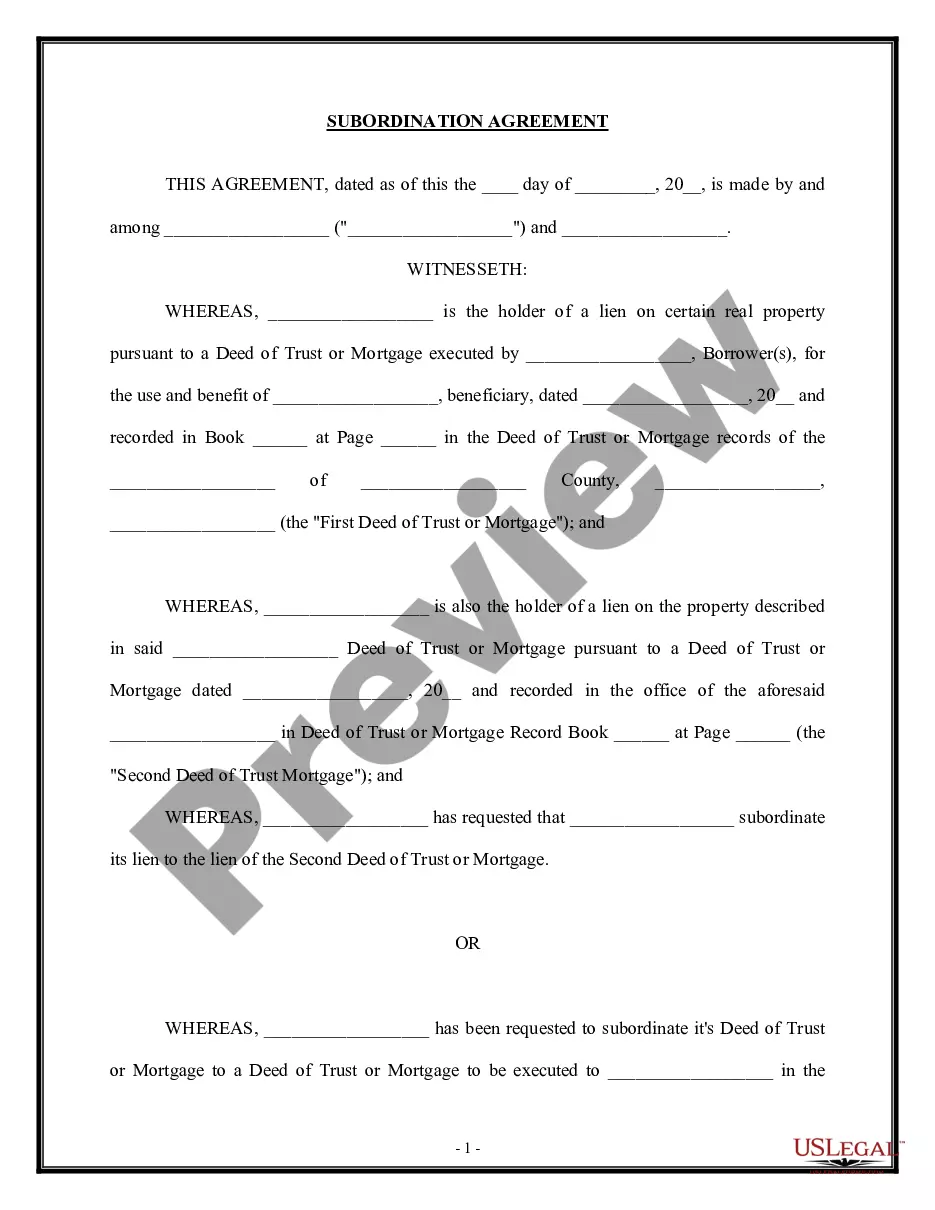
How to fill out Vacation Carryover Request?
You can invest numerous hours online searching for the legal document template that satisfies the state and federal requirements you need.
US Legal Forms offers a substantial collection of legal documents that can be reviewed by professionals.
You can download or print the Iowa Vacation Carryover Request from my service.
If available, utilize the Review button to examine the document template as well. If you wish to find another version of the form, use the Lookup field to locate the template that meets your needs and preferences.
- If you already possess a US Legal Forms account, you may Log In and click on the Obtain button.
- After that, you may complete, modify, print, or sign the Iowa Vacation Carryover Request.
- Every legal document template you purchase is yours permanently.
- To obtain another copy of the purchased form, head to the My documents tab and click on the corresponding button.
- If you are using the US Legal Forms website for the first time, follow the simple instructions below.
- First, ensure that you have selected the correct document template for the state/city of your choice.
- Check the document description to confirm that you have chosen the appropriate form.
Form popularity
FAQ
Iowa's statutory definition of wages includes vacation pay; thus, an employee who leaves the payroll must be paid for accrued but unused vacationbut only if such pay is due under an agreement, a policy, or by practice of the employer.
Vacation Carryover Definition Vacation carryover is a policy some companies have that allows employees to carry unused paid-time-off hours from one year into the next. In many workplaces, eligible employees accrue paid vacation time based on the amount of hours worked.
An employee's vacation will roll over year to year, but once he or she reaches 17.5 days, no more vacation will accrue until the vacation bank falls below that amount.
A maximum of 40 hours of accrued and unused PTO time may be carried over from one calendar year to the next. Employees will not be able to "sell" unused PTO hours back to the company unless authorized by the company president.
Under the law, there should not be any carry over. Moreover, employees cannot carry over their statutory minimum vacation time. If there is carry over, the employer has failed to comply with the Employment Standards Act.
Under California law, unless otherwise stipulated by a collective bargaining agreement, whenever the employment relationship ends, for any reason whatsoever, and the employee has not used all of his or her earned and accrued vacation, the employer must pay the employee at his or her final rate of pay for all of his or
Since federal law is silent on paid vacation time, an employer who chooses to allow her employees a certain amount of vacation time each year is not mandated by federal law to have those days roll over.
No use-it-or-lose-it policies permitted. Under California law, vacation is treated the same as earned wages and vest as the employee performs work. Because vacation is earned proportionally as the employee works, policies requiring employees to lose vacation already earned is illegal under California law.