Iowa Trust Deed
About this form
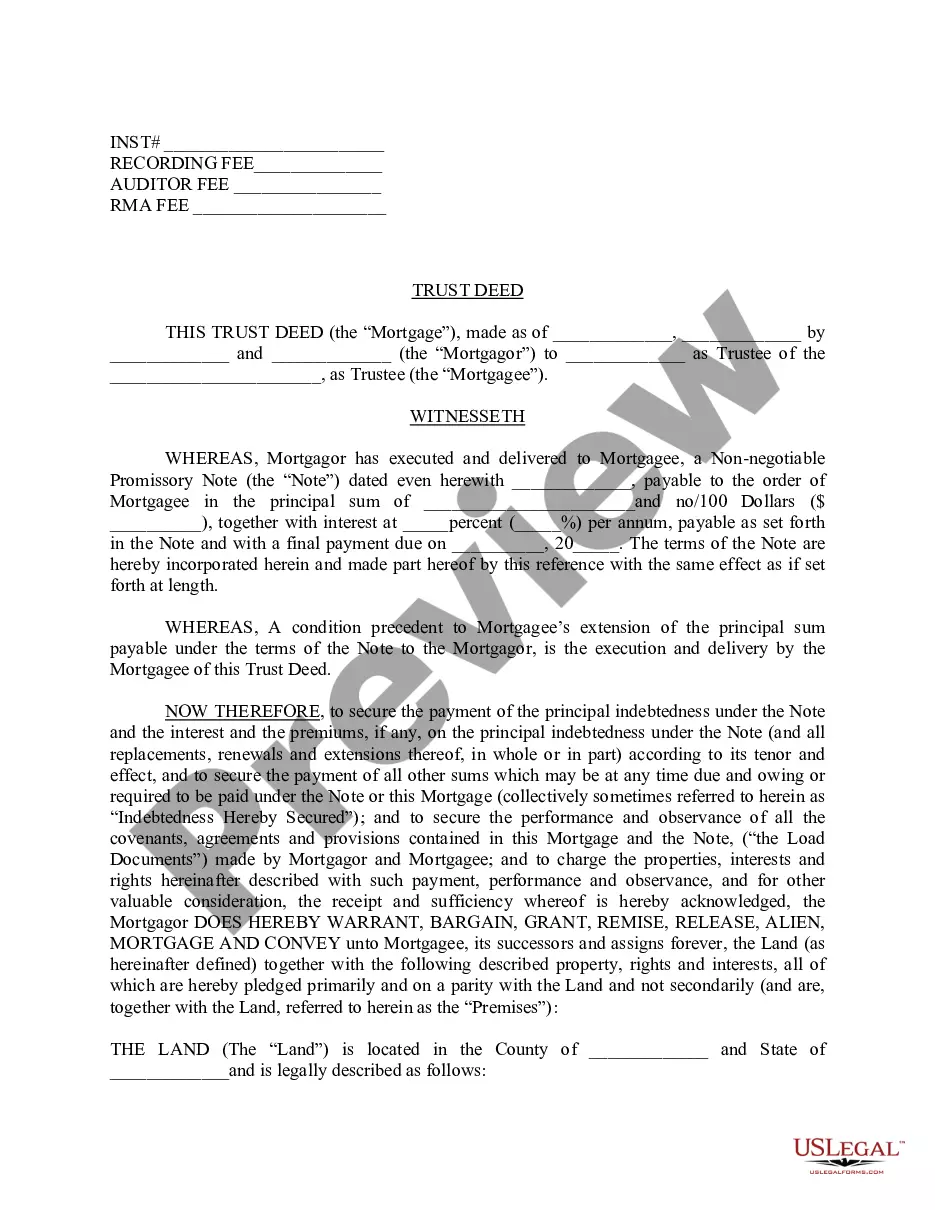
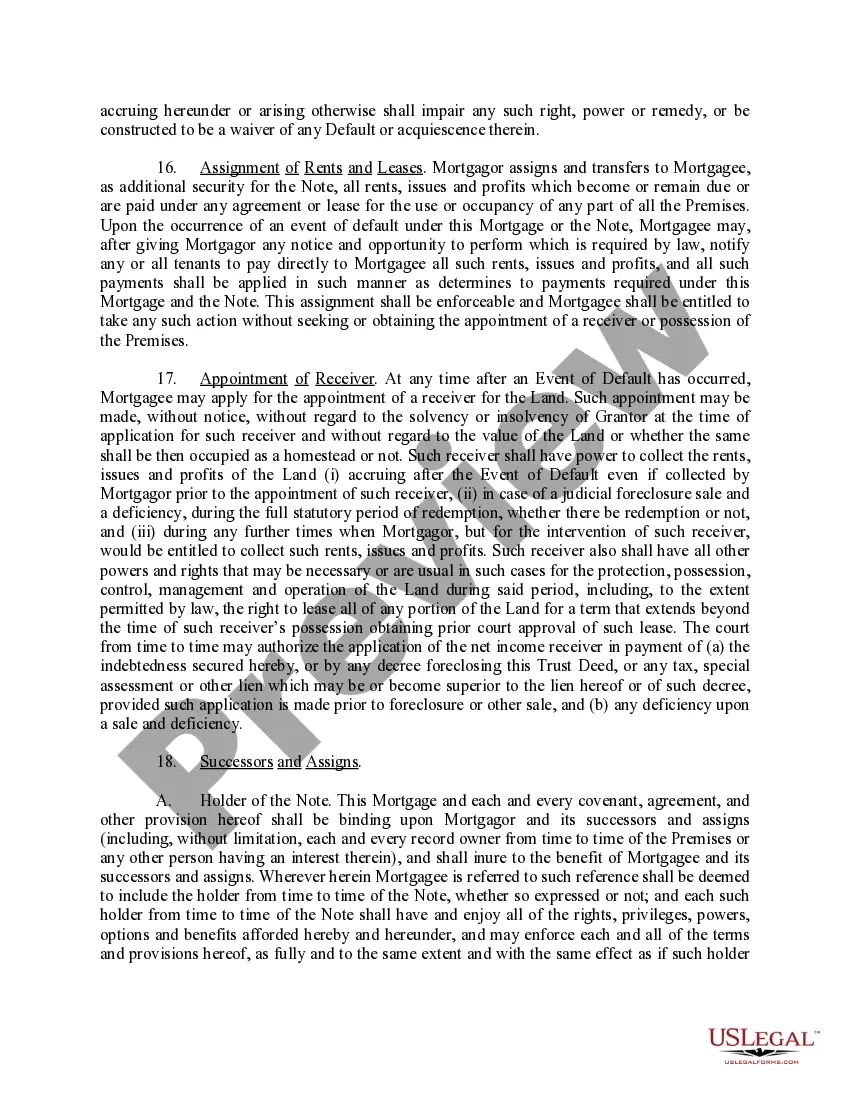
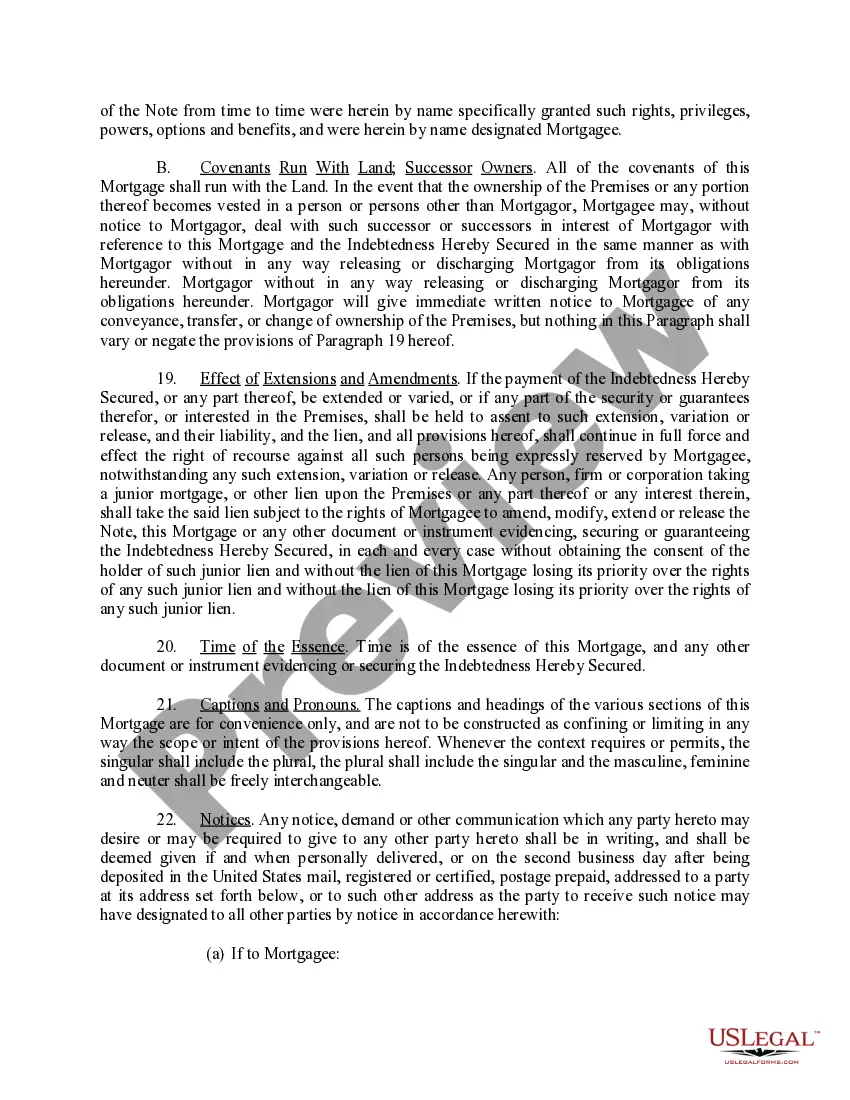
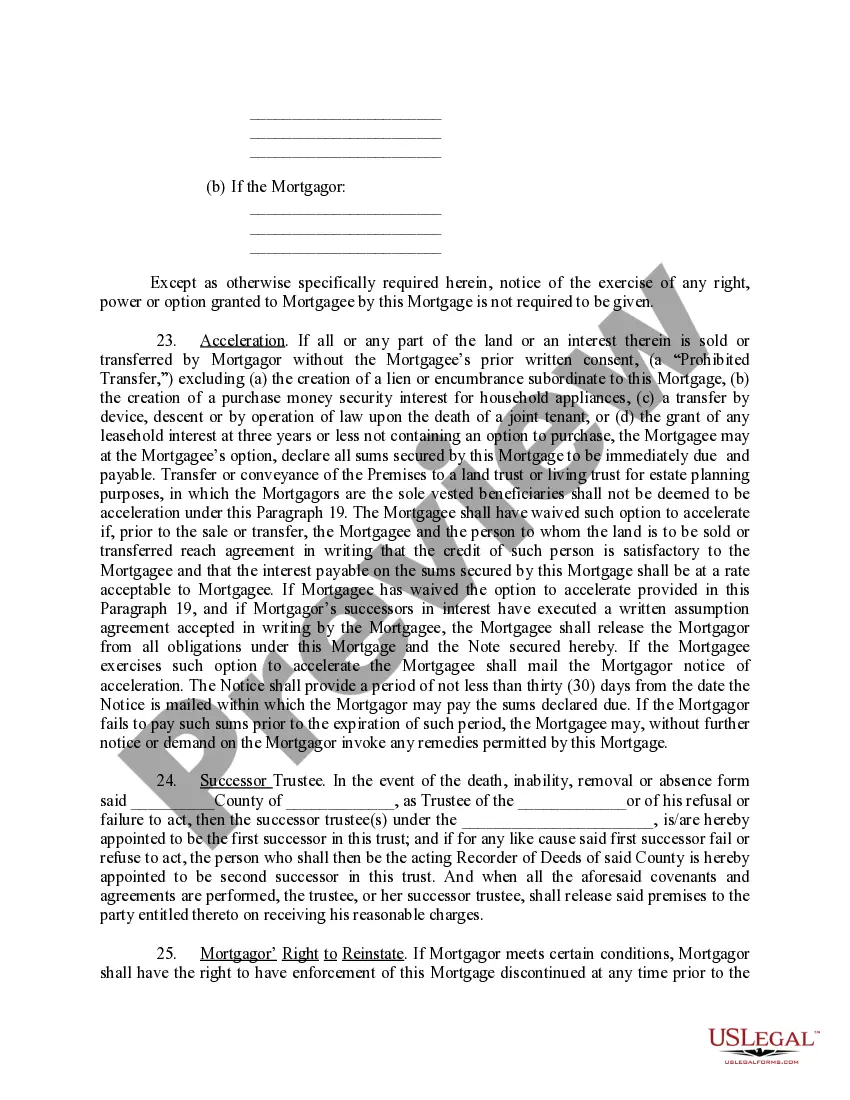
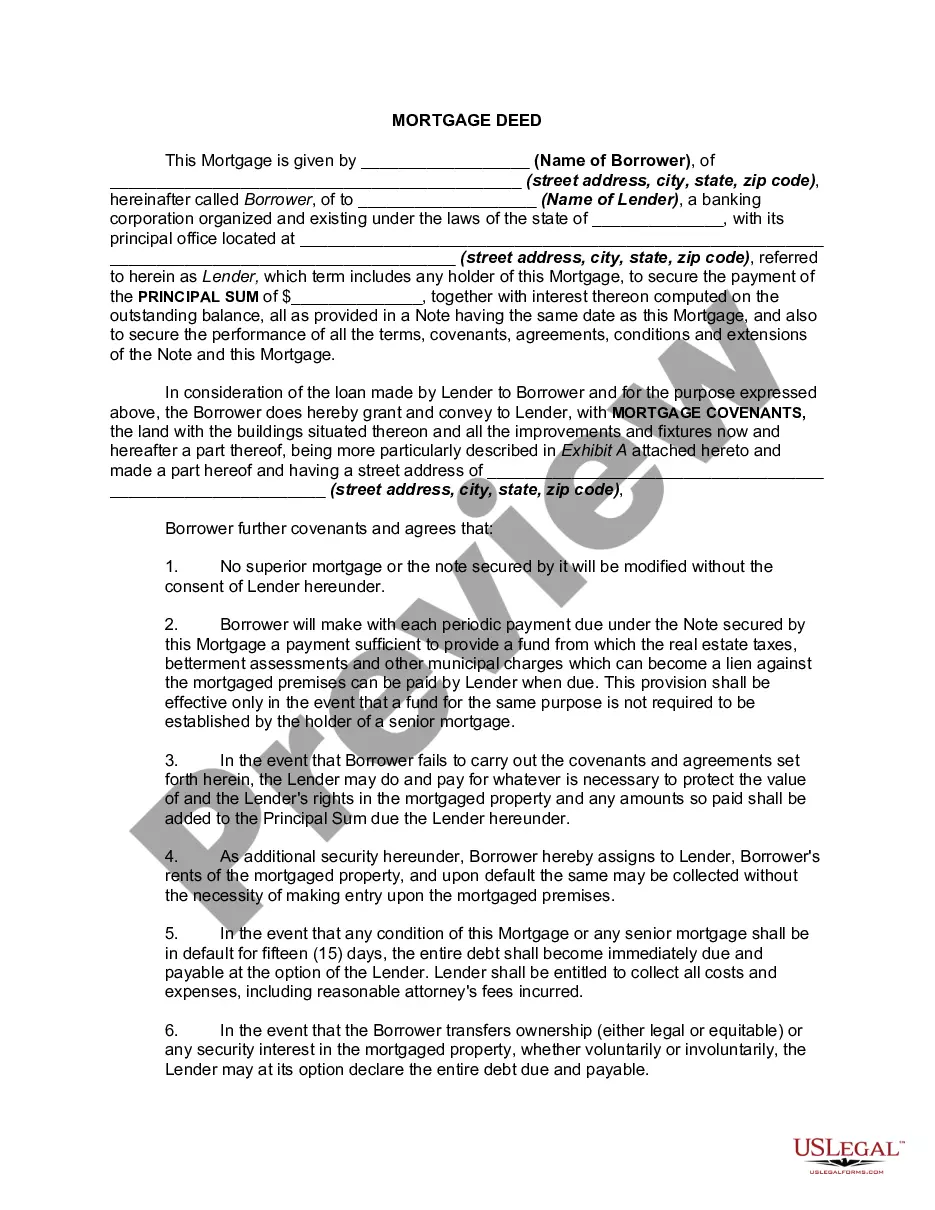
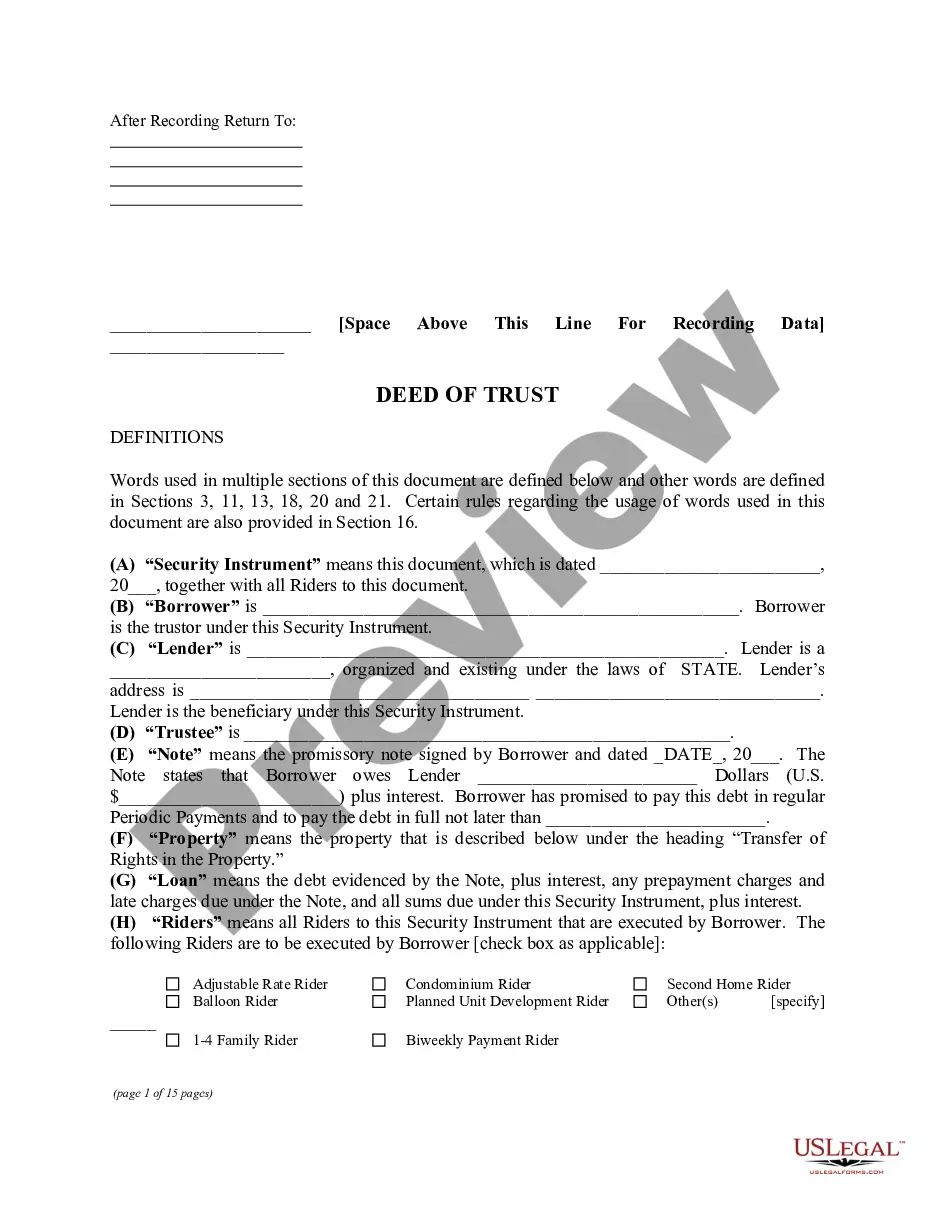
The Trust Deed is a legal document that secures a loan through collateral in the form of real estate. In this arrangement, the grantorâan individualâconveys ownership of the property to a trustee on behalf of a trust. This form protects the lender's interests by creating a lien on the property, ensuring that the loan is repaid under the agreed terms. Unlike a standard warranty deed, which simply conveys property ownership, the Trust Deed includes specific obligations for the borrower and outlines the actions the lender can take in the event of default.
Key parts of this document
- Identification of the mortgagor (grantor) and mortgagee (trustee).
- Details of the loan, including principal amount, interest rate, and payment terms.
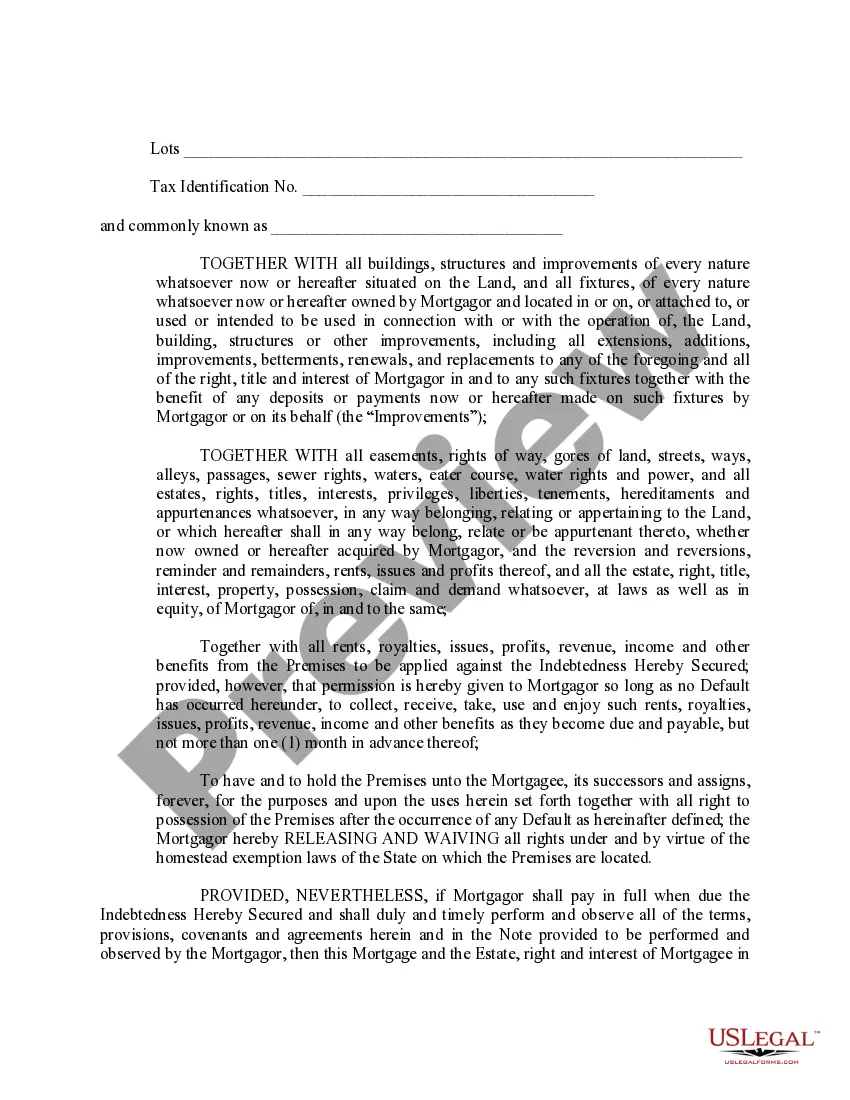
- Description of the property that is being secured by the trust deed.
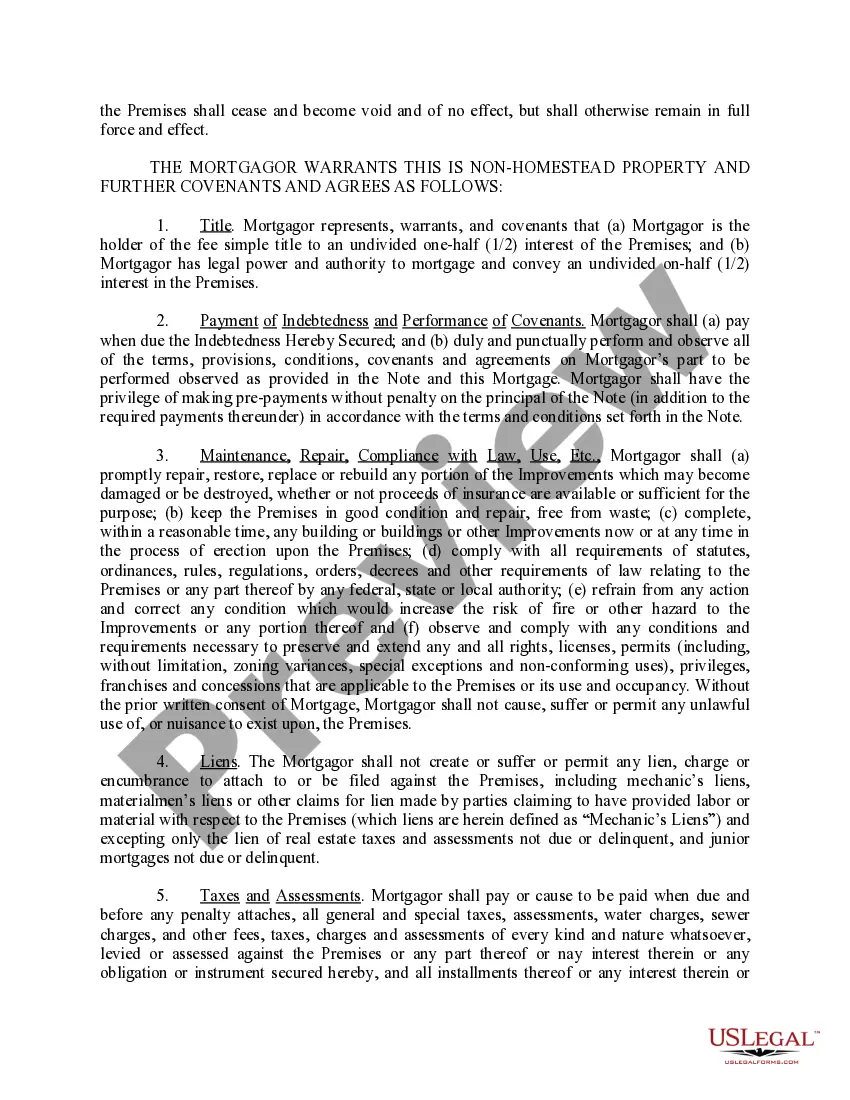
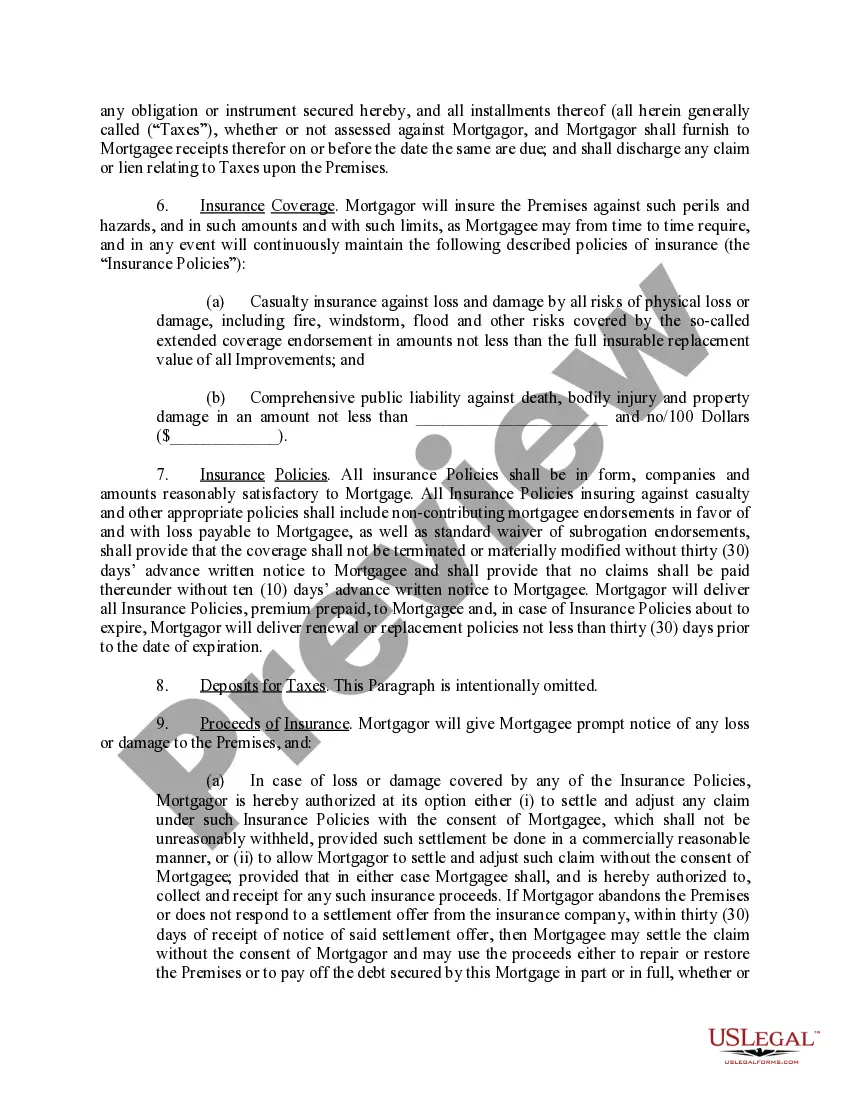
- Covenants outlining the obligations of the mortgagor, such as payment timelines and maintenance requirements.
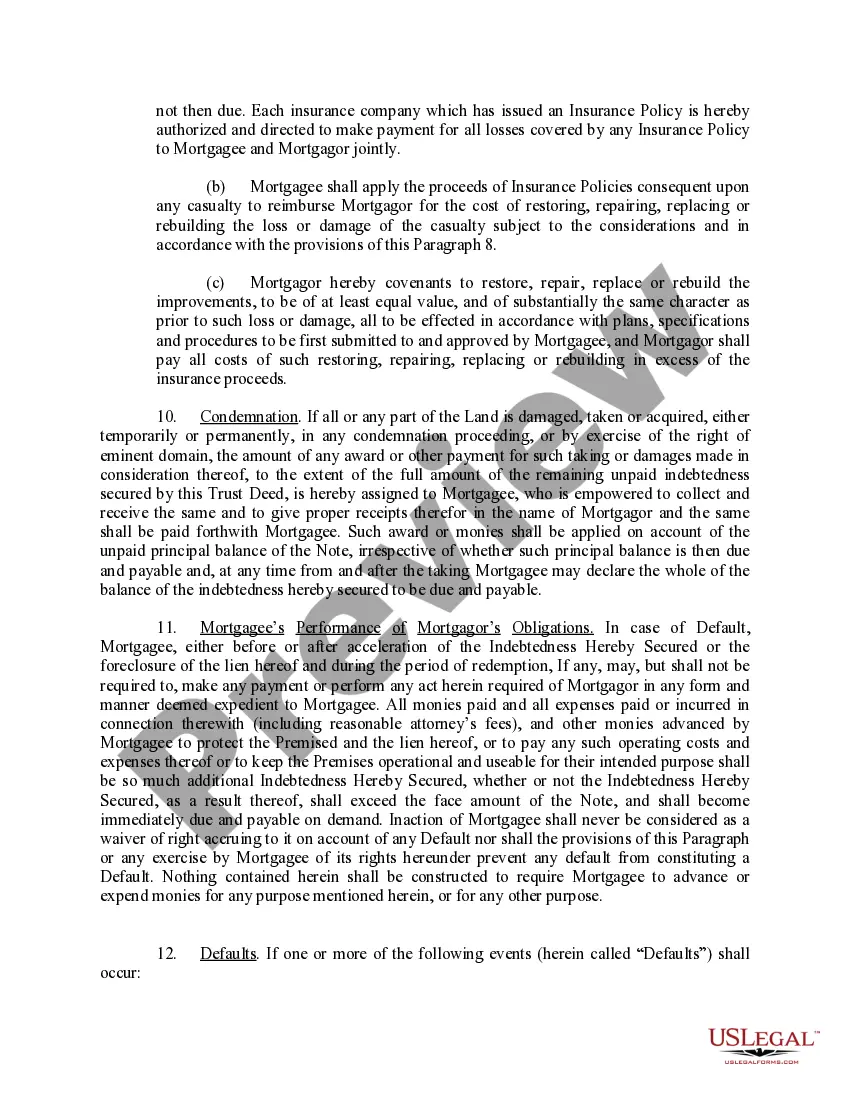
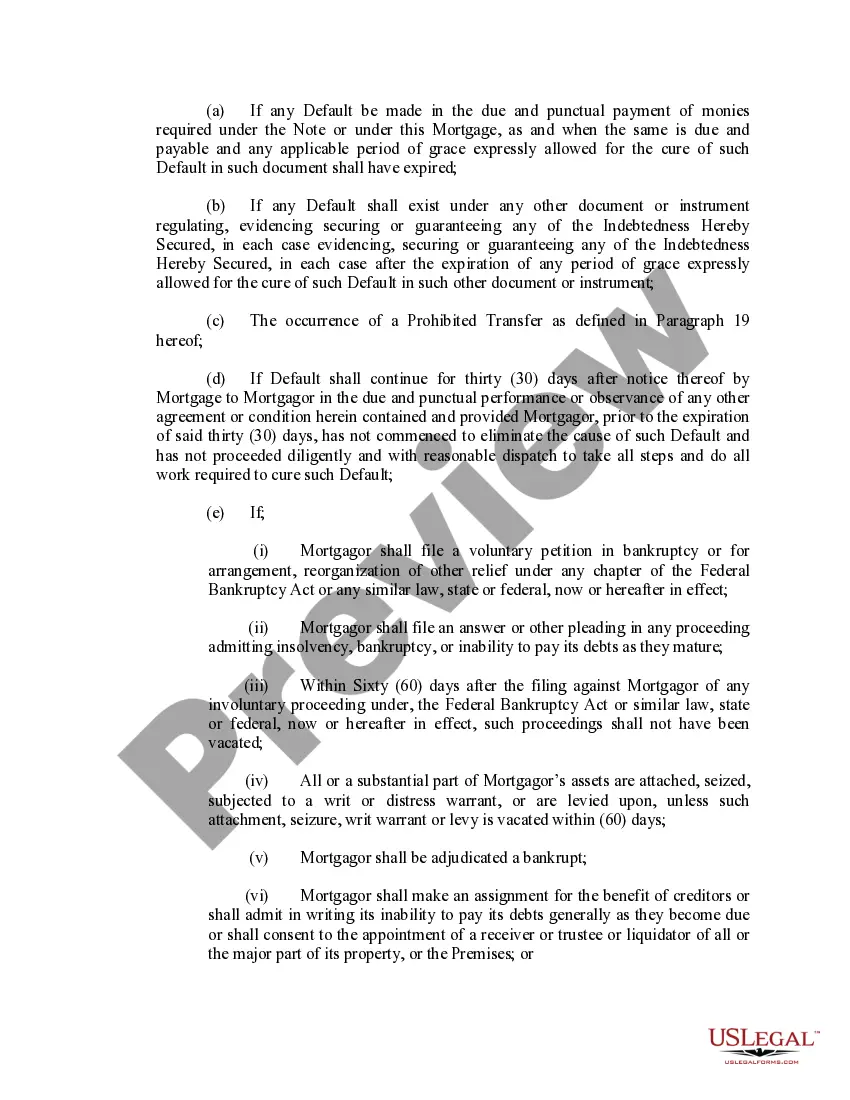
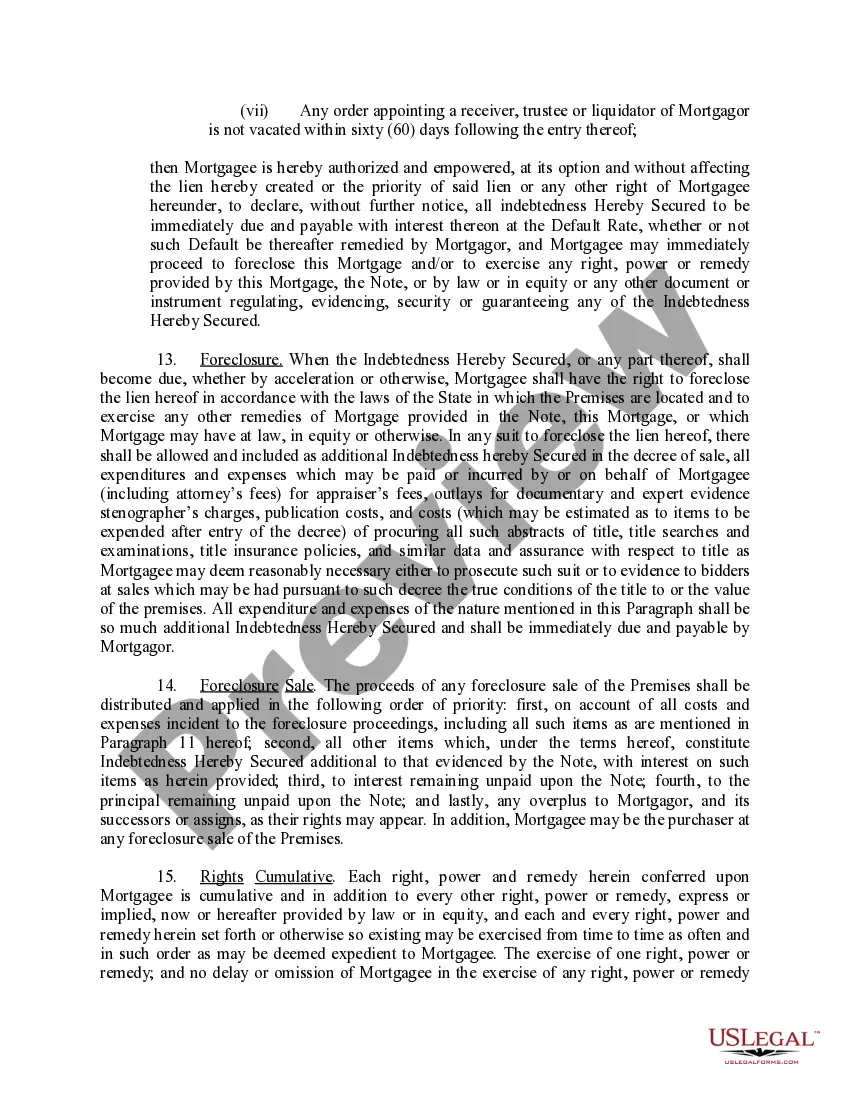
- Provisions related to default and foreclosure processes.



When this form is needed
This Trust Deed is essential when an individual seeks to secure a loan against real estate, particularly when transferring property ownership to a trustee for a trust. It is commonly used in real estate transactions involving mortgages or when obtaining financing through trusts. If you are looking to refinance existing loans or need to establish collateral for a new loan, this form is appropriate.
Who this form is for
This Trust Deed is intended for:
- Individuals or entities seeking a loan secured by real estate.
- Trustees managing property on behalf of a trust.
- Lenders or financial institutions extending credit or mortgages.
- Homeowners looking to consolidate or refinance debts with real property as collateral.
Steps to complete this form
- Identify and enter the names of the mortgagor (grantor) and mortgagee (trustee).
- Specify the loan amount, interest rate, and repayment terms as agreed upon in the promissory note.
- Provide a detailed description of the property being secured, including its legal description.
- Review and complete all covenants and obligations outlined in the deed to ensure compliance.
- Have all parties sign and date the document in the presence of a notary if required.
Notarization guidance
Yes, this form must be notarized to be legally valid. US Legal Forms offers integrated online notarization services, available 24/7, allowing you to complete the notarization via a secure video call without the need for travel.
Get your form ready online
Our built-in tools help you complete, sign, share, and store your documents in one place.
Make edits, fill in missing information, and update formatting in US Legal Forms—just like you would in MS Word.
Download a copy, print it, send it by email, or mail it via USPS—whatever works best for your next step.
Sign and collect signatures with our SignNow integration. Send to multiple recipients, set reminders, and more. Go Premium to unlock E-Sign.
If this form requires notarization, complete it online through a secure video call—no need to meet a notary in person or wait for an appointment.
We protect your documents and personal data by following strict security and privacy standards.

Make edits, fill in missing information, and update formatting in US Legal Forms—just like you would in MS Word.

Download a copy, print it, send it by email, or mail it via USPS—whatever works best for your next step.

Sign and collect signatures with our SignNow integration. Send to multiple recipients, set reminders, and more. Go Premium to unlock E-Sign.

If this form requires notarization, complete it online through a secure video call—no need to meet a notary in person or wait for an appointment.

We protect your documents and personal data by following strict security and privacy standards.
Common mistakes to avoid
- Failing to accurately describe the property, which can lead to legal disputes.
- Not completing all required fields, resulting in a form that may be deemed invalid.
- Neglecting to secure the necessary signatures and notarization where applicable.
- Ignoring state-specific rules that govern trust deeds, potentially invalidating the document.
Why complete this form online
- Convenience of accessing and completing the form from any location.
- Editability of online forms allows for modifications before finalizing.
- Secure storage and easy retrieval of completed documents.
- Reliability ensured through attorney-drafted templates that comply with current laws.
Looking for another form?
Form popularity
FAQ
To obtain a copy of your Iowa Trust Deed, you should contact your local county recorder's office. They maintain all property records, including deeds. You can request a copy online, by mail, or in person, depending on your county's specific procedures. If you prefer, USLegalForms can provide you with the necessary forms and guidance to help you through the process efficiently.
Yes, a fiduciary may need to file a tax return depending on the income generated by the trust. If the Iowa Trust Deed generates income, it is crucial to consider the tax implications. Understanding these requirements is essential for proper management of the trust. Consulting a tax professional can clarify any uncertainties.
Opting for an Iowa Trust Deed instead of a mortgage can be advantageous. A deed of trust generally offers a quicker foreclosure process if needed, which can benefit lenders. Additionally, it may provide borrowers with more flexible terms. Assessing both options can help determine the best choice for your financial situation.
In most cases, the lender files the Iowa Trust Deed after the borrower has signed the necessary documents. The process usually involves recording the deed with the appropriate government office to ensure it is legally recognized. By doing so, the lender secures their interest in the property. This filing protects both the lender and the borrower.
An Iowa Trust Deed can become invalid for several reasons, such as missing signatures from necessary parties or failure to meet state recording requirements. If the deed does not contain the essential terms or is executed under duress, it may also be challenged in court. To avoid issues, ensure that all legal requirements are met when creating a trust deed. Using a platform like UsLegalForms can simplify this process, providing clear guidance on compliance.
There are several negatives associated with an Iowa Trust Deed. For instance, if the property does not appreciate as expected, you may owe more than what it is worth if you decide to sell. Additionally, you could face higher fees if the foreclosure process begins due to default. It’s crucial to weigh these potential outcomes carefully before entering into a trust deed arrangement.
One disadvantage of an Iowa Trust Deed is that it can create a complex situation if the borrower defaults on payments. In such cases, the lender can initiate a non-judicial foreclosure, which may happen more quickly than with a traditional mortgage. This means you risk losing your property faster if you do not keep up with payments. Understanding this risk is essential as it affects your financial planning.
Yes, you can sell a house that has an Iowa Trust Deed. However, the process may require you to settle any outstanding balance on the trust deed before completing the sale. You will also need to disclose the deed of trust to potential buyers. This ensures transparency and allows buyers to understand their obligations regarding the existing trust security.
Yes, you can write your own trust in Iowa, but it requires careful attention to detail and compliance with state laws. An Iowa Trust Deed must meet specific legal criteria to be valid and enforceable. For those unfamiliar with legal language or documents, using a reliable service like uslegalforms can simplify the task and reduce risks of errors. Taking advantage of these resources can help ensure your trust is set up correctly.
Iowa primarily uses mortgages instead of deeds of trust for real estate transactions. However, common practices may vary, and some parties opt for an Iowa Trust Deed depending on specific circumstances. It is essential to understand the differences and implications of each option before proceeding. Consulting with experts or using resources from uslegalforms can clarify which route is best for your situation.