Hawaii Protecting Deceased Persons from Identity Theft
What this form package covers
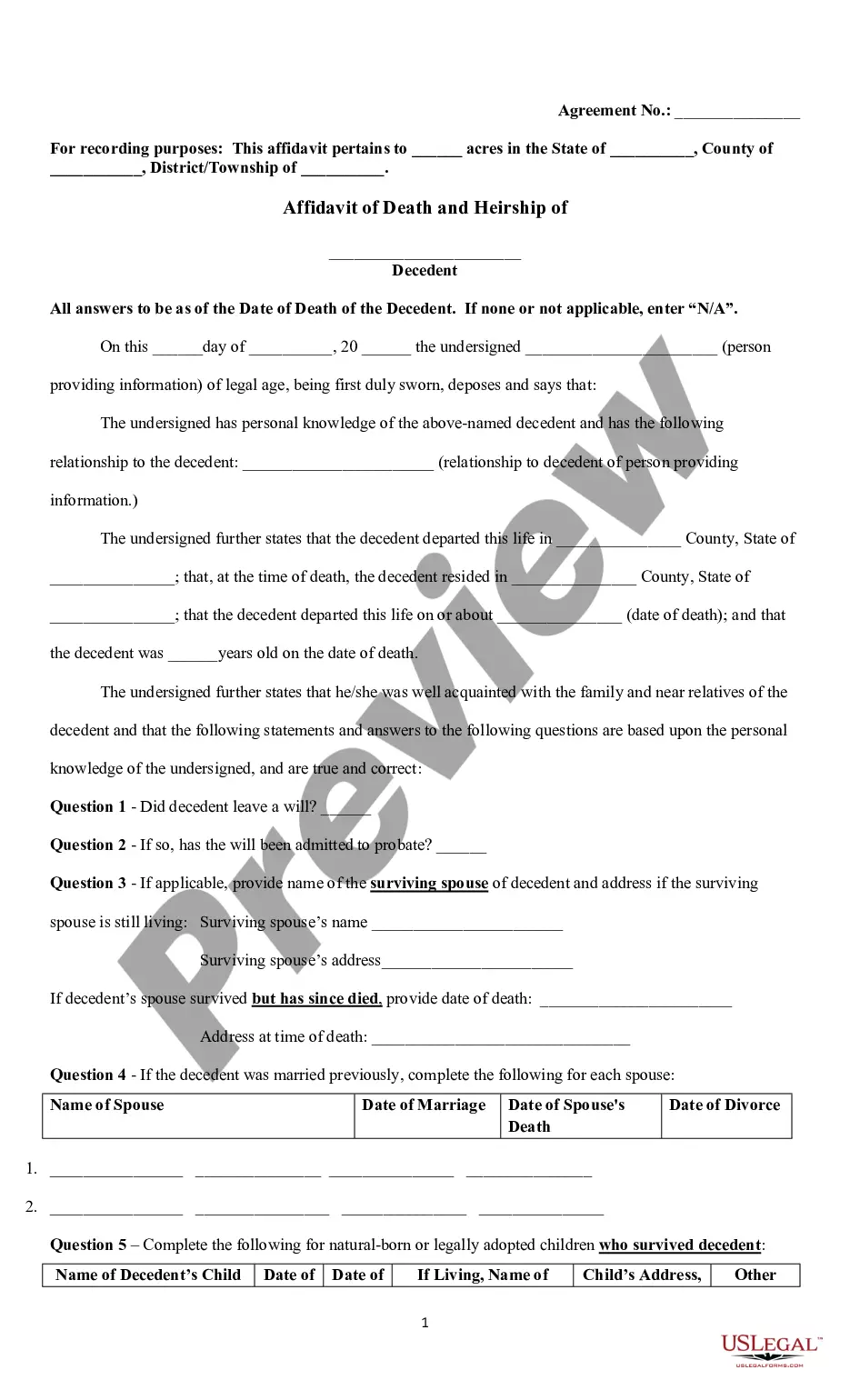
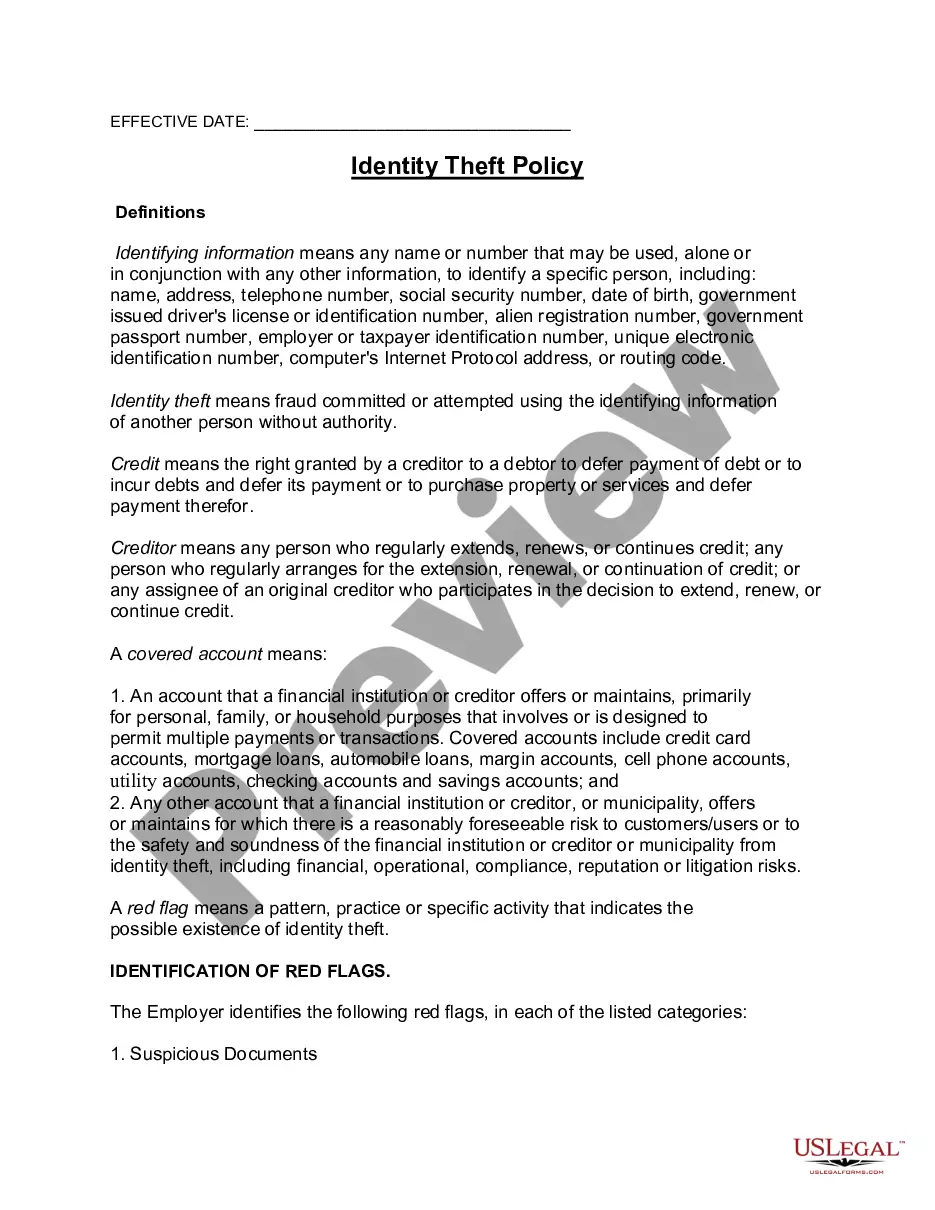
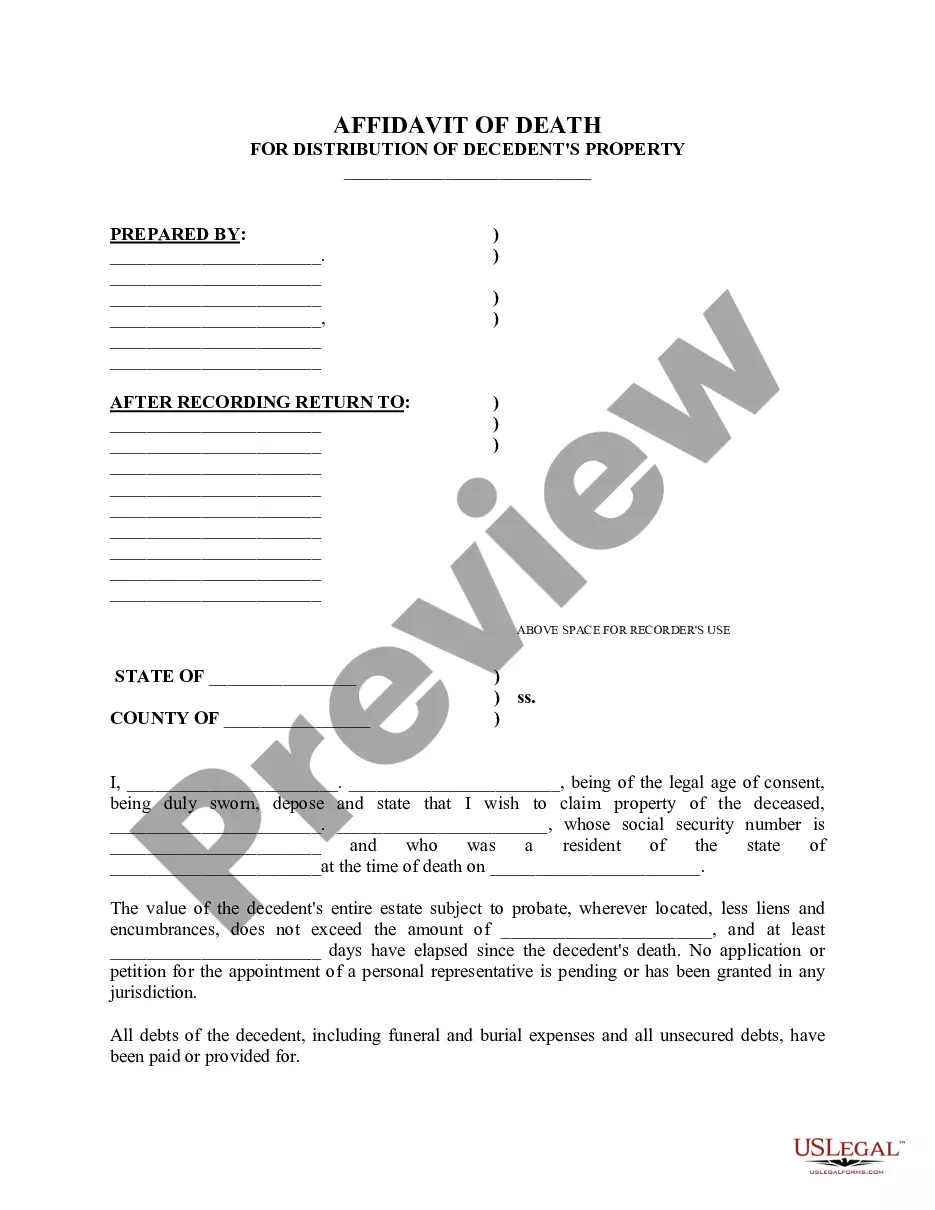
The Hawaii Protecting Deceased Persons from Identity Theft form package is designed to help families and executors safeguard the identities of deceased loved ones. Identity theft can occur even after death, and this package provides essential forms to notify creditors, government agencies, and other entities of the individual's passing while addressing potential misuse of their personal information. Unlike other legal packages, this one focuses specifically on the unique challenges associated with identity theft involving deceased persons.
What’s included in this form package
- Identity Theft Contact Table
- Guide for Protecting Deceased Persons from Identity Theft
- Checklist for Remedying Identity Theft of Deceased Persons
- Letter to Membership Programs Notifying Them of Death
- Letter to Report False Submission of Deceased Person's Information
- Letter to Credit Card Companies and Financial Institutions Notifying Them of Death
- Letter to Credit Reporting Bureaus or Agencies Requesting Copy of Deceased Person's Credit Report and Placement of Deceased Alert
- Letter to Social Security Administration Notifying Them of Death
- Letter to Creditor, Collection Agencies, Credit Issuer or Utility Company Notifying Them of Death
- Letter to Insurance Company Notifying Them of Death
- Letter to Department of Motor Vehicles Notifying Them of Death
- Letter to Other Entities Notifying Them of Death
- Letter to Law Enforcement Notifying Them of Identity Theft of Deceased Person


Situations where these forms applies
This package is necessary in various situations, including:
- When a loved one has passed away, and you need to inform creditors and financial institutions.
- When there is suspicion that a deceased individual's identity has been stolen and used fraudulently.
- To prevent ongoing identity theft by notifying relevant organizations of the person's death.
- When you need to request a deceased person's credit report or place alerts against potential fraudulent activity.
Intended users of this form package
- Family members of deceased individuals.
- Executors or administrators of an estate.
- Legal representatives handling identity theft issues for deceased persons.
- Anyone responsible for managing the affairs of a deceased loved one.
Instructions for completing these forms
- Review all included forms to understand their purpose and requirements.
- Complete the letters and checklists by filling in the appropriate details about the deceased individual.
- Compile necessary documentation to support claims of identity theft, if applicable.
- Contact the relevant organizations as specified in the letters to formally notify them of the death or identity theft.
- Keep copies of all submitted forms and correspondence for your records.
Do forms in this package need to be notarized?
Forms in this package typically do not require notarization unless required by local law. However, it's advisable to check local regulations to ensure compliance with any specific requirements regarding identity theft claims or notifications.
Get your form ready online
Our built-in tools help you complete, sign, share, and store your documents in one place.
Make edits, fill in missing information, and update formatting in US Legal Forms—just like you would in MS Word.
Download a copy, print it, send it by email, or mail it via USPS—whatever works best for your next step.
Sign and collect signatures with our SignNow integration. Send to multiple recipients, set reminders, and more. Go Premium to unlock E-Sign.
If this form requires notarization, complete it online through a secure video call—no need to meet a notary in person or wait for an appointment.
We protect your documents and personal data by following strict security and privacy standards.

Make edits, fill in missing information, and update formatting in US Legal Forms—just like you would in MS Word.

Download a copy, print it, send it by email, or mail it via USPS—whatever works best for your next step.

Sign and collect signatures with our SignNow integration. Send to multiple recipients, set reminders, and more. Go Premium to unlock E-Sign.

If this form requires notarization, complete it online through a secure video call—no need to meet a notary in person or wait for an appointment.

We protect your documents and personal data by following strict security and privacy standards.
Avoid these common issues
- Failing to notify all relevant entities, leading to continued unauthorized use of the deceased's identity.
- Not keeping copies of documents sent, which may be needed for future reference or disputes.
- Overlooking the need to request credit reports from all major credit bureaus.
- Neglecting to follow up with agencies if responses are not received within a reasonable timeframe.
Benefits of completing this package online
- Immediate access to all forms and instructions from the comfort of your home.
- Convenience of filling out forms digitally, reducing the need for physical paperwork.
- Affordable package pricing, saving you up to 40% compared to purchasing forms individually.
- Comprehensive resources designed by licensed attorneys, ensuring legal accuracy and effectiveness.
Looking for another form?

Form popularity
FAQ
Beating an identity theft case requires careful documentation and legal action. It begins with reporting the theft to credit bureaus and law enforcement, while also notifying banks and creditors. Hawaii Protecting Deceased Persons from Identity Theft can often involve additional steps, such as validating the identity of the deceased and ensuring that their information is not misused. Engaging with professionals who specialize in legal solutions, like uslegalforms, can provide necessary guidance and resources to navigate the complexities of identity theft cases effectively.
The best protection against identity theft involves taking proactive steps to secure personal information. In Hawaii, Protecting Deceased Persons from Identity Theft requires ensuring that sensitive data, such as social security numbers and financial information, is secured and monitored. By utilizing services that offer identity theft protection, you can safeguard your loved one's legacy and prevent unauthorized access. Additionally, proper documentation and legal procedures can help in managing the estate to deter potential fraud.
Assuming the identity of a deceased person is illegal and constitutes fraud. Engaging in such behavior can lead to severe legal repercussions, including criminal charges. Instead, focus on legitimate methods for managing affairs related to deceased individuals. This aligns with the principles of Hawaii protecting deceased persons from identity theft.
As a victim of identity theft, you may be liable for unauthorized debts incurred in your name. However, under federal laws, your liability typically limits to a certain amount depending on the type of fraud. Being proactive in monitoring accounts and reporting theft can mitigate potential financial loss. This is especially vital for Hawaii protecting deceased persons from identity theft.
Not all acts of fraud fall under identity theft. For example, personal disputes or civil issues, such as business fraud, do not qualify. Specific types of scams that do not involve personal information theft may also be excluded. Knowing what is not covered keeps you informed while focusing on Hawaii protecting deceased persons from identity theft.
To report identity theft of a deceased person online, visit the Federal Trade Commission's website. You can also check with state-specific resources that focus on identity theft reporting. Provide necessary information about the deceased's identity to ensure accurate processing. Prompt reporting is essential for Hawaii protecting deceased persons from identity theft.
Hawaii’s theft law encompasses various crimes related to stealing someone else's property. This includes offenses such as shoplifting, burglary, and robbery. The law defines the act of theft clearly, allowing victims to take action. Understanding the laws is crucial for Hawaii protecting deceased persons from identity theft.
Protecting a deceased person from identity theft involves several key steps. First, notify major credit bureaus of the death to freeze credit files and prevent future accounts from being opened. Next, monitor bank and financial accounts closely for any unusual activity. Finally, consider using services like US Legal Forms, which provides resources and tools specifically designed for Hawaii Protecting Deceased Persons from Identity Theft, ensuring that you have the necessary legal support to safeguard your loved one's identity.