Georgia Letter to Lienholder to Notify of Trust
Overview of this form
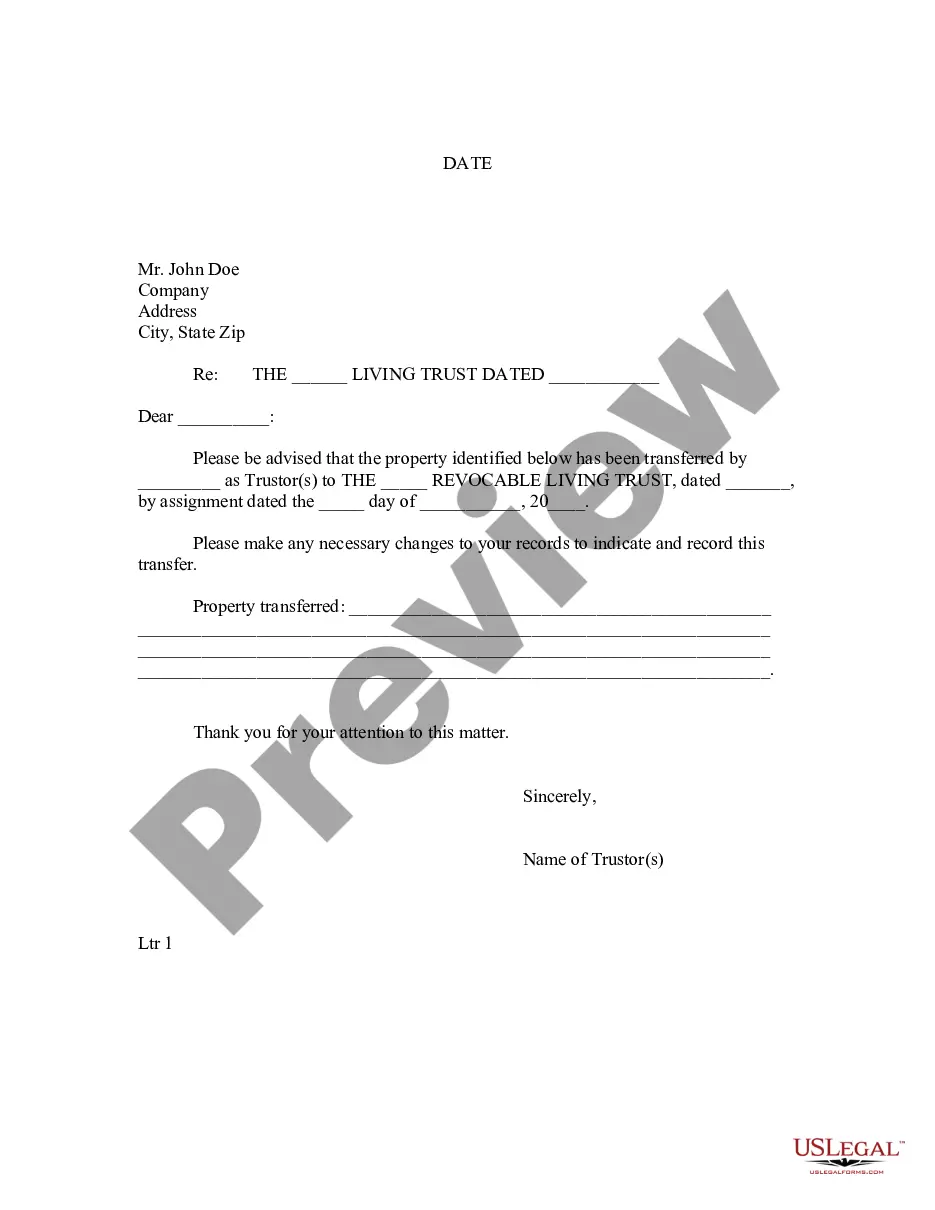
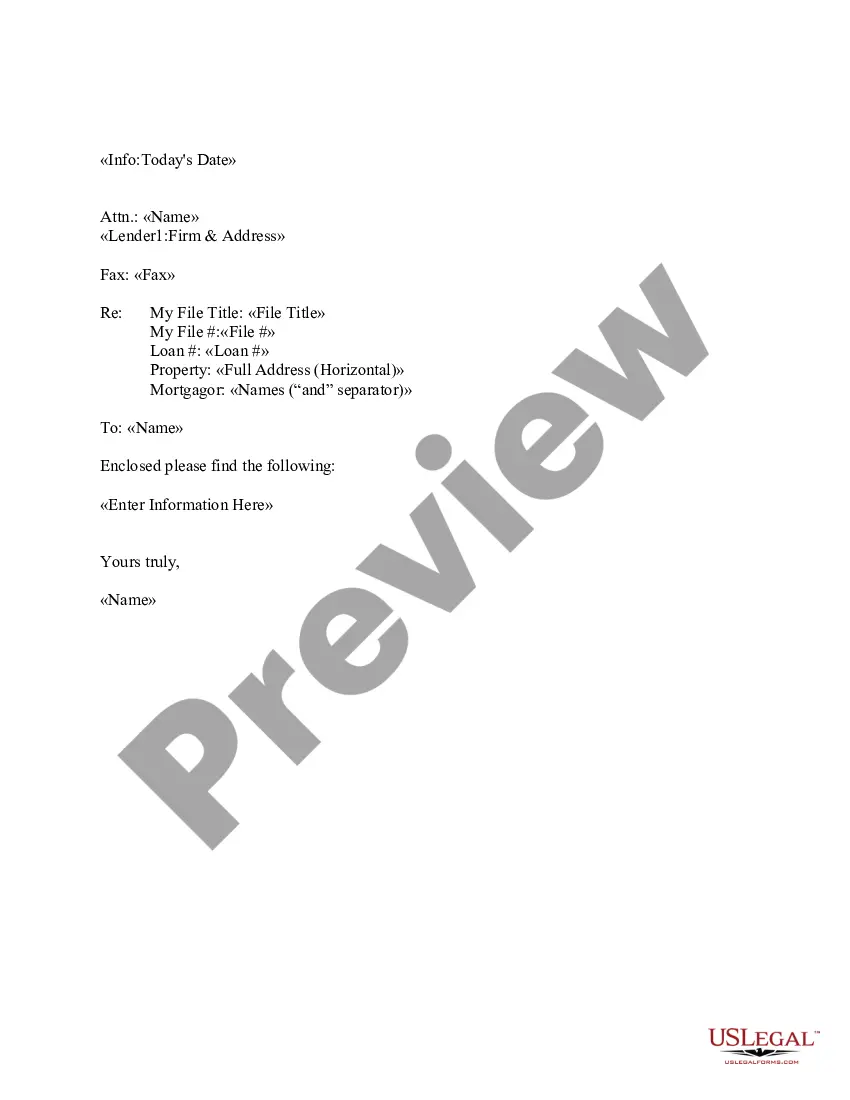
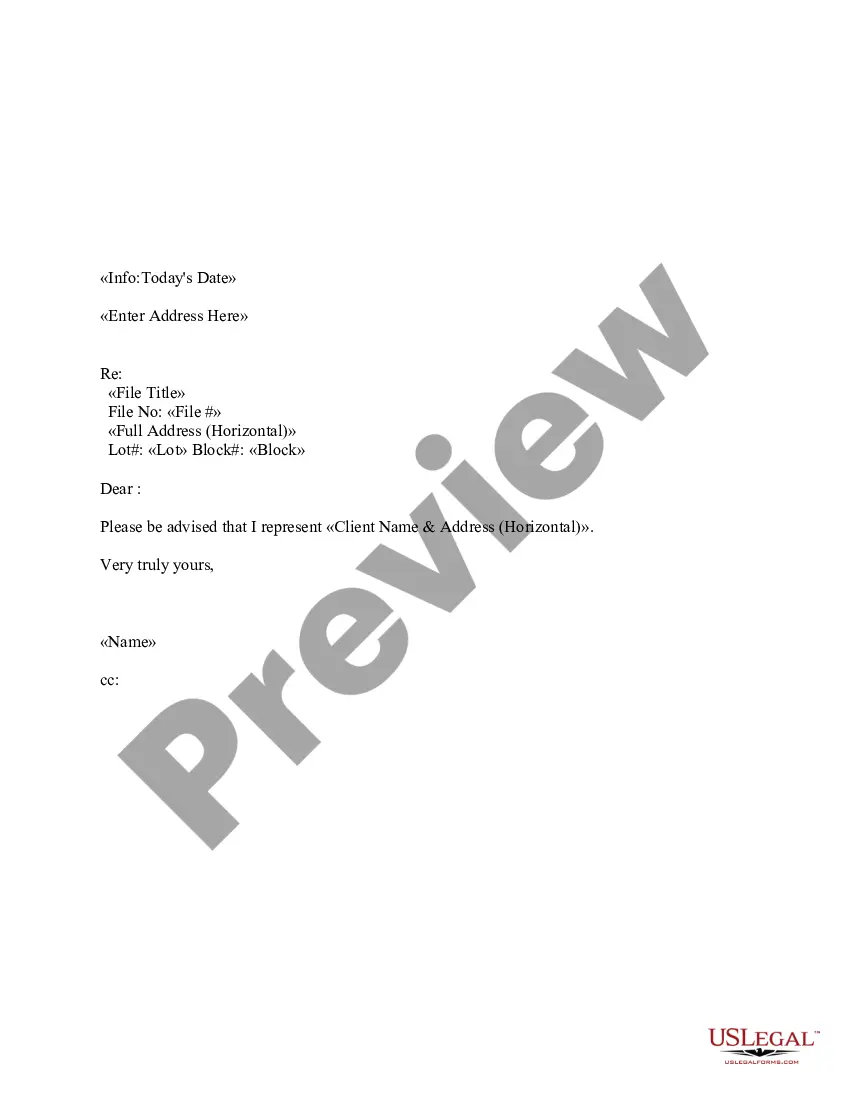
The Letter to Lienholder to Notify of Trust is a formal notification addressed to a lienholder informing them of the transfer of property into a living trust. This form is essential for ensuring that the lienholder has updated records reflecting the ownership change, which typically occurs during estate planning. Unlike other property transfer documents, this notification specifically confirms that the property is now held in trust, making it a vital part of estate management.
Form components explained
- Date of the letter and identification of parties involved.
- Reference to the specific living trust and the date it was established.
- Details of the property being transferred.
- Instructions for lienholders to update their records.
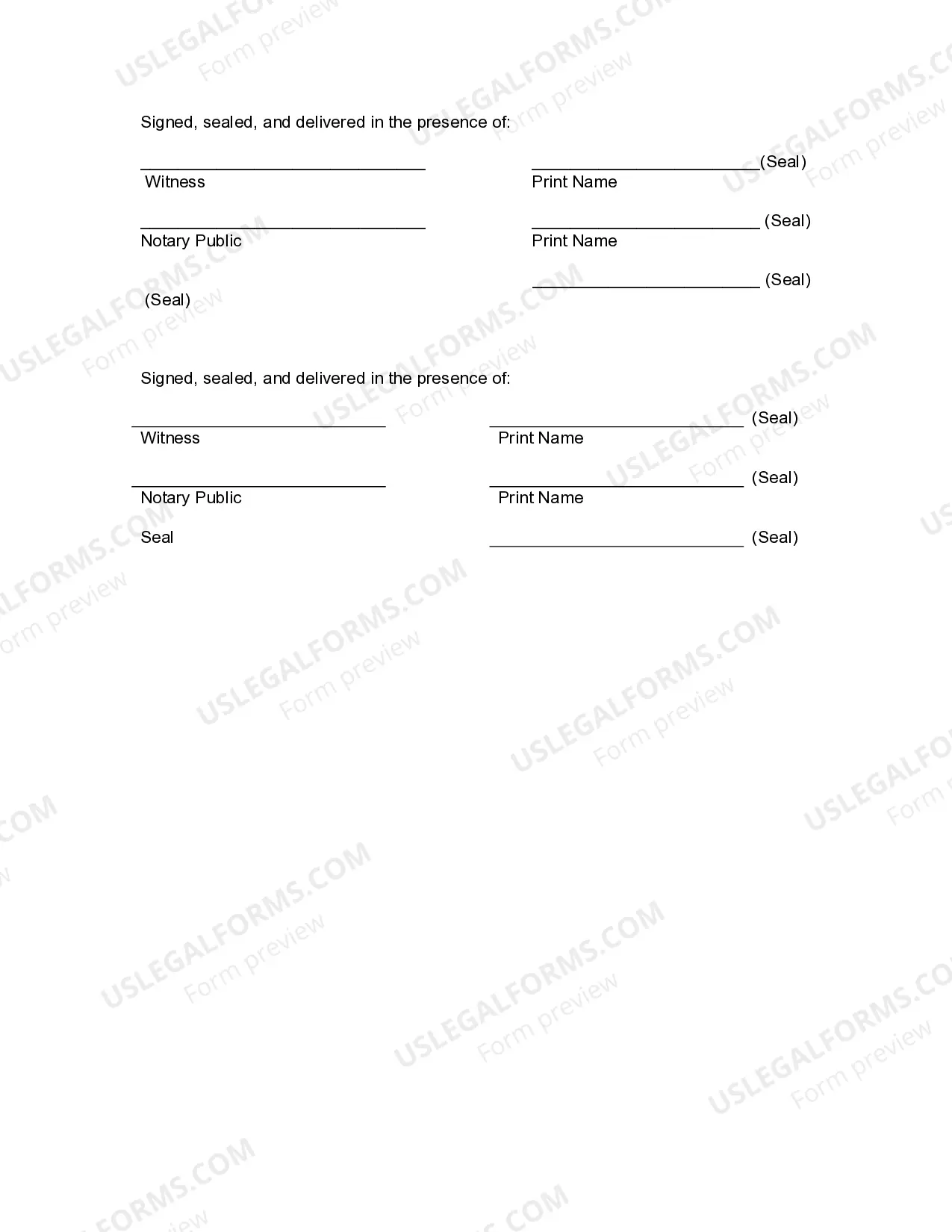
- Signature and witness declaration for legal validity.
Situations where this form applies
This letter should be used when an individual has transferred property into a living trust and needs to officially inform the lienholder of this change. It is particularly useful in scenarios such as estate planning, preparing for asset management during a person's lifetime, or when updating financial records associated with the property.
Who this form is for
- Individuals creating a living trust that includes liened property.
- Trustors looking to ensure proper record keeping with lienholders.
- Estate planners or attorneys managing property transfers into trusts.
Completing this form step by step
- Enter the date and your name along with the lienholder's information.
- Specify the living trust's name and date, referring to any related documents.
- List the property being transferred, including all relevant identification details.
- Sign the letter, ensuring it is witnessed if required.
- Send the completed letter to the lienholder, ensuring they confirm receipt.
Does this document require notarization?
This form does not typically require notarization to be legally valid. However, some jurisdictions or document types may still require it. US Legal Forms provides secure online notarization powered by Notarize, available 24/7 for added convenience.
Get your form ready online
Our built-in tools help you complete, sign, share, and store your documents in one place.
Make edits, fill in missing information, and update formatting in US Legal Forms—just like you would in MS Word.
Download a copy, print it, send it by email, or mail it via USPS—whatever works best for your next step.
Sign and collect signatures with our SignNow integration. Send to multiple recipients, set reminders, and more. Go Premium to unlock E-Sign.
If this form requires notarization, complete it online through a secure video call—no need to meet a notary in person or wait for an appointment.
We protect your documents and personal data by following strict security and privacy standards.

Make edits, fill in missing information, and update formatting in US Legal Forms—just like you would in MS Word.

Download a copy, print it, send it by email, or mail it via USPS—whatever works best for your next step.

Sign and collect signatures with our SignNow integration. Send to multiple recipients, set reminders, and more. Go Premium to unlock E-Sign.

If this form requires notarization, complete it online through a secure video call—no need to meet a notary in person or wait for an appointment.

We protect your documents and personal data by following strict security and privacy standards.
Typical mistakes to avoid
- Failing to specify all property details, which could lead to confusion.
- Omitting the lienholder's correct name or address.
- Not including the date of the living trust or the transfer date.
- Neglecting to have the document signed and witnessed, if necessary.
Advantages of online completion
- Convenience of downloading and completing the form at your own pace.
- Editability allows for adjustments without starting from scratch.
- Reliability, as the form is drafted by licensed attorneys.
Looking for another form?
Form popularity
FAQ
To place a lien on a title in Georgia, you must complete a lien application with the Georgia Department of Revenue. Make sure to provide necessary details about the vehicle and the lienholder. A Georgia Letter to Lienholder to Notify of Trust may be required to outline the terms and ensure all parties are in agreement before finalizing the application.
To add a lienholder in Georgia, you need to complete the appropriate application form with the Georgia Department of Revenue. Ensure you provide all required documentation, which may include a Georgia Letter to Lienholder to Notify of Trust. After submitting the application and any necessary fees, the lienholder will be recorded on your vehicle's title.
A T4 form lien release is a document that officially removes a lien from a property once a debt has been satisfied. This form is essential for clearing the lien's legal claim, allowing the property owner to sell or refinance their property without any encumbrances. It’s crucial to file this release with the appropriate county office to provide clear title. Using a Georgia Letter to Lienholder to Notify of Trust can help make this process more straightforward and ensure all parties are informed.
In Georgia, the lien process begins when a creditor files a lien with the county clerk's office where the property is located. This document becomes public record and officially notifies all parties of the creditor's legal claim to the property. After filing, the creditor must follow up to ensure the lien remains enforced until the debt is settled. Utilizing a Georgia Letter to Lienholder to Notify of Trust helps clarify the terms and facilitates smoother transactions.
To establish a lien, you typically need specific details about the property and the parties involved. This includes the legal description of the property, the debtor's name, and the amount owed. Additionally, you must provide documentation supporting the debt, like invoices or contracts. Using a Georgia Letter to Lienholder to Notify of Trust can streamline this process and ensure accurate communication.
Yes, you can place a lien against a trust, provided you follow legal procedures. Using a Georgia Letter to Lienholder to Notify of Trust can help clarify the interest of the lienholder in the trust property. This action is commonly taken to secure debts or obligations tied to the trust assets. It is essential to navigate this process correctly to avoid any complications regarding asset ownership.
To add a lienholder to a title in Georgia, you need to file a Georgia Letter to Lienholder to Notify of Trust with the applicable government office. This letter serves as a formal notification that a lienholder has an interest in a property held in trust. Following the proper procedures ensures that the lienholder’s rights are recognized and protected. Using uslegalforms can simplify this process and provide you with the necessary templates.
Yes, a lien can be placed against a trust in Georgia. When you complete a Georgia Letter to Lienholder to Notify of Trust, you effectively inform the lienholder about the trust holding the asset. This notification helps ensure that the lien is correctly associated with the trust property. Understanding how to manage liens against trusts is crucial for asset protection.
An intent to lien letter in Georgia serves as a notice to the property owner that a lien may be filed if payment is not received. This letter often includes a deadline for payment and can be more formalized through a Georgia Letter to Lienholder to Notify of Trust. It acts as an essential communication tool, giving the property owner a chance to settle the debt before a lien is recorded.
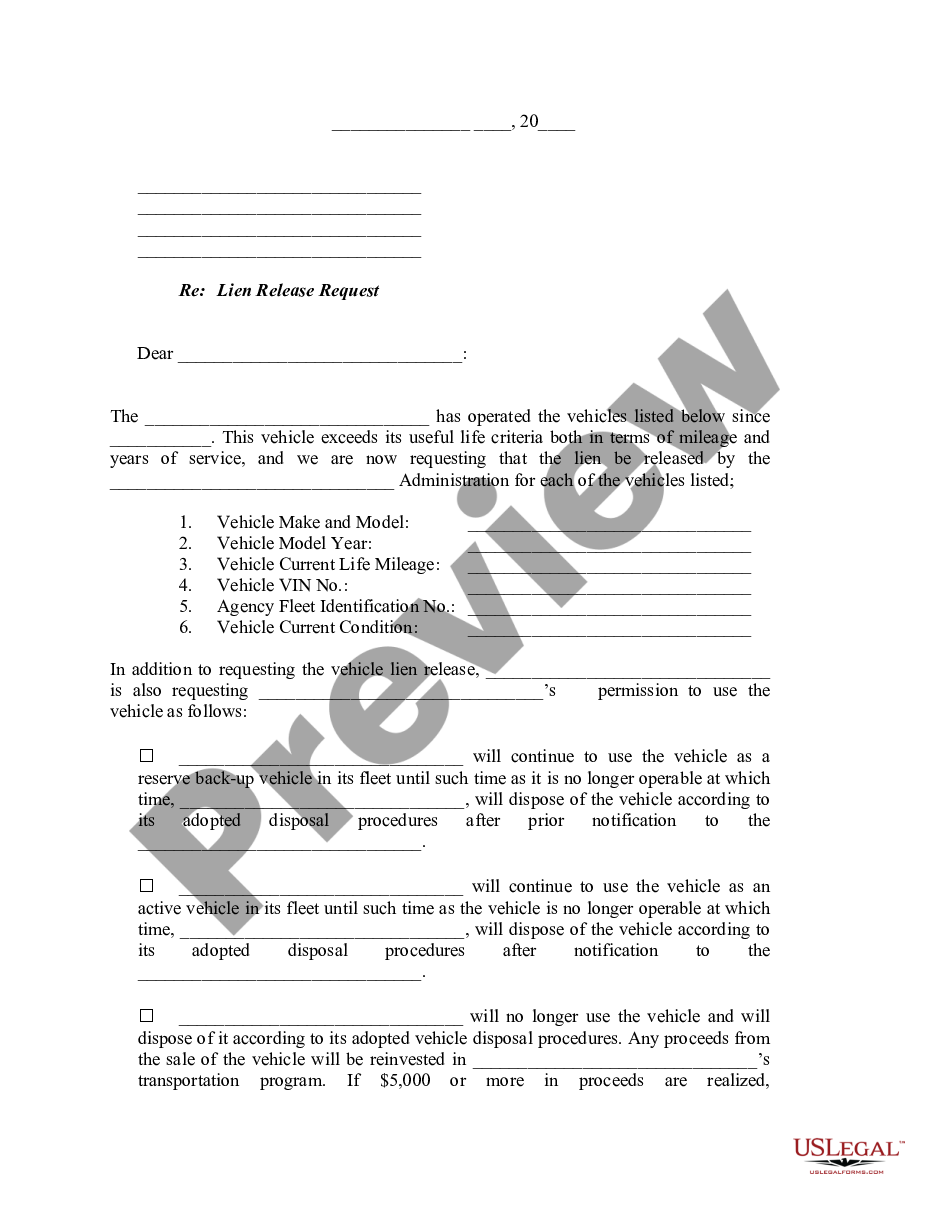
Releasing a lien on property in Georgia involves submitting a lien release request to the lienholder. You may use a Georgia Letter to Lienholder to Notify of Trust to outline your request and include supporting evidence of payment. Upon processing your request, the lienholder will issue the necessary documents to officially remove the lien from the property.