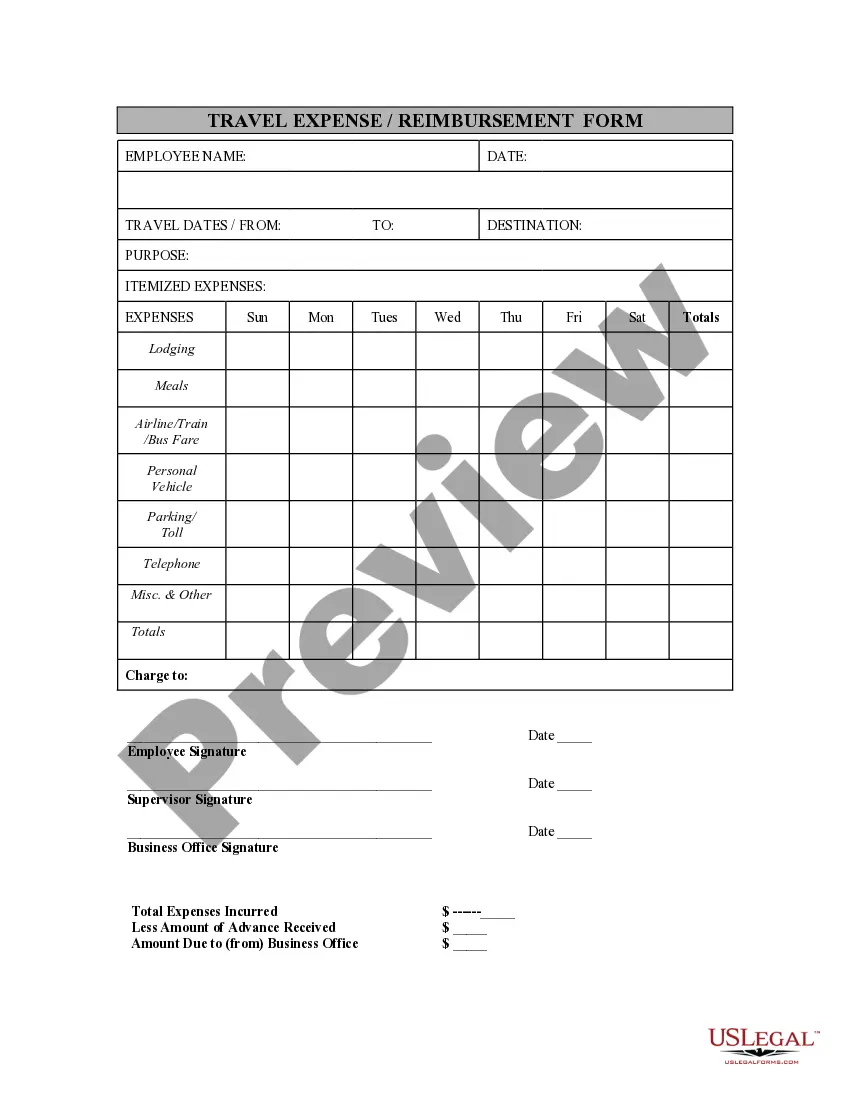
Georgia Living Trust Property Record
What this document covers
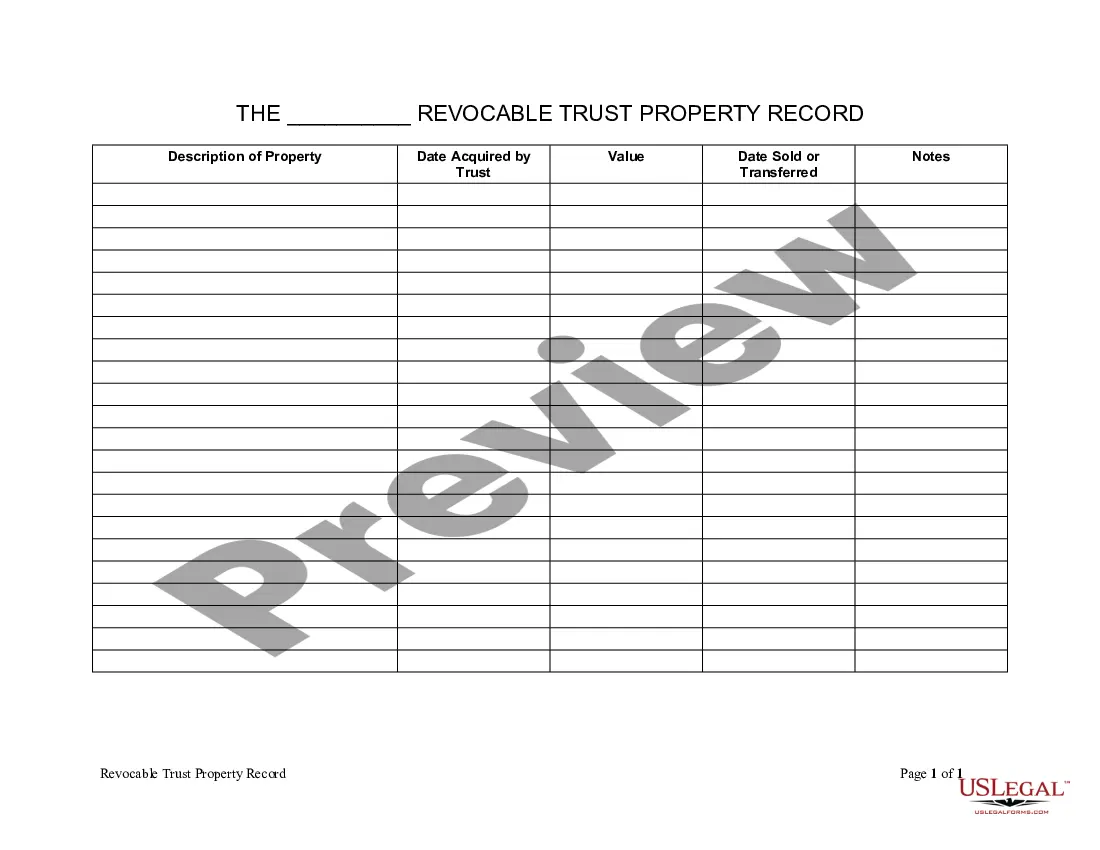
The Living Trust Property Record is a vital document used to catalog and manage assets placed within a living trust. Unlike other estate planning documents, this form specifically allows Trustees to record detailed information about the property held in trust, including descriptions, acquisition dates, values, and details of any sales or transfers. This organization not only aids in effective management of trust assets but also simplifies the distribution process after the trustor's passing.
Main sections of this form
- Description of Property: Clearly identify each asset.
- Date Acquired by Trust: Record when the property was transferred into the trust.
- Value: Note the current market value of the property.
- Date Sold or Transferred: Provide details on any sales or transfers of assets.
- Trustee's Signature: Authenticate the record with the Trustee's signature.

Situations where this form applies
This form should be used whenever a living trust is established or updated to include new assets. It is particularly beneficial when transferring a property into the trust or when preparing an inventory for estate planning purposes. Using this form helps ensure that all trust assets are accurately documented, providing clarity and organization for both the Trustee and beneficiaries.
Who this form is for
- Individuals creating a living trust to manage their assets.
- Trustees managing and documenting property within a trust.
- Beneficiaries seeking clarity on trust assets and their values.
How to prepare this document
- Identify the property: Provide a clear description of each asset.
- Enter the acquisition date: Record when the asset was included in the trust.
- Specify the current value: Note the value of the asset at the time of recording.
- Document any sales or transfers: Indicate any changes in ownership or status of the asset.
- Sign the form: The Trustee must sign the document to validate it.
Does this form need to be notarized?
This form usually doesn’t need to be notarized. However, local laws or specific transactions may require it. Our online notarization service, powered by Notarize, lets you complete it remotely through a secure video session, available 24/7.
Get your form ready online
Our built-in tools help you complete, sign, share, and store your documents in one place.
Make edits, fill in missing information, and update formatting in US Legal Forms—just like you would in MS Word.
Download a copy, print it, send it by email, or mail it via USPS—whatever works best for your next step.
Sign and collect signatures with our SignNow integration. Send to multiple recipients, set reminders, and more. Go Premium to unlock E-Sign.
If this form requires notarization, complete it online through a secure video call—no need to meet a notary in person or wait for an appointment.
We protect your documents and personal data by following strict security and privacy standards.

Make edits, fill in missing information, and update formatting in US Legal Forms—just like you would in MS Word.

Download a copy, print it, send it by email, or mail it via USPS—whatever works best for your next step.

Sign and collect signatures with our SignNow integration. Send to multiple recipients, set reminders, and more. Go Premium to unlock E-Sign.

If this form requires notarization, complete it online through a secure video call—no need to meet a notary in person or wait for an appointment.

We protect your documents and personal data by following strict security and privacy standards.
Common mistakes
- Failing to update the record when new assets are added.
- Not documenting the date of transfers or sales accurately.
- Inaccurately valuing property, which can lead to disputes.
- Not obtaining the necessary signatures from the Trustee.
Benefits of completing this form online
- Convenience: Access and complete the form anytime, anywhere.
- Editability: Easily make changes to the form as needed.
- Reliability: Use templates drafted by licensed attorneys, ensuring legal soundness.
Key takeaways
- The Living Trust Property Record is crucial for managing and documenting trust assets.
- Accurate recording aids in the seamless distribution of assets after the trustor's death.
- Maintain up-to-date records to prevent legal disputes and ensure transparency for beneficiaries.
Looking for another form?

Form popularity
FAQ
Trusts themselves are not recorded in a central registry in Georgia, but related ownership documents may be recorded with the county clerk or office of the register of deeds. It is essential to maintain a clear Georgia Living Trust Property Record to consolidate all relevant information regarding your trust and its assets.
Yes, a trust can hold title to real property in Georgia. This allows the trustee to manage the property according to the trust's terms. Keeping a thorough Georgia Living Trust Property Record can help ensure all real estate titles are correctly attributed and managed.
A certificate of trust does not have a specific expiration date and remains effective until the trust itself is revoked or terminated. However, it’s important to keep the Georgia Living Trust Property Record updated, as any changes in trust administration or assets should be documented for future reference.
To verify a living trust, you typically check the trust document and related records. You may also want to reach out to the trustee or legal advisor involved. Additionally, maintaining a Georgia Living Trust Property Record helps in confirming trust terms and confirming ownership of assets.
A trust is a legal arrangement that holds assets for the benefit of its beneficiaries, while a certificate of trust is a written document. This document confirms the existence of the trust and outlines the trustee's powers. Understanding these differences can help you maintain an accurate Georgia Living Trust Property Record.
In Georgia, you generally do not need to record a certificate of trust. Instead, you create a certificate to prove the existence of the trust and its terms without disclosing all the details. However, it's key to maintain the Georgia Living Trust Property Record to ensure clarity regarding ownership and management of assets.
To file a living trust in Georgia, you should first draft the trust document and ensure it complies with state laws. Once you have the document, you need to transfer your assets into the trust, which is crucial for maintaining your Georgia Living Trust Property Record. Although there’s no formal filing process for the trust itself, properly recording this information with your local court can provide additional benefits. The US Legal Forms platform offers templates and guidance to help streamline this process.
In Georgia, a certificate of trust does not need to be recorded to establish a living trust. However, keeping accurate records of your trust is vital for managing your Georgia Living Trust Property Record effectively. This enables trustees to prove the trust's validity when dealing with assets. For added security and clarity, consider utilizing the US Legal Forms platform to create your documents.
One significant mistake parents often make when setting up a trust fund is failing to clearly communicate their intentions to their children. This lack of transparency can lead to confusion or disputes down the line. Ensuring your Georgia Living Trust Property Record reflects your wishes and discussing the trust with your family can foster understanding and help avoid potential conflicts.
While putting your house in a trust can offer benefits, there are some disadvantages. You may face costs associated with establishing and maintaining the trust, which can include legal fees and ongoing management. Moreover, a Georgia Living Trust Property Record might limit your ability to sell or refinance the property without further legal steps, so consider these factors before proceeding.