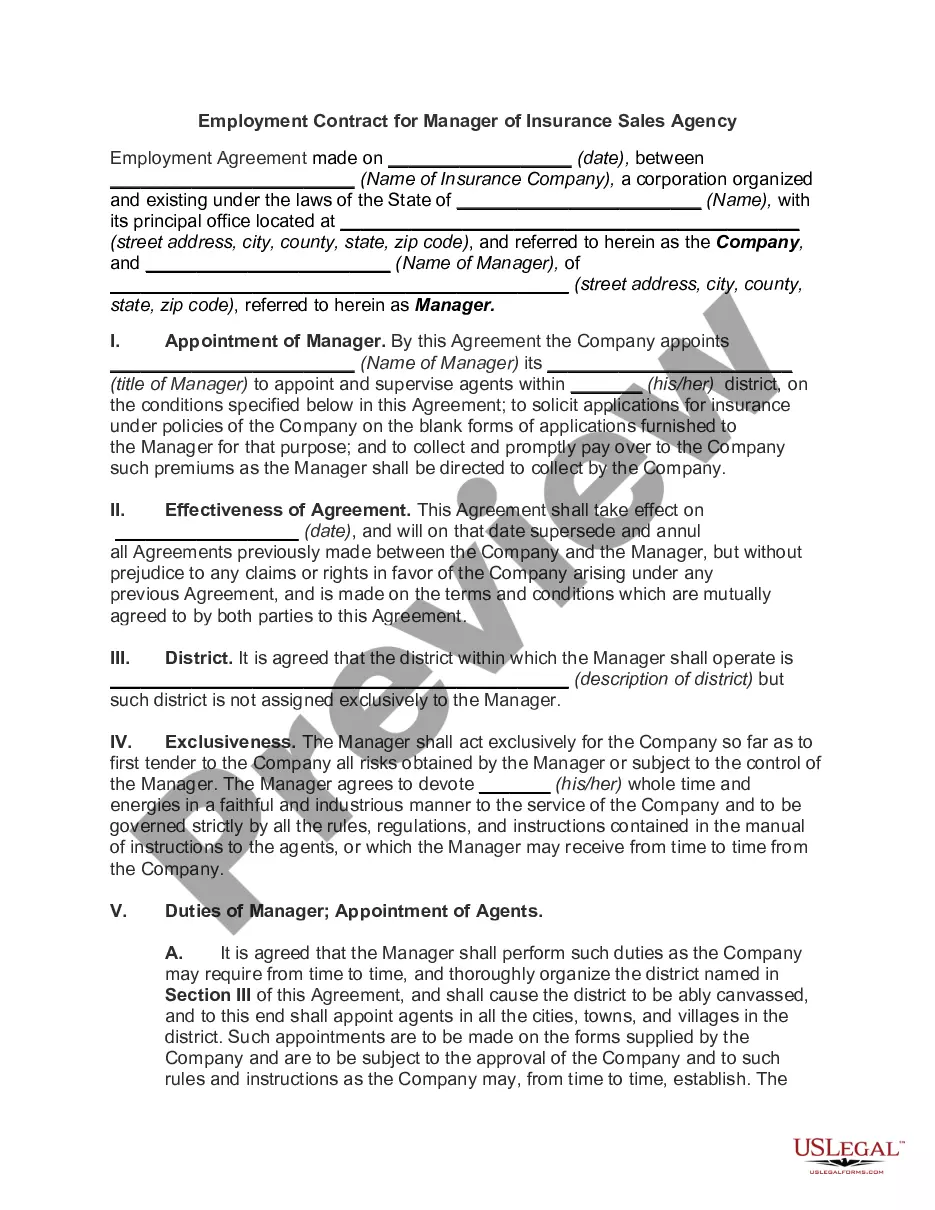
Georgia Fencing Contract for Contractor
Understanding this form
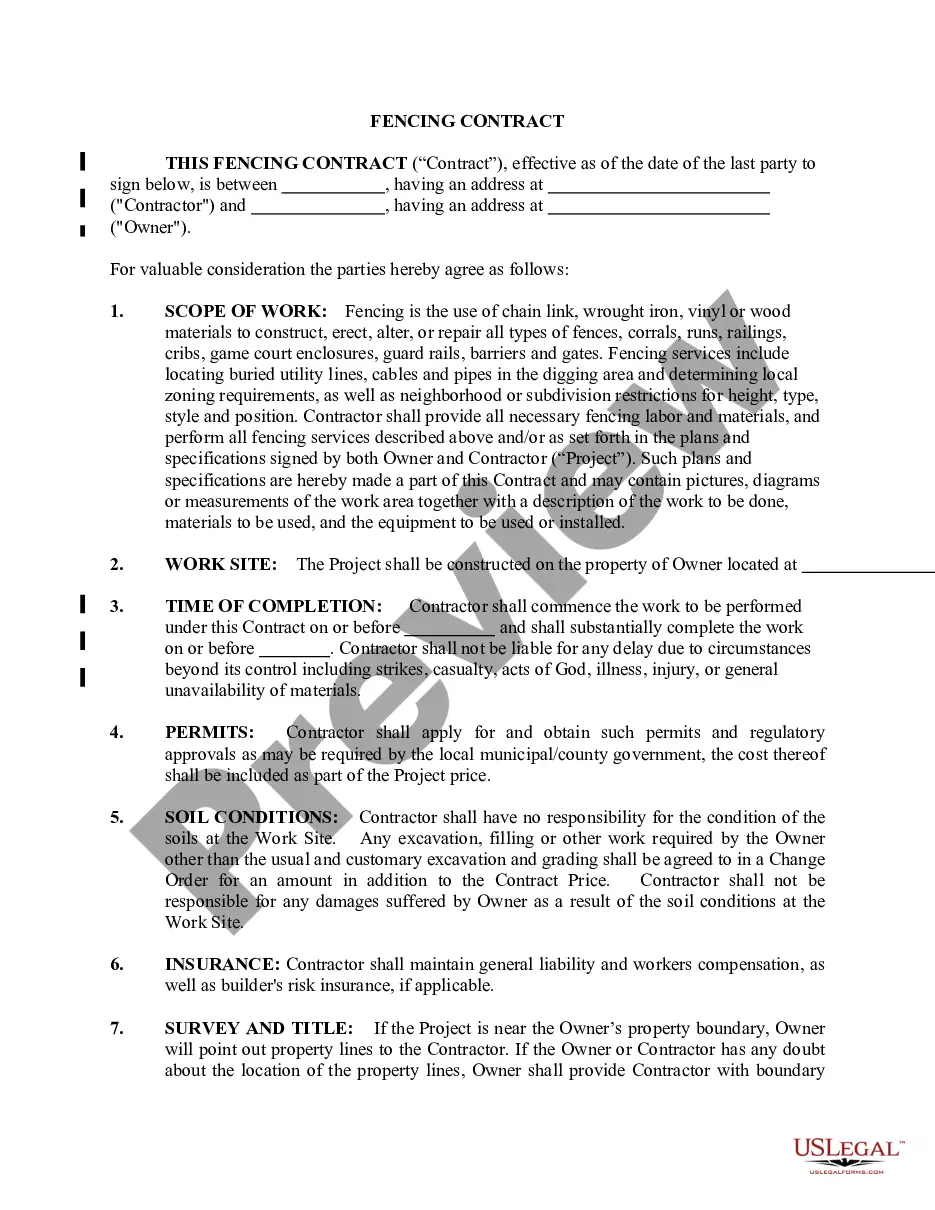
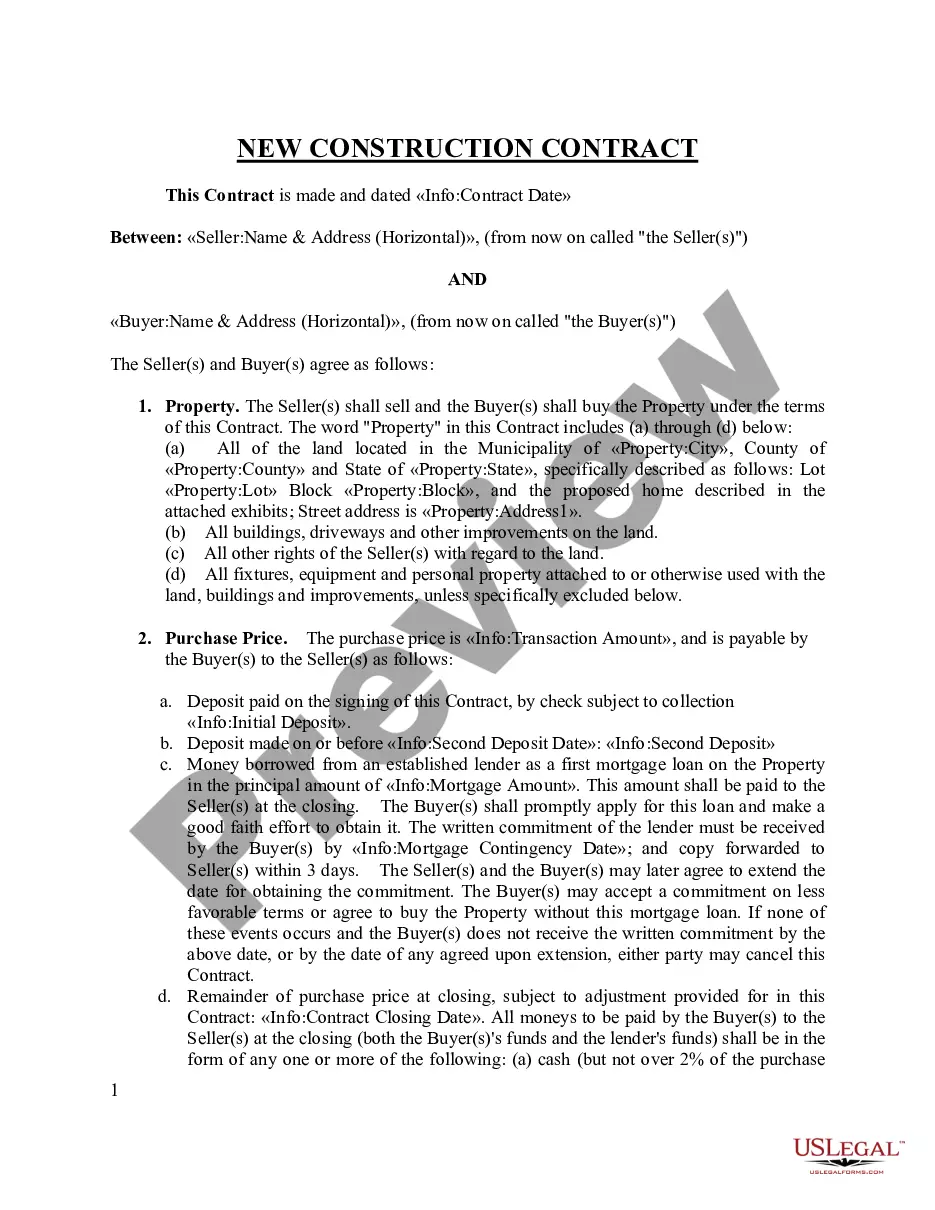
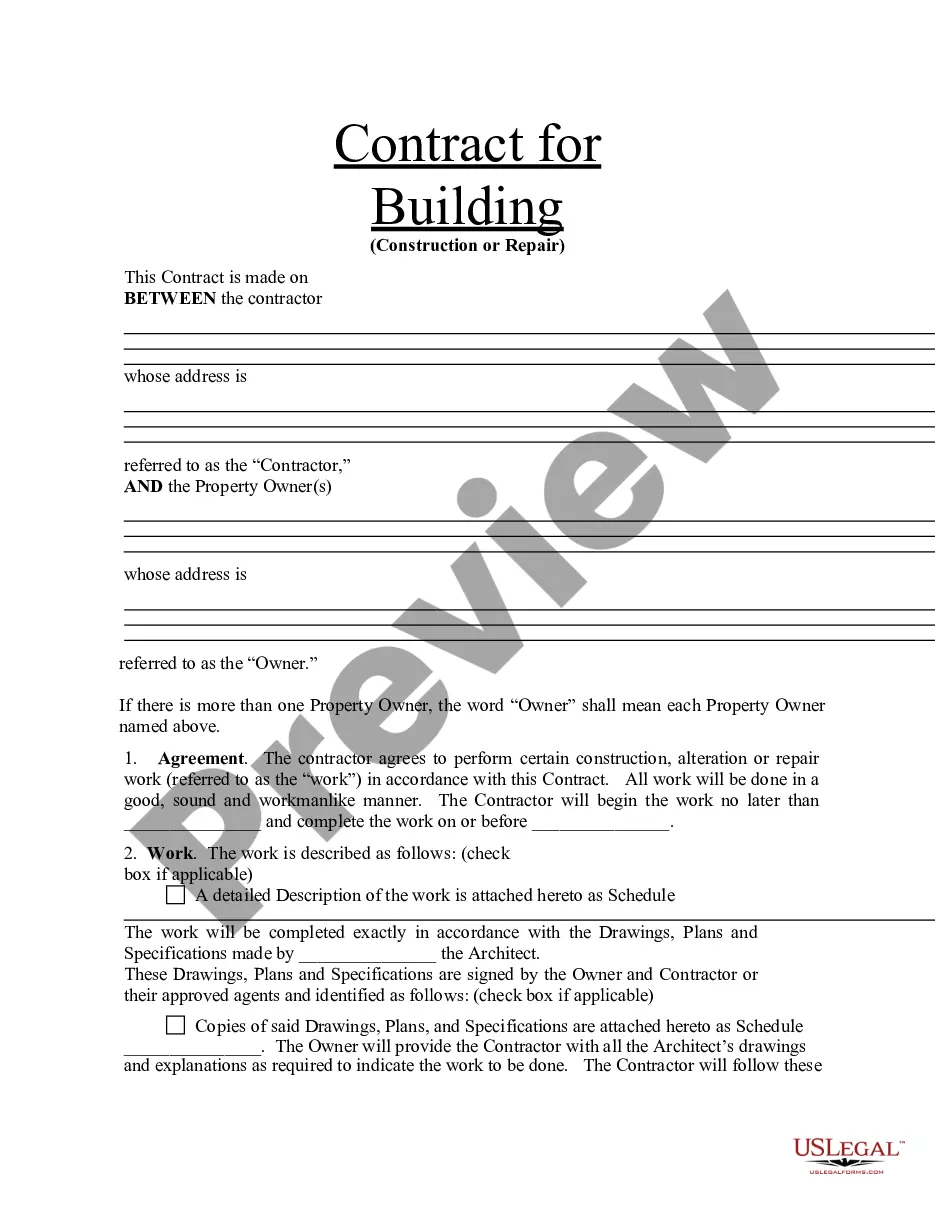
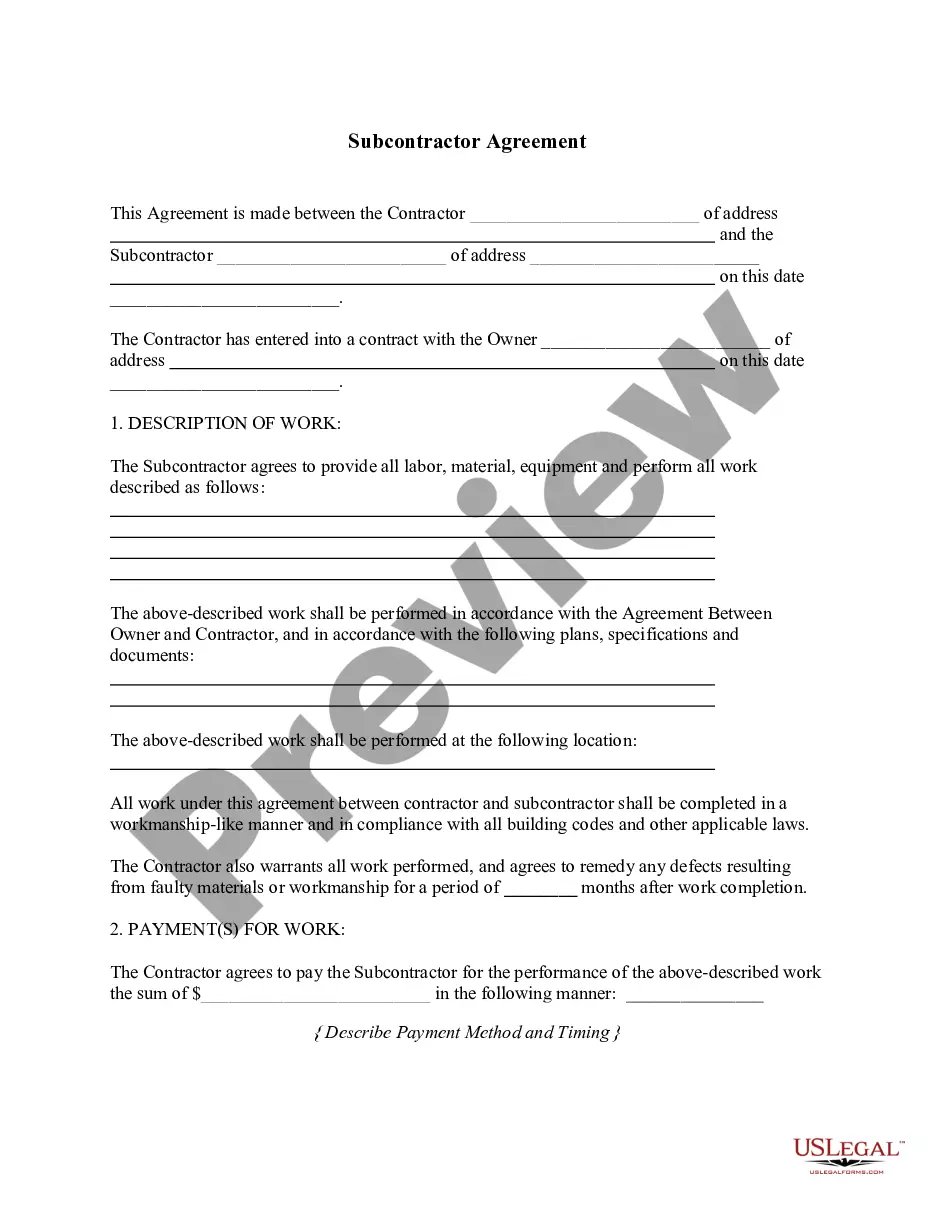
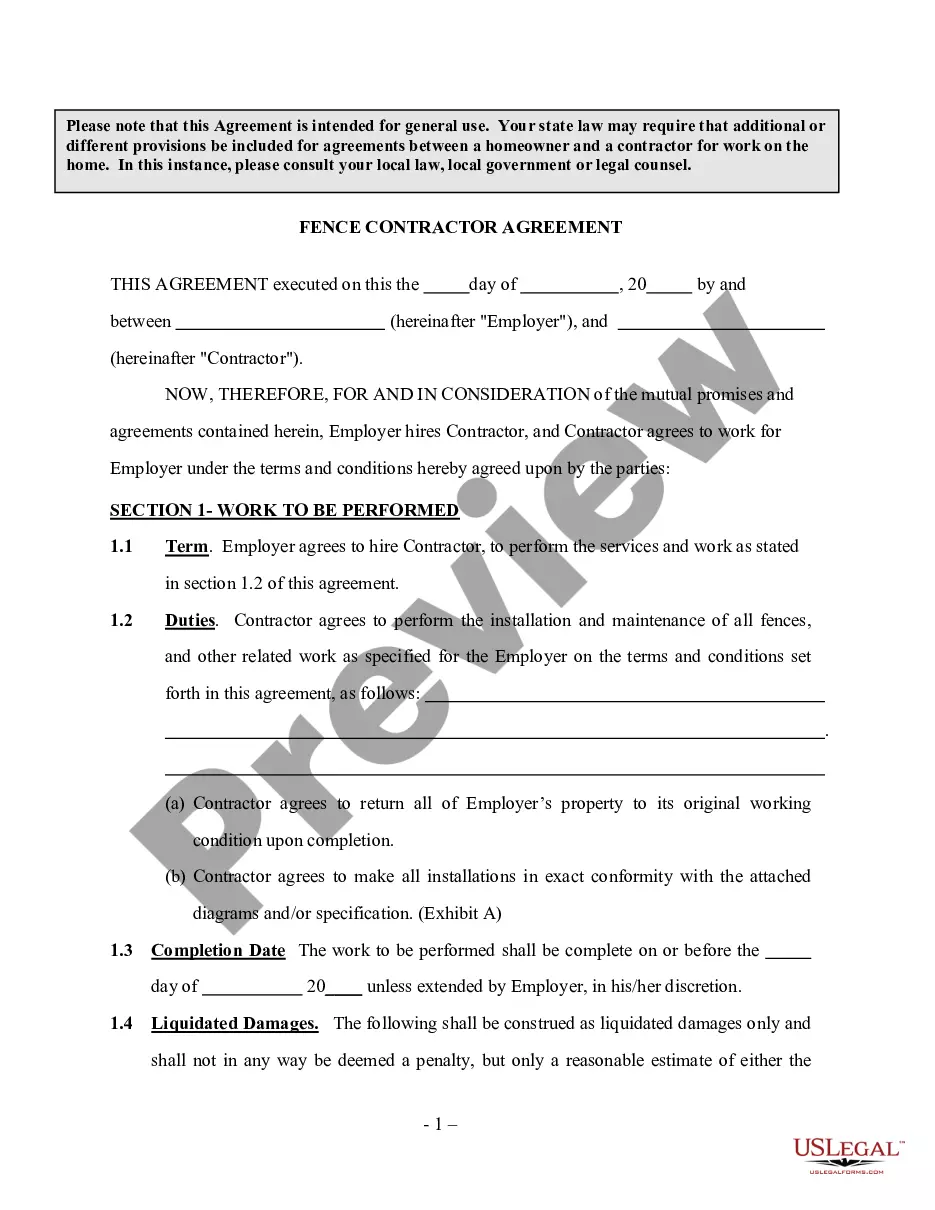
The Fencing Contract for Contractor is a legal document used between fencing contractors and property owners. This contract outlines the terms of the fencing project, addressing payment structures, work site details, and responsibilities regarding permits and insurance. It is designed to meet the legal standards in Georgia, making it distinct from general construction contracts by specifically focusing on fencing work and related provisions.
Key components of this form
- Work site identification, specifying the property's location.
- Responsibilities for obtaining necessary permits and regulatory approvals.
- Handling of soil conditions and potential change orders for additional work.
- Insurance requirements for the contractor, including general liability and workers' compensation.
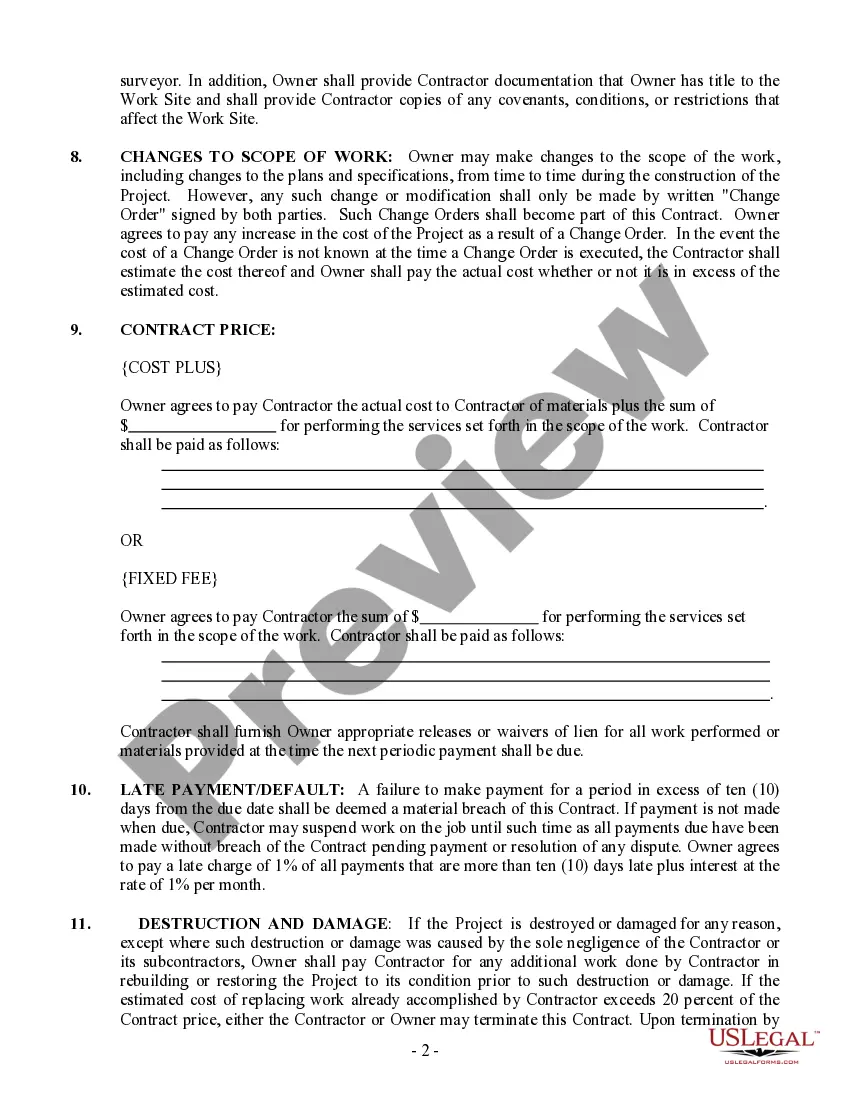
- Provisions for modifications to project scope through written change orders.
- Terms regarding late payments and penalties for defaults.
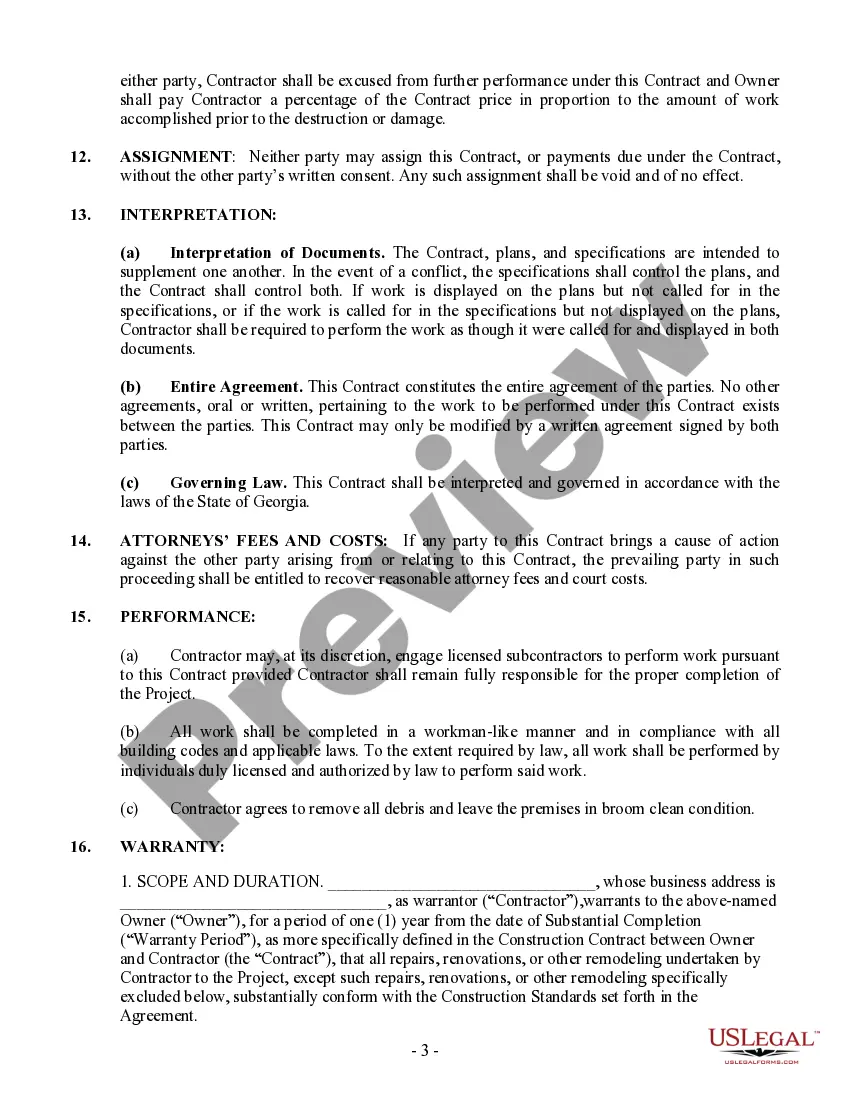
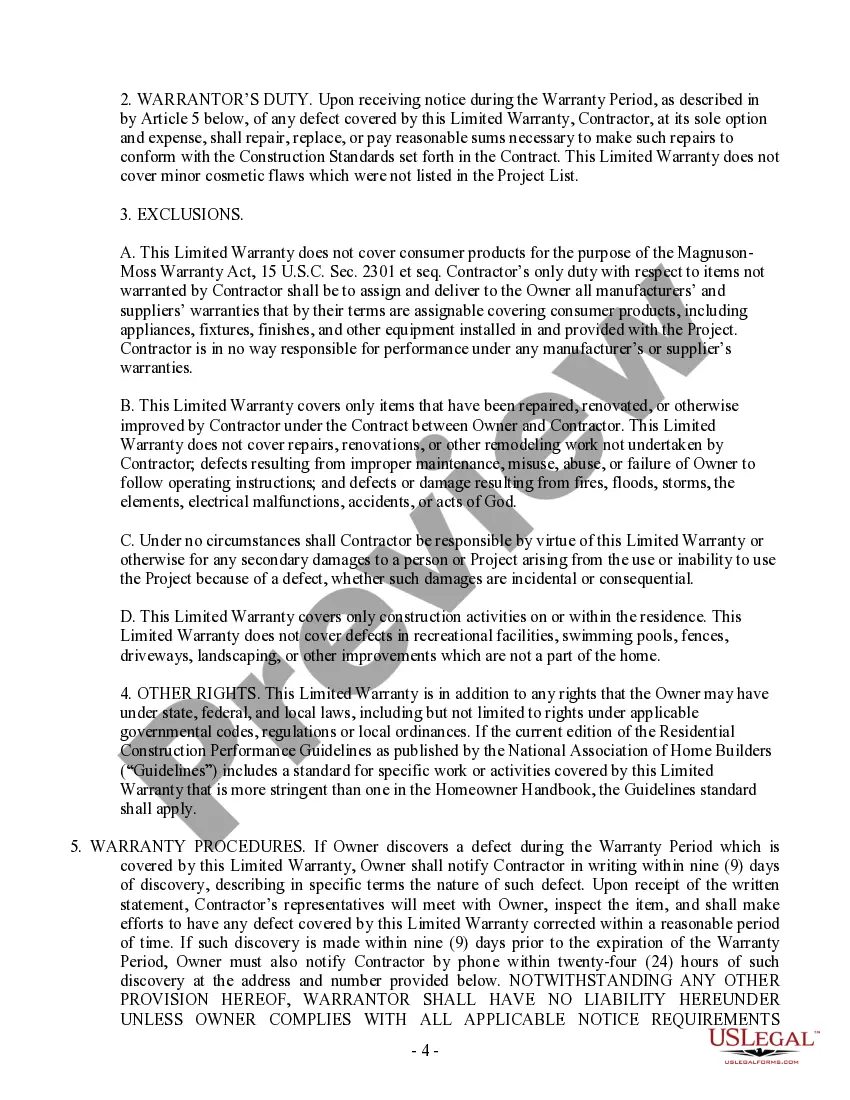
- Warranty coverage on work completed, including conditions and exclusions.
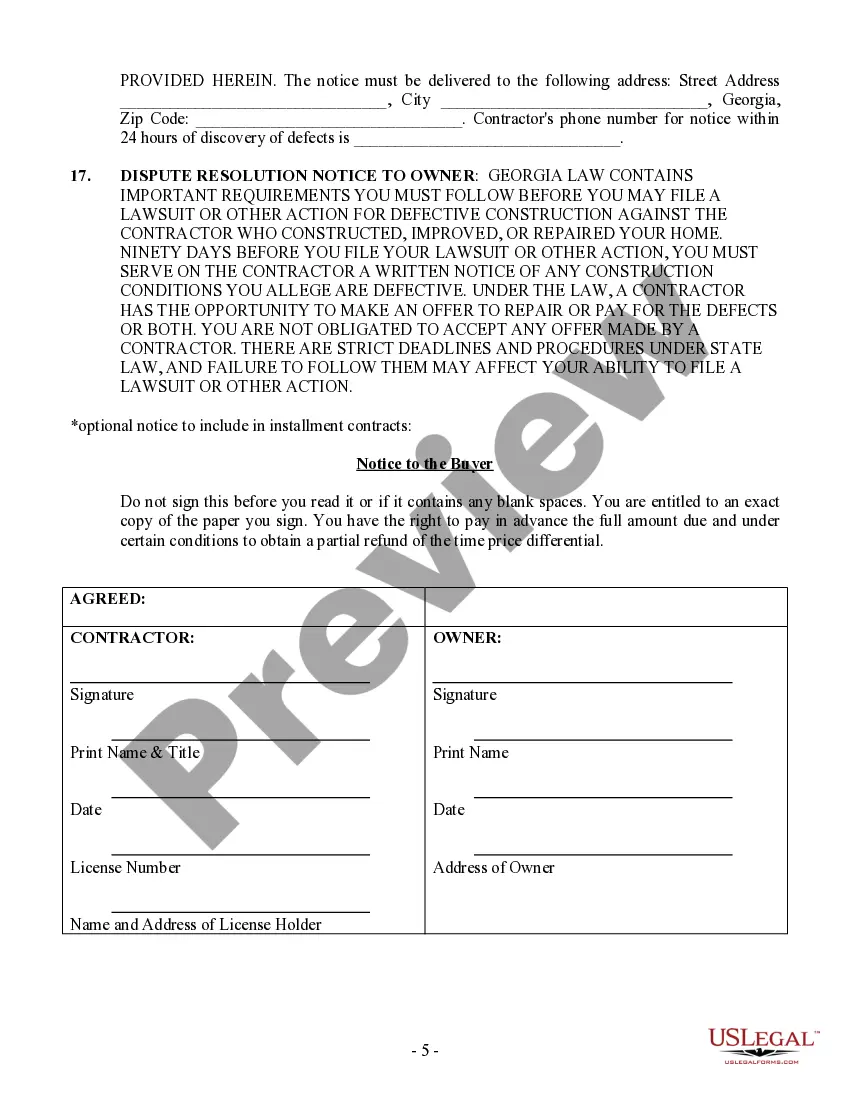
- Dispute resolution requirements and notice provisions regarding construction defects.

When to use this form
This form should be used when a property owner hires a fencing contractor to construct a fence on their property. It is applicable for both residential and commercial properties in Georgia, ensuring all contractual obligations and responsibilities are understood and agreed upon by both parties before starting the project. Utilize this contract to manage expectations, budgets, and legal compliance throughout the fencing installation process.
Who can use this document
- Property owners who are looking to hire a fencing contractor.
- Fencing contractors who seek a formal agreement with property owners.
- Individuals or businesses planning to undertake fencing projects in Georgia.
Completing this form step by step
- Identify and enter the parties involved: the contractor and the property owner.
- Specify the work site location and any details pertinent to the project.
- Outline the payment structure, including whether it is fixed fee or cost-plus.
- Review and sign the document, ensuring both parties understand the terms.
- Keep a copy of the signed contract for future reference and compliance.
Notarization requirements for this form
This form does not typically require notarization unless specified by local law. However, parties may choose to have the contract notarized for added legal certainty in disputes.
Get your form ready online
Our built-in tools help you complete, sign, share, and store your documents in one place.
Make edits, fill in missing information, and update formatting in US Legal Forms—just like you would in MS Word.
Download a copy, print it, send it by email, or mail it via USPS—whatever works best for your next step.
Sign and collect signatures with our SignNow integration. Send to multiple recipients, set reminders, and more. Go Premium to unlock E-Sign.
If this form requires notarization, complete it online through a secure video call—no need to meet a notary in person or wait for an appointment.
We protect your documents and personal data by following strict security and privacy standards.

Make edits, fill in missing information, and update formatting in US Legal Forms—just like you would in MS Word.

Download a copy, print it, send it by email, or mail it via USPS—whatever works best for your next step.

Sign and collect signatures with our SignNow integration. Send to multiple recipients, set reminders, and more. Go Premium to unlock E-Sign.

If this form requires notarization, complete it online through a secure video call—no need to meet a notary in person or wait for an appointment.

We protect your documents and personal data by following strict security and privacy standards.
Common mistakes to avoid
- Failing to specify the exact work site or details of the fencing project.
- Not detailing the payment terms clearly, leading to confusion over costs.
- Overlooking the need for permits and regulatory approvals.
- Neglecting to address change orders in writing, which can cause disputes later.
Advantages of online completion
- Conveniency of immediate access and downloadable templates.
- Easy customization to fit specific project needs and details.
- Reliability of legal compliance based on attorney-drafted content.
- Secure storage and the ability to keep digital copies for future reference.
When using this contract, ensure that all conditions and obligations are clear to avoid issues during project execution. This form helps establish a legal framework for resolving disputes should they arise, though compliance with all local regulations is essential for its enforceability.
Main things to remember
- The Fencing Contract for Contractor clearly outlines project terms, reducing the risk of misunderstandings.
- It is designed specifically for fencing projects and aligns with Georgia laws.
- Properly completing and signing the contract ensures legal protection for both parties.
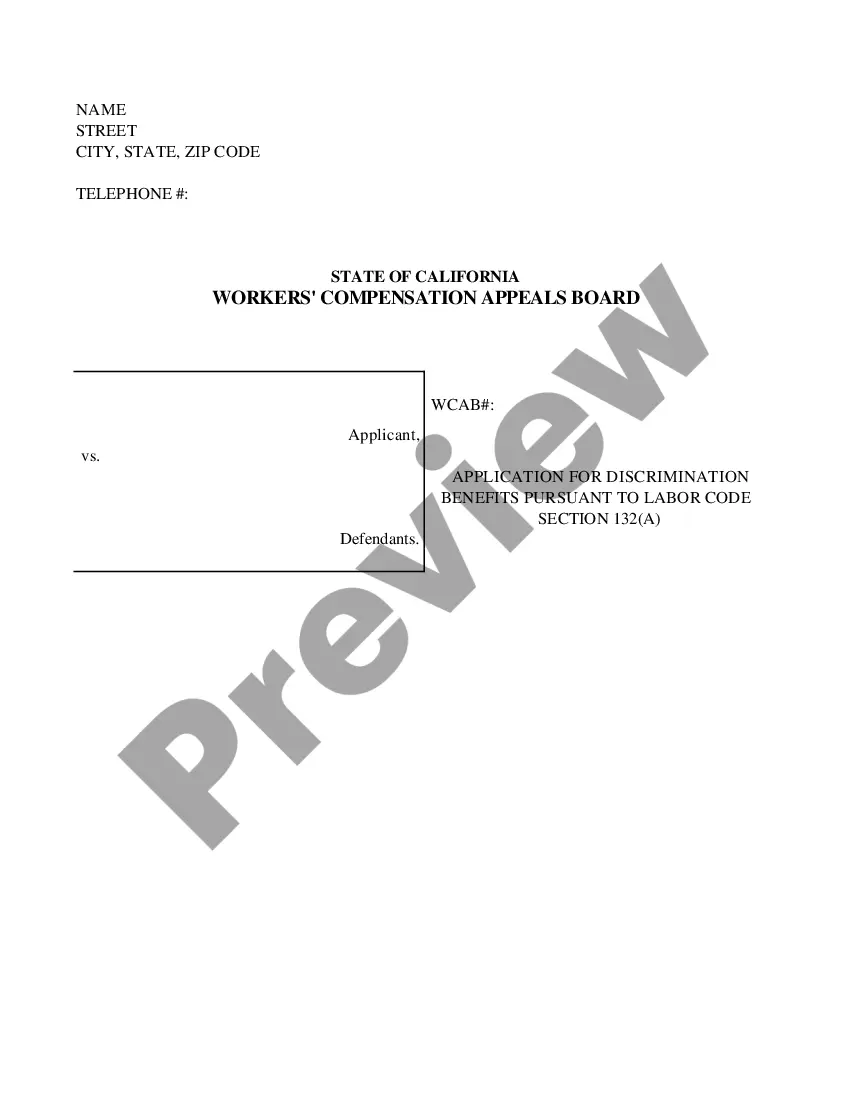
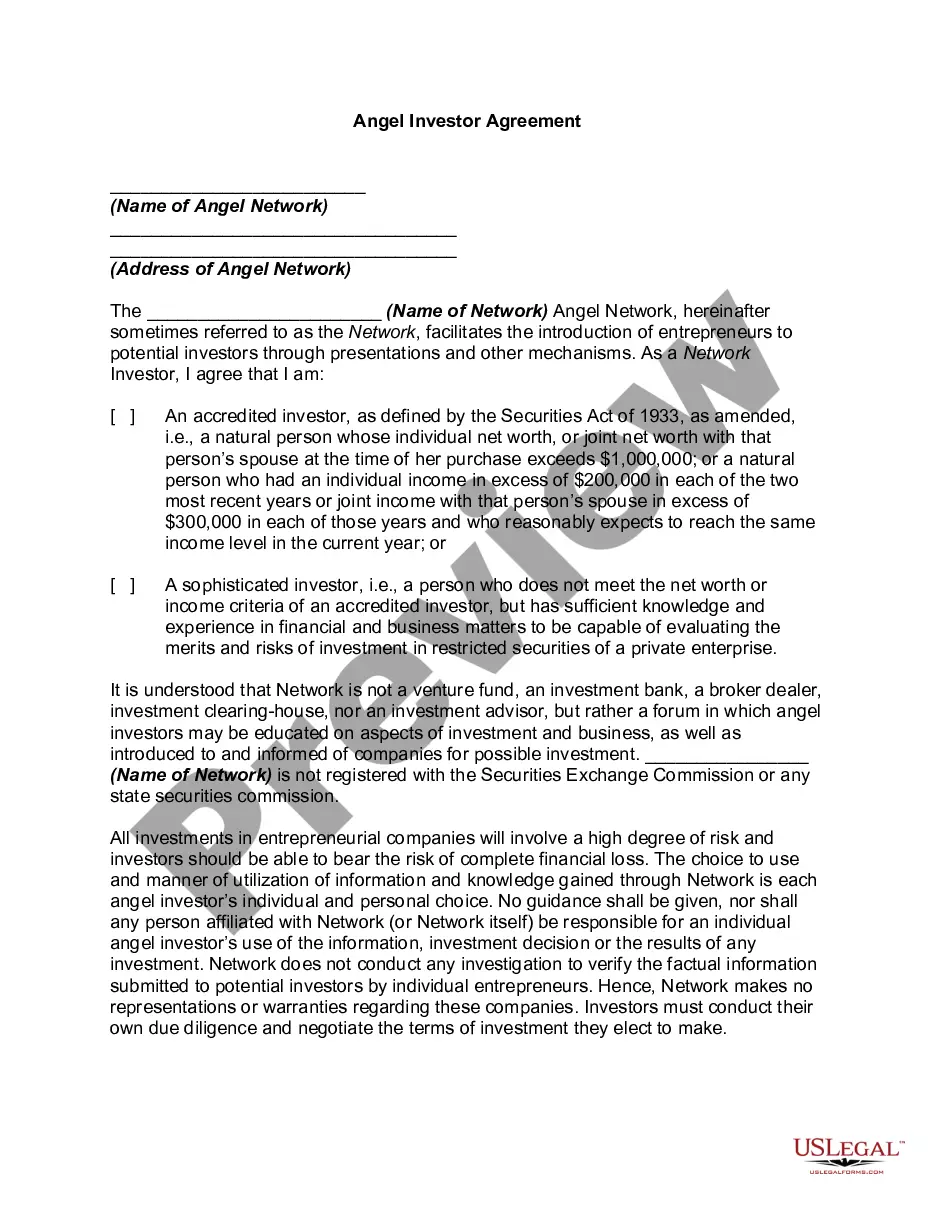
Looking for another form?
Form popularity
FAQ
The most challenging aspect of installing a fence often lies in ensuring proper alignment and depth for post installation. Additionally, navigating local regulations and obtaining necessary permits can complicate the process. Having a detailed Georgia Fencing Contract for Contractor can guide you through these complexities and ensure a smoother installation experience.
To estimate a fence repair, start by assessing the damage extent and determining if parts need replacement or if repairs suffice. Gather quotes from contractors for labor and materials involved in the repair process. Utilizing the Georgia Fencing Contract for Contractor can provide a structured approach to discuss costs and expectations with the contractor.
When interviewing a fence contractor, inquire about their experience with similar projects, timelines for completion, and warranty details. Additionally, ask how they handle permits and local regulations. With insights from these questions, you can make an informed decision on the suitability of the contractor for your fencing needs.
Filling out a contractor agreement involves entering relevant details such as the names of all parties, project descriptions, payment amounts, and timelines. It’s essential to articulate the terms clearly to avoid future disputes. You can utilize the Georgia Fencing Contract for Contractor template available on uslegalforms, which simplifies this process and provides legal protection.
To create a construction contract agreement, start by clearly outlining the project scope, timelines, and payment terms. Include specific responsibilities for both the contractor and client. Furthermore, ensure you reference the appropriate Georgia Fencing Contract for Contractor to safeguard all parties involved. This legal document reduces misunderstandings and sets clear expectations.
Suing without a contract is possible, but it requires a valid basis for the claim, typically based on verbal agreements or a history of work. Gathering evidence, such as emails or messages that confirm the agreement, will help your case. For a more straightforward process in the future, using a Georgia fencing contract for contractor can prevent issues and strengthen your position in disputes.
Yes, a contractor can sue you without a signed contract, but the process may be more difficult. They must demonstrate that work was agreed upon and completed to a satisfactory standard. For clarity, it's always best to formalize agreements through a Georgia fencing contract for contractor to avoid legal complications down the road.
If there's no written contract, it can lead to misunderstandings regarding the work performed and payments. However, verbal agreements or other forms of communication, like emails, can sometimes serve as evidence. For a Georgia fencing contract for a contractor, having some form of agreed-upon terms is crucial for resolving disputes effectively.
Yes, a contractor can sue without a signed contract, but it can complicate matters. The absence of a written agreement can make it challenging to prove the terms of the work expected. In a situation involving a Georgia fencing contract for a contractor, it's beneficial to have clear documentation, as it strengthens your case in court.
In Georgia, a 1099 contractor generally does not require a business license for most jobs, but this can vary by municipality. Some cities and counties mandate specific licenses for particular types of work, such as fencing. It's wise to check local regulations to ensure compliance before starting your Georgia fencing project.