Florida Qualified Domestic Trust Agreement
Description
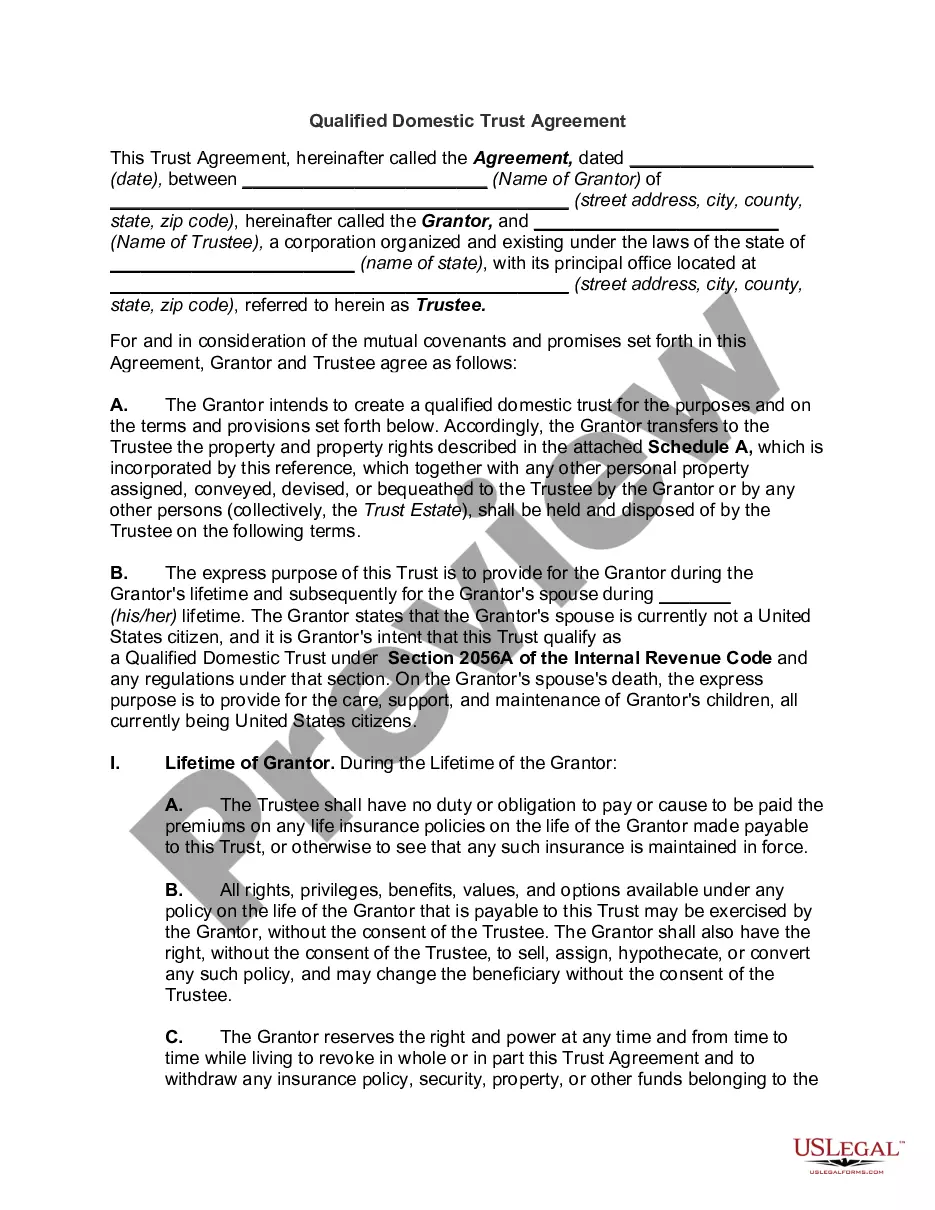
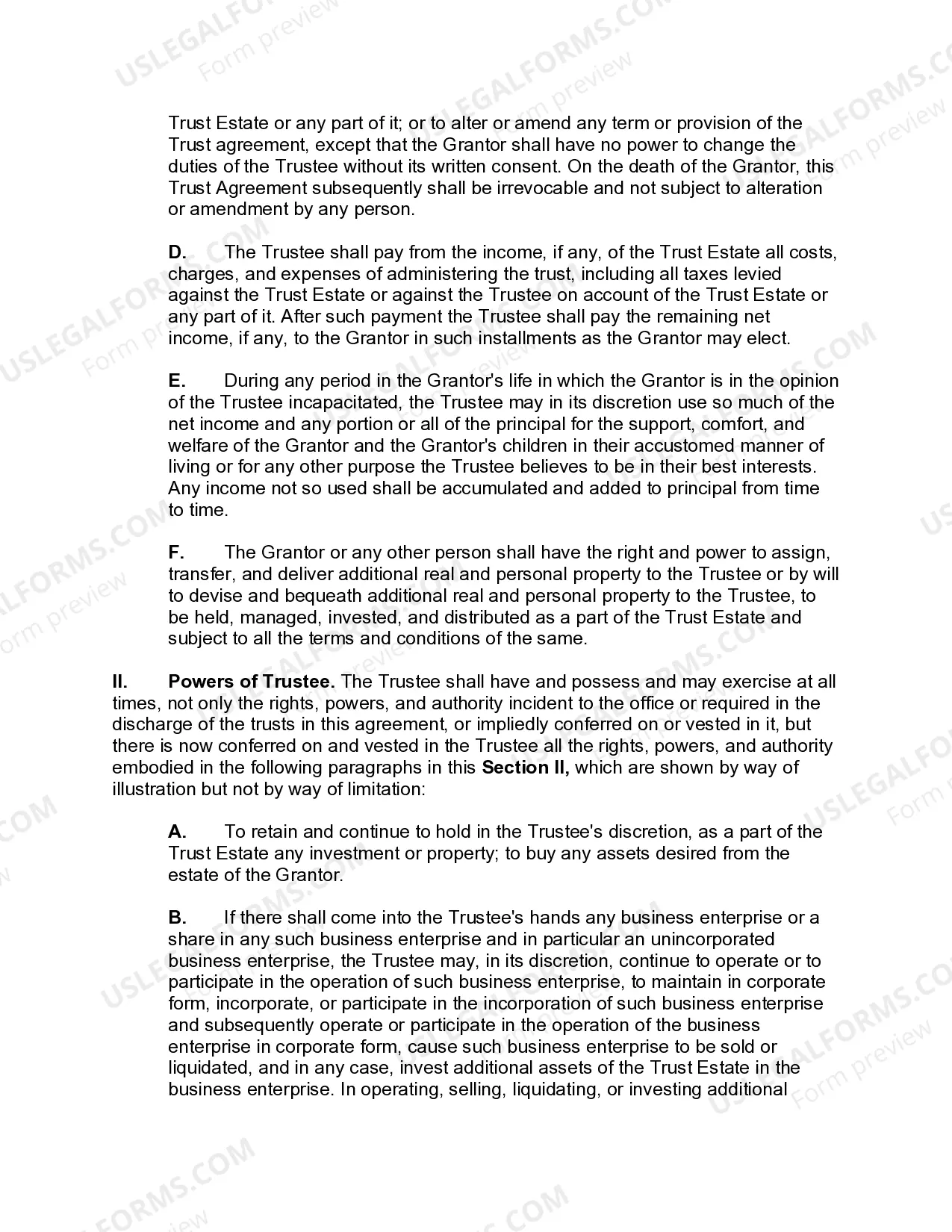
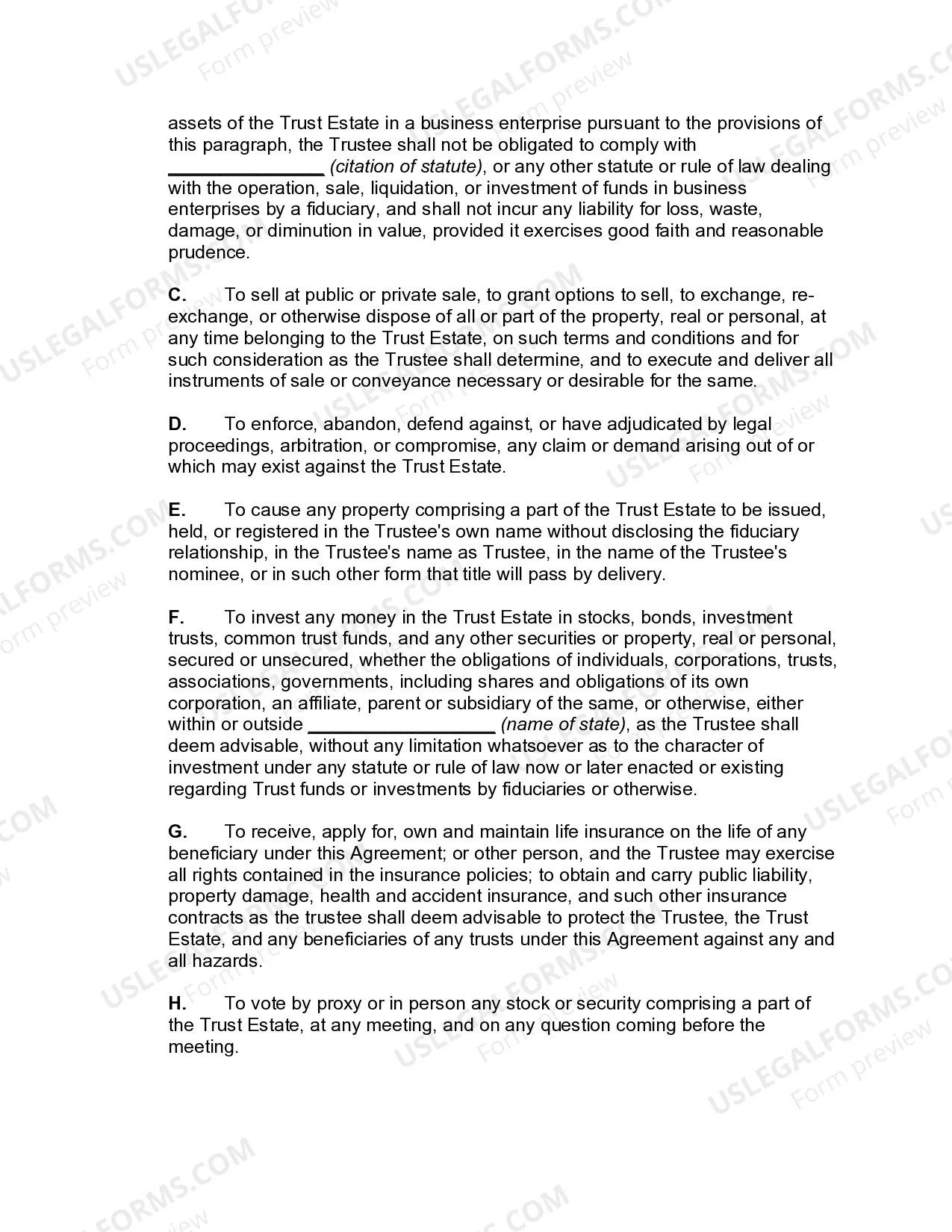
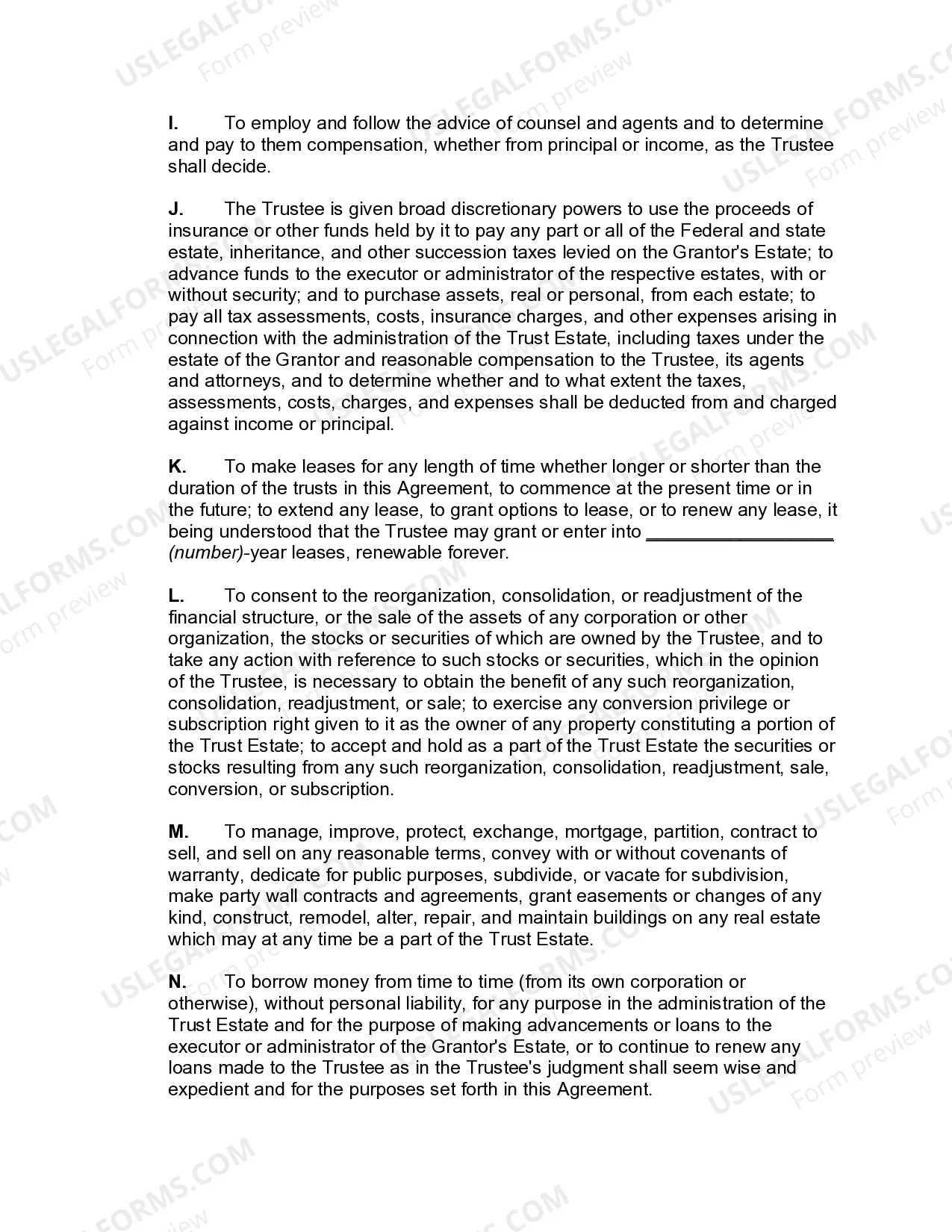
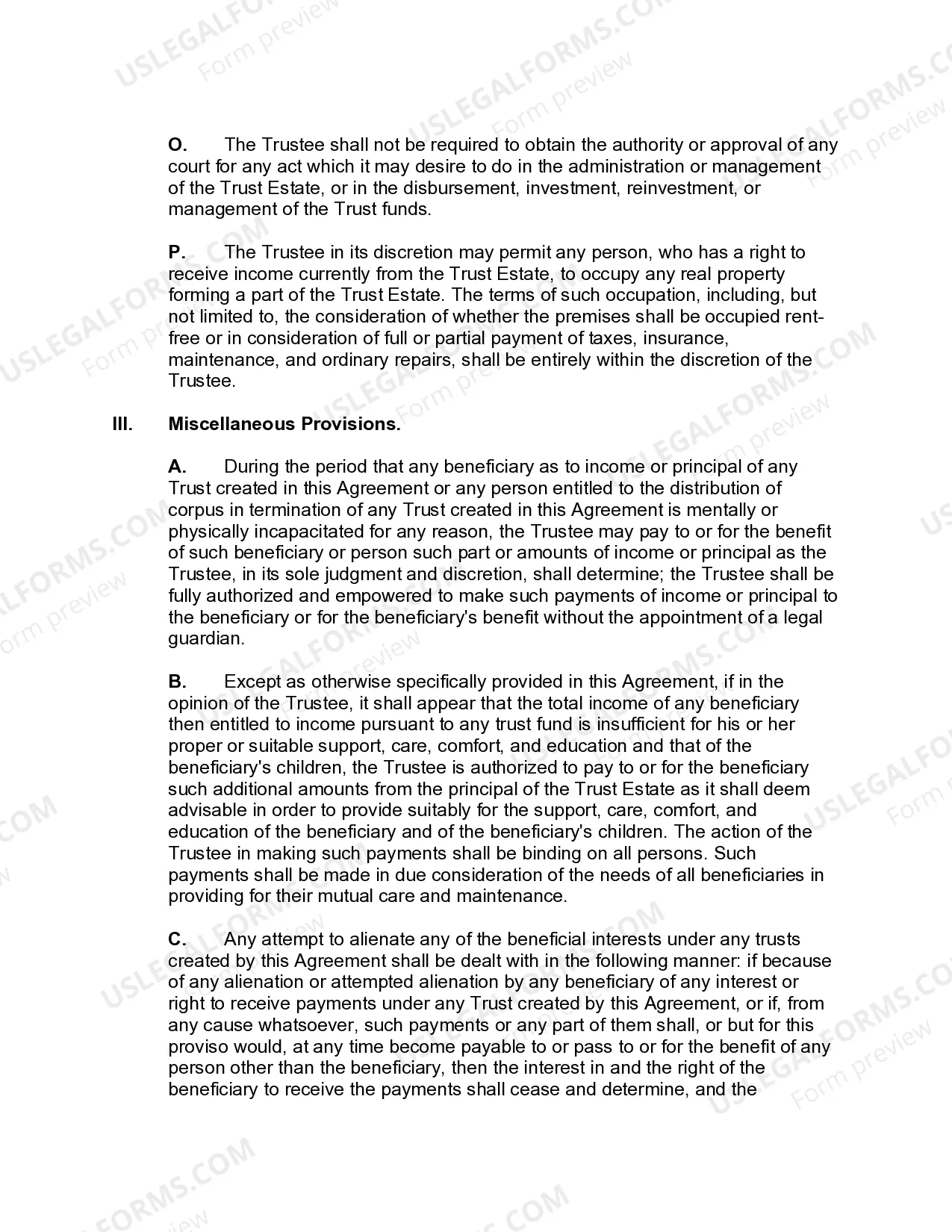
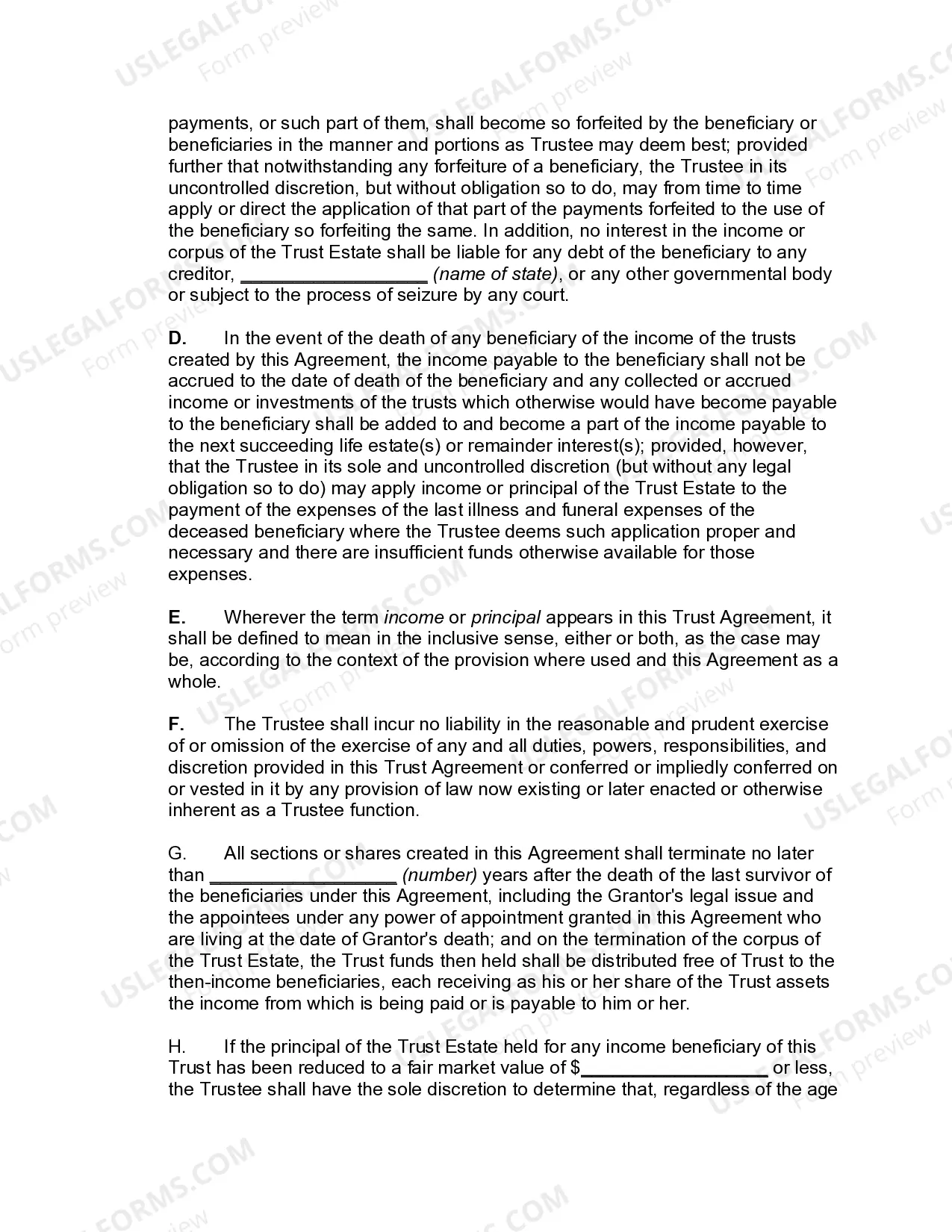
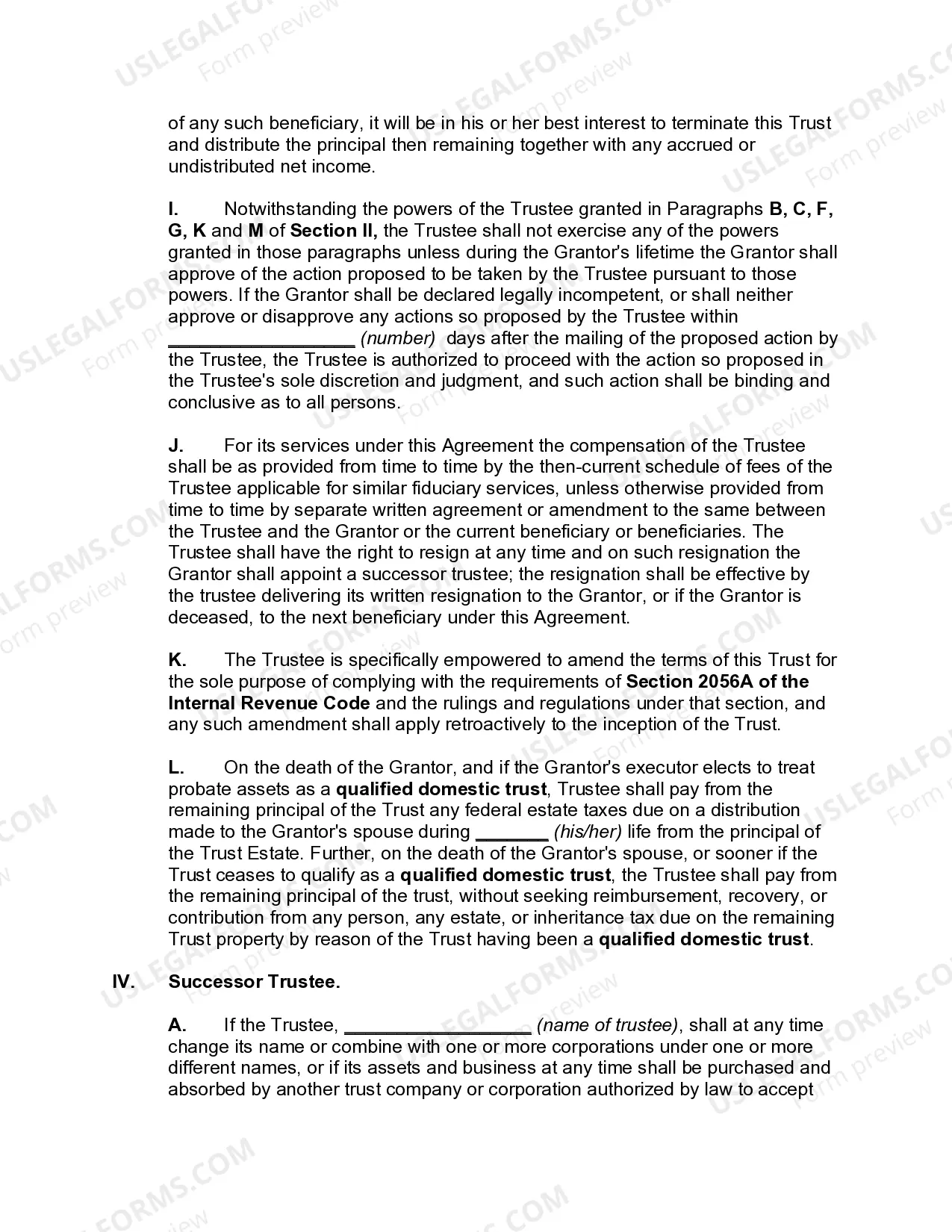
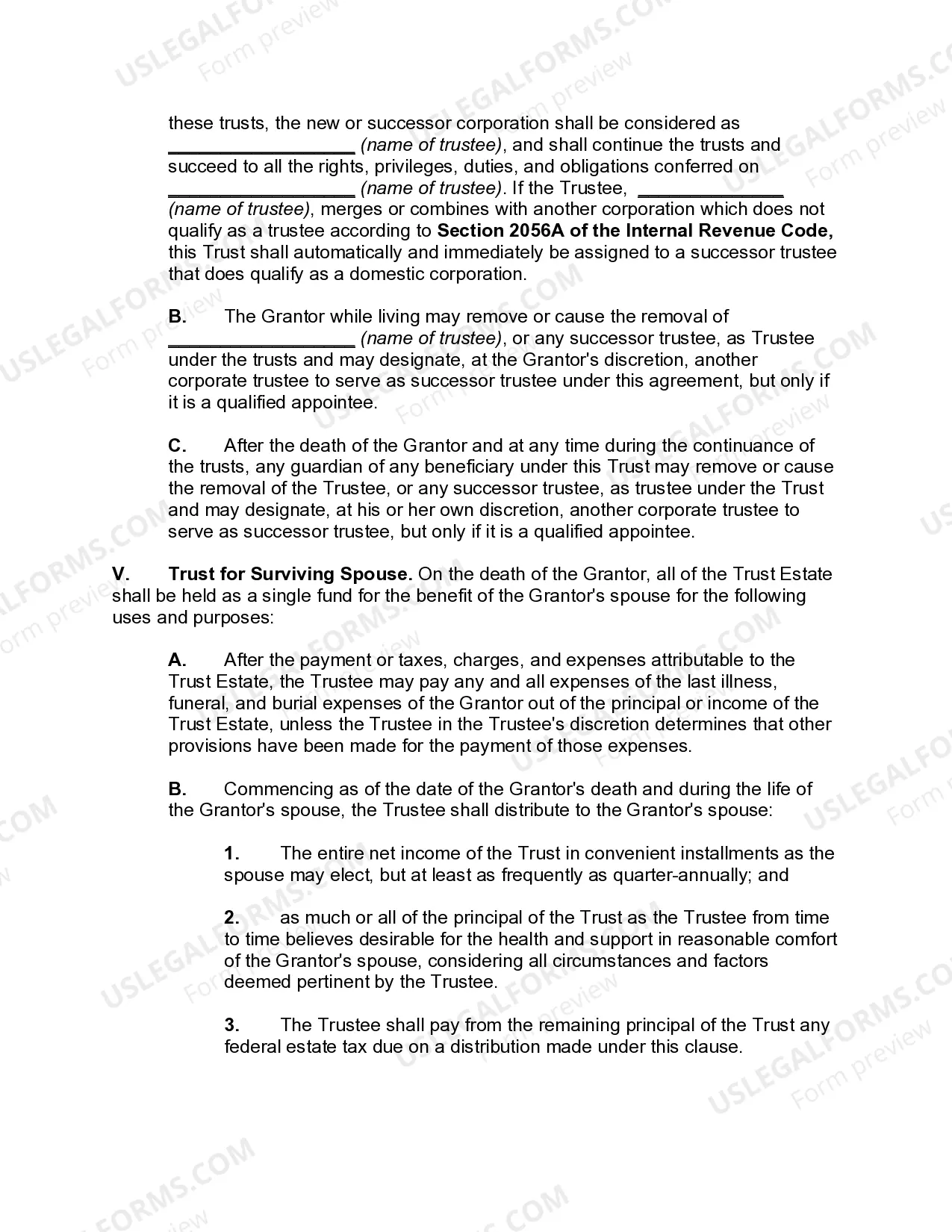
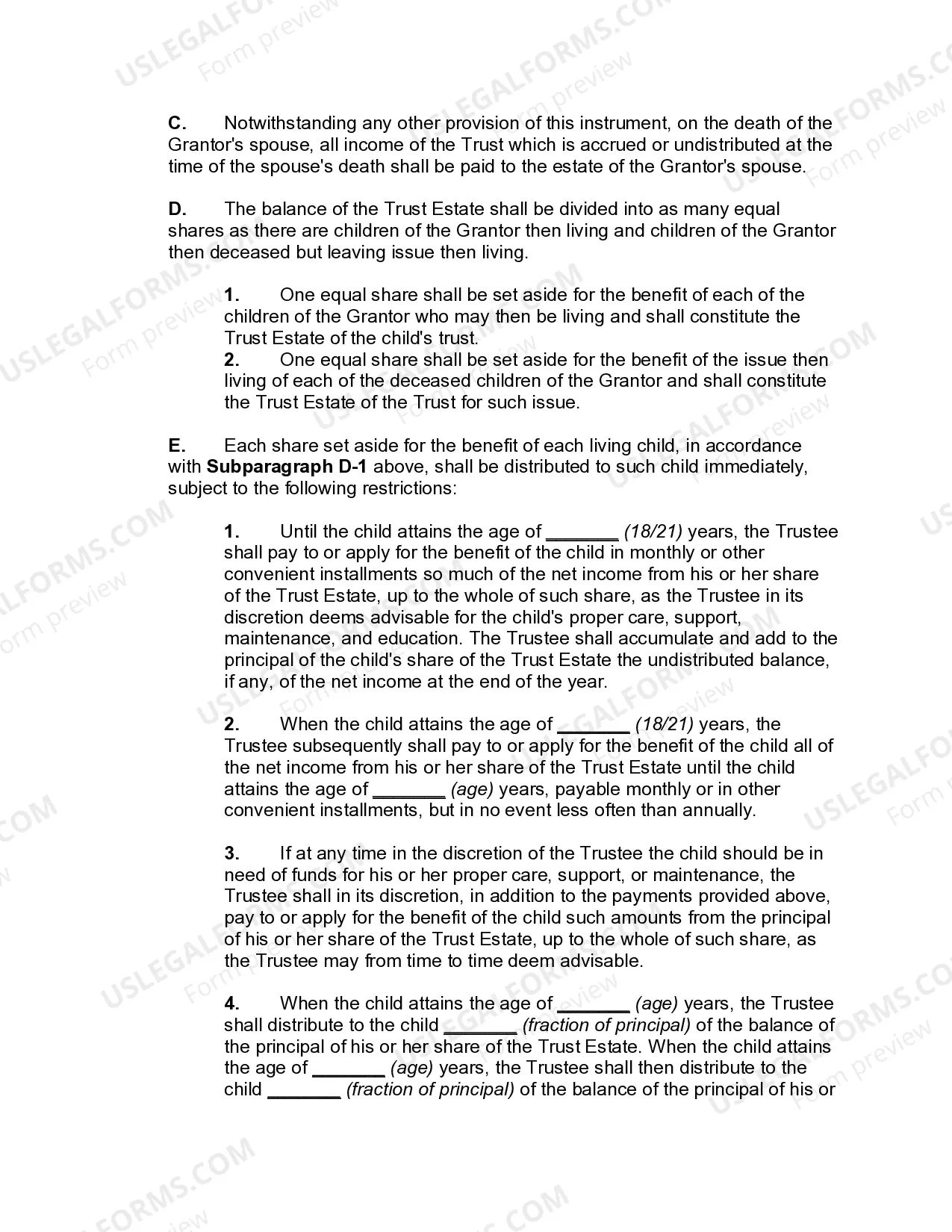
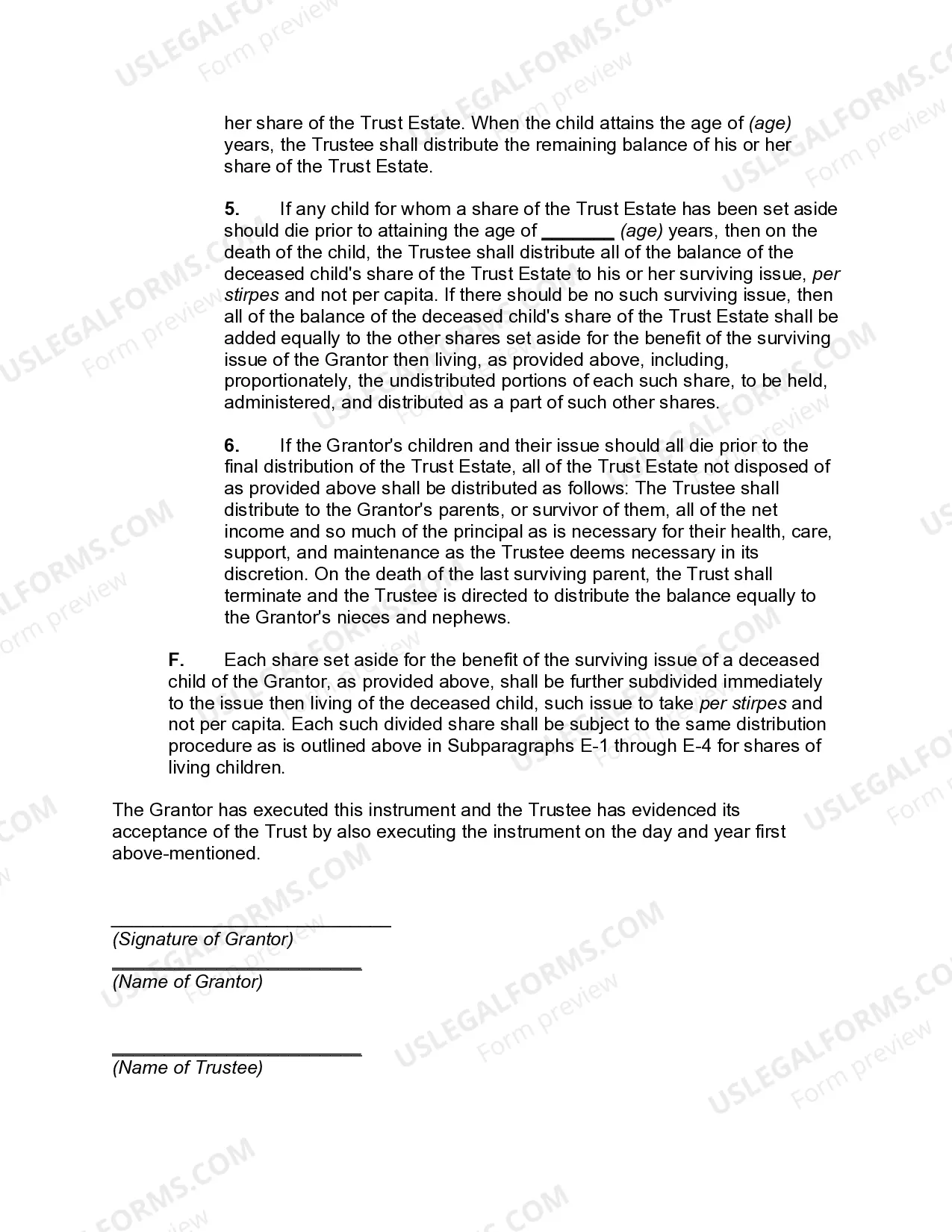

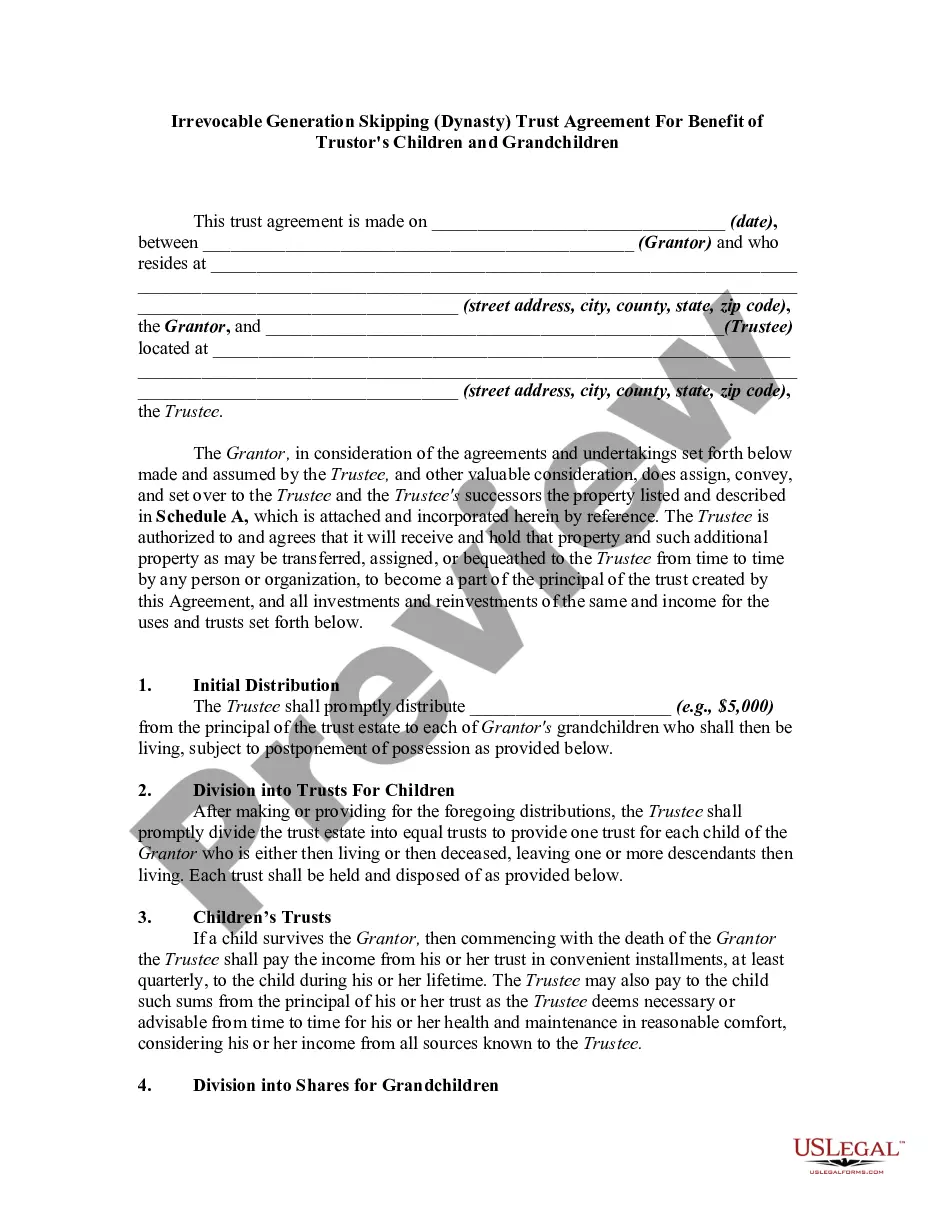

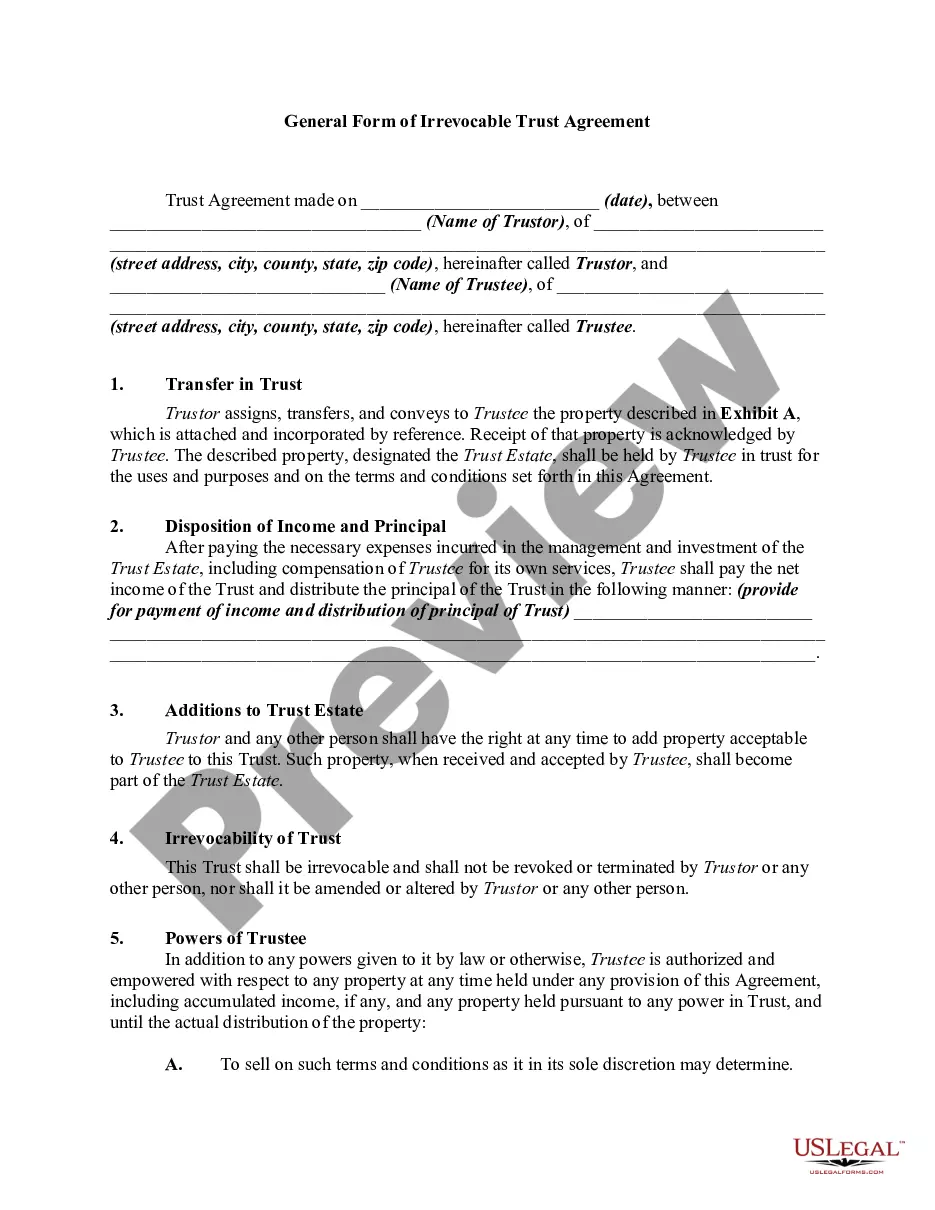
Get your form ready online
Our built-in tools help you complete, sign, share, and store your documents in one place.
Make edits, fill in missing information, and update formatting in US Legal Forms—just like you would in MS Word.
Download a copy, print it, send it by email, or mail it via USPS—whatever works best for your next step.
Sign and collect signatures with our SignNow integration. Send to multiple recipients, set reminders, and more. Go Premium to unlock E-Sign.
If this form requires notarization, complete it online through a secure video call—no need to meet a notary in person or wait for an appointment.
We protect your documents and personal data by following strict security and privacy standards.

Make edits, fill in missing information, and update formatting in US Legal Forms—just like you would in MS Word.

Download a copy, print it, send it by email, or mail it via USPS—whatever works best for your next step.

Sign and collect signatures with our SignNow integration. Send to multiple recipients, set reminders, and more. Go Premium to unlock E-Sign.

If this form requires notarization, complete it online through a secure video call—no need to meet a notary in person or wait for an appointment.

We protect your documents and personal data by following strict security and privacy standards.
Looking for another form?


How to fill out Qualified Domestic Trust Agreement?
If you wish to be thorough, download, or print legal document templates, utilize US Legal Forms, the largest collection of legal forms available online.
Employ the site's straightforward and user-friendly search to locate the documents you require.
An assortment of templates for business and personal use are organized by categories and states, or keywords.
Step 4. Once you have found the form you need, click the Get now button. Select the payment plan you prefer and enter your information to register for an account.
Step 5. Proceed to checkout. You can use your credit card or PayPal account to complete the transaction.
- Utilize US Legal Forms to obtain the Florida Qualified Domestic Trust Agreement with just a few clicks.
- If you are already a US Legal Forms user, Log In to your account and click on the Download button to locate the Florida Qualified Domestic Trust Agreement.
- You can also access forms you previously downloaded in the My documents section of your account.
- If this is your first time using US Legal Forms, follow the instructions below.
- Step 1. Ensure you have selected the form for the correct city/state.
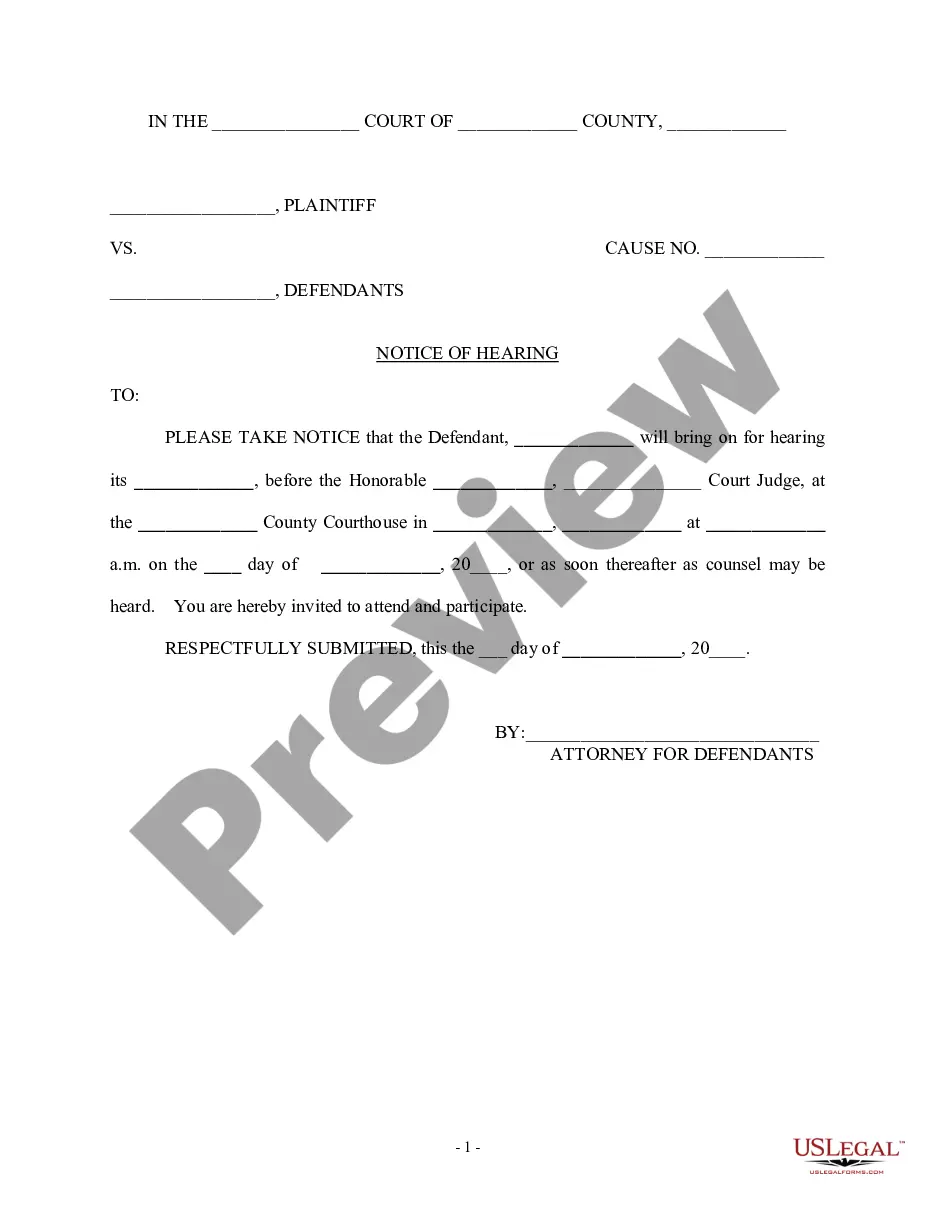
- Step 2. Use the Preview feature to review the content of the form. Don’t forget to read the summary.
- Step 3. If you are unsatisfied with the form, utilize the Search field at the top of the screen to find other versions of the legal form template.
Form popularity
FAQ
The QTIP trust serves like a crystal ball for the uncertainty of the future in marital trust planning. Not only does it provide for your surviving spouse and other loved ones after your death, but it also offers flexibility to your executor in maximizing your federal estate tax savings.
A QDOT (Qualified Domestic Trust) is a trust for the benefit of a surviving non-citizen spouse that defers the federal estate tax following the death of the first spouse. A Qualified Domestic Trust defers the federal estate tax because it qualifies for the unlimited marital deduction.
For estates that are less than those amounts, no QDOT is needed since no federal estate tax would be due. However, for estates greater than those amounts, no marital deduction will be allowed if the surviving spouse is not a U.S. citizen and does not become a citizen by the time that the estate tax return is filed.
A qualified terminable interest property trust ("QTIP trust") allows a spouse to give a life estate in property to his or her spouse without incurring the federal gift tax. The donee (recipient) spouse has an income interest in the trust and does not have a power of appointment over the principal.
An experienced trust lawyer can help set up a QDOT that is fully compliant with the set rules for the trust's efficiency as an estate planning tool.
The unlimited marital deduction is a provision in the U.S. Federal Estate and Gift Tax Law that allows an individual to transfer an unrestricted amount of assets to their spouse at any time, including at the death of the transferor, free from tax.
Tax Consequences The QDOT is generally taxed as a simple trust for income tax purposes. This means that when the trust earns income, it MUST be distributed to the surviving spouse. The surviving spouse is then required to pay the income tax on that income based upon the surviving spouses own tax rates.
Legally, to qualify as a QTIP trust, the trust is required to pay all of its income to the spouse beneficiary, and there can't be any other beneficiaries during that spouse's lifetime. This allows couples to ensure that a spouse is taken care of financially.
The main disadvantage of a QTIP trust is conflicts it can generate between the remainder beneficiaries and the surviving spouse. These conflicts can relate to tax strategy, investment decisions, and overall trust administration.
Under a QTIP, income is paid to a surviving spouse, while the balance of the funds is held in trust until that spouse's death, at which point it is then paid out to the beneficiaries specified by the grantor.