Arkansas Revocable Trust Agreement with Corporate Trustee
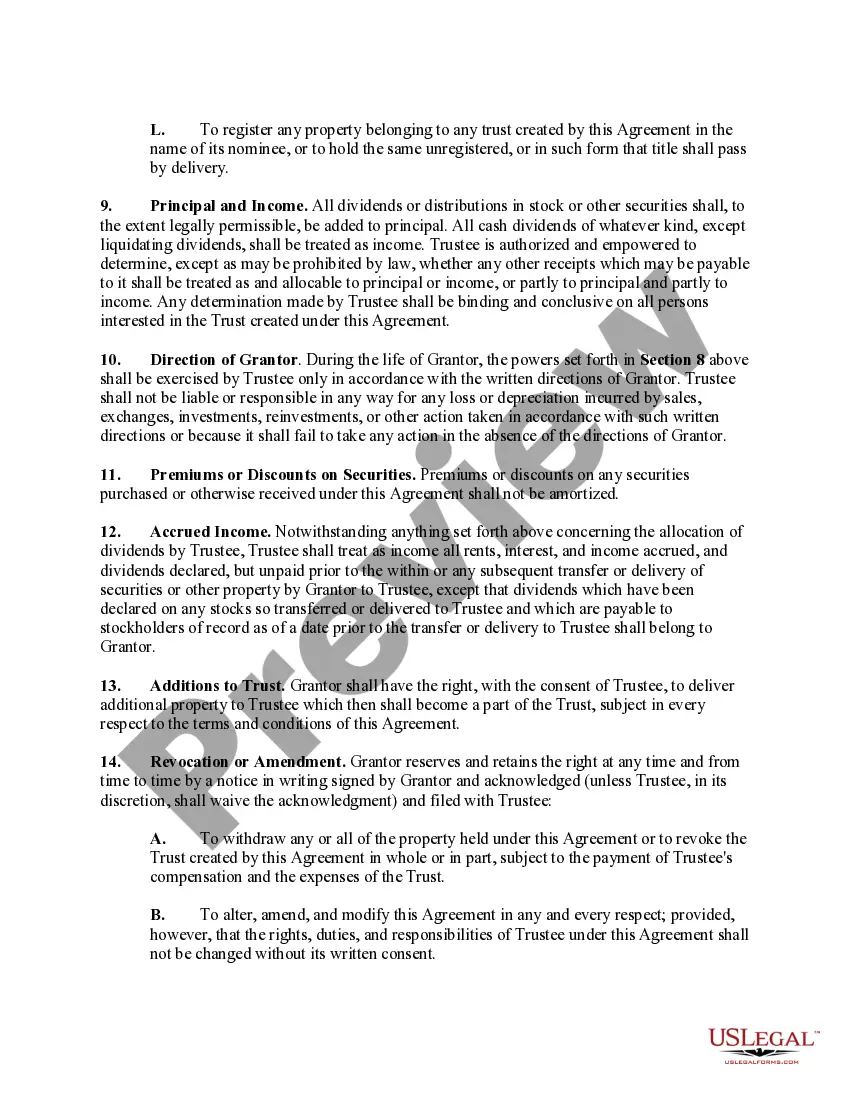
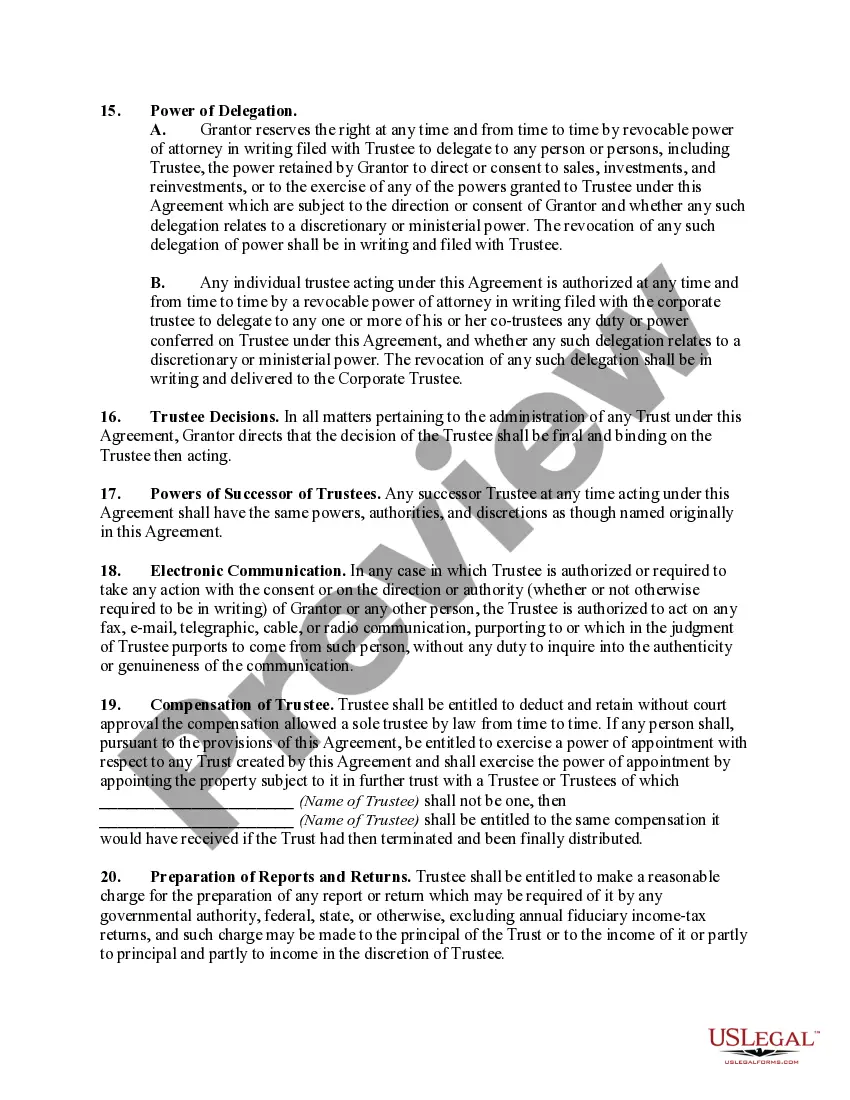
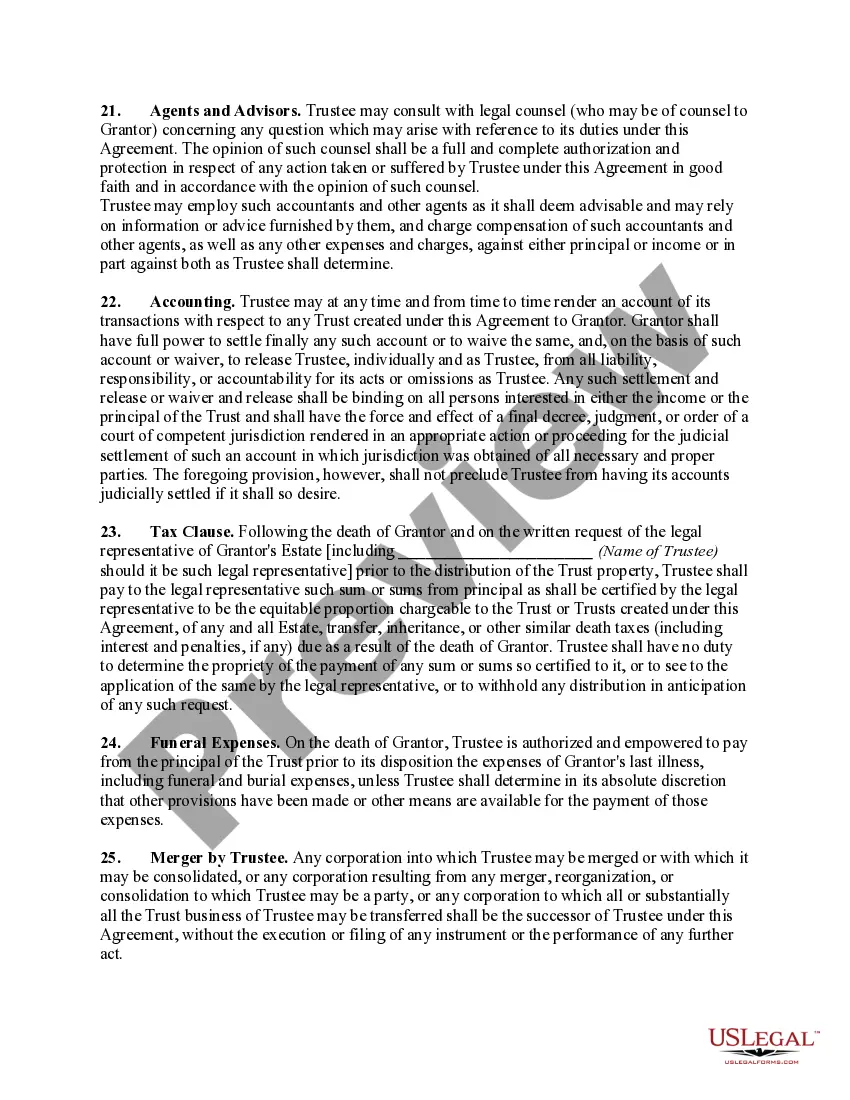
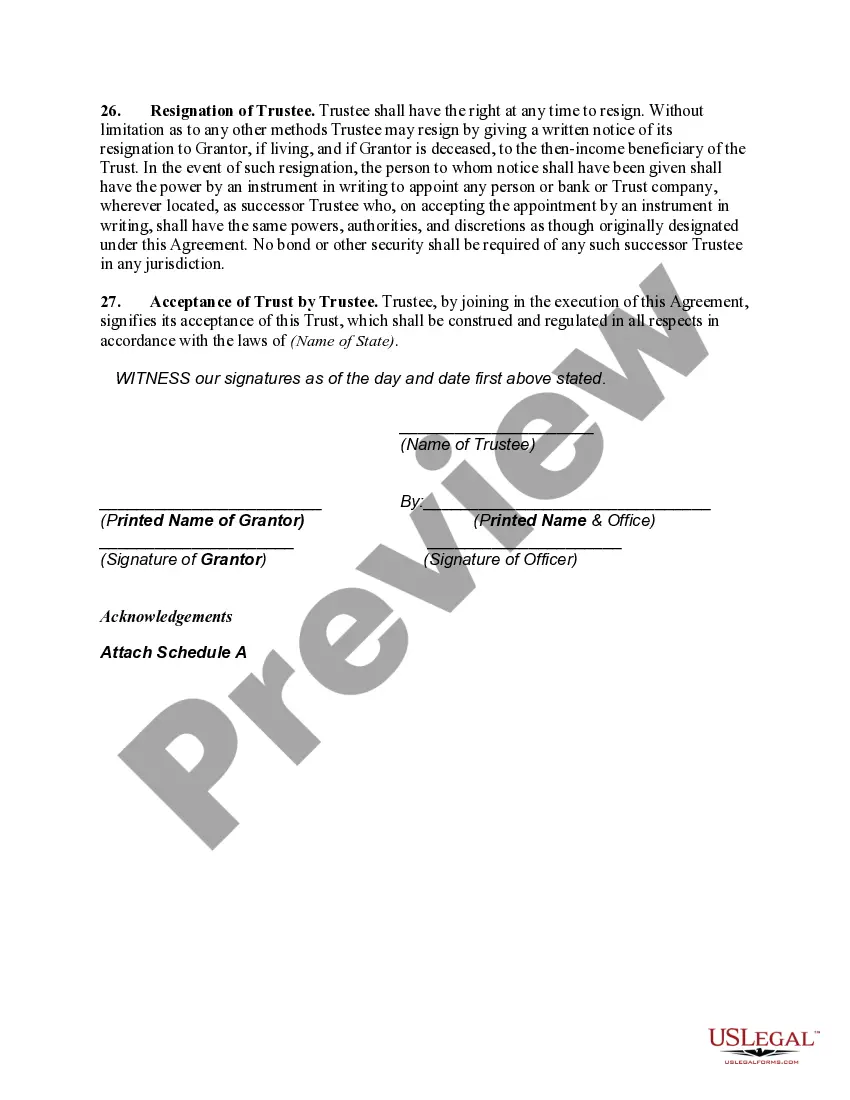
Description
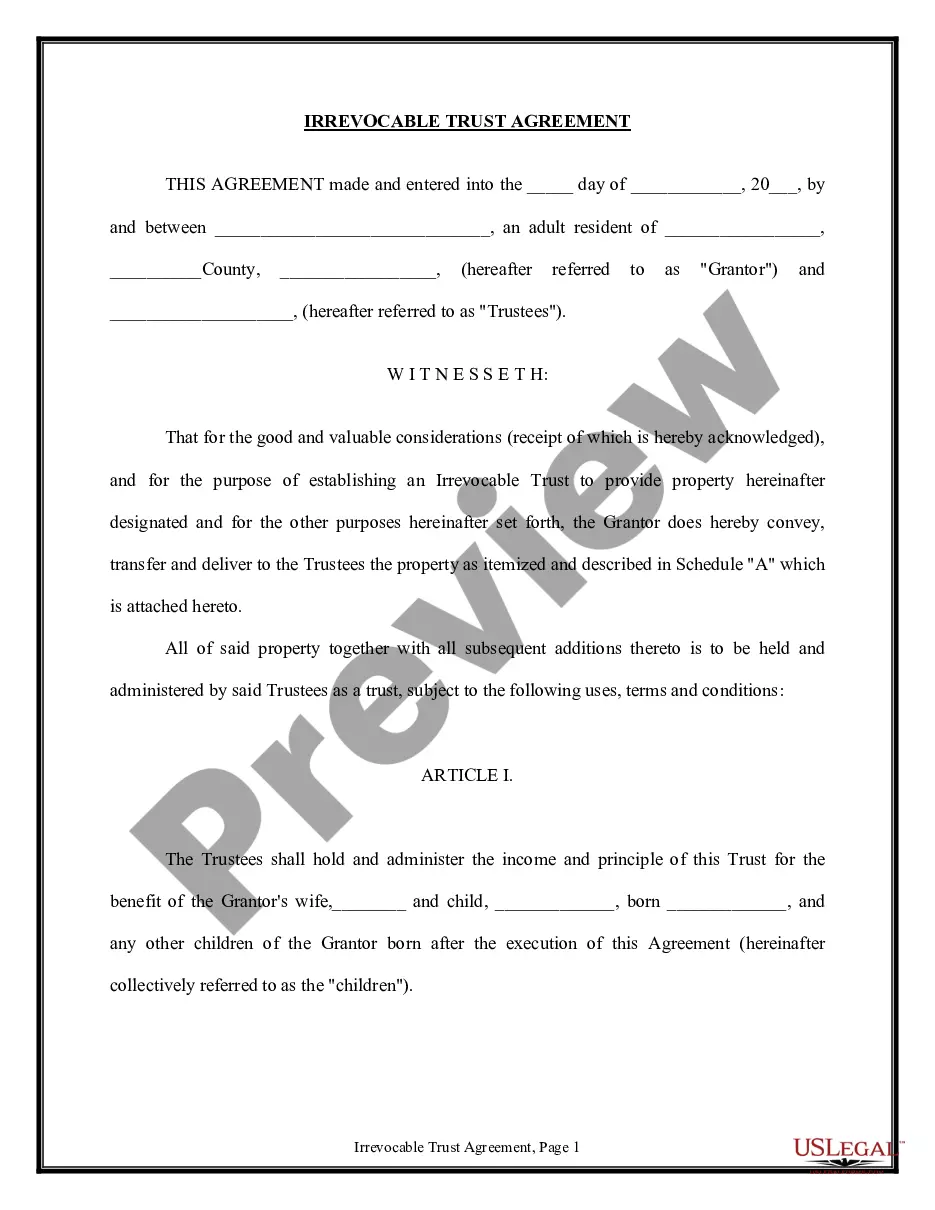
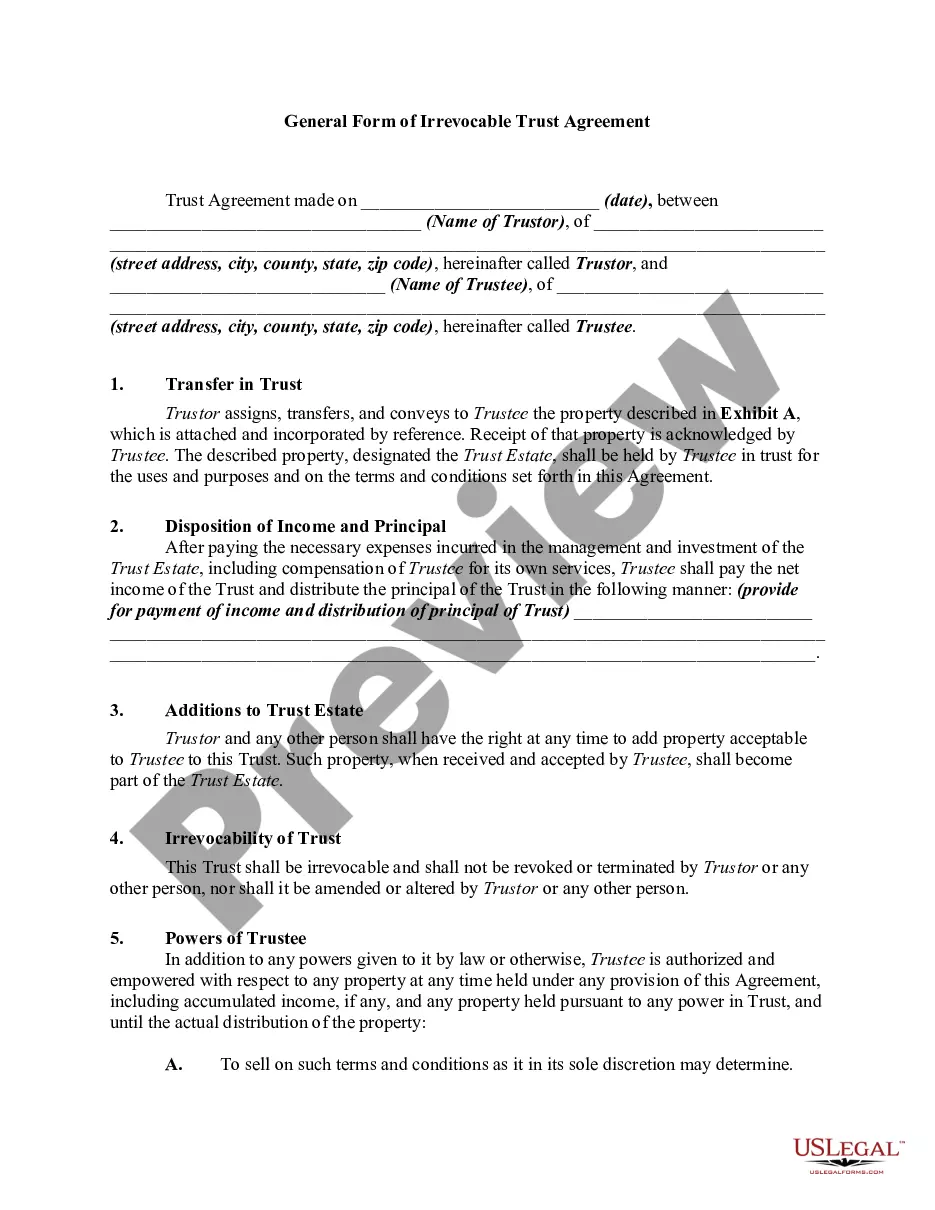
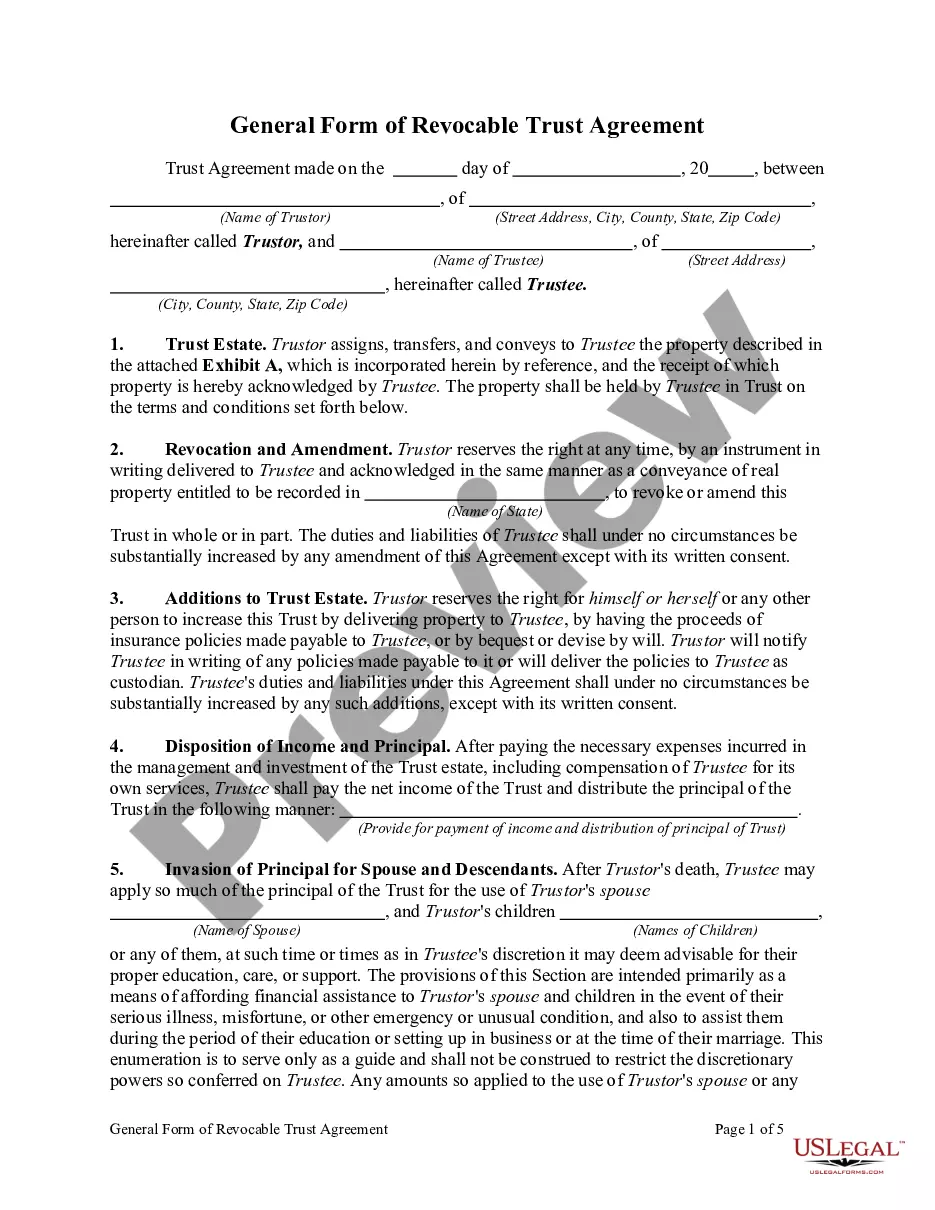
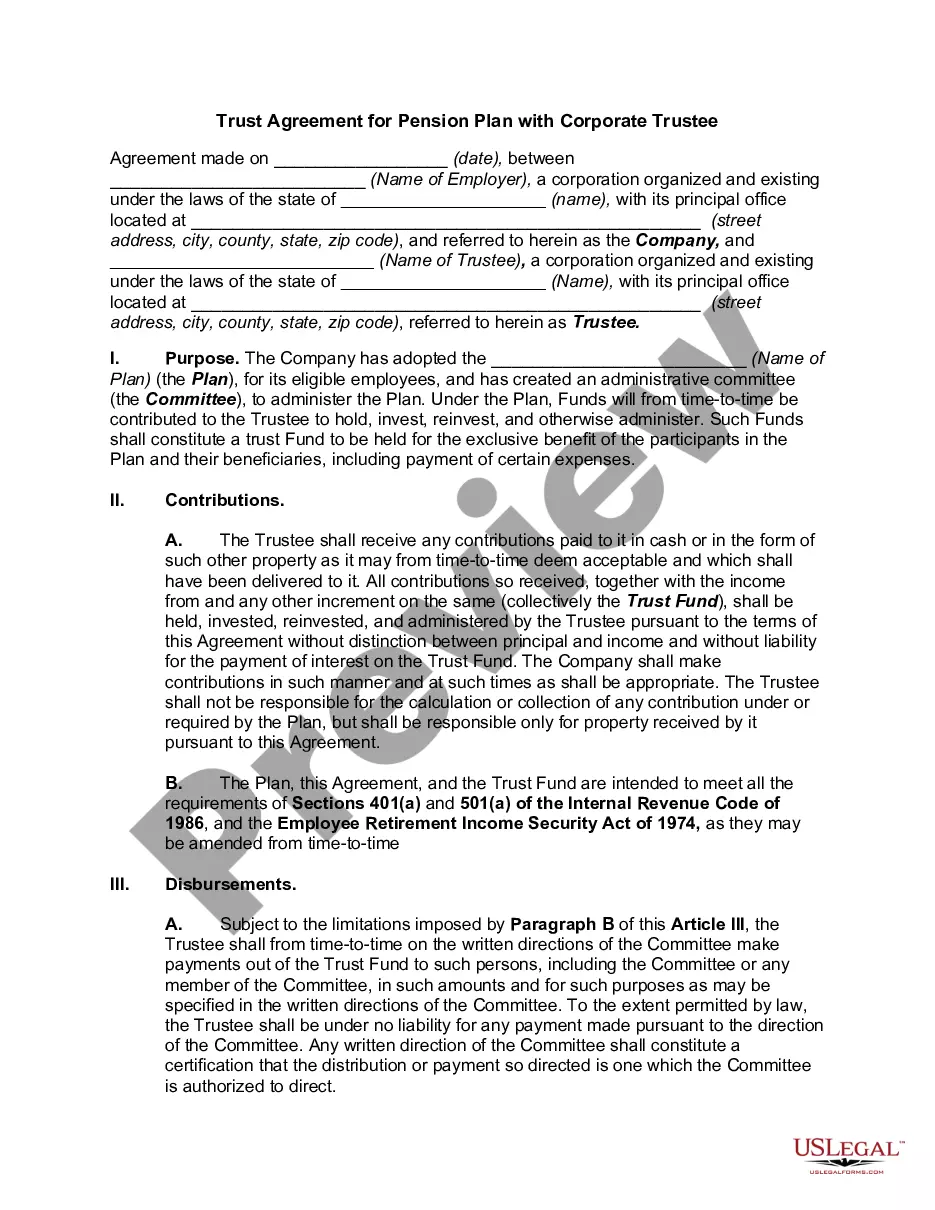
Get your form ready online
Our built-in tools help you complete, sign, share, and store your documents in one place.
Make edits, fill in missing information, and update formatting in US Legal Forms—just like you would in MS Word.
Download a copy, print it, send it by email, or mail it via USPS—whatever works best for your next step.
Sign and collect signatures with our SignNow integration. Send to multiple recipients, set reminders, and more. Go Premium to unlock E-Sign.
If this form requires notarization, complete it online through a secure video call—no need to meet a notary in person or wait for an appointment.
We protect your documents and personal data by following strict security and privacy standards.

Make edits, fill in missing information, and update formatting in US Legal Forms—just like you would in MS Word.

Download a copy, print it, send it by email, or mail it via USPS—whatever works best for your next step.

Sign and collect signatures with our SignNow integration. Send to multiple recipients, set reminders, and more. Go Premium to unlock E-Sign.

If this form requires notarization, complete it online through a secure video call—no need to meet a notary in person or wait for an appointment.

We protect your documents and personal data by following strict security and privacy standards.
Looking for another form?
How to fill out Revocable Trust Agreement With Corporate Trustee?
Are you currently in the location where you need documents for either business or personal purposes almost every day? There are numerous legal document templates available online, but finding templates you can trust is not easy.
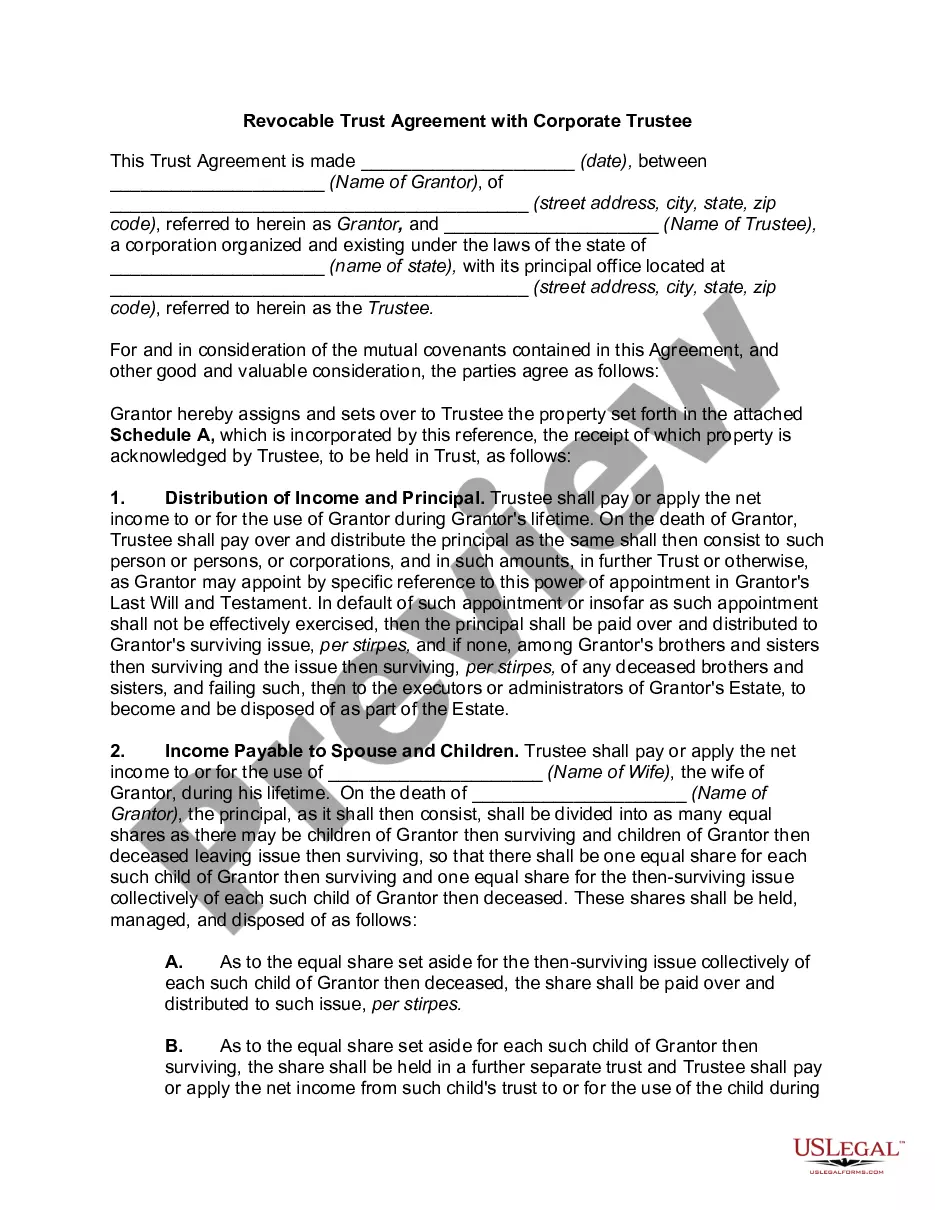
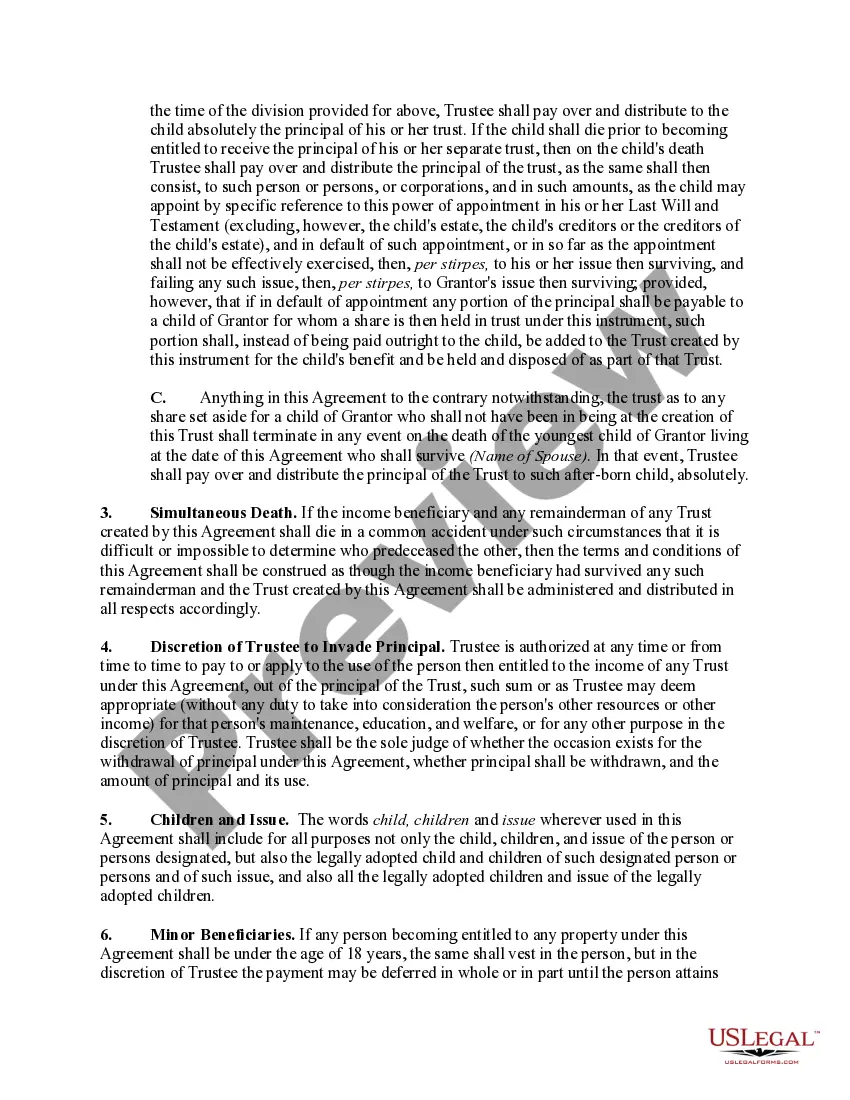
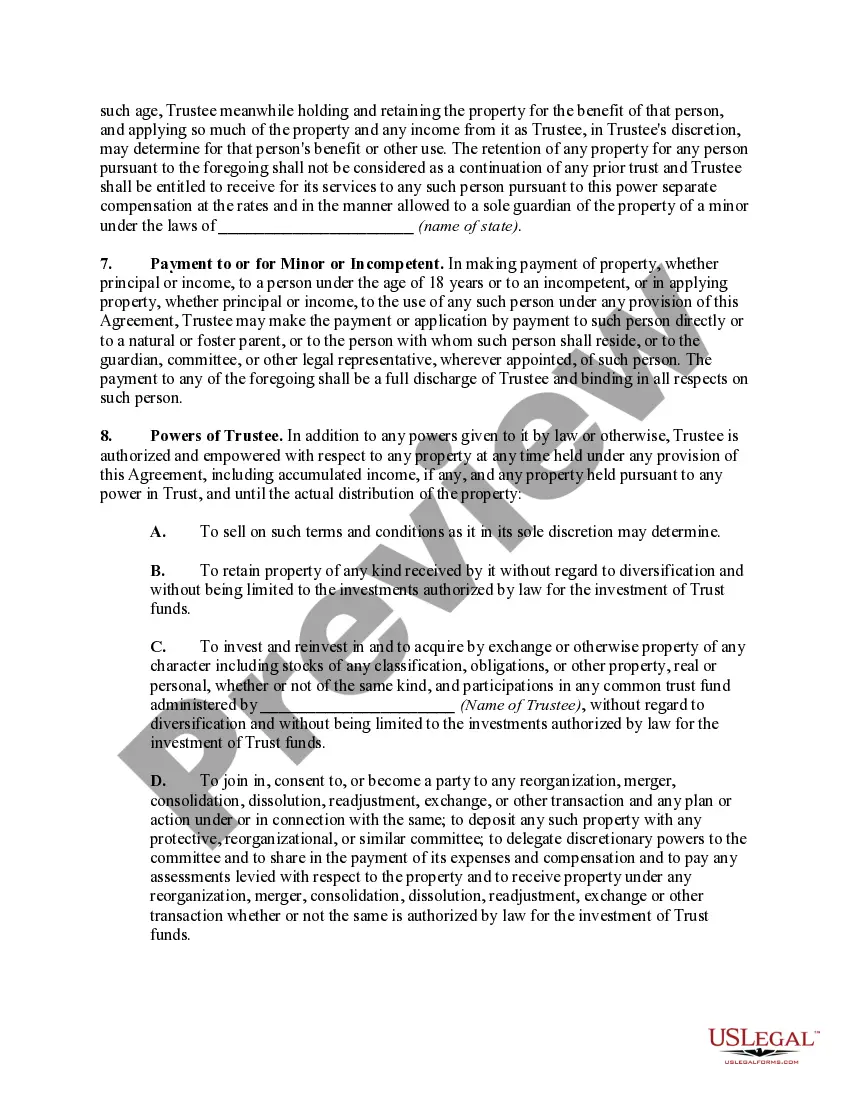
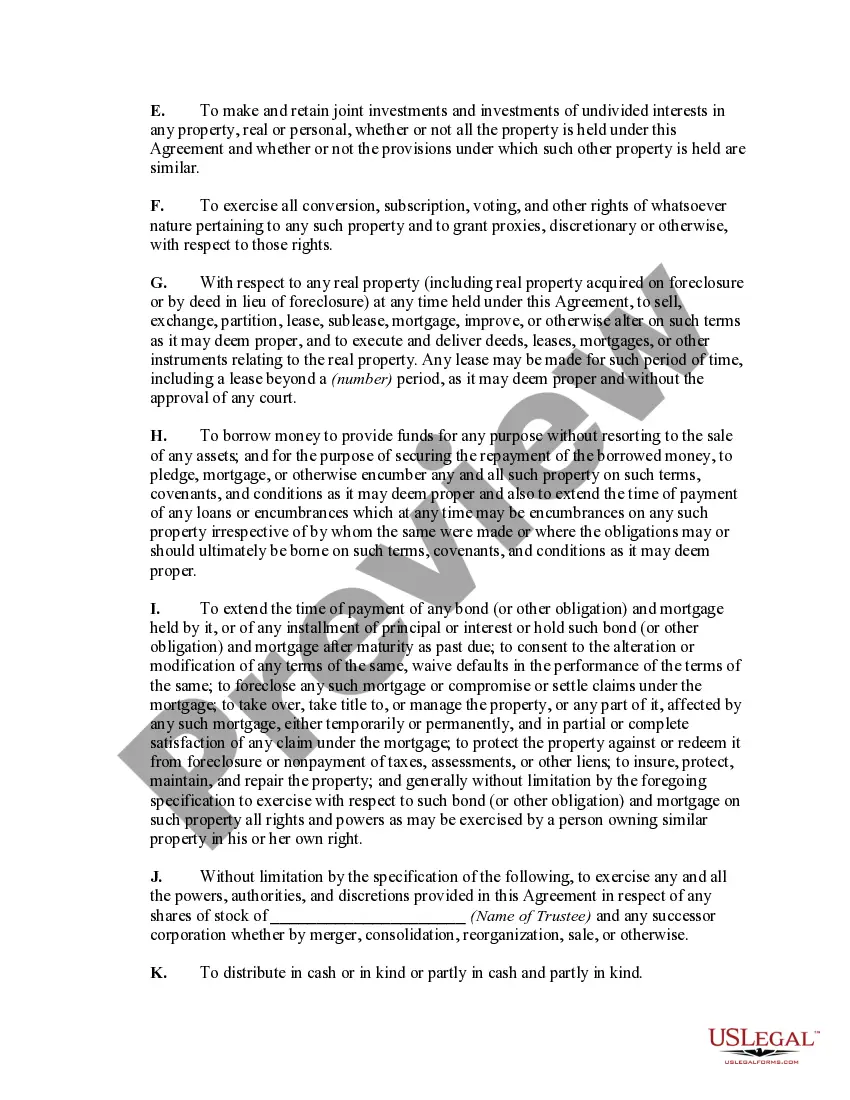
US Legal Forms offers a vast selection of form templates, such as the Arkansas Revocable Trust Agreement with Corporate Trustee, which can be drafted to comply with state and federal stipulations.
If you are already familiar with the US Legal Forms website and have an account, simply Log In. After that, you can download the Arkansas Revocable Trust Agreement with Corporate Trustee template.
- Obtain the form you need and ensure it is for the correct city/region.
- Utilize the Review feature to verify the form.
- Check the description to confirm that you have selected the right form.
- If the form is not what you are looking for, use the Search area to find the form that meets your needs and requirements.
- Once you find the correct form, click on Get now.
- Select the pricing plan you prefer, fill in the required information to create your account, and pay for the order using your PayPal or credit card.
- Choose a convenient document format and download your version.
Form popularity
FAQ
An irrevocable trust cannot be modified or terminated without permission of the beneficiary. "Once the grantor transfers the assets into the irrevocable trust, he or she removes all rights of ownership to the trust and assets," Orman explained.
Since a revocable trust is not treated as separate from the grantor, it is an eligible S corporation shareholder while the grantor is alive.
Everyone needs a living revocable trust, says Suze Orman. In response to several emails and tweets asking why a trust is so mandatory, Orman spells it out. "A living revocable trust serves as far more than just where assets are to go upon your death and it does that in an efficient way," she said.
A living trust for a business relieves the burden of business debts on your family members. If your business is not in a trust, business assets may be used to satisfy personal debts, and that could cause the business to fold. The living trust also reduces the tax burden on your estate.
Assets That Can And Cannot Go Into Revocable TrustsReal estate.Financial accounts.Retirement accounts.Medical savings accounts.Life insurance.Questionable assets.
A living trust must comply with the specifications described in § 28-73-402 and it's recommended that it be signed in front of a Notary Public. Once notarized, the Trust becomes legal and the personal property and real estate described within the Trust must be handled by the Trustee.
By placing a business into a living trust -- a trust that is created for you and your family's benefit while you are alive -- you transfer legal ownership of your business to the trustee, which is usually a third party but can also be the business owner.
If you're wondering can a trust own a corporation, the answer is yes, but only specific types of trusts qualify. As a legally separate entity, a trust manages and holds specific assets for a beneficiary's benefit.
There is no public record of what you placed in trust or who you gave it to. Because assets are not held up in probate, they can be distributed immediately upon your death if you so choose without any delay.
A revocable living trust is a type of legal entity that is used to hold your assets while you're alive and transfer those assets to beneficiaries named in the trust upon your death.