South Dakota Assignment to Living Trust
About this form
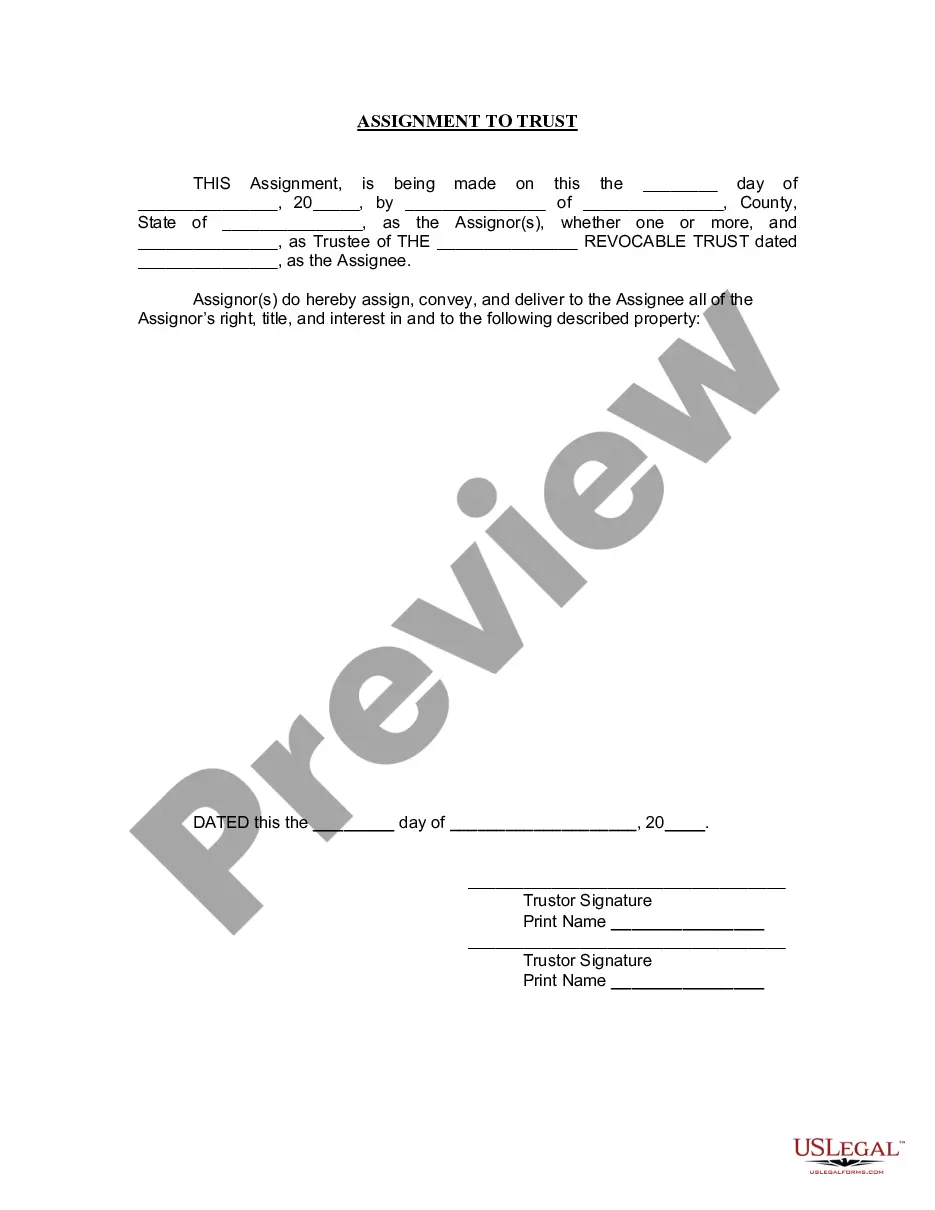
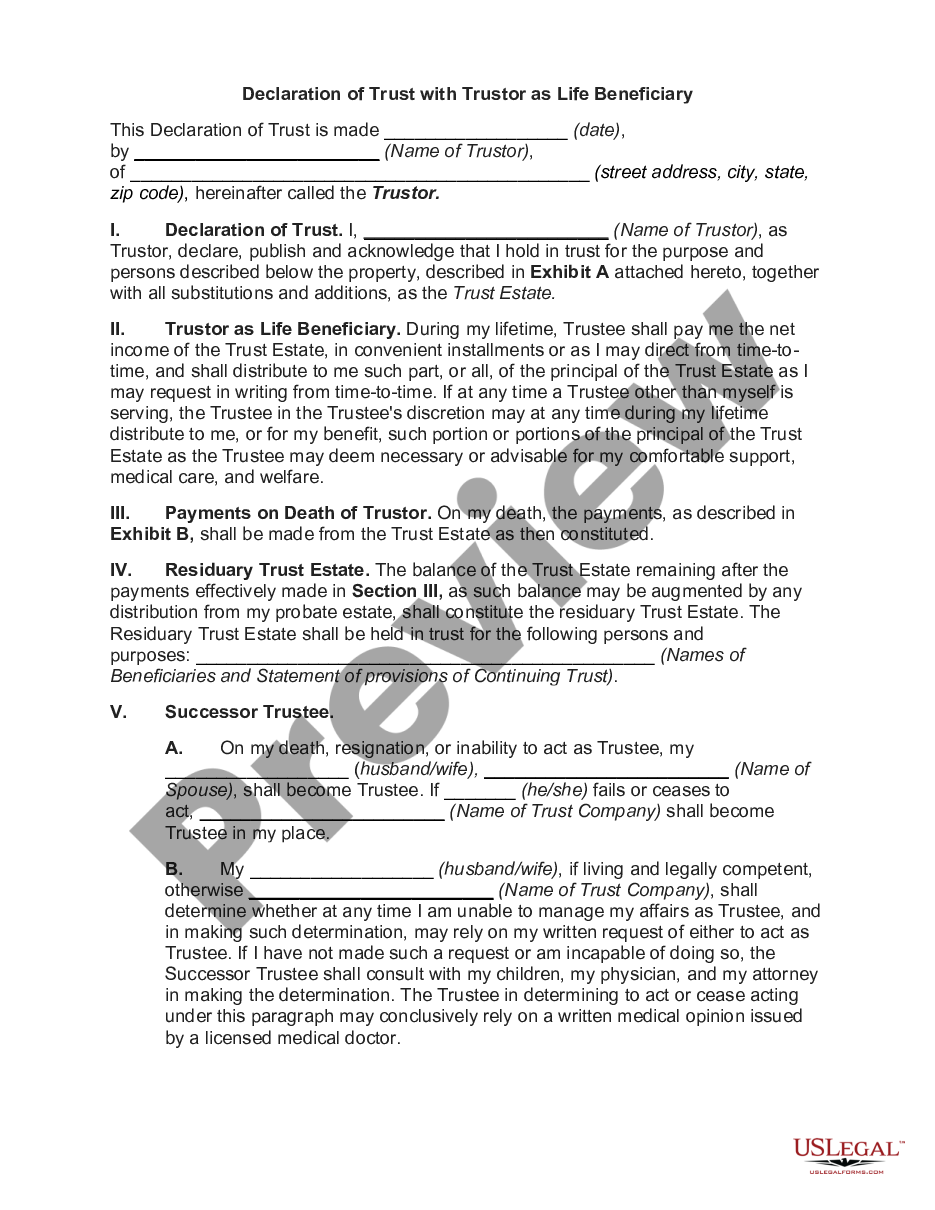
The Assignment to Living Trust form is a legal document that transfers specific property rights, title, and interests from an individual to a living trust. It is an essential tool in estate planning, ensuring that a person's assets are managed according to their wishes while they are still alive. Unlike a will, which only takes effect after death, a living trust provides immediate benefits during the creator's lifetime, making it easier to manage assets and avoid probate.
Key parts of this document
- Assignor's details: Information about the person transferring property.
- Assignee's details: Information about the trustee benefiting from the property assignment.
- Property description: Clear identification of the property being assigned to the trust.
- Date of signing: The date on which the assignment is executed.
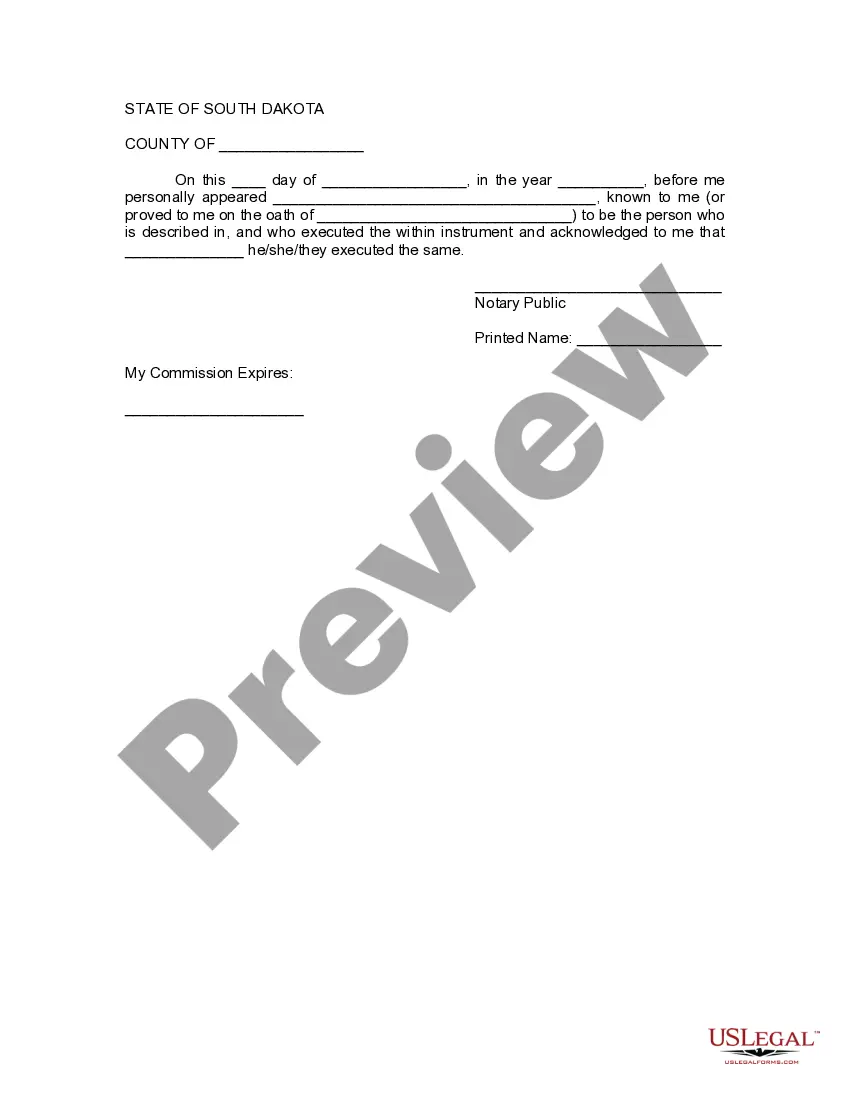
- Notarization section: Certification that the signing is witnessed by a notary public.
When to use this form
This form is used when an individual wants to transfer ownership of specific property into a living trust. Common scenarios include preparing for estate planning, ensuring seamless asset management during one's lifetime, or avoiding probate after death. If you recently established a living trust and wish to fund it with your assets, this form is necessary to complete that process.
Who this form is for
- Individuals creating a living trust.
- Trustees managing assets for a living trust.
- Anyone looking to transfer property into an estate planning vehicle.
- People seeking to avoid probate for their assets after death.
Steps to complete this form
- Identify the parties: Enter the names and addresses of the assignor and trustee.
- Specify the property: Provide a clear description of the property being assigned.
- Enter the date: Indicate the date on which the assignment is made.
- Sign the document: Have the assignor sign in front of a notary public.
- Notarization: Ensure the notary public signs and stamps the document for validation.
Notarization guidance
Yes, this form must be notarized to be legally valid. The signature of the assignor must be witnessed and certified by a notary public to ensure proper execution. US Legal Forms offers integrated online notarization services that are available 24/7, allowing you to securely complete notarization via video call.
Get your form ready online
Our built-in tools help you complete, sign, share, and store your documents in one place.
Make edits, fill in missing information, and update formatting in US Legal Forms—just like you would in MS Word.
Download a copy, print it, send it by email, or mail it via USPS—whatever works best for your next step.
Sign and collect signatures with our SignNow integration. Send to multiple recipients, set reminders, and more. Go Premium to unlock E-Sign.
If this form requires notarization, complete it online through a secure video call—no need to meet a notary in person or wait for an appointment.
We protect your documents and personal data by following strict security and privacy standards.

Make edits, fill in missing information, and update formatting in US Legal Forms—just like you would in MS Word.

Download a copy, print it, send it by email, or mail it via USPS—whatever works best for your next step.

Sign and collect signatures with our SignNow integration. Send to multiple recipients, set reminders, and more. Go Premium to unlock E-Sign.

If this form requires notarization, complete it online through a secure video call—no need to meet a notary in person or wait for an appointment.

We protect your documents and personal data by following strict security and privacy standards.
Mistakes to watch out for
- Failing to fully describe the property being assigned.
- Not having the document notarized, if required.
- Inconsistencies in names or addresses between the assignor and trustee sections.
- Omitting the date of the assignment.
Benefits of completing this form online
- Convenient access to editable templates for your specific needs.
- Instant downloads allow for quick start on your estate planning.
- Reliability with professionally drafted documents ensuring compliance with legal standards.
Main things to remember
- The Assignment to Living Trust form facilitates the transfer of property into a living trust.
- Proper execution and notarization of the form are crucial for its validity.
- Using this form can ease asset management and avoid probate during estate distribution.
Looking for another form?





Form popularity
FAQ
For private trust companies that manage private assets for the benefit of a family or families, the minimum annual fee is $3,750 and the maximum annual fee is $20,000. For public trust companies that offer public accounts, the minimum annual fee is $4,500 and the maximum annual fee is $30,000.
There is a non-refundable application fee of $5,000. A trust must have at least $200,000 of assets to receive a South Dakota charter. The company must file a 12-page application. Once chartered, there is an annual state fee of 7 cents per $10,000 of assets in the trust.
When you create a DIY living trust, there are no attorneys involved in the process. You will need to choose a trustee who will be in charge of managing the trust assets and distributing them.You'll also need to choose your beneficiary or beneficiaries, the person or people who will receive the assets in your trust.
Choose the trust that best suits your financial situation. Take inventory of your property to determine what you'd like to include in the trust. Choose a trustee to manage your trust. Create the trust document. Sign the trust in front of a notary public. Transfer property into the trust to fund it.
A living trust is an important part of your estate plan. Most people can create a living trust without an attorney using software or an online service.
A South Dakotan trust changes all that: it protects assets from claims from ex-spouses, disgruntled business partners, creditors, litigious clients and pretty much anyone else.And it shields your wealth from the government, since South Dakota has no income tax, no inheritance tax and no capital gains tax.
As of 2019, attorney fees can range from $1,000 to $2,500 to set up a trust, depending upon the complexity of the document and where you live. You can also hire an online service provider to set up your trust. As of 2019, you can expect to pay about $300 for an online trust.
Trusts Are Not Public Record. Most states require a last will and testament to be filed with the appropriate state court when the person dies. When this happens, the will becomes a public record for anyone to read. However, trusts aren't recorded.
Unparalleled Tax Efficiency. South Dakota has no state income, capital gains, dividend/interest, or intangible tax. No South Dakota Residency Required. Lowest Insurance Premium Tax. Superior Asset Protection. No Required Termination.