Florida Quitclaim Deed for Individual to a Trust
What this document covers
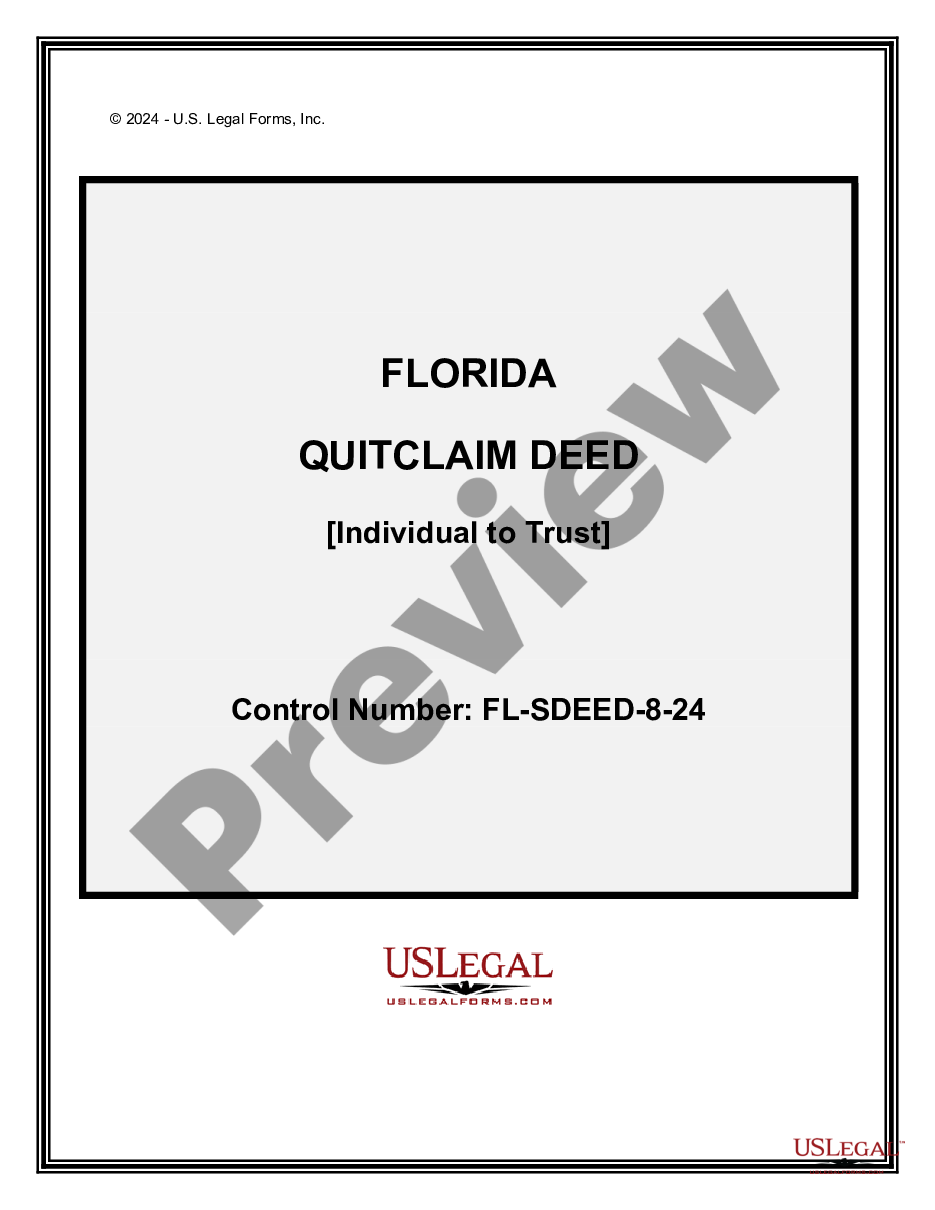
A Quitclaim Deed for Individual to a Trust is a legal document that transfers ownership of real property from an individual (the grantor) to a trust (the grantee). Unlike other types of deeds that provide guarantees about the property title, a quitclaim deed only conveys whatever interest the grantor may have in the property, without any warranties. This form is particularly useful for individuals looking to transfer property into a trust for estate planning purposes or asset protection.
Form components explained
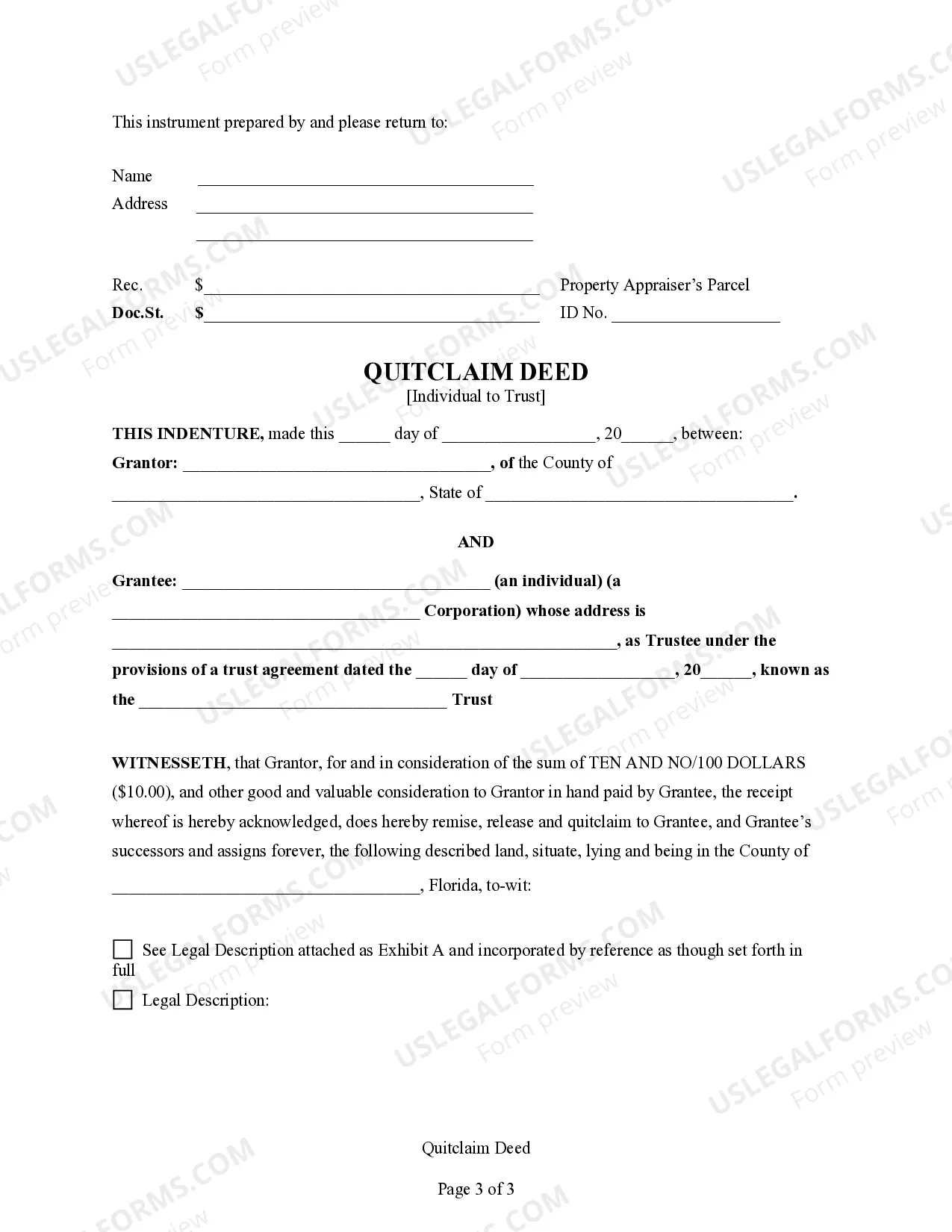
- Identification of grantor and grantee: Includes the names and addresses of both parties.
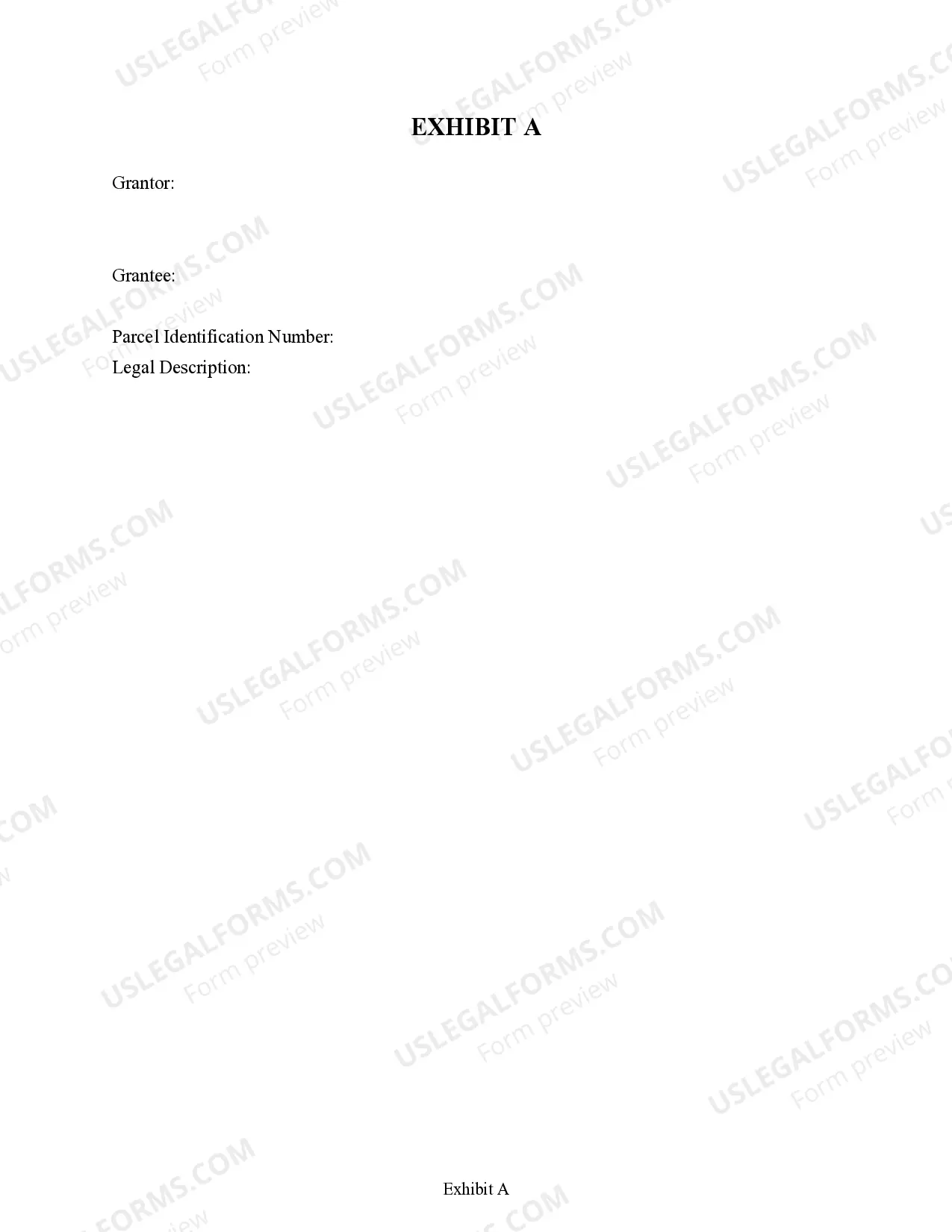
- Description of the property: Clearly defines the property being transferred, including legal descriptions.
- Granting clause: States the intention of the grantor to transfer their interest to the trust.
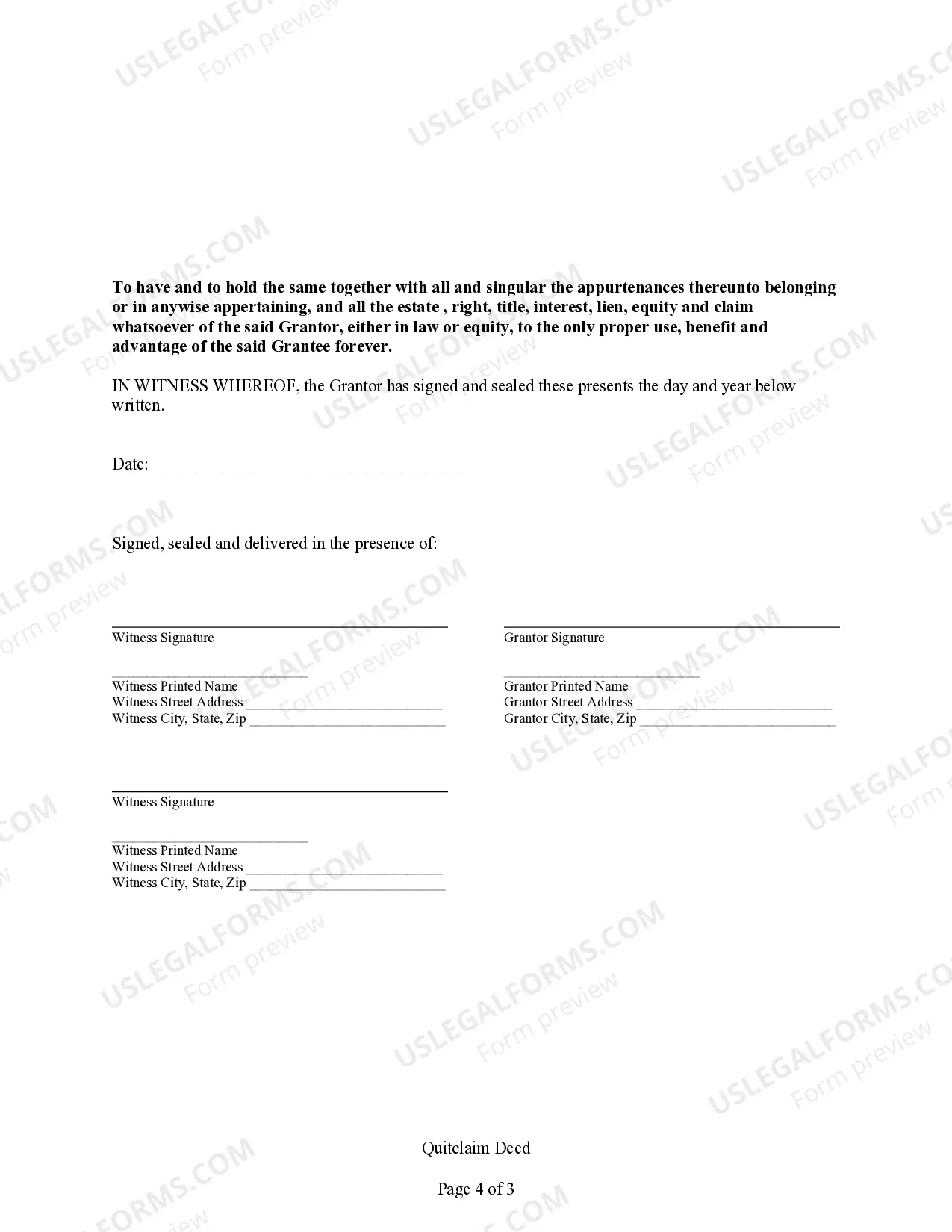
- Signature lines: Where the grantor must sign and date the document to validate the transfer.
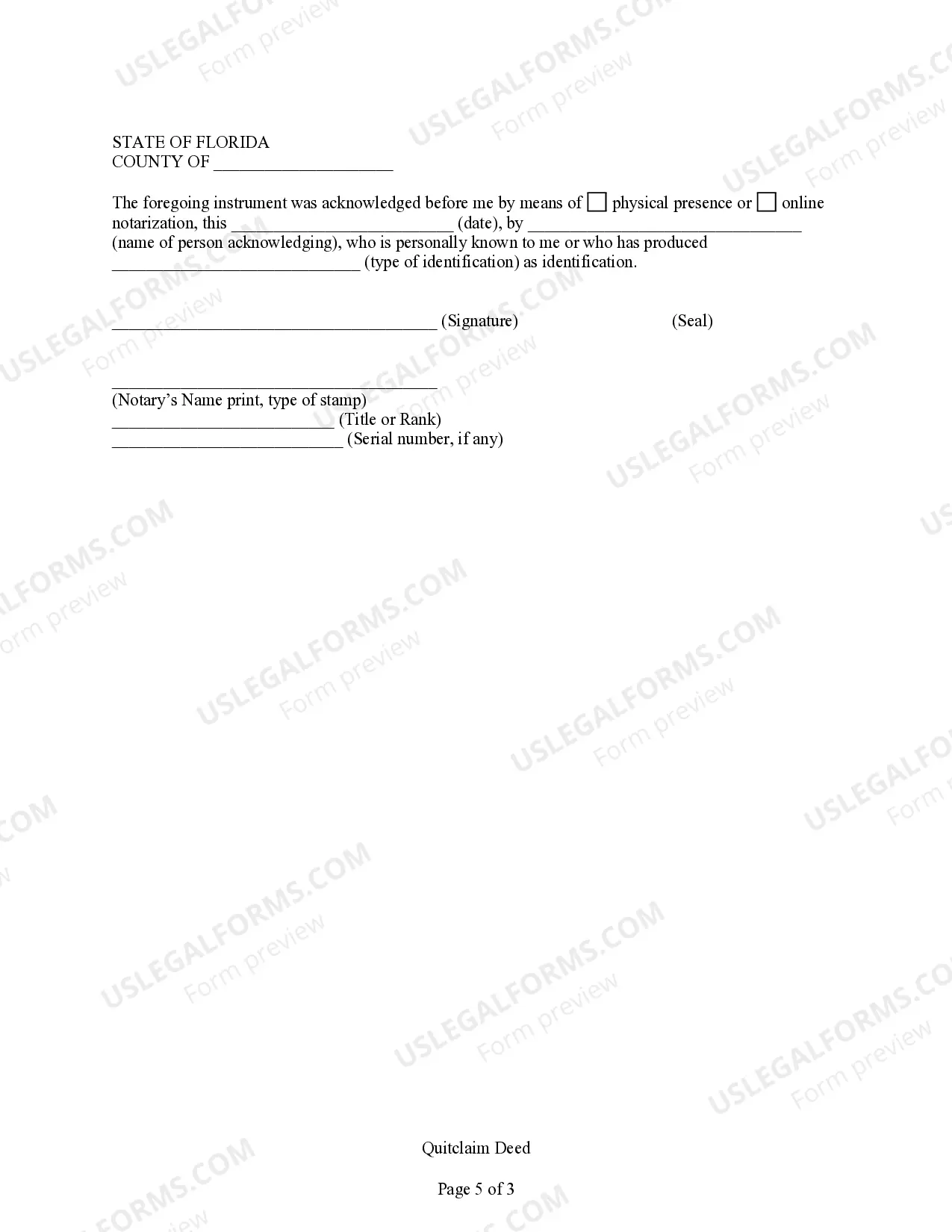
- Notary acknowledgment: Space for a notary public to affirm the identities of the parties involved.




When to use this form
This form should be used when an individual wants to transfer their ownership interest in a piece of real estate into a trust. Common scenarios include setting up an estate plan, protecting assets from probate, or rearranging property ownership for tax purposes. It is essential for those who seek to manage their assets effectively during their lifetime or after their passing.
Who should use this form
- Homeowners looking to transfer their property to a trust.
- Individuals planning their estate and seeking to avoid probate.
- Trustees needing to accept property into the trust they manage.
- Anyone who wishes to simplify property transfers for family members or beneficiaries.
Steps to complete this form
- Identify the grantor: Enter the name and address of the individual transferring property.
- Identify the trust: Provide the name of the trust receiving the property.
- Describe the property: Include a legal description of the property being transferred.
- Complete the granting clause: Confirm the intention of transferring the property to the trust.
- Sign and date the form: The grantor must sign the document in front of a notary public.
- File the deed: Record the completed quitclaim deed with the appropriate county office to ensure legal recognition.
Notarization guidance
Yes, this form must be notarized to be legally valid. It is essential to have a notary public witness the signatures on the deed to ensure its enforceability. US Legal Forms offers integrated online notarization services, allowing you to complete this process securely via video call without needing to travel.
Get your form ready online
Our built-in tools help you complete, sign, share, and store your documents in one place.
Make edits, fill in missing information, and update formatting in US Legal Forms—just like you would in MS Word.
Download a copy, print it, send it by email, or mail it via USPS—whatever works best for your next step.
Sign and collect signatures with our SignNow integration. Send to multiple recipients, set reminders, and more. Go Premium to unlock E-Sign.
If this form requires notarization, complete it online through a secure video call—no need to meet a notary in person or wait for an appointment.
We protect your documents and personal data by following strict security and privacy standards.

Make edits, fill in missing information, and update formatting in US Legal Forms—just like you would in MS Word.

Download a copy, print it, send it by email, or mail it via USPS—whatever works best for your next step.

Sign and collect signatures with our SignNow integration. Send to multiple recipients, set reminders, and more. Go Premium to unlock E-Sign.

If this form requires notarization, complete it online through a secure video call—no need to meet a notary in person or wait for an appointment.

We protect your documents and personal data by following strict security and privacy standards.
Typical mistakes to avoid
- Failing to include a proper legal description of the property.
- Not having the form notarized when required.
- Leaving out signatures or dates, which can invalidate the document.
- Not recording the deed with local authorities after completion.
Benefits of completing this form online
- Convenience: Download and complete your Quitclaim Deed from the comfort of your own home.
- Editability: Form fields allow for easy input of information, reducing the chance of errors.
- Accessibility: Save time by avoiding the need to visit an attorney for basic real estate transfers.
- Legal assurance: Forms are drafted by licensed attorneys, ensuring compliance with relevant laws.
Key takeaways
- This Quitclaim Deed allows for the transfer of property ownership to a trust without guarantees.
- It is essential for estate planning and simplifying asset management.
- Complete the form accurately and ensure it is signed in front of a notary.
- Always record the deed with local authorities to finalize the transfer.
Looking for another form?
Form popularity
FAQ
This deed transfers the grantor's interest in real property into a trust (the grantee) without any title warranties. It is used for estate planning or asset protection by moving ownership into a trust. The form requires grantor and grantee identification, a clear property description, a granting clause, signature lines, and a notary acknowledgment.
To transfer, complete the form by identifying the grantor and grantee, describing the property with its legal description, including a granting clause that transfers the grantor's interest to the trust, add signature lines for the grantor to sign and date, and obtain a notary acknowledgment.
Yes, you can prepare your own quit claim deed using templates like this, but ensure the grantor and grantee are accurately identified, the property description is correct, a granting clause is included, and the document is signed, dated, and notarized. Consider consulting a licensed attorney for estate planning implications.
The form provides a ready-made template to move property into a trust, but whether a lawyer is needed depends on the situation. For estate planning and trust transfers, consulting a licensed attorney can help ensure the transfer aligns with goals and is properly executed.
Yes. A quitclaim deed transfers whatever interest the grantor has in the property to the trust, without warranties about title. This form is designed to move ownership into the trust using grantor/grantee identification, a property description, a granting clause, signer/date lines, and a notary acknowledgment.
It conveys only the grantor's interest to the trust and provides no title warranties. In contrast, a warranty deed promises clear title and may include covenants. This form focuses on transferring whatever interest exists, without guaranteeing title qualities.