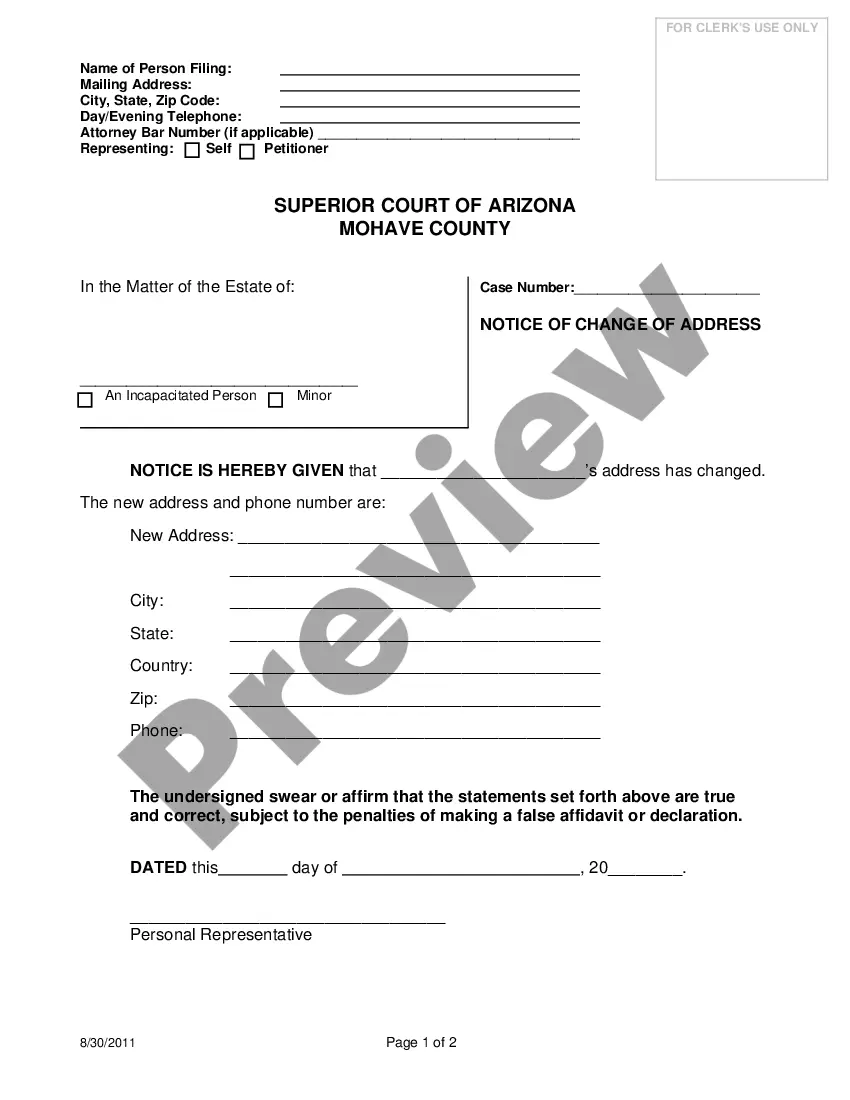
Request for Permission and Agreement Granting Permission to Reprint Copyrighted Material
Overview of this form
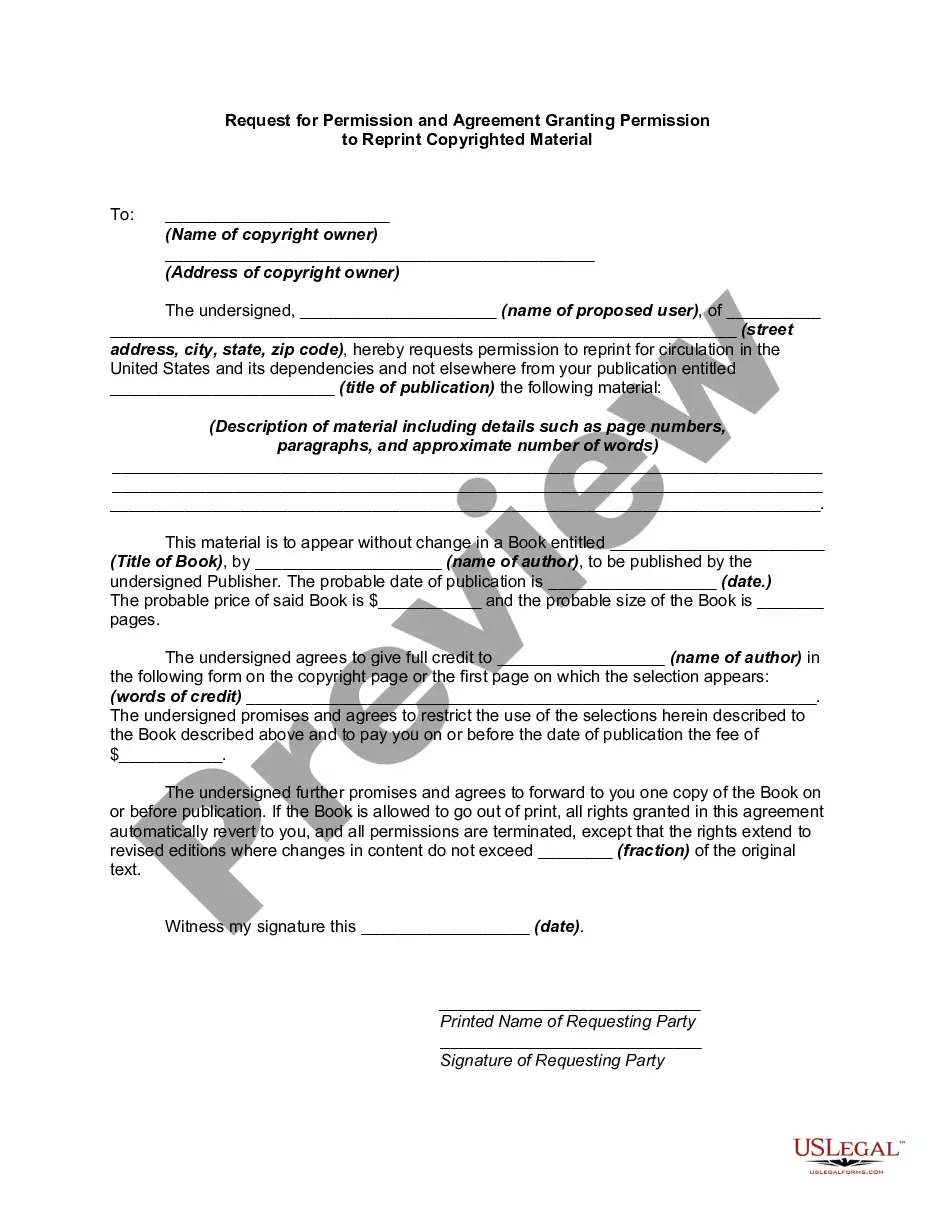
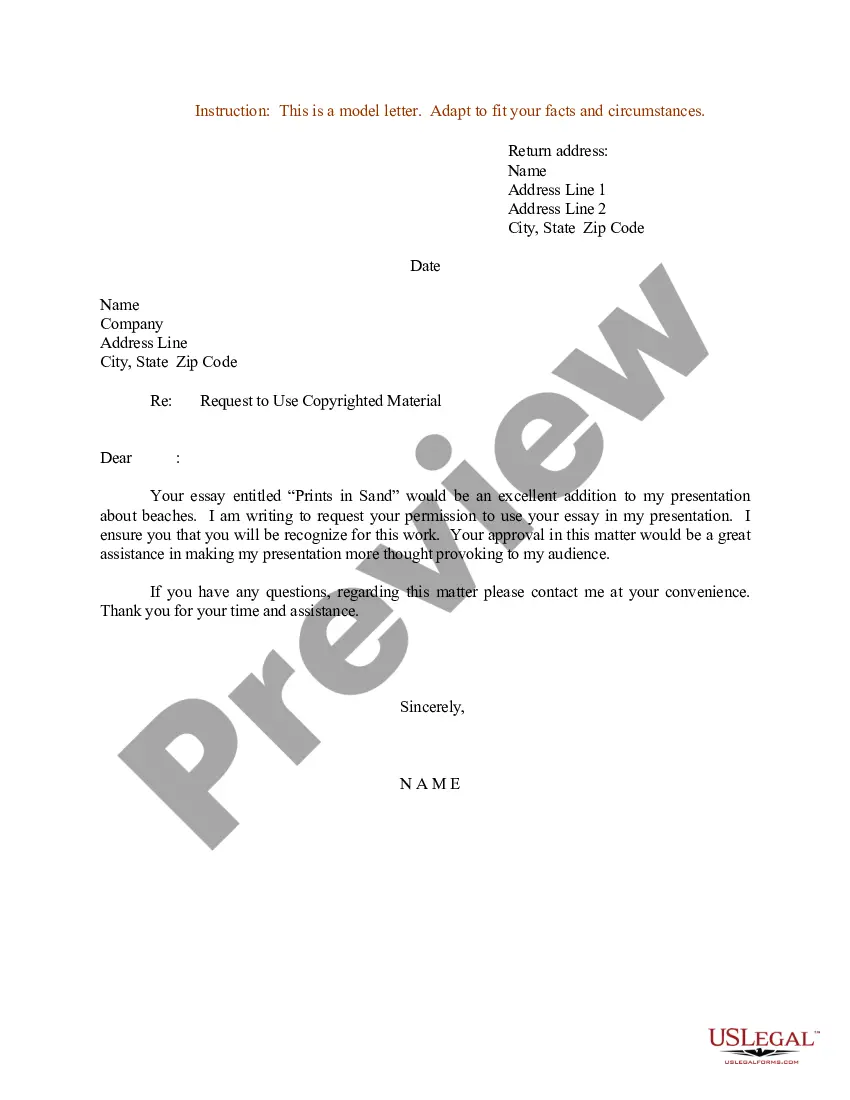
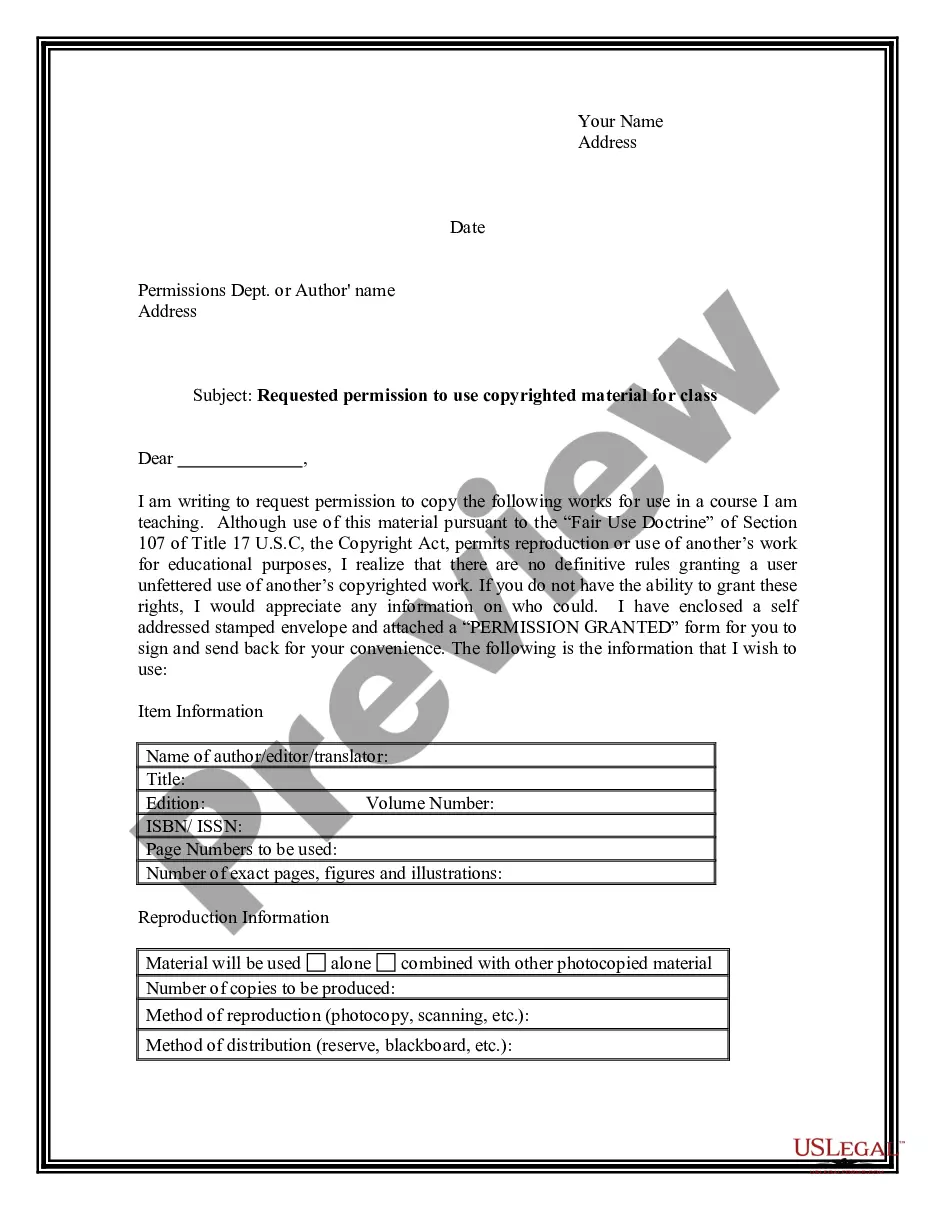
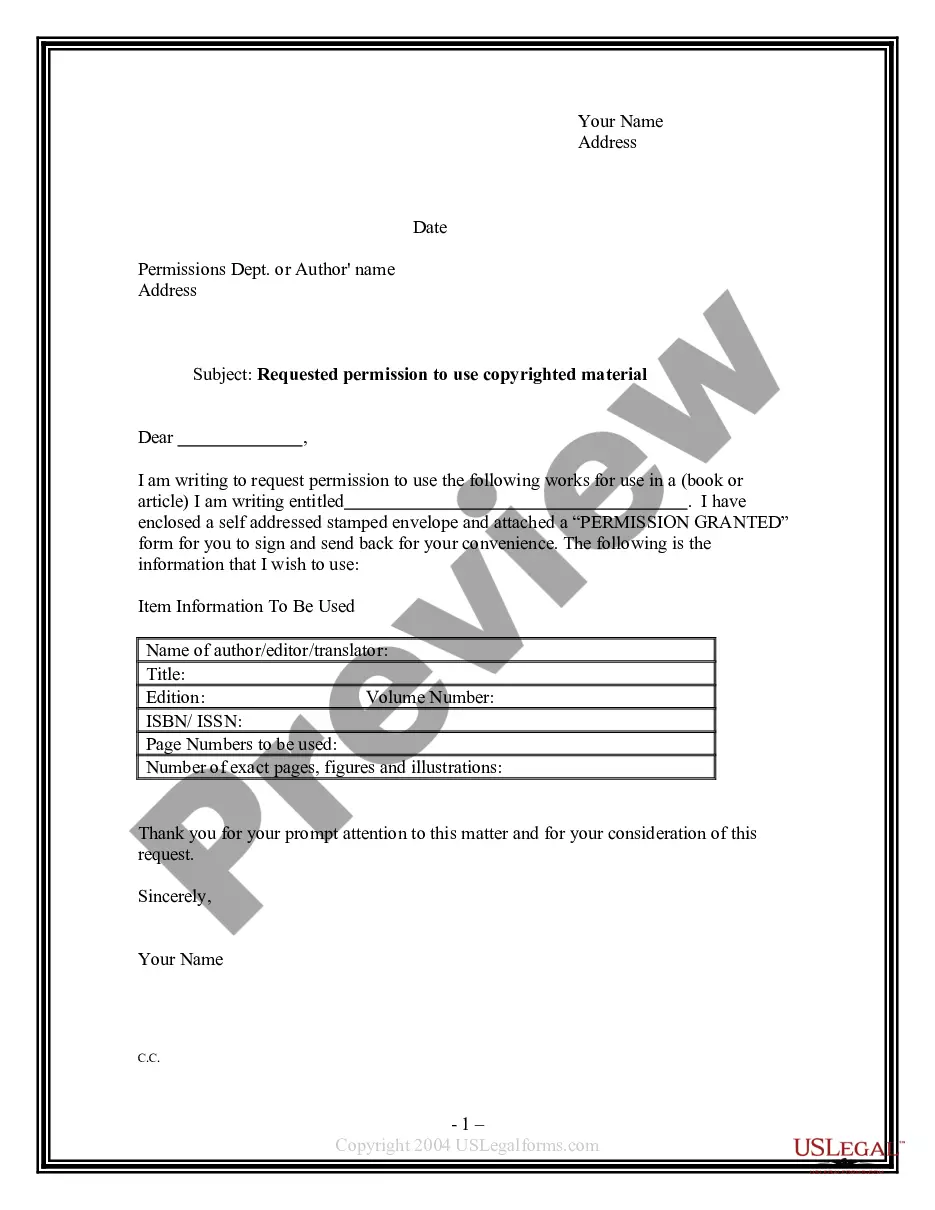
The Request for Permission and Agreement Granting Permission to Reprint Copyrighted Material is a legal document that allows a user to seek consent from a copyright owner to reproduce specific material from their publication. This form distinguishes itself by not only requesting permission but also detailing the conditions under which the material may be used, ensuring compliance with copyright laws. If you are looking to include copyrighted content in your own work, completing this form is essential to avoid any legal complications related to copyright infringement.
Form components explained
- Identification of the copyright owner and their address.
- Details of the proposed user, including their address.
- Description of the copyrighted material to be reprinted, including page numbers and text excerpts.
- Name of the publication from which the material is sourced.
- Information about the book being published, including the anticipated date and price.
- Agreement on crediting the author and restrictions on material use.

When this form is needed
You should use this form when you intend to reproduce copyrighted material from a publication in your own book or work. If you are an author seeking to include excerpts from a previously published work, or a publisher looking to compile various materials from other authors, this form is necessary to legally obtain permission and adhere to copyright regulations.
Who should use this form
- Authors who wish to include copied material in their published works.
- Publishers planning to distribute books that contain republished content.
- Researchers and academics who want to use copyrighted materials in their publications.
- Individuals or organizations seeking to reprint materials for educational or promotional purposes.
How to complete this form
- Identify and fill in the name and address of the copyright owner.
- Complete your name and address as the proposed user.
- Describe the copyrighted material you wish to reproduce, including specific details.
- Enter the title of the publication and book related to the request.
- Sign and date the form as the requesting party.
- Await the copyright owner's signature to finalize the permission.
Does this document require notarization?
This form usually doesn’t need to be notarized. However, local laws or specific transactions may require it. Our online notarization service, powered by Notarize, lets you complete it remotely through a secure video session, available 24/7.
Get your form ready online
Our built-in tools help you complete, sign, share, and store your documents in one place.
Make edits, fill in missing information, and update formatting in US Legal Forms—just like you would in MS Word.
Download a copy, print it, send it by email, or mail it via USPS—whatever works best for your next step.
Sign and collect signatures with our SignNow integration. Send to multiple recipients, set reminders, and more. Go Premium to unlock E-Sign.
If this form requires notarization, complete it online through a secure video call—no need to meet a notary in person or wait for an appointment.
We protect your documents and personal data by following strict security and privacy standards.

Make edits, fill in missing information, and update formatting in US Legal Forms—just like you would in MS Word.

Download a copy, print it, send it by email, or mail it via USPS—whatever works best for your next step.

Sign and collect signatures with our SignNow integration. Send to multiple recipients, set reminders, and more. Go Premium to unlock E-Sign.

If this form requires notarization, complete it online through a secure video call—no need to meet a notary in person or wait for an appointment.

We protect your documents and personal data by following strict security and privacy standards.
Common mistakes to avoid
- Failing to provide a complete description of the material being requested.
- Not specifying the publication date or price of the book.
- Omitting credit details for the original author in the agreement.
- Neglecting to sign the form or obtain the copyright owner's signature.
Why complete this form online
- Convenience of immediate access and download from any location.
- Editability allows users to customize the form to fit specific needs.
- Reliability of using documents drafted by licensed attorneys.
- Quick guidance through the legal requirements and language.
Looking for another form?

Form popularity
FAQ
Once you know who the copyright owner is, you will need to contact them to request permission. The best way to do this is by email or a written request.
Acknowledge the source of your copyright when you are citing a copyrighted work under the fair-use application. In your citation, you should include the title of the work, the name of the author, the date of its publication, and the source.
State your purpose. Begin with a direct statement clearly stating the letter's purpose. Include the full names of yourself, your child, and the person you are granting permission to. If the child has another custodian or parent, write the letter together if possible.
(address) (date) Copyright Permissions Department: I am writing to request permission to (photocopy, scan, post to Blackboard, put on library reserve, put on electronic reserve, include in a course pack, whatever, but be specific) the following material to which, I believe, you hold the copyright.
Be sure to include your return address, telephone and fax numbers, and date at the top of your letter. Verify the exact name and address of the addressee. Clearly state the name of your university and your dissertation's title. Describe the proposed use of the copyrighted material.
Determine if permission is needed. Identify the owner. Identify the rights needed. Contact the owner and negotiate whether payment is required. Get your permission agreement in writing.
Declare the permission in Android Manifest file: In Android permissions are declared in AndroidManifest. Modify activity_main. Check whether permission is already granted or not.
The author of a copyrighted work can prevent others from copying, performing, or using the work without his or her consent. A third party wishing to reprint all or any part of a copyrighted work must first obtain the permission of the copyright holder. Failure to do so could result in a lawsuit and substantial fines.