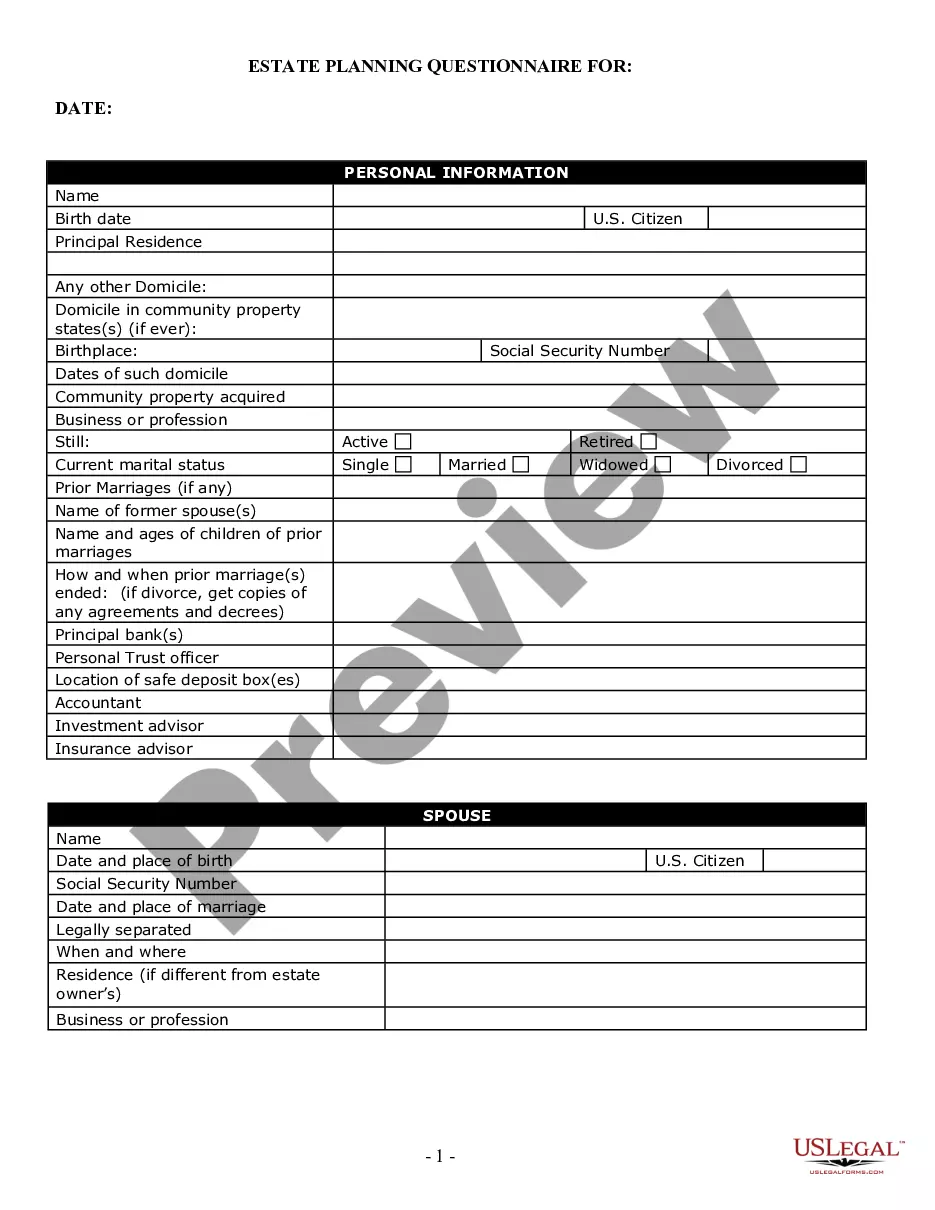
Delaware Revocation of Living Trust

Understanding this form
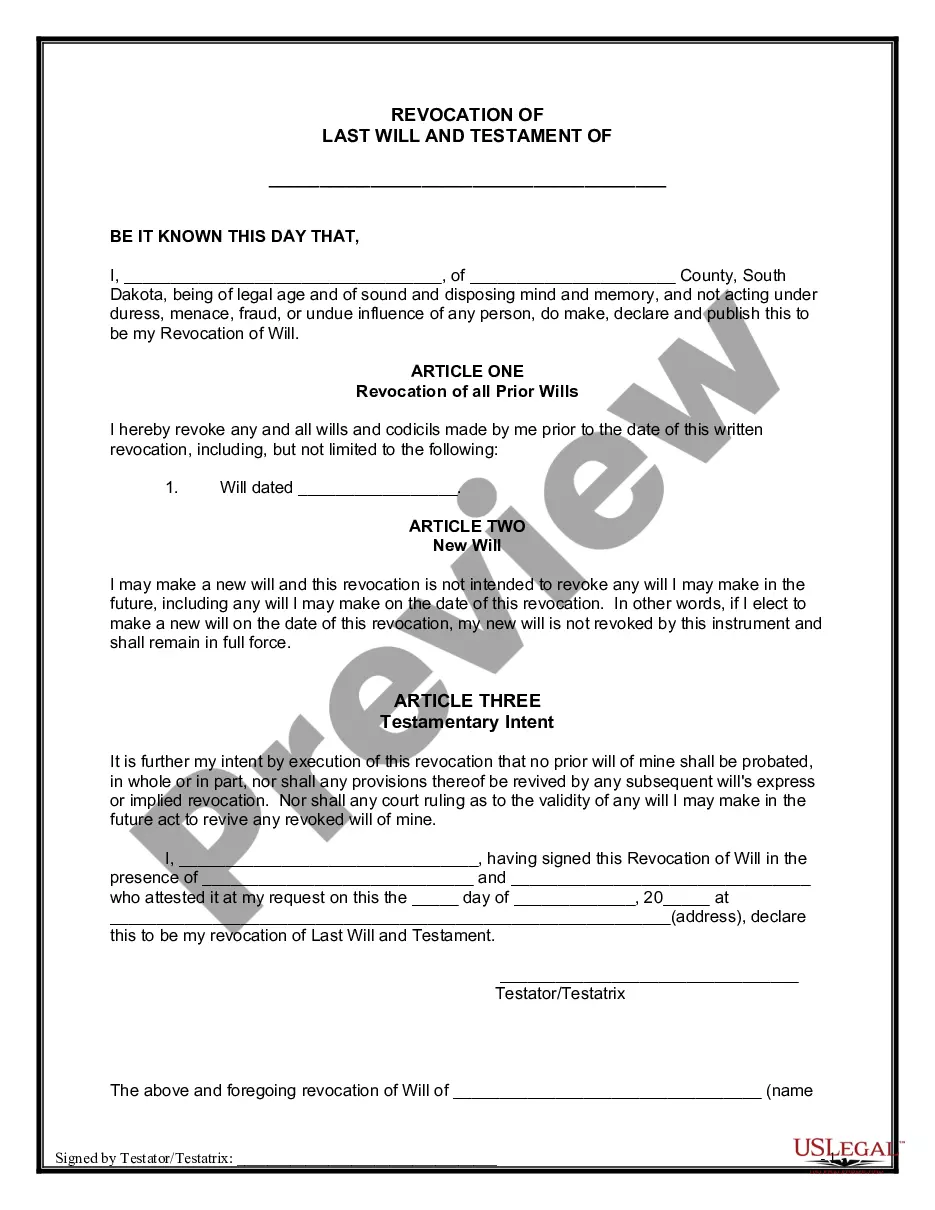
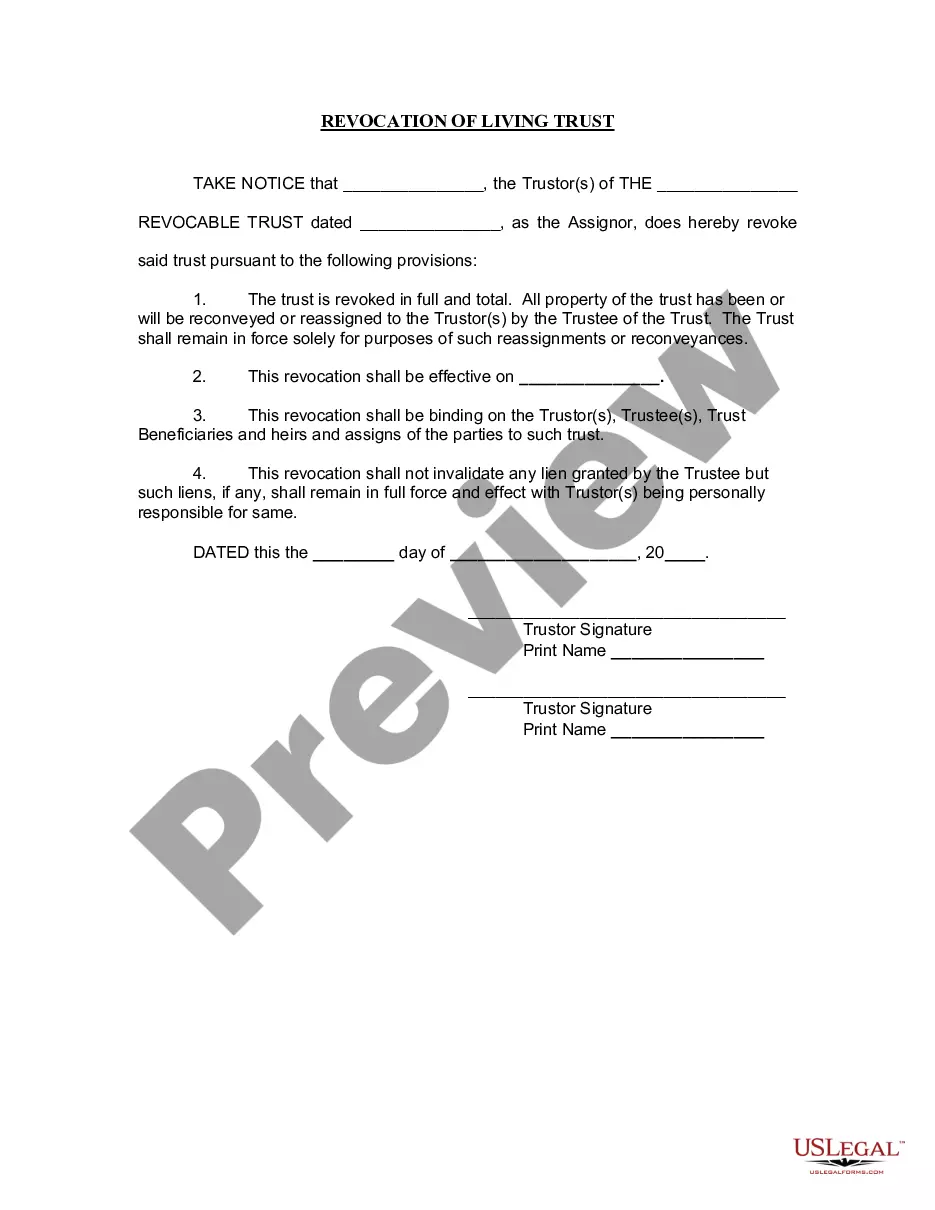
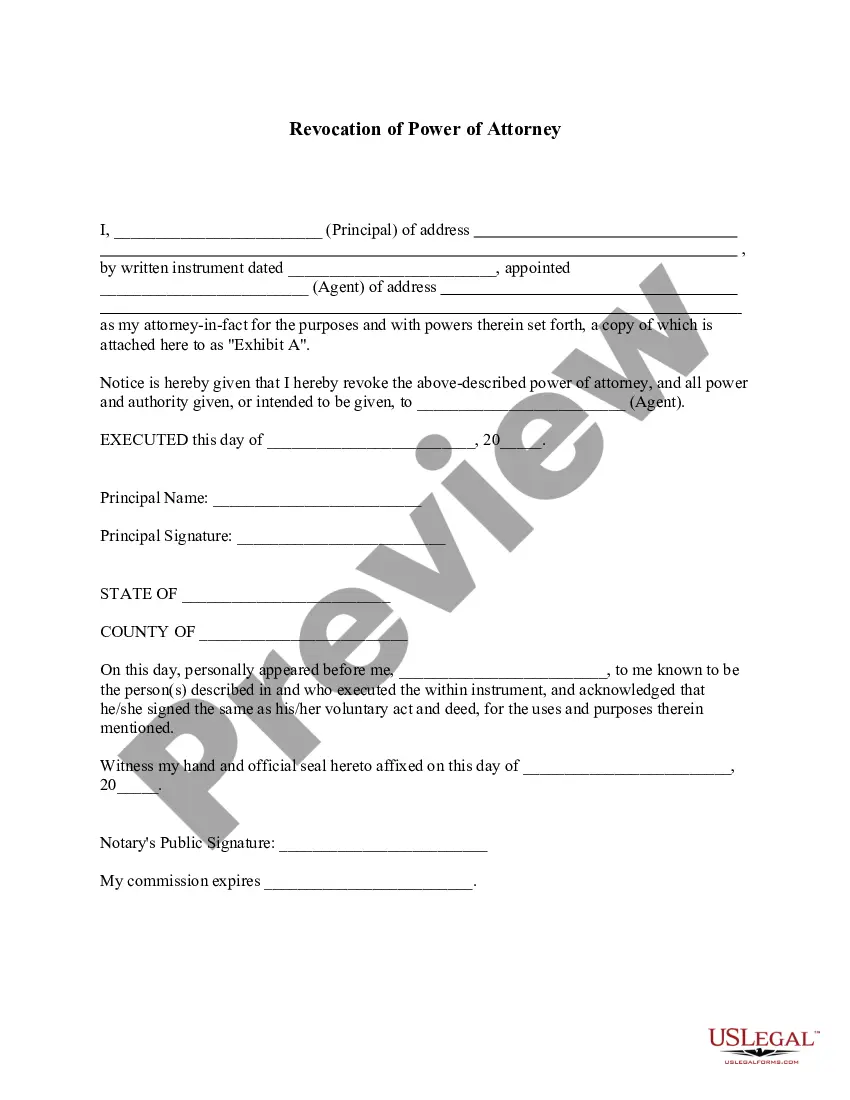
The Revocation of Living Trust form is a legal document that formally cancels a living trust created during a person's lifetime. This form is essential for those looking to revoke an existing trust in its entirety, allowing for the return of trust property to the original trustor(s). Unlike other estate planning documents, this form specifically addresses the annulment of trust provisions and requires notarization for validity.
Key parts of this document
- Identification of the Trustor(s) and the specific trust being revoked.
- A declaration of the full and total revocation of the living trust.
- A clause confirming reconveyance of trust property to the Trustor(s).
- Effective date of the revocation.
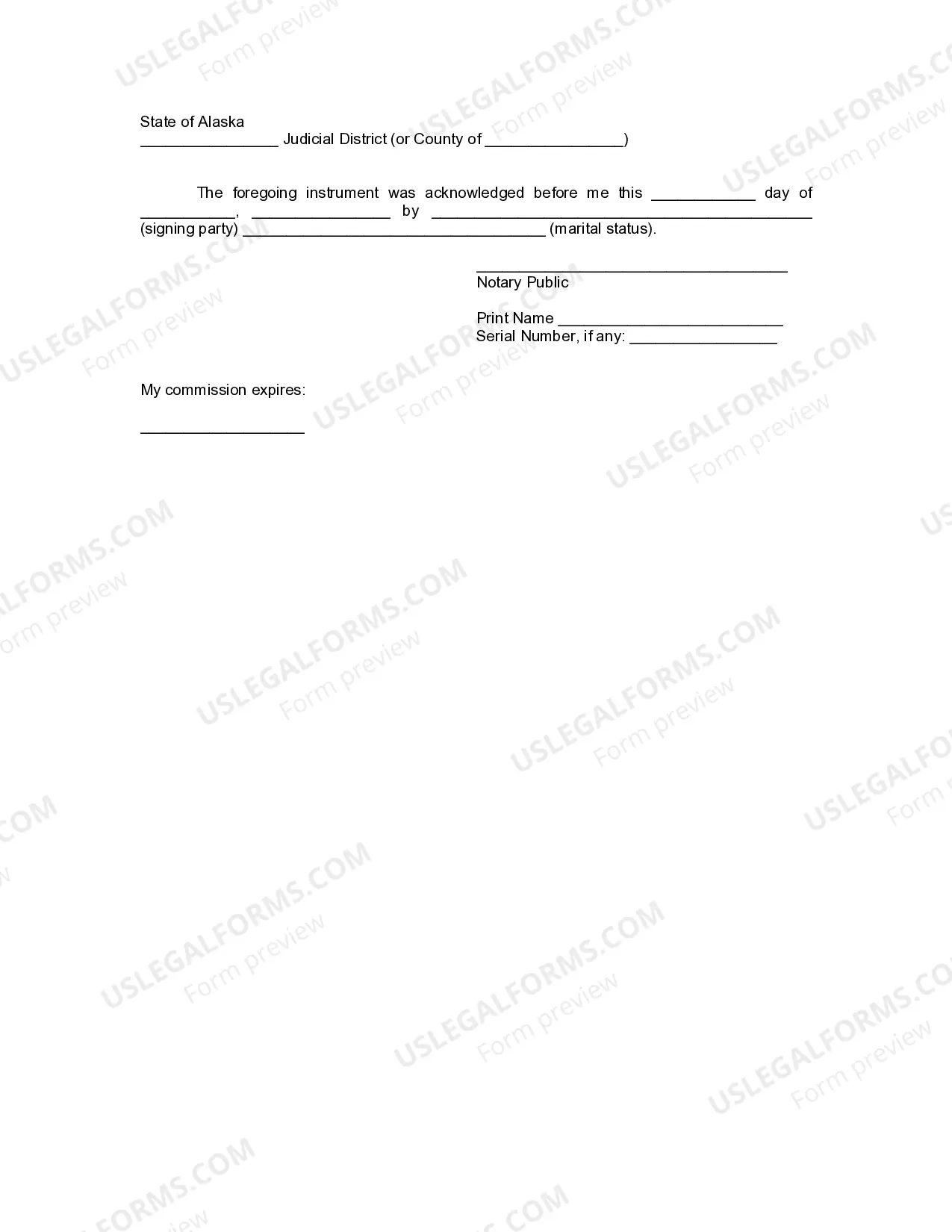
- Signatures of the Trustor(s) and notarization requirements.

When to use this document
This form should be used when the trustor(s) decides to terminate their living trust for reasons such as a change in estate planning preferences, alterations in personal circumstances, or dissatisfaction with the trust management. It is also necessary if the trustor(s) wish to reclaim their assets directly.
Who can use this document
- Individuals who are the trustor(s) of a living trust and wish to revoke it.
- Estate planners or attorneys helping clients manage changes to living trusts.
- People who have experienced significant life changes, such as marriage, divorce, or a change in financial status.
Completing this form step by step
- Identify the Trustor(s) by filling in their names at the beginning of the form.
- Specify the name of the trust being revoked and the date it was established.
- Declare the full revocation of the trust and note that all property will be returned to the Trustor(s).
- Set the effective date of the revocation.
- Ensure that both Trustor(s) sign the document in the presence of a notary public.
Does this form need to be notarized?
Yes, this form must be notarized to be legally valid. When using US Legal Forms, you can take advantage of integrated online notarization services available 24/7, allowing you to complete the process securely via video call without needing to travel.
Get your form ready online
Our built-in tools help you complete, sign, share, and store your documents in one place.
Make edits, fill in missing information, and update formatting in US Legal Forms—just like you would in MS Word.
Download a copy, print it, send it by email, or mail it via USPS—whatever works best for your next step.
Sign and collect signatures with our SignNow integration. Send to multiple recipients, set reminders, and more. Go Premium to unlock E-Sign.
If this form requires notarization, complete it online through a secure video call—no need to meet a notary in person or wait for an appointment.
We protect your documents and personal data by following strict security and privacy standards.

Make edits, fill in missing information, and update formatting in US Legal Forms—just like you would in MS Word.

Download a copy, print it, send it by email, or mail it via USPS—whatever works best for your next step.

Sign and collect signatures with our SignNow integration. Send to multiple recipients, set reminders, and more. Go Premium to unlock E-Sign.

If this form requires notarization, complete it online through a secure video call—no need to meet a notary in person or wait for an appointment.

We protect your documents and personal data by following strict security and privacy standards.
Mistakes to watch out for
- Failing to have the form notarized, which can render the revocation invalid.
- Not providing the full and correct name of the trust being revoked.
- Leaving the effective date blank, which can lead to confusion about when the revocation applies.
Benefits of using this form online
- Instant access to a professionally drafted template tailored to legal standards.
- The ability to download and complete the form at your own pace, ensuring accuracy.
- Reduced time spent on legal processes compared to hiring an attorney for the same task.
Looking for another form?
Form popularity
FAQ
Revoking a revocable living trust typically involves creating a formal document that states your intention to revoke the trust. This process is central to Delaware Revocation of Living Trust and usually requires you to notify any beneficiaries or trustees. Ensure that you follow state-specific legal requirements to avoid complications. If you find yourself unsure of the procedure, consider using our platform, US Legal Forms, to access the necessary documents and guidance.
A revocable trust transitions to an irrevocable trust upon the death of the grantor or when the grantor explicitly indicates an intention to make it irrevocable. Understanding this is crucial in the context of Delaware Revocation of Living Trust, as it affects how assets are managed. Once the trust becomes irrevocable, you can no longer make changes without following specific legal procedures. It is always wise to consult with an attorney to navigate these transitions effectively.
The language used to revoke a trust should clearly express the grantor's intentions. Phrases like 'I revoke my trust' or 'I hereby terminate the Name of Trust' are commonly used in Delaware Revocation of Living Trust documents. Clarity and specificity are essential to avoid any legal ambiguities. For your convenience, US Legal Forms offers templates that include suggested language for trust revocation, ensuring you communicate your intentions effectively.
Revoking a Delaware Revocation of Living Trust requires you to draft a clear revocation statement that specifies your intention to cancel the trust. Once completed, the document should be signed and dated by you, the grantor, to ensure validity. It is crucial to notify the trustee and beneficiaries about the revocation to prevent misunderstandings. US Legal Forms offers templates that guide you through this process, making it straightforward and efficient.
To make changes to a Delaware Revocation of Living Trust, you usually need to create an amendment document. This document must clearly outline the modifications you wish to implement, specifying which sections of the original trust are affected. It is advisable to sign and date the amendment for legal validity. Many individuals find it helpful to use US Legal Forms, which provides templates for trust amendments, ensuring compliance with legal requirements.
Filling out a Delaware Revocation of Living Trust involves including essential information such as the grantor's name, trustee's name, and the trust's purpose. You should specify the assets included in the trust and clearly state your intentions concerning management and distribution. Using US Legal Forms makes this process easier, as they offer user-friendly templates designed for simplicity and compliance with Delaware laws.
An example of Delaware Revocation of Living Trust may involve a trust document stating, 'I, Grantor Name, hereby revoke the Name of Trust established on Date of Establishment.' Including the trust's details ensures clarity and prevents confusion about which trust is revoked. This example highlights the importance of precision in legal documents, which you can achieve through reliable templates from US Legal Forms.
A sample of Delaware Revocation of Living Trust typically includes a formal statement indicating the intention to revoke the trust. This document should clearly identify the original trust and the individual revoking it. It should also be signed and dated by the grantor to ensure it is legally binding. You can find samples on platforms like US Legal Forms, which provide templates for easy customization.
A trust can be terminated in three primary ways: through revocation by the grantor, by reaching a specified date in the trust document, or by operation of law. In the case of revocation, you have the authority to dissolve a revocable trust at any time. Understanding these methods is crucial for effectively managing your Delaware Revocation of Living Trust.
Revoking a revocable trust is straightforward, especially if you follow the trust guidelines. You need to draft a revocation document that clearly states your intention to revoke the trust and sign it appropriately. While this process can be done independently, many find it helpful to use services like UsLegalForms to ensure all legal formalities are correctly followed for the Delaware Revocation of Living Trust.