South Dakota Written Revocation of Will
What is this form?
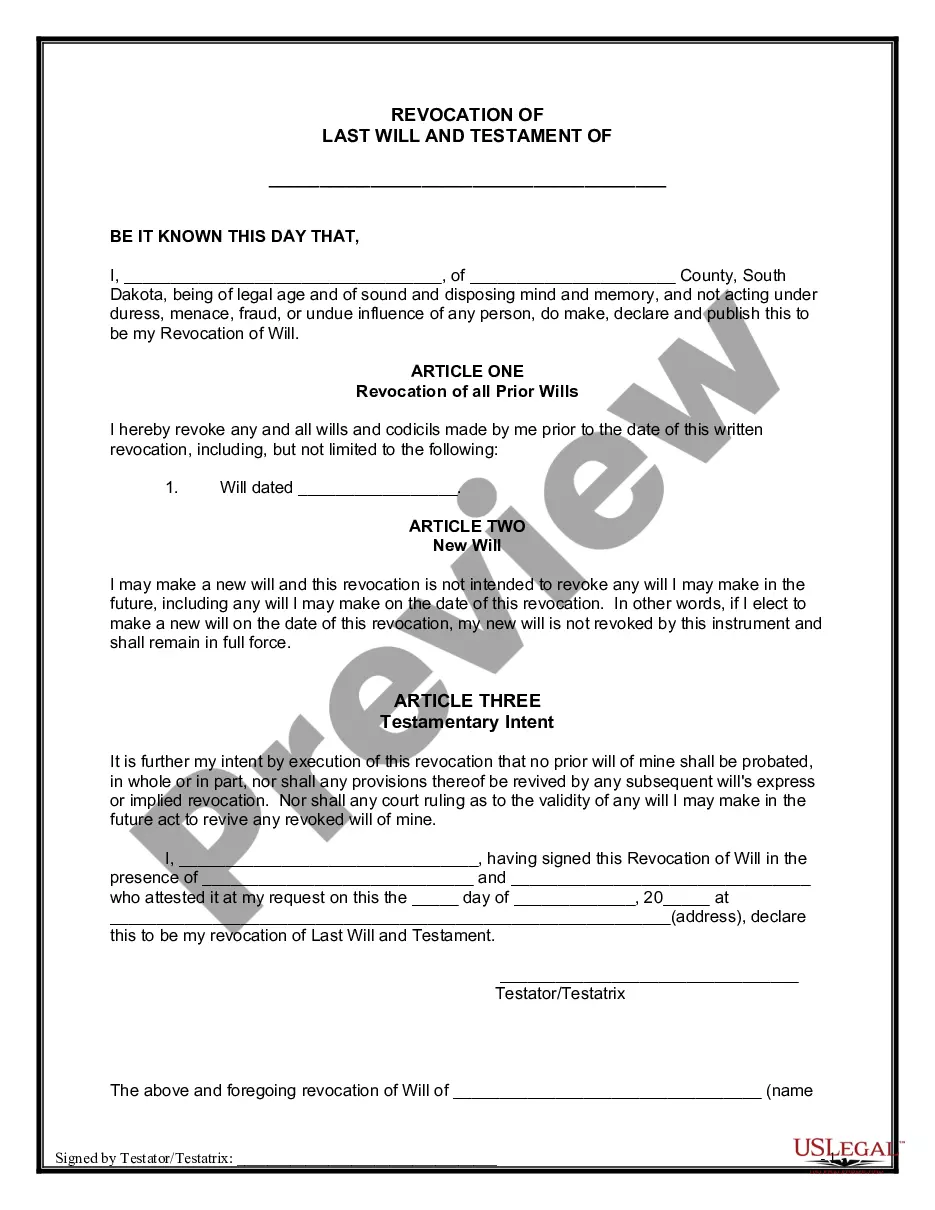
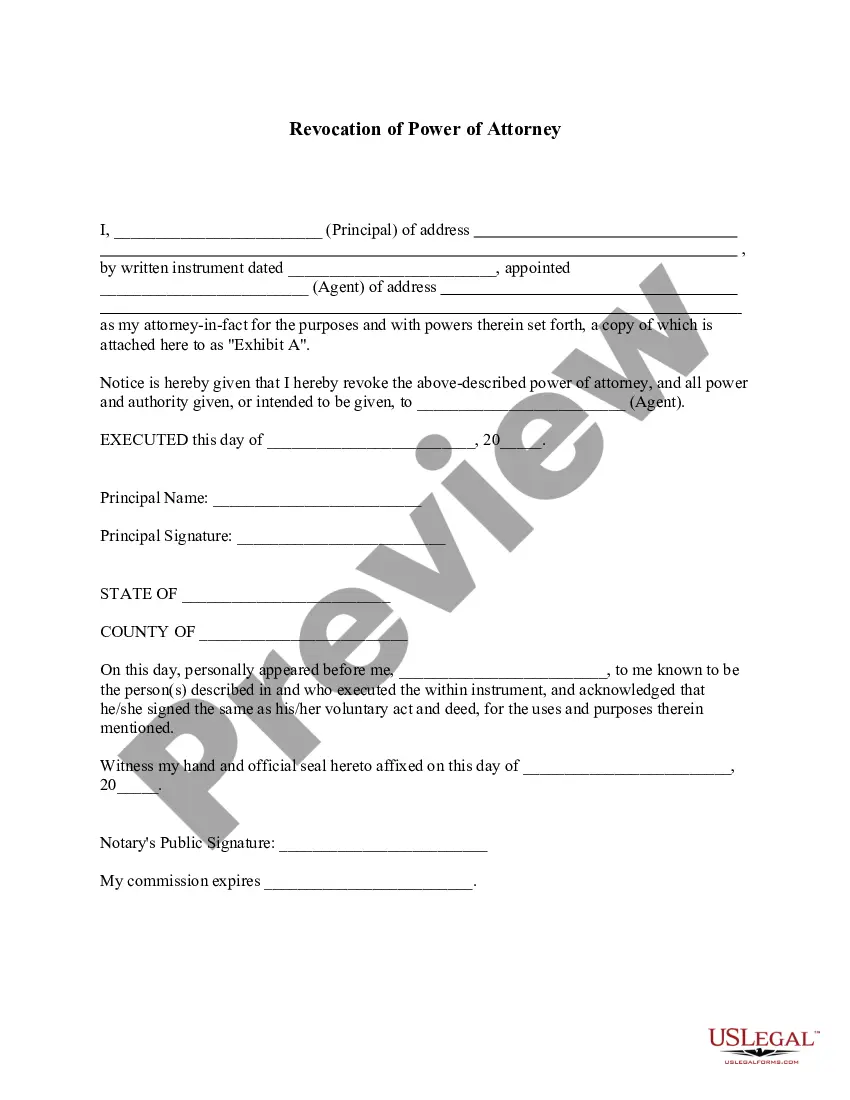
The Written Revocation of Will is a legal document used to formally revoke a previously made will. Unlike a new will, which may contain a clause to revoke prior wills, this separate revocation ensures clarity and legal intent, preventing any old wills from being probated. It serves as a definitive statement that no prior wills should be considered valid by the courts or your heirs.
Main sections of this form
- Revocation of all prior wills and codicils up to the date of the revocation.
- A declaration of intent, ensuring that the revocation will prevent prior wills from being probated.
- Instructions for creating new wills after the revocation, ensuring they remain valid.
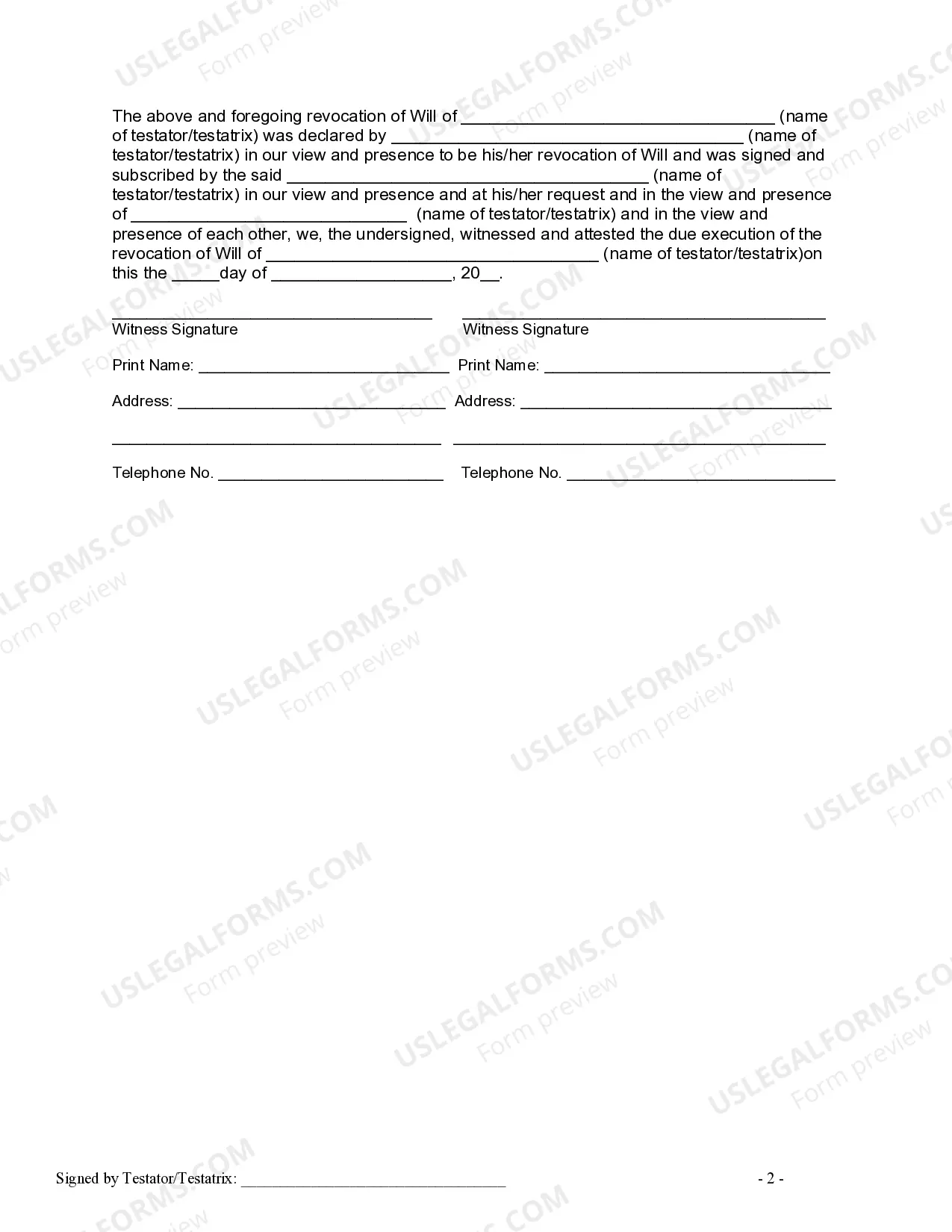
- Signature lines for the testator/testatrix and witnesses to attest to the execution of the document.
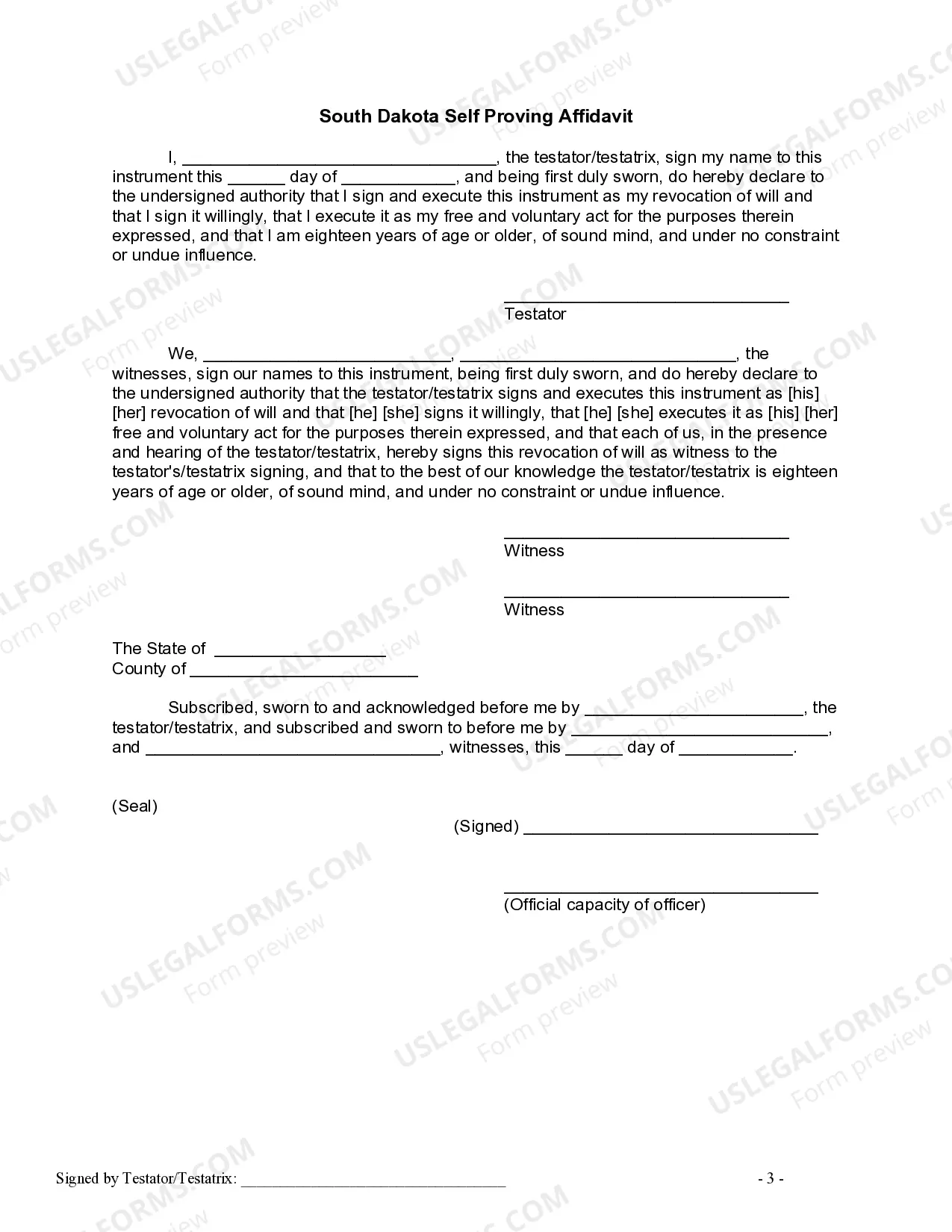
- A self-proving affidavit section, if required by state law.

When this form is needed
This form is beneficial when you wish to clearly cancel an existing will. Common scenarios include changes in personal circumstances, such as marriage, divorce, or changes in assets. It can also be used if you want to ensure your heirs do not probate an older will that you no longer favor.
Who should use this form
- Individuals who have an existing will that they want to revoke.
- Those who are updating their estate planning due to life changes.
- Anyone who wants to prevent a prior will from being considered valid in probate court.
Instructions for completing this form
- Identify yourself as the testator/testatrix at the beginning of the document.
- Clearly state the date of any prior wills you are revoking.
- Sign the document in front of witnesses to attest the revocation.
- Ensure the witnesses also sign and print their names and addresses.
- If necessary, complete the self-proving affidavit section to enhance the document's legal standing.
Is notarization required?
This document requires notarization to meet legal standards. US Legal Forms provides secure online notarization powered by Notarize, allowing you to complete the process through a verified video call, available 24/7.
Get your form ready online
Our built-in tools help you complete, sign, share, and store your documents in one place.
Make edits, fill in missing information, and update formatting in US Legal Forms—just like you would in MS Word.
Download a copy, print it, send it by email, or mail it via USPS—whatever works best for your next step.
Sign and collect signatures with our SignNow integration. Send to multiple recipients, set reminders, and more. Go Premium to unlock E-Sign.
If this form requires notarization, complete it online through a secure video call—no need to meet a notary in person or wait for an appointment.
We protect your documents and personal data by following strict security and privacy standards.

Make edits, fill in missing information, and update formatting in US Legal Forms—just like you would in MS Word.

Download a copy, print it, send it by email, or mail it via USPS—whatever works best for your next step.

Sign and collect signatures with our SignNow integration. Send to multiple recipients, set reminders, and more. Go Premium to unlock E-Sign.

If this form requires notarization, complete it online through a secure video call—no need to meet a notary in person or wait for an appointment.

We protect your documents and personal data by following strict security and privacy standards.
Avoid these common issues
- Failing to properly sign the document in front of witnesses.
- Not including the specific date of the prior will(s) being revoked.
- Overlooking the need for the form to be properly executed according to state laws.
Why use this form online
- Instant access to a legally drafted form that saves time and reduces confusion.
- Editability allows you to customize the document to fit your specific needs easily.
- Convenience of obtaining a document without the need for an in-person appointment with an attorney.
Looking for another form?

Form popularity
FAQ
In simple terms, you can create a handwritten document solely in your own handwriting and signed by you which can serve as your last will and testament. It's important to emphasize that no portion of the document may be typewritten and no witnesses or notaries are required.
Revocation by another will or codicil. Most wills have a clause revoking prior wills, such as I revoke all former testamentary dispositions. Revocation by declaration in writing. Revocation by destruction. Revocation by marriage. Revocation by divorce.
If you want to make changes to your will after you and your witnesses have signed it, you have two options. You can either make a codicil to your existing will or make a new will.You can have a lawyer write your codicil for you, or you can make one yourself.
Generally, wills do not specify the requirements for executing a codicil, as this is governed by the California Probate Code.A holographic codicil does not have to be signed in the presence of any witnesses, but must be signed and dated by the testator. Amendments to a trust must comply with the terms of the Trust.
You are allowed to make handwritten changes on the face of the will. However, this is generally not a good idea, unless the amendment is very minor, as it can cause your wishes to be uncertain or invalid. Generally, handwritten changes should not be considered for anything more than correcting a spelling or address.
You cannot amend your will after it's been signed and witnessed. The only way you can change a will is by making an official alteration called a codicil. You must sign a codicil and get it witnessed in the same way as witnessing a will. There's no limit on how many codicils you can add to a will.
A will can also be declared invalid if someone proves in court that it was procured by undue influence. This usually involves some evil-doer who occupies a position of trust -- for example, a caregiver or adult child -- manipulating a vulnerable person to leave all, or most, of his property to the manipulator instead
If you have a Will, either type-written or handwritten, and you make changes to it later on by crossing out provisions, overwriting them, inserting new words or sentences, or any other edits to the text, and you do not do so in front of two witnesses who watch you re-sign each change, then the will probably will not be
Destroy It Tearing, burning, shredding or otherwise destroying a will makes it null and void, according to the law office of Barrera Sanchez & Associates. The testator might do this personally or order someone else to do it while he witnesses the act.