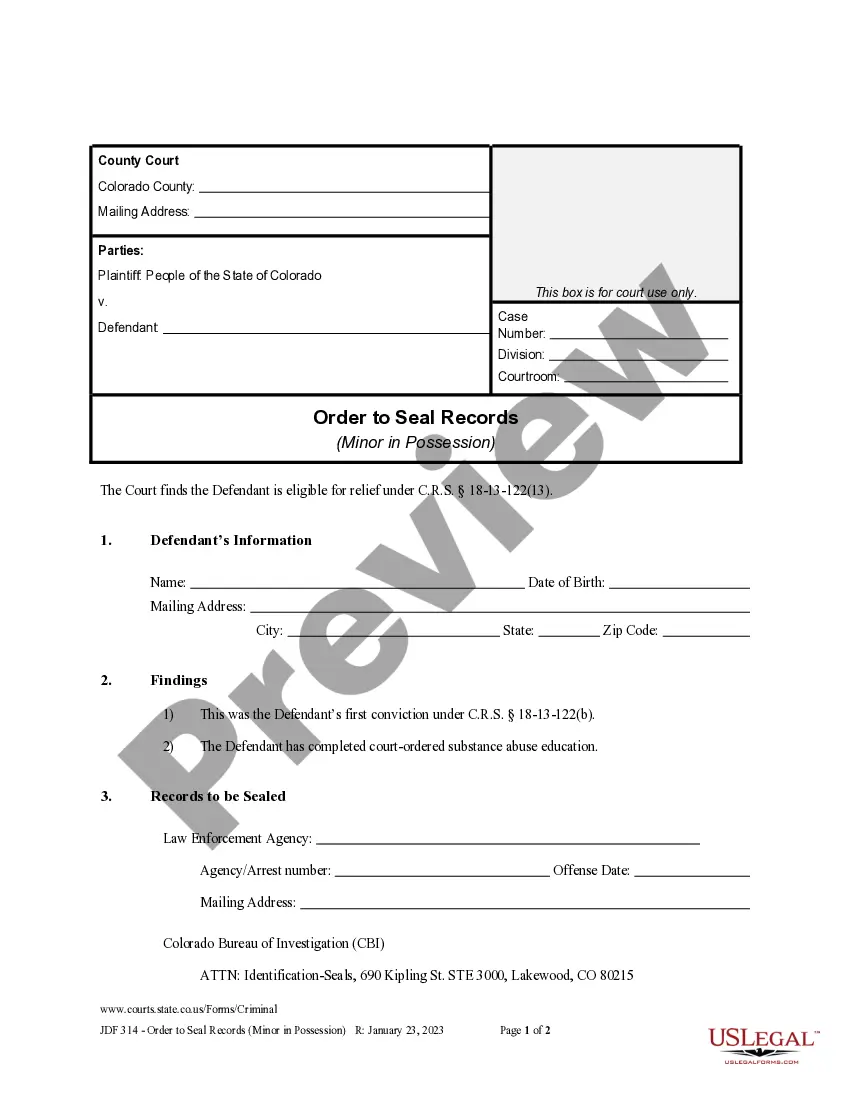
Freeware License Terms
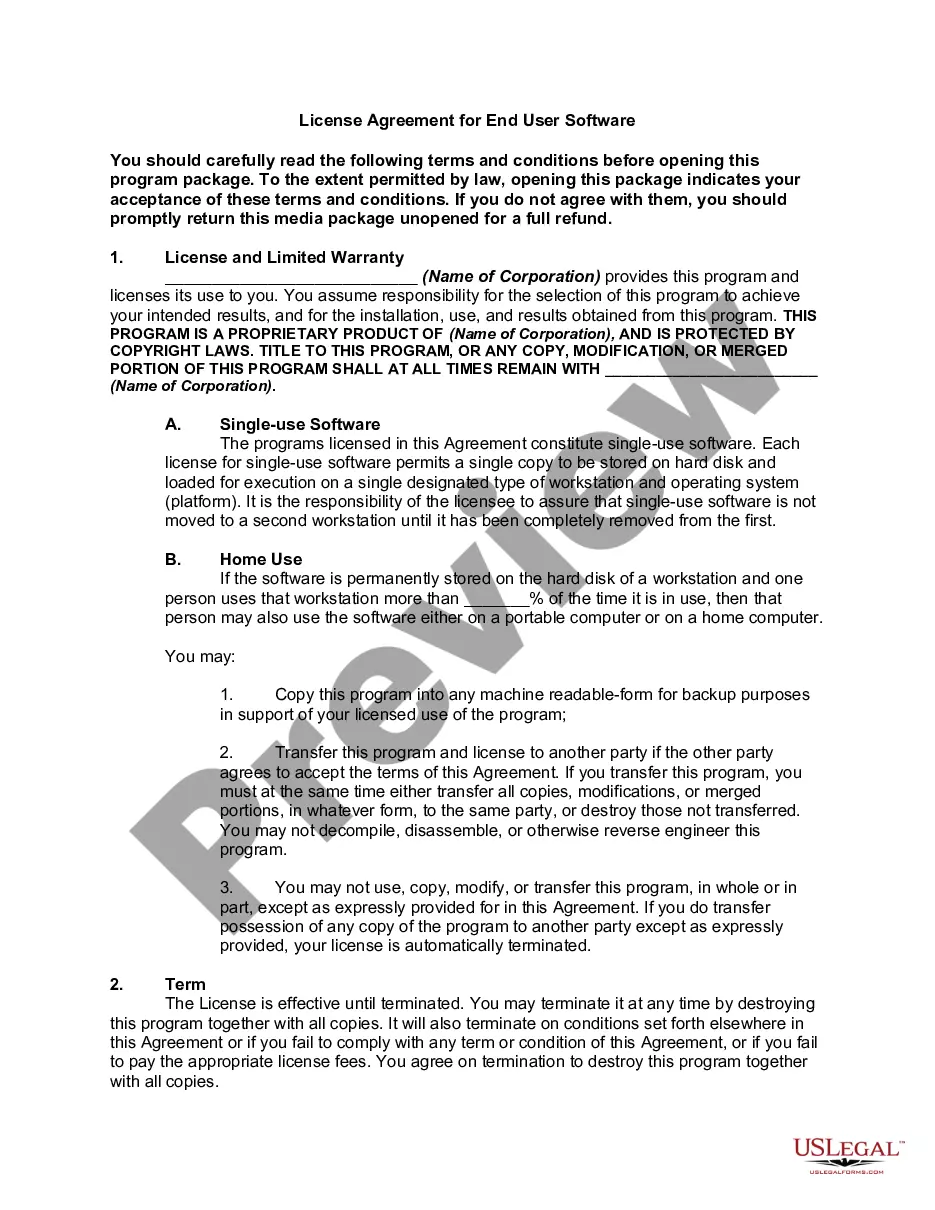
What is this form?
The Freeware License Terms form is a legal document that outlines the conditions under which software offered for free, known as freeware, can be used. Unlike commercial software, freeware does not require payment; however, it still comes with an End User License Agreement (EULA) that specifies how the software can be used and any restrictions that apply. This form is essential for users to understand their rights and obligations when downloading and using freeware, ensuring compliance with the licensor's terms.
Key components of this form
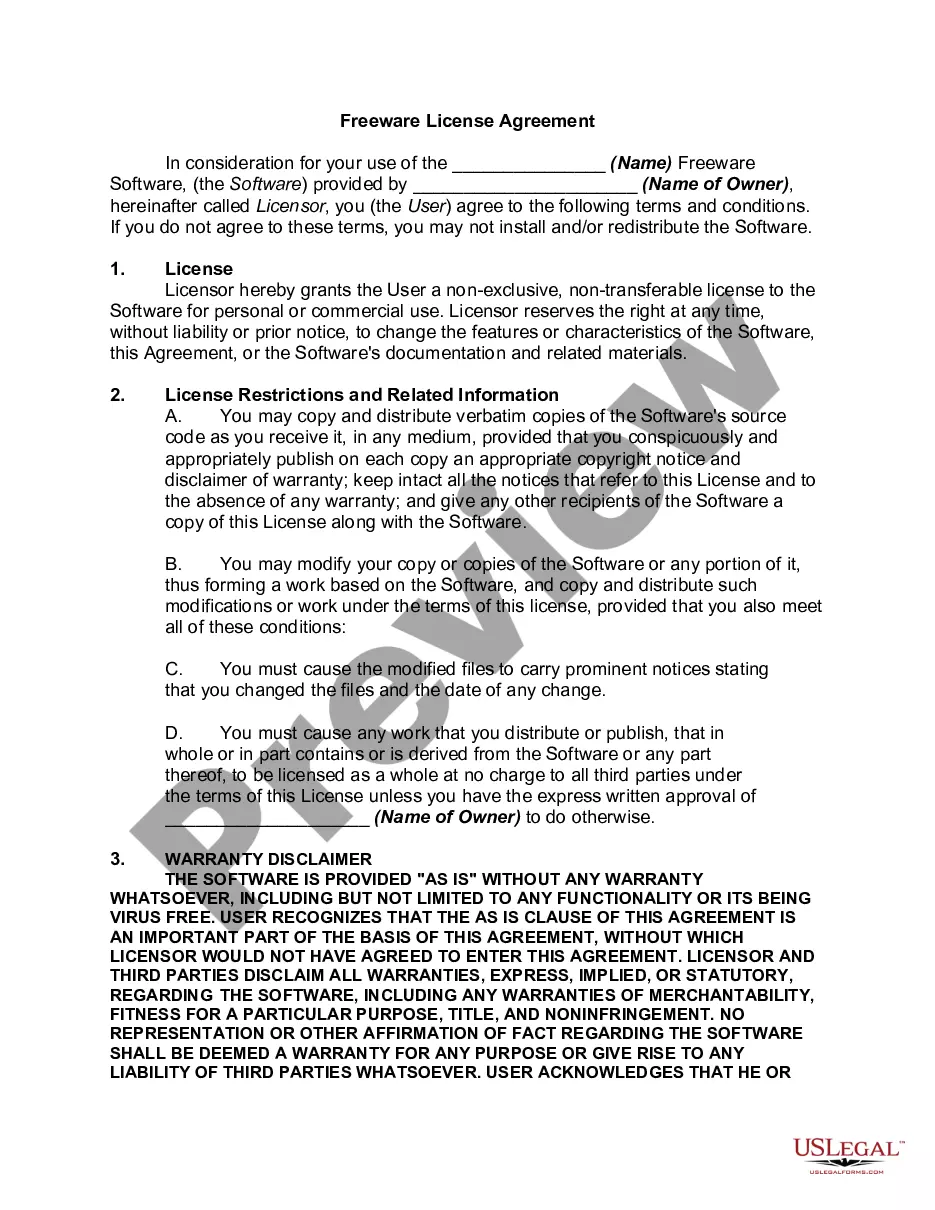
- License Grant: Specifies that the user receives a non-exclusive license to use the freeware.
- Usage Restrictions: Defines that the software can only be used on a single computer and prohibits alterations or redistribution.
- Backup Copy: Allows the user to create one backup copy for personal use.
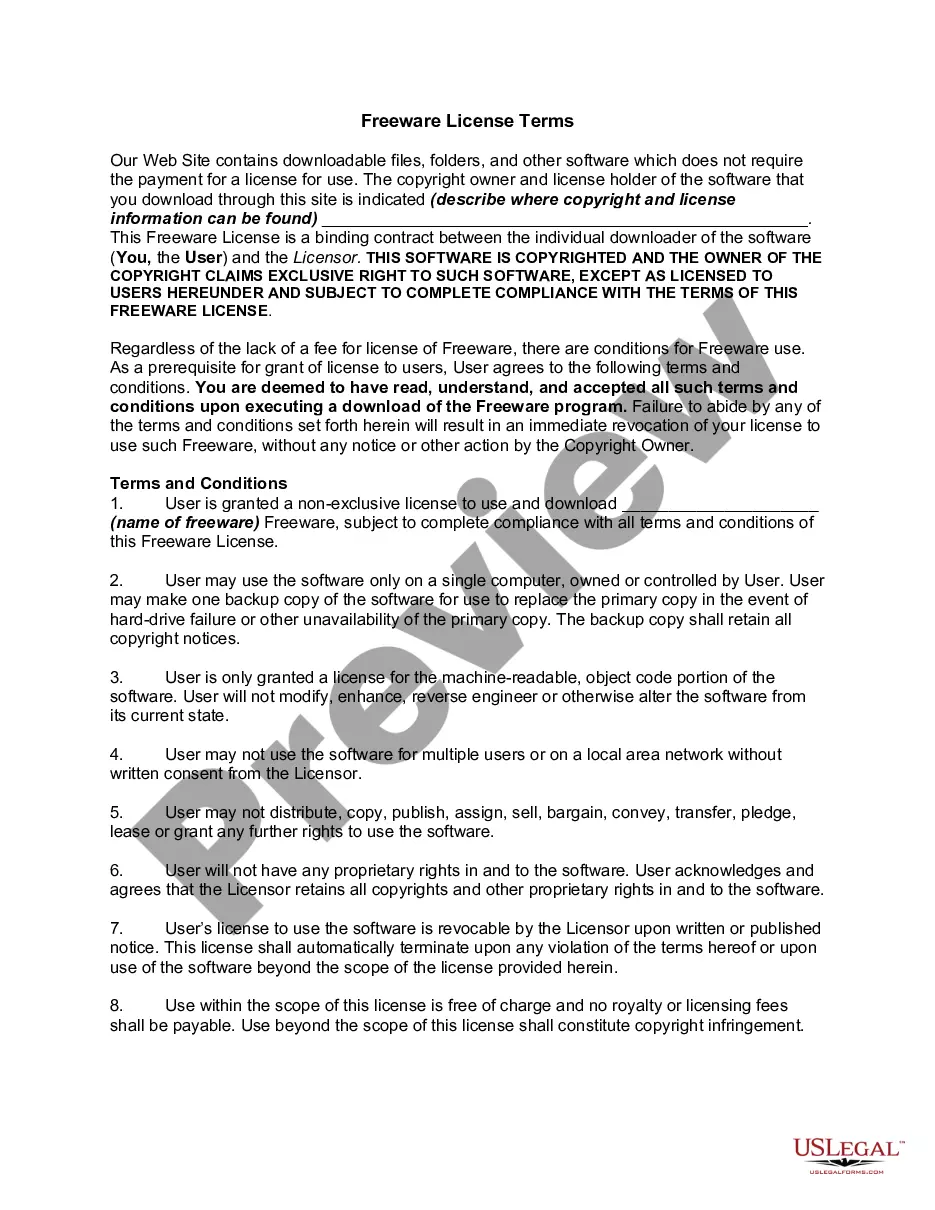
- Termination of License: States that the license can be revoked if the terms are violated.
- Disclaimers: Includes disclaimers regarding warranties and liabilities.
- Governing Law: Indicates the state law that governs the license agreement.
Situations where this form applies
This form should be used when you download freeware from the internet. It is important to review the Freeware License Terms to understand your rights and limitations regarding the software. If you plan on using freeware in a professional setting, or if you are distributing freeware to others, this form provides essential legal protection and clarity on how to proceed.
Who this form is for
- Individuals downloading freeware for personal use.
- Businesses using freeware in operational activities.
- Developers who intend to redistribute freeware.
- Any user who wishes to understand their rights and obligations when using freeware.
How to complete this form
- Review the license terms carefully before downloading the freeware.
- Identify the name of the freeware to which this license applies.
- Specify that you agree to the terms upon downloading the software.
- Ensure you understand the restrictions relating to usage, distribution, and modifications.
- Download the software and retain a copy of this license for your records.
Notarization requirements for this form
Notarization is generally not required for this form. However, certain states or situations might demand it. You can complete notarization online through US Legal Forms, powered by Notarize, using a verified video call available anytime.
Get your form ready online
Our built-in tools help you complete, sign, share, and store your documents in one place.
Make edits, fill in missing information, and update formatting in US Legal Forms—just like you would in MS Word.
Download a copy, print it, send it by email, or mail it via USPS—whatever works best for your next step.
Sign and collect signatures with our SignNow integration. Send to multiple recipients, set reminders, and more. Go Premium to unlock E-Sign.
If this form requires notarization, complete it online through a secure video call—no need to meet a notary in person or wait for an appointment.
We protect your documents and personal data by following strict security and privacy standards.

Make edits, fill in missing information, and update formatting in US Legal Forms—just like you would in MS Word.

Download a copy, print it, send it by email, or mail it via USPS—whatever works best for your next step.

Sign and collect signatures with our SignNow integration. Send to multiple recipients, set reminders, and more. Go Premium to unlock E-Sign.

If this form requires notarization, complete it online through a secure video call—no need to meet a notary in person or wait for an appointment.

We protect your documents and personal data by following strict security and privacy standards.
Avoid these common issues
- Not reading the license agreement before downloading the software.
- Assuming freeware can be altered or sold without permission.
- Using the software on multiple computers without adhering to the license terms.
- Failing to back up the software correctly while keeping copyright notices intact.
Why use this form online
- Immediate access to legal documentation needed for software use.
- Easily downloadable and printable for personal records.
- Clear understanding of rights and obligations reduces legal risks.
- Convenient reference for compliance when using or distributing freeware.
Legal use & context
- The Freeware License Terms create a legally binding agreement between the user and the licensor.
- Users must comply with the terms to avoid revocation of the license.
- Failure to follow the terms may lead to legal consequences, including copyright infringement.
Main things to remember
- The Freeware License Terms are essential for protecting both users and copyright owners.
- Compliance with the terms is crucial to avoid losing access to the software.
- This form clearly outlines user rights and limitations in a user-friendly format.
Looking for another form?

Form popularity
FAQ
Free software is software that comes with permission for anyone to use, copy, and/or distribute, either verbatim or with modifications, either gratis or for a fee. In particular, this means that source code must be available.
Freeware is a piece of software or a program that can be downloaded, installed, and used at no cost. This, however, doesn't grant any further rights (just like any other commercial software). Namely, you cannot have access to the source code, use it for commercial purposes, redistribute, or change it.
Download a template for a licensing agreement. Choose your role as the licensor or licensee. Define the license(s) in the agreement. Decide whether the license is exclusive or not. Settle the matter of fees and payment schedule. Add a renewal date and rules.
Setting up Your Licensing Agreement. Granting the License. Limiting Your Liability. Adding Boilerplate Clauses. Finalizing the Licensing Agreement.
Freeware is software that is free to use. Unlike commercial software, it does not require any payment or licensing fee. It is similar to shareware, but will not eventually ask you for payment to continue using the software. You can legally download and use freeware for as long as you want without having to pay for it.
A free-software license is a notice that grants the recipient of a piece of software extensive rights to modify and redistribute that software.Free-software licenses are applied to software in source code and also binary object-code form, as the copyright law recognizes both forms.
Freeware is software, most often proprietary, that is distributed at no monetary cost to the end user. There is no agreed-upon set of rights, license, or EULA that defines freeware unambiguously; every publisher defines its own rules for the freeware it offers.
Public domain. This is the most permissive type of software license. Permissive. LGPL. Copyleft. Proprietary.