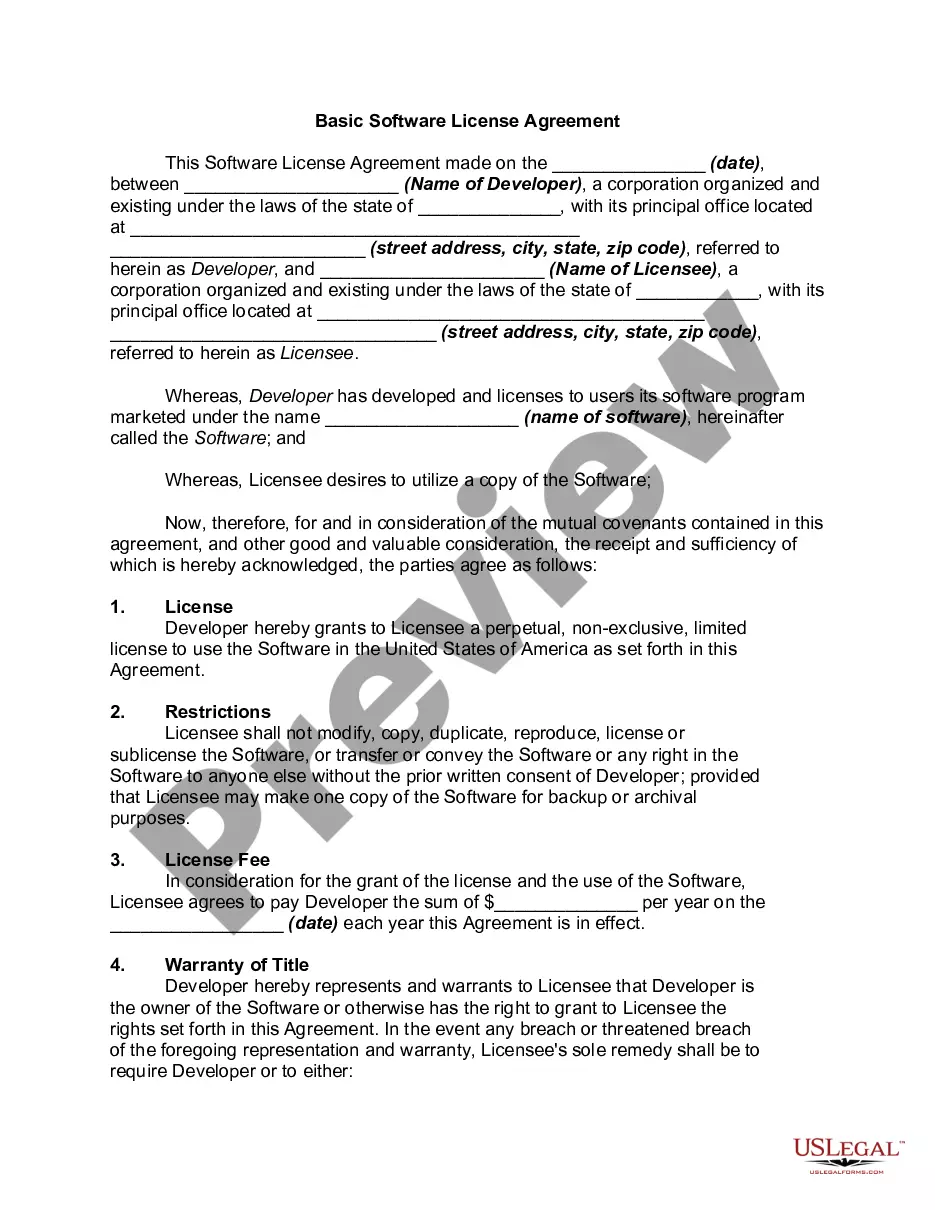
Basic Software License Agreement
What this document covers
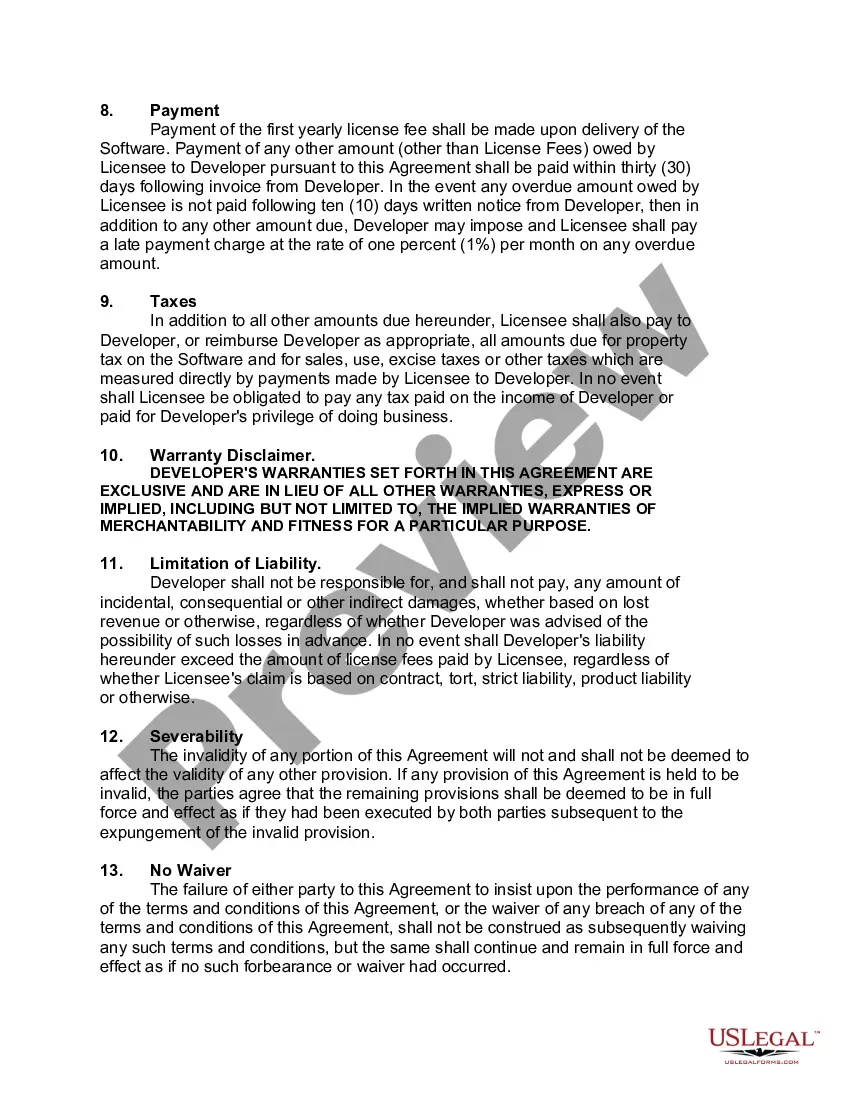
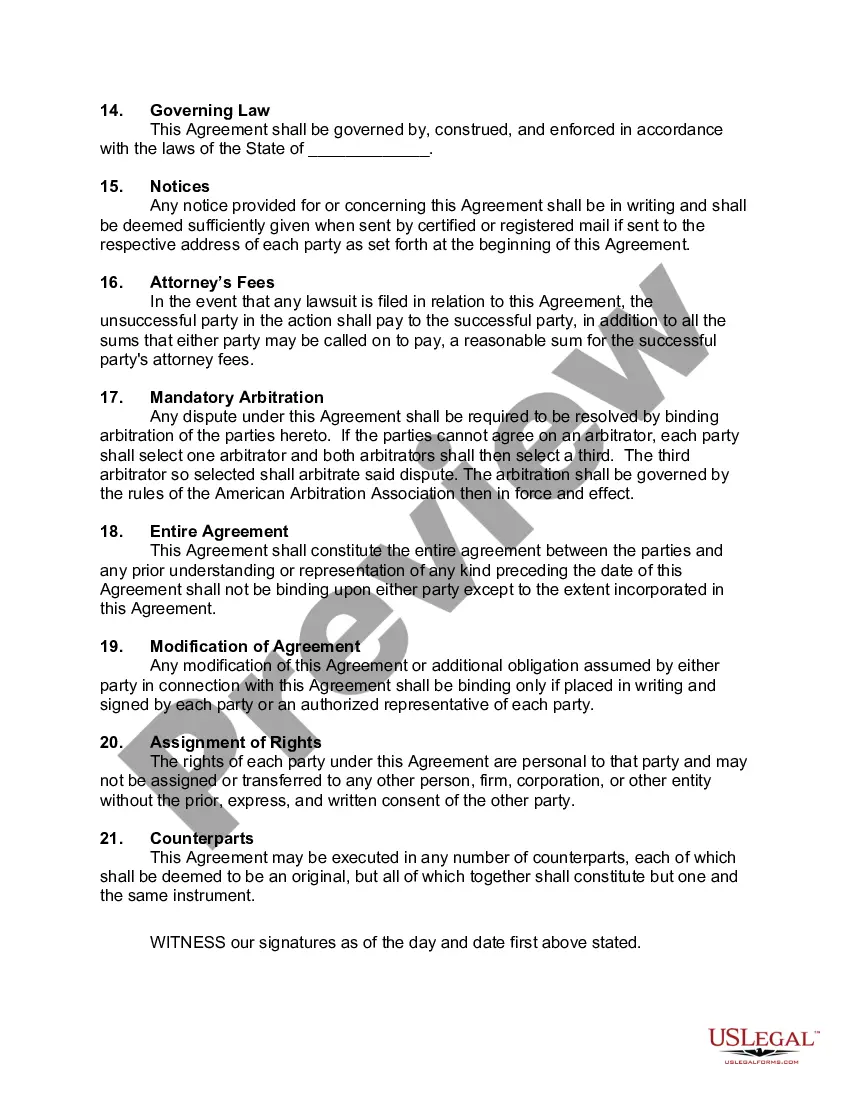
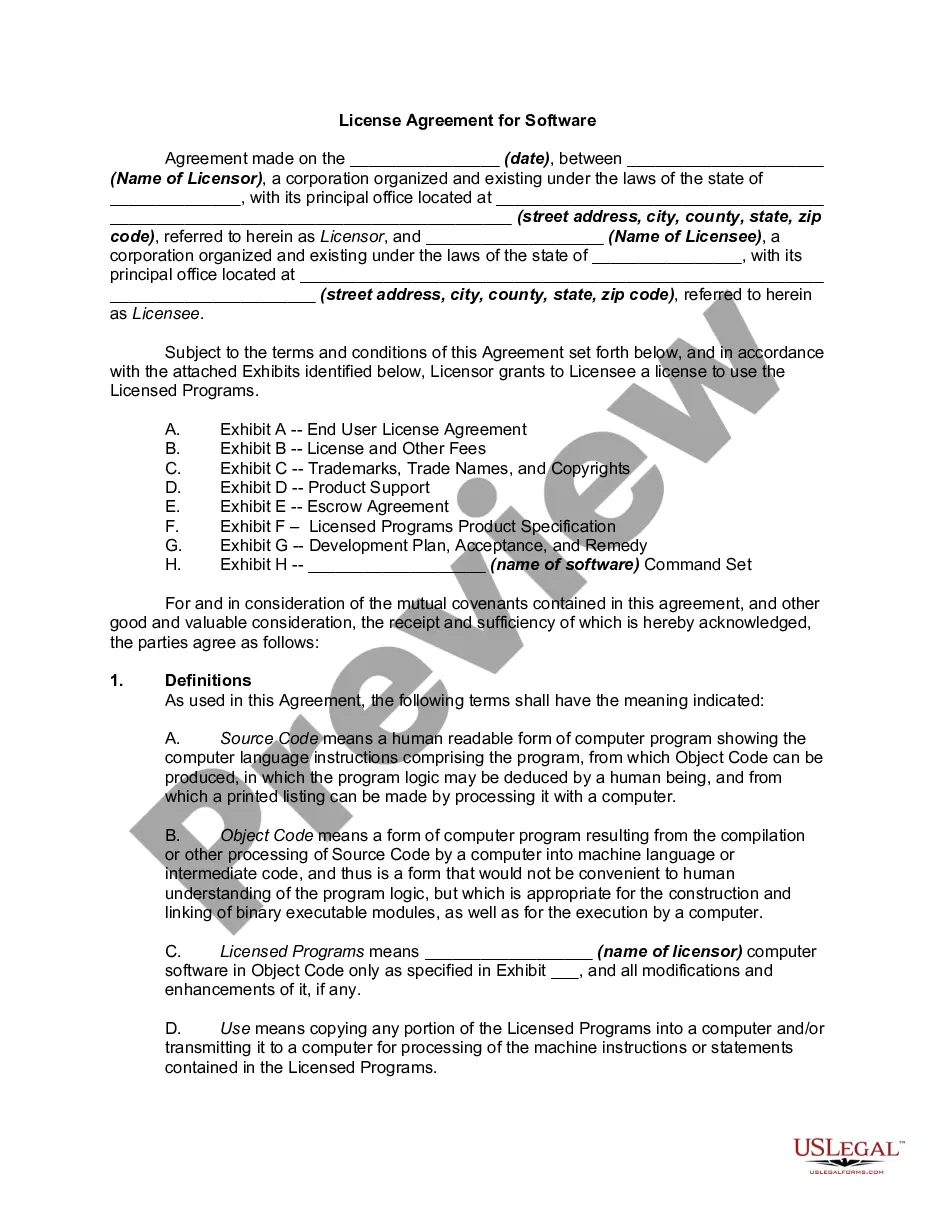
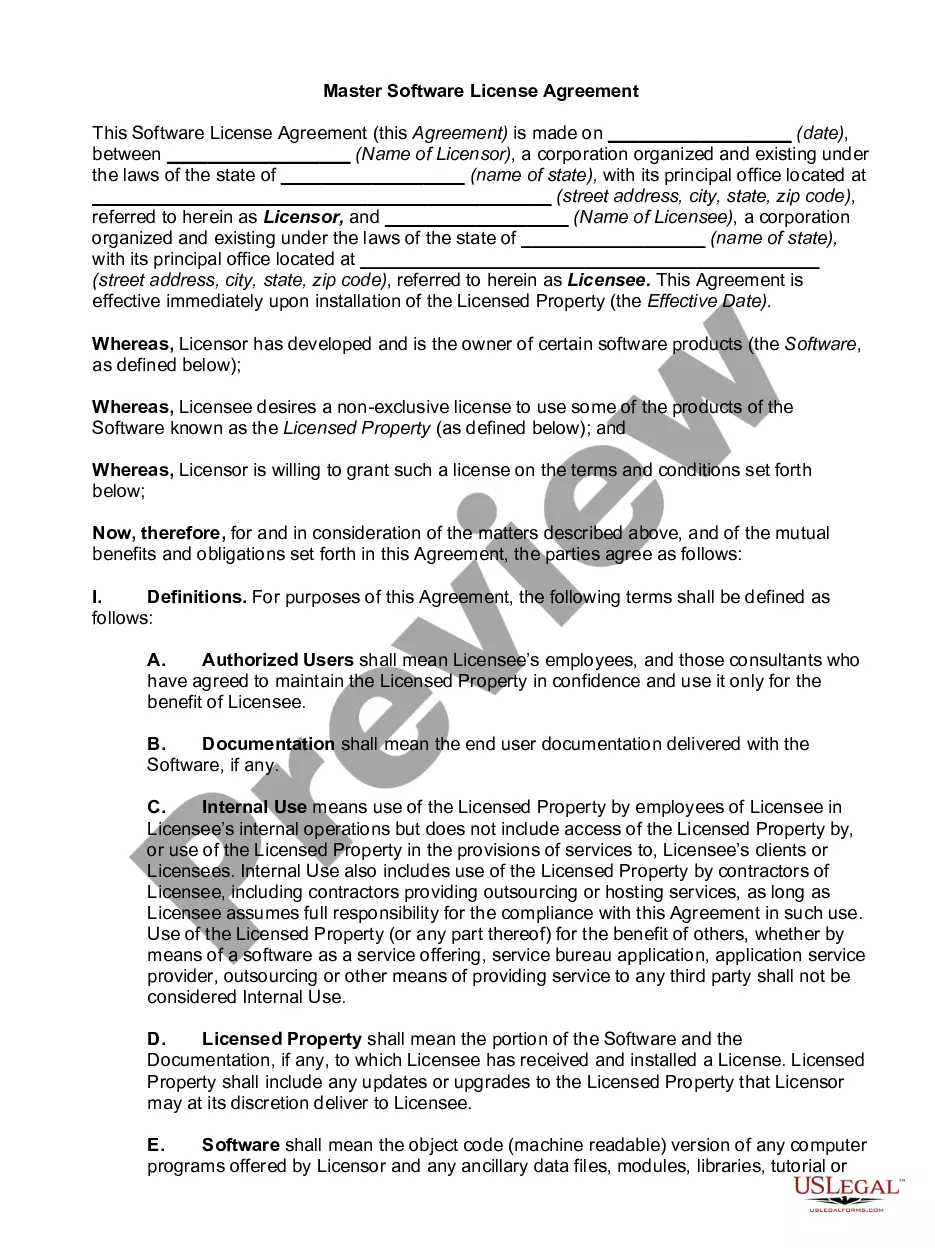
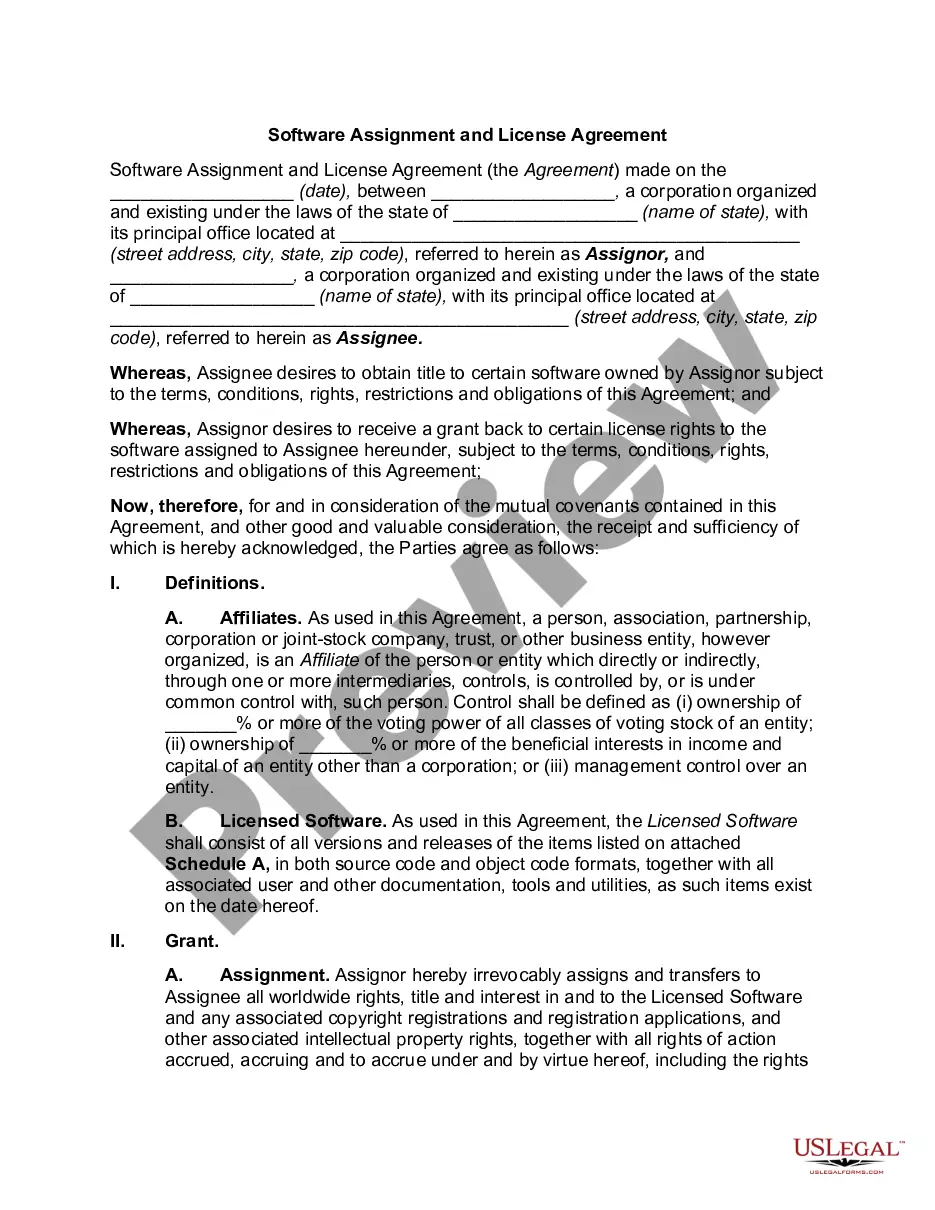
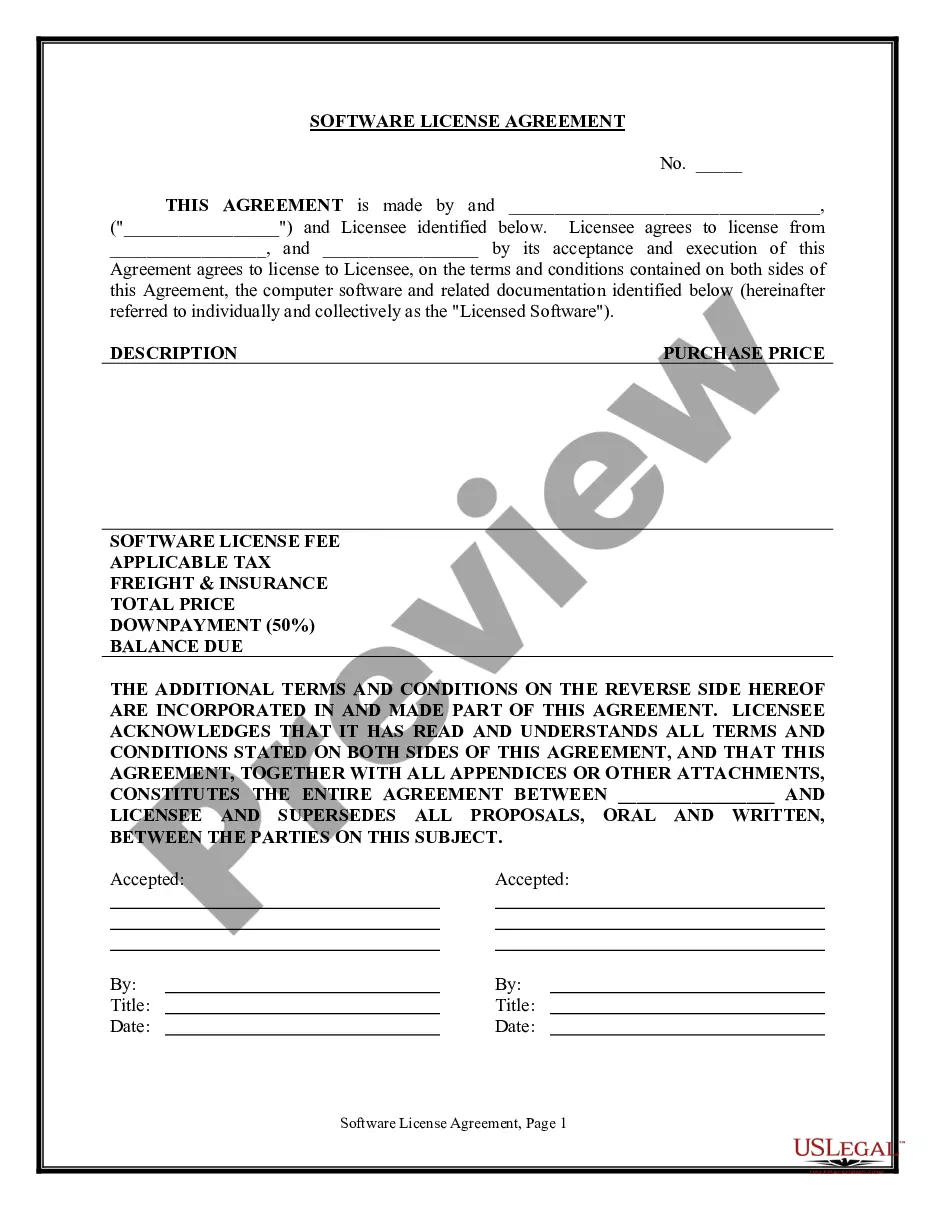
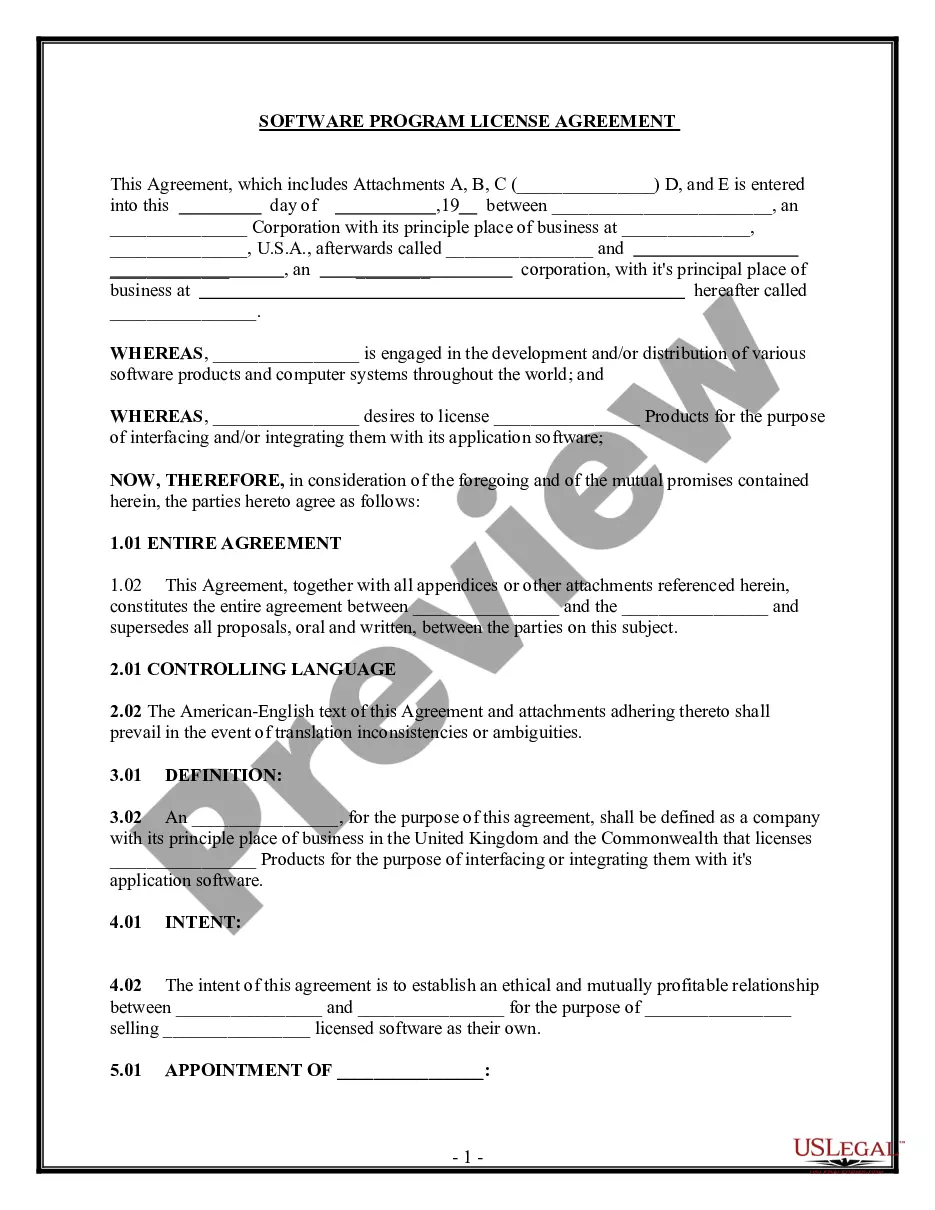
The Basic Software License Agreement is a legal document that establishes the terms under which a developer grants a license to a user (the licensee) for the use of specific software. This agreement outlines the rights and limitations associated with the use of the software, distinguishing it from simple purchase agreements, which might not cover licensing terms. It is an essential document for protecting intellectual property and ensuring software is used responsibly and legally.
Key components of this form
- License grant specifying the scope of permitted use
- Restrictions on copying, distribution, and modification of the software
- License fee details and payment terms
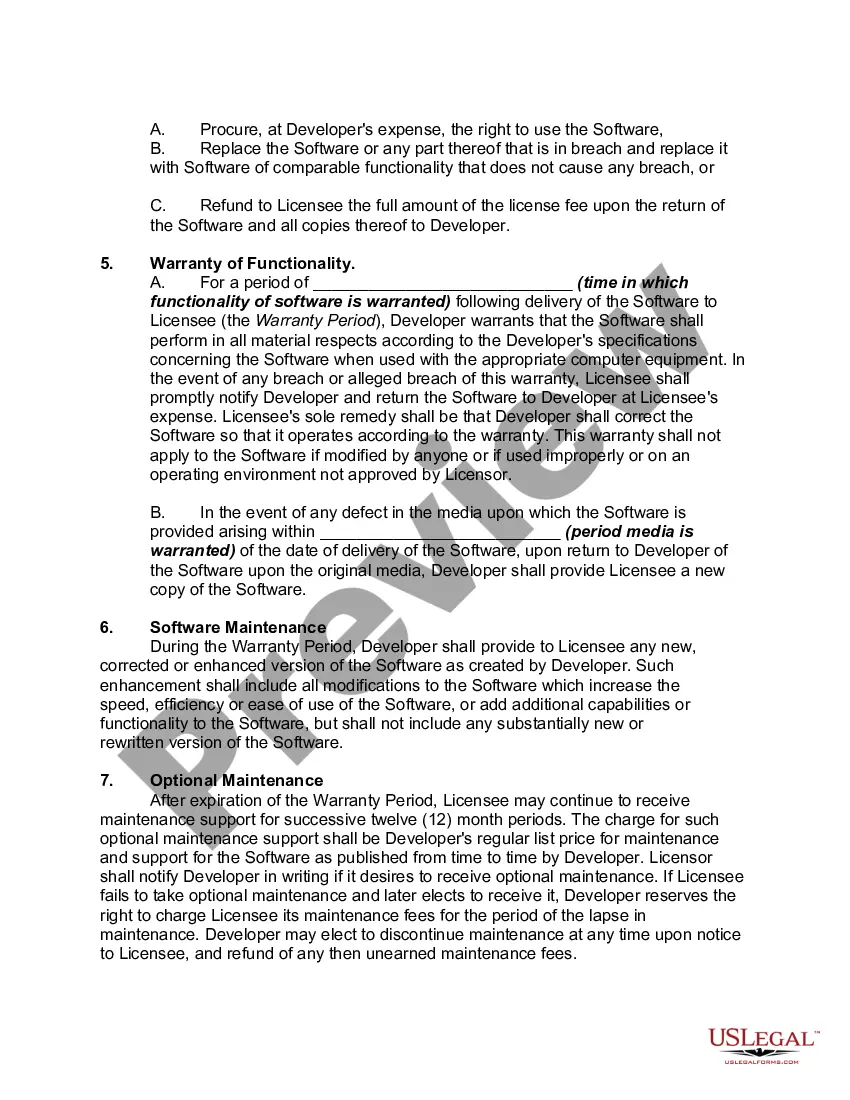
- Warranties regarding ownership and functionality of the software
- Terms for software maintenance and potential updates
- Provisions for dispute resolution and governing law
Common use cases
This form is typically used when a software developer wants to provide a license for their software to a user, ensuring that both parties understand their rights and responsibilities. Common scenarios include software sales, licensing for commercial use, or any case where proprietary software needs to be legally protected while allowing others to use it.
Who needs this form
This agreement is suitable for:
- Software developers who wish to sell or license their products
- Businesses looking to use third-party software under agreed terms
- Any organization that needs clear legal guidelines for software usage
Steps to complete this form
- Identify and enter the names of the Developer and Licensee, along with their addresses.
- Specify the software name and the date on which the agreement is made.
- Outline the license terms, including the license fee and payment schedule.
- Review and fill in any warranty or maintenance obligations as agreed upon.
- Ensure signatures are provided along with printed names and titles from authorized representatives of both parties.
Notarization guidance
Notarization is generally not required for this form. However, certain states or situations might demand it. You can complete notarization online through US Legal Forms, powered by Notarize, using a verified video call available anytime.
Get your form ready online
Our built-in tools help you complete, sign, share, and store your documents in one place.
Make edits, fill in missing information, and update formatting in US Legal Forms—just like you would in MS Word.
Download a copy, print it, send it by email, or mail it via USPS—whatever works best for your next step.
Sign and collect signatures with our SignNow integration. Send to multiple recipients, set reminders, and more. Go Premium to unlock E-Sign.
If this form requires notarization, complete it online through a secure video call—no need to meet a notary in person or wait for an appointment.
We protect your documents and personal data by following strict security and privacy standards.

Make edits, fill in missing information, and update formatting in US Legal Forms—just like you would in MS Word.

Download a copy, print it, send it by email, or mail it via USPS—whatever works best for your next step.

Sign and collect signatures with our SignNow integration. Send to multiple recipients, set reminders, and more. Go Premium to unlock E-Sign.

If this form requires notarization, complete it online through a secure video call—no need to meet a notary in person or wait for an appointment.

We protect your documents and personal data by following strict security and privacy standards.
Avoid these common issues
- Failing to specify the software name or version clearly.
- Not outlining restrictions leading to potential misuse of the software.
- Overlooking signatures from both parties, making the agreement unenforceable.
- Neglecting to include payment terms clearly, which may lead to misunderstandings.
Benefits of completing this form online
- Convenience of downloading and completing the form at your own pace.
- Editability allows you to customize terms specific to your business needs.
- Access to attorney-drafted templates ensures reliability and legal soundness.
Legal use & context
- Establishes the legal framework for software usage between parties.
- Ensures protection against unauthorized use and distribution of software.
- Clarifies liability and warranty issues, thereby reducing potential legal disputes.
What to keep in mind
- This Basic Software License Agreement is essential for protecting both developers and licensees.
- It clearly defines the rights and responsibilities related to software use.
- Completing the form accurately ensures all terms are legally binding and enforceable.
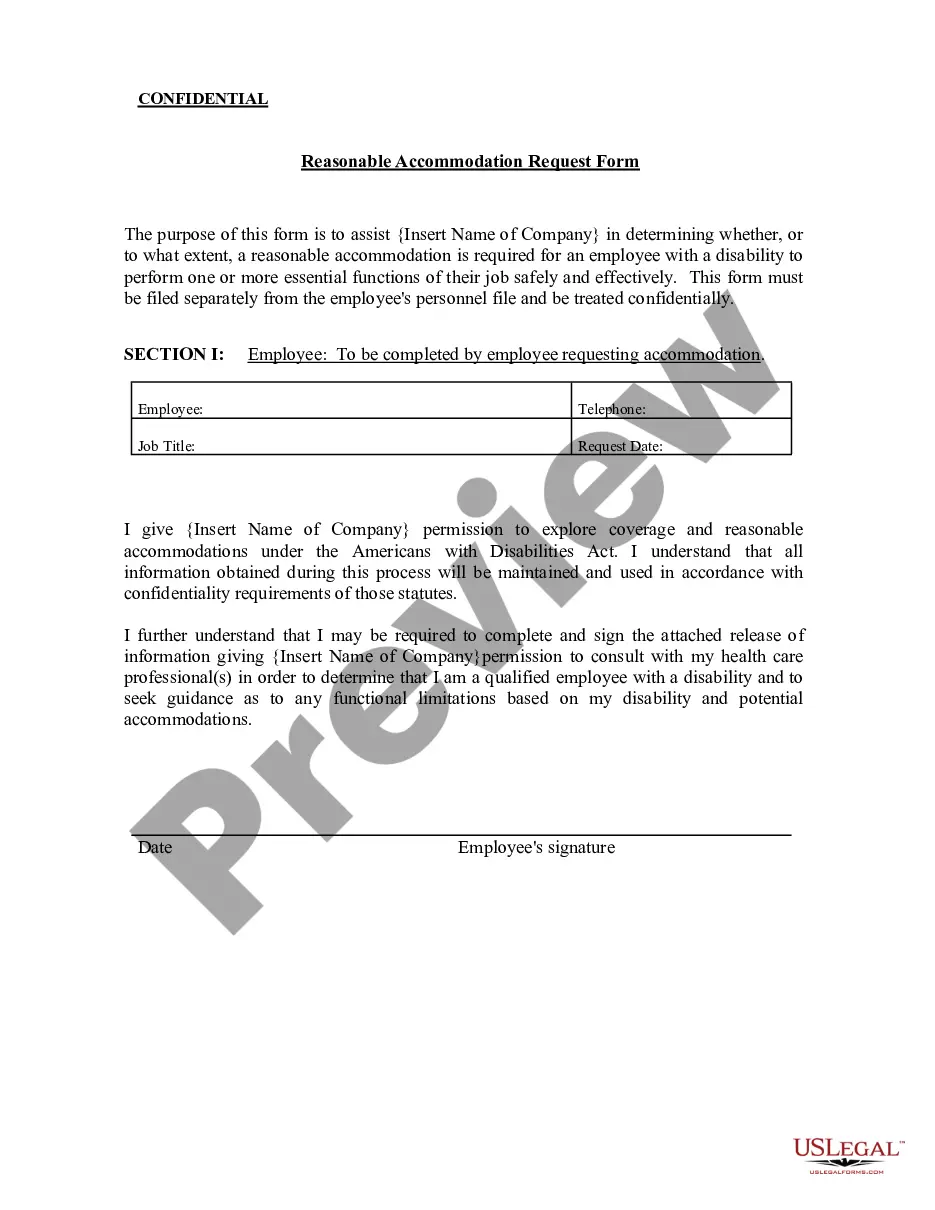
Looking for another form?
Form popularity
FAQ
Due Diligence-General. Due Diligence-Cost. Due Diligence-Performance. Due Diligence-Know Your Counterparty. Source Code Escrow and Escrow Agreements. Installation, Implementation and Training. Customizations. Entire Agreement; Changes to the Terms.
A free software license agreement gives the purchaser the rights to modify and redistribute the software and related components, while a proprietary software license agreement forbids this.License agreements generally also contain warranty provisions and patent information.
A software license agreement typically has broad-form confidentiality provisions that also provide that certain items fall into the bucket of one or the other party (e.g., the software for a licensor, certain data for a licensee, etc.).
An example of a licensing agreement is a contract between the copyright holders of software and another company, allowing the latter to use the computer software for their daily business operations.
Setting up Your Licensing Agreement. Granting the License. Limiting Your Liability. Adding Boilerplate Clauses. Finalizing the Licensing Agreement.
Download a template for a licensing agreement. Choose your role as the licensor or licensee. Define the license(s) in the agreement. Decide whether the license is exclusive or not. Settle the matter of fees and payment schedule. Add a renewal date and rules.
Public domain. This is the most permissive type of software license. Permissive. LGPL. Copyleft. Proprietary.
Exclusive or non-exclusive. In an exclusive license, the intellectual property holder is licensing the work only to one person, for that particular use/territory. Territory. Use. Attribution. Derivative works. Confidentiality. Time frame. Termination.
A software license agreement gives a licensee a non-exclusive, non-transferable right to use software. A software license agreement defines how that software can be used and what happens in the event of breach.