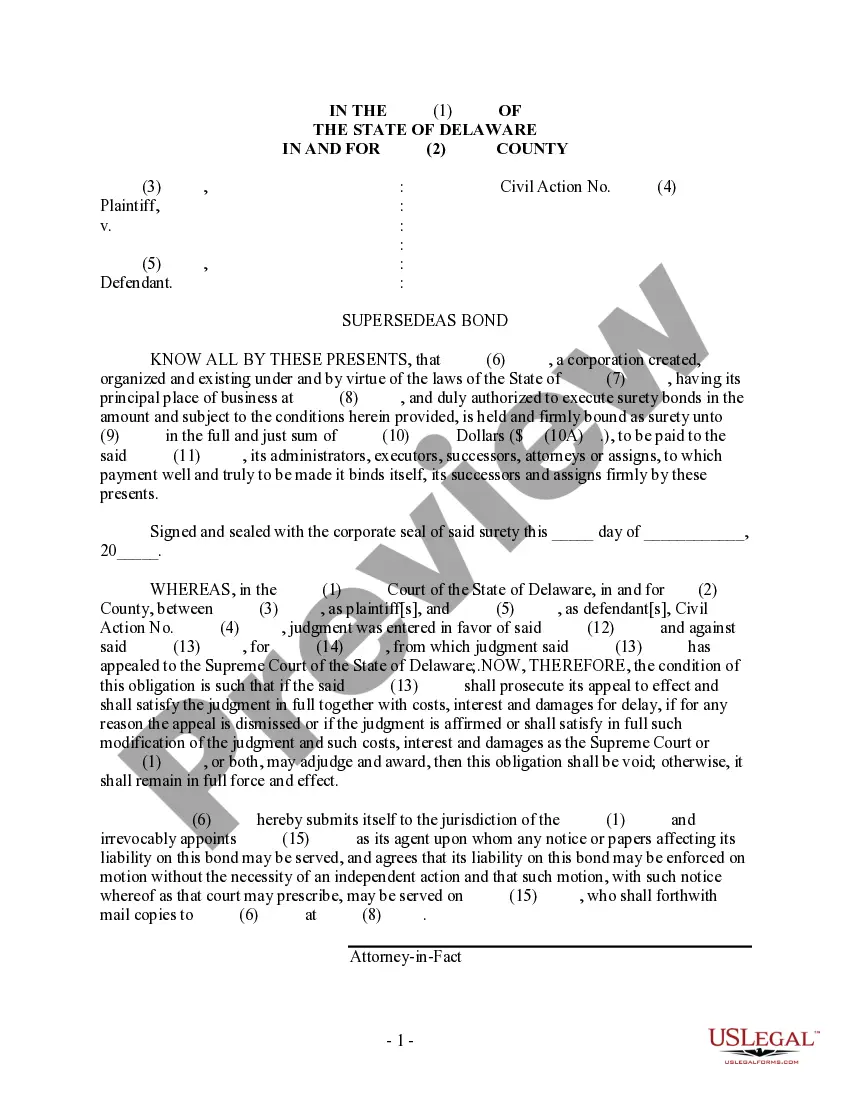
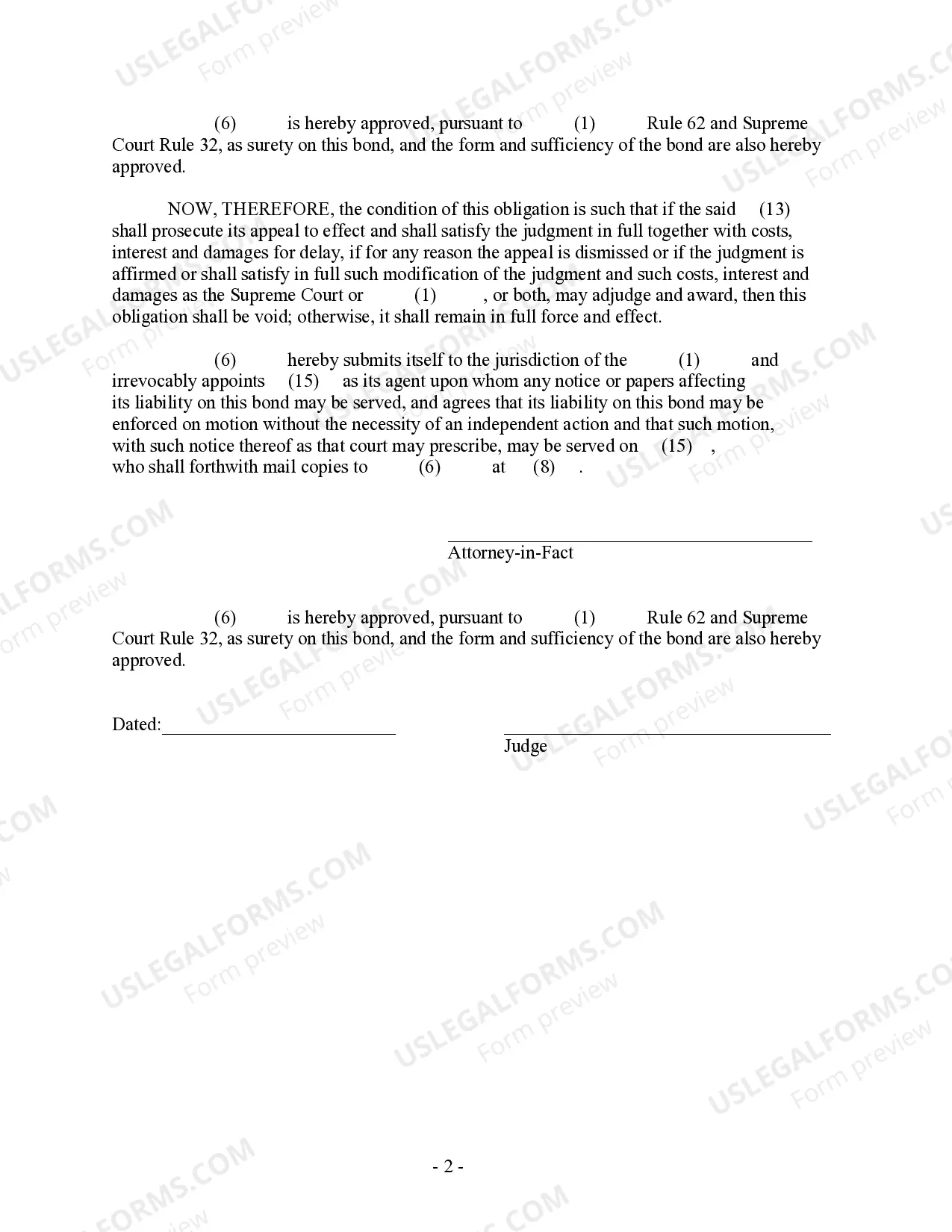
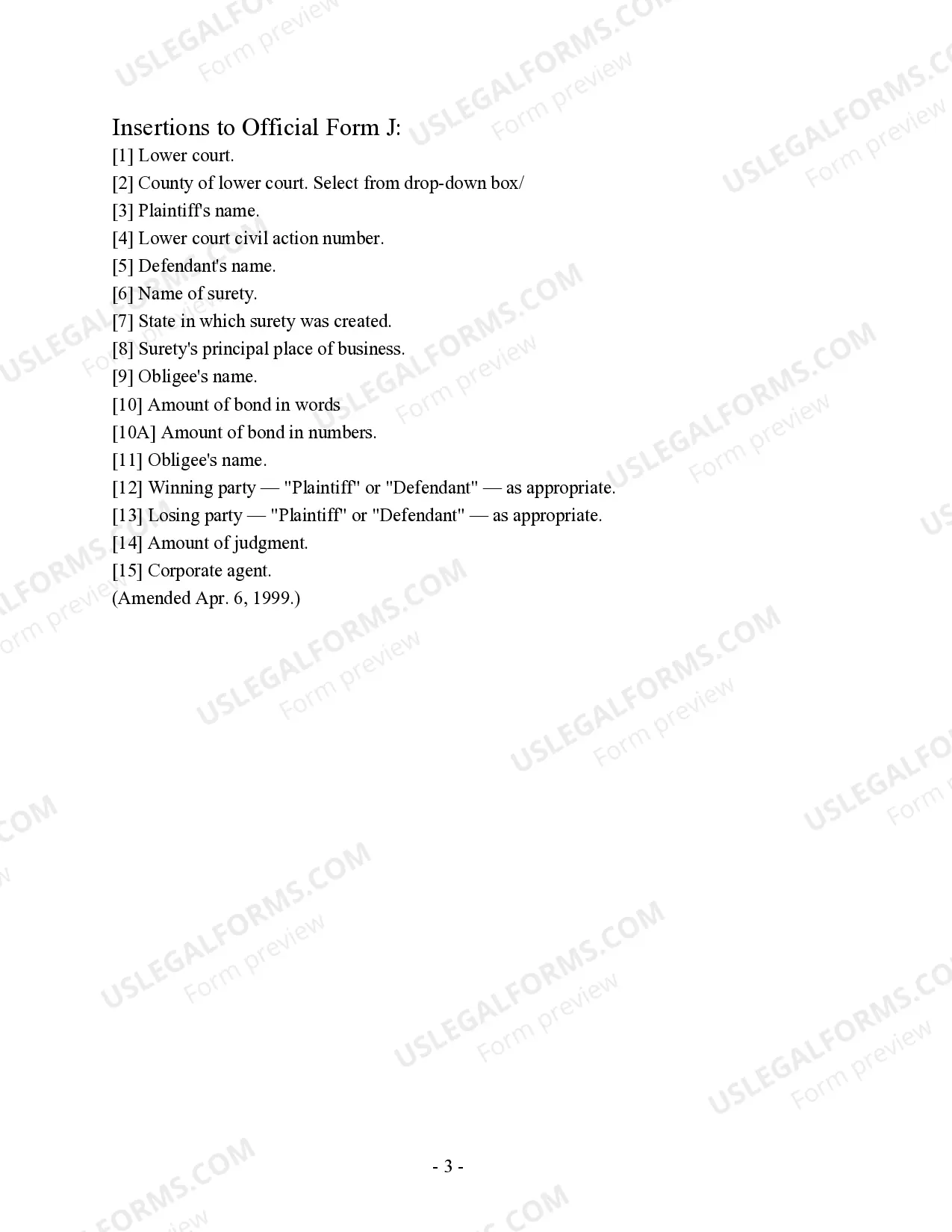
This is one of the official Delaware Supreme Court forms.
This is one of the official Delaware Supreme Court forms.
Our built-in tools help you complete, sign, share, and store your documents in one place.
Make edits, fill in missing information, and update formatting in US Legal Forms—just like you would in MS Word.
Download a copy, print it, send it by email, or mail it via USPS—whatever works best for your next step.
Sign and collect signatures with our SignNow integration. Send to multiple recipients, set reminders, and more. Go Premium to unlock E-Sign.
If this form requires notarization, complete it online through a secure video call—no need to meet a notary in person or wait for an appointment.
We protect your documents and personal data by following strict security and privacy standards.

Make edits, fill in missing information, and update formatting in US Legal Forms—just like you would in MS Word.

Download a copy, print it, send it by email, or mail it via USPS—whatever works best for your next step.

Sign and collect signatures with our SignNow integration. Send to multiple recipients, set reminders, and more. Go Premium to unlock E-Sign.

If this form requires notarization, complete it online through a secure video call—no need to meet a notary in person or wait for an appointment.

We protect your documents and personal data by following strict security and privacy standards.
The greater the documentation you have to compile - the more anxious you become.
You can discover a vast array of Delaware Supersedeas bond templates online, yet you are unsure which ones to trust.
Simplify the process to make acquiring samples significantly easier with US Legal Forms. Obtain precisely prepared documents designed to meet state regulations.
Provide the necessary information to create your account and pay for the order using PayPal or a credit card. Choose a convenient file format and obtain your sample. Access each template you download in the My documents section. Simply navigate there to create a new version of the Delaware Supersedeas bond. Even when using professionally drafted forms, it remains essential to consider consulting with your local attorney to verify that your document is accurately completed. Achieve more for less with US Legal Forms!
Rule 26 in the Delaware Superior Court outlines the overall scope and limitations of discovery, allowing parties to request evidence and information relevant to their case. This rule is important for cases where a Delaware Supersedeas bond may be necessary, as the information obtained through discovery can significantly impact the appeal process. Familiarizing yourself with this rule can empower you to effectively gather the necessary evidence for your case.
The 90 day rule in the Delaware Superior Court establishes that parties have 90 days from the entry of judgment to file an appeal. This rule is significant when you consider obtaining a Delaware Supersedeas bond, as it affects how quickly you need to act following a judgment. Staying informed about this rule can help you maintain your rights and avoid losing the opportunity to appeal.
Rule 48 in the Delaware Superior Court addresses the procedures for managing cases and ensuring timely resolutions. Understanding this rule is essential if you're involved in a case where a Delaware Supersedeas bond is necessary, as it can affect the timeline for filing appeals. It is crucial to comply with these guidelines to avoid potential pitfalls in your legal proceedings.
Rule 59 of the Delaware Superior Court pertains to motions for a new trial, outlining the specific grounds on which a party can request a new trial. This rule plays a vital role in the appeal process, especially when a Delaware Supersedeas bond is involved, as it can impact the status of the judgment that is being appealed. By understanding this rule, you can better navigate your legal rights and options.
An example of a supersedeas bond is when a party appeals a court's decision and wants to delay enforcement of that decision. In this scenario, the party might post a Delaware Supersedeas bond to ensure that the opposing party is protected against potential losses during the appeal process. This bond guarantees payment of the judgment amount plus interest, if the appealing party does not succeed in their case.
Getting a surety bond in Delaware involves working with a licensed surety agent or bonding company. They will help you assess your needs and gather the required documents, such as financial statements and personal information. Once everything is submitted and reviewed, the surety company will issue your bond, facilitating your legal obligations.
To obtain a Delaware Supersedeas bond, you should consult a licensed surety agent who specializes in bonds. They will assist you in completing the necessary paperwork and evaluating your financial situation. It's important to provide accurate information as it directly impacts your eligibility for the bond.
Rule 33 of the Supreme Court of Delaware pertains to supersedeas bonds and outlines the requirements for obtaining a stay of judgment during the appeals process. This rule ensures that parties can appeal a decision without immediate enforcement of the judgment, provided they secure a Delaware Supersedeas bond. Understanding this rule is crucial for anyone looking to navigate the appeals process efficiently.
To obtain a Delaware Supersedeas bond, you typically start by reaching out to a surety company or a bonding agency. They will guide you through the application process, which may involve a credit check and providing collateral. Once approved, the surety company issues the bond, allowing you to stay enforcement of a judgment while you appeal.
An appeal bond and a supersedeas bond both relate to legal appeals, but they serve different purposes. An appeal bond secures the payment of damages if a losing party appeals a decision, while a Delaware Supersedeas bond specifically prevents the enforcement of the judgment during the appeal process. This distinction is crucial because obtaining a Delaware Supersedeas bond can give you the necessary breathing room to resolve your case without immediate repercussions. If you are seeking a Delaware Supersedeas bond, US Legal Forms offers an efficient platform to help you navigate this process.