District of Columbia Written Revocation of Will
Understanding this form
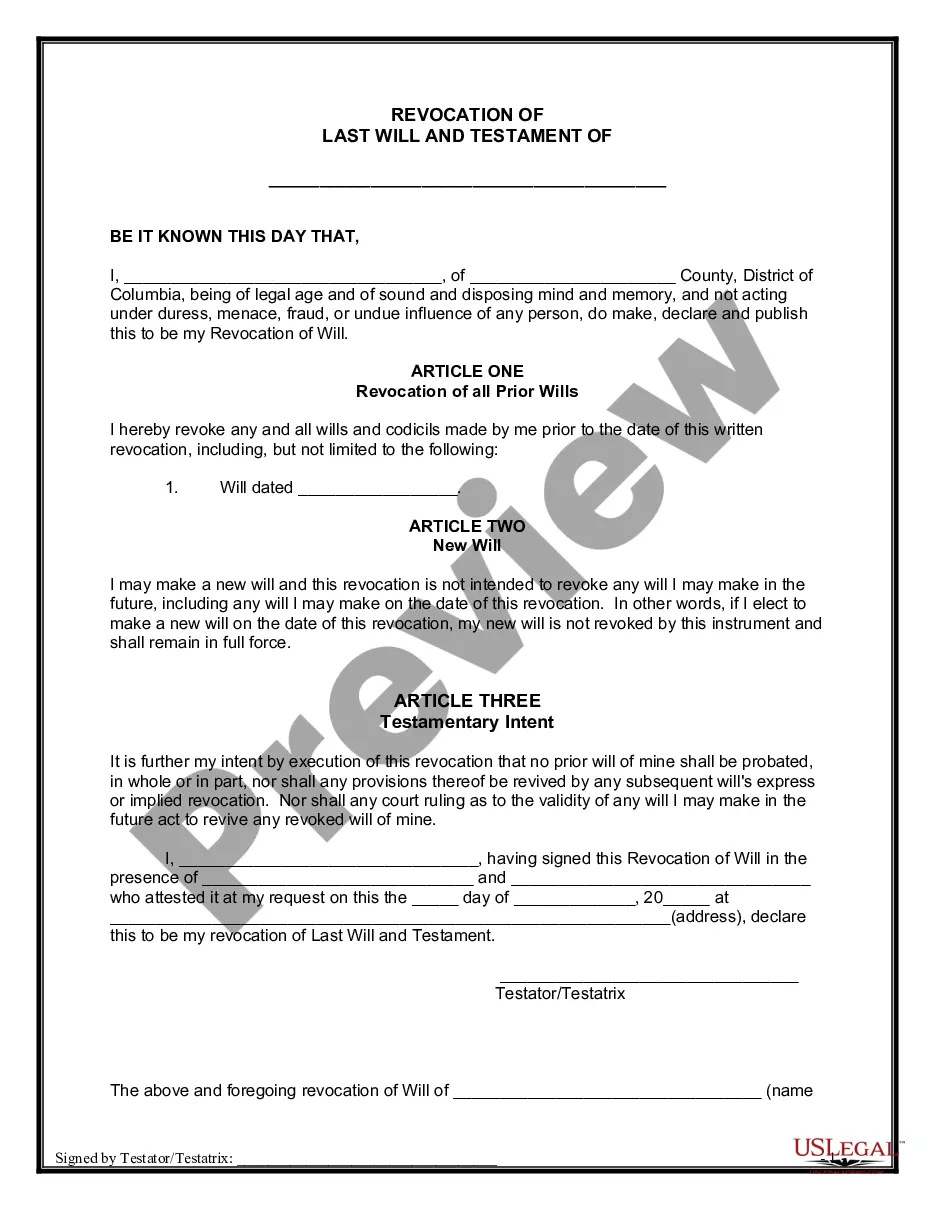
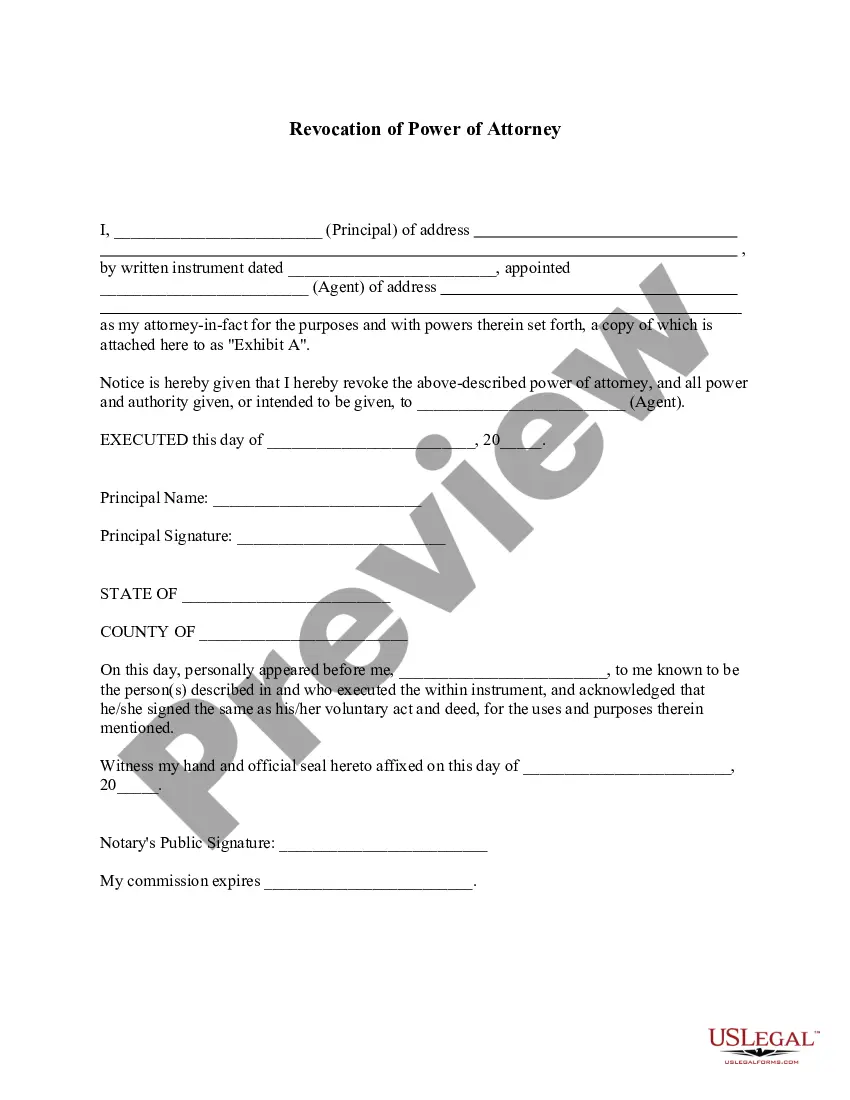
The Written Revocation of Will is a legal document used to revoke a previously established will. This revocation is necessary when there is a desire to ensure that no prior wills are considered valid, especially in situations where new or later wills do not include the same revocation clause. By using this form, an individual can clearly express their intent to revoke all prior wills, eliminating any confusion about which will should be probated.
Key parts of this document
- Declaration of intent to revoke any prior wills and codicils
- Specification of the date of the last will being revoked
- Stipulation that this revocation does not affect any future wills
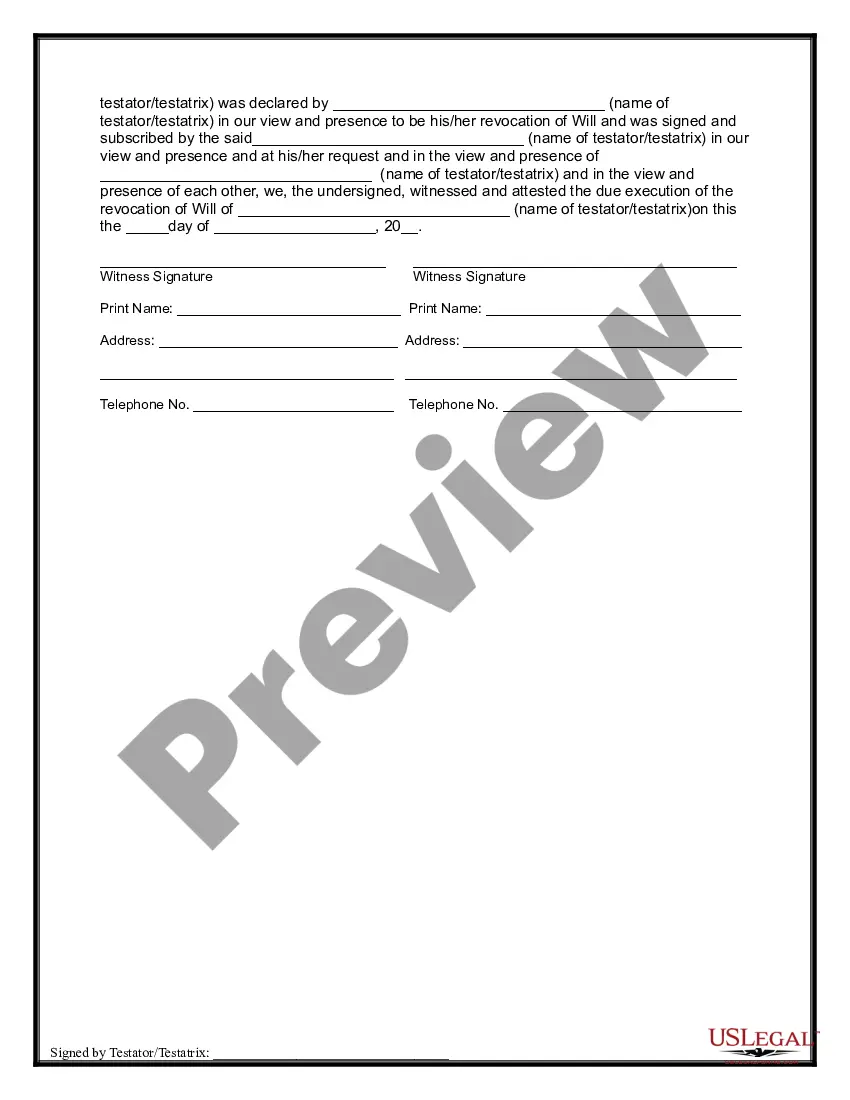
- Signature of the testator/testatrix confirming the revocation
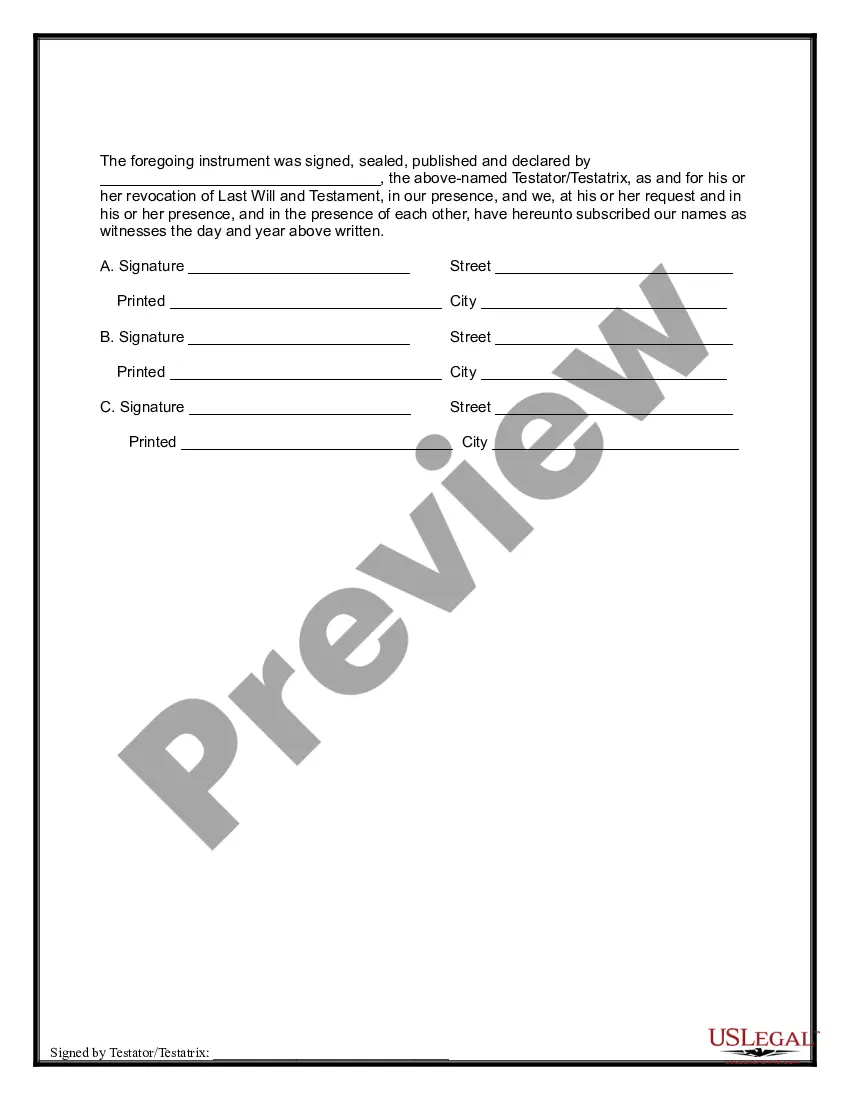
- Witness signatures to validate the revocation

When to use this form
This form should be used when an individual wants to formally revoke a previously executed will. This situation may arise when the testator has created a new will but is unsure whether it adequately revokes the old one, or in instances where family dynamics might lead heirs to assume older wills are still valid. Using this written revocation can reduce conflicts and ensure that the intended wishes are clearly documented and legally recognized.
Who this form is for
- Individuals who have previously created a will they wish to revoke
- Those who plan to create a new will but want to clarify the status of their previous will
- Any person concerned about potential inheritance disputes regarding past wills
How to prepare this document
- Enter your full name, county, and the district where you reside at the top of the form.
- Clearly state the date of any prior wills you are revoking.
- Sign the form in the presence of witnesses, making sure they also sign as required.
- Ensure that all witnessing requirements are followed, including the presence of two witnesses.
- Keep a copy of the signed revocation for your records and share it with relevant parties if necessary.
Is notarization required?
In most cases, this form does not require notarization. However, some jurisdictions or signing circumstances might. US Legal Forms offers online notarization powered by Notarize, accessible 24/7 for a quick, remote process.
Get your form ready online
Our built-in tools help you complete, sign, share, and store your documents in one place.
Make edits, fill in missing information, and update formatting in US Legal Forms—just like you would in MS Word.
Download a copy, print it, send it by email, or mail it via USPS—whatever works best for your next step.
Sign and collect signatures with our SignNow integration. Send to multiple recipients, set reminders, and more. Go Premium to unlock E-Sign.
If this form requires notarization, complete it online through a secure video call—no need to meet a notary in person or wait for an appointment.
We protect your documents and personal data by following strict security and privacy standards.

Make edits, fill in missing information, and update formatting in US Legal Forms—just like you would in MS Word.

Download a copy, print it, send it by email, or mail it via USPS—whatever works best for your next step.

Sign and collect signatures with our SignNow integration. Send to multiple recipients, set reminders, and more. Go Premium to unlock E-Sign.

If this form requires notarization, complete it online through a secure video call—no need to meet a notary in person or wait for an appointment.

We protect your documents and personal data by following strict security and privacy standards.
Typical mistakes to avoid
- Failing to sign the form in the presence of witnesses.
- Not specifying the date of the last will being revoked.
- Using the form without confirming state-specific witnessing requirements.
- Overlooking to keep a copy of the signed revocation form.
Advantages of online completion
- Convenient access to a legally drafted document for immediate use.
- Editability allows users to personalize the form accurately.
- Reliable and clear instructions help ensure compliance with legal standards.
Legal use & context
- This form legally revokes prior wills, preventing them from being probated.
- It is important for establishing your most current wishes regarding your estate.
- Consulting an attorney is recommended to ensure proper use within specific jurisdictions.
Key takeaways
- The Written Revocation of Will is crucial for clarifying your latest estate planning intentions.
- Always ensure the document is properly witnessed to maintain its legal validity.
- Communicate with your heirs regarding changes to avoid disputes in the future.
Looking for another form?
Form popularity
FAQ
Several factors determine if a will is valid in the District of Columbia, including the testator's age, mental capacity at the time of signing, and adherence to legal formalities. A will must reflect the true intentions of the testator without undue influence. For an effective District of Columbia Written Revocation of Will, consider consulting resources like US Legal Forms for proper guidance.
A will is valid in the District of Columbia when it meets specific criteria set by law. This includes being in writing, signed by the testator, and witnessed by two individuals present at the same time. Ensuring these elements are included will facilitate a smoother transition to creating a District of Columbia Written Revocation of Will.
To write a revocation in the District of Columbia, start by clearly stating your intent to revoke the previous will. Include details such as the date of the original will and your name as the testator. You may also want to utilize resources from US Legal Forms for guidance in drafting a District of Columbia Written Revocation of Will.
A revocation of a will is often forced by significant life changes, such as marriage, divorce, or the birth of a child. These events may prompt you to update your wishes about asset distribution. It’s important to reflect these changes in a District of Columbia Written Revocation of Will to avoid any confusion.
The best way to revoke a will in the District of Columbia is to create a new will that explicitly states the previous will is revoked. Alternatively, you can physically destroy the existing will with the intent to revoke it. Using the US Legal Forms platform can streamline this process and ensure your District of Columbia Written Revocation of Will is legally binding.
A trust document can override a will in the District of Columbia. If a trust exists and transfers assets upon your death, those assets bypass the will and go directly to the beneficiaries named in the trust. Understanding how trusts work is essential, especially when drafting a District of Columbia Written Revocation of Will.
In the District of Columbia, inheritance law follows intestate succession when someone dies without a will. This law determines who inherits the deceased’s property based on familial relationships. If you want to ensure your wishes are followed after death, consider creating a clear District of Columbia Written Revocation of Will.
To make a will legal in the District of Columbia, it must be in writing and signed by the testator, the person making the will. Additionally, two witnesses must observe the signing and also sign the will themselves. By ensuring these steps are followed, you can create a valid District of Columbia Written Revocation of Will when the time comes.
A revocation clause specifies the conditions under which a previous will or amendment is invalidated. For example, a clause might state that upon the execution of a new will, all prior documents are revoked. Including a revocation clause is vital in the District of Columbia Written Revocation of Will, as it minimizes confusion and ensures your latest wishes are prioritized.
An example of revocation of offer occurs when a person withdraws their proposal before it has been accepted. For instance, if someone offers to sell their car to another person but decides to keep the vehicle before the buyer accepts, that would be a revocation of the offer. Clarity about this aspect is important, especially when dealing with legal documents like the District of Columbia Written Revocation of Will.