District of Columbia Letter to Lienholder to Notify of Trust
What this document covers
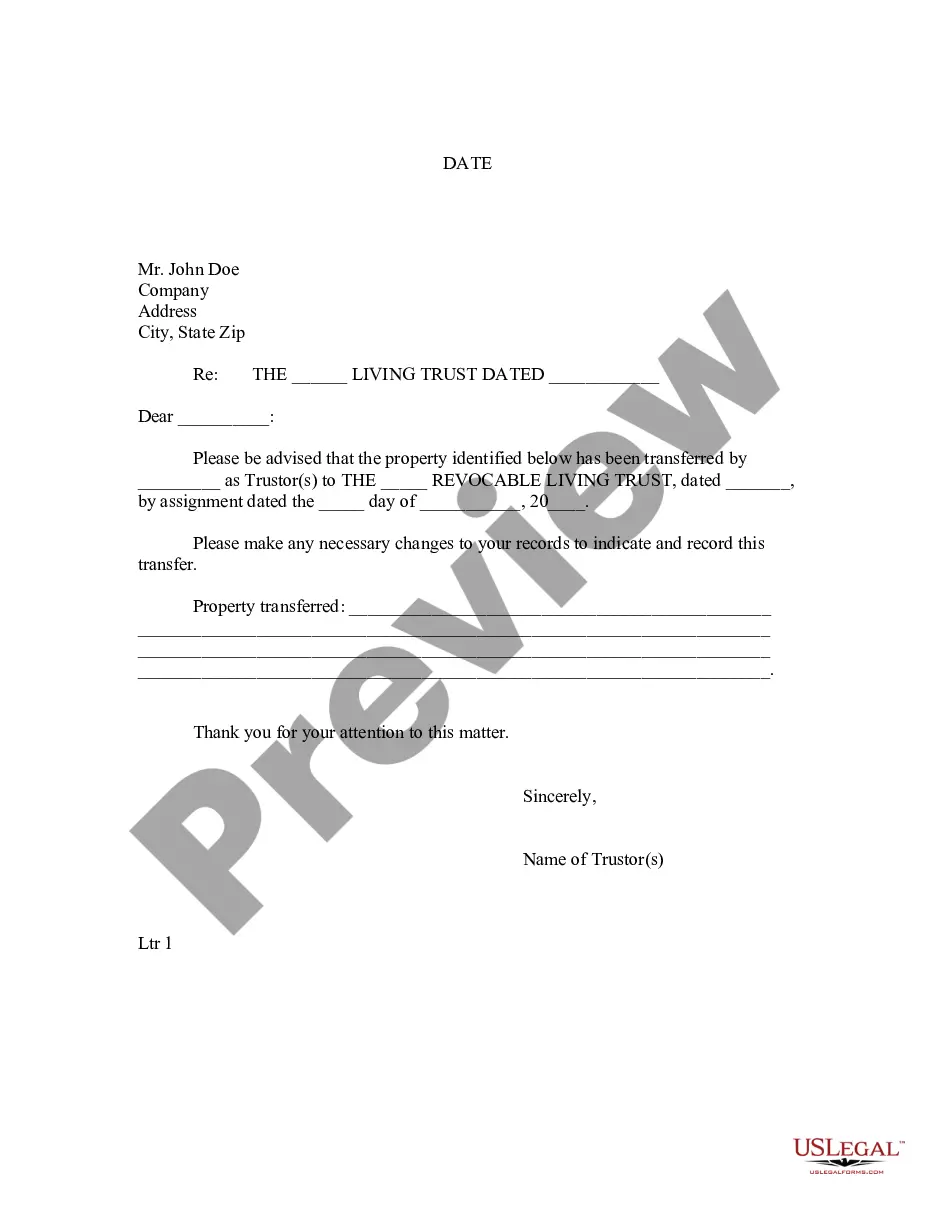
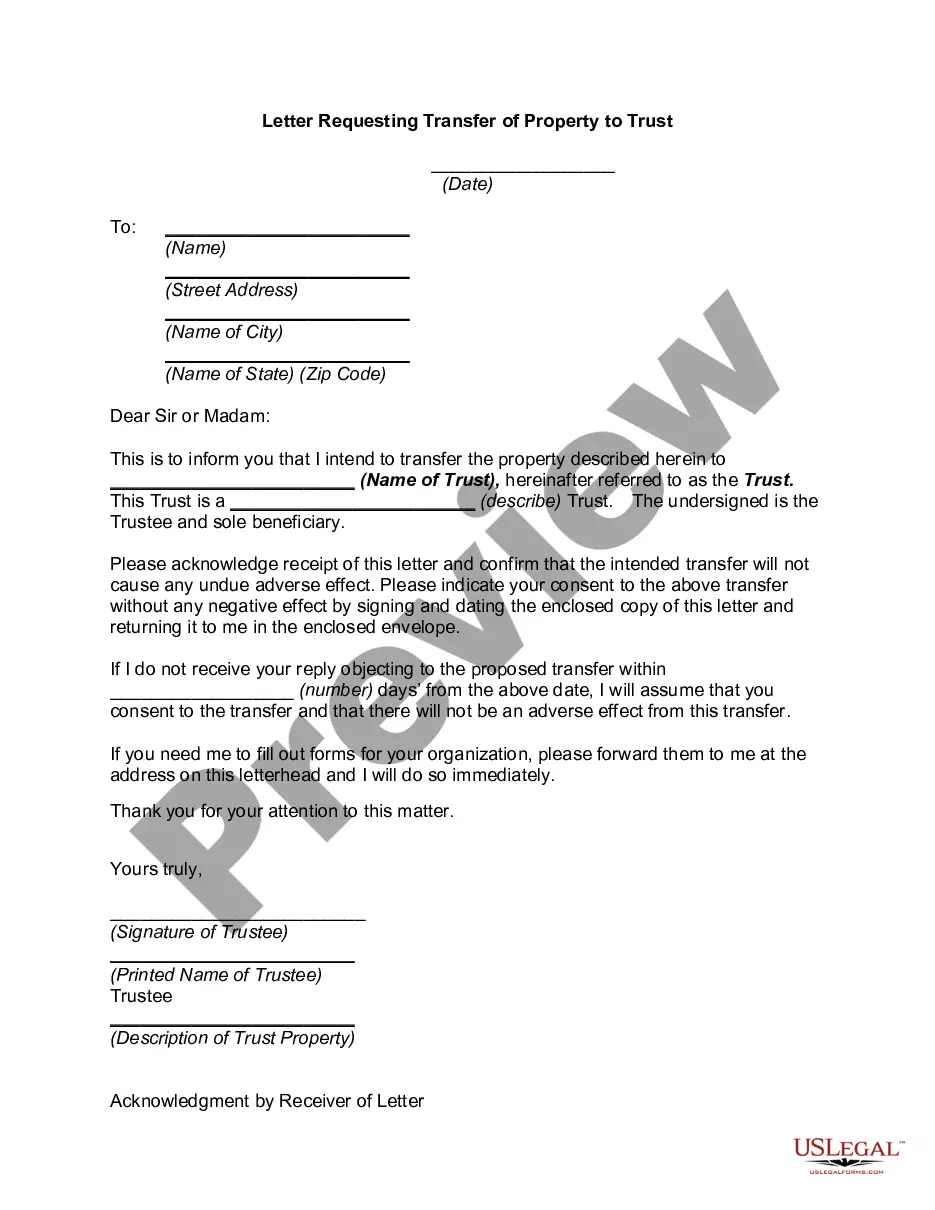
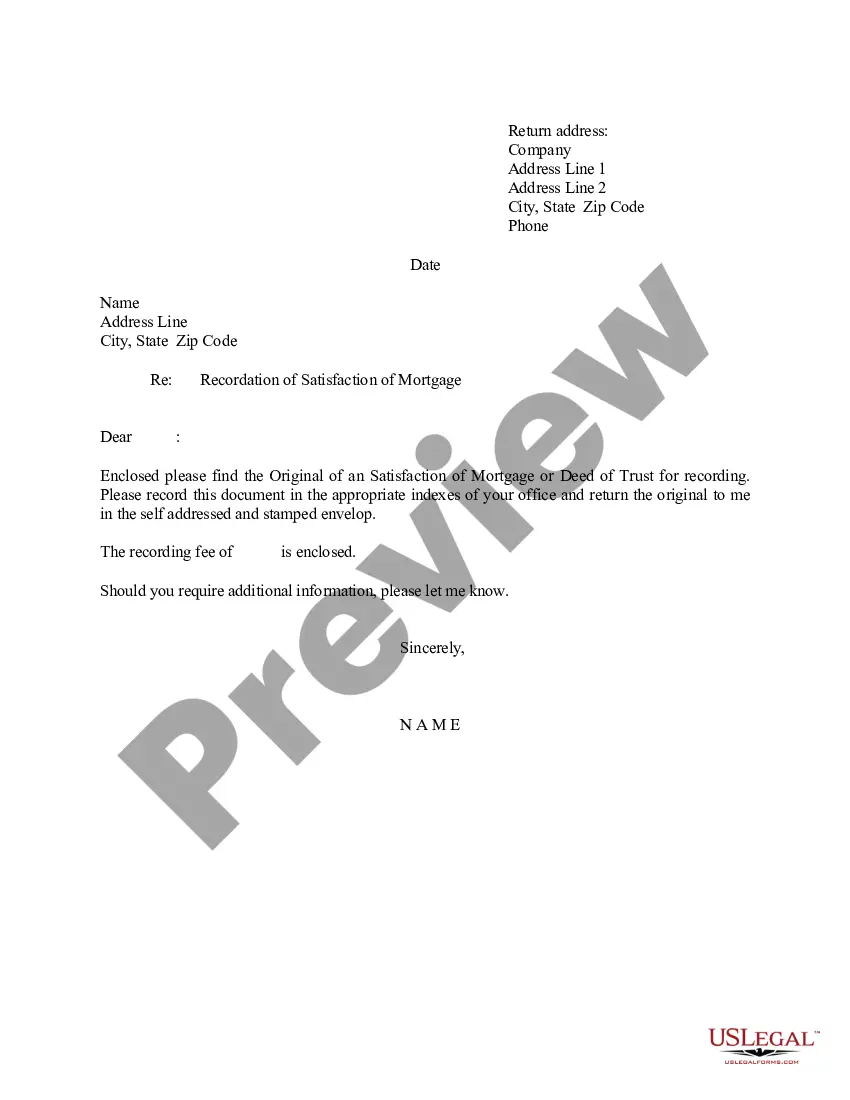
The Letter to Lienholder to Notify of Trust is a formal notice issued to a lienholder, informing them that property has been transferred to a living trust. This form is essential for estate planning, ensuring that the lienholder updates their records to reflect the change in property ownership. Unlike other notifications, this letter specifically indicates the trust status and outlines the property involved.
Form components explained
- Date of the letter.
- Identification of the lienholder, including their name and address.
- Name of the living trust and its date of establishment.
- Details of the property being transferred.
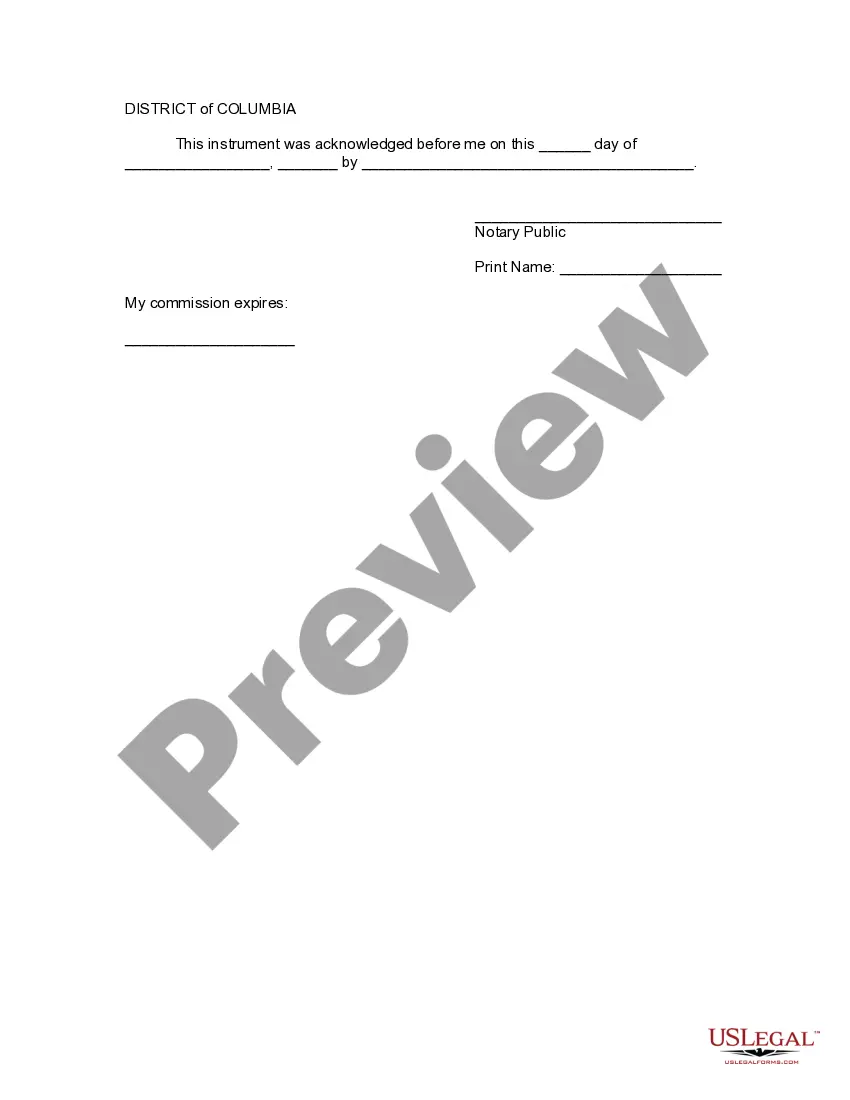
- Signature of the trustor(s), with notary acknowledgment.
Situations where this form applies
This form should be used when you have established a living trust and need to inform any lienholders about the transfer of property into that trust. It is particularly necessary when these lienholders have a legal interest in the property, such as mortgage lenders or other creditors. Using this letter helps ensure that the lienholder is aware of the trust's existence and can update their records accordingly.
Who needs this form
- Individuals establishing a living trust for estate planning purposes.
- Trustors looking to notify lienholders about property transfers.
- Property owners with existing liens who wish to transfer their property into a trust.
Steps to complete this form
- Fill in the date at the top of the letter.
- Provide the lienholder's name and address, ensuring it is accurate.
- State the name of the living trust and its establishment date clearly.
- Detail the property that has been transferred to the trust.
- Sign the letter as the trustor(s) and have it notarized if required.
Does this form need to be notarized?
This document requires notarization to meet legal standards. US Legal Forms provides secure online notarization powered by Notarize, allowing you to complete the process through a verified video call, available 24/7.
Get your form ready online
Our built-in tools help you complete, sign, share, and store your documents in one place.
Make edits, fill in missing information, and update formatting in US Legal Forms—just like you would in MS Word.
Download a copy, print it, send it by email, or mail it via USPS—whatever works best for your next step.
Sign and collect signatures with our SignNow integration. Send to multiple recipients, set reminders, and more. Go Premium to unlock E-Sign.
If this form requires notarization, complete it online through a secure video call—no need to meet a notary in person or wait for an appointment.
We protect your documents and personal data by following strict security and privacy standards.

Make edits, fill in missing information, and update formatting in US Legal Forms—just like you would in MS Word.

Download a copy, print it, send it by email, or mail it via USPS—whatever works best for your next step.

Sign and collect signatures with our SignNow integration. Send to multiple recipients, set reminders, and more. Go Premium to unlock E-Sign.

If this form requires notarization, complete it online through a secure video call—no need to meet a notary in person or wait for an appointment.

We protect your documents and personal data by following strict security and privacy standards.
Common mistakes
- Failing to include complete property details, which can lead to confusion.
- Not providing the correct lienholder information, risking non-delivery.
- Neglecting to have the document notarized when required.
Benefits of completing this form online
- Convenience of downloading and completing the form at your own pace.
- Editable templates that allow you to customize the content as needed.
- Direct access to attorney-drafted documents ensuring legal reliability.
Main things to remember
- The letter serves as an official notification to lienholders about property changes due to a living trust.
- Accurate details are crucial for the letter to be effective.
- Notify lienholders promptly to ensure updated records and avoid potential legal issues.
Looking for another form?
Form popularity
FAQ
A recorded lien release document is an official record that indicates a lien has been removed from a property title. This document is filed with the appropriate government office, serving as public proof that the borrower has fulfilled their obligations. If you require help with preparing and filing this important document, consider using the US Legal Forms platform, which simplifies the process for homeowners and lenders.
A letter of trust is a formal document that outlines the terms and conditions under which a trust operates. This letter designates the trustee’s responsibilities and provides details about the beneficiaries. The District of Columbia Letter to Lienholder to Notify of Trust specifically serves to inform lienholders of a trust’s existence, ensuring that all parties are aware of their rights and obligations.
The District of Columbia is primarily a tax lien state. This means that unpaid property taxes can lead to the creation of a tax lien, which can then be sold to investors. Understanding this classification is beneficial when drafting a District of Columbia Letter to Lienholder to Notify of Trust, as these factors can impact property rights.
The process involves several parties, including the borrower, lender, and trustee. Each has specific responsibilities to ensure the transaction is completed correctly and legally. When preparing a District of Columbia Letter to Lienholder to Notify of Trust, understanding these roles can facilitate smoother communication.
Several states, including California, Texas, and Washington, require a deed of trust for property transactions. In these locations, the deed serves as a security mechanism for loans. Knowing which states use this approach can help when formulating a District of Columbia Letter to Lienholder to Notify of Trust.
The trustee is responsible for filing the deed of trust with the appropriate county recorder or land registry office. This ensures that the deed is recorded in public records, establishing the lien on the property. When creating a District of Columbia Letter to Lienholder to Notify of Trust, coordinating with the trustee for accurate filing is essential.
In the District of Columbia, a deed of trust must be in writing and signed by the parties involved. Additionally, it should include a legal description of the property and be notarized to ensure authenticity. When drafting a District of Columbia Letter to Lienholder to Notify of Trust, meeting these requirements is vital for legality.
Deed tax and transfer tax are not exactly the same, though they are often confused. Transfer tax applies to the sale or transfer of property, while deed tax specifically relates to the recording of the property's deed. Both taxes can affect your overall costs in real estate transactions. For more information or support in creating a District of Columbia Letter to Lienholder to Notify of Trust, check out our US Legal Forms platform.
In Washington County, the responsibility for transfer tax often falls on the seller. However, it can also be negotiated as part of the sales agreement between the buyer and seller. Understanding these details is essential to avoid any surprises during the closing process. For guidance on preparing a District of Columbia Letter to Lienholder to Notify of Trust, consider using our US Legal Forms platform.