District of Columbia Apartment Rules and Regulations
Understanding this form
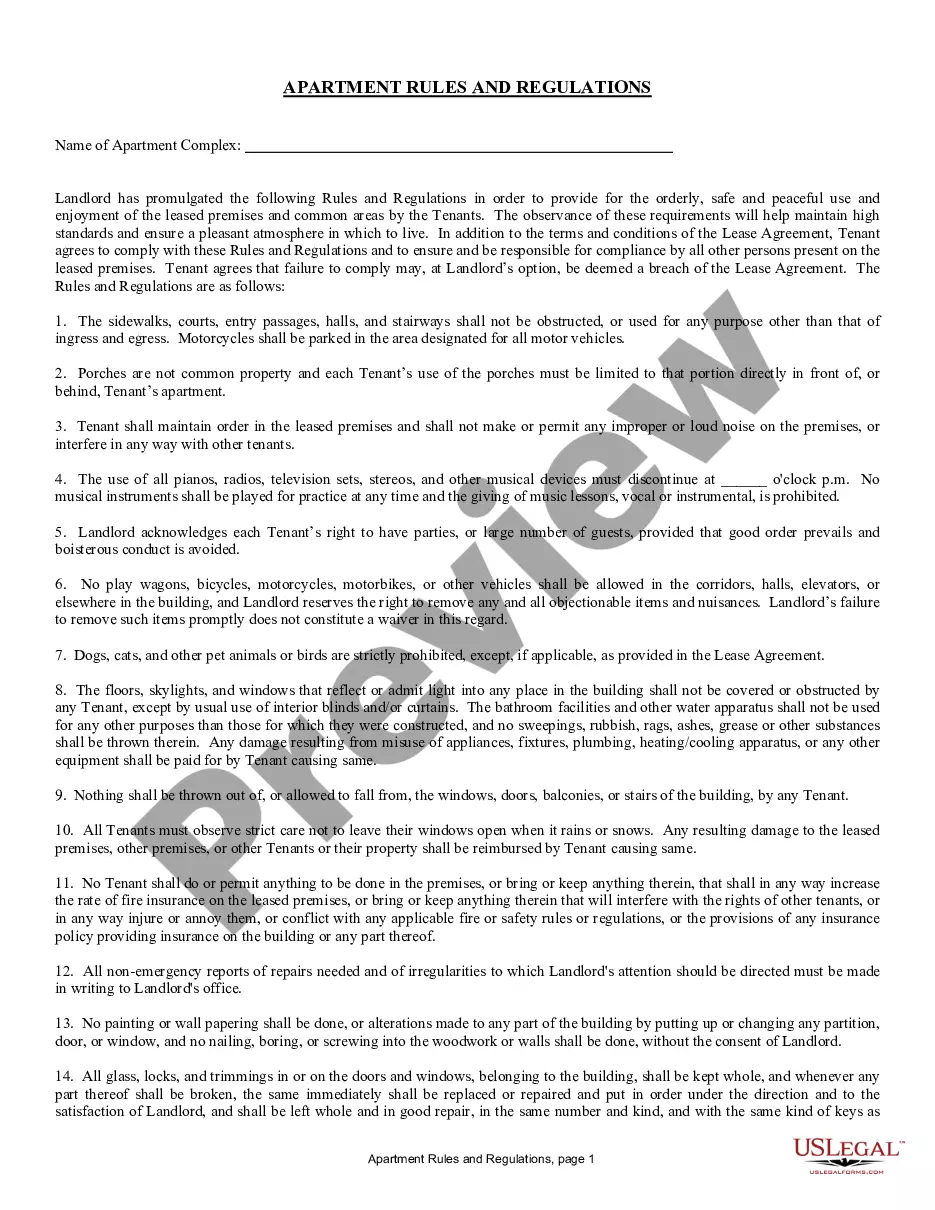
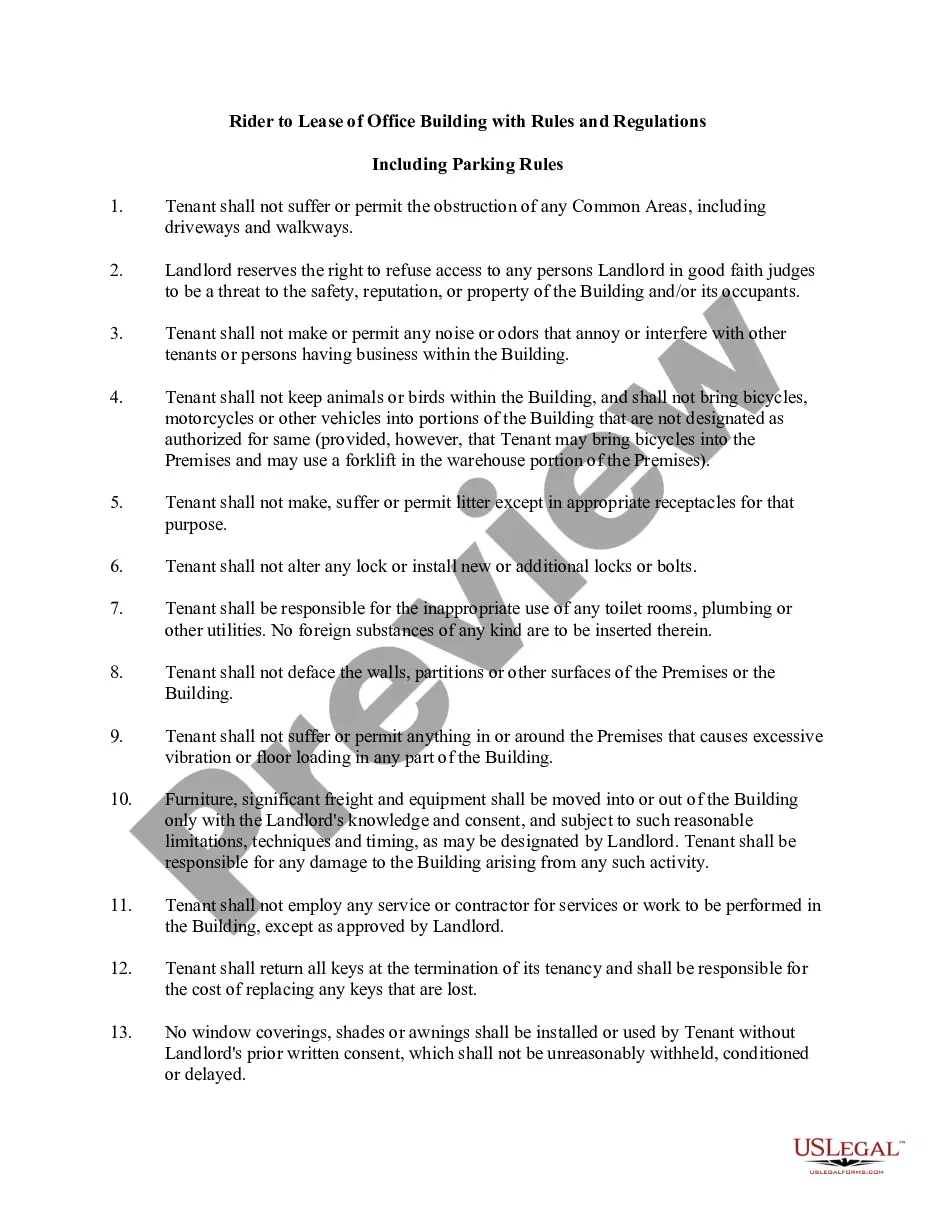
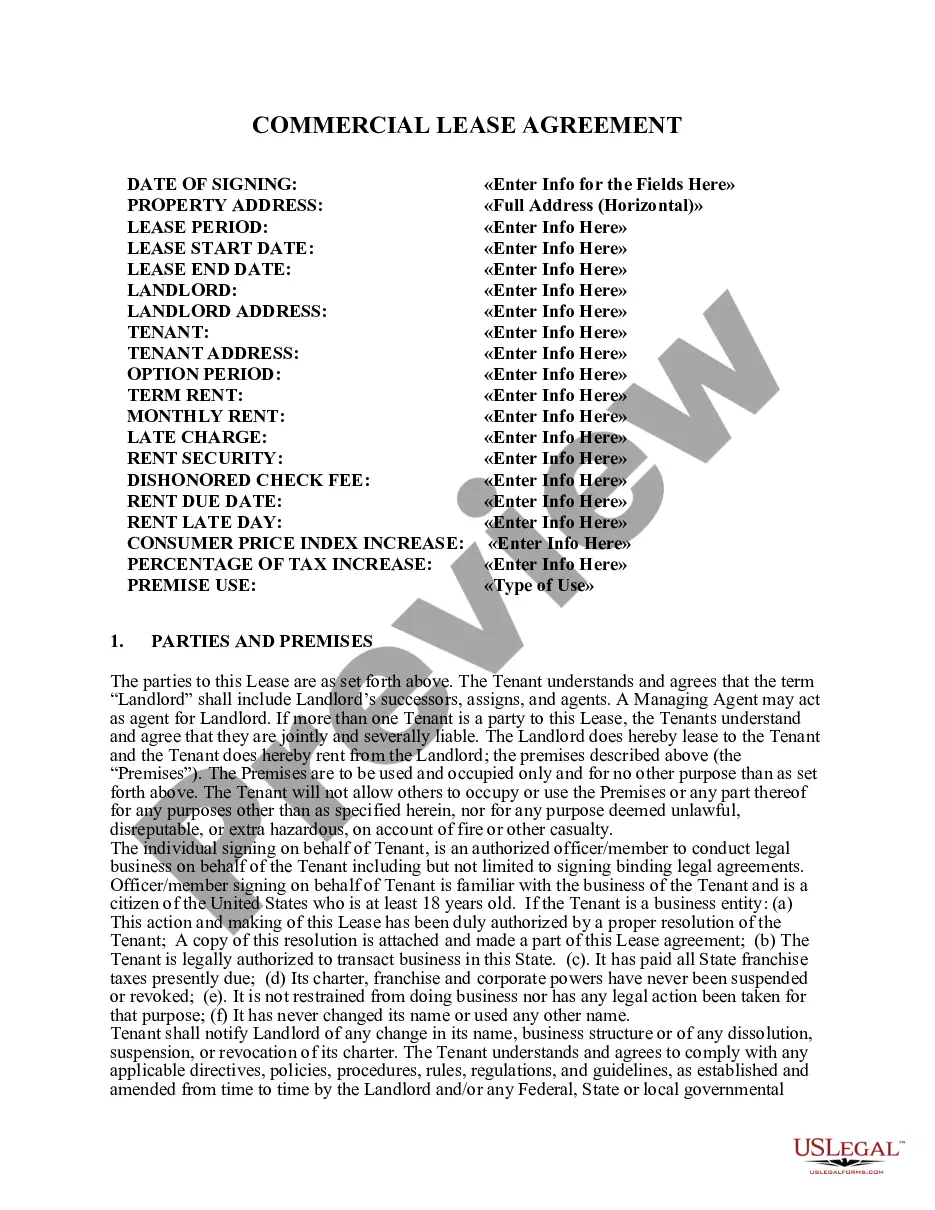
The Apartment Rules and Regulations form provides a structured overview of the guidelines that tenants are required to follow within an apartment complex. This form outlines essential rules that are not typically detailed in the Apartment Lease Agreement, ensuring that all residents understand their responsibilities and the expectations for maintaining a peaceful living environment. It serves as a crucial tool in fostering community standards and can be used in conjunction with the lease agreement for comprehensive tenant management.
Key components of this form
- Identification of the apartment complex and landlord responsibilities.
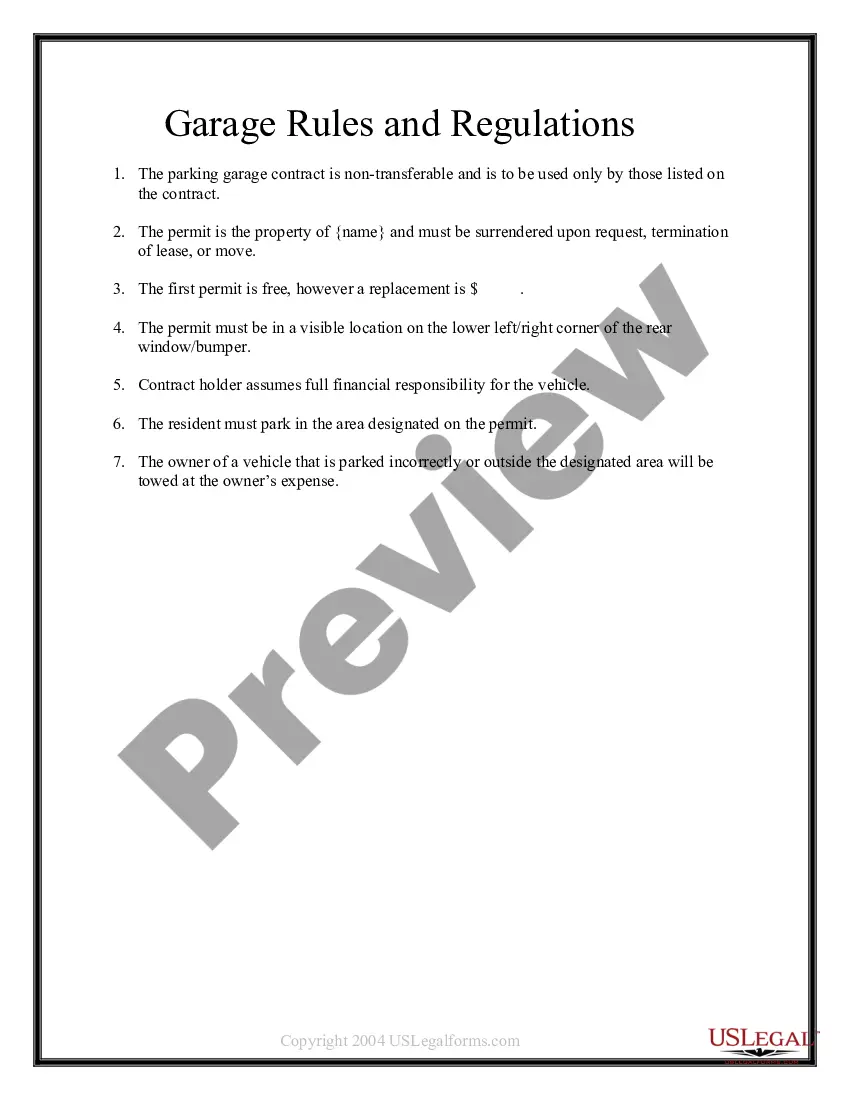
- Specific rules about noise control and common area usage.
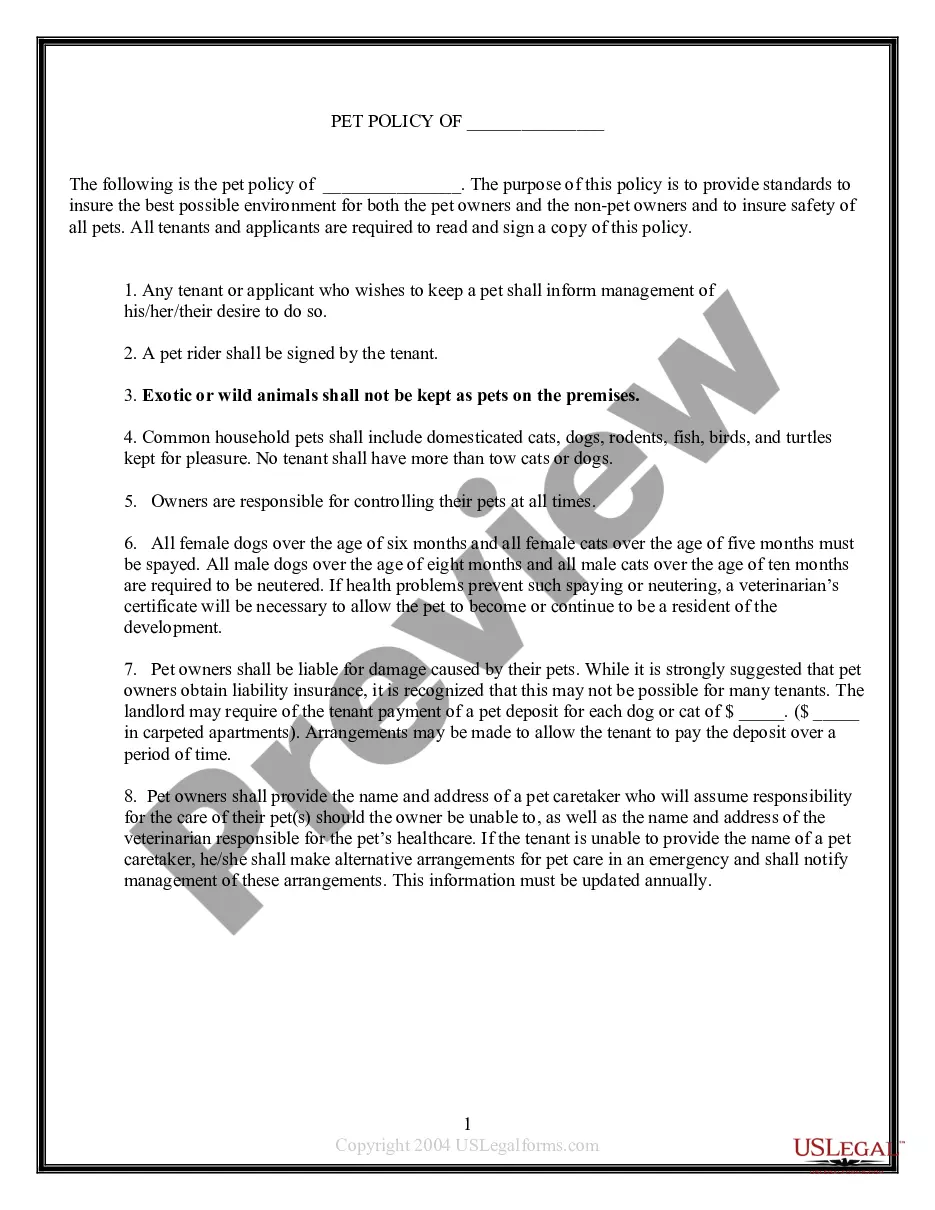
- Guidelines for pet ownership and maintenance of property standards.
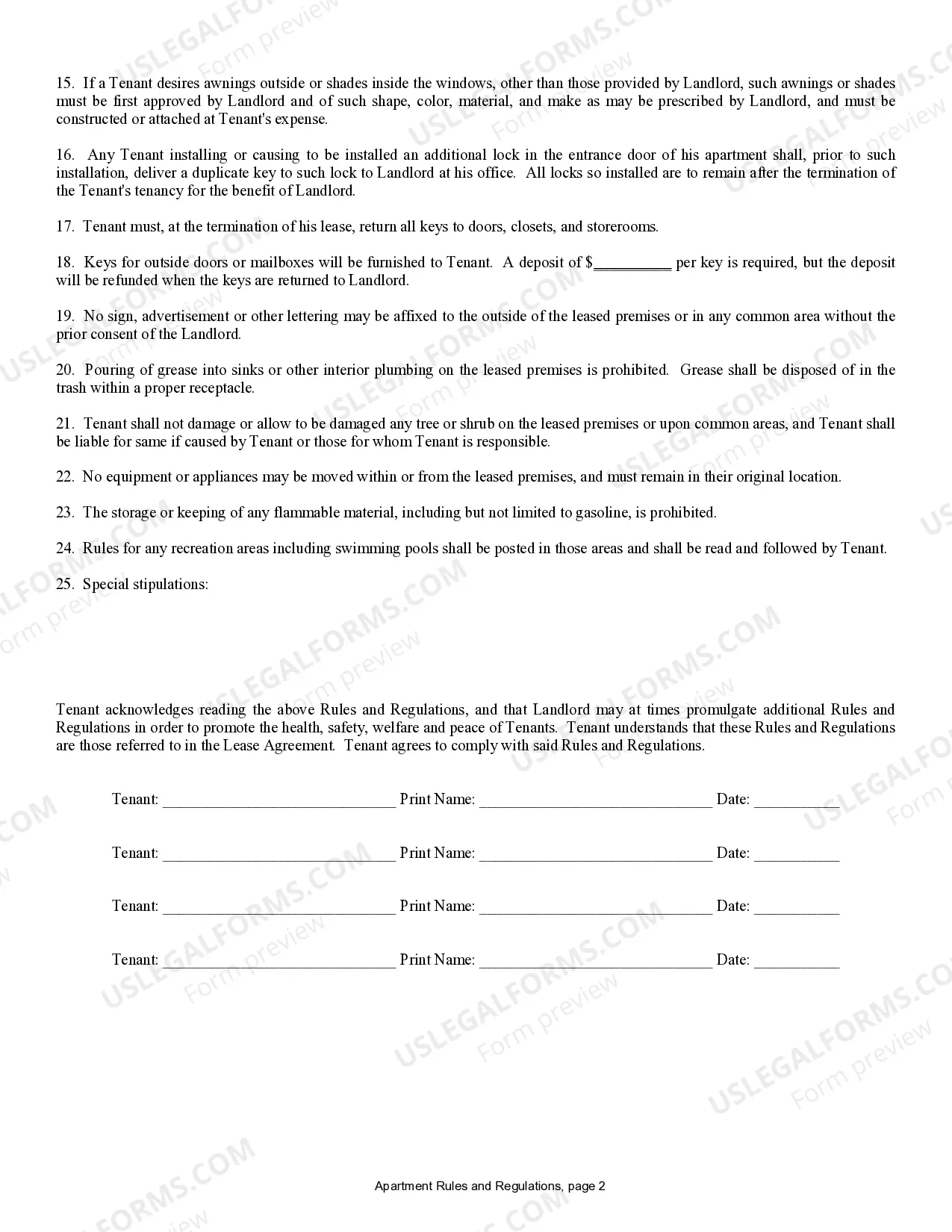
- Requirements for tenant-installed locks and alterations to the apartment.
- Procedures for reporting repairs and maintenance to the landlord.
- Consequences for non-compliance with the outlined rules.
When to use this form
This form is typically used when establishing or clarifying the rules and regulations for tenants in an apartment complex. It is essential during the leasing process to ensure that all parties understand their obligations. Property managers may also use this form when updating regulations or when new tenants move in to maintain a consistent standard of living for all residents.
Who this form is for
- Landlords and property managers overseeing apartment complexes.
- Tenants entering into or renewing a lease agreement.
- Real estate professionals involved in property leasing.
- Legal representatives ensuring compliance with local housing regulations.
Completing this form step by step
- Begin by entering the name of the apartment complex and landlord.
- Review the rules outlined in the document to ensure clarity and understanding.
- Specify any additional stipulations or exceptions as necessary.
- Each tenant should sign and date the form to acknowledge their agreement to the rules.
- Keep a copy for your records and provide one to the landlord.
Notarization guidance
In most cases, this form does not require notarization. However, some jurisdictions or signing circumstances might. US Legal Forms offers online notarization powered by Notarize, accessible 24/7 for a quick, remote process.
Get your form ready online
Our built-in tools help you complete, sign, share, and store your documents in one place.
Make edits, fill in missing information, and update formatting in US Legal Forms—just like you would in MS Word.
Download a copy, print it, send it by email, or mail it via USPS—whatever works best for your next step.
Sign and collect signatures with our SignNow integration. Send to multiple recipients, set reminders, and more. Go Premium to unlock E-Sign.
If this form requires notarization, complete it online through a secure video call—no need to meet a notary in person or wait for an appointment.
We protect your documents and personal data by following strict security and privacy standards.

Make edits, fill in missing information, and update formatting in US Legal Forms—just like you would in MS Word.

Download a copy, print it, send it by email, or mail it via USPS—whatever works best for your next step.

Sign and collect signatures with our SignNow integration. Send to multiple recipients, set reminders, and more. Go Premium to unlock E-Sign.

If this form requires notarization, complete it online through a secure video call—no need to meet a notary in person or wait for an appointment.

We protect your documents and personal data by following strict security and privacy standards.
Common mistakes
- Failing to read and understand all rules listed in the form.
- Not signing or dating the form, which may invalidate the agreement.
- Neglecting to communicate special stipulations that might conflict with the regulations.
Advantages of online completion
- Convenient access to legal forms that can be downloaded and customized.
- Editability allows landlords to tailor rules according to specific tenant needs.
- Reliable templates drafted by licensed attorneys ensure compliance with legal standards.
What to keep in mind
- The Apartment Rules and Regulations establish clear expectations for tenant behavior.
- Adhering to the rules helps maintain a pleasant living environment.
- Clear rules can prevent conflicts between tenants and landlords.
Looking for another form?


Form popularity
FAQ
The increase in rent that a landlord can impose is determined by the District of Columbia Apartment Rules and Regulations. For most leases, this limit stands at 10% annually; however, landlords can request larger increases under specific circumstances such as major repairs or renovations. Tenants should ensure they understand their lease agreements and the guidelines laid out by local regulations. Using UsLegalForms can help you navigate any questions or uncertainties regarding your rental situation.
Yes, Washington DC does have rent control laws under the District of Columbia Apartment Rules and Regulations. These laws apply to rental properties built before 1976, ensuring that landlords cannot raise rents excessively. Rent control aims to provide affordable housing options while maintaining a stable rental market. To fully understand your rights under these laws, you can explore options on UsLegalForms.
Under the District of Columbia Apartment Rules and Regulations, the maximum rent increase for most rental units is generally limited to 10% per year. However, if the housing provider has incurred significant costs, such as capital improvements, this percentage might vary. It's important for tenants to stay informed about these regulations, as they protect both their rights and their budgets. For more guidance, you can visit UsLegalForms to find tailored resources.
All landlords in the District of Columbia must comply with the District of Columbia Apartment Rules and Regulations, which include maintaining the property according to health and safety standards. They are also responsible for adhering to fair housing laws and tenant privacy rights. These regulations help protect both tenants and landlords, ensuring a fair rental market. For thorough documentation and assistance, you might consider using platforms like uslegalforms.
Occupancy laws in the District of Columbia generally specify the maximum number of occupants allowed in a rental unit. These rules are informed by the size of the unit and are part of the District of Columbia Apartment Rules and Regulations. Understanding these limitations ensures that you maintain a safe and legal living situation. If you need to clarify these laws further, resources like uslegalforms can provide additional assistance.
Landlords in Washington, DC, must adhere to numerous regulations, including maintaining the property, providing essential utilities, and complying with the District of Columbia Apartment Rules and Regulations. This includes ensuring proper maintenance and repairs to provide safe accommodation to tenants. Failure to meet these obligations can lead to legal consequences for landlords. If you're a landlord seeking assistance in compliance, uslegalforms can offer valuable resources.
In the District of Columbia, landlords are generally not responsible for tenant-caused damage or negligence that results in property damage. According to the District of Columbia Apartment Rules and Regulations, tenants must maintain their rental units and report issues promptly to avoid complicating situations. Landlords also typically are not liable for issues beyond their control, such as natural disasters. Clear understanding and communication with your landlord can prevent misunderstandings.
The Rental Housing Act in the District of Columbia is outlined in DC Code Title 42, Chapters 3501 to 3595. This legislation details tenants' rights and landlord responsibilities under the District of Columbia Apartment Rules and Regulations. Familiarizing yourself with this code can provide crucial insights into what you can expect as a tenant or a landlord in DC. Resources like uslegalforms can help you navigate these legal texts.
All rental properties in the District of Columbia must be registered with the Department of Consumer and Regulatory Affairs (DCRA). This registration is part of the compliance process outlined in the District of Columbia Apartment Rules and Regulations. By ensuring proper registration, landlords can avoid fines and ensure they meet all legal requirements. If you need help with this process, uslegalforms can simplify the registration for you.
Not all apartments in Washington, DC, fall under rent control. The District of Columbia Apartment Rules and Regulations specify that only certain buildings, primarily those built before 1975, are subject to rent control laws. Additionally, specific exemptions exist, such as for owner-occupied buildings and certain newly constructed units. Understanding whether your apartment is rent controlled can help you make informed financial decisions.